For years, T. rex’s tiny arms have been the butt of every dinosaur joke.
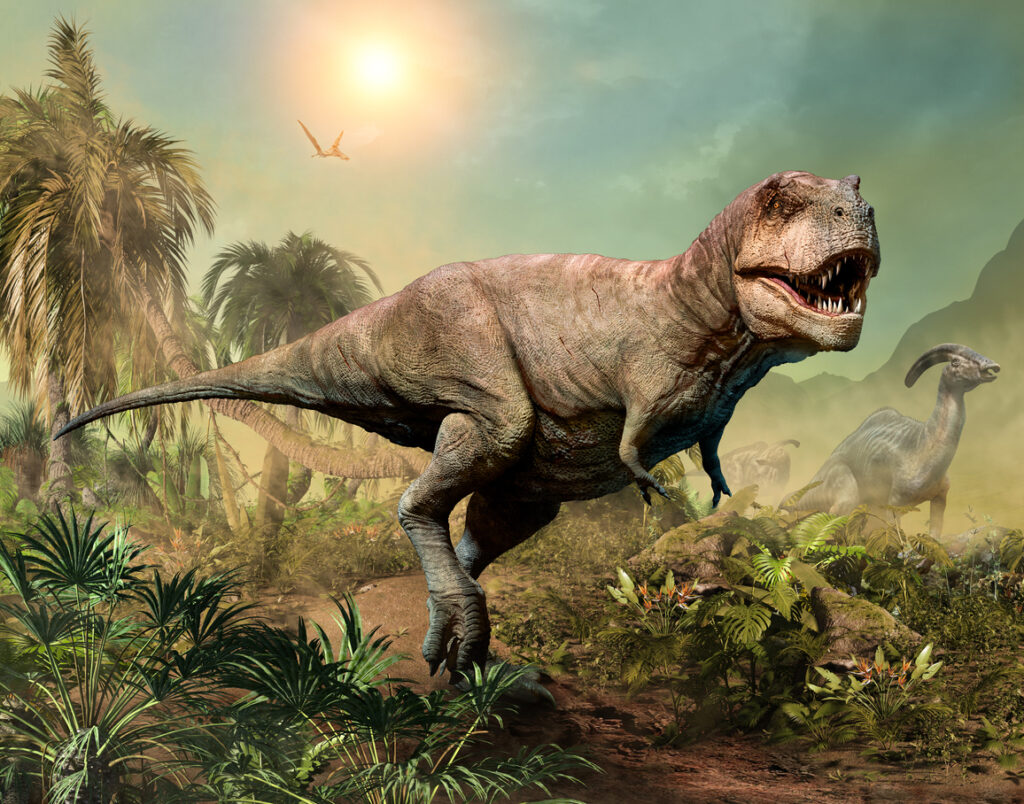
They look ridiculous on such a massive predator; they’re short, stubby, and seemingly useless. However, scientists now think those little limbs had more purpose than they’ve been given credit for. Far from being evolutionary leftovers, they may have helped with gripping prey, mating, or even holding onto carcasses while feeding.
The truth is, the famous dinosaur’s arms weren’t a design flaw at all. In fact, they were just specialised tools for a very specific way of life.
They were small, but not weak.
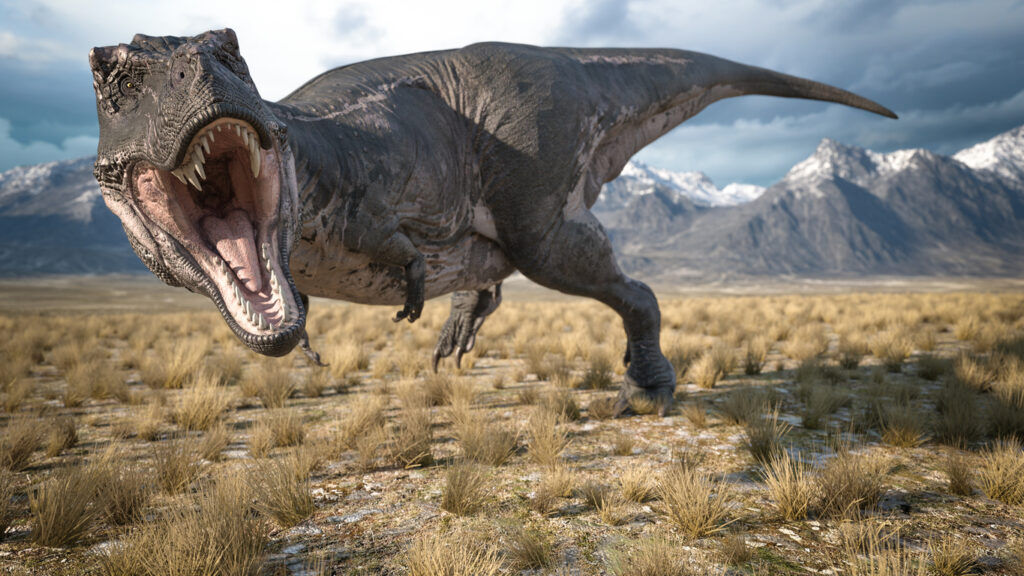
Although T. rex arms look comically short, they were surprisingly strong. Each arm could lift around 180 kilograms, powered by thick muscles and sturdy bones. Their short length didn’t mean they were useless. Instead, they were compact and built for strength over reach, giving the dinosaur incredible power in a small range of movement.
They helped T. rex stay balanced.

A full-grown T. rex could weigh over seven tonnes, and its massive head made balance a challenge. Those small arms helped shift weight slightly forward, stabilising the dinosaur as it moved or hunted. Experts think they worked with the tail to steady the body. Even minor adjustments mattered for an animal that large, especially when turning or charging.
They may have helped them stand up.

When a T. rex rested or fell, it needed a way to push itself upright again. The arms, though short, were strong enough to help lift the front of the body. Some scientists suggest the claws could grip the ground while the legs did most of the work. This extra support made recovery from a fall less dangerous.
They could have held prey in place.
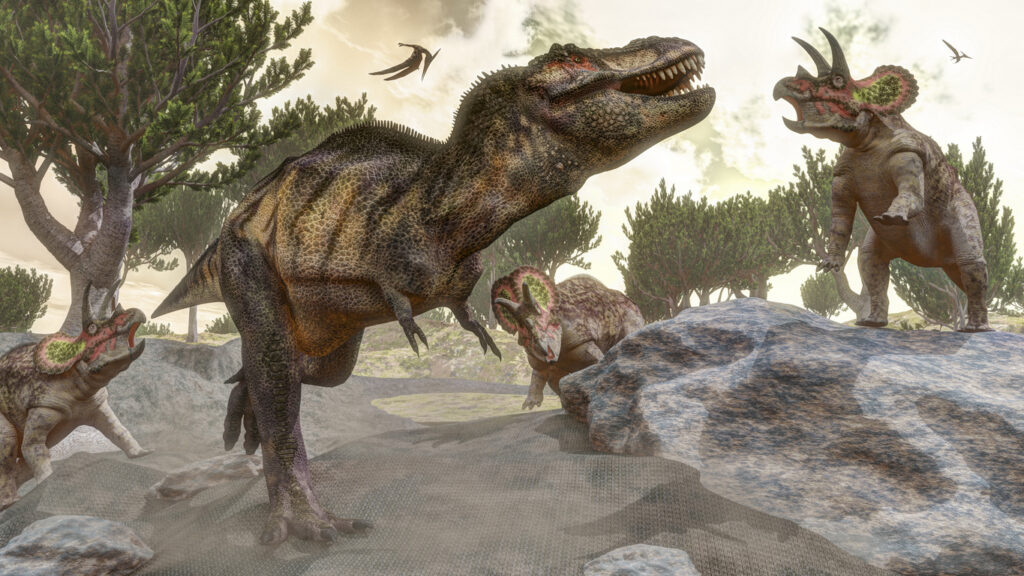
T. rex hunted large animals, and gripping prey might have been part of the feeding process. The claws could hold struggling creatures close while the jaws delivered fatal bites. The arms were short enough to stay out of the way, but strong enough to stabilise food during feeding. It was a practical design rather than a useless leftover.
They may have helped during feeding.
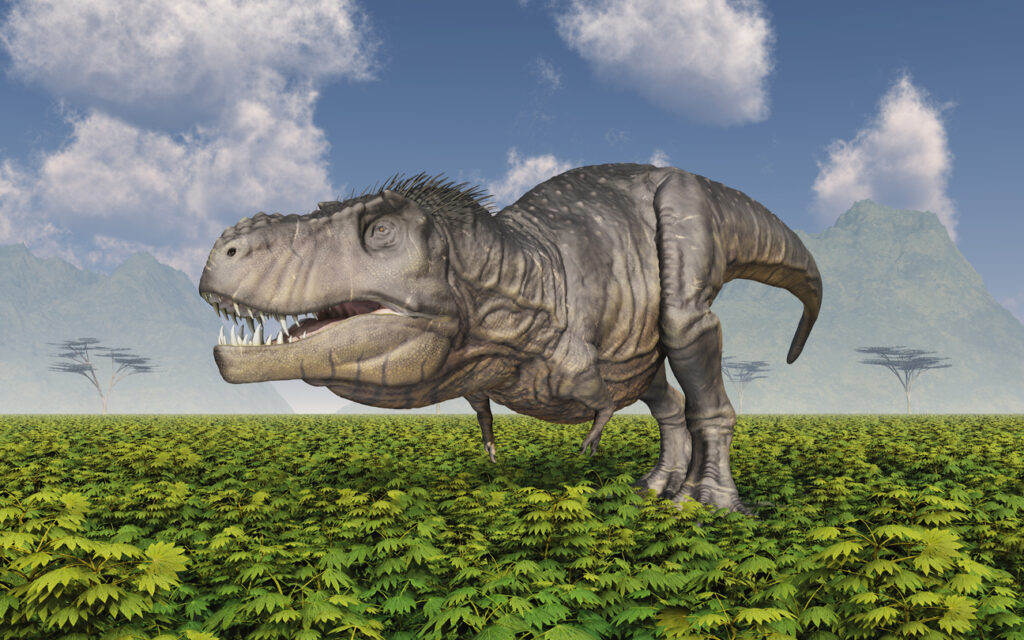
When tearing meat from carcasses, the arms could pull the body closer or hold chunks steady. The short reach made precise, powerful movements possible. This would reduce wasted energy and make eating more efficient. In the wild, where competition for food was fierce, efficiency meant survival.
They might have played a role in mating.

Some palaeontologists believe the arms were used in mating rituals or to hold partners steady. Their claws could have provided gentle grips during courtship or balance while mating. The idea remains speculative, but it’s possible the arms were part of complex physical interactions rather than purely functional tools for hunting.
The claws were sharp and curved.

Each hand had two large claws, curved and hooked, ideal for gripping rather than slashing. Their structure suggests they were more like grappling tools than weapons. These claws could help anchor T. rex during feeding or stabilise prey briefly. They were likely multipurpose, adapting to whatever survival demanded.
The short length protected them from injury.
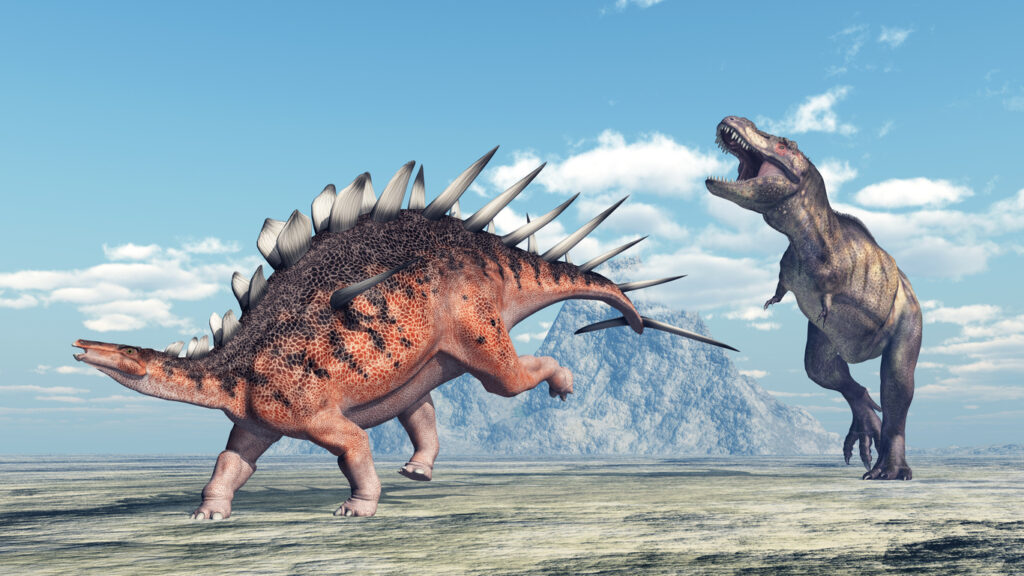
Longer limbs would have been vulnerable during close combat or while hunting huge prey. Short arms stayed out of reach, preventing bites or fractures. Evolution may have favoured compact limbs because they were less likely to be damaged. For a top predator, staying functional mattered more than looking balanced.
They were possibly used for communication.
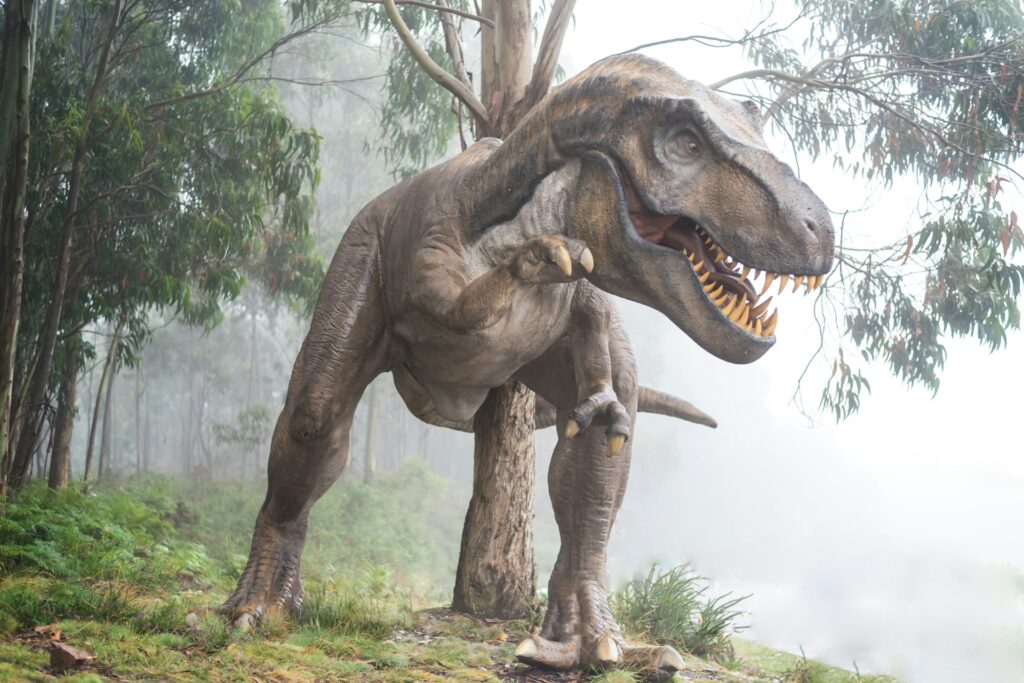
Some experts suggest arm movements could have been part of body language. Gestures might have communicated dominance, aggression, or readiness to mate. While no direct evidence proves this, comparing T. rex to modern reptiles and birds hints that subtle limb motions could have conveyed social cues within its species.
They evolved alongside the skull and jaws.

As the head and neck became stronger, the arms likely became less necessary for hunting. Natural selection favoured the jaws as the main weapon and allowed the arms to shrink. The evolutionary trade-off meant energy went into developing an enormous bite force instead. The arms adapted to secondary roles rather than vanishing completely.
They show how evolution repurposes body parts.
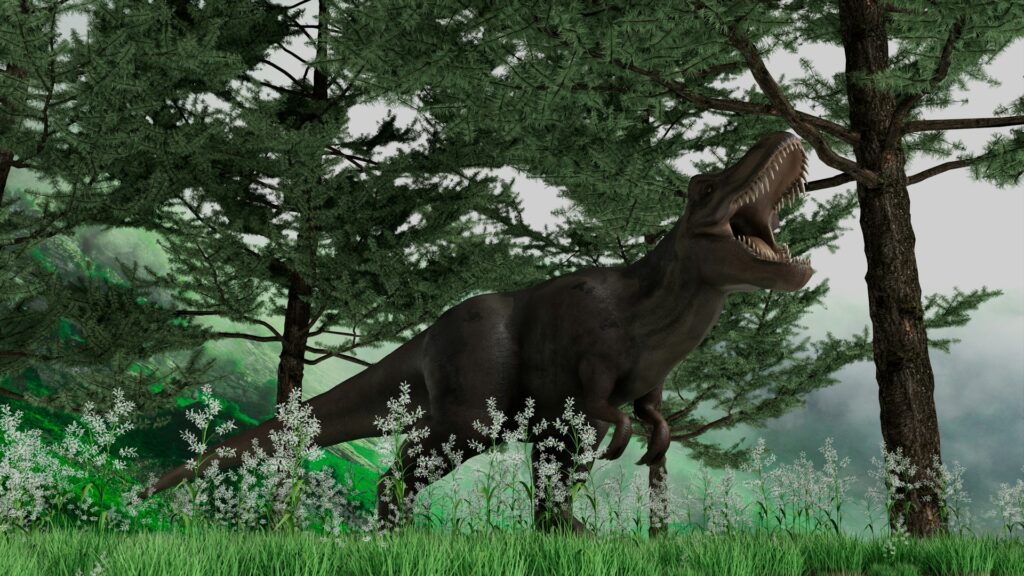
T. rex arms are a good example of evolutionary efficiency. Instead of disappearing, they adapted to smaller, supportive functions that still added value. Their reduced size wasn’t a flaw. It was part of a broader survival strategy, showing how evolution keeps what works and reshapes what doesn’t.
They still hold unanswered questions.
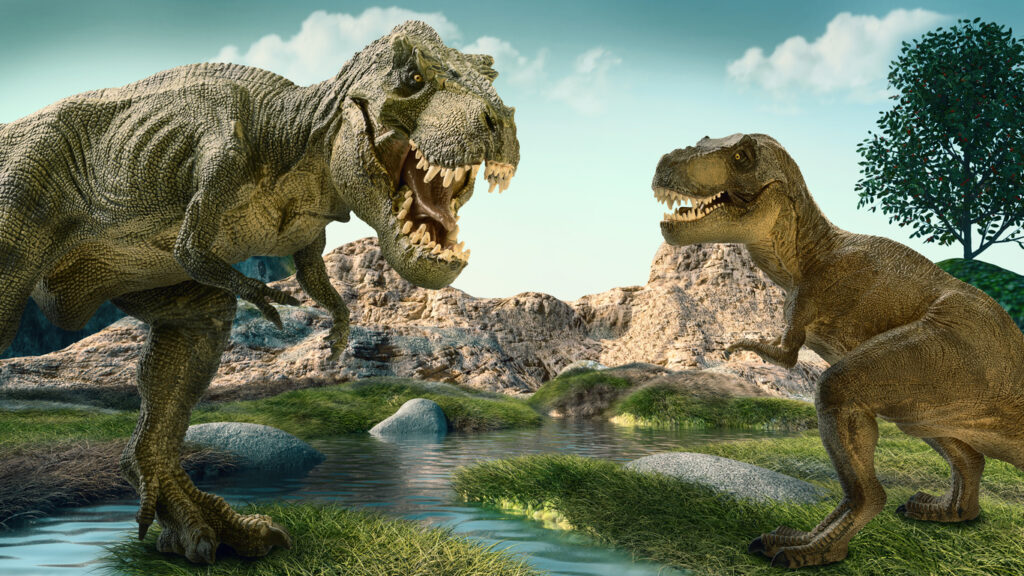
Scientists continue to debate their exact role because fossils can only tell part of the story. The arms’ structure hints at multiple uses, from gripping to communication. Future discoveries might clarify how T. rex used them day to day. For now, those tiny limbs remain one of the dinosaur world’s most intriguing puzzles.
Why the mystery is still worth unravelling
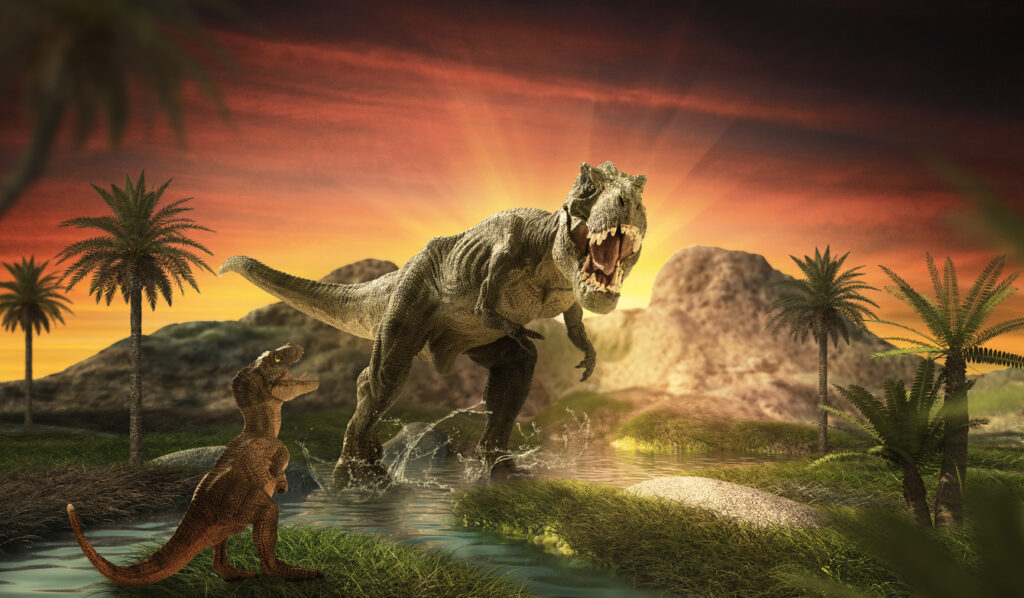
The T. rex’s arms remind us that evolution doesn’t waste effort. Every feature, even one that looks odd, likely served a purpose once vital to survival. By studying those short limbs, scientists keep uncovering how one of history’s most powerful predators balanced strength, intelligence, and adaptability—a combination that helped it rule its world for millions of years.