The Amur leopard isn’t just rare; it’s one of the toughest cats on Earth.
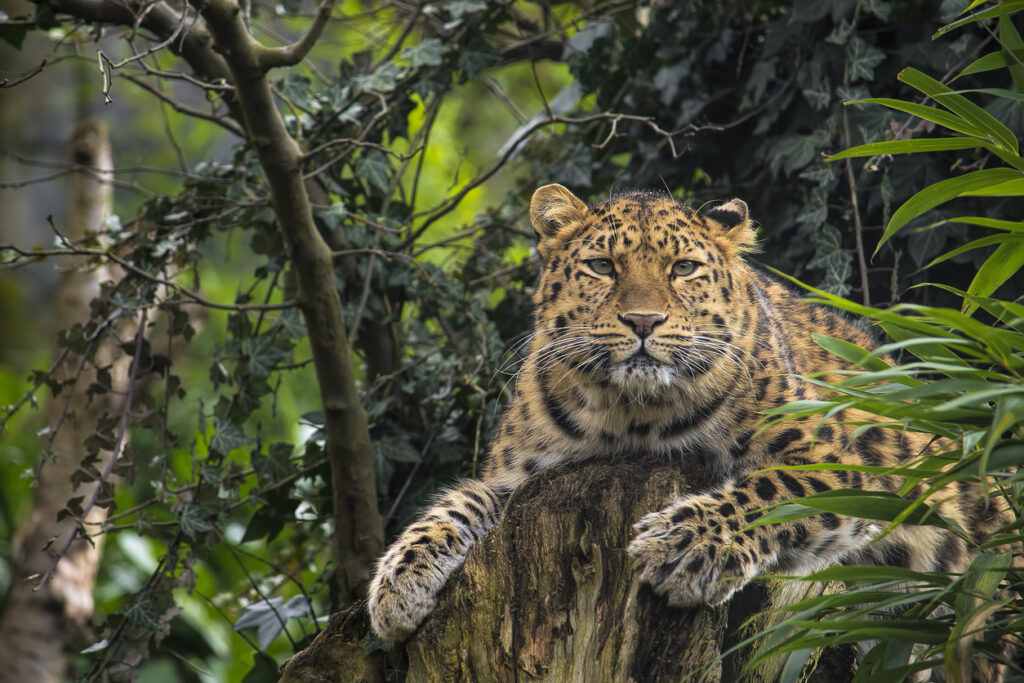
Only around a hundred remain in the wild, clinging to survival in the freezing forests of the Russian Far East and parts of China. These are places where temperatures can plunge below minus 30 degrees Celsius, snow lies thick for months, and prey can vanish almost entirely in winter. Yet somehow, these big cats thrive where most others couldn’t even cope. Over thousands of years, they’ve developed a set of remarkable physical and behavioural adaptations that make them the ultimate cold-weather survivors.
Below the thick snow and frostbitten silence of their territory, the Amur leopard has learned to master balance, patience, and resilience. Their lifestyle is an ongoing battle against scarcity and solitude, but every aspect of their biology is built for endurance. Here’s how they’ve evolved to become the world’s coldest and most resilient big cats.
Their fur is built for snow and ice.
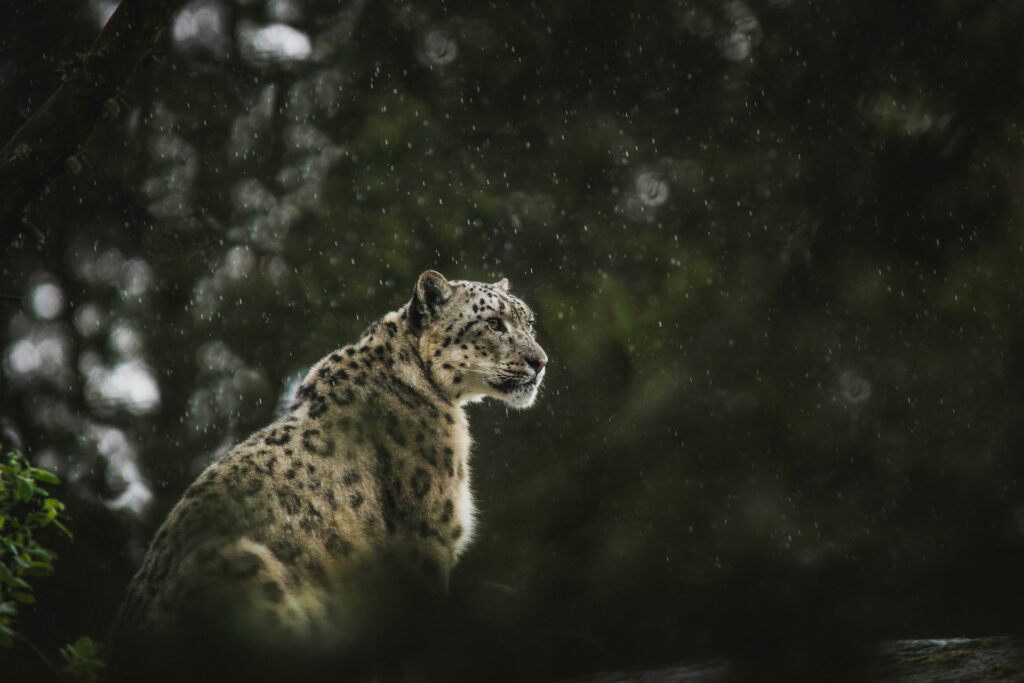
The Amur leopard’s winter coat is one of the thickest and warmest among all big cats, growing up to seven centimetres long. It traps heat close to the body while keeping out moisture, which is vital for survival during Siberia’s bitter winters. The dense undercoat acts as insulation, while the longer guard hairs block wind and snow.
As spring arrives, the coat becomes lighter and shorter. The seasonal change prevents overheating during milder months, allowing the leopard to stay agile and active even as the temperature fluctuates. Their fur isn’t just warmth, it’s armour against the elements.
Their spots work as perfect camouflage.
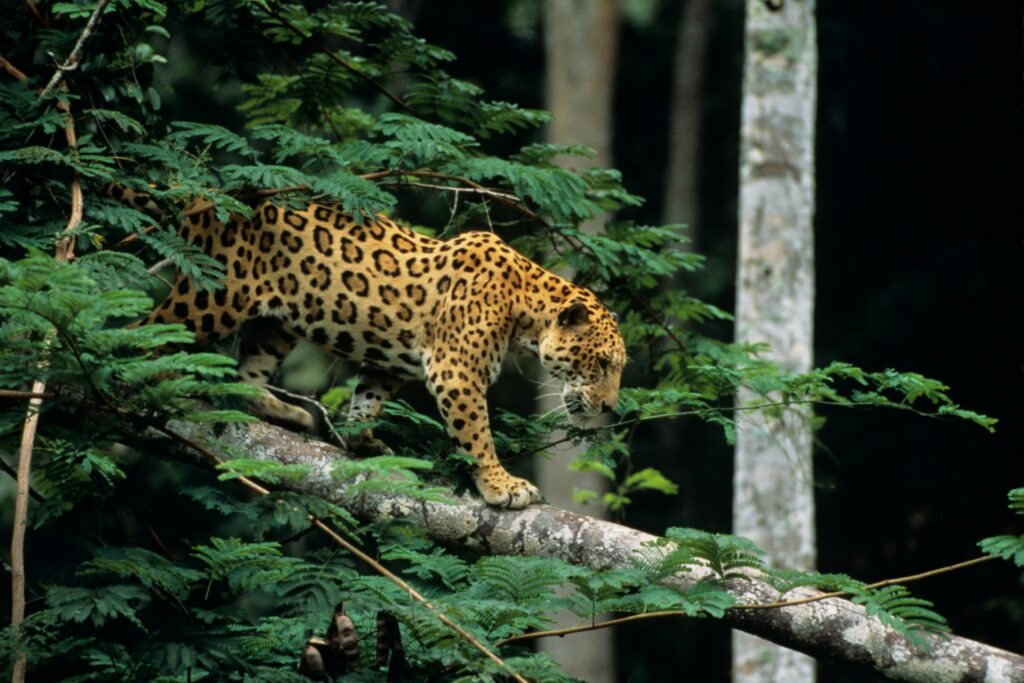
The Amur leopard’s golden-cream coat and wide, broken rosettes are perfectly designed for concealment. Unlike the tight, small spots of African leopards, these are more spaced out and irregular, helping them blend into bare forests and snowy hillsides.
Even more impressive, the colouring subtly changes with the seasons. In winter, the fur lightens to match snow-dusted trees and pale bark. In summer, it darkens for better cover among thick green foliage. That constant adaptation means they can stalk prey in near invisibility year-round.
Their bodies are compact for conserving heat.
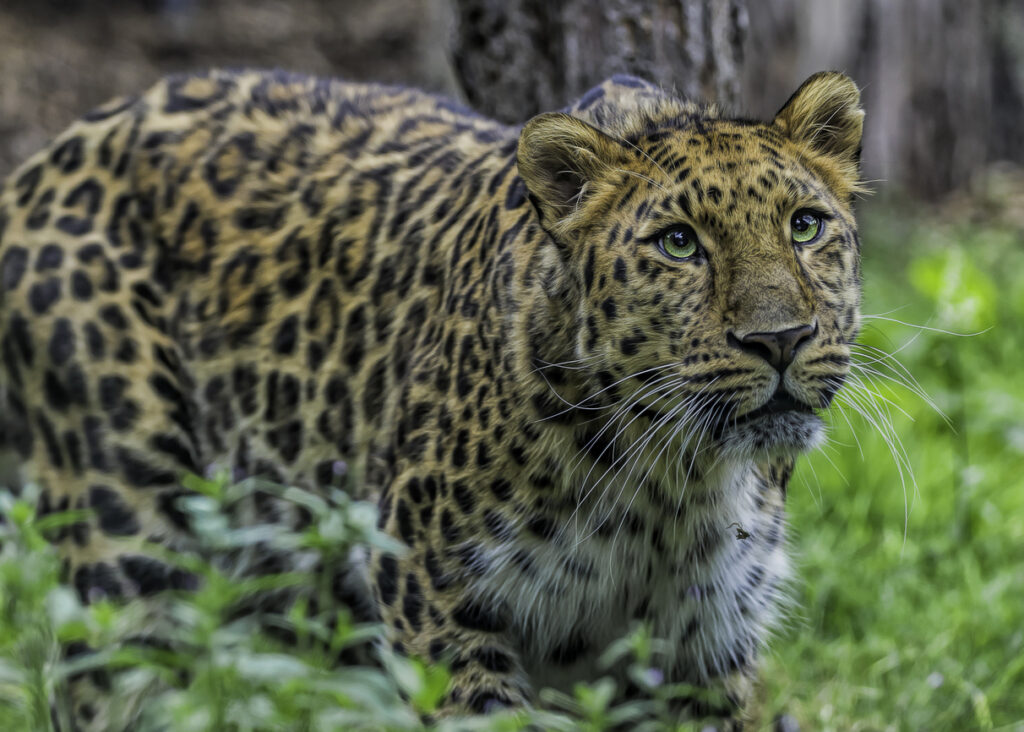
Amur leopards have a shorter, stockier build than their tropical relatives. Their smaller ears, shorter limbs, and thick neck reduce heat loss and protect against frostbite. Their compact design helps them maintain warmth in temperatures that would freeze most predators solid.
The trade-off is agility, and they’ve perfected it. Their muscular build allows them to move silently through deep snow, leap over fallen trees, and sprint short distances without wasting energy. Every movement is efficient, quiet, and calculated.
They’ve developed incredible agility on rough terrain.
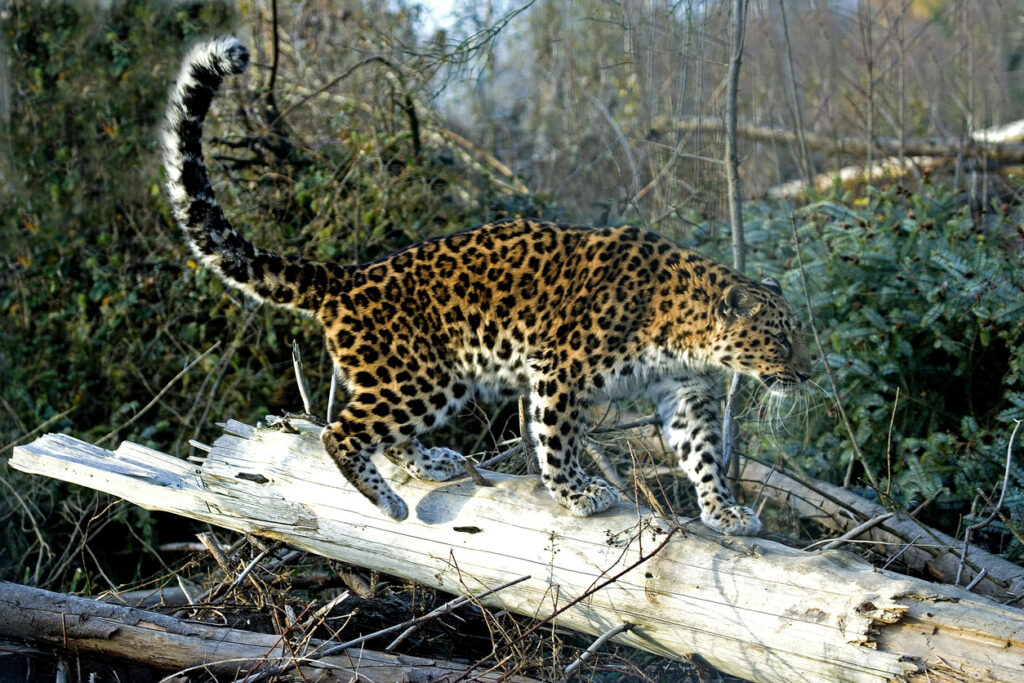
Their long tails and strong legs give the Amur leopard superb balance, letting them scale icy cliffs and navigate steep slopes with ease. They can leap over five metres in a single bound, a vital advantage when chasing prey through thick snow or dense undergrowth.
In the rugged mountains of Primorye, agility is everything. It allows them to outmanoeuvre nimble prey like roe deer and hares, even in deep snow. Every muscle in their body is tuned for survival in landscapes where footing can mean life or death.
They hunt at night to conserve energy.
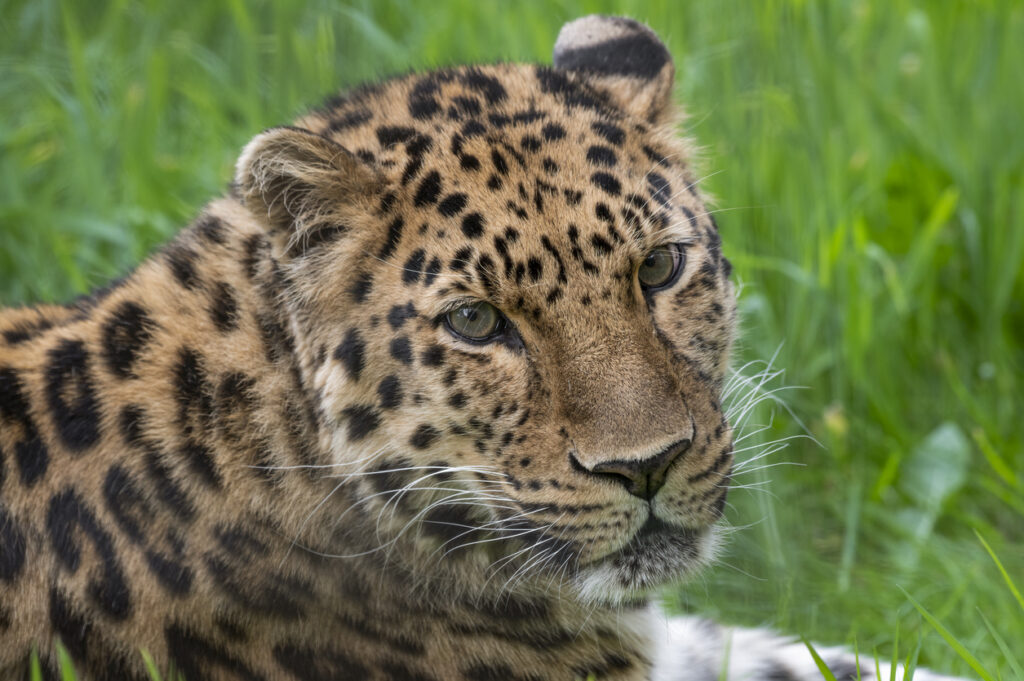
Amur leopards are masters of the night. Hunting after dark saves energy and helps them avoid direct competition with larger predators like Siberian tigers. Their night vision is exceptional, allowing them to detect movement even in near-total darkness.
Their padded, fur-covered paws silence every step on frozen ground. They rely on stealth and timing rather than long chases, conserving precious calories. In an environment where every meal counts, patience is their greatest hunting weapon.
They have thick, fur-covered paws.
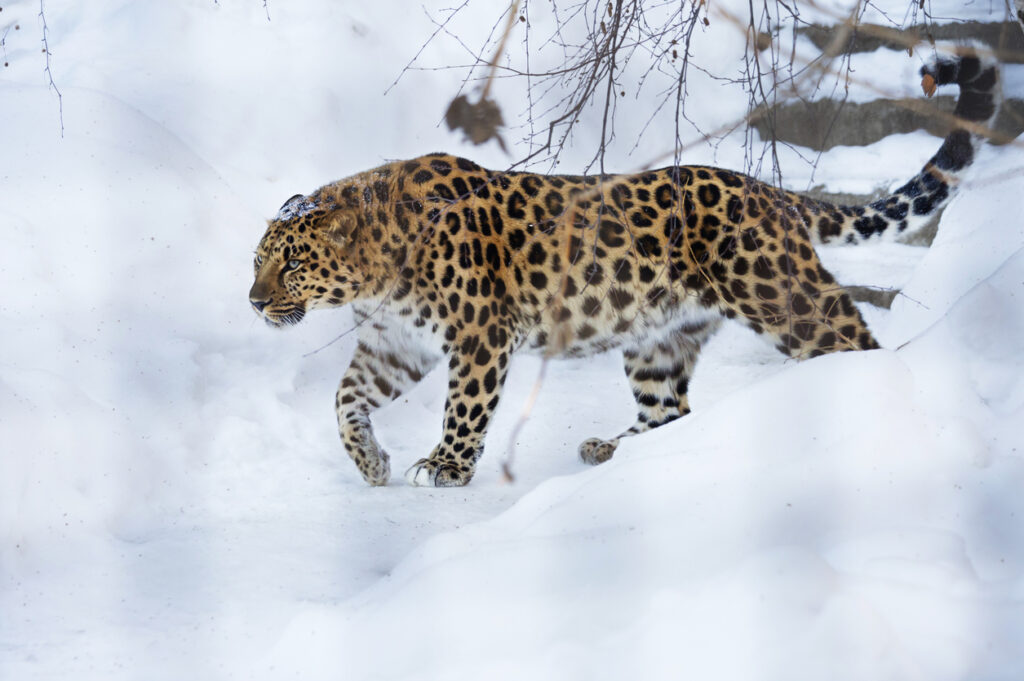
Those huge paws aren’t just for grip; they basically act like snowshoes. The fur between their pads keeps them warm and prevents slipping on ice, while the wide surface area spreads their weight evenly so they don’t sink into deep snow.
This natural design means they can travel long distances through the harshest terrain with minimal effort. It also allows them to approach prey quietly, their steps cushioned and almost soundless.
They’ve learned to survive on limited prey.
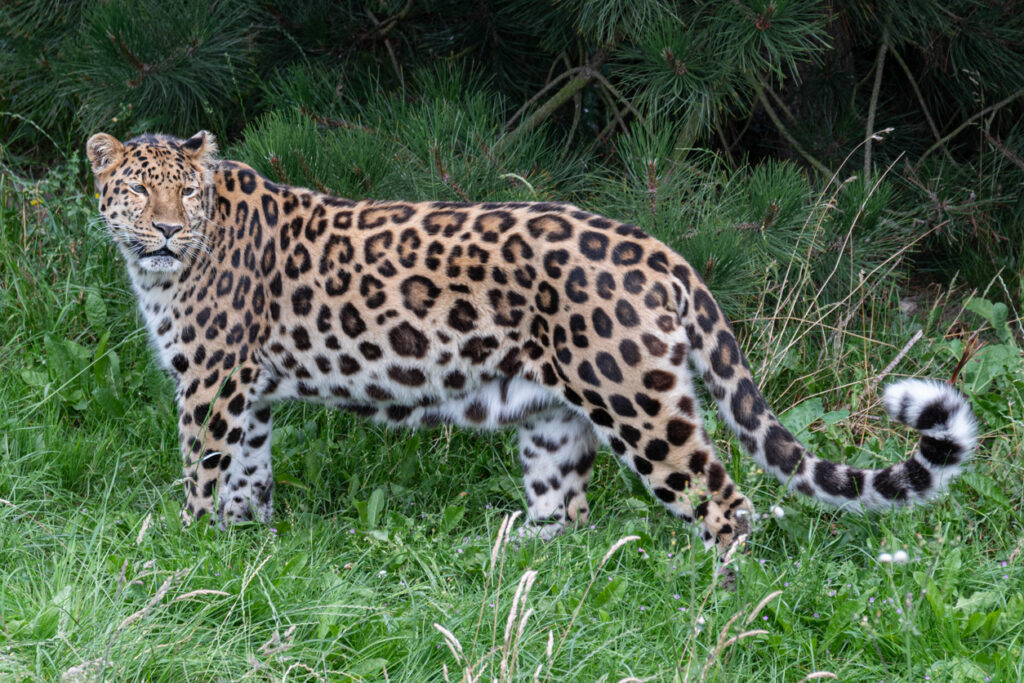
Food is scarce in the Amur leopard’s world. In winter, they can go days without a successful hunt. To adapt, they’ve learned to eat almost anything: hares, badgers, and small deer are all fair game.
When they make a kill, they drag it into trees to keep it safe from scavengers. This way, they can feed from the same carcass for several days, saving energy and reducing the need to hunt in brutal conditions. It’s strategic survival, not just instinct.
They live in huge, solitary territories.
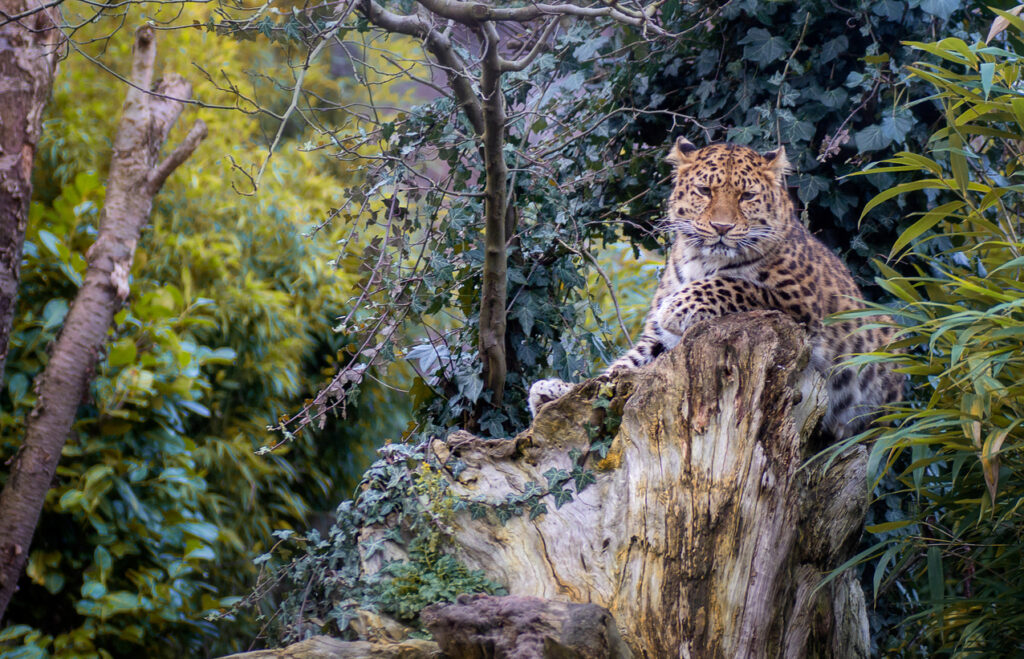
Because prey is scarce, Amur leopards roam vast territories, sometimes covering more than 400 square kilometres. Each cat fiercely guards its range, marking it with scent to warn others away.
Their isolation helps reduce competition but makes finding a mate difficult. It’s part of why their population is still critically endangered today. In a landscape this vast, solitude is both their strength and their greatest challenge.
Their reproduction timing matches harsh winters.
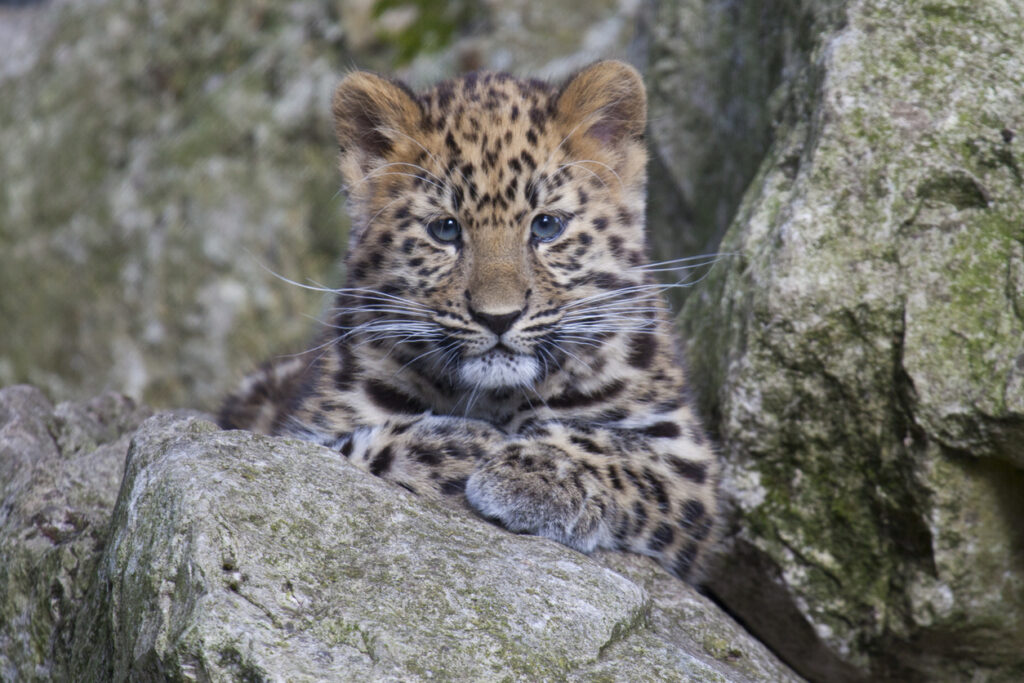
Amur leopard mothers plan their litters around the seasons. Most cubs are born in early spring, when prey becomes easier to find and the weather begins to soften. Dens are lined with fur and leaves to protect the newborns from lingering frost.
By the time the first snow returns, cubs are strong enough to hunt small prey alongside their mother. This timing gives them the best chance of surviving their first winter, and that’s the hardest test of all.
They store fat efficiently.

These leopards prepare for winter like clockwork. As autumn approaches, they build thick fat reserves beneath their skin, providing insulation and energy through long stretches without food.
Their metabolism even slows slightly in extreme cold, conserving energy when prey is hardest to find. It’s a delicate biological balance that allows them to endure conditions that would starve or freeze less-adapted predators.
They share their habitat with Siberian tigers.
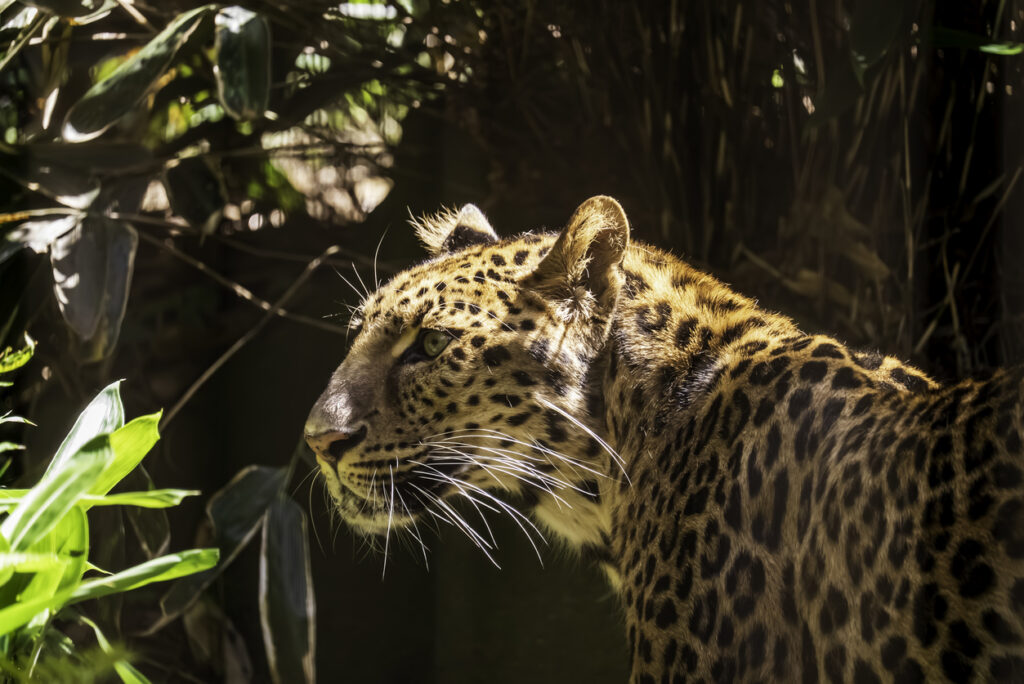
It’s rare for two apex predators to coexist peacefully, but the Amur leopard and the Siberian tiger manage it. They share the same forests, though the leopards tend to stay higher up in rockier terrain where tigers rarely go. The separation allows both species to survive without direct conflict. It’s a quiet truce between giants, shaped by the unrelenting landscape they share.
They’ve learned to thrive in silence.
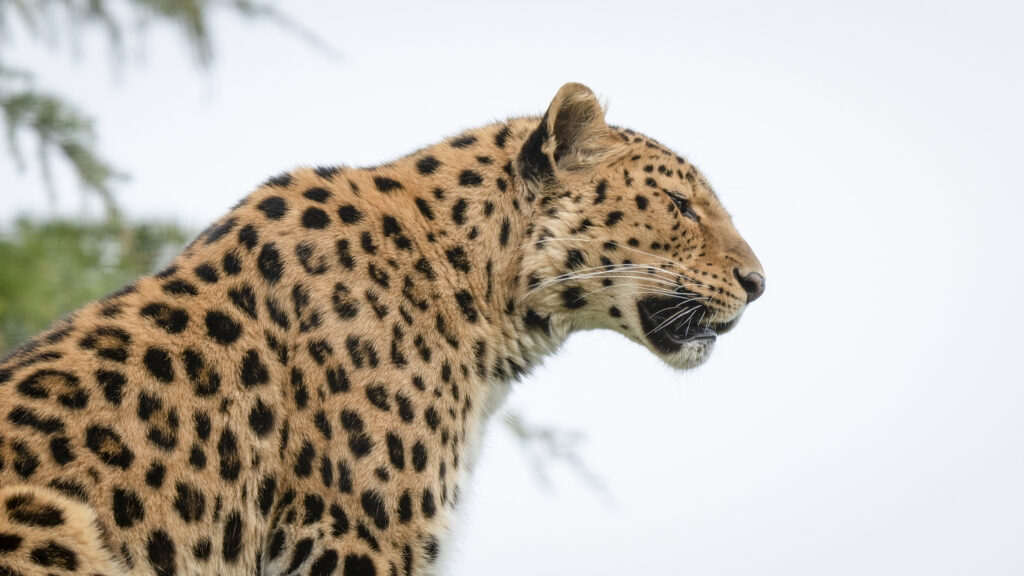
Amur leopards are quiet, solitary, and deeply patient. They rely on stealth rather than strength, and their calm presence in such an unforgiving world is part of what makes them extraordinary.
That same silence has helped them endure decades of poaching and habitat loss. They are living proof that resilience doesn’t always roar. Sometimes it moves quietly through the snow, unseen, unbroken, and still holding on.