Spotting a crocodile tends to scramble people’s brains very quickly.
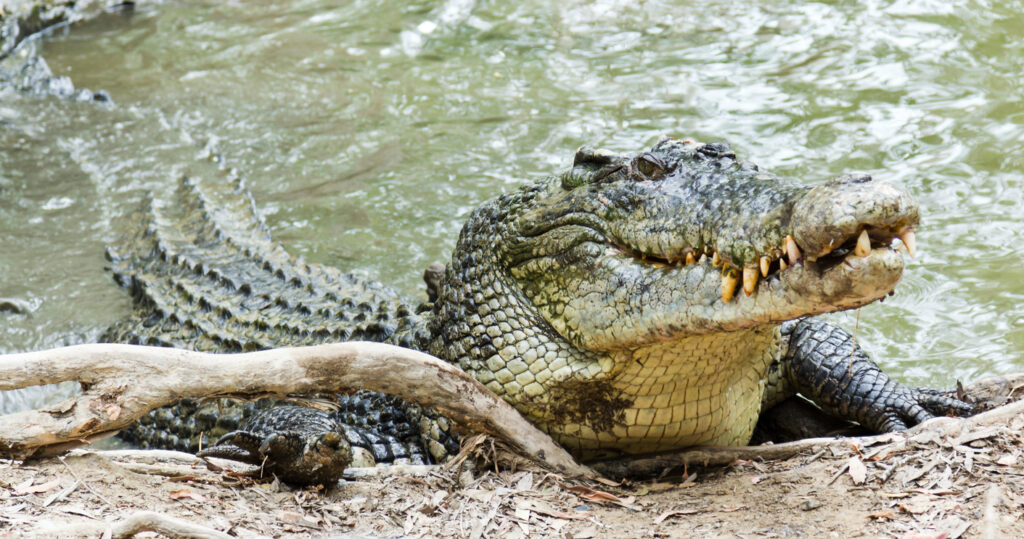
Even those who thought they knew what to do can panic, freeze, or make snap decisions that feel sensible in the moment and turn out to be spectacularly bad ones. Of course, the problem is that crocodiles don’t behave the way people expect predators to behave, especially if your reference point is films or wildlife documentaries.
They don’t need to charge or make a fuss to be dangerous. They rely on patience, positioning, and people underestimating them. Most fatal mistakes happen not because someone didn’t know crocodiles were risky, but because they misunderstood how that risk actually works. When you realise where people go wrong, it becomes clear why these encounters can turn deadly so fast.
1. Ignoring the warning signs because “people always swim here”

If there’s a sign saying beware of crocodiles, it’s not there for decoration. People see these warnings and think they’re overreacting or that because they’ve swum in that spot before without incident, it must be fine. Crocodiles don’t operate on a schedule, and just because you got lucky last time doesn’t mean you will this time. Those signs go up because crocodiles have been spotted in the area or because someone’s already been attacked there.
2. Swimming at dusk or dawn when crocs are hunting
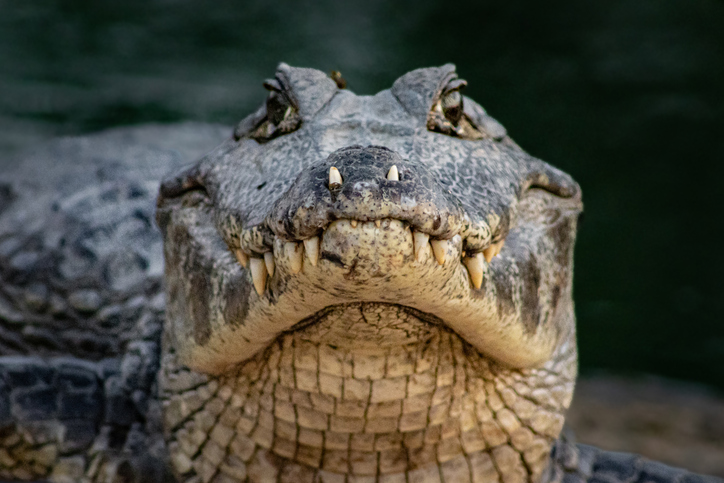
Crocodiles are most active at dawn and dusk because that’s when they hunt. Going for a swim during these times is basically offering yourself up as dinner. They can see you perfectly well in low light while you can barely see them, so you’re swimming blind in water where something with a 3,700 pound bite force is actively looking for prey. If you absolutely must be near water in croc territory, midday is your safest bet.
3. Thinking clear water means it’s crocodile-free
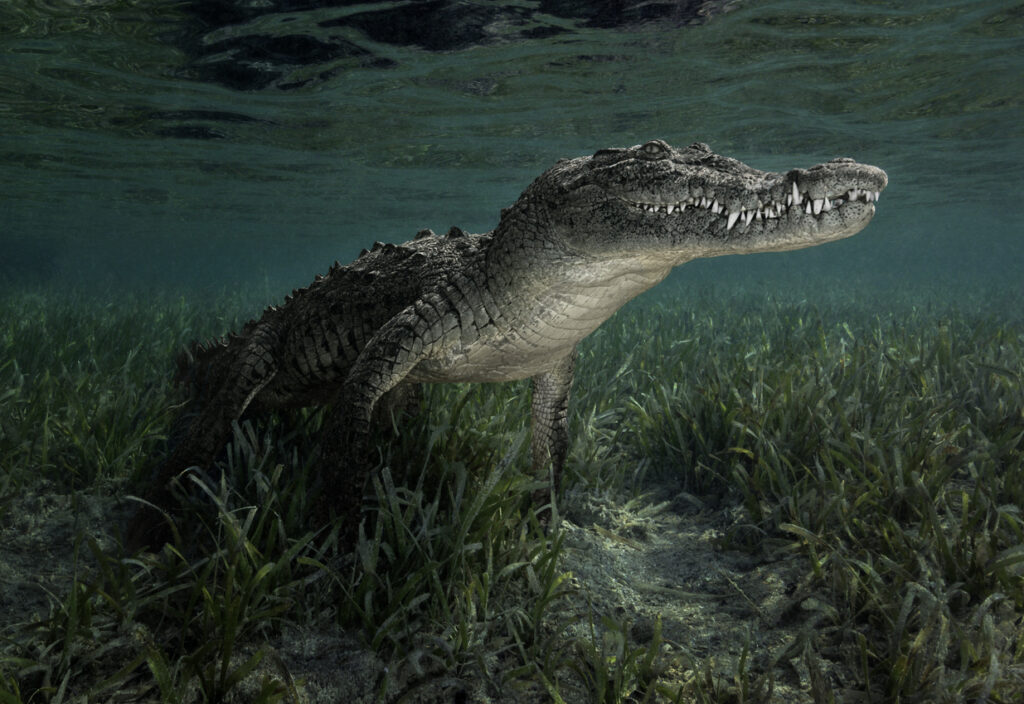
People assume that if they can see the bottom of the water, there can’t be any crocodiles hiding in it. This is complete nonsense. Crocodiles can hold their breath for extended periods and stay perfectly still underwater while they wait for prey. Clear water doesn’t mean safe water, it just means you might spot a croc if you’re lucky and it decides to move. Most attacks happen because the crocodile was there all along and nobody saw it.
4. Standing right at the water’s edge
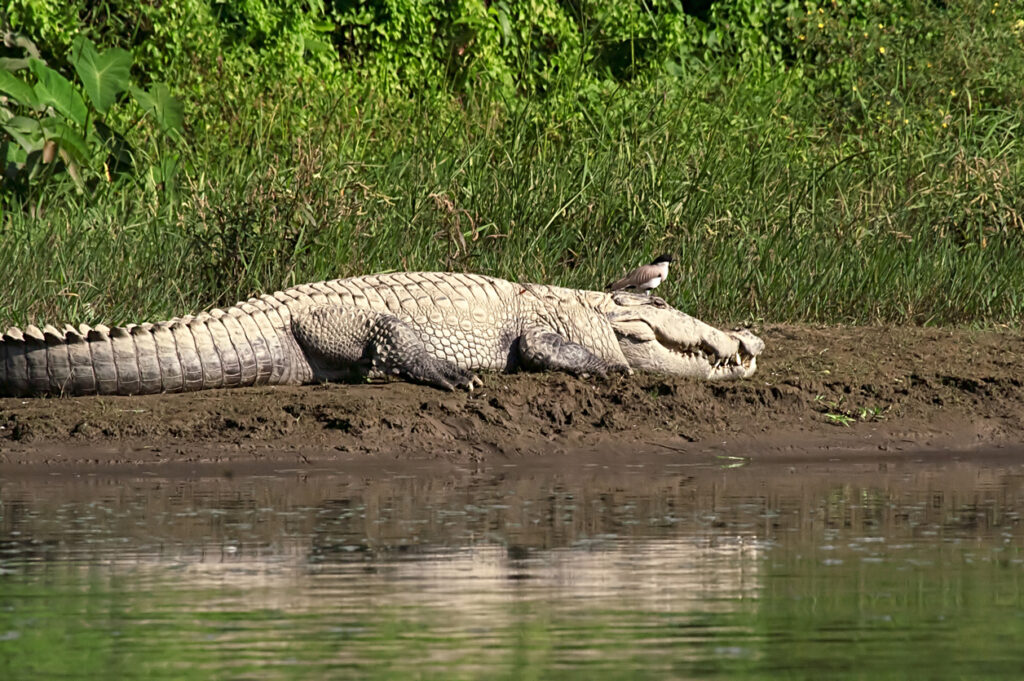
Crocodiles can launch themselves out of the water faster than you can react. They’re ambush predators who’ve perfected the art of the surprise attack, and standing at the water’s edge gives them the perfect target. You should be at least five metres back from any water in croc country, but people casually wander up to fill water bottles or take photos without realising they’re in the strike zone.
5. Assuming you’d see a crocodile if one was there
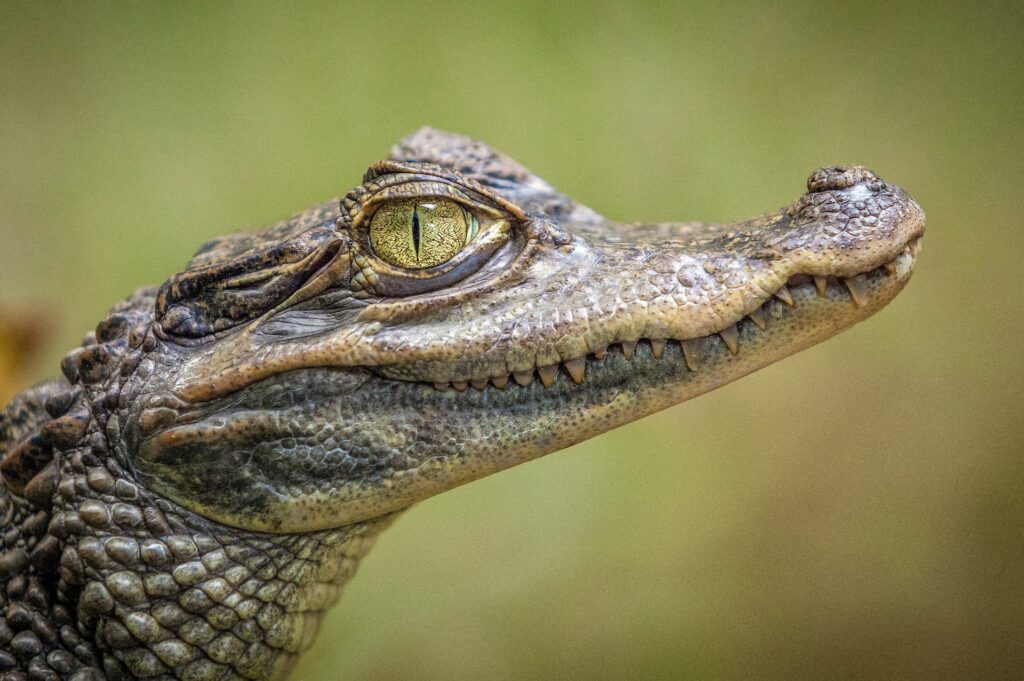
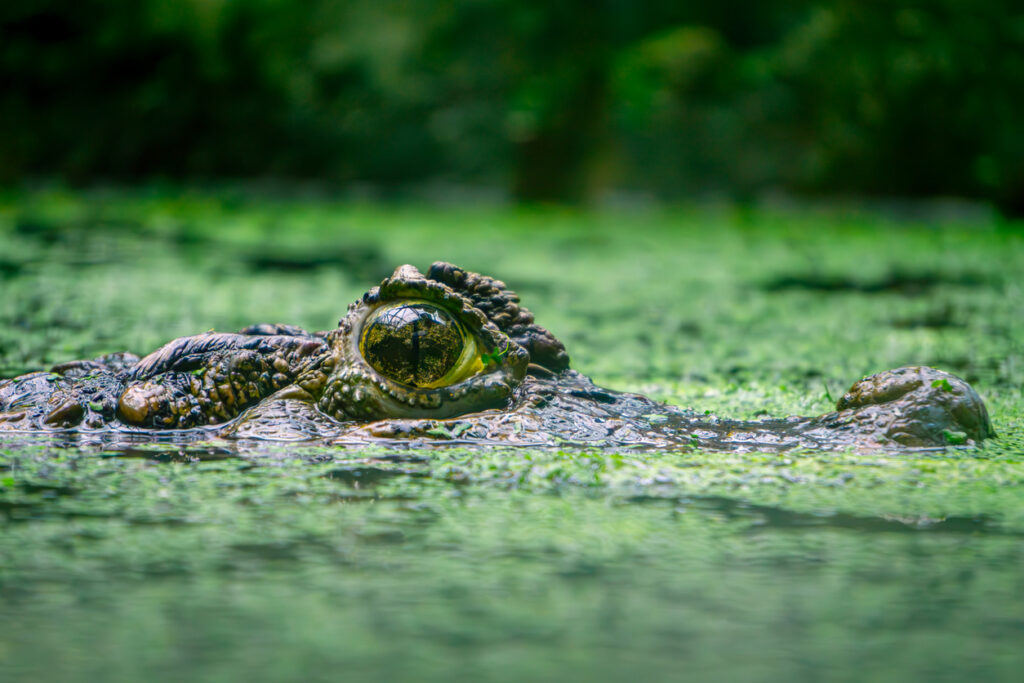
Crocodiles are masters of camouflage and stealth. They can stay submerged with just their eyes and nostrils above water, looking exactly like a log or a rock. People scan the water, don’t see anything obvious, and decide it’s safe to go in. The whole point of ambush predators is that you don’t see them coming, and crocodiles have been perfecting this for millions of years.
6. Cleaning fish or leaving food scraps near the water
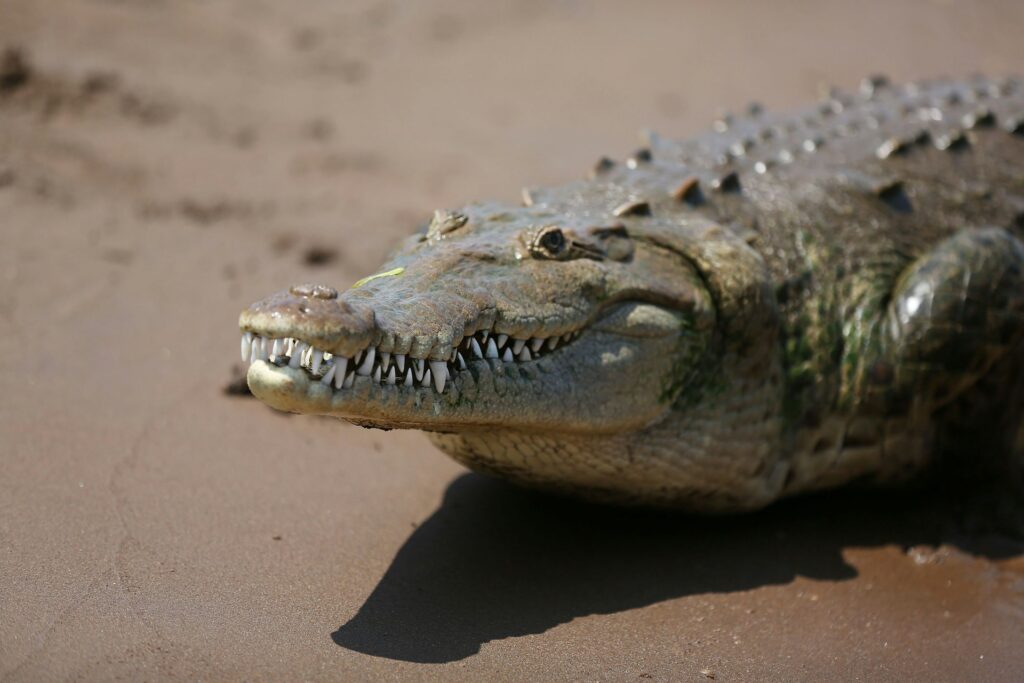
This is basically ringing the dinner bell for crocodiles. Fish blood and scraps attract them to human areas, and once they associate people with food, they’re far more likely to attack. Never gut fish at the water’s edge, never throw scraps in, and always check that previous campers haven’t left bait or food waste behind. Crocodiles have excellent senses and they’ll come looking for the source of that smell.
7. Camping close to the water because it’s scenic
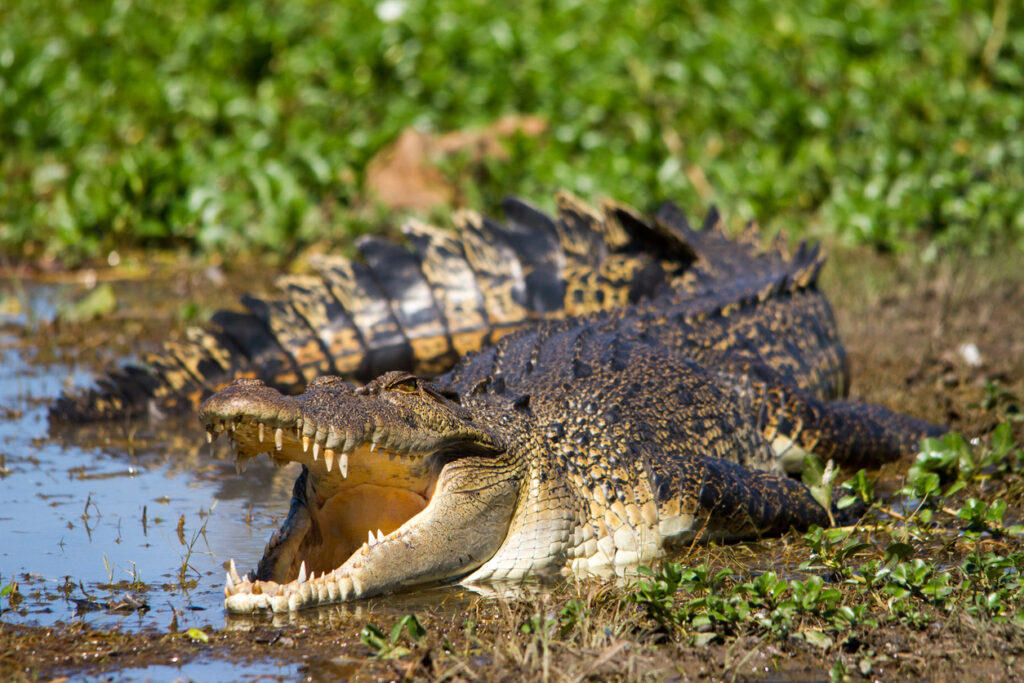
Crocodiles come out of the water and onto land more than people realise. They’ve been known to take people from their campsites at night, which is why you should set up at least 50 metres from the water’s edge and two metres above the high water mark. People ignore this advice because they want a nice view or easy water access, and it’s killed more than a few tourists who thought they’d be fine.
8. Dangling arms or legs over the side of boats
To a crocodile, your arm or leg hanging off a boat looks like a tasty snack. They can and will lunge out of the water to grab whatever’s dangling there, and the smaller your boat is, the greater the risk. Keep everything inside the boat, don’t lean over the sides, and definitely don’t trail your fingers in the water whilst you’re floating along thinking about how peaceful everything is.
9. Swimming in places where locals refuse to go near
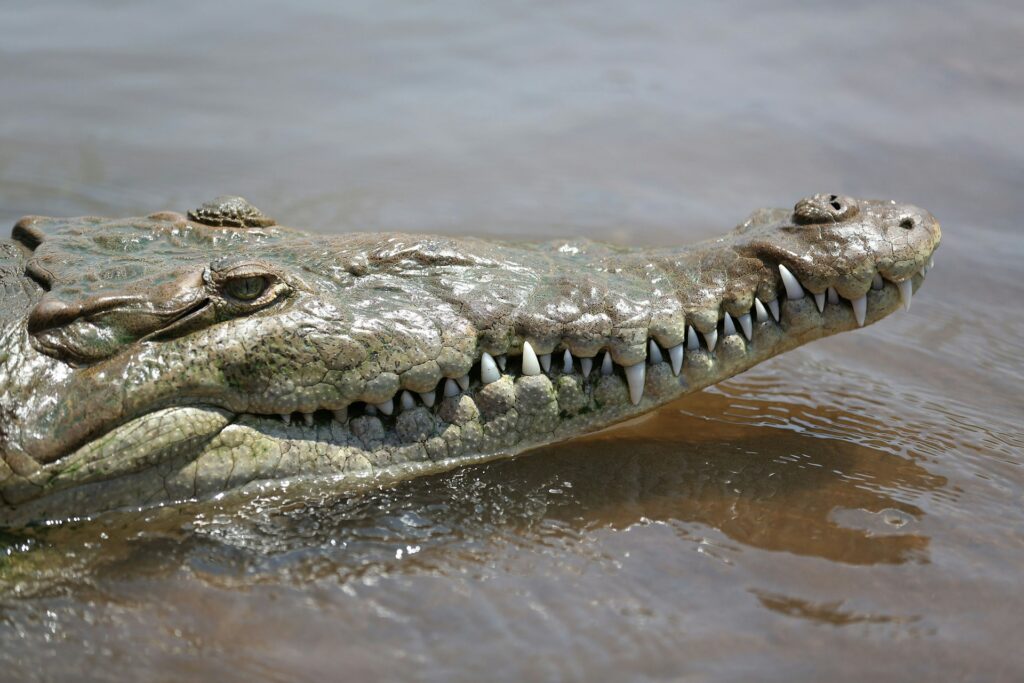
If the people who live in croc territory won’t swim somewhere, there’s a very good reason for that. Tourists regularly ignore this because they think locals are being overly cautious or superstitious, but actually the locals know where attacks have happened and where the big crocodiles hang out. When someone who’s lived there their whole life tells you not to go in the water, bloody listen to them.
10. Thinking you can outrun a crocodile on land
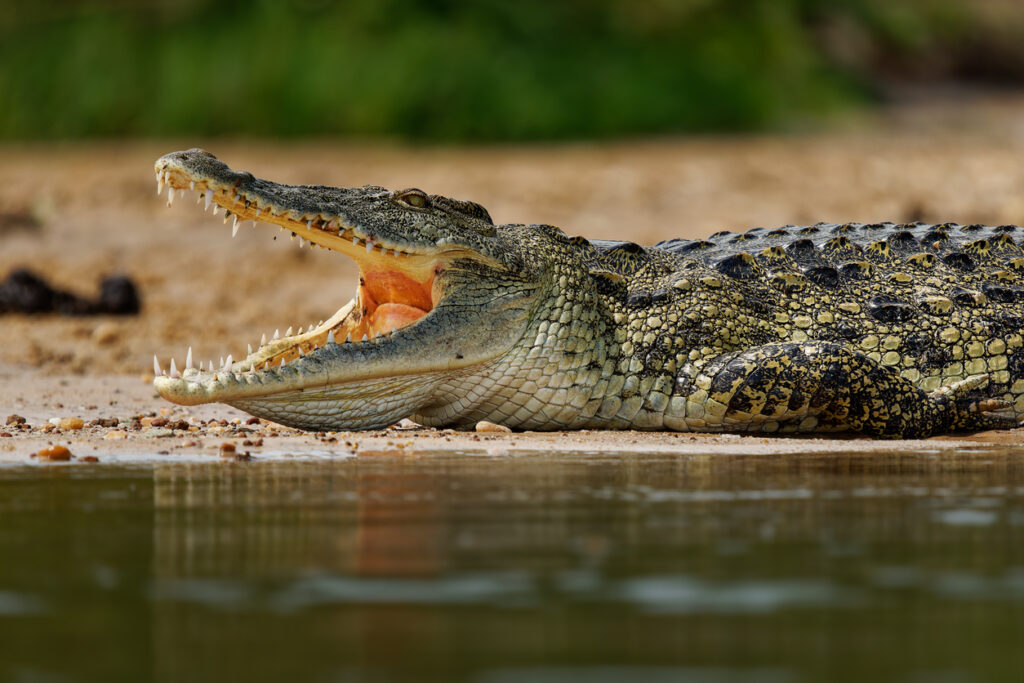
Crocodiles can move surprisingly fast on land for short distances. They’re not going to chase you for miles, but they can absolutely catch you if you’re close to the water’s edge and try to run. The idea that you should run in a zigzag pattern is a myth, you should just run as fast as you can in a straight line away from the water. Better yet, don’t be close enough to need to run in the first place.
11. Playing dead if a crocodile grabs you
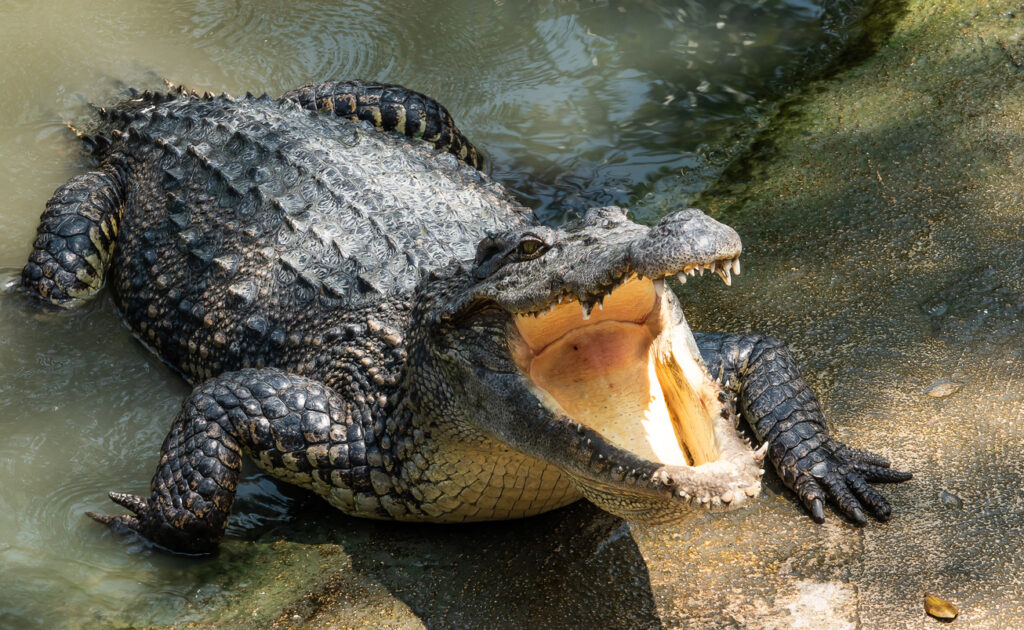
This is one of the worst things you can do. Crocodiles kill their prey by drowning them, so playing dead just makes their job easier. You cannot hold your breath long enough for a crocodile to think you’re already drowned and let go. If a croc gets hold of you, you need to fight like your life depends on it because it does. Go for the eyes, nostrils, or throat, and don’t stop until it releases you.
12. Splashing and screaming when you spot one nearby
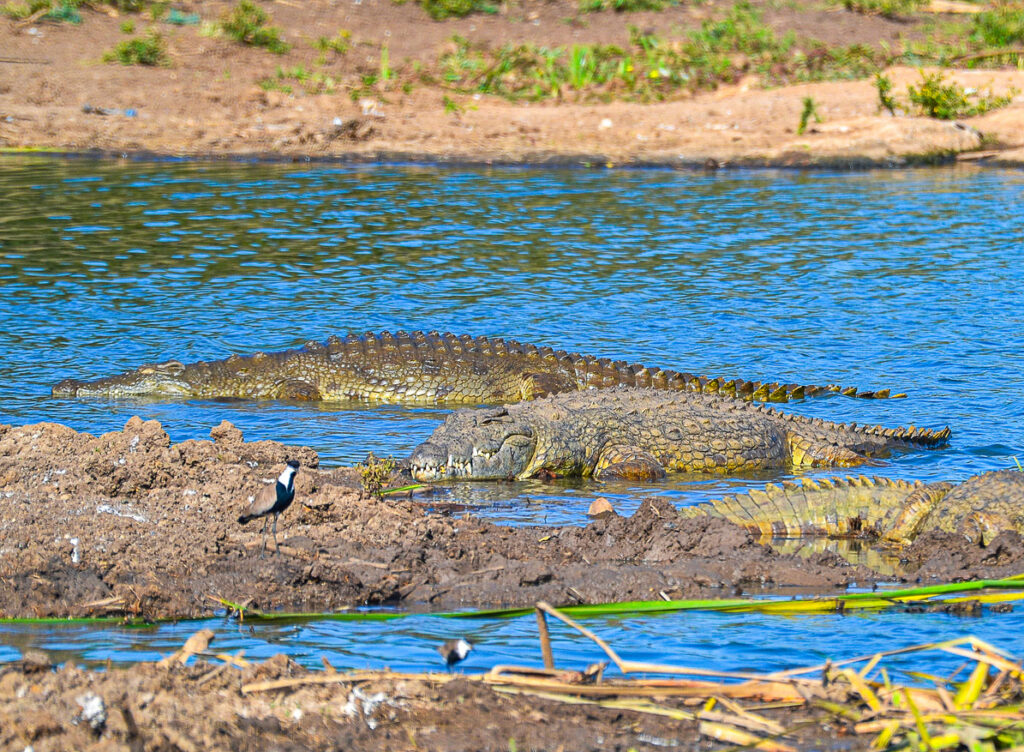
Panicking and making a lot of noise is the exact opposite of what you should do. Crocodiles are attracted to splashing and commotion because it signals distressed prey. If you see a crocodile while you’re in the water, stay calm and swim slowly towards shore using breaststroke, preferably underwater if you can manage it. Avoid thrashing about or yelling, and whatever you do, don’t swim through inlets or backwaters where crocs often wait.
The common thread through most fatal crocodile attacks is that people underestimated the danger or assumed the rules didn’t apply to them. Crocodiles are ancient predators who’ve survived this long by being incredibly good at what they do, and what they do is kill things in and around water. Treat them with the respect they deserve, and don’t make stupid mistakes that turn a wilderness adventure into your last day alive.