
The air we breathe seems infinite and unchanging, but scientists monitoring Earth’s oxygen levels are seeing something deeply concerning. The numbers are dropping, and whilst we’re not about to suffocate tomorrow, the trends are pointing to serious problems that are already killing ecosystems.
Atmospheric oxygen has declined 0.7% in 800,000 years.
Monitoring stations tracking oxygen levels show we’re losing about one oxygen molecule for every five million air molecules annually. Over the past 800,000 years, atmospheric oxygen has dropped by 0.7%, which sounds tiny but represents oxygen sinks removing more from the air than sources can replace. Scientists compare this to going up 100 metres in elevation, roughly the 30th floor of a building. It’s not enough to affect human breathing yet, but the trend itself is what’s alarming researchers.
Burning fossil fuels is the main culprit.
Every time we burn petrol, coal, or gas, carbon combines with oxygen molecules to create carbon dioxide. This process traps oxygen atoms inside CO2, removing them from the air we breathe. With over 7.5 billion people on the planet, more cars on roads, and continued reliance on fossil fuels, we’re consuming oxygen faster than photosynthesising plants can replace it. The irony is we’re creating the greenhouse gases causing climate change, whilst simultaneously depleting the oxygen that makes life possible.
Oceans have lost 2% of their oxygen since the 1960s.

The ocean oxygen situation is far more urgent than atmospheric decline. Seas have lost roughly 2% of their dissolved oxygen content since 1960, and models predict this could drop by another 3-7% by 2100. Warmer water simply can’t hold as much oxygen, and as ocean temperatures rise, the oxygen that marine life depends on is vanishing. This isn’t a distant future problem, it’s happening right now and accelerating.
Over 500 dead zones exist worldwide.
Dead zones are areas where oxygen levels drop so low that almost nothing can survive. There are now more than 500 documented dead zones in coastal waters globally, from the Gulf of Mexico to the Baltic Sea. These aren’t small patches, either—some cover thousands of square kilometres. The Gulf of Mexico dead zone alone can reach the size of New Jersey in bad years, making it the second largest in the world after the Baltic Sea.
Agricultural run-off creates these oxygen deserts.
The dead zones form when fertiliser from farms washes into rivers and eventually oceans. The nitrogen and phosphorus cause massive algal blooms that initially produce oxygen through photosynthesis, but when the algae die and sink, bacteria decompose them whilst consuming all available oxygen. What’s left is water so depleted of oxygen that fish, shellfish, and nearly everything else either dies or flees. The process is called eutrophication, and it’s getting worse as we use more fertiliser.
Warmer water makes everything worse.
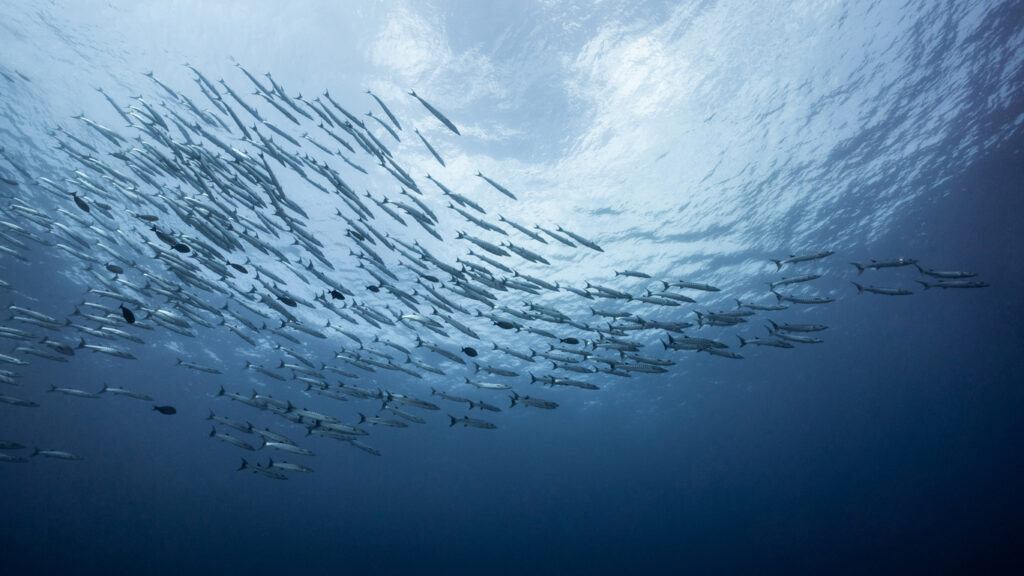
Rising temperatures create a triple threat for ocean oxygen. First, warm water physically holds less dissolved oxygen than cold water. Second, higher temperatures increase marine organisms’ metabolic rates, so they consume more oxygen. Third, warming causes stratification where surface water doesn’t mix well with deeper water, preventing oxygen from reaching the depths. All three factors work together to accelerate deoxygenation beyond what temperature alone would cause.
Some regions have lost 40% of their oxygen.
Whilst global ocean oxygen has dropped 2%, certain areas are experiencing catastrophic losses. The deep waters off Central California have lost 40% of their oxygen in recent decades. The Black Sea’s oxygen inventory has declined 36% since the 1950s, with the oxygen-rich layer shrinking from 140 metres to 90 metres. These dramatic regional losses show how quickly things can deteriorate when conditions align badly.
Lakes and reservoirs are suffering too.
This isn’t just an ocean problem. Lakes have lost 5.5% of their oxygen since 1980, and reservoirs have lost a staggering 18.6%. Freshwater ecosystems are actually declining faster than marine ones in many cases. The same factors apply: warming temperatures, nutrient pollution from agriculture, and reduced mixing. However, the impacts hit harder in enclosed systems that can’t recover as easily as open oceans.
Marine life is dying or fleeing.
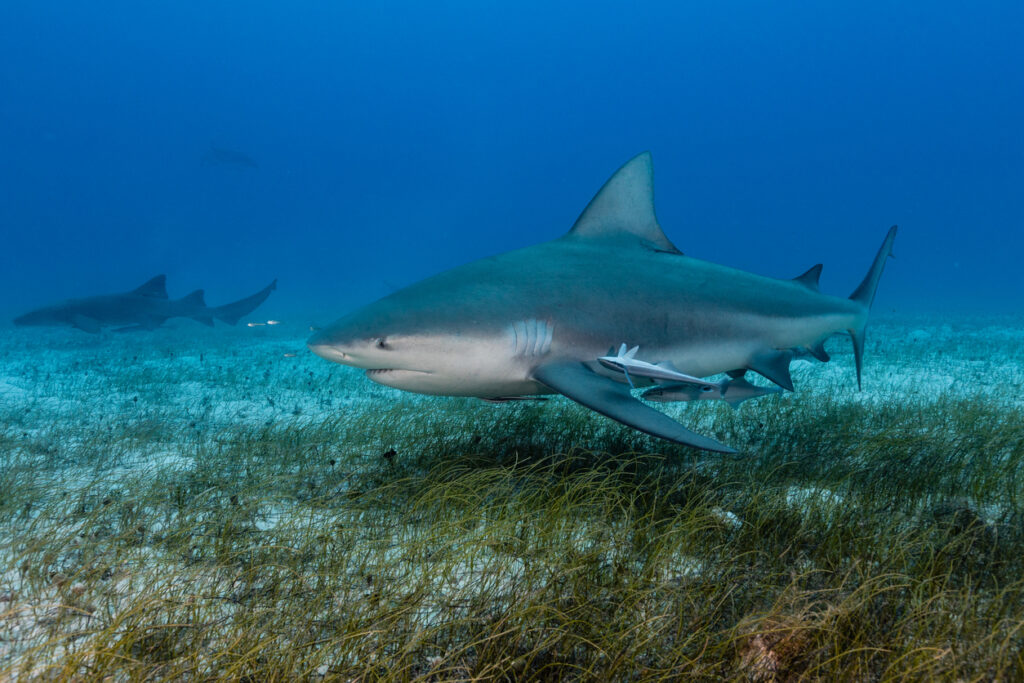
Fish and mobile creatures escape dead zones if they can, but this shrinks their available habitat and disrupts food chains. Shellfish, worms, and bottom-dwelling organisms that can’t move simply suffocate and die. In 2023, a deoxygenation event along the Texas Gulf Coast killed thousands of fish. Brown shrimp fisheries in the Gulf of Mexico have been severely affected as their habitat disappears. Entire ecosystems are being restructured as oxygen-dependent species vanish.
In a billion years, it gets catastrophic.
Scientists modelling Earth’s future discovered that in roughly a billion years, atmospheric oxygen will drop rapidly to levels that existed before the Great Oxidation Event 2.4 billion years ago. The sun will get hotter, breaking down CO2, which will kill plants and stop photosynthesis completely. Within perhaps 10,000 years of that starting, oxygen will plummet, the ozone layer will vanish, and Earth will revert to a methane-rich atmosphere incapable of supporting complex life. It’s a distant concern, but it shows oxygen’s presence isn’t permanent.