Cats have been living alongside humans for thousands of years, but the story of who tamed who is pretty complicated.

They didn’t line up to be trained, and they certainly didn’t behave like animals desperate for a place by the fire. Instead, they drifted in on their own terms, spotted an opportunity and stuck around because it suited them. If anything, we adjusted our lives to make space for them.
The more you look at how this relationship formed, the clearer it becomes that cats shaped us just as much as we shaped them. We fed them, sheltered them, and let them take over our homes, all while convincing ourselves we were the ones in charge. They figured out how to get what they wanted without giving up their independence, and we happily played along. It’s hard not to wonder who really won that arrangement. Here’s how it all played out.
Early cats moved in because humans changed their environment first.

The first wild cats started hanging around human settlements because our grain stores attracted mice. We created a perfect food source without meaning to, and the cats simply stepped in. They weren’t tamed or trained; they just decided our new lifestyle suited them. Humans adjusted by letting them stay, since they helped protect precious food supplies.
That early relationship was based on convenience rather than control. We didn’t breed cats or shape their behaviour the way we did with dogs. We simply tolerated their presence, as they solved a problem for us. That arrangement gave cats freedom from the beginning, which set the tone for the entire relationship.
Cats offered benefits without losing their independence.
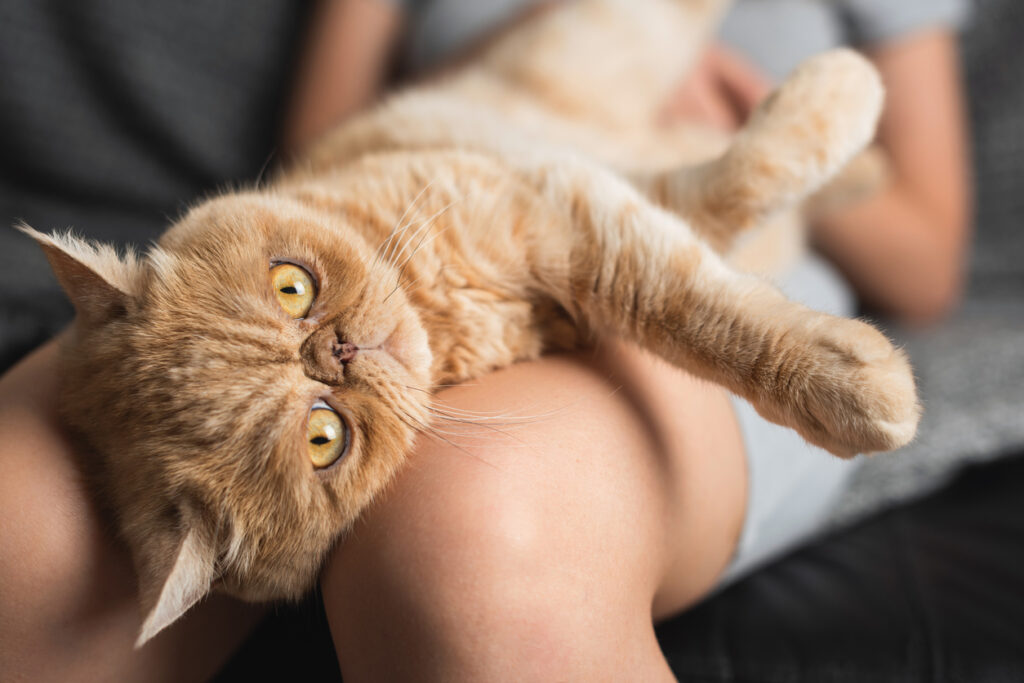
Most domesticated animals rely on humans for survival, but cats never needed that. They kept their hunting skills and lived beside us rather than under us. This meant humans had to work around the fact that cats didn’t listen, obey, or follow instructions. We had to adjust our expectations to suit their nature.
Since cats stayed independent, we accepted behaviours we wouldn’t accept from other animals. They came and went as they liked, set their own boundaries and refused to be controlled. Humans ended up providing food and shelter while the cats remained self-sufficient, which flips the usual idea of domestication on its head.
Humans built homes in ways that suited cats without noticing.
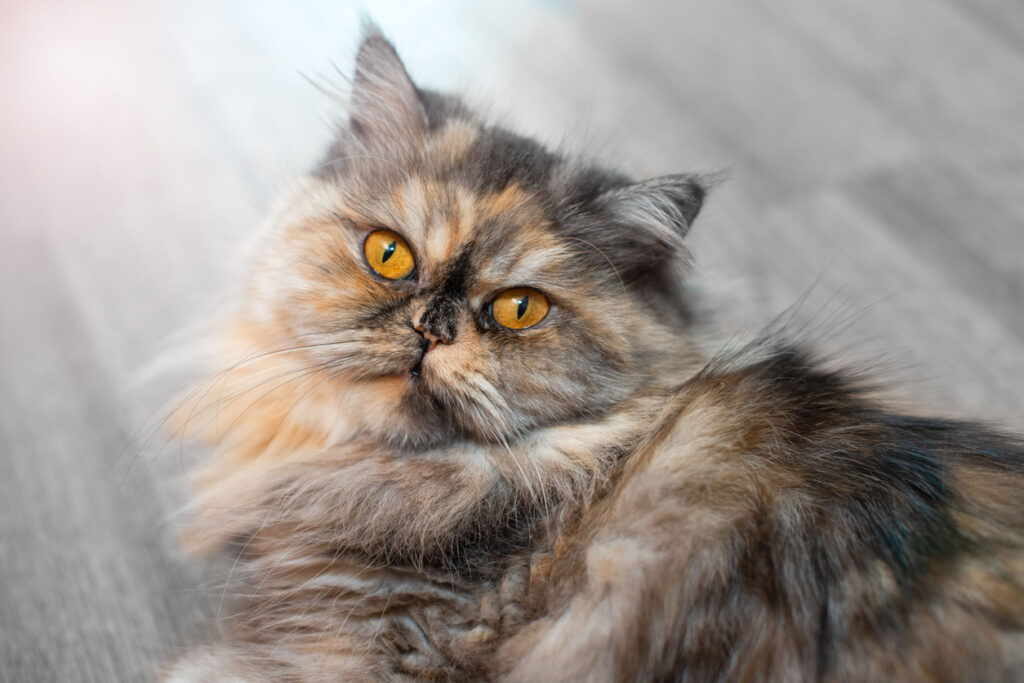
Our houses slowly became perfect spaces for cats. Warm corners, high shelves, soft furniture and windows overlooking gardens all made domestic life appealing to them. These features were made for us, yet cats claimed them easily and confidently. It looks like we accidentally built an ideal cat habitat inside our own living spaces.
As cats settled in, we made more changes that suited them. We added litter trays, scratching posts, toys and cosy beds. These adjustments make daily life easier for cats and show how much humans have shaped their homes around feline comfort. This kind of adaptation is rare in relationships where humans have full control.
Cats influenced our routines because their needs fit neatly into our day.
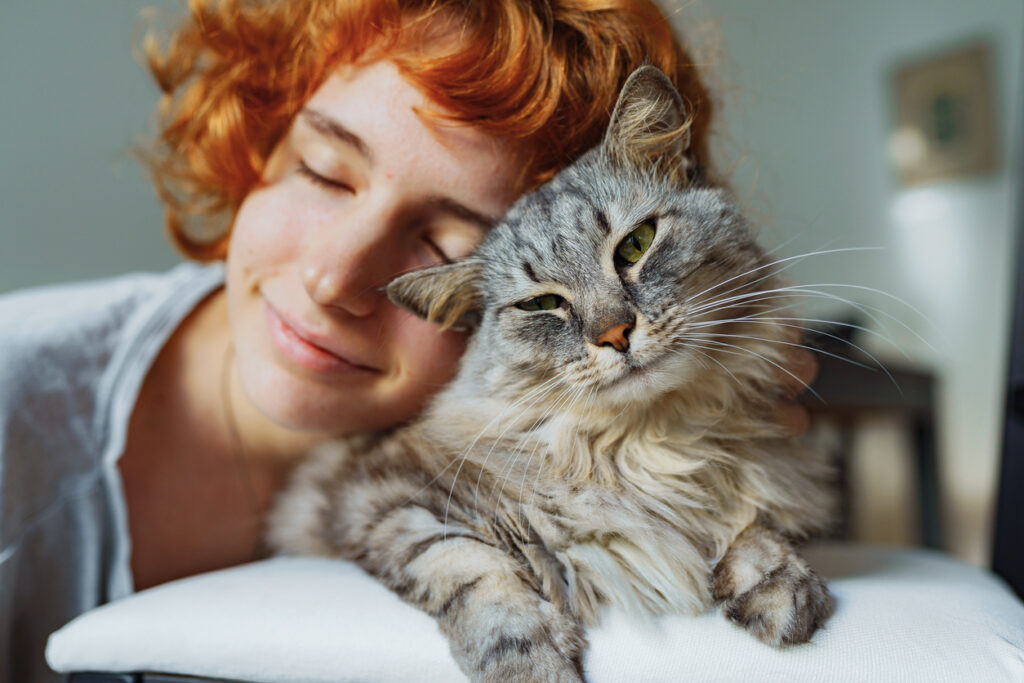
Cats sleep during the day, become active in the morning and evening, and enjoy short bursts of interaction. These patterns match human routines better than most animals. We ended up arranging our feeding times and play sessions to fit the times when cats want attention. Their natural rhythm shaped ours more than we realise.
Because their needs are predictable, we adjust without thinking. We wake up to feed them, rearrange plans when they want to sit on us, and respond quickly when they meow for something. This easy influence over human behaviour resembles training, even when it feels gentle or unintentional.
Cats use subtle communication that humans learned to understand.
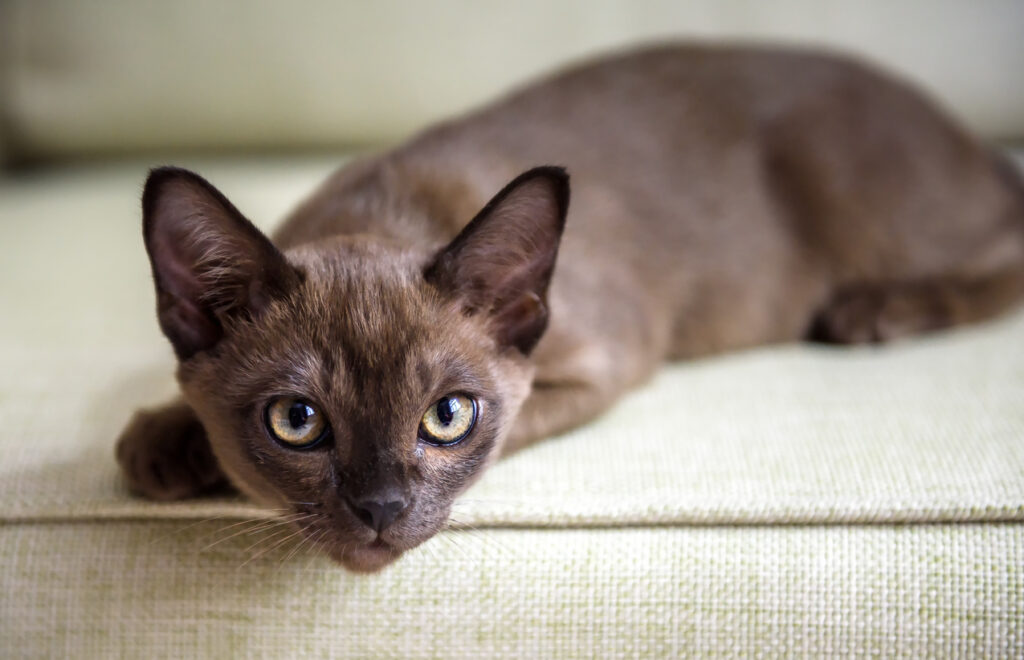
Cats communicate through small behaviours such as slow blinking, tail movement and soft vocal sounds. Humans weren’t naturally skilled at reading these signals, yet we adapted. We learned how to recognise when a cat wants space, affection, or food. It shows how far we have adjusted ourselves to fit their communication style.
Other domesticated animals were trained to understand humans. Cats did the opposite by making us pay attention to their cues. We learned to change our pace, soften our voice and approach them gently. This change in human behaviour reflects how cats shaped us, rather than the other way around.
Cats trained us with rewards by choosing when to give affection.
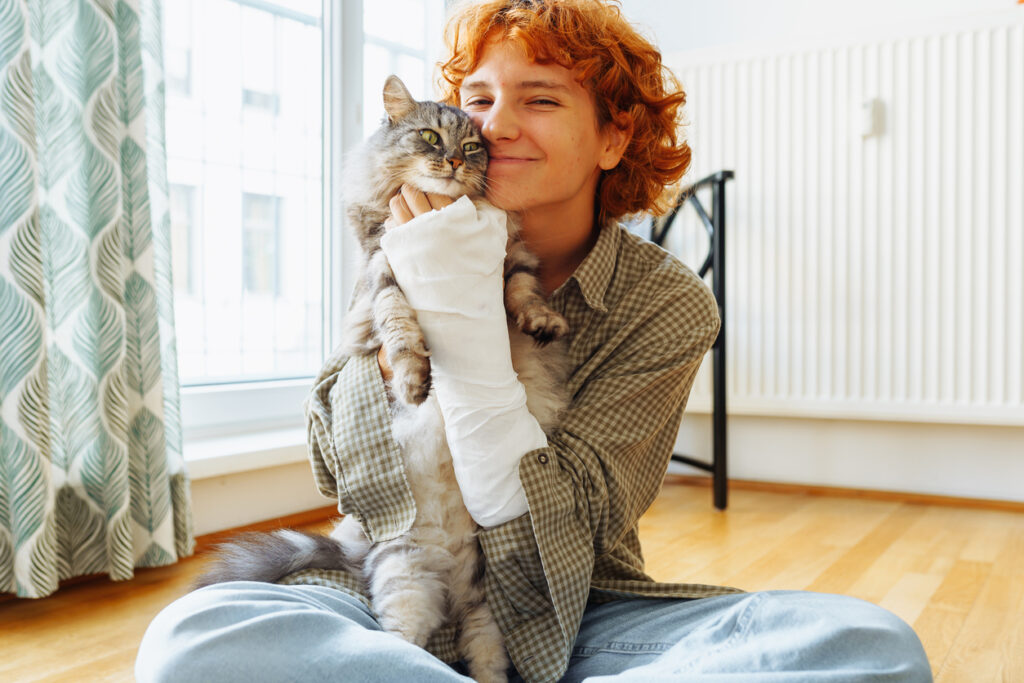
Cats don’t offer affection on command. They give it when they feel comfortable, which makes humans value it more. A cat sitting on your lap feels like approval, and people often adjust their behaviour to earn more of it. The pattern resembles reward-based training, only humans are the ones being trained.
Because the affection is rare, people work harder to keep cats happy. We provide quiet spaces, soft blankets, favourite food and gentle attention. The cat learns that humans respond quickly when affection is used as a reward. That behavioural loop benefits the cat more than it benefits the human.
Humans changed their values to suit cats’ personalities.
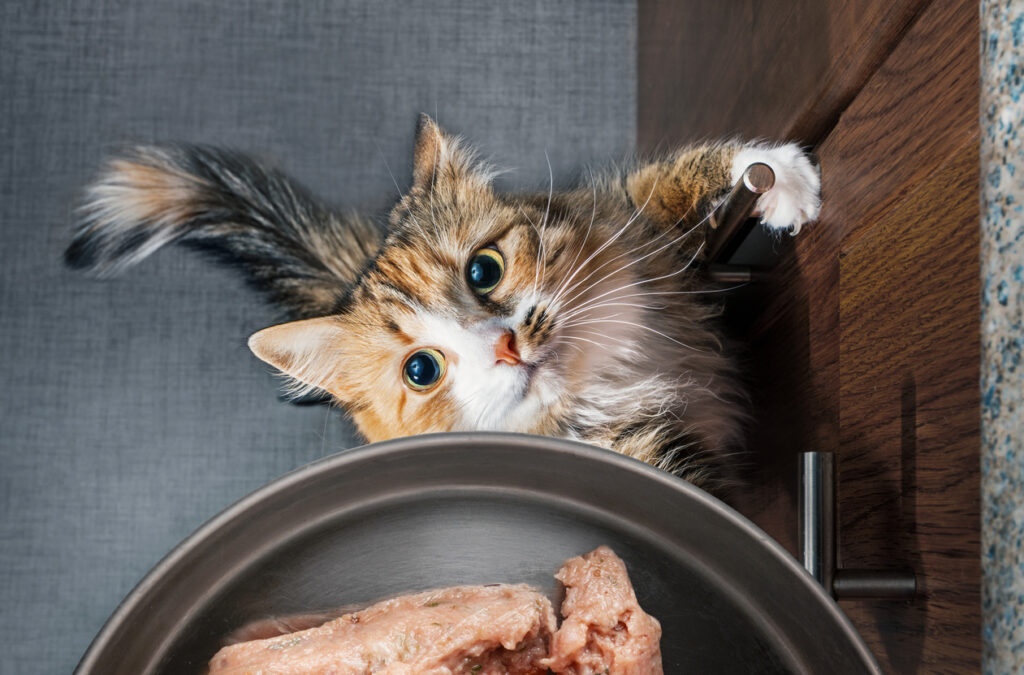
Cats encouraged humans to appreciate independence and calm energy. People began valuing quiet companionship and gentle presence in a way that didn’t exist before. Cats shaped our idea of what a companion animal could be, and this influence changed how we relate to animals in general.
As cats became more common in homes, people embraced a slower style of interaction. They learned to enjoy peaceful co-existence rather than constant engagement. The change showed how human behaviour adapted to feline habits instead of demanding cats change for us.
Cats encouraged humans to become more patient and observant.
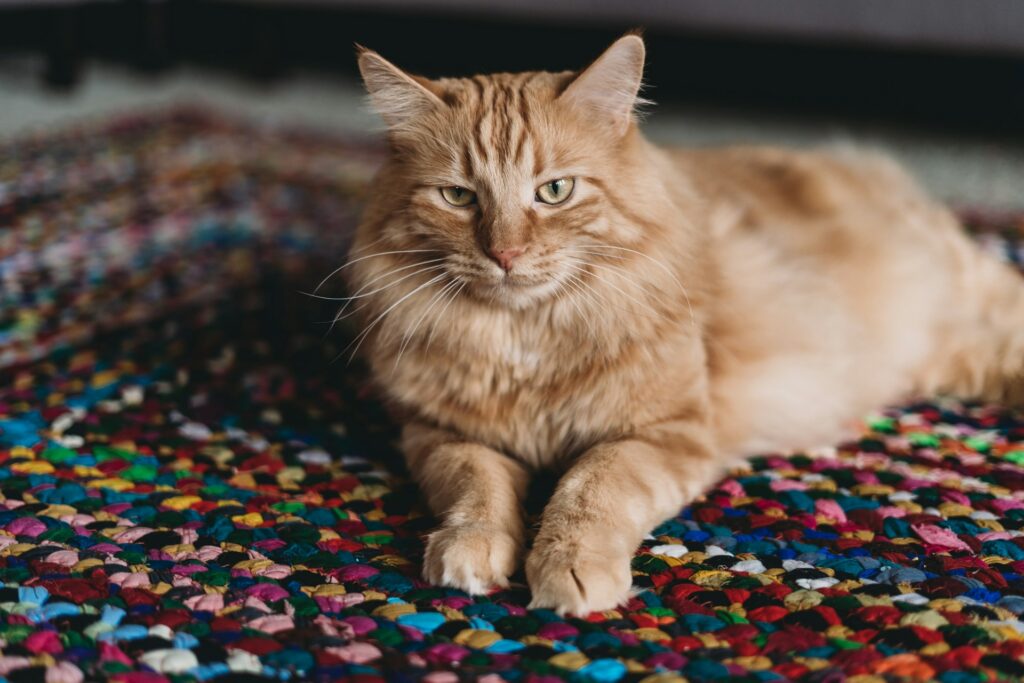
Living with cats requires patience because they move at their own pace. You can’t rush them, and you can’t force them to interact. Humans learned to wait, listen and pay attention to small signals. It made people more aware of subtle behaviour in both animals and each other.
That level of observation changed how humans approach relationships with pets. Instead of expecting instant obedience, people grew comfortable with gentle communication. Cats helped shape a softer approach to animals by teaching humans to match their calmness and independence.
Humans adjusted their language to describe cat behaviour.
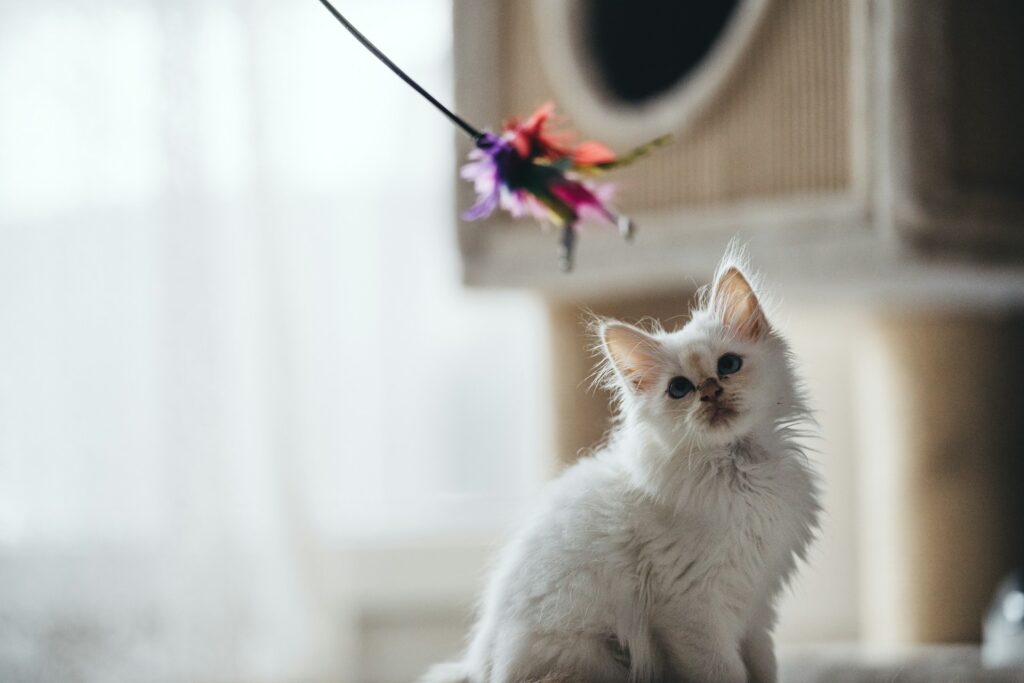
Cats inspired new words, popular phrases and entire online cultures. People used humour, warmth, and exaggeration to describe feline behaviour, which softened how humans talk about animals. These playful descriptions became part of daily language in a way dogs or livestock never achieved.
It’s a change that shows how cats influenced communication even beyond the home. They changed how humans describe personality traits and relationships. Language reflects cultural influence, and cats left a clear mark on how people talk and think.
Cats made humans more emotionally aware by showing subtle affection.
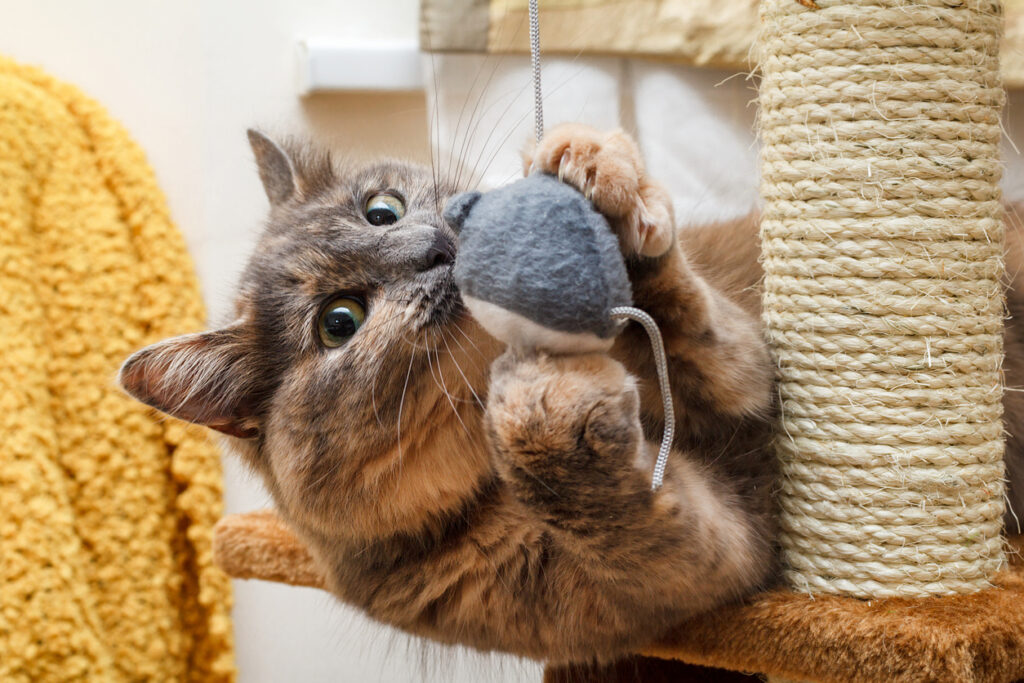
Cats express affection gently through leaning, purring and sitting nearby, which made humans more attentive to small emotional cues. We learned to notice warmth in simple behaviours, not just dramatic gestures. That emotional awareness grew naturally through our relationship with cats.
People became more sensitive to quiet forms of love and connection, and the change appears in how humans understand comfort and companionship. Cats shaped how we interpret emotional closeness by rewarding slower, calmer interaction.
Humans altered their lifestyles to give cats safer environments.

People changed outdoor spaces, indoor layouts and daily routines to keep cats safe. They created climbing areas, window spots and hiding places specifically for them. These adjustments show how much effort humans put into supporting feline habits and comfort.
By adapting homes to suit cats, humans created an environment that reflects feline preferences more than human convenience. It shows who truly held the power in the relationship. Cats benefited from these changes without giving up their independence or natural behaviour.
Cats shaped human sleep and rest habits by influencing our comfort.
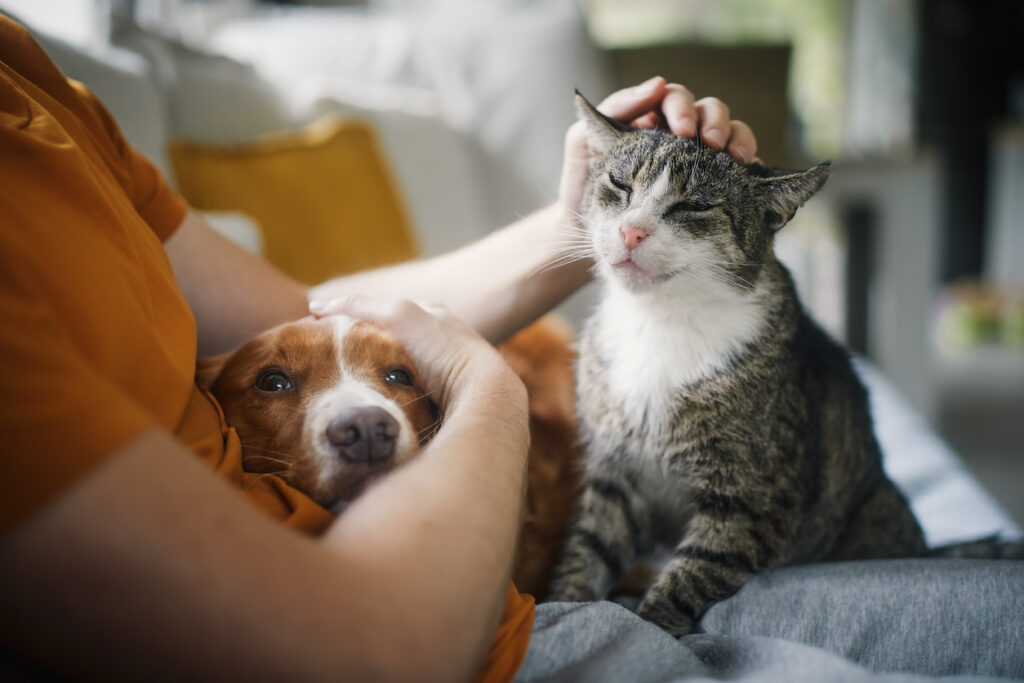
Humans often accept cats sleeping on their beds, interrupting sleep or choosing specific spots that restrict movement. Instead of moving them, many people lie still to avoid disturbing the cat. Such a gentle sacrifice reflects how much control cats have over human comfort.
Cats encourage humans to rest more often by curling up beside them or demanding soft, warm spots. Their influence on daily rest habits shows how cats quietly guide human behaviour toward slower, calmer routines that suit both sides.
Humans created cultural space for cats that other animals never received.
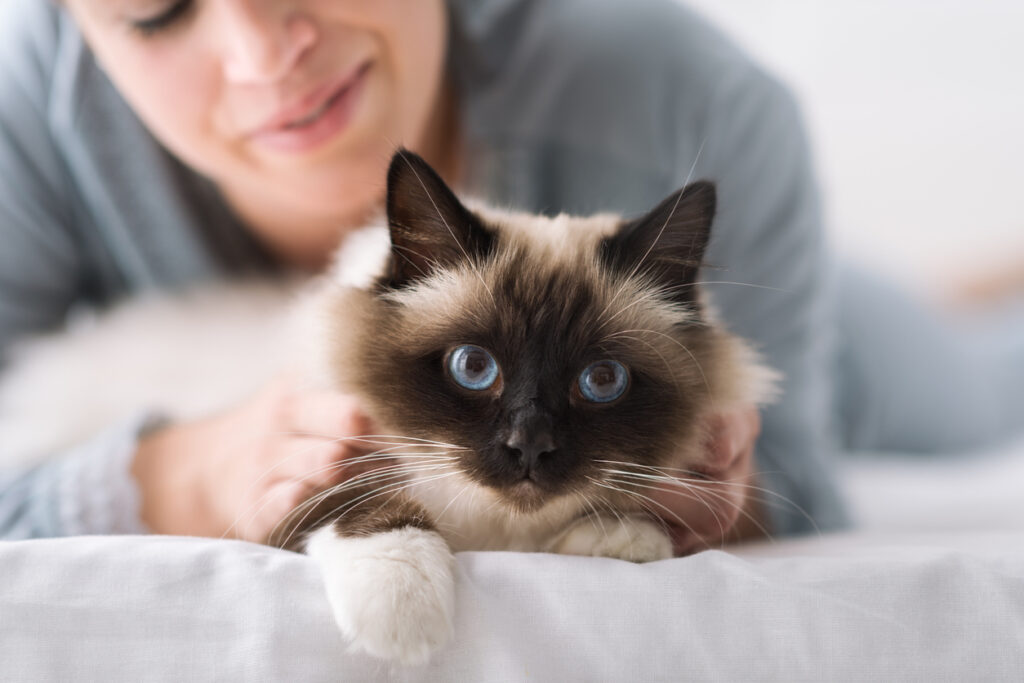
Cats appear in art, stories, superstitions, and daily language more than most animals. People assigned them personalities such as mysterious, wise or mischievous, which shaped cultural understanding. Having this attention gave cats a higher status than simple working animals.
By placing cats in these cultural roles, humans elevated them beyond practical purpose. That level of cultural influence rarely happens unless the animal shapes human imagination. Cats achieved this naturally through their unique presence and behaviour.
The relationship works because humans adjusted far more than cats did.
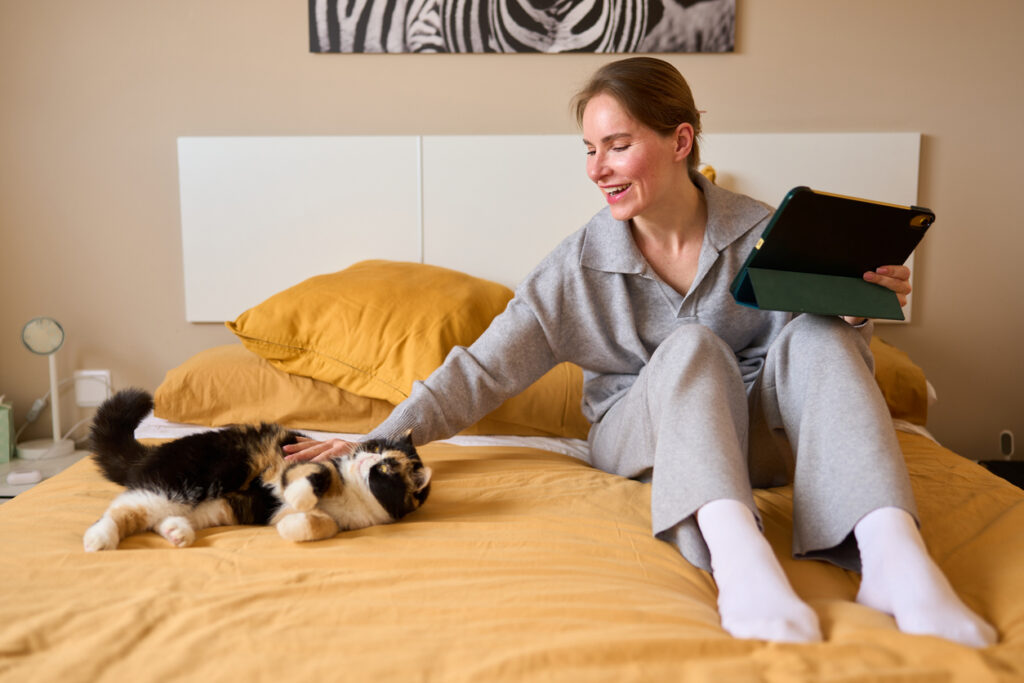
Looking at the whole picture, cats changed almost nothing about themselves to live beside humans. They kept their instincts, independence and natural behaviour. Humans changed routines, homes, values and expectations to fit feline needs.
The imbalance shows why people argue that cats domesticated us, rather than the other way around. We adapted to suit them, while they remained mostly the same. The result is a relationship built on quiet influence rather than control, and cats continue to shape human life in ways we rarely notice.