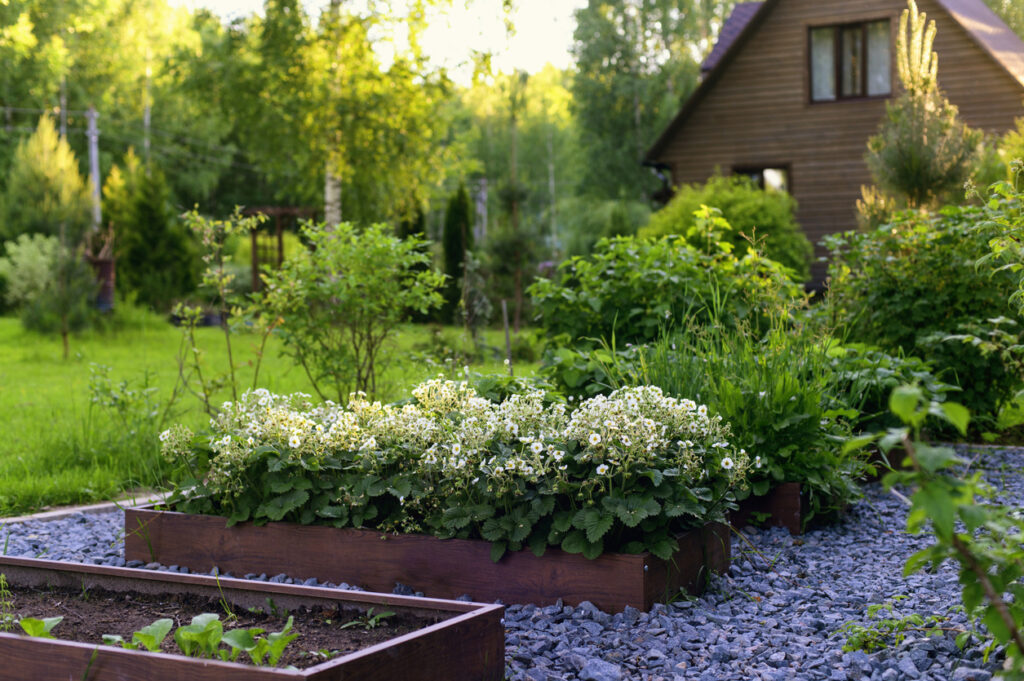
So, your plant looks healthy, has loads of lush leaves, but not a single flower in sight? It’s a common garden mystery that leaves even seasoned growers scratching their heads. Whether it’s roses, lavenders, or your trusty hydrangea, there’s usually a reason things aren’t blooming. Here are 12 of the most common culprits, and what you can actually do about them.
1. Too much nitrogen in the soil
One of the most common reasons for leafy plants with no flowers is an overload of nitrogen. Nitrogen encourages lush green growth, but too much of it can stop your plants from bothering with blooms. Try switching to a balanced or low-nitrogen fertiliser, and look for one labelled “promotes flowering.” A fertiliser with higher potassium (like tomato feed) is a good choice when you’re chasing blooms.
2. Not enough sunlight
Even so-called “partial shade” plants still need a good chunk of sun to flower well. If your plant’s in deep shade, you might get all leaves and no colour. Try moving pots to sunnier spots, or trim back nearby plants that could be blocking light. Six hours of direct sun is often the sweet spot for most flowering varieties.
3. It’s simply not their flowering season yet
It sounds obvious, but not all plants bloom at the same time. Some are late bloomers or only flower after they’ve been in the ground for a full year or more. Check your plant’s flowering timeline and don’t panic too soon. If everything else looks healthy, it may just need a bit more time to get into its groove.

4. Pruning at the wrong time
Some plants only flower on old wood (last year’s growth), so if you’ve pruned too hard or at the wrong time, you may have accidentally cut off this year’s blooms. Always check whether your plant flowers on new or old wood before pruning. A bit of research can save a whole year of bloom disappointment.
5. Stress from drought or inconsistent watering
Plants that are stressed, either by too little water or irregular watering, often go into survival mode, focusing on roots and leaves rather than reproduction (aka flowering). Try to water consistently, especially during dry spells. A good soak once or twice a week is usually better than light daily watering, and mulch can help retain moisture.
6. The plant is too young
Some perennials and shrubs simply won’t flower in their first or even second year, especially if they’ve been recently divided or transplanted. They’re busy settling in. Give them a full growing season or two before expecting a big floral display. In the meantime, focus on healthy roots and foliage. It sets the stage for future flowers.
7. Root crowding or pot-bound plants
Plants grown in containers can become root-bound over time, meaning their roots are circling around and competing for space and nutrients, leaving little energy for flowers. If you haven’t repotted in a while, check the root ball and consider moving to a bigger pot or dividing the plant. Fresh compost can also give it a nutrient boost.

8. Overfeeding with general-purpose compost
Too much rich compost can sometimes have the same effect as too much nitrogen: lots of greenery but very little bloom action. If you’re layering on thick compost every season, ease up a little. Instead, consider adding a light top-dress of compost in spring and switching to flower-specific feeds during peak season.
9. A lack of pollination (especially for fruiting flowers)
If your plants are technically flowering but not setting fruit (like courgettes or beans), it might be a pollination problem rather than a blooming issue. Encourage pollinators with nearby flowers like marigolds or lavender, and consider hand-pollinating if the bees are scarce. A little nudge from a soft brush can work wonders.
10. Poor soil drainage
If your soil is heavy clay or prone to waterlogging, roots can become stressed and oxygen-starved, which often prevents flowering altogether. Improve drainage by mixing in grit, compost, or sand, or try raising your beds slightly. Some plants are surprisingly picky about soggy feet and will sulk quietly if conditions aren’t right.
11. Planting in the wrong spot altogether
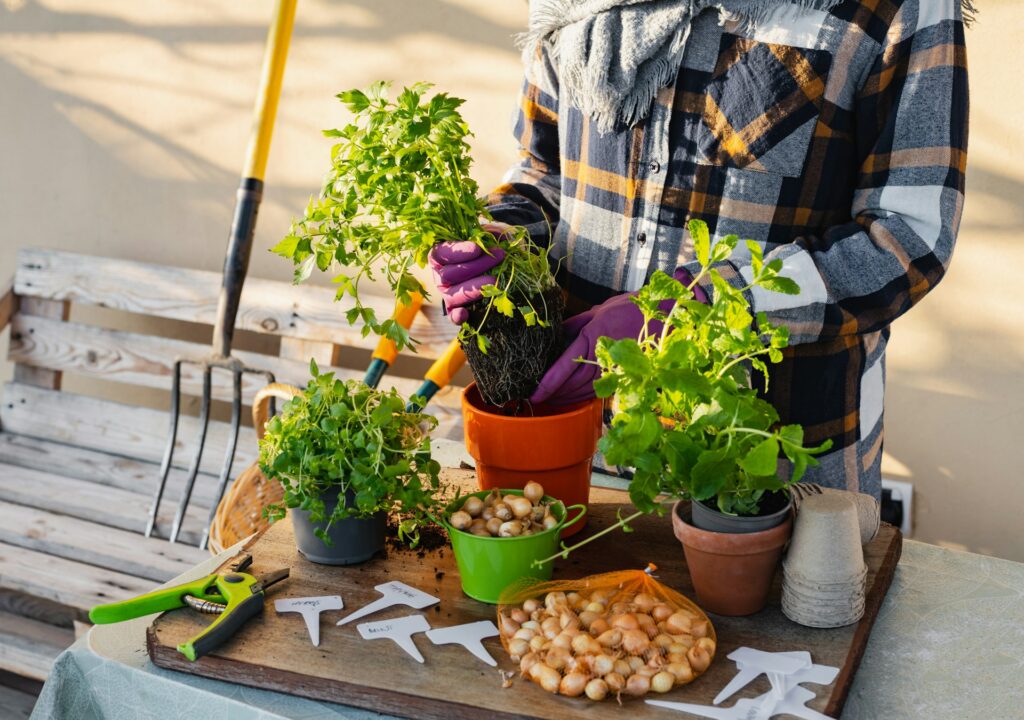
Not every plant will thrive in every location. Some love dry soil, others need constant moisture. Some want full sun, others panic in direct heat. If a plant’s in the wrong spot, it simply won’t bloom. Check the care label or look up your plant’s native conditions. Sometimes, a simple change across the garden can make all the difference.
12. The plant’s finished its natural blooming cycle
Some plants have a very short flowering window—just a few weeks, and then they’re done for the year. Others may have bloomed already without much fuss. If that’s the case, deadheading can encourage some plants to rebloom, while others will just need to rest. Know your plant’s rhythm, and you’ll be less likely to miss its moment of glory.