It’s easy to think of climate change as nothing but bad news for nature, and for the most part, it is.

However, not every species is struggling. As Britain’s weather gets warmer and wetter, some animals and plants are quietly taking advantage of the new conditions. Creatures once limited to the south are moving north, rare plants are spreading, and insects that used to vanish in winter are now sticking around year-round.
It’s a strange twist in the story of a changing planet: while many native species are under threat, a few are finding opportunity in the chaos. From butterflies to bats, these are the unexpected winners of Britain’s changing climate.
The little egret
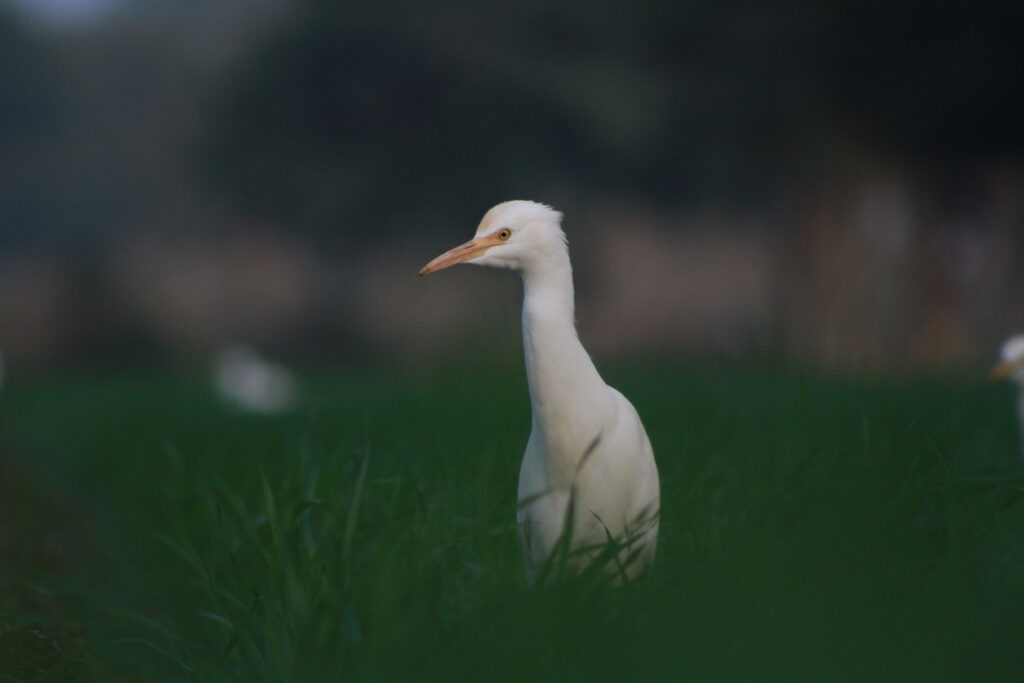
Once a rare visitor from southern Europe, the little egret is now a familiar sight across southern England and Wales. Its elegant white feathers and bright yellow feet are turning up along rivers and wetlands all year round. Warmer winters have made it easier for these small herons to survive, while rising temperatures have opened new feeding grounds further north. They’ve gone from occasional guests to permanent residents in less than thirty years.
The red admiral butterfly
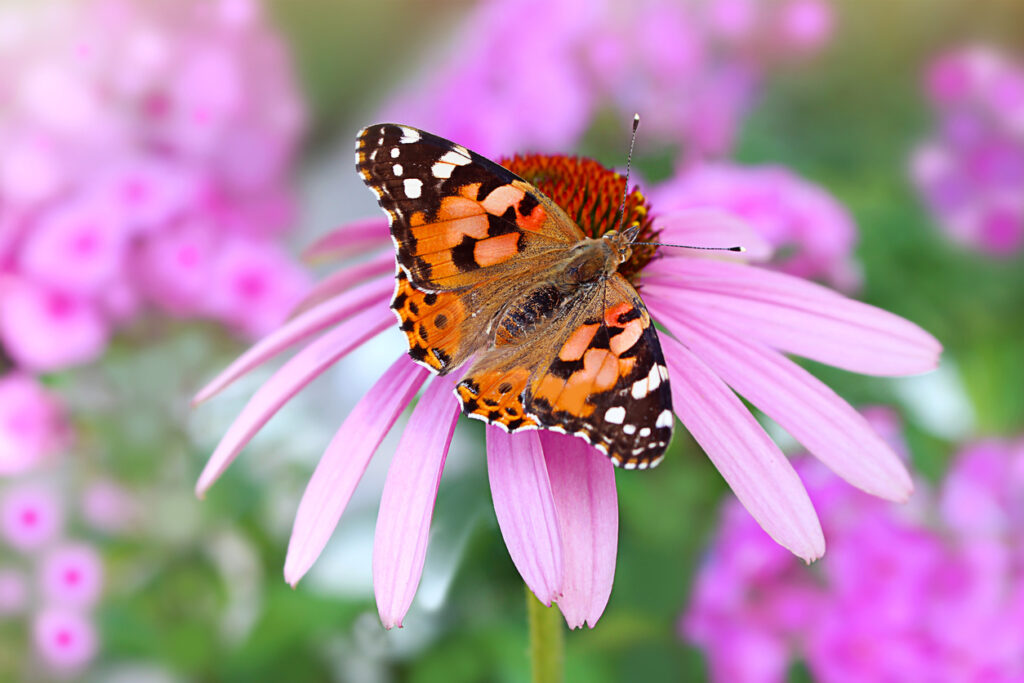
The red admiral used to be a migratory butterfly, visiting the UK only during the summer. Now, milder winters allow it to overwinter successfully in the south. The change means populations are growing and staying for good. They’re becoming one of the few insects whose numbers have improved because of climate change rather than declined.
The wasp spider
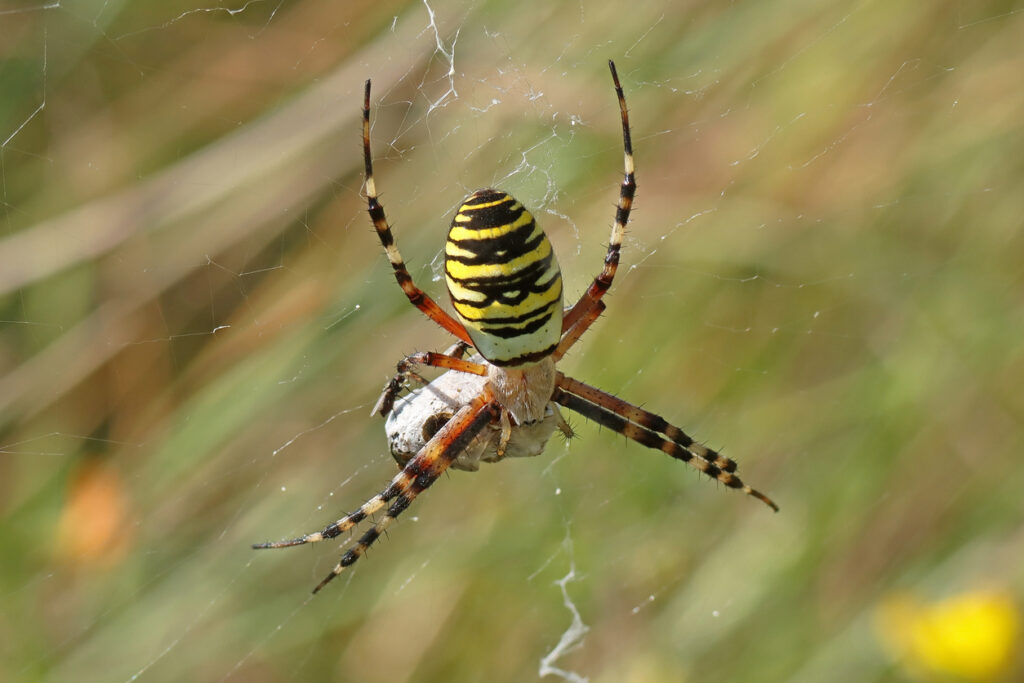
This striking spider, known for its bold yellow-and-black stripes, was once limited to the Mediterranean. It has spread rapidly through southern England, taking advantage of warmer grasslands. The wasp spider’s web is instantly recognisable, with a zigzag line down the centre. Its expansion northward shows how quickly some species can move when climates become more comfortable.
The natterjack toad
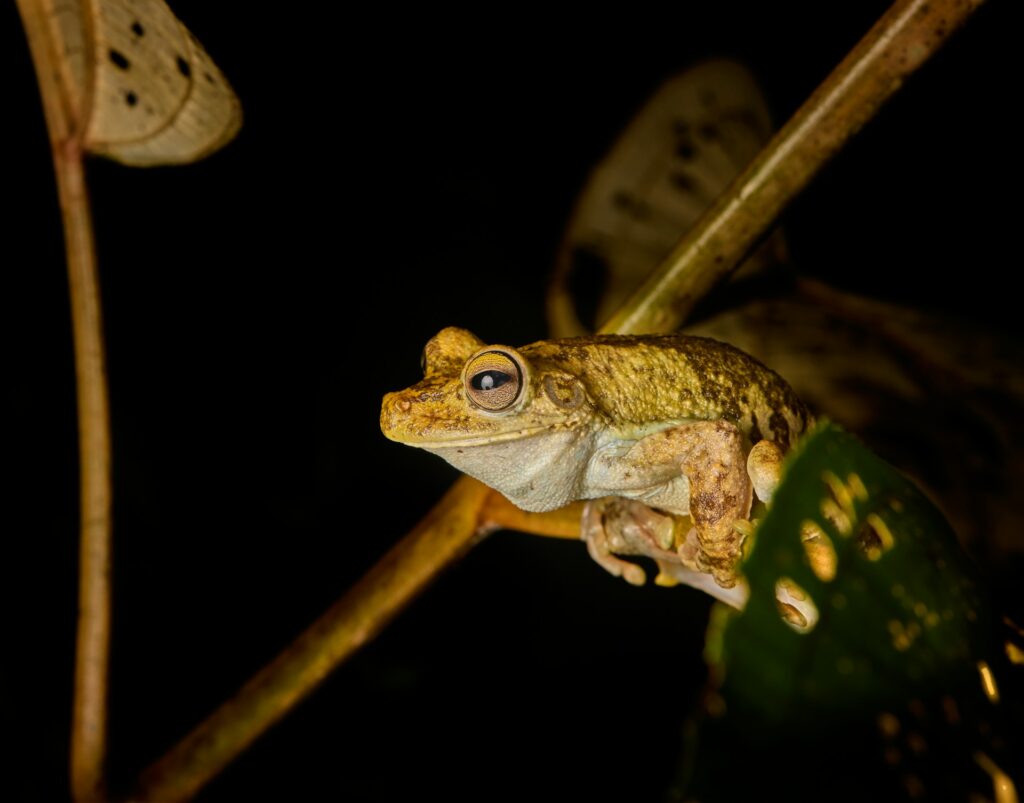
The natterjack thrives in warm, sandy habitats along coastal dunes and heathlands. As summers lengthen, its breeding season extends, giving it more time to reproduce successfully. Although still rare, new colonies are appearing in places that were once too cool. With the right conditions, this vocal little amphibian could make a strong comeback.
The smooth snake
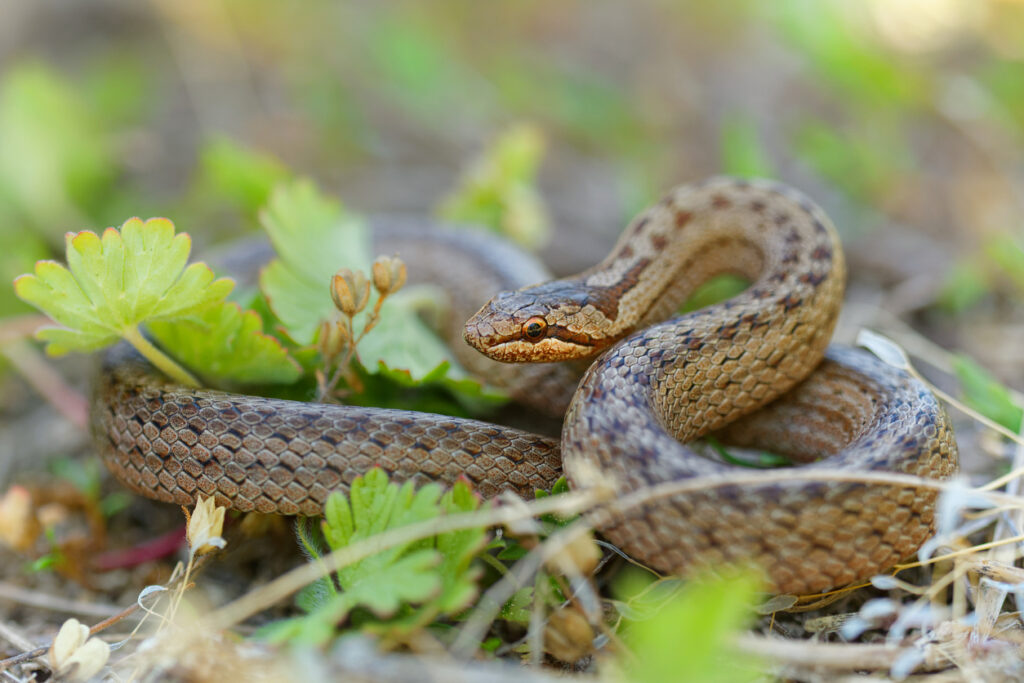
Britain’s rarest reptile benefits from longer, hotter summers that help eggs hatch faster and improve survival rates. It’s spreading into areas of Dorset and Hampshire that used to be too cold. Its success depends on dry heathland, which is expanding under warmer conditions. This gives the smooth snake a fighting chance to rebuild its fragile population.
The bee orchid

The bee orchid, famous for its flower that mimics a bee, is appearing further north as temperatures rise. It once thrived mainly in southern England but is now reaching Yorkshire and beyond. Longer summers and reduced frost damage allow more flowers to bloom and seed successfully. It’s one of the few plants using a warming climate to expand its range.
The speckled wood butterfly
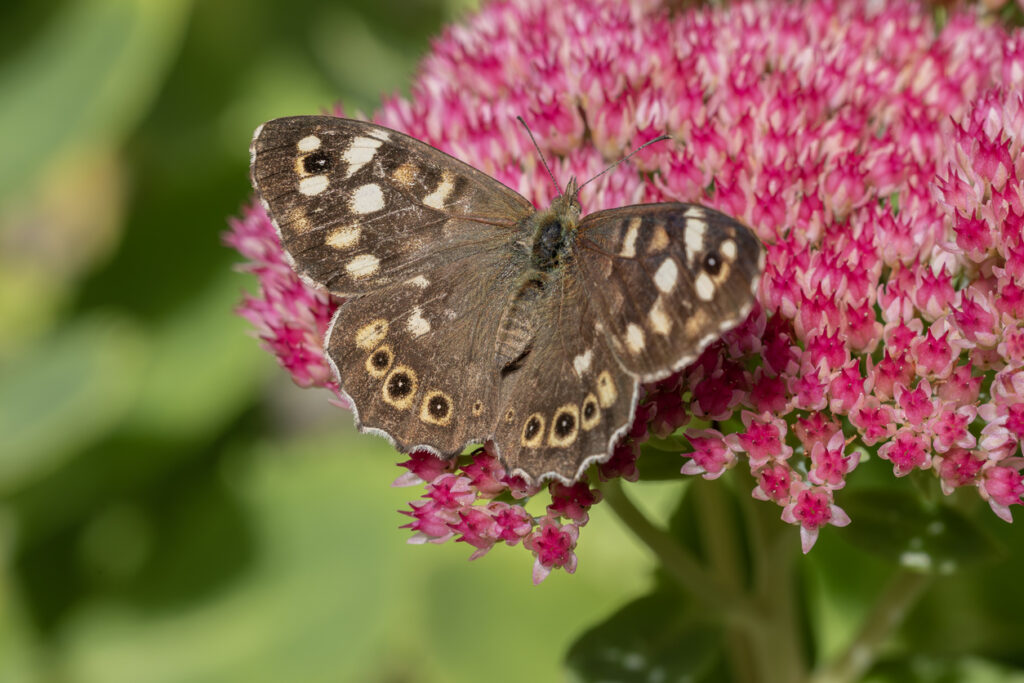
This woodland butterfly has been quietly moving north for decades. Warmer springs have made conditions suitable across Scotland, where it was previously rare. It’s now thriving in sheltered woodlands and gardens where the shade once kept it away. Climate change has turned it into one of Britain’s quiet success stories.
The European tree frog
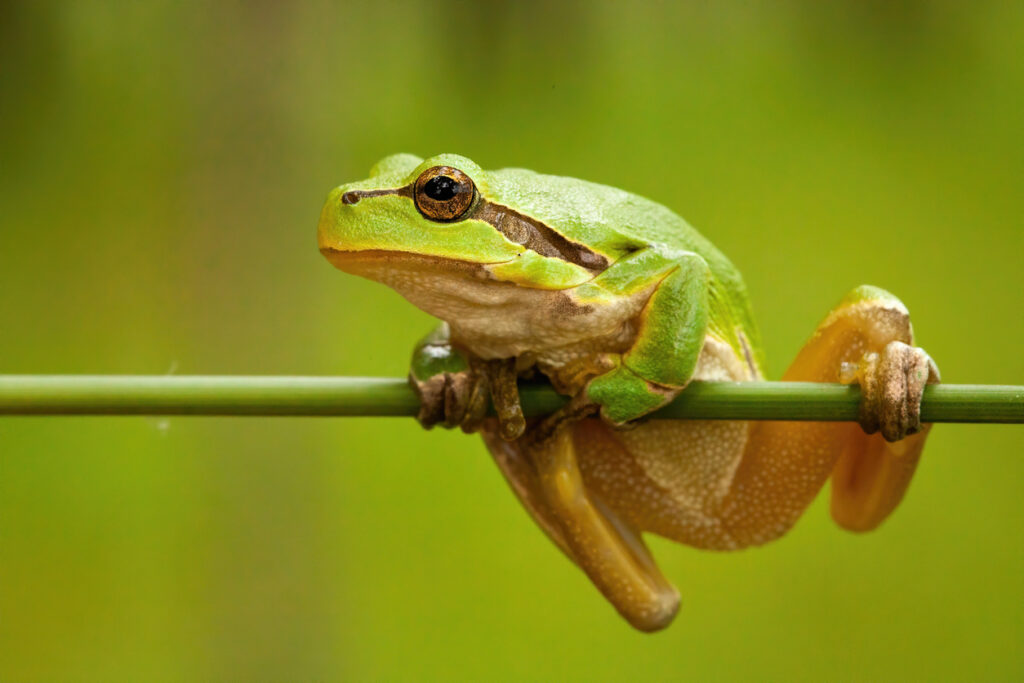
These small, bright-green frogs have been spotted more often in southern England, sometimes released accidentally but managing to survive thanks to milder winters. As temperatures continue to rise, experts believe they could establish permanent breeding populations in the wild. They’re already thriving in parts of western Europe once thought too cool.
The Dartford warbler
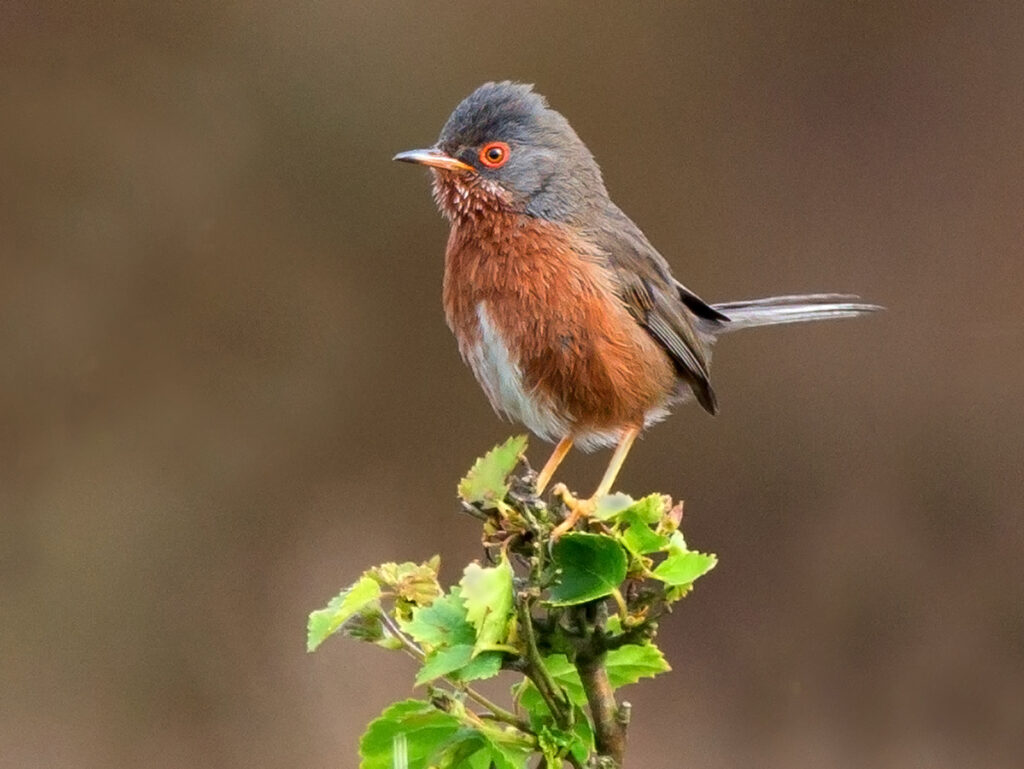
This small, reddish-brown bird nearly disappeared after harsh winters in the 1960s. Now, with milder conditions, its numbers are bouncing back strongly. Heathlands in southern England have become ideal habitats again. The Dartford warbler is one of the clearest examples of how changing winters can reverse past losses.
The hummingbird hawk-moth
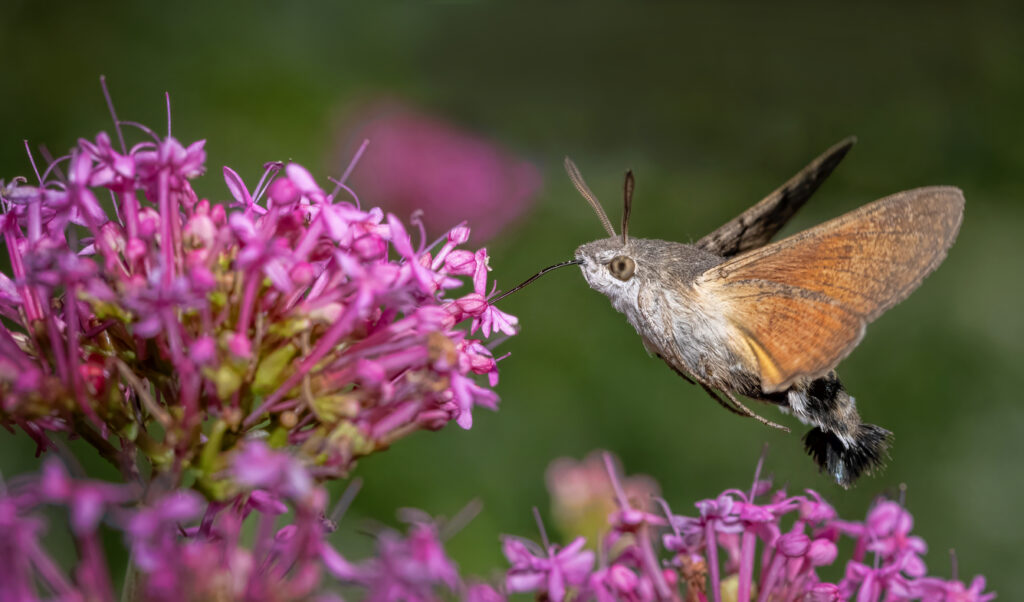
Once an exotic summer visitor, this fast-flying moth now stays through the year in the south-west. It hovers like a tiny hummingbird while feeding on flowers. Warmer temperatures mean it can survive winter instead of migrating south. It’s becoming a familiar sight in gardens that stay mild year-round.
The grey seal
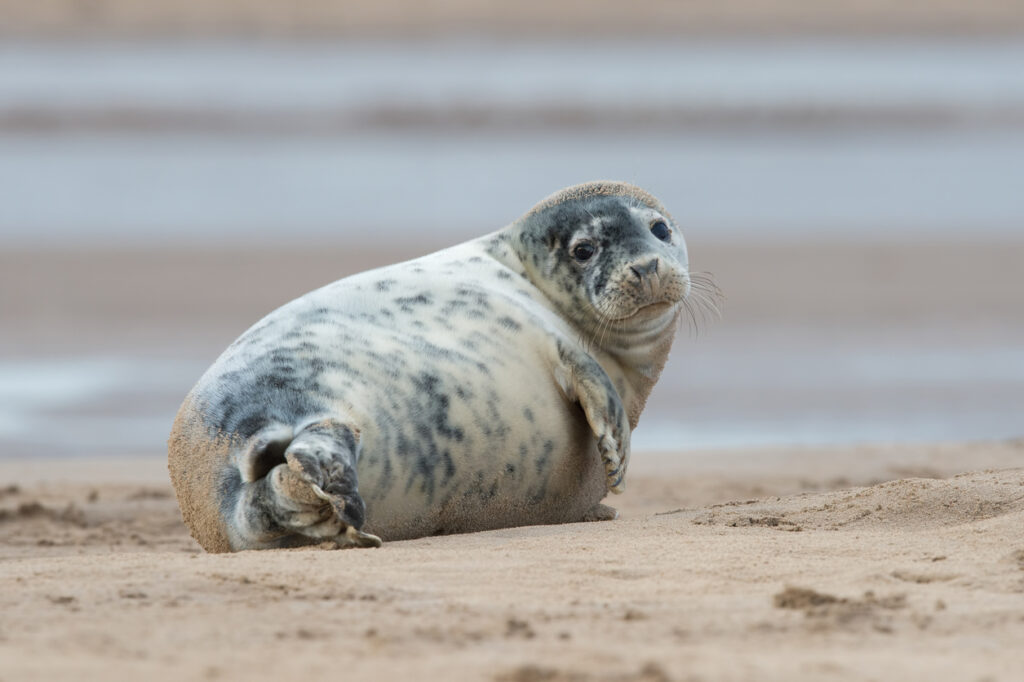
Rising sea temperatures have boosted fish numbers in some coastal areas, giving grey seals more reliable food supplies. Their colonies are expanding, especially around Norfolk and Northumberland. Healthier fish stocks and ice-free waters have also improved pup survival rates. It’s one of the few marine species thriving in a warming North Sea.
The adder
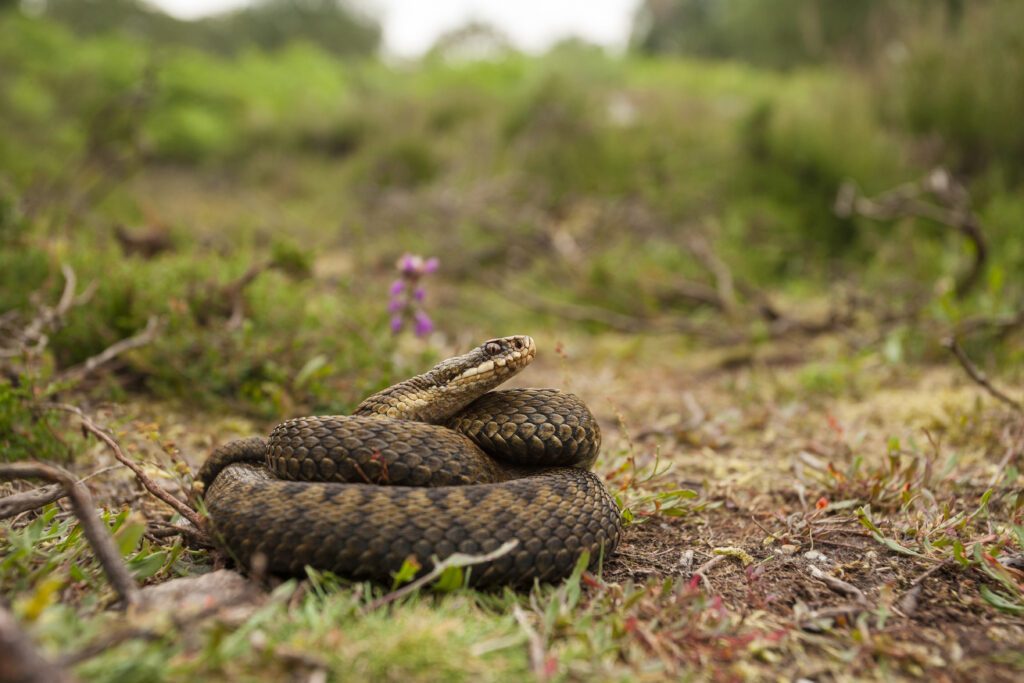
Britain’s only venomous snake benefits from hotter summers that increase activity and mating success. Warmer soil also helps its young develop more quickly. However, adders are still declining in some regions due to habitat loss. Where heathland and grassland remain intact, the warmer weather is giving them a small but important boost.
The robin
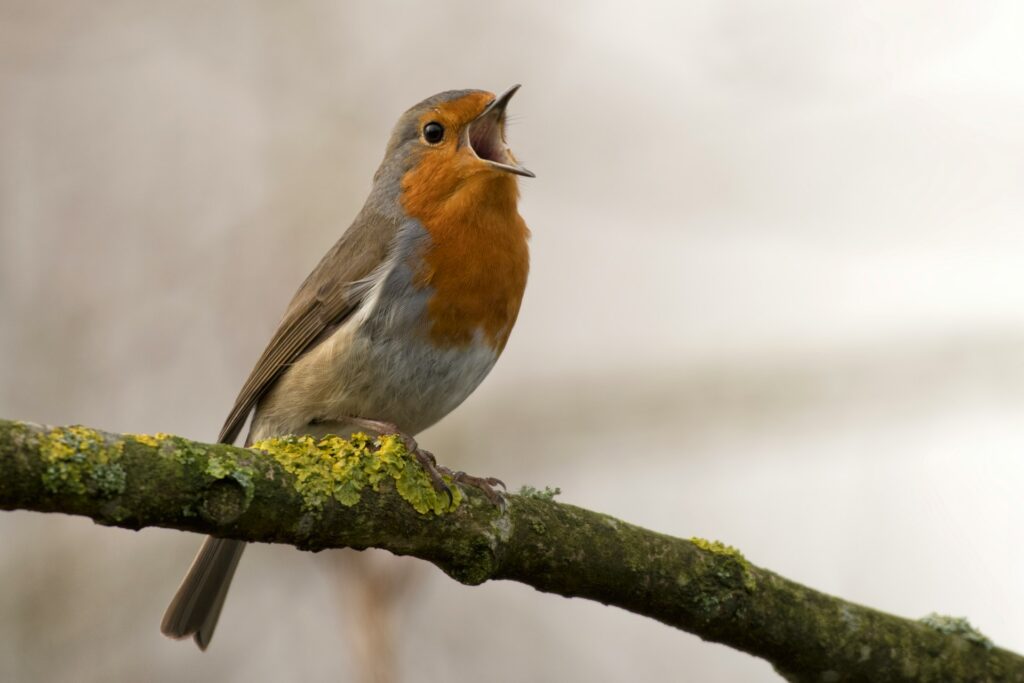
Mild winters allow robins to survive in greater numbers. They no longer need to migrate as far, and abundant insects from longer summers provide a steady food supply. Their year-round presence means more singing, more nesting and healthier populations. The robin’s familiar winter tune might soon be an all-year soundtrack.
The roe deer
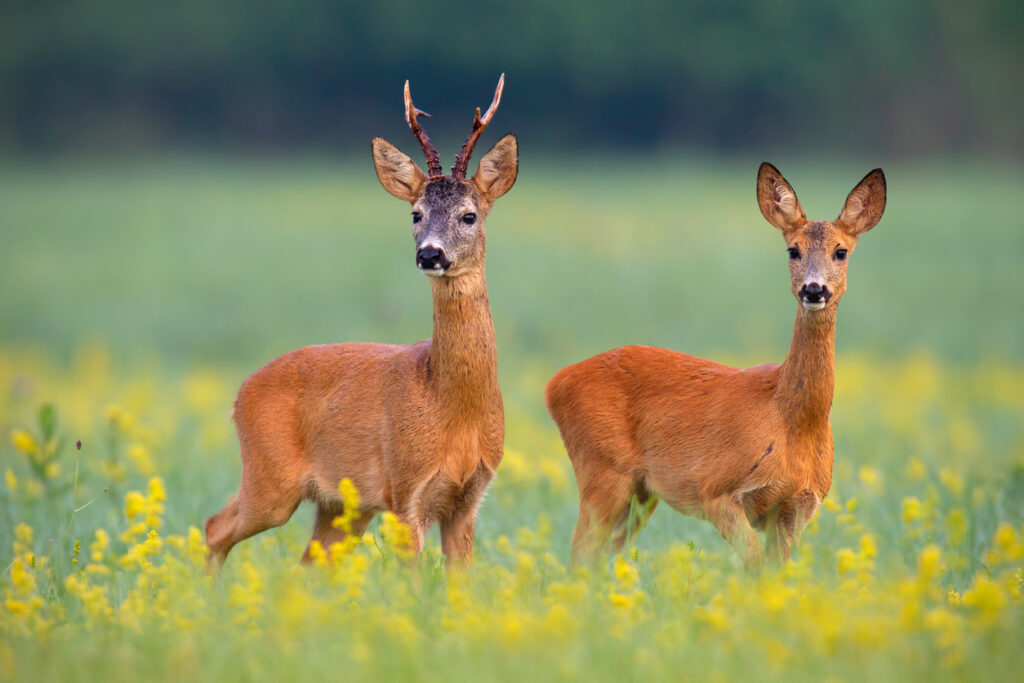
Roe deer populations have grown rapidly across much of the UK. Warmer winters mean fewer deaths from cold and easier access to food through the year. They’re now spreading further north and into higher altitudes, adjusting their breeding cycles to match new seasons. While not everyone welcomes the increase, they’re thriving like never before.
Nature’s winners and losers

Climate change remains one of the biggest threats to biodiversity, but it’s also reshaping who survives and who struggles. These species are adapting faster than most, turning warmer conditions into opportunity. Their success is a reminder that nature is resilient, but it also highlights how much our ecosystems are changing. Even the winners are proof of a planet that’s changing faster than ever before.