Britain isn’t always seen as a hotspot for wildlife, which is a real shame.
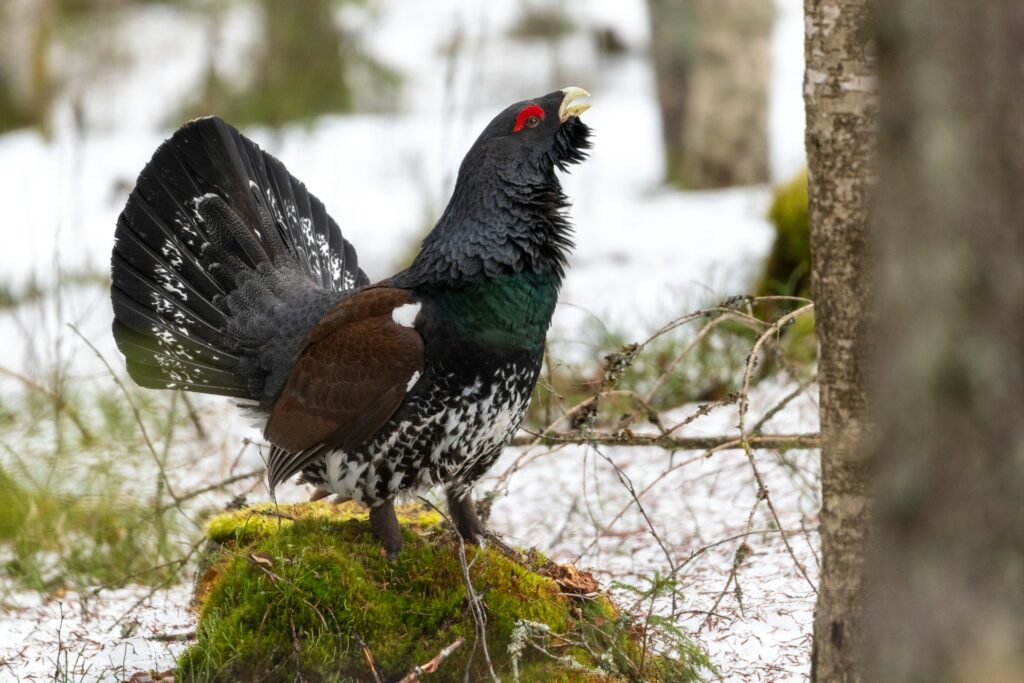
Tucked into our hedgerows, rivers, moorlands, and coasts are species found nowhere else, many of which are now under real threat. Habitat loss, pollution, climate shifts and human activity have pushed some of our most iconic animals to the edge. But they’re still here, just about, and every single one still matters. Here are 14 of Britain’s most vulnerable wildlife species, and the reasons they’re absolutely worth fighting for.
1. Scottish wildcat
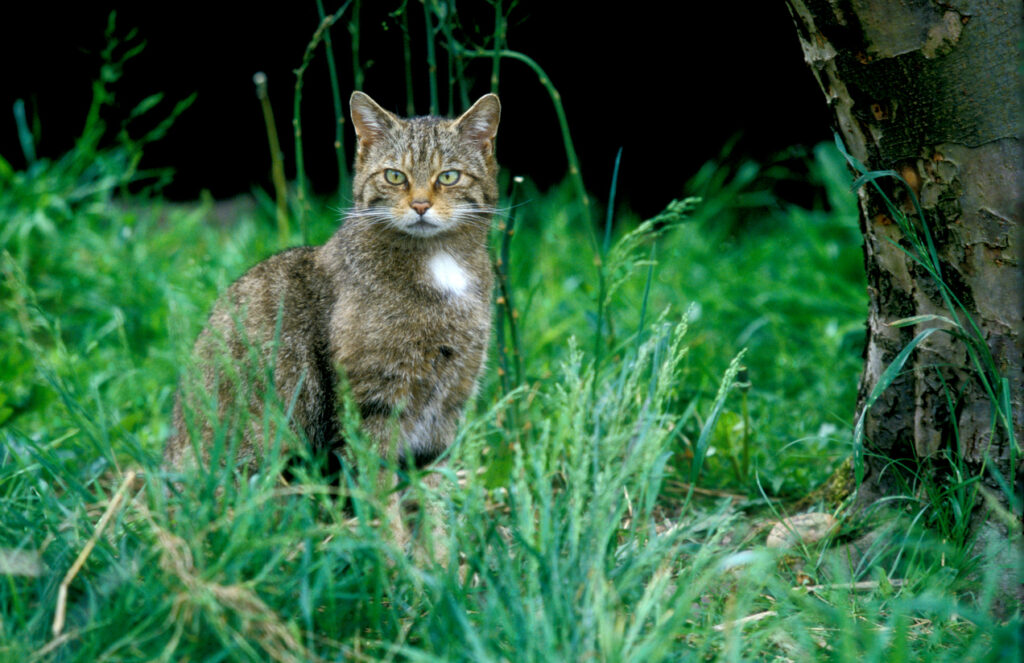
Often called the “Highland tiger,” the Scottish wildcat is one of the UK’s rarest and most elusive mammals. With only a handful of true wildcats left in the wild, they’re under threat from habitat loss and hybridisation with domestic cats. Most people have never seen one, and many won’t get the chance unless serious conservation efforts succeed.
However, these animals aren’t just wild cats. They’re a vital piece of Britain’s natural identity. They represent a time when our landscapes were genuinely wild. Protecting them isn’t about nostalgia; it’s about preserving something unique that can’t be replaced once it’s gone.
2. Red squirrel
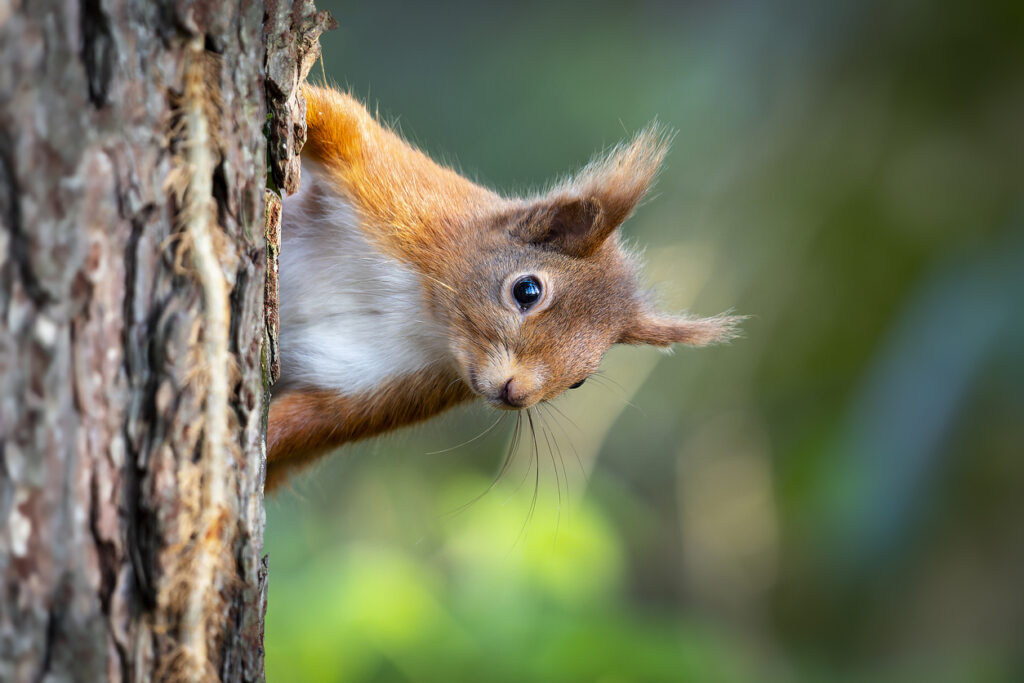
The red squirrel is iconic, but it’s also in trouble. Pushed out by the invasive grey squirrel and vulnerable to the squirrelpox virus, reds are now mostly confined to small areas like parts of Scotland, Northumberland, and Anglesey. Even there, they need constant protection to survive.
What makes red squirrels worth saving isn’t just their cuteness or rarity. It’s the fact they belong here. They’ve been part of Britain’s ecosystems for thousands of years, and losing them would be like losing part of our national story.
3. European eel
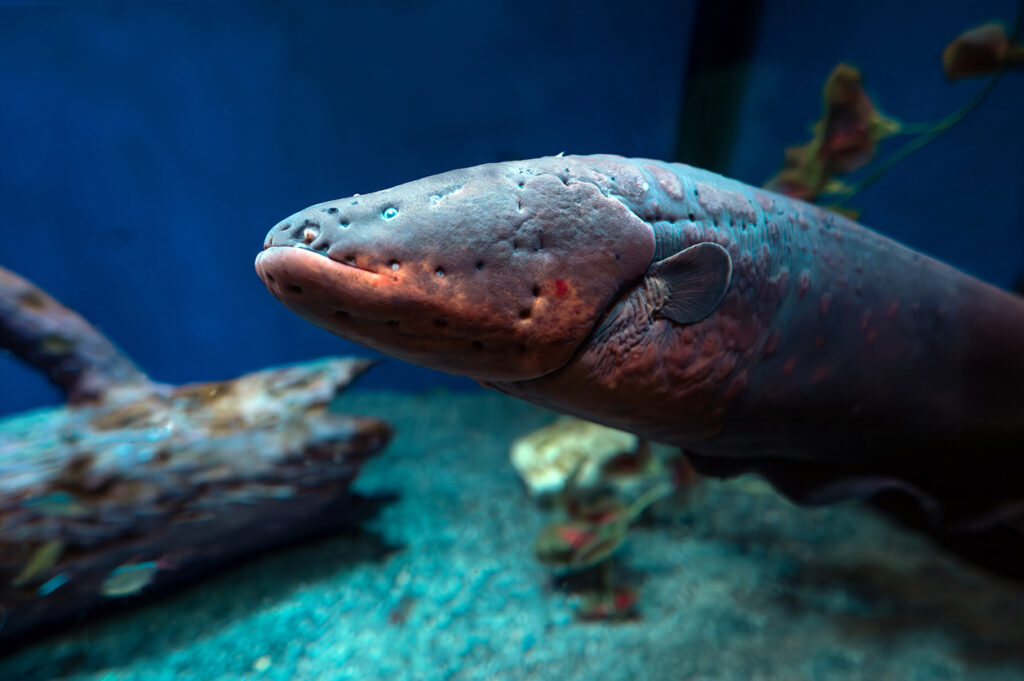
Once common in British rivers, the European eel has seen a shocking 95% population decline over the last few decades. Their lifecycle is wild: they spawn in the Sargasso Sea and make the incredible journey back to Britain’s freshwater rivers. However, barriers like weirs, pollution, and illegal trade have left them in crisis.
Saving the eel might not seem glamorous, but they’re a crucial part of aquatic food webs and have cultural significance that goes back centuries. The more invisible they become, the easier it is to forget how important they are.
4. Hazel dormouse

Small, secretive and nocturnal, hazel dormice are harder to spot than most of the animals on this list, but they’re just as vulnerable. Loss of hedgerows and connected woodlands has hit them hard, and their numbers have dropped by over 50% in the last couple of decades.
They matter because they show how fragile a balanced ecosystem really is. Dormice rely on traditional countryside features that have quietly vanished. Helping them thrive again means restoring the kind of nature-rich landscapes that benefit all wildlife, not just one tiny species.
5. Turtle dove
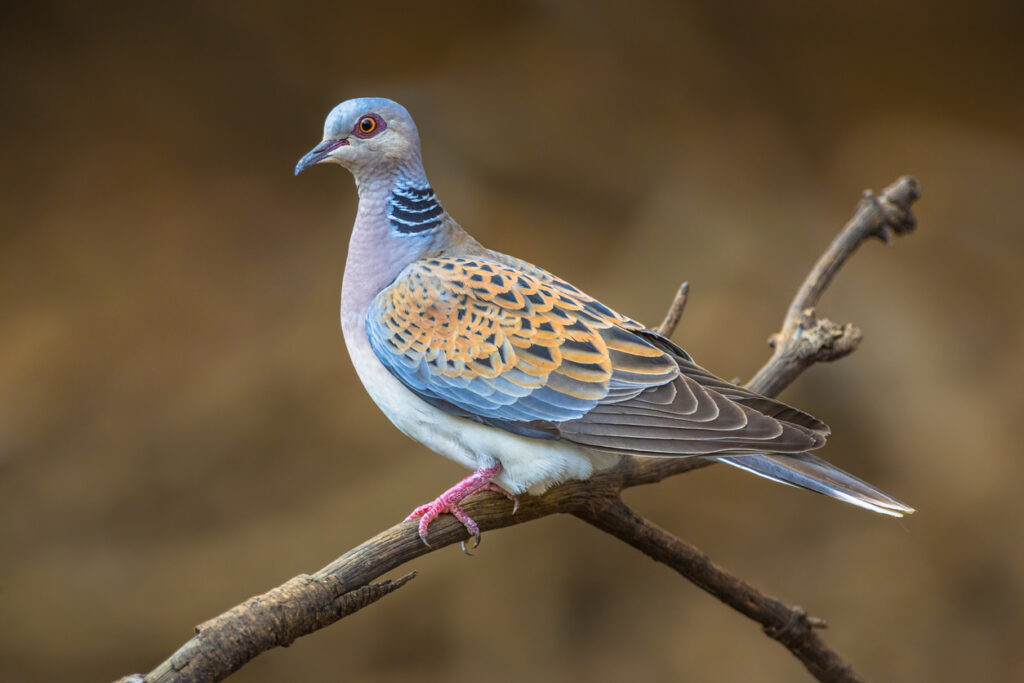
Not to be confused with the common collared dove, the turtle dove is now Britain’s fastest-declining bird. Agricultural changes have stripped away their nesting habitats and food sources, and they’re also illegally hunted during migration through southern Europe. Turtle doves are more than just a “12 Days of Christmas” reference. Their soft purring call used to be a staple of British summers. Holding onto them means preserving not just a species, but a soundscape we risk losing forever.
6. Basking shark
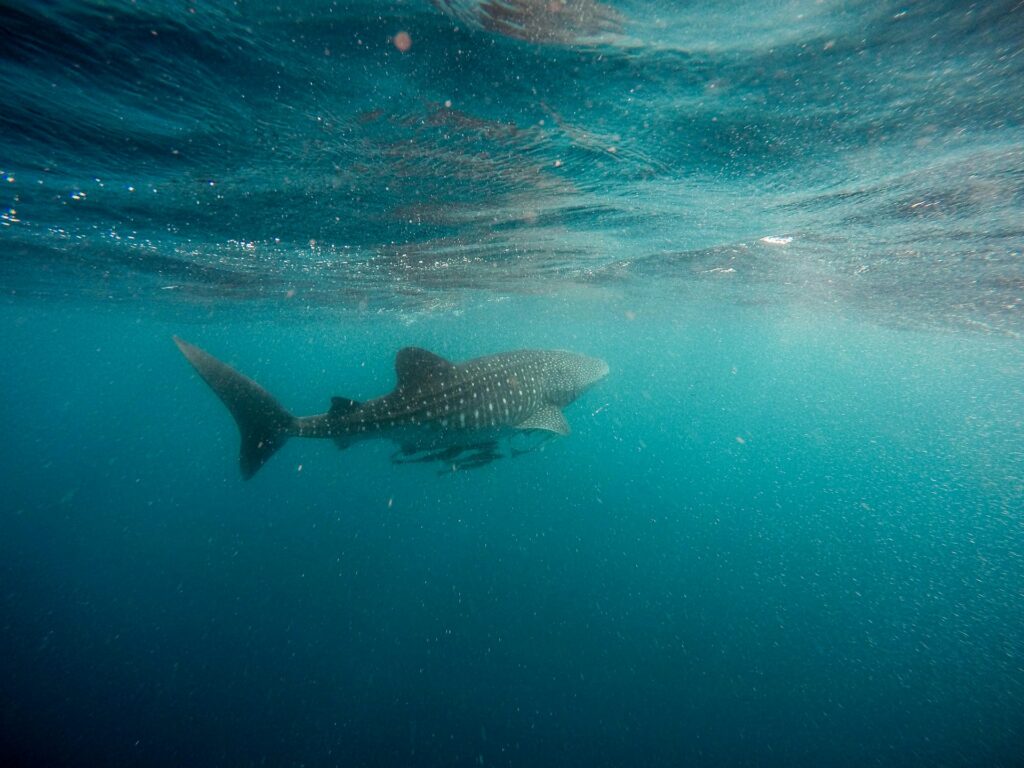
The UK’s second-largest fish after the whale shark, basking sharks glide along our coastlines each summer, and they’re now protected, but still vulnerable. They’re not dangerous to people, but they’ve been threatened by historic hunting, entanglement in fishing gear, and disturbance from boat traffic.
There’s something awe-inspiring about seeing a creature that big in British waters. Protecting basking sharks isn’t just about saving a species. It’s about safeguarding an entire marine ecosystem that most people don’t realise we even have.
7. Natterjack toad

Natterjack toads are rare, loud, and very particular about where they live. They need shallow, warm pools and open sandy habitats—places that have become increasingly rare due to development and habitat loss. Now found only in select spots, mostly along the coast, they’re hanging on by a thread.
They matter because they’re indicators of healthy, functioning wetland environments. When we protect the toads, we also protect the wild dune systems and heathlands that are home to countless other creatures too.
8. Water vole
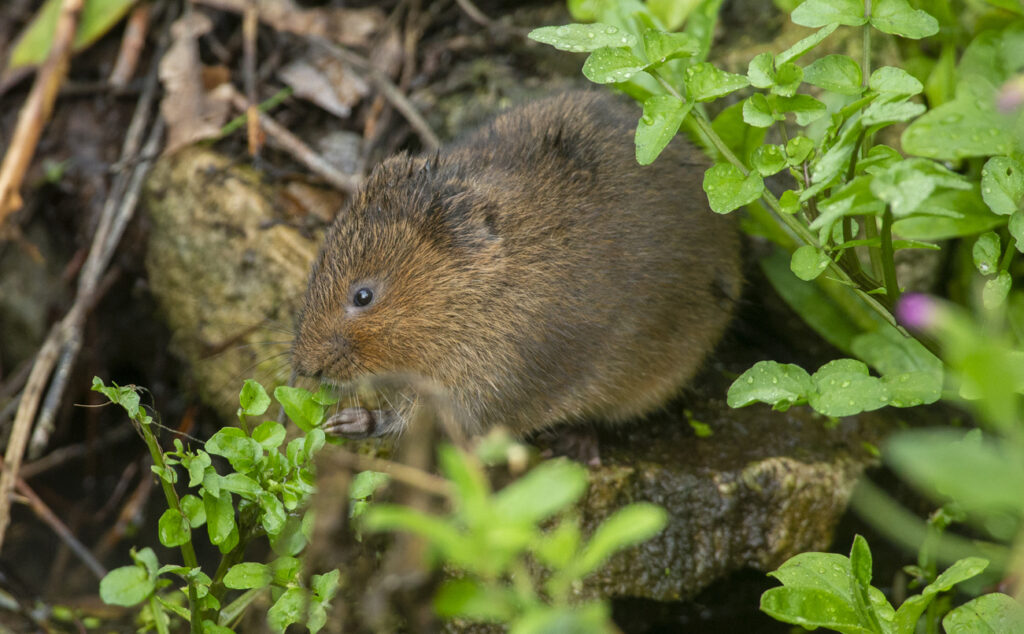
Water voles, once a common sight on British waterways, have suffered massively due to habitat destruction and the spread of invasive American mink. Their numbers have dropped by around 90% since the 1980s, making them one of the UK’s fastest-declining mammals.
They’re worth saving because they’re more than just charming. In fact, they’re essential ecosystem engineers. Their burrows, diets, and habits shape the banks and vegetation of our rivers. Without them, a key piece of that watery balance disappears.
9. Atlantic puffin
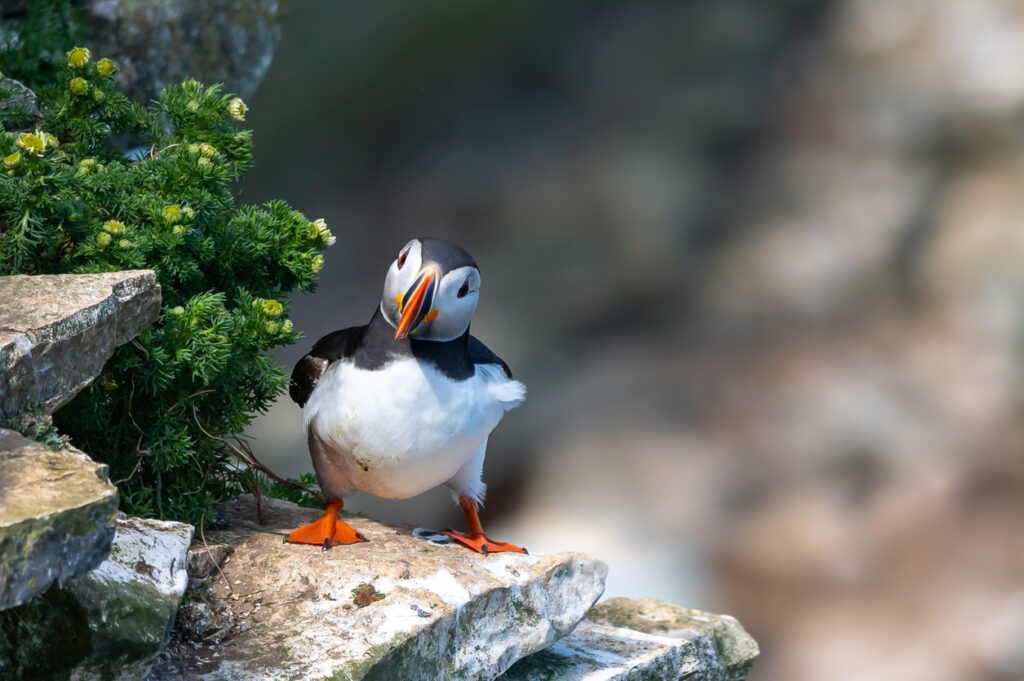
Puffins may be one of Britain’s most beloved seabirds, but they’re in trouble. Rising sea temperatures affect their food supply, and storms are becoming more intense during their nesting season. Though they still seem common in certain spots, their long-term future isn’t guaranteed.
We can’t take puffins for granted just because they’re photogenic. They’re a crucial part of coastal food webs and an indicator of wider environmental changes. If the puffins go, it’s a sign the sea is shifting in the wrong direction.
10. Horseshoe bat
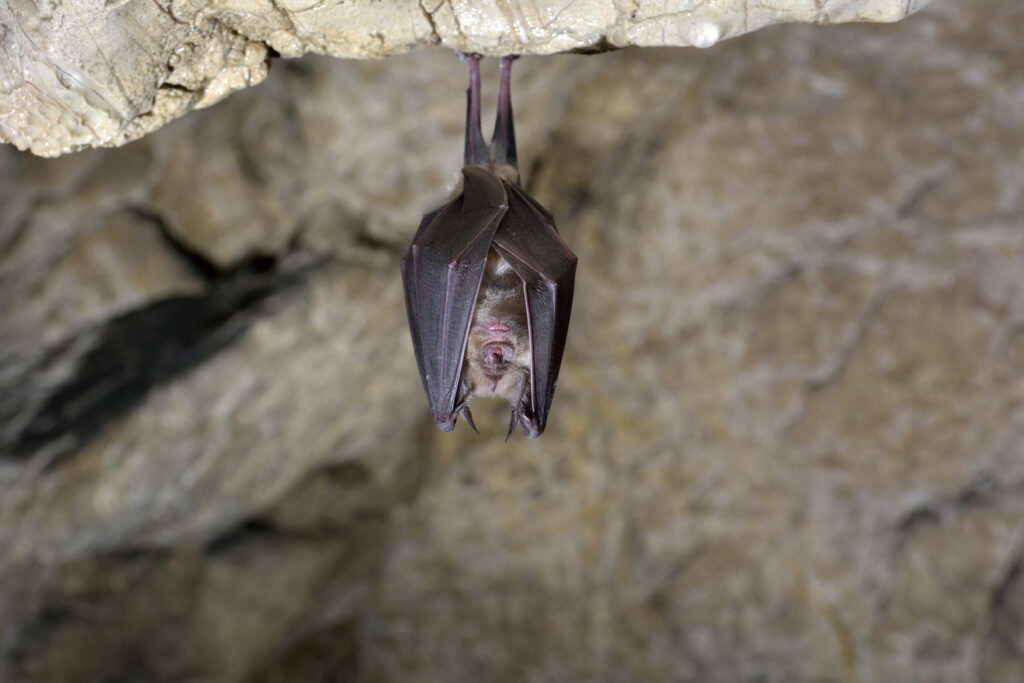
These bats rely on old buildings, quiet roosts, and well-connected landscapes to survive. As old barns disappear and light pollution spreads, their numbers have declined, especially the lesser horseshoe bat, which is now a protected species. They’re shy and rarely seen, but they control insect populations and help maintain balance in local ecosystems. Their survival reminds us how even the smallest, most hidden animals can tell us if our surroundings are thriving or failing.
11. Curlew
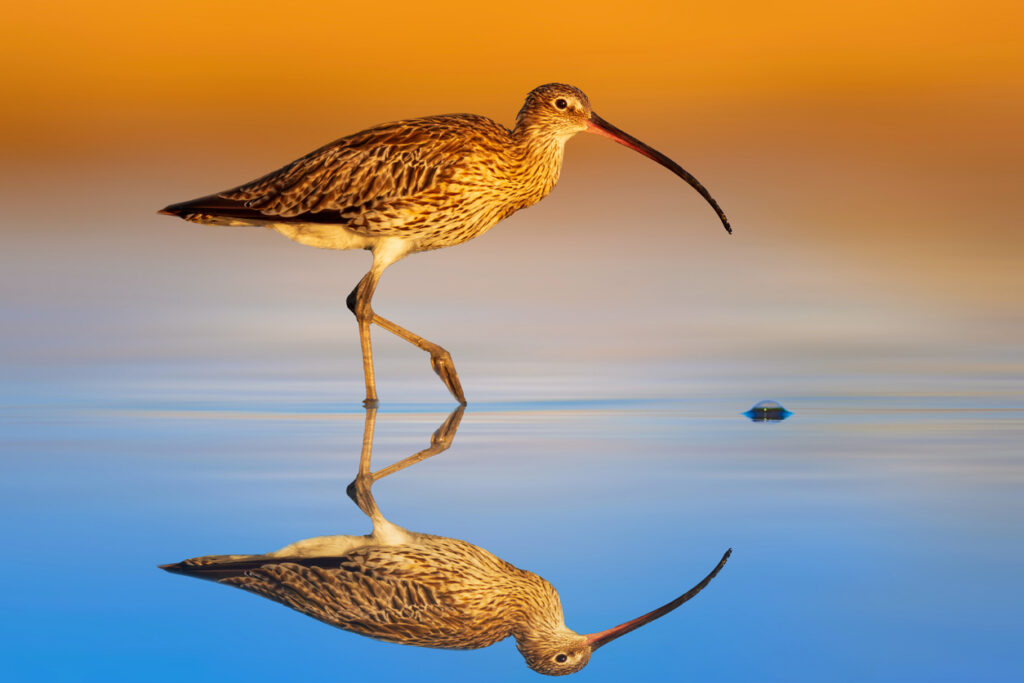
With their haunting calls and long curved bills, curlews are a striking part of Britain’s upland and wetland environments. But their populations have declined due to agricultural changes, nest predation, and loss of habitat.
They’re one of our most important birds to protect globally. Britain holds a huge proportion of the world’s curlew population, meaning what happens here matters far beyond our borders. Their call is one of Britain’s most iconic bird sounds. It deserves to be heard for generations to come.
12. Marsh fritillary butterfly
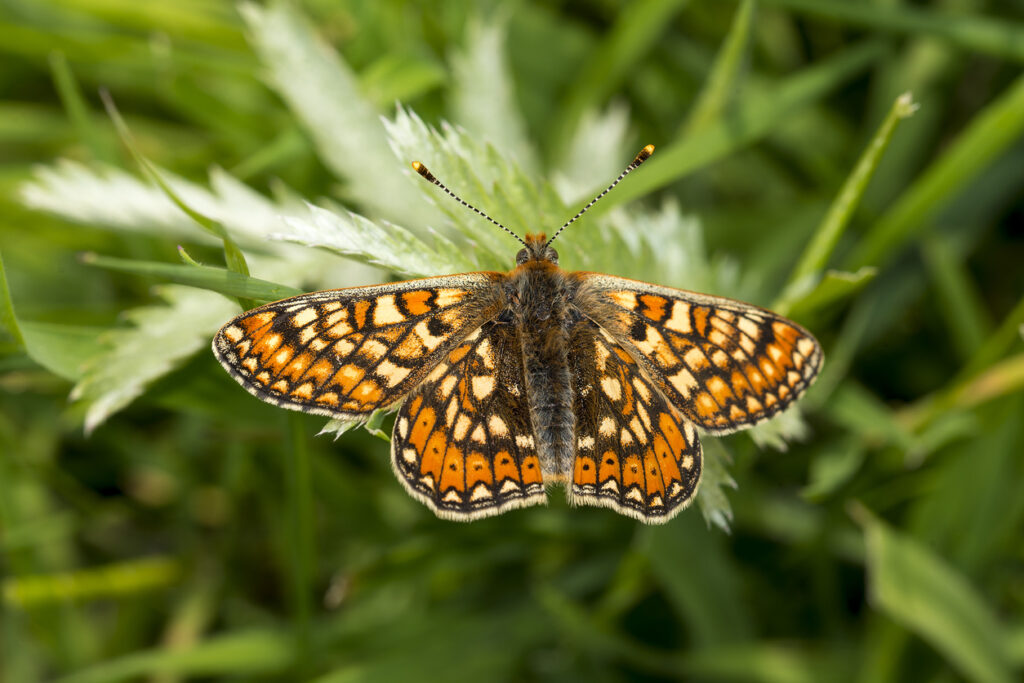
This beautifully patterned butterfly once fluttered across grasslands all over the UK. Now, it’s restricted to a few key strongholds thanks to habitat loss and poor management of traditional meadows. It’s sensitive to environmental changes, which makes it especially at risk.
Butterflies like the marsh fritillary are environmental litmus tests. If they’re thriving, it usually means the landscape is healthy. Restoring their habitat supports a whole chain of species, including the flowers, bees, and birds we rely on, too.
13. Brown hare

Brown hares are part of British folklore and landscape, but they’ve been quietly declining. Modern farming practices, loss of rough grassland, and illegal hare coursing have taken a toll on their numbers across much of the UK. They’re not just fast runners with long ears. They’re a vital part of open countryside ecosystems, and losing them would mean losing that sense of wildness in our fields that many people don’t even realise is fading away.
14. Capercaillie
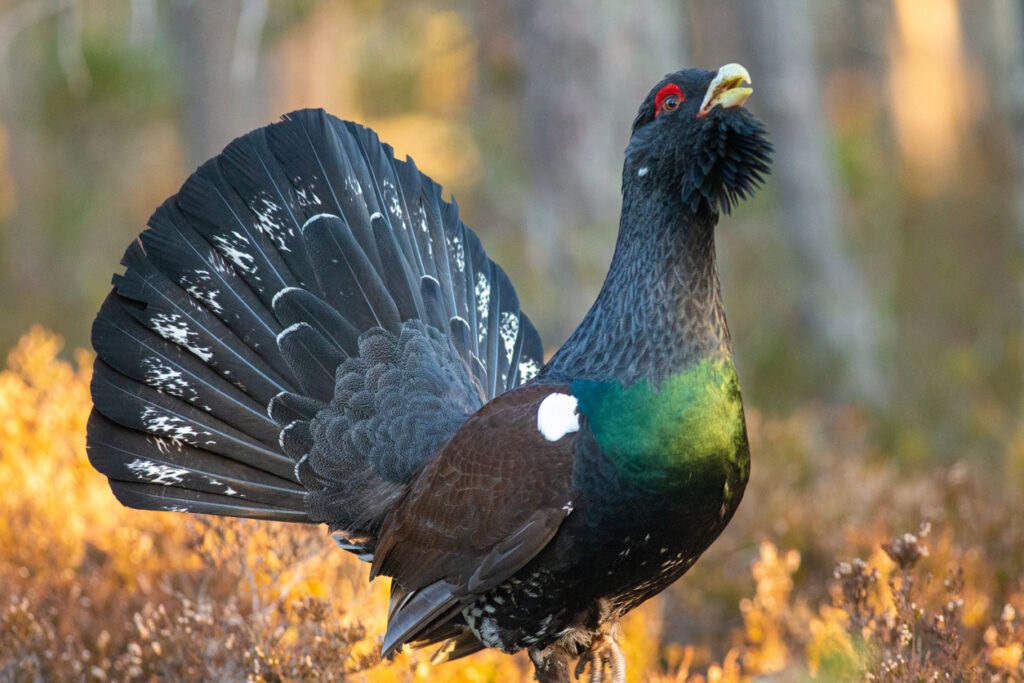
The capercaillie is Britain’s largest grouse, and also one of its most endangered birds. Found only in parts of the Scottish Highlands, it’s struggling with habitat loss, predation, and disturbance. Despite conservation work, numbers are still dangerously low.
They matter because they’re a flagship species. If the forests are healthy enough for capercaillie, they’re healthy enough for everything else that depends on them. Saving the capercaillie means saving a whole network of life, and the ancient pinewoods they call home.