Known for their vibrant feathers and incredible strength, they’re clever, sociable, and full of personality.
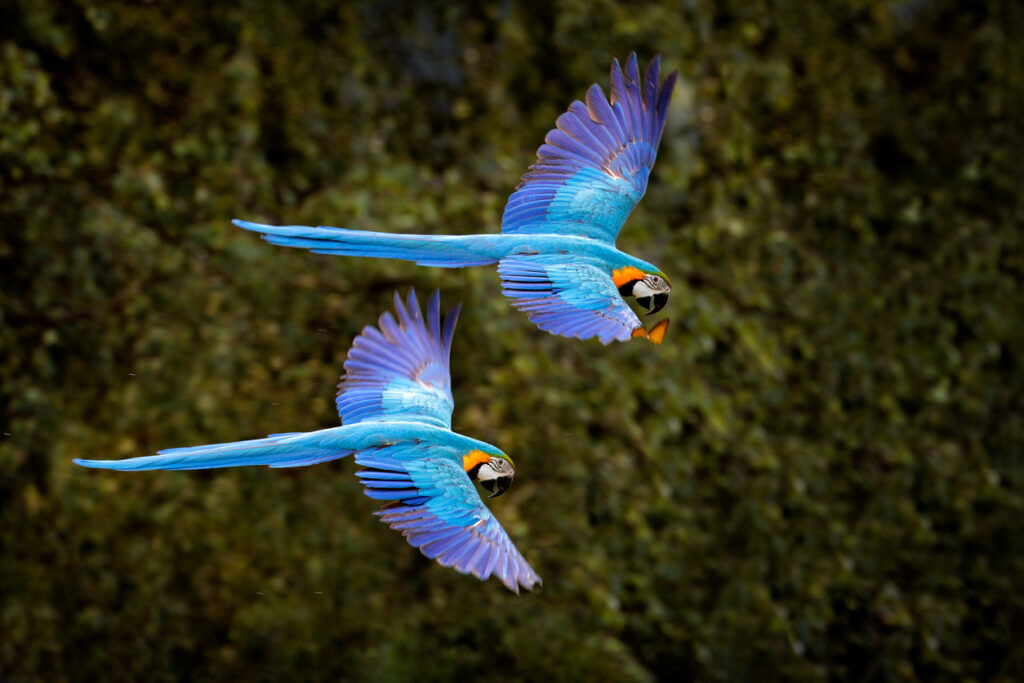
Native to South America, they’re known for their intelligence, loyalty, and playful personalities, as well as their breathtaking colour. However, there’s much more to them than beauty and brawn. From their complex social lives to their surprisingly emotional nature, blue macaws are some of the most fascinating birds on the planet. Here’s what makes them so interesting.
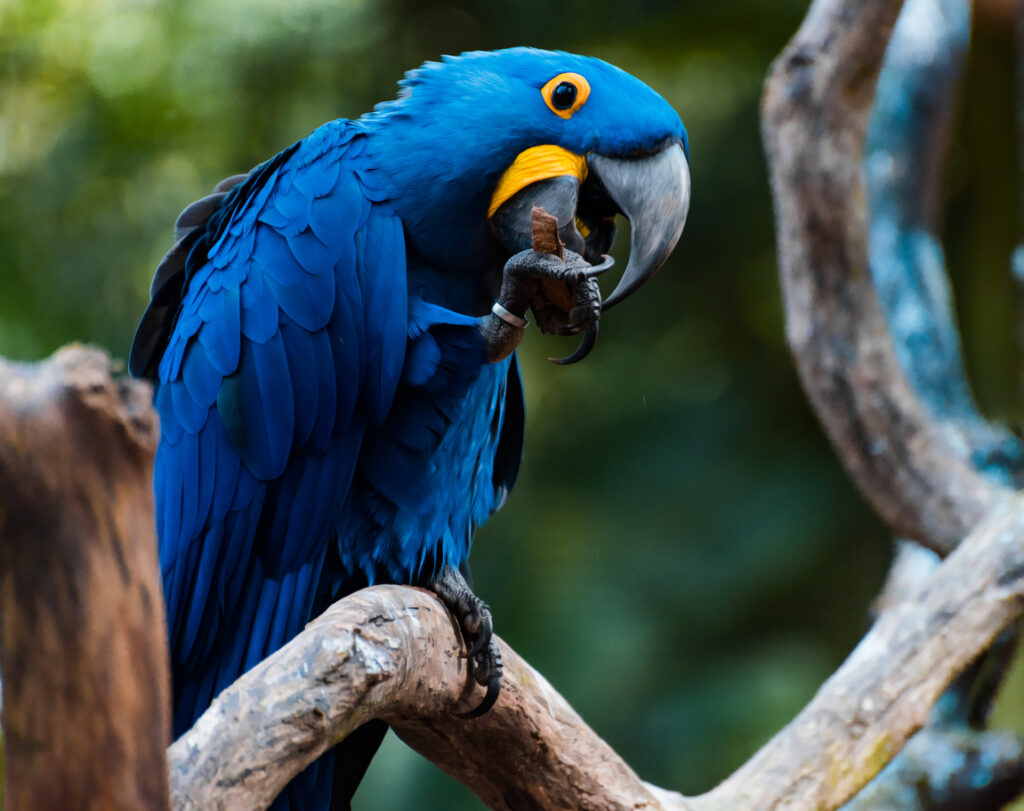
Yes, they can crack Brazil nuts with their beaks.
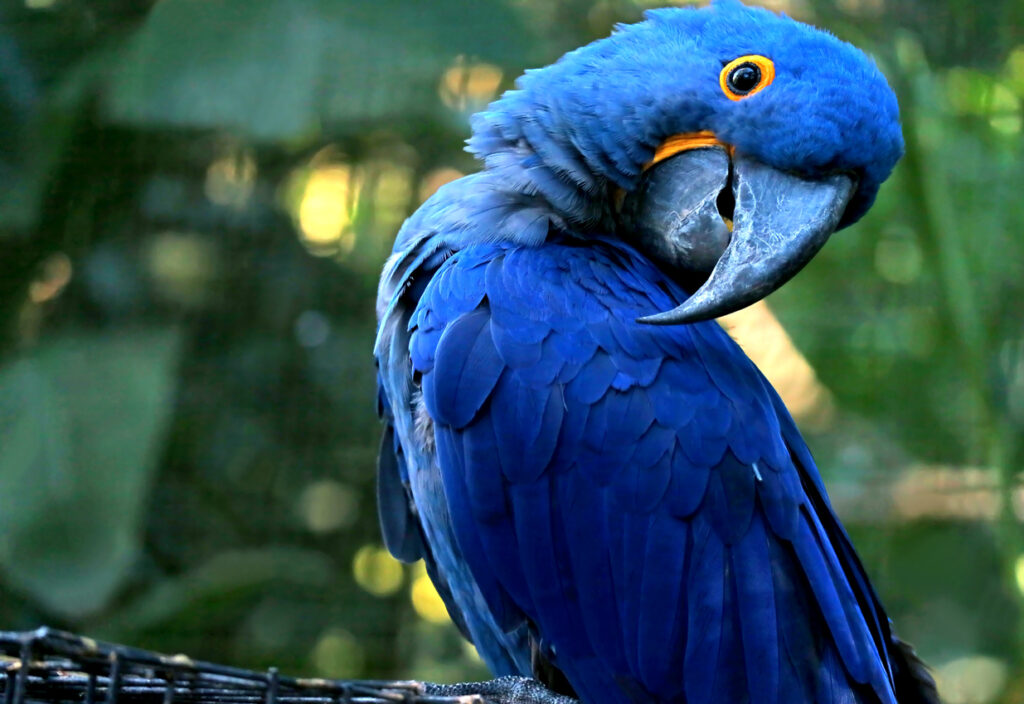
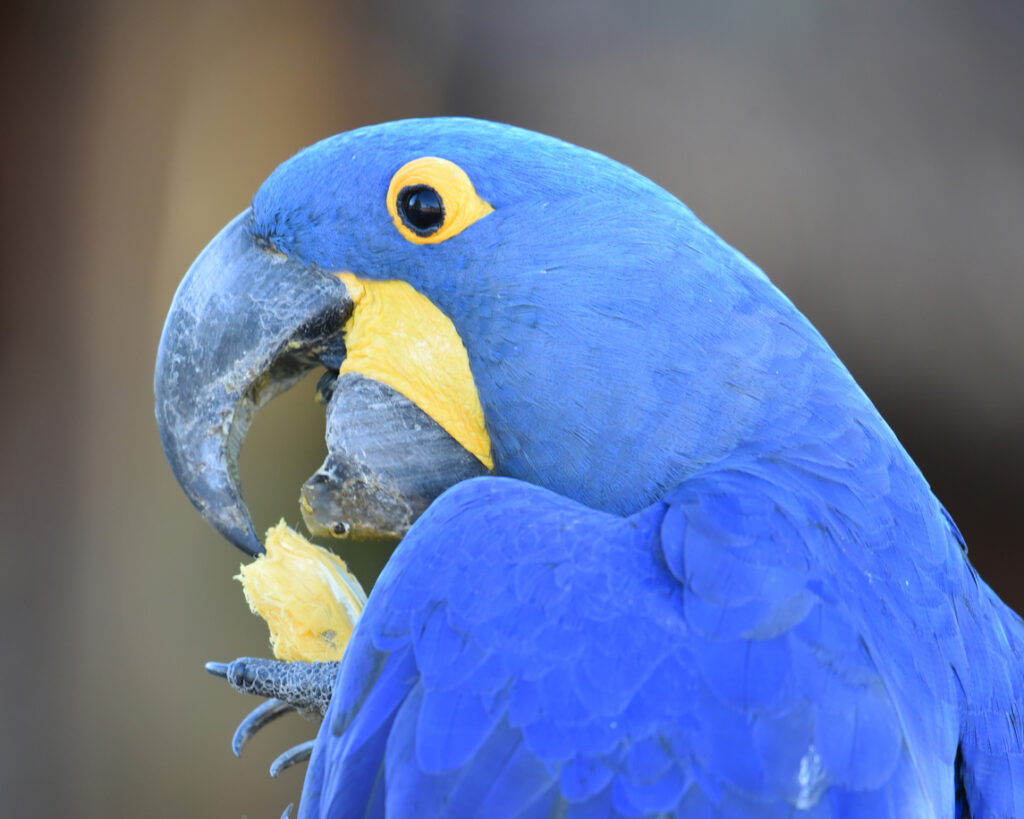
Blue macaws have incredibly powerful beaks that can split one of the toughest nuts in the rainforest: the Brazil nut. Most animals can’t even make a dent in those shells, but macaws use their curved beaks like nutcrackers. This strength helps them reach the high-energy food hidden inside. It’s part of what makes them so successful in the wild, where meals aren’t exactly easy to find.
Their feathers aren’t actually blue.
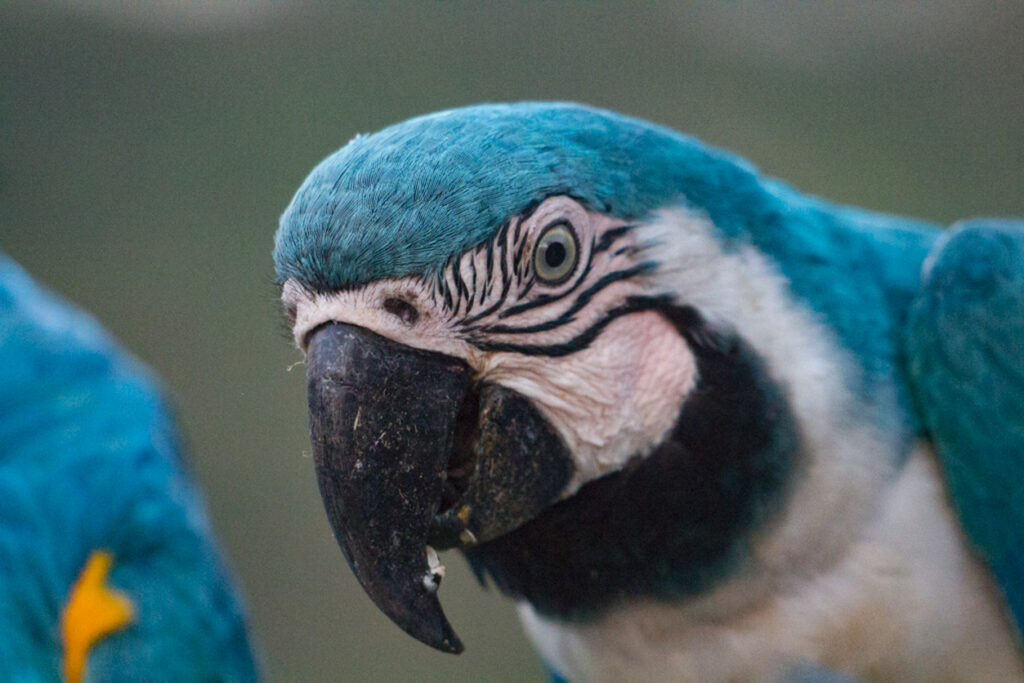
Even though they look bright blue, that colour doesn’t come from pigment. It’s created by light bouncing off tiny structures in their feathers, similar to how the sky looks blue to us. If you were to crush one of their feathers, it would turn brown. The blue effect only appears when light hits it in the right way, which makes their colour even more magical.
They’re the largest flying parrots in the world.
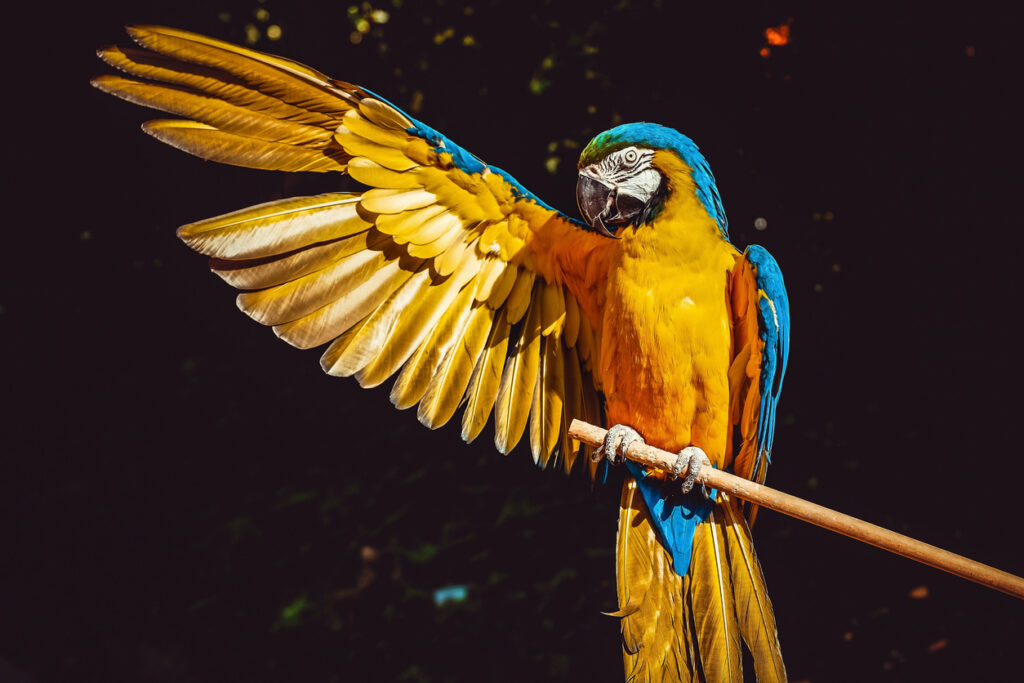
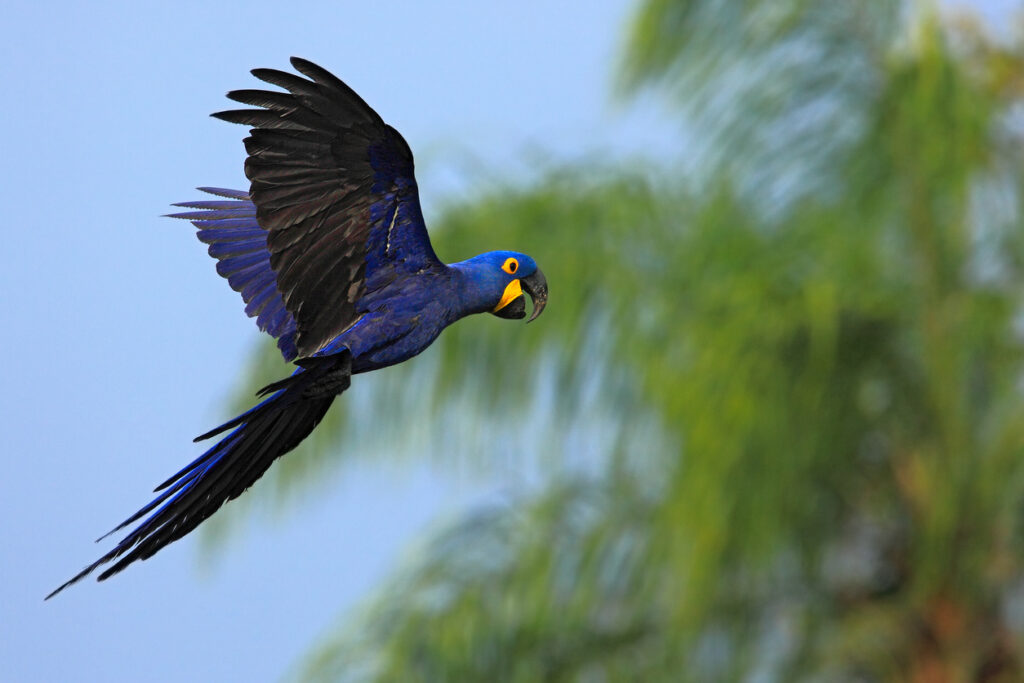
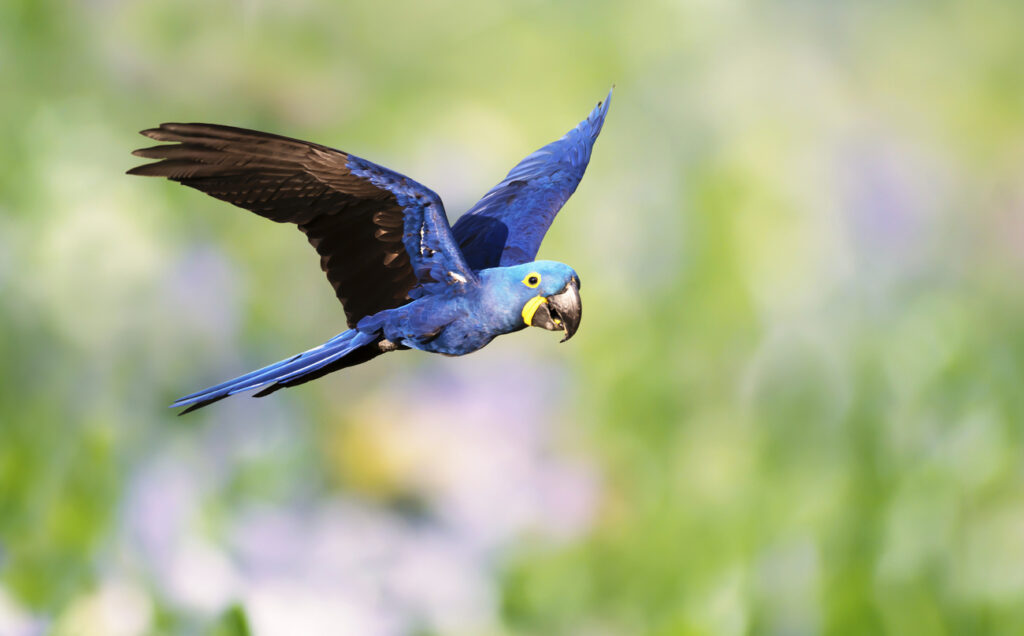
Blue macaws, or hyacinth macaws, can reach up to a metre long from head to tail. Their wingspan is nearly as wide as an adult person is tall, which helps them glide gracefully through the rainforest canopy. Despite their size, they’re elegant flyers. They use those long wings to travel great distances in search of food and nesting spots.
They mate for life.
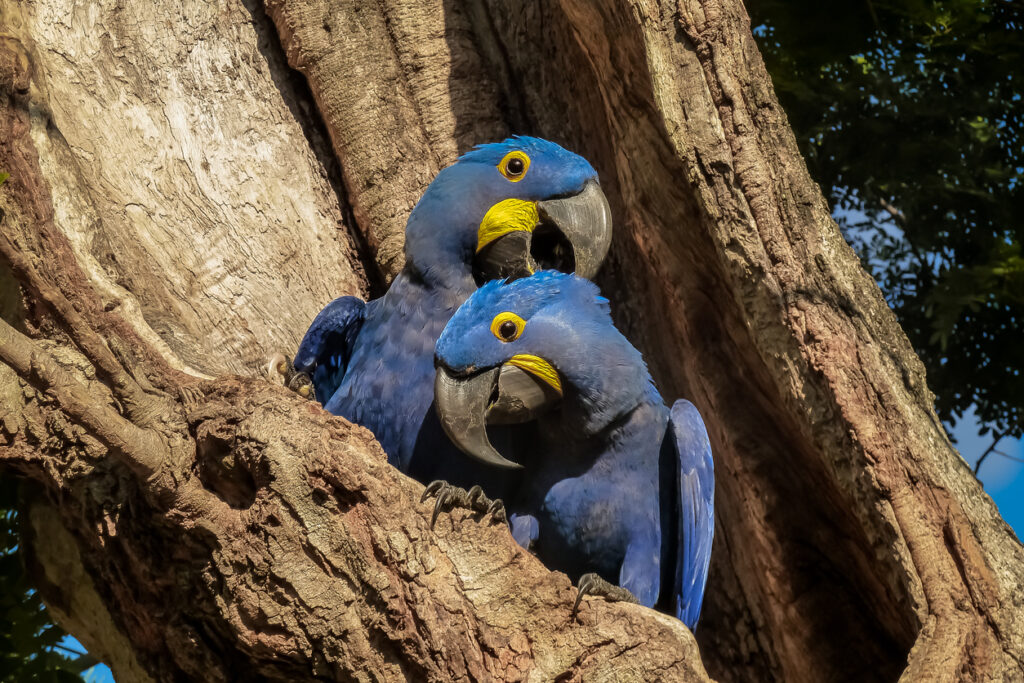
These birds take loyalty seriously. Once a blue macaw finds a partner, they stay together for life. They eat together, groom each other’s feathers, and even fly side by side everywhere they go. If one bird flies off, the other usually won’t be far behind. Their close bonds are one of the sweetest things about watching them in the wild.
They’re incredibly intelligent.
Blue macaws are known for their brains as much as their beauty. They can solve problems, use tools, and remember faces, even human ones. In captivity, they’ve been seen using sticks to reach food through cage bars. Their intelligence is what makes them both amazing companions and tricky pets. They need constant stimulation to stay happy, or they’ll find creative ways to cause mischief.
Their tongues are strong and textured.

It might sound odd, but their tongues are muscular and covered in a layer of bone-like material. This helps them grip and twist nuts or seeds while cracking them open. It’s one of their secret tools for eating, working perfectly alongside their curved beaks to handle even the hardest foods in the rainforest.
They sleep in tree cavities.
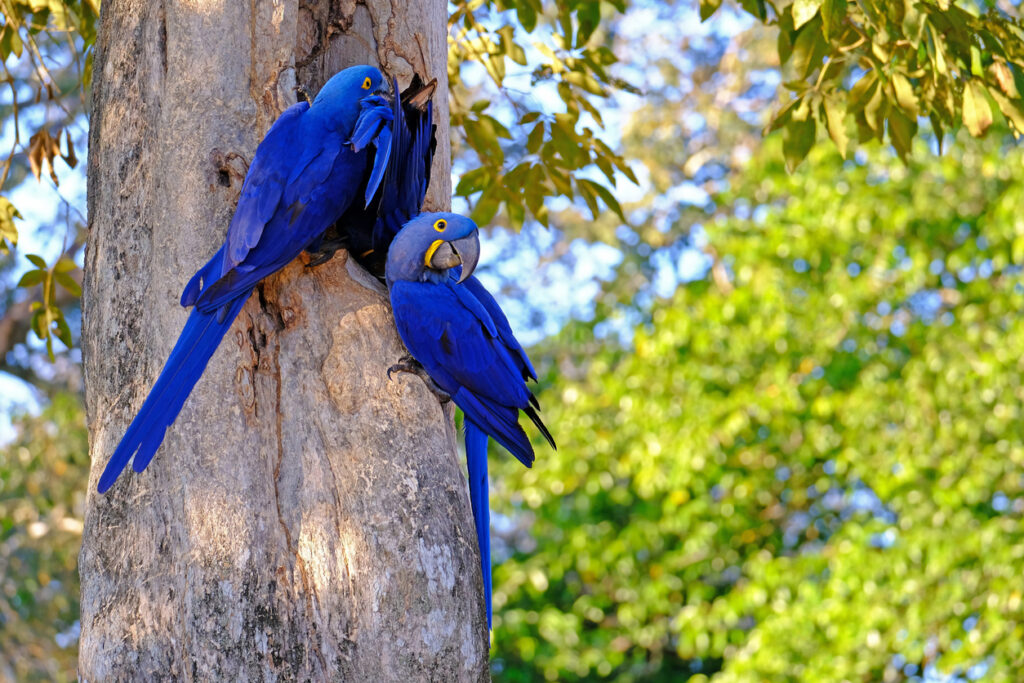
Blue macaws like to nest inside hollow trees, often using the same spot for years. These safe spaces protect them from predators and keep their eggs warm during breeding season. Unfortunately, deforestation makes finding suitable trees harder every year, which is one reason their populations are under pressure in the wild.
They help the rainforest grow.
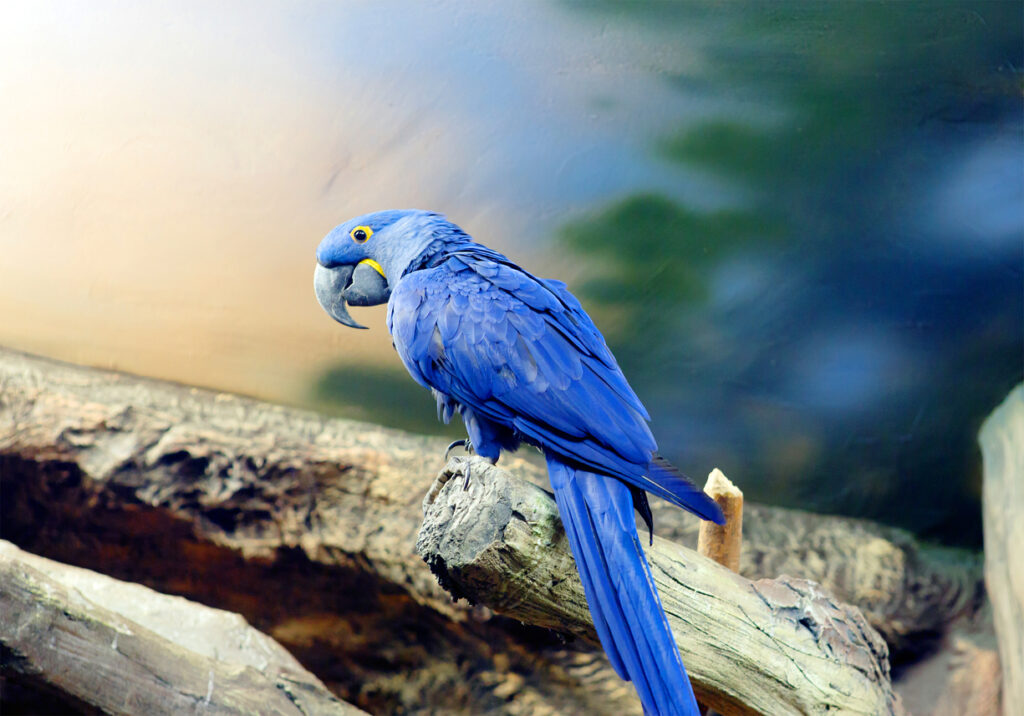
When macaws eat fruits and nuts, they drop seeds all over the forest. Many of those seeds later grow into new trees, helping to keep their habitat healthy and full of life. That means blue macaws don’t just live in the rainforest, but they actually help create it. They’re part of the cycle that keeps the ecosystem thriving.
Their call can be heard from far away.
Blue macaws have loud, croaky calls that can travel across long distances. They use them to stay in touch with their mates or warn others of danger. To people, it might sound like a harsh squawk, but to other macaws it’s a kind of language. Each call carries different tones and meanings that other birds recognise instantly.
They’re excellent flyers despite their size.
Even though they’re large birds, blue macaws are surprisingly graceful in flight. They use slow, steady wingbeats to glide across open areas between forests. Their strong wings allow them to cover long distances in search of palm nuts and other food sources, often flying in pairs or small groups along the way.
They face real threats in the wild.
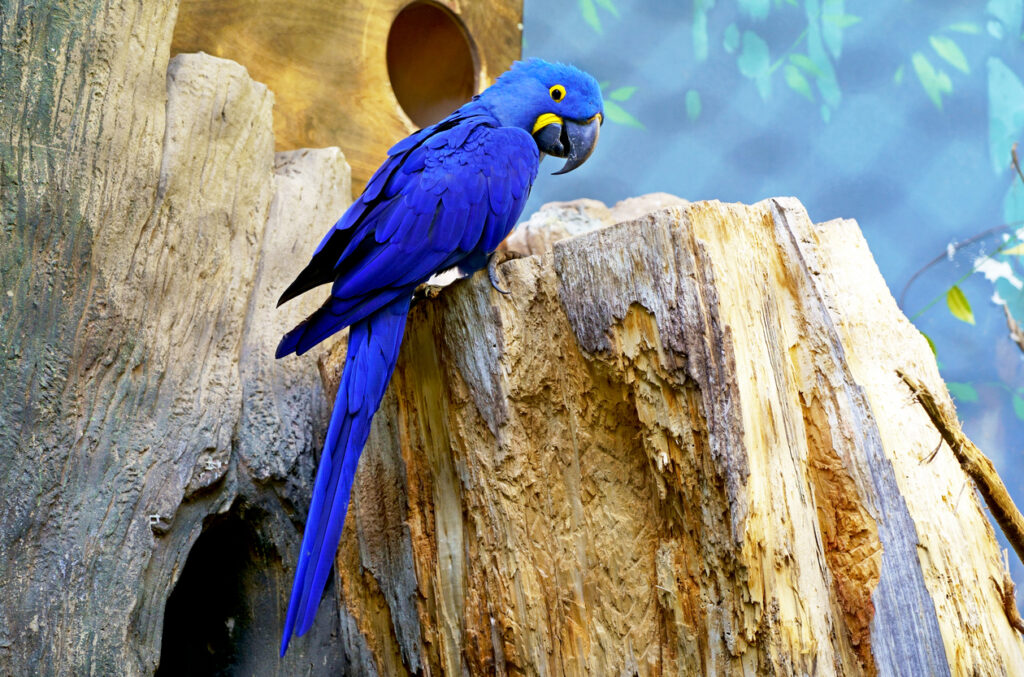
Blue macaws are classed as vulnerable because of habitat loss and illegal pet trading. Their bright colour and gentle nature make them targets for capture. Conservation groups are working to protect their nesting areas and stop the trade. Thanks to those efforts, wild populations are starting to recover in some regions.
They inspired a famous film character.
If you’ve ever seen the animated movie “Rio,” you’ve already met a version of the blue macaw. The main character, Blu, was based on a real species called the Spix’s macaw, which became extinct in the wild for a time. Luckily, breeding programmes have helped bring them back. It’s a reminder that even endangered animals can make a comeback when people care enough to help.