Growing your own veg can feel like the dream… until your carrots don’t show up, your lettuce bolts overnight, and your tomatoes look more confused than ripe. The truth is, a few common mistakes catch most people out early on, but they’re all fixable. Whether you’re using a windowsill, raised beds, or just a couple of pots, avoiding these basic blunders can make a huge difference. Here’s what not to do, and what to do instead.
1. Starting too big, too fast
It’s easy to get carried away with seed packets and Pinterest plans. But starting with too many types of veg at once is a recipe for burnout. You end up overwhelmed, and half the plants get forgotten or neglected. Stick to a handful of easy, reliable growers in your first season, such as salad leaves, radishes, or bush beans, and get the hang of it. You’ll enjoy it more and build confidence as you go.
2. Planting without knowing your soil
If your soil is heavy clay or pure sand, your veg won’t thrive without some help. A lot of new growers just throw seeds in the ground and hope for the best, but not all soil is created equal. Do a quick check. If it’s sticky and dense, add compost and grit. If it’s dry and dusty, bulk it up with organic matter. Good soil = happy plants. It’s worth the prep.
3. Overcrowding your plants
Spacing feels wasteful when you’ve got loads of seeds, but cramming too many plants together means none of them get enough light, air, or nutrients. The result? Stunted growth, disease, and no real harvest. Trust the spacing guides on the packets. Giving each plant room to breathe often gives you more veg in the long run, not less.
4. Forgetting to label what you planted
It’s a classic one, especially when everything starts off as tiny green shoots. You think you’ll remember what went where, and then weeks later you’re trying to guess what’s beetroot and what’s chard. Even a scribbled label on a lolly stick will do. It saves a lot of confusion and helps you track what’s thriving (and what’s not worth growing again).
5. Watering too much, or not enough
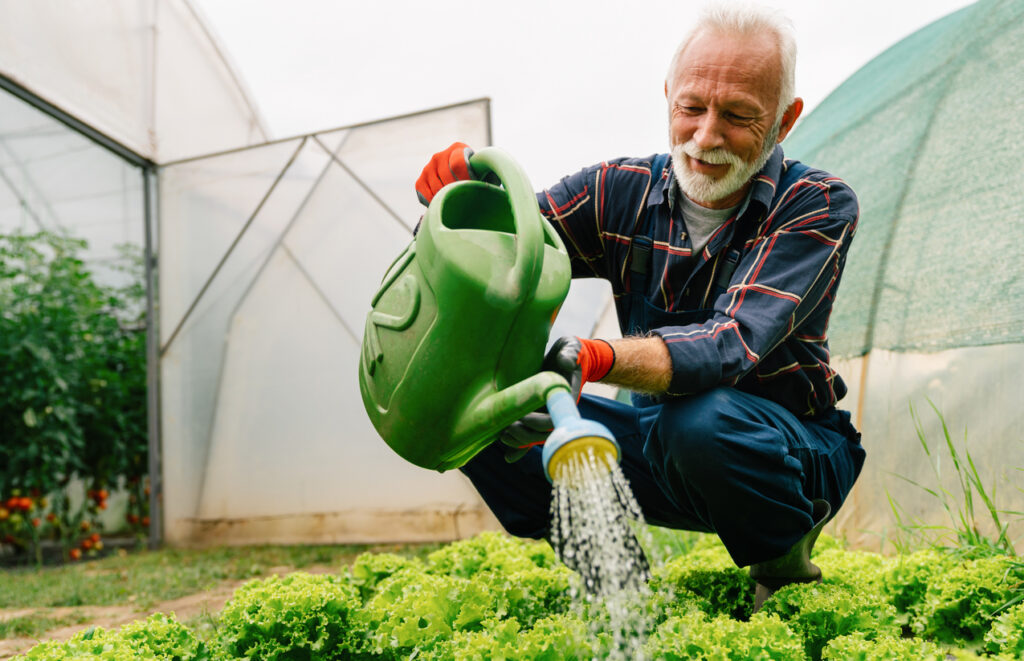
New gardeners often overdo it or forget entirely. Too much water drowns roots and encourages rot. Too little and your plants wilt or bolt early trying to save themselves. Check the soil with your finger. If the top inch is dry, water deeply. Early morning or evening is best, and aim for the base of the plant, not the leaves.
6. Ignoring the sun
Veg needs sun. Lots of it. Many people plant in shady spots, thinking it’ll be “cooler,” but most crops like at least 6 hours of direct sunlight a day, or more if you’re growing things like tomatoes or peppers. If your plot doesn’t get much sun, stick to leafy greens and herbs. Or consider pots you can move around to chase the light.
7. Being too eager with fertiliser
It’s tempting to give your plants a boost with plant food, but too much fertiliser, especially the fast-acting kind, can do more harm than good. It leads to lush leaves and no actual veg. Use a balanced, slow-release option, and don’t overdo it. Compost and healthy soil do a lot of the heavy lifting on their own.
8. Forgetting to thin seedlings
You sowed everything perfectly, and now your seedlings are bunched together in one big clump. It feels cruel to pull any out, but thinning is essential for proper growth. If you don’t thin, they’ll all compete for the same nutrients and end up spindly or deformed. It’s better to have fewer, healthier plants than a crowded mess that goes nowhere.
9. Planting everything at once
Dumping all your seeds in one go seems efficient, but it leads to a glut you can’t eat fast enough, followed by weeks of nothing. It’s a feast-to-famine cycle that’s easy to avoid. Stagger your sowing. A little now, a little more in a couple of weeks. It keeps your harvest coming in manageable waves rather than one big veggie panic.
10. Not protecting against pests
Slugs, aphids, and caterpillars love fresh veg just as much as you do. If you’re not paying attention, they can wipe out your plants before you’ve had a single harvest. You don’t need harsh chemicals; just keep an eye out. Use netting, beer traps, or companion plants to deter them naturally. A little prevention goes a long way.
11. Leaving everything too late
Timing matters. If you plant too early, seedlings can get zapped by frost. Too late, and they don’t have time to mature. The “perfect time” varies by crop, so it’s worth checking your local last frost dates and planting calendar. A bit of planning helps you avoid wasting seeds, or watching your courgettes panic as autumn sets in.
12. Giving up after one bad season
Everyone has a dud year. Maybe it rained too much. Maybe your tomatoes caught blight. Maybe the slugs threw a party. That doesn’t mean you’re bad at growing. It just means nature did its thing. Gardening is a long game. Learn what worked, tweak what didn’t, and try again. Even experienced growers still have their fails.
13. Forgetting to actually enjoy it
When you’re worried about pests, soil, spacing, and timing, it’s easy to forget why you started in the first place. Growing veg should feel satisfying, even when it’s imperfect. Celebrate the little wins. Be proud of the misshapen carrots. Laugh at the accidental courgette jungle. It’s all part of the fun, and no one grows a flawless garden. Nor should they.