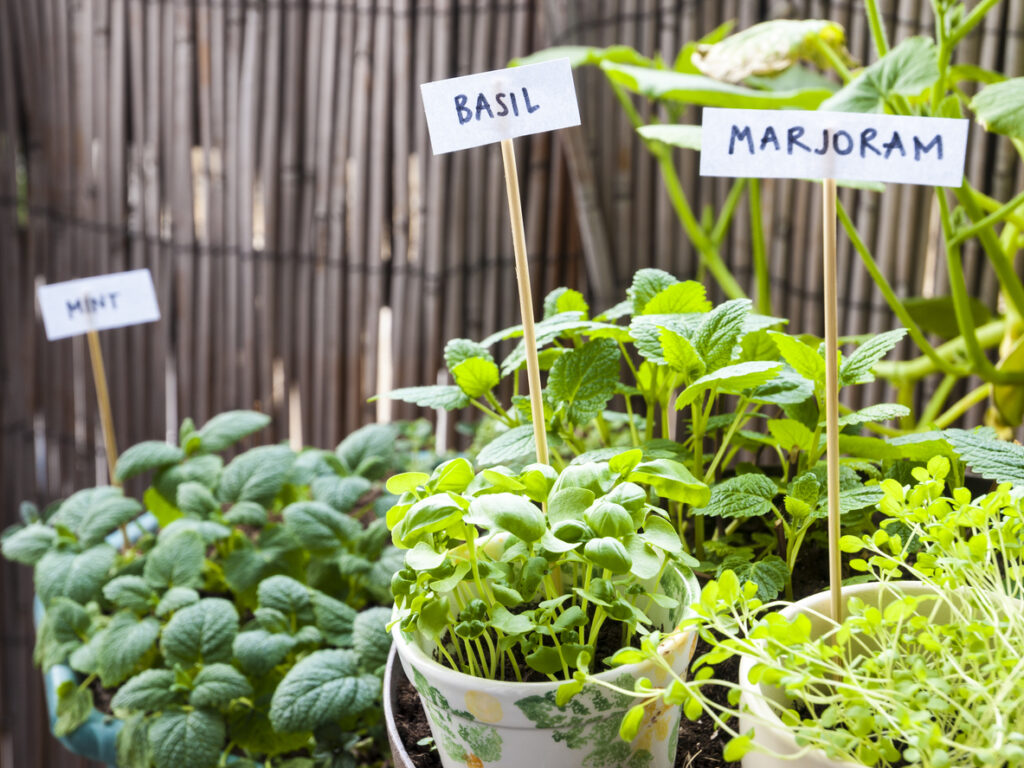
It might sound like something your nan would say while chatting to her basil, but the idea of talking to your herbs, and plants in general, has actually caught the attention of scientists. It turns out there’s more to this than just whimsy. While your rosemary isn’t going to talk back, it might be doing something behind the scenes in response to your voice. So, can chatting with your herbs actually help them grow? Here’s what the research, and a bit of common sense, suggests.
Plants do respond to sound.
Studies have shown that plants can detect and respond to certain sound frequencies. They don’t have ears, of course, but they can sense vibrations, and some of those vibrations seem to influence their growth patterns. This means your herbs might not understand words, but the soundwaves from your voice could still be having a physical effect. It’s not “hearing” in the human sense, but it’s still a kind of awareness.
Certain sounds seem to help root development.
Research from South Korea found that sound vibrations, particularly at 125Hz and 250Hz, stimulated root growth in rice plants. That’s pretty specific, but human voices do fall into similar frequency ranges. So if you’re chatting gently to your herbs, there’s a chance you’re giving them the kind of sound energy that helps them build stronger roots. It’s not magic, just physics at play.
It’s not just what you say, it’s how.
Loud, harsh, or jarring sounds probably won’t do your plants any favours. But calm, rhythmic speech? That might be a different story. It creates steady vibrations, which some scientists believe help stimulate movement in plant cells. So no need for deep conversation, just your usual gentle voice while you potter around might be enough to make a difference.
Sound may stimulate plant hormones.
Some studies suggest that sound waves can increase levels of certain hormones in plants, like auxins, which play a big role in growth and development. It’s similar to how light triggers photosynthesis; sound might be another kind of environmental signal. Again, we’re not talking massive transformations overnight. But little nudges in the right direction over time can absolutely add up.
It encourages you to pay attention.
Even if the science isn’t fully nailed down, talking to your herbs changes your own behaviour. It makes you slow down, notice them, and stay consistent with care like watering, pruning, and moving them to better light. That attention alone can dramatically improve their health, and it’s a benefit that has nothing to do with vibrations or frequencies. You simply show up more when you treat them like living things worth chatting to.

It reduces your stress, and they might benefit.
Talking to plants isn’t just about them. There’s a calming effect on us, too. Studies show that spending time around plants can lower cortisol levels, and speaking out loud adds another grounding layer. If you’re less stressed, you’re more likely to take good care of your plants. Plus, calmer breathing means you’re exhaling more carbon dioxide nearby, which they use for photosynthesis. Win-win.
Vibrations may affect water uptake.
Some researchers believe that sound waves can actually influence how efficiently plants absorb water and nutrients from the soil. It’s still being explored, but the theory is that vibration stimulates tiny openings in plant cells to work more effectively. So even your quiet chatter could be encouraging more active growth at the cellular level. It’s subtle, but it’s real.
Your breath could help them too.
When you talk to your plants, you’re also breathing on them, releasing carbon dioxide, which they need for growth. In small spaces, like windowsills or indoor planters, this can make a noticeable difference. It’s not quite the same as setting up a CO₂ system in a greenhouse, but every little bit helps. You’re literally feeding them with your words, in more ways than one.
Plants can detect touch, and sound’s not far off.
We know that some plants, like the sensitive mimosa, react to being touched. That sensitivity extends to mechanical vibrations like wind, touch, and yes, sound. Sound is, in a way, another form of interaction. And just like how gentle touch can influence how a plant grows, gentle sound might do the same. It’s about how the plant experiences its environment.
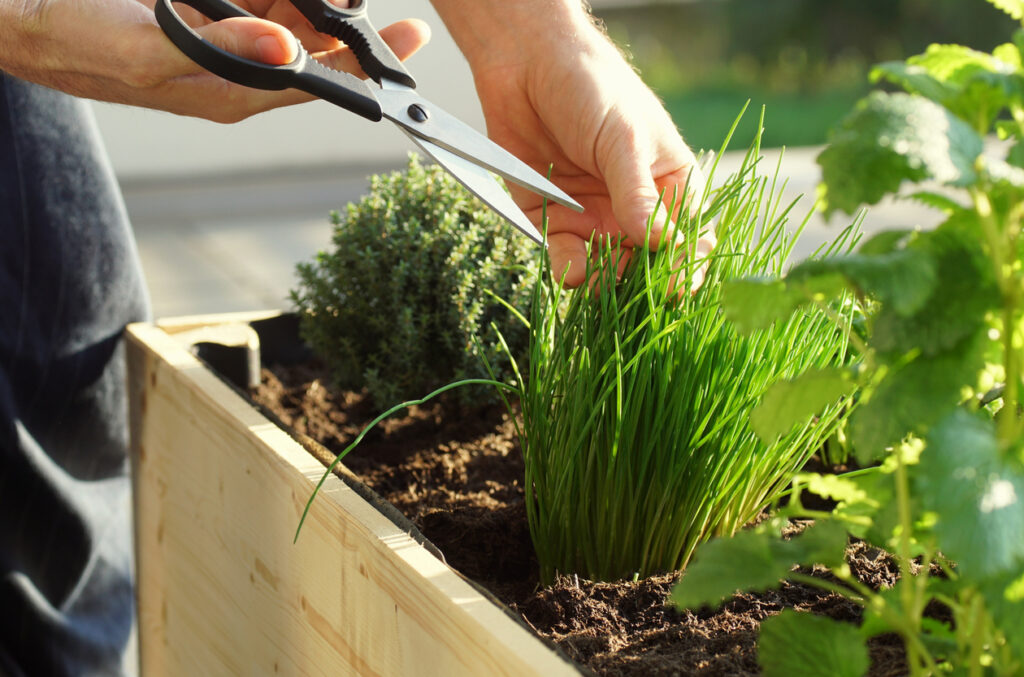
Some gardeners swear by it, and it’s hard to argue with results.
Plenty of experienced gardeners claim their herbs grow better when they’re spoken to, sung to, or simply fussed over. While that’s anecdotal, there’s something to be said for lived experience when it’s repeated across cultures and generations. Even if it’s partly down to better care habits, the act of engaging with your plants seems to matter. Herbs thrive when they’re not just watered, but noticed.
It might help you feel more connected to your food.
There’s something lovely about planting basil, speaking to it as it grows, then pinching off leaves for dinner knowing it’s something you raised. Talking to your herbs builds a quiet kind of relationship with what you eat. It turns cooking into something more meaningful. You’re not just tossing in flavour; you’re adding something that grew with your help and attention. That connection has a ripple effect.
Worst case? It can’t hurt.
There’s no downside to talking to your herbs. If it helps them grow, brilliant. If not, you’ve still engaged with nature, relaxed your nervous system, and probably become a better plant parent in the process. So if you feel like giving your thyme a pep talk, go for it. The science might still be catching up, but your herbs don’t seem to mind one bit.