When you think of animals built for the extreme, penguins might not be the first that come to mind.
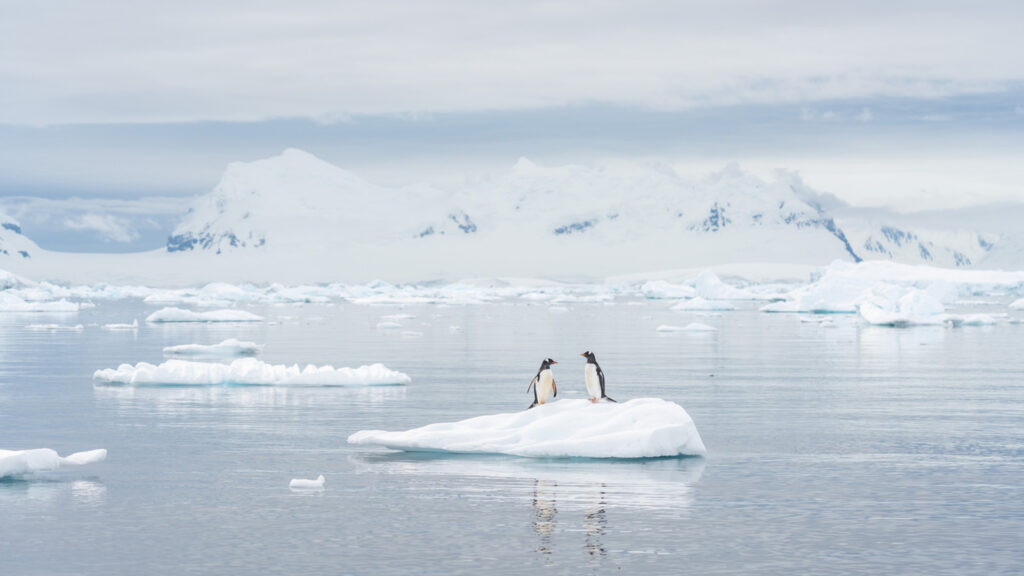
They’re flightless, often clumsy on land, and spend much of their time waddling through ice or diving into freezing seas. However, these birds have evolved to not just survive, but many thrive in some of the most brutal climates on the planet. From Antarctica to the Galápagos, penguins are living proof that resilience isn’t always loud or dramatic. Here’s how they pull it off in conditions that would defeat most other animals.
They wear the perfect natural wetsuit.
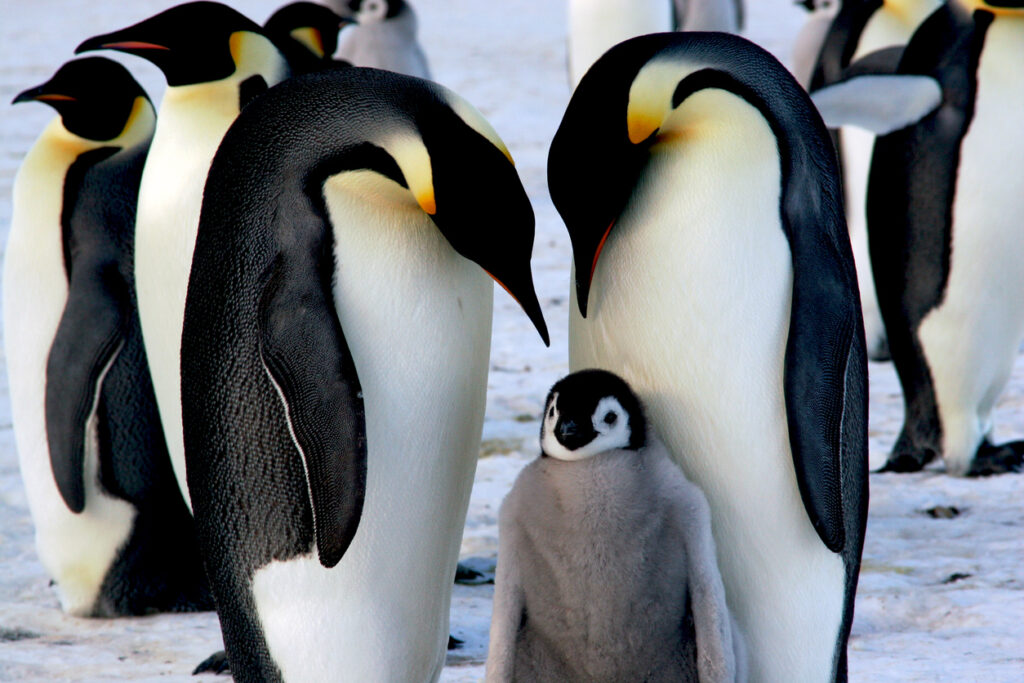
Penguin feathers aren’t like those of typical birds. They’re short, stiff, and incredibly dense—up to 100 feathers per square inch. This creates a thick, waterproof layer that traps warm air close to the skin and keeps the icy ocean out.
Underneath all that, penguins also have a thick layer of fat called blubber, which works alongside their feather insulation. Together, these features create an effect similar to a wetsuit, helping penguins dive into freezing waters without losing core body heat.
Their feet don’t freeze, even on ice.
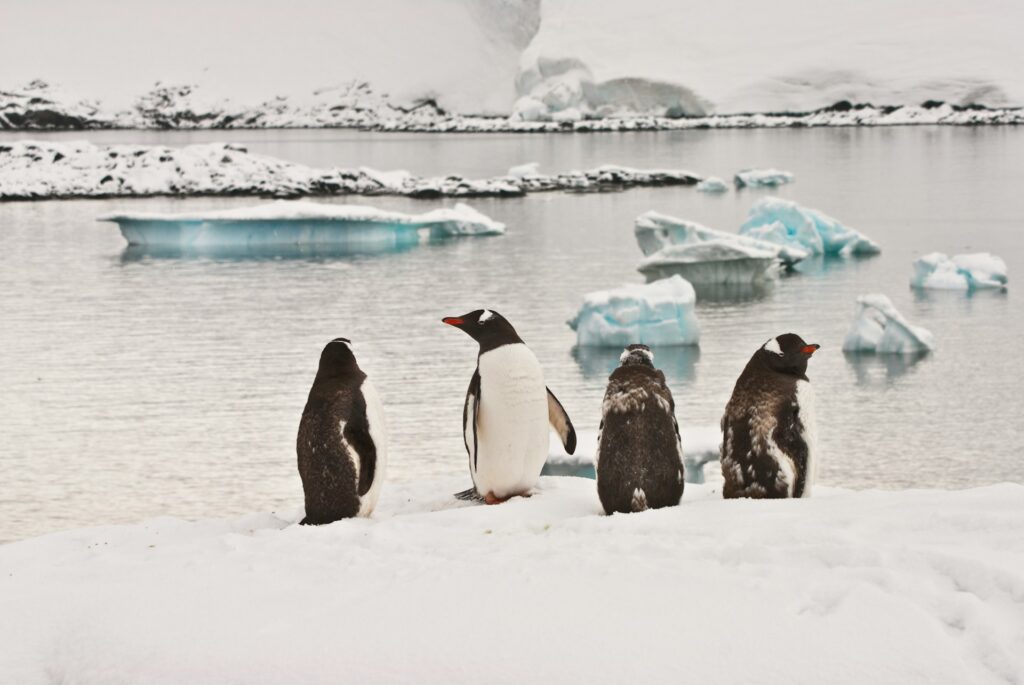
You might assume penguins would constantly suffer frostbite, especially standing on ice all day. But they’ve developed a clever counter-current heat exchange system in their legs, which helps retain warmth. Warm blood flowing from the body warms the cold blood coming back up from the feet. This system keeps the body warm without wasting energy trying to heat extremities that are in direct contact with sub-zero surfaces.
They huddle to survive storms.
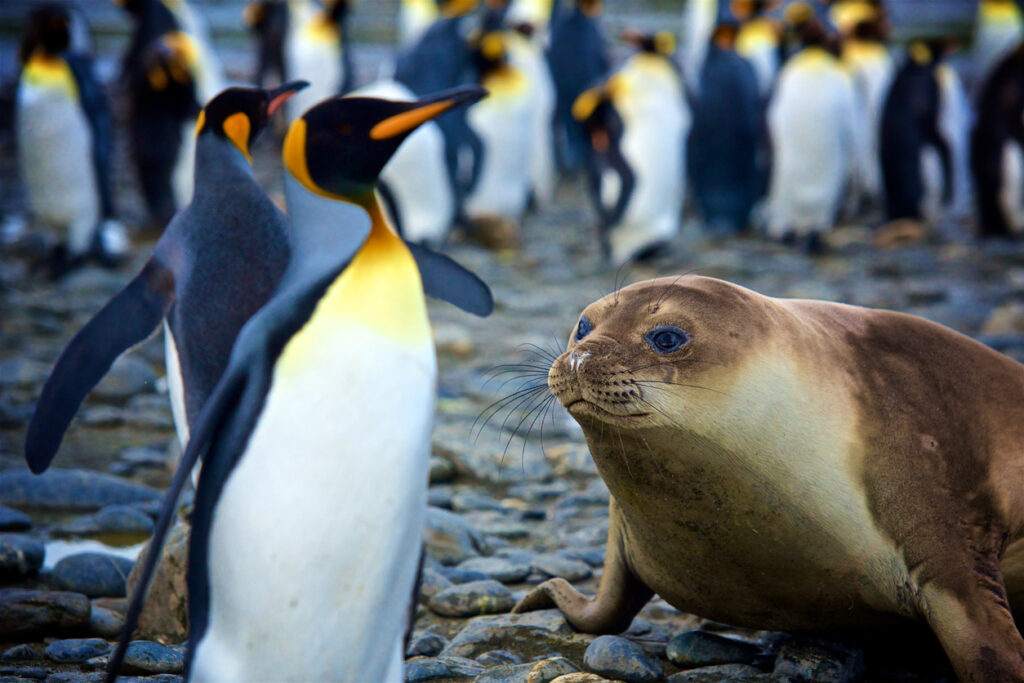
Emperor penguins have perfected the art of huddling. In brutal Antarctic storms, hundreds or even thousands of individuals gather tightly in a group, rotating positions to share heat and shelter from the wind. Each penguin takes a turn in the warmer centre of the huddle and then moves outward to give others a chance. This simple but effective behaviour can raise the internal huddle temperature by over 20 °C compared to the outside air.
They’re excellent deep-sea divers.
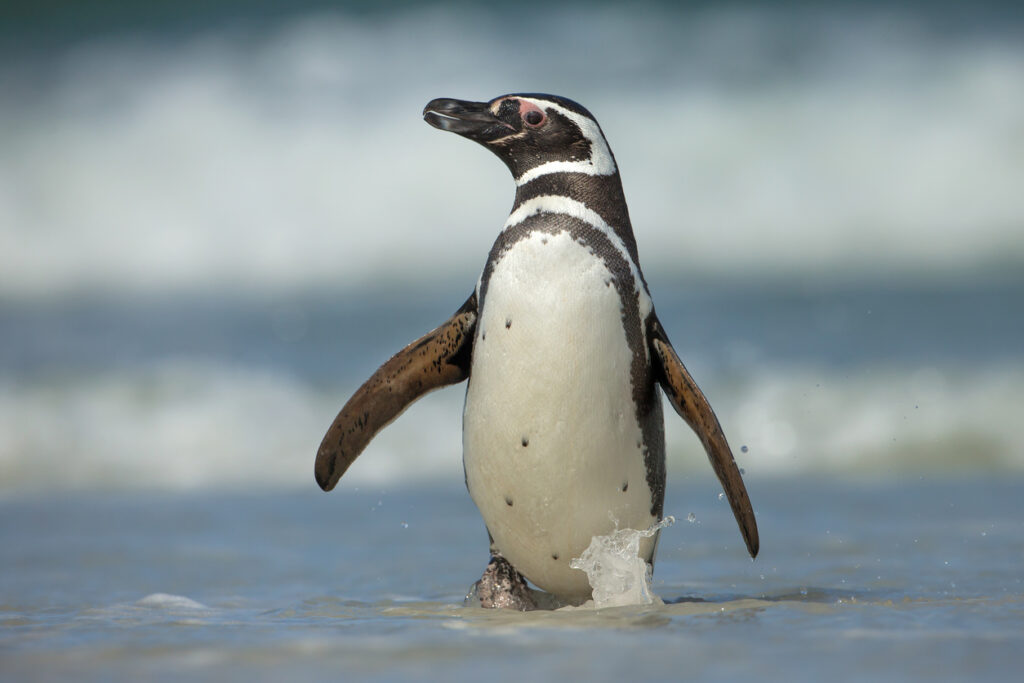
Some penguin species can dive over 500 metres deep and hold their breath for more than 20 minutes. That’s not just impressive; it’s crucial for survival when hunting fish and squid in nutrient-rich but freezing waters. To do this, they slow their heart rate, reduce blood flow to non-essential organs, and collapse parts of their lungs to prevent pressure damage. It’s a sophisticated physiological response that allows them to thrive in conditions most mammals would struggle with.
They’re expert swimmers, not flyers.
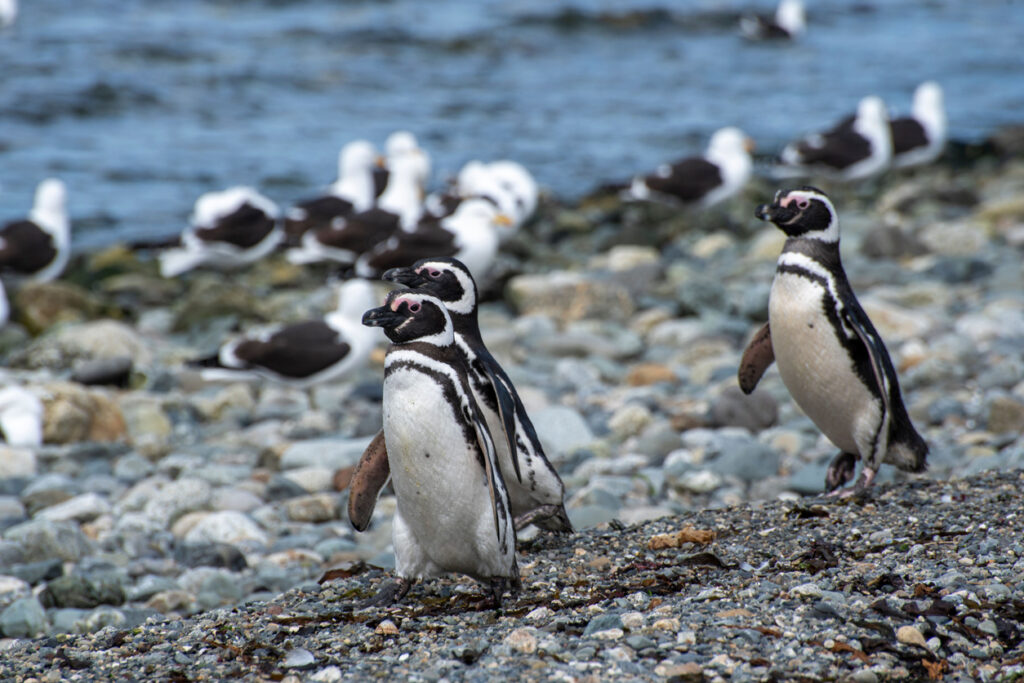
Penguins traded flight for underwater agility millions of years ago. Their wings evolved into strong, flipper-like limbs, perfect for powering through water with speed and control that rivals many fish. This change makes them awkward on land but graceful below the surface. In fact, their swimming style is so efficient that it’s often compared to flying underwater, just not in the traditional sense.
They can drink saltwater.
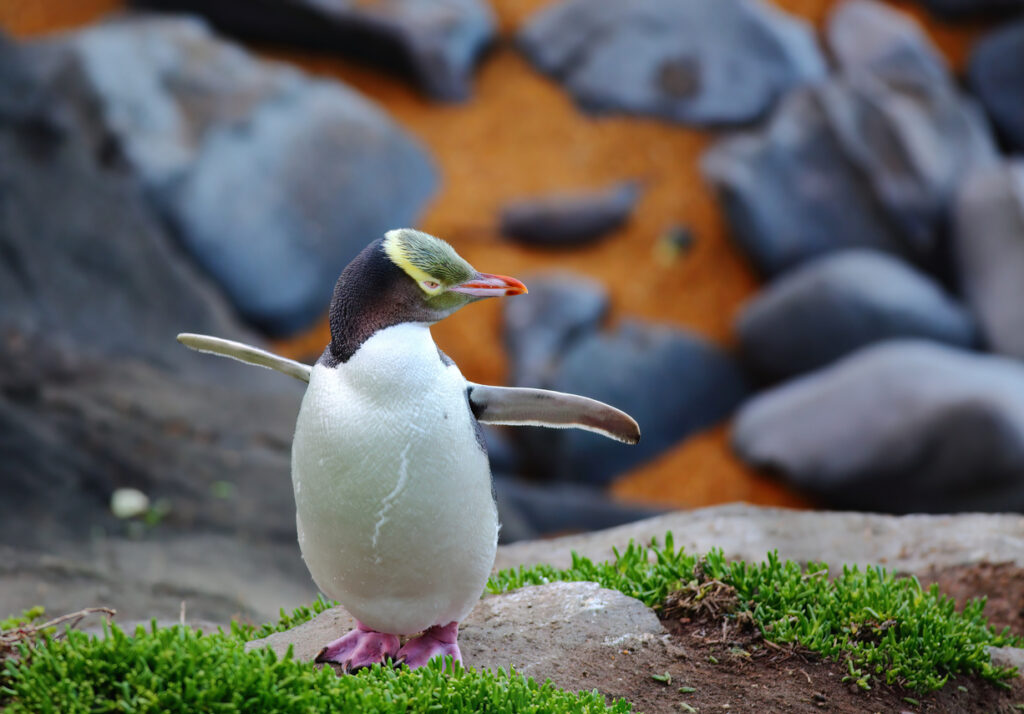
Fresh water is hard to come by in many of the places penguins live. Instead of relying on scarce meltwater, many species have adapted to drink seawater, which most animals can’t tolerate. They have a specialised gland near the eye that filters salt from the bloodstream. The excess salt is then excreted through the beak, often seen as a little sneezing motion. It’s a brilliant solution in an environment where fresh water is almost non-existent.
They time their breeding with the harshest months.
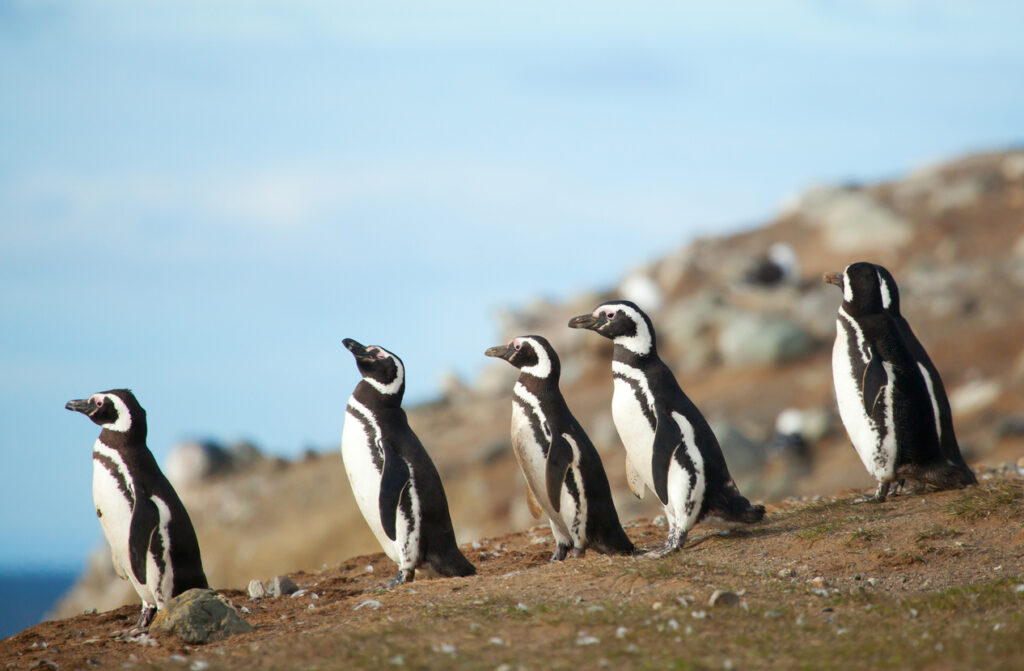
Rather than avoiding winter, Emperor penguins embrace it. They breed during the coldest, darkest months of the Antarctic year, which may seem counterintuitive, but it gives their chicks the best start in life. By the time spring arrives, chicks are old enough to start exploring, and food becomes more abundant. It’s a risky strategy, but it helps ensure that young penguins hit their key development stages at just the right time.
Their black-and-white colouring is survival gear.
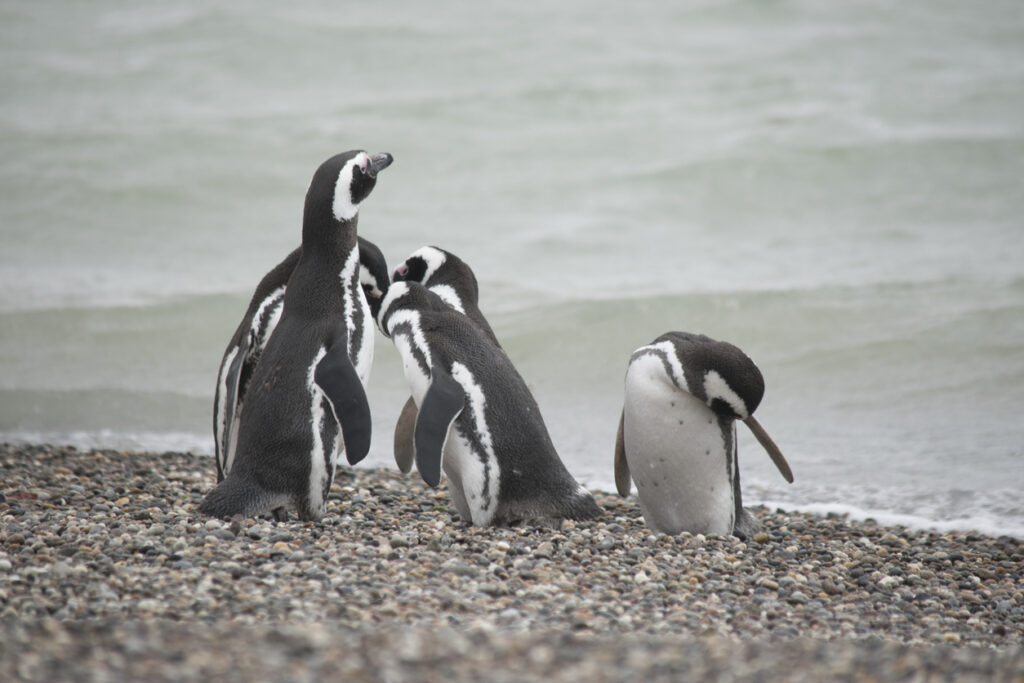
Penguins’ tuxedo-like colouring isn’t just cute—it’s functional. This type of camouflage, known as countershading, helps them avoid predators while swimming. The black back blends with the dark ocean below when viewed from above, while the white belly helps them disappear against the brighter surface light when seen from below. It’s a low-key but highly effective defence.
They adapt to surprisingly warm climates, too.

Not all penguins live in icy wastelands. Species like the Galápagos penguin survive near the equator, relying on cold ocean currents and shady rocky nests to avoid overheating. These penguins pant like dogs and stretch out their flippers to release excess heat. It proves that penguins aren’t just cold-weather specialists; they’re highly adaptable birds that can survive both extremes.
10. They’re social problem-solvers.
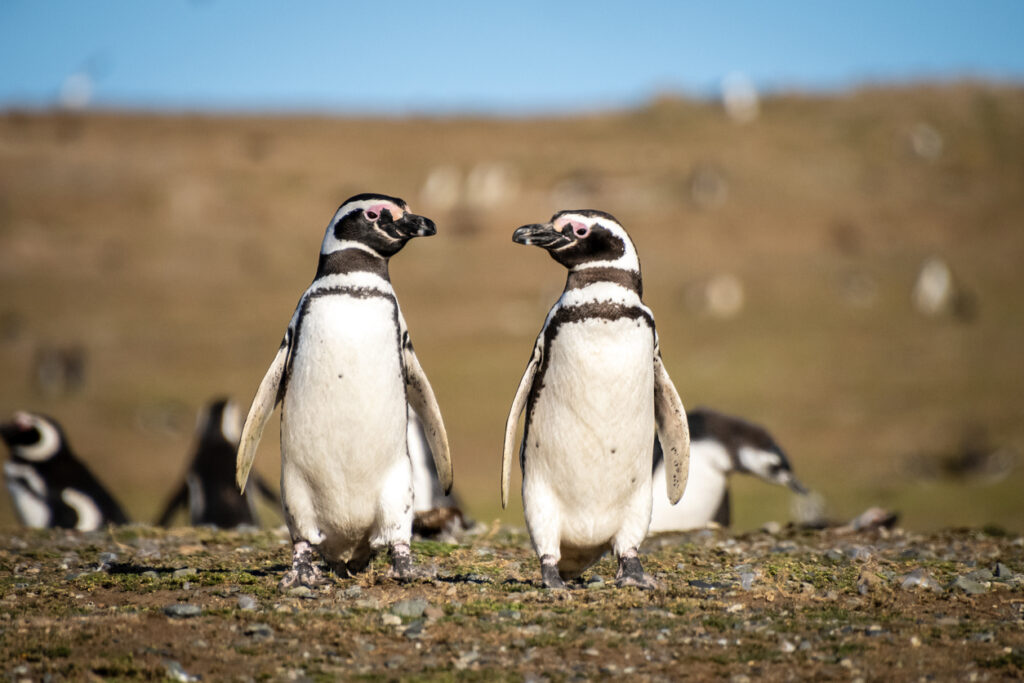
Penguins rely heavily on group dynamics, not just for warmth but for survival tactics. They hunt in packs, raise chicks in shared creches, and even steal pebbles from neighbours to improve their nests. Their social intelligence allows them to cope with changing conditions and threats. Penguins don’t operate as lone survivors; they function as small, collaborative communities navigating some of the planet’s harshest terrains.
Their feathers are constantly replaced.
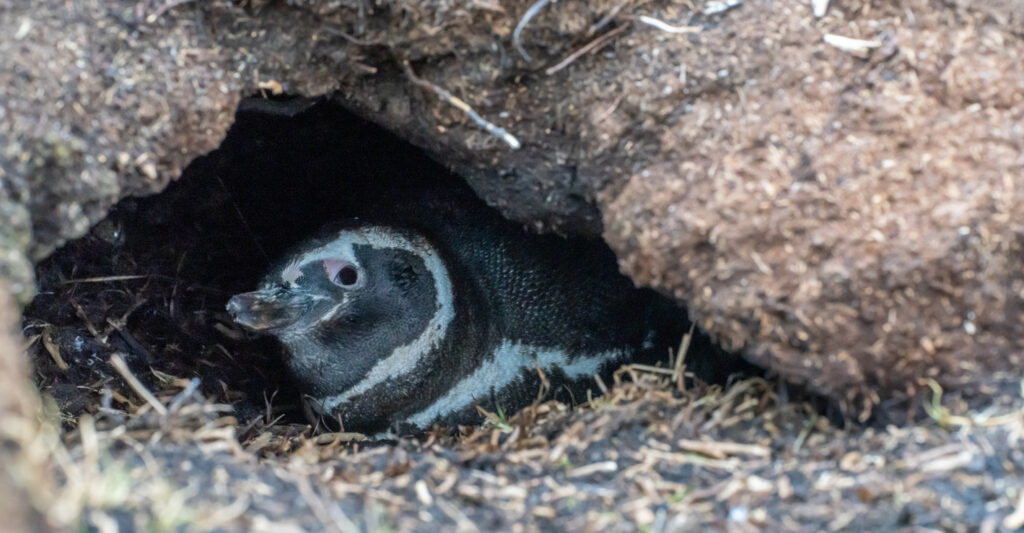
To keep their insulation in top shape, penguins go through a complete moult once a year. During this time, they shed all their feathers and regrow new ones, which is an energy-intensive but essential process. While moulting, they can’t go in the water to feed, so they fatten up beforehand and stay ashore while the new plumage grows. It’s another example of the careful planning behind their survival strategy.
They communicate with calls, not looks.
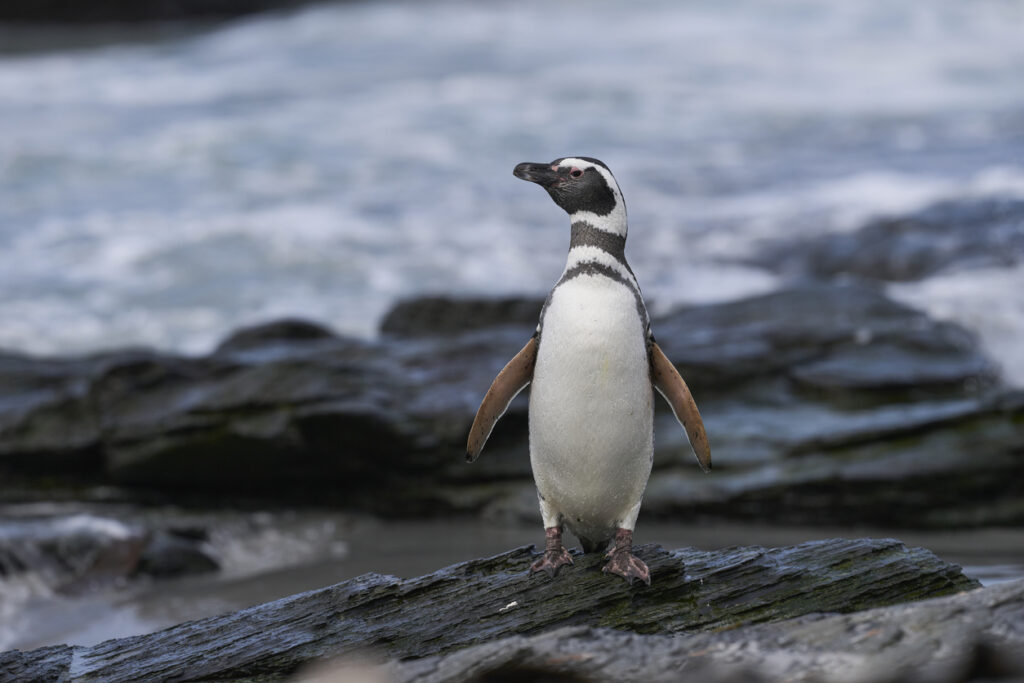
Penguins don’t rely on visual identification alone. In crowded colonies filled with thousands of lookalikes, they use unique vocalisations to recognise their mates and chicks, sometimes from hundreds of feet away. Each penguin has its own voice pattern, which cuts through the noise and chaos of the colony. This ability is especially vital in stormy conditions where vision is limited, and reunions depend on sound more than sight.
They raise their young in brutal environments.
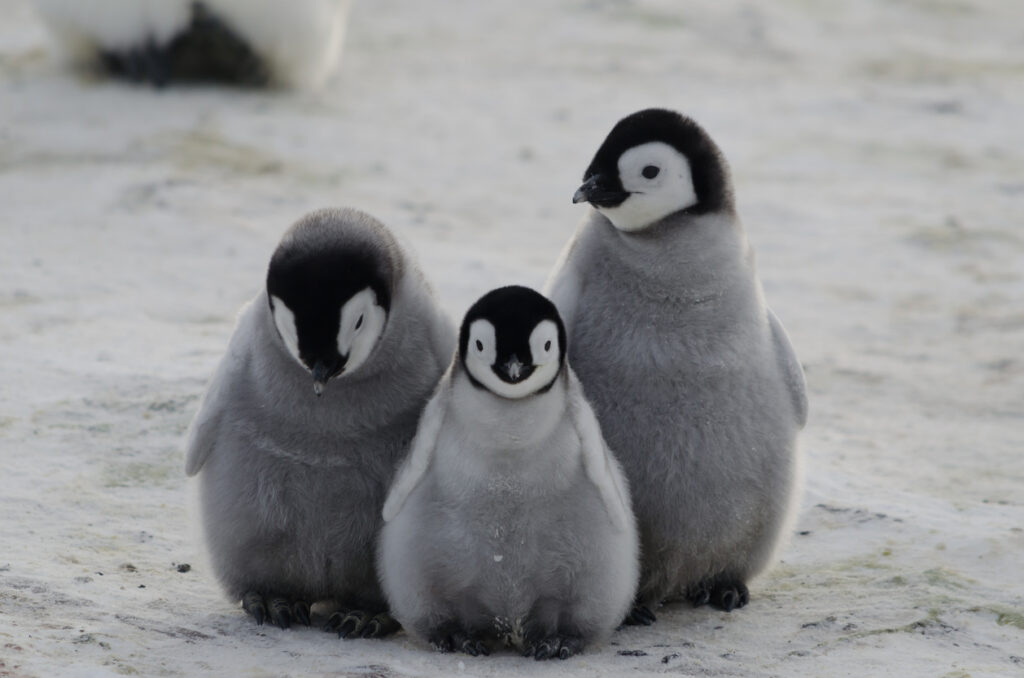
Emperor penguin fathers famously balance eggs on their feet for weeks in Antarctic cold, shielding them from the ice with nothing but a flap of skin. During this time, they fast and rely entirely on body fat for energy. It’s one of the most extreme examples of parental care in the animal kingdom. Once the chick hatches, both parents take turns braving the sea to bring back food, often travelling dozens of miles in each direction.
They survive because they’re built for discomfort.
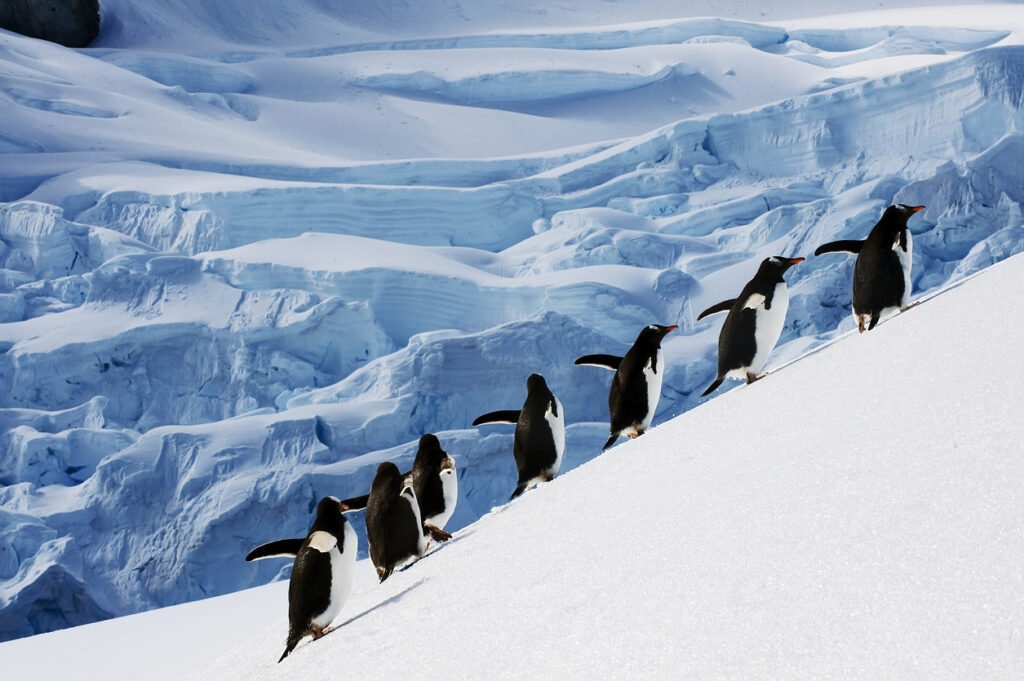
At the end of the day, penguins endure what seems unbearable not because they’re immune to the cold or chaos, but because they’ve adapted to operate within it. Everything about their biology, behaviour, and social structure supports survival in places that seem completely inhospitable. They don’t resist harsh environments. Instead, they lean into them, using cooperation, efficiency, and clever design to make it work. It’s not just about toughness; it’s about knowing how to survive with the odds stacked against you.