Finding a wild animal that seems hurt, lost, or out of place can be really distressing, especially if it looks like no one else is doing anything about it. But when it comes to wildlife, helping isn’t always as simple as picking them up or rushing them to the vet. Sometimes the best thing you can do is back off and call in the right kind of help. Here’s what to do if you come across an animal that seems injured, struggling, or in need of support.
Take a few minutes before acting.
It’s natural to want to rush in, but moving too quickly can actually make things worse. Wild animals are easily stressed, and even good intentions can lead to panic or further injury. Take a breath. Observe from a distance. Give yourself time to assess whether the animal is actually hurt, or just temporarily disoriented or resting. Not all stillness means injury.
Don’t touch it unless it’s in immediate danger.
If the animal is somewhere dangerous, such as a busy road or footpath, gently moving it to safety might be necessary. But outside of urgent situations, it’s usually best not to touch it at all. Handling a wild animal can cause extreme stress, transfer scent to its fur or feathers, or even risk injury to you. Leave it be until you’re sure contact is necessary, and safe.
Look for obvious injuries.
Is the animal bleeding, limping, dragging a wing, or lying in an awkward position? Are its eyes closed or unfocused? These are signs something could be wrong. On the other hand, some animals, especially baby birds, can appear helpless when they’re actually fine. Fledglings, for example, often spend time hopping about while they learn to fly.
Don’t assume every lone baby is abandoned.
It’s common to see young animals on their own, but that doesn’t mean they’ve been abandoned. Many species leave their young for hours while they forage nearby or encourage them to learn independence. Unless the animal is visibly sick, injured, or in an unsafe location, it’s often better to keep your distance and monitor the situation before intervening.
Call a wildlife rescue organisation.
Groups like the RSPCA, Wildlife Aid, or local rescue centres are trained to handle these situations. They can tell you whether an animal needs help, and guide you through what to do next. If you’re not sure who to call, your local vet or council’s animal welfare line can usually point you in the right direction. Take a photo if you can, as it helps with ID and advice.
Don’t try to feed it.
Feeding a wild animal can seem like the kind thing to do, but it often causes more harm than good. The wrong food can make them sick, and it can also delay proper care if they need medical attention. Wait for professional advice. If you’ve already given food or water, let the rescue team know what and when. It helps them assess what to do next.
Contain it only if advised.
If a rescue centre advises you to contain the animal, use a towel, gloves, or a box to limit direct contact. Keep the box in a quiet, warm, and dark space to reduce stress while waiting for help. Never try to restrain wild animals in open areas, and don’t keep them indoors longer than necessary. They’re not pets, and stress can be fatal.
Use your phone camera to zoom in.
Instead of getting too close, use your phone to zoom in and observe without causing panic. This lets you check for movement, injury, or signs of distress while giving the animal space. You can also send photos or videos to a wildlife centre if they need help identifying the species or working out what’s wrong.
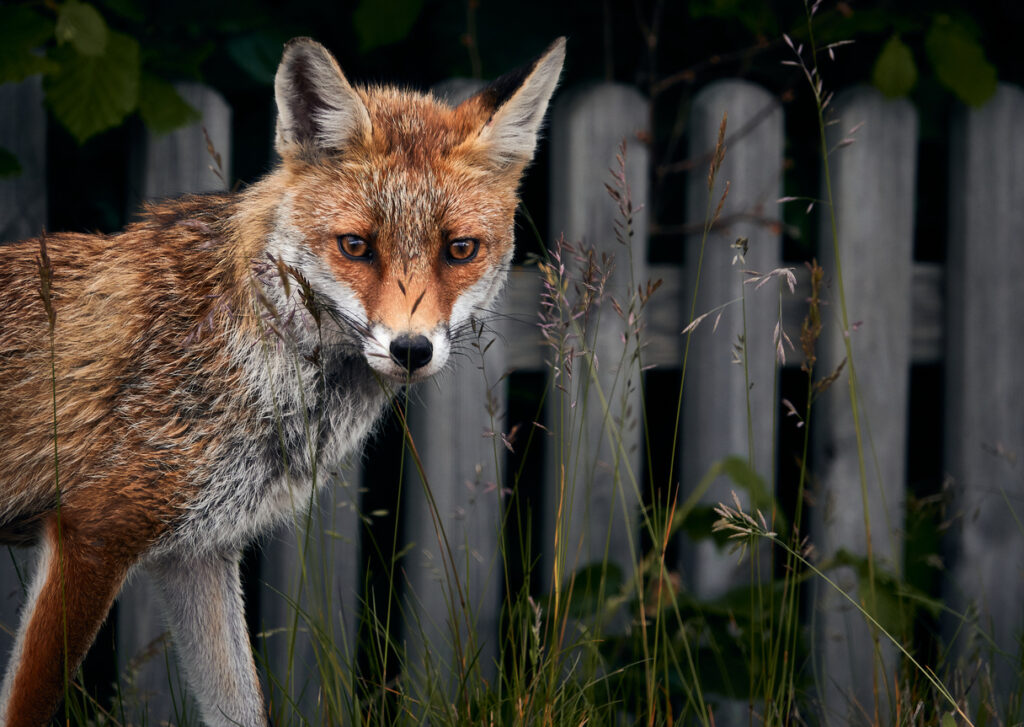
Be extra cautious with birds of prey or foxes.
Larger animals, even if injured, can do serious damage with claws or teeth. Never try to pick up a fox, deer, badger, or bird of prey yourself, no matter how calm they seem. They may lash out in fear or pain, and without the right protection, you could get seriously hurt. Call in professionals instead; it’s the safest option for both of you.
Report roadkill or deceased animals if needed.
If the animal has already died, especially on a road or path, you can report it to your local council. In some areas, wildlife groups still want to know, especially for protected species like hedgehogs or birds of prey. It might feel odd reporting a dead animal, but it can help track threats to wildlife and lead to better protections in the future.
Don’t try to raise or keep wild animals.
No matter how cute or helpless they seem, wild animals aren’t meant to live in houses or be raised by people. It’s rarely in their best interest, and often illegal without a licence. Even well-meaning efforts can lead to developmental problems, stress, or failure to survive in the wild. Always aim for professional rehabilitation and release, not rescue-turned-adoption.
Stay nearby, but don’t hover.
If you’re waiting for a rescue team to arrive, keeping an eye on the animal from a safe distance is helpful. However, avoid standing too close or staring because it’ll only stress them out more. Try to keep pets away, too, and let other people nearby know the animal is being helped so they don’t interfere. A calm environment gives the animal its best chance of staying stable.
You don’t have to fix it all alone.
It’s okay not to know what to do. The most helpful thing you can offer is calm observation and a call to someone who knows how to handle wildlife care properly. Even if it doesn’t have a fairytale ending, stepping in with care and respect can make a difference. It’s about doing the right thing, not the heroic thing.