
Collecting firewood might seem like one of those harmless, practical countryside habits, but in the UK, it’s not as simple as “see log, take log.” Whether you’re out for a walk, clearing a tree after a storm, or looking to stock up for winter, there are rules that matter. Firewood might look like it’s just lying around, but chances are, it legally belongs to someone. Here’s what you need to know before picking up your next branch or log.
All wood belongs to someone.
Even fallen wood on the ground is considered someone’s property. That means if you pick it up without permission, whether it’s in a field, a park, or a forest, you’re technically taking something that isn’t yours. This applies to private land and public spaces alike. If you don’t have permission, you could be seen as committing theft under UK law. It sounds harsh, but it’s how the law stands.
Forestry Commission land isn’t a free-for-all.
Forests managed by the Forestry Commission might feel public, but the same rules apply. You can’t just gather up fallen branches or deadwood, no matter how tempting that pile looks. Unless there’s a clear sign or permission in place, you’re not allowed to collect anything, even if it looks abandoned or unused. Best to leave it unless you’ve been told otherwise.
Private woodland? Always ask first.
If you’re on someone’s private land, even just a footpath that runs alongside a field, you’ll need the landowner’s permission to take any wood. That includes fallen logs, branches, and even snapped twigs. It’s not enough to assume they won’t mind. Without their OK, taking it still counts as theft. A quick ask could save you legal trouble and awkward conversations later.
Some places offer permits.
In a few parts of the UK, you can apply for a scavenging permit to collect small amounts of wood, especially in managed woodland areas. These permits come with limits, usually hand tools only, and a cap on how much you can take. Not every forest offers them, but it’s worth checking if you’re serious about collecting firewood legally. Local councils or forest offices are a good place to start.
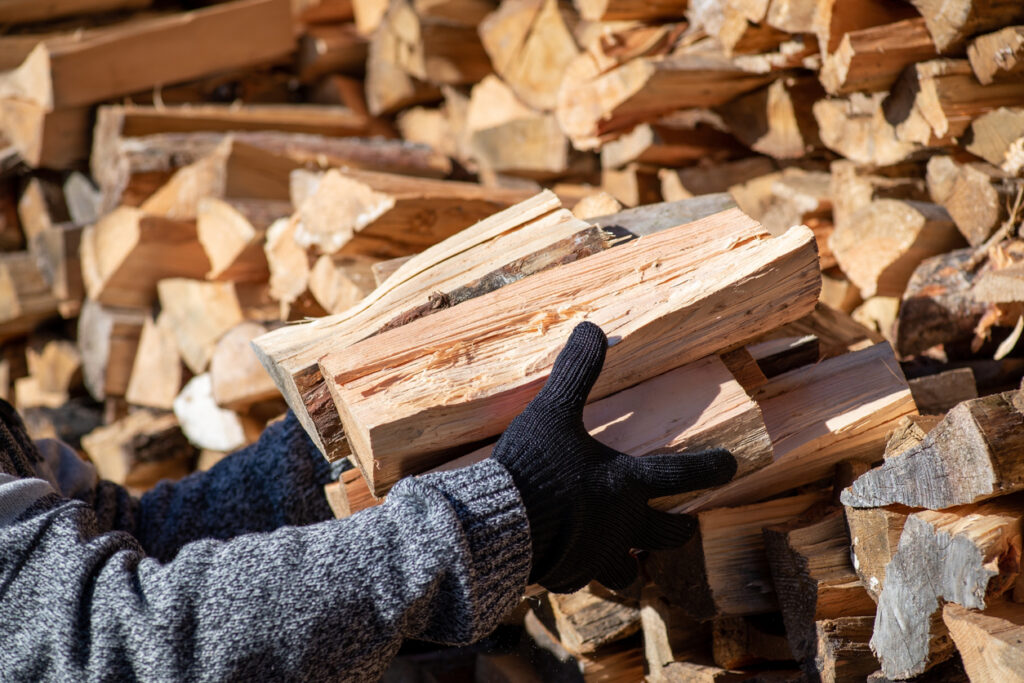
Rare exceptions exist on common land.
There are a few historical rights, like estovers, that allow people to collect limited amounts of wood from certain Commons, such as parts of Epping Forest. But these are specific and tightly controlled. Usually, there’s a limit (e.g. 12 kg of fallen wood), and you’ll need to stick to the rules around how and when you collect it. It’s definitely not a blanket free-for-all.
The “Four Fs” don’t include firewood.
You might have heard of the right to gather fruit, foliage, flowers, and fungi in some public places, but firewood isn’t on that list. Even if it’s just lying there, it’s still protected. It’s easy to get this mixed up, but the law treats firewood as a resource that needs permission. If it’s wood and not growing, it’s probably off-limits without a nod from the owner.
Fallen wood still needs permission.
Helping someone tidy up a fallen tree or broken branch? Unless you’ve got the green light from whoever owns the land, you can’t assume the leftover wood is fair game. Even if it feels like you’re doing them a favour by clearing it, the law still says it’s not yours to take unless they say so. A quick “do you want any of this taken?” goes a long way.
You can’t just assume it’s abandoned.
Just because wood looks unused doesn’t mean it’s free to take. Landowners might have plans for it, or it could be deliberately left for wildlife or ecological reasons. Woodlands rely on fallen branches and decaying wood to support insects, fungi, and healthy soil. What looks like waste to you might be vital to the woodland’s ecosystem.
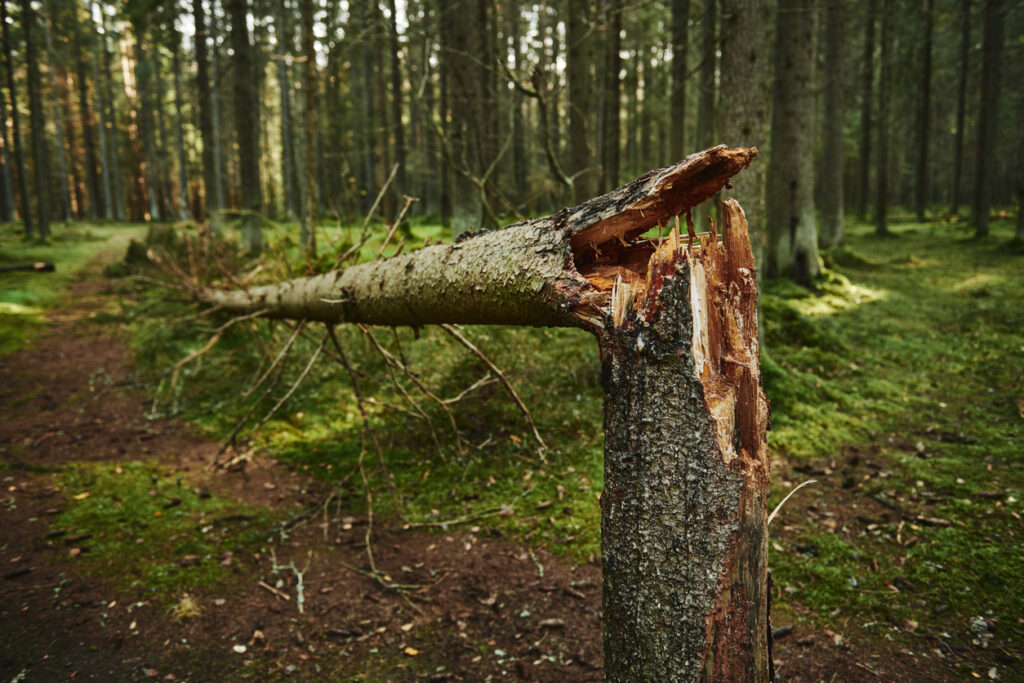
Storm-damaged trees? Still not yours.
It might seem like fair game if a storm has brought down branches or even whole trees, but again, that debris still belongs to someone. You’ll need permission to take it, even if it’s blocking a path or looks forgotten. In some cases, local councils or landowners might be happy for you to help clear things up, but don’t just assume. Always check first.
Some tree surgeons or sawmills give away scraps.
If you’re after firewood for personal use, a better option might be checking with local tree surgeons or sawmills. Many have leftover cuttings or offcuts they’re willing to give away or sell cheaply. It’s a great way to source wood legally, often for free, and you’ll be helping keep waste out of landfill. Just be clear on what’s treated or suitable for burning.
Seasoned vs fresh wood matters.
If you do get your hands on legal firewood, keep in mind it often needs time to dry, or “season,” before you burn it. Burning green wood can release more smoke and damage your stove. This isn’t about legalities, but it’s a common trip-up for first-time collectors. Make sure the wood’s dry, or give it proper time to season before using it indoors.
Collecting wood can damage habitats.
In many woodlands, fallen branches are left on purpose to support bugs, birds, fungi, and soil health. Stripping a forest floor of deadwood, even with good intentions, can throw off the whole balance. So even if you’re allowed to take some, always do it in moderation, and only from areas where it’s genuinely helpful or requested.
You could face fines or legal action.
In most cases, you won’t be dragged to court for picking up a couple of sticks. But technically, it’s theft, and if you take larger amounts or do it repeatedly, you could face a fine or worse. Landowners are within their rights to report you, and councils in protected areas may take it more seriously than you’d expect. It’s just not worth the risk for a few logs.
The safest bet? Always ask first.
If you see wood you’d like to take—on a walk, after a storm, or near someone’s land—just ask. Whether it’s the council, a neighbour, or a forest warden, a quick check is the difference between staying legal and getting into trouble. Most people are reasonable, especially if you’re polite and clear about what you need it for. And if they say no? At least you know you’re doing it right.