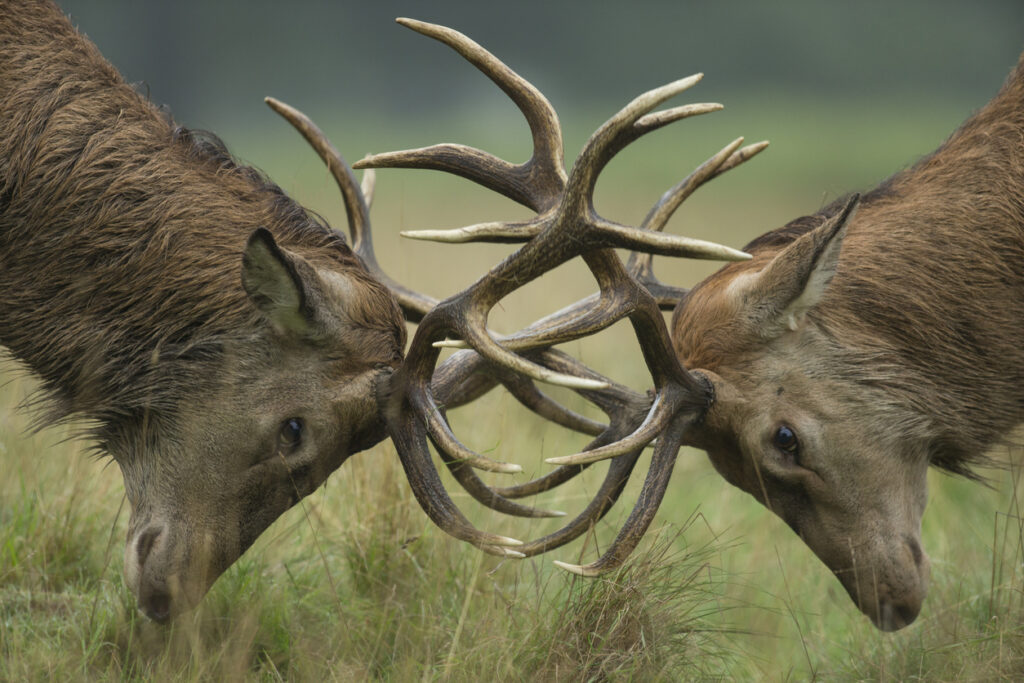
If you’ve ever stumbled across a shed antler on a woodland walk or watched deer clashing heads on a nature doc, a few questions might have popped up. What are antlers made of? Why do they fall off? And are all deer really that gentle and graceful? The truth is, there’s a lot more going on with deer than most people realise. From their headgear to their hooves, these animals are full of odd little quirks and impressive natural tricks. Here’s what makes them so fascinating once you dig a bit deeper.
Antlers are made of bone.
Unlike horns, which are made of keratin (like your fingernails), antlers are true bone—living tissue that grows directly out of a deer’s skull. While they’re growing, they’re covered in soft, fuzzy “velvet” full of blood vessels that feed the bone underneath.
By late summer, the velvet dies, and the deer rub it off, revealing the hard, calcified antlers we’re more familiar with. It’s an energy-intensive process, which is why antlers are shed every year, growing new ones from scratch is a sign of strength and good health.
Only males grow antlers, for the most part.
In nearly all deer species, only the males grow antlers. But reindeer (aka caribou) are the exception—females grow them too. In fact, pregnant females often keep their antlers through winter, helping them compete for food while carrying their young. That twist means if you see a reindeer with antlers in December, it’s more likely to be female. Which makes Santa’s sleigh team, technically, an all-mum crew, Rudolph included.
Antlers are used for more than just fighting.
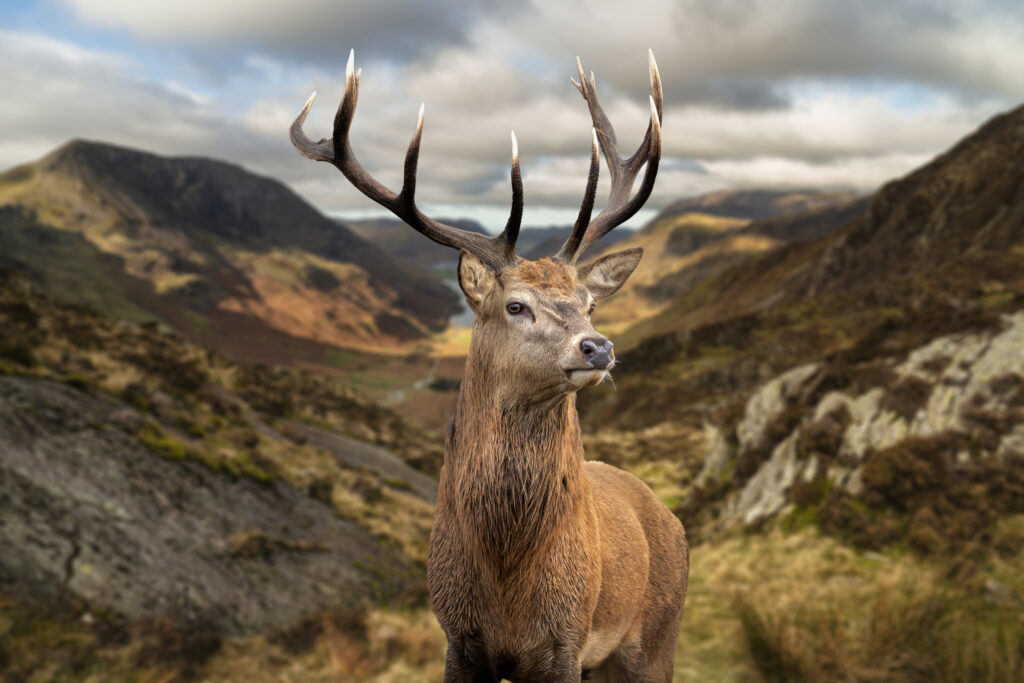
Yes, bucks use antlers to battle during mating season—but they also serve other purposes. They can be used to display dominance, intimidate rivals, or impress potential mates from a distance without ever clashing heads. Outside of rutting season, antlers can also help defend against predators or push through dense foliage. They’re not just for show; they’re tools that come in handy when life in the wild gets complicated.
Deer shed their antlers every year.
Most male deer drop their antlers between late winter and early spring, depending on the species and their location. Once shed, the antler is no longer alive, but it still provides nutrients to scavengers like mice, squirrels, and foxes who chew on it. Shedding happens naturally when a drop in testosterone causes the bone to weaken at the base. Within days, the new antler begins forming, often bigger and more complex than the last, especially in younger bucks.
Fawns are born scentless.
One of nature’s sneakiest defences, deer fawns are born with almost no scent. That helps them avoid detection by predators while they lie hidden in tall grass during their first few weeks of life. They rely on camouflage and stillness for safety while their mothers forage nearby. Most fawns will only start to wander after a couple of weeks, once they’ve built up strength and their legs can carry them at speed.

Deer can jump and swim remarkably well.
Don’t let the dainty appearance fool you. Deer are athletic creatures, capable of leaping over 2 metres high and covering distances of up to 10 metres in a single bound. That’s handy when escaping predators or clearing fences. They’re also strong swimmers and will often cross rivers or lakes if needed. Even young fawns can swim within days of birth, using their powerful legs to paddle quietly to safety.
They have excellent hearing and a wide field of vision.
Those big ears aren’t just cute—they’re highly functional. Deer can rotate their ears in different directions to pick up even the faintest sounds, helping them detect danger long before it’s close. Their eyes are located on the sides of their head, giving them nearly 300 degrees of vision. That makes it tough to sneak up on a deer, even when you think you’re approaching silently from the side.
Deer are crepuscular, not fully nocturnal.
While many people assume deer are nighttime animals, they’re actually crepuscular, meaning they’re most active at dawn and dusk. These low-light times offer good visibility for them, with less threat from predators. This twilight habit also helps them avoid the heat of the day and the hustle of full daylight. It’s one reason why deer sightings are so common in the early morning or just as the sun starts to dip.
Muntjac deer bark like dogs.
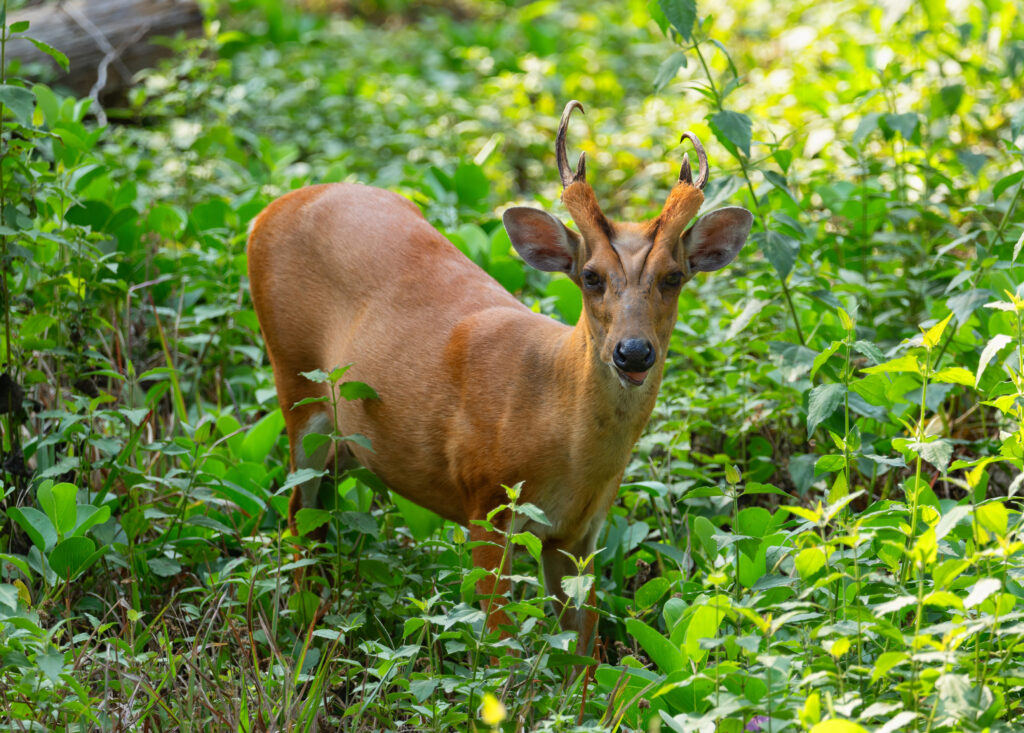
If you’re walking through the woods and hear what sounds like a small dog barking, but there’s no dog, it might be a muntjac. These small, stocky deer make sharp, dog-like calls when they’re alarmed or defending territory. Native to Asia but now widespread in southern England, muntjac are surprisingly vocal for deer. Their bark can travel quite far through the trees, which makes them easier to hear than to see.
Red deer are the largest wild land mammal in the UK.
If you’ve ever seen a stag with massive, branching antlers standing on a Scottish hillside, that’s likely a red deer. They’re the largest wild land mammals in Britain, with males weighing up to 190 kg and sporting seriously impressive antlers. Red deer have lived in the UK since the Ice Age and still thrive in moorlands, mountains, and forests. They’re especially visible during the autumn rut, when their deep roaring calls echo across the hills.
Roe deer are the UK’s most widespread native species.
Small, sleek, and reddish in summer, roe deer are native to Britain and common across woodlands, farmland edges, and even suburban green spaces. They’re shy but adaptable, and more common than most people think. They don’t grow huge antlers like red deer, but males do have short, upright ones with little prongs. Their fawns are often seen in early summer, usually well hidden in long grass near the edge of cover.
Antlers grow fast—really fast.
Antlers are among the fastest-growing tissues in the animal kingdom. In peak season, a red deer’s antlers can grow up to 2 cm a day, fuelled by an incredible flow of nutrients and blood through the velvet layer. Their rapid growth requires huge energy input, which is why only healthy, well-fed deer grow large antlers. It’s a visible sign of strength, and why antlers play such a big role in attracting mates during the breeding season.