Summer is when the garden should be thriving—flowers blooming, vegetables growing, bees buzzing.
However, with all that growth comes a whole set of challenges that can crop up fast and throw everything off balance. From pests to heat stress, here are the common summer garden problems and exactly what you can do to keep things under control.
1. Wilting plants in the midday heat
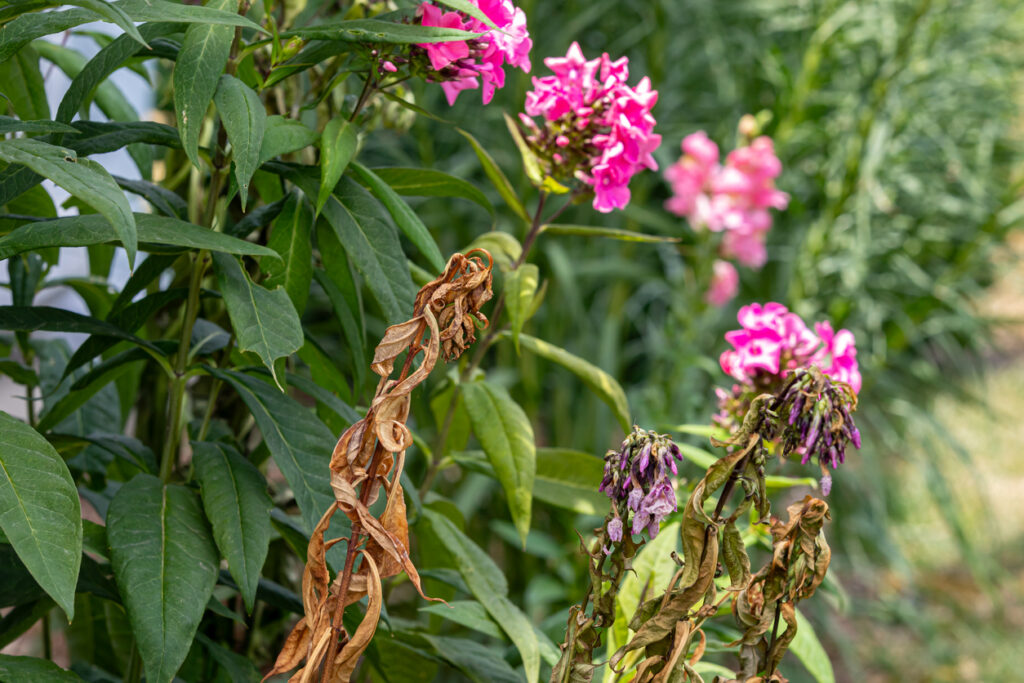
Even healthy plants can start to look sad and floppy during a heatwave. Wilting is often a sign of stress rather than thirst, especially if it happens during the hottest part of the day. The leaves droop to conserve water and reduce evaporation.
It’s best to wait until evening to see if the plants perk back up before reaching for the hose. Water deeply in the early morning or late evening rather than mid-afternoon. A layer of mulch around the base can also help the soil retain moisture and reduce temperature swings.
2. Blossom drop on tomatoes and beans
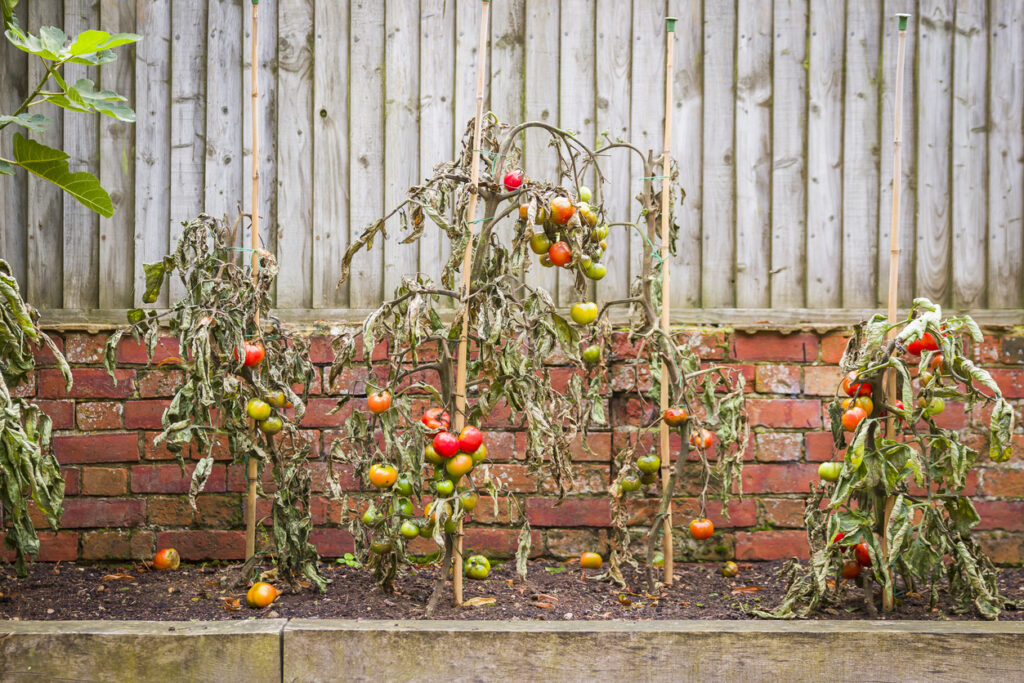
If your tomatoes or runner beans are flowering but not setting fruit, high temperatures could be the culprit. When it gets too hot, especially above 30 °C, pollination can fail and flowers fall off without producing anything.
Help your plants out by watering regularly and evenly; stress from inconsistent watering makes things worse. You can also try lightly shaking the plant or gently brushing flowers with your fingers to encourage pollination. In extreme heat, offer some temporary shade with garden fleece or cloth.
3. Powdery mildew on courgettes and roses
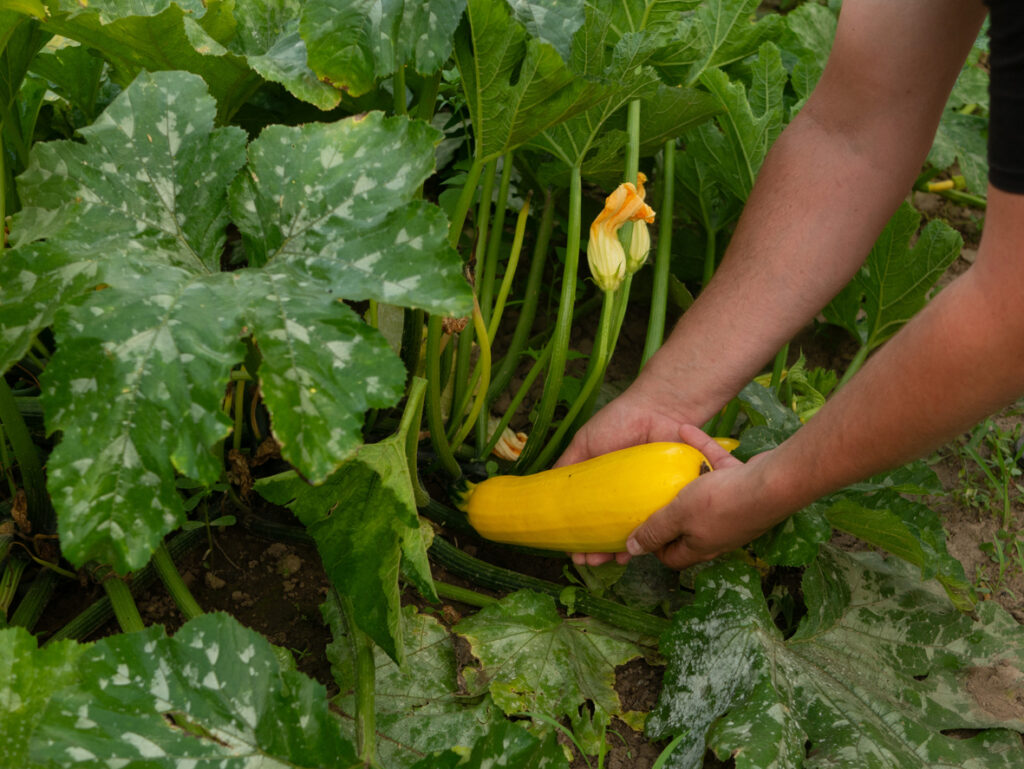
This dusty white coating is a summer nuisance that thrives in dry conditions with poor air circulation. It can quickly take over leaves and weaken your plants, especially courgettes, cucumbers, and roses.
Cut off affected leaves as soon as you spot them, and avoid overhead watering, which can make things worse. A homemade spray using baking soda and a drop of washing-up liquid in water can slow the spread. Make sure plants are well spaced and prune for airflow where needed.
4. Yellowing leaves on container plants
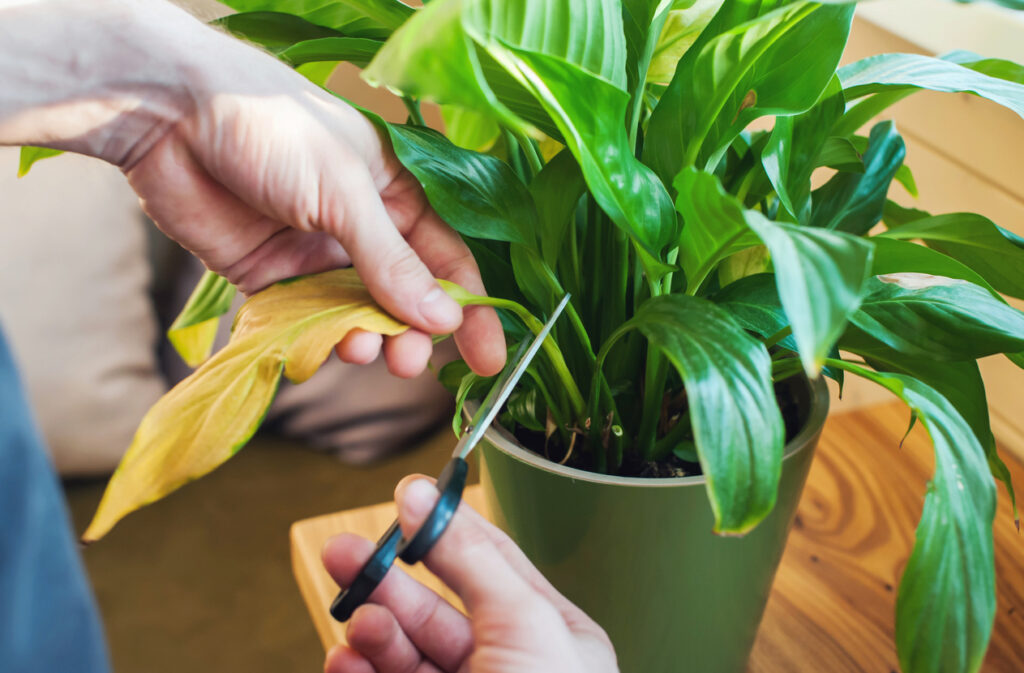
If your potted plants are turning yellow, they might be suffering from a lack of nutrients. Frequent watering in summer flushes out nutrients quickly, especially in small containers with limited soil volume. Feed your pots with a liquid fertiliser every couple of weeks, or use a slow-release fertiliser to keep them topped up. Also check drainage because soggy roots can lead to yellowing too. Try lifting the pot slightly to ensure excess water is escaping properly.
5. Bolting lettuces and herbs
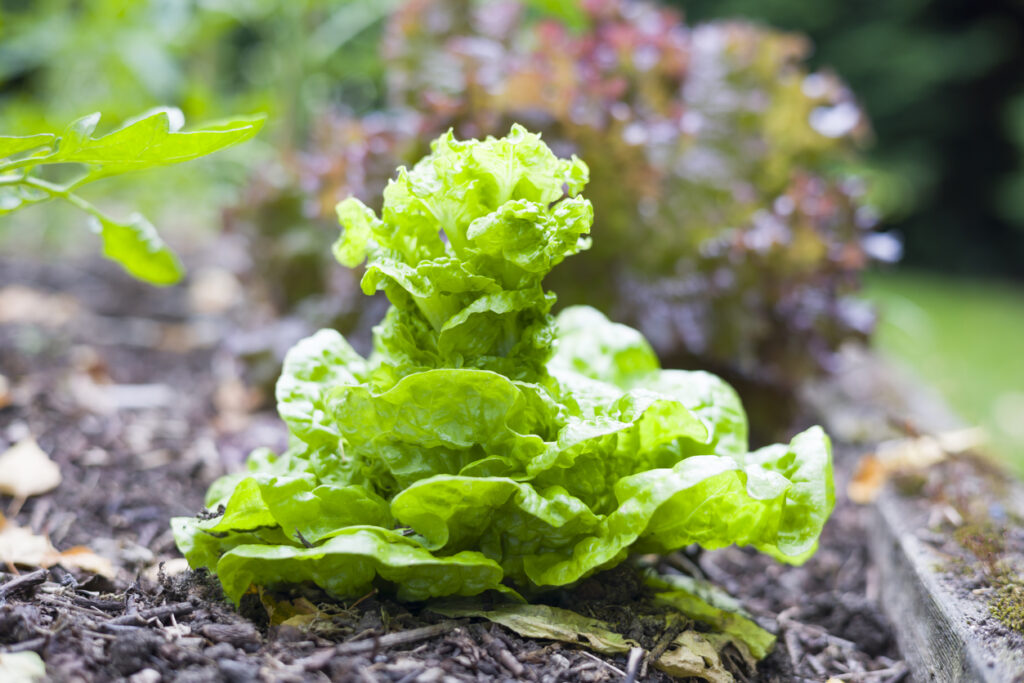
When temperatures soar, many leafy greens and herbs like lettuce, coriander, and rocket start to bolt. That means they shoot up a flower stalk and stop producing tender leaves. Once this happens, the flavour turns bitter fast.
To delay bolting, grow these crops in partial shade or plant them in pots that can be moved out of direct sun. Watering regularly helps, and harvesting leaves early and often can buy you extra time. For future planting, look for bolt-resistant varieties designed for summer growing.
6. Aphid infestations
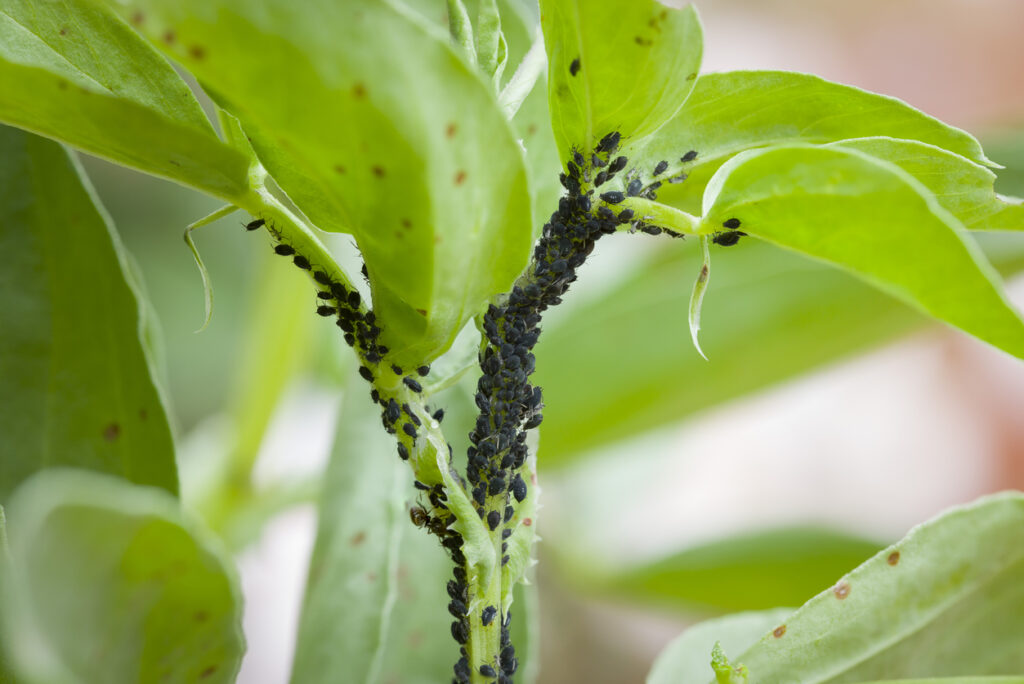
Aphids love summer. These tiny green, black, or white insects multiply fast and cluster on soft new growth, draining sap and spreading disease. They’re especially fond of roses, beans, and brassicas. Check your plants often and act early. You can squish aphids by hand or spray them off with a strong jet of water. Introducing ladybirds and lacewings can also help long-term. Avoid chemical sprays unless things get out of control, as they can harm beneficial insects too.
7. Cracked tomatoes
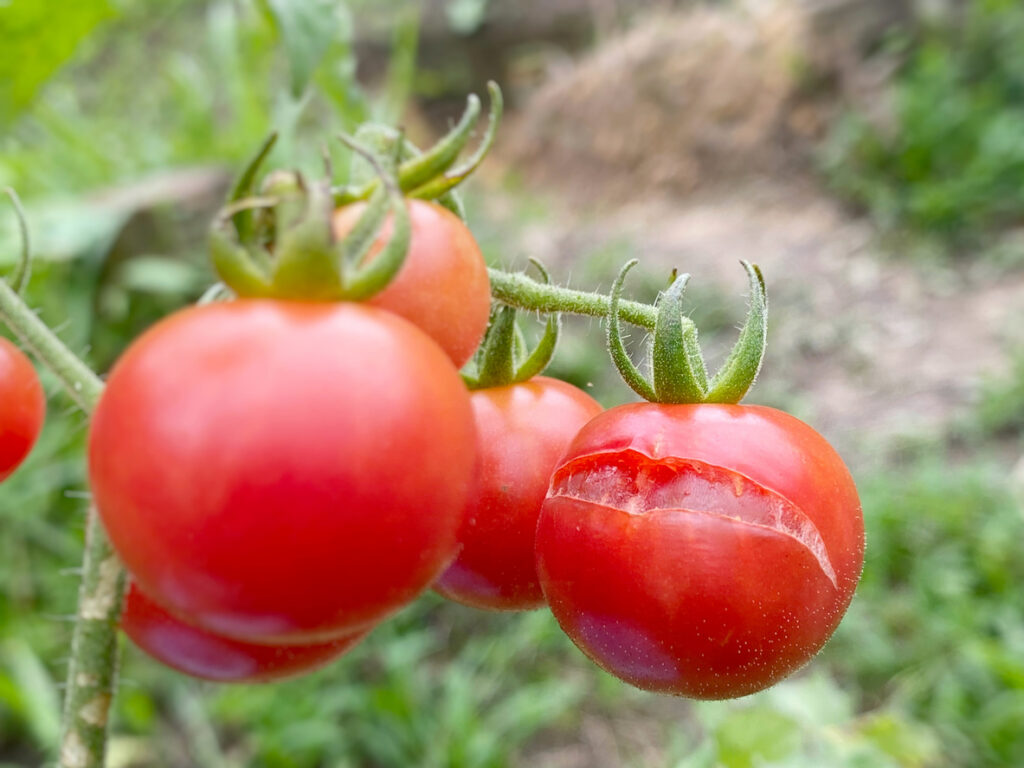
Tomato skins often crack when the plant gets a sudden flush of water after a dry spell. The inside grows too quickly for the skin to keep up, resulting in splits. While the fruit is still edible, it shortens shelf life and invites pests or rot. The key is to water tomatoes consistently and evenly. Avoid the feast-or-famine approach. Instead, try to keep the soil evenly moist, especially when fruit is developing. Mulching around the base helps prevent drastic moisture swings in hot weather.
8. Yellowing lawn patches
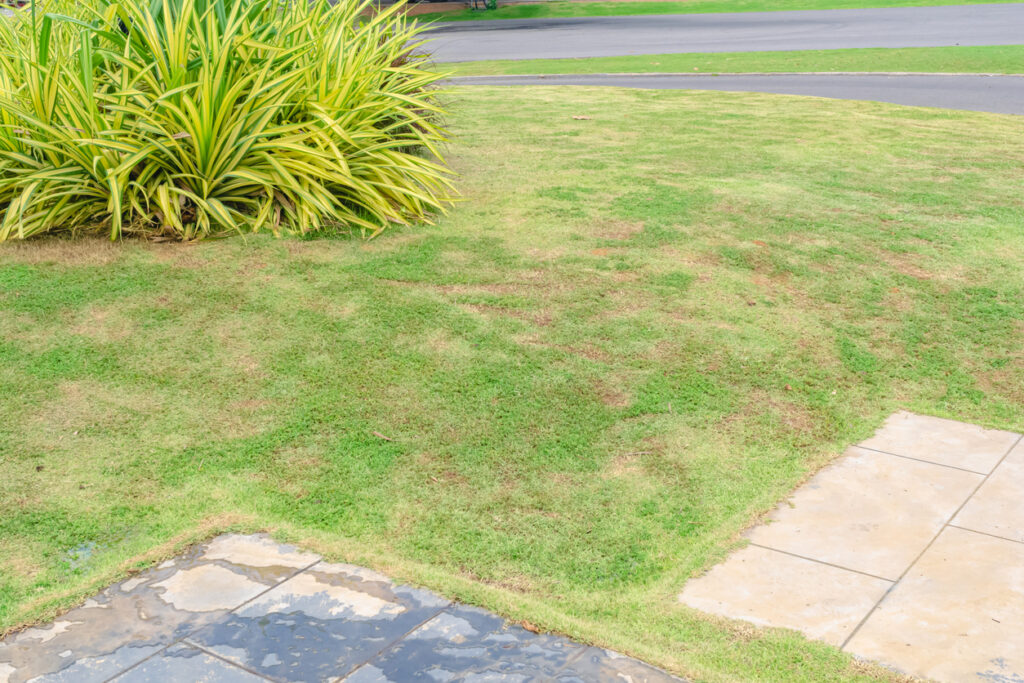
Hot weather, heavy foot traffic, and uneven watering can cause dry, yellow patches to appear in your lawn. These spots are often a sign of compaction or dehydration rather than disease. Spike the affected areas with a garden fork to allow water to reach the roots, and give them a deep soak rather than a light sprinkle. Avoid mowing too short in summer, as longer grass shades the soil and helps retain moisture better.
9. Blossom end rot on courgettes and tomatoes
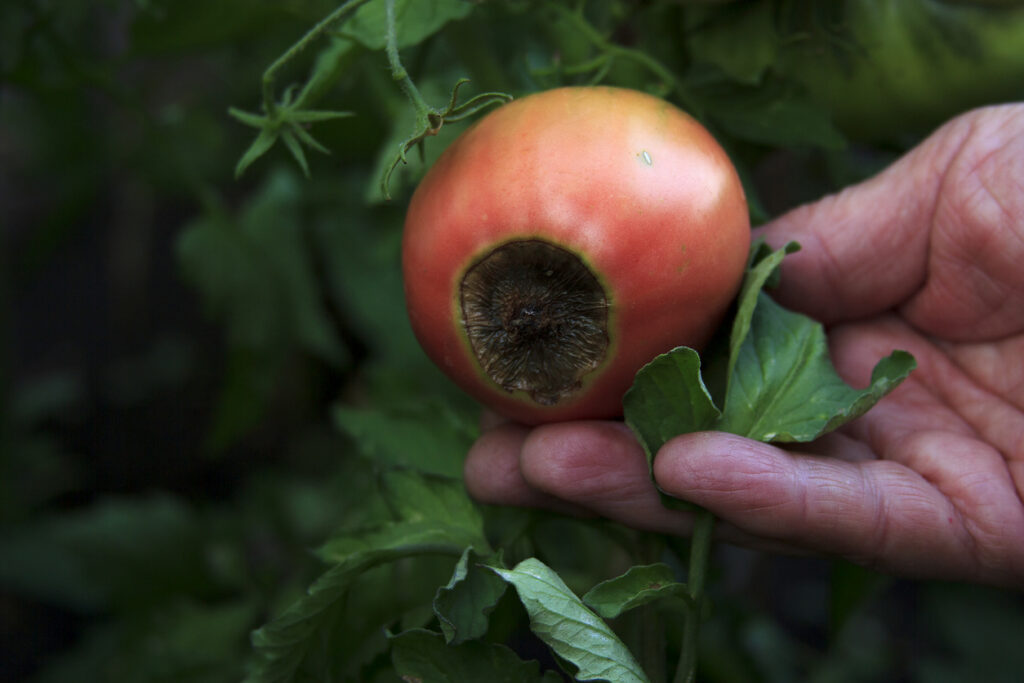
This common issue shows up as a sunken, black patch on the bottom of fruit. It’s caused by a calcium imbalance in the plant, usually triggered by inconsistent watering that disrupts nutrient uptake. To prevent it, water regularly and evenly—don’t let soil completely dry out between sessions. Mulch helps here too. While adding calcium can help long-term, it’s the watering pattern that usually makes the biggest difference during a hot summer.
10. Slugs and snails hiding under mulch
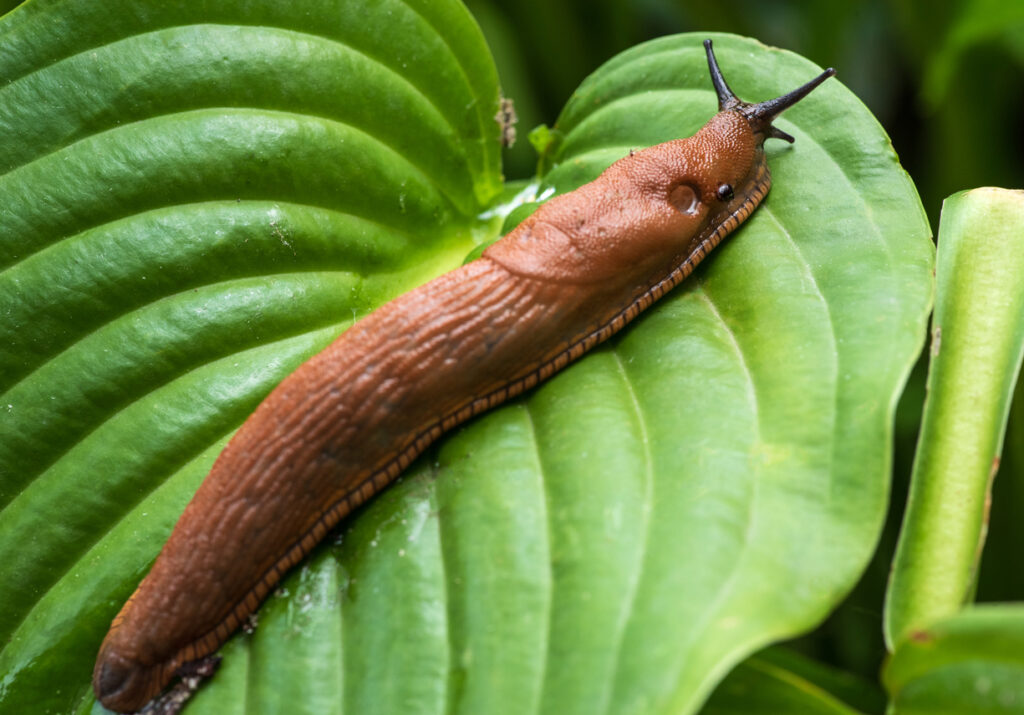
While mulch is great for keeping soil moist, it can also become a hiding place for slugs and snails, especially if you use straw or bark. These pests stay cool under cover during the day and munch away at night. Check under mulch regularly and hand-pick if needed. Beer traps, copper tape, or wildlife-friendly barriers like wool pellets can help too. Consider lifting mulch temporarily from your most affected beds until you get the upper hand again.
11. Fruit dropping before it ripens
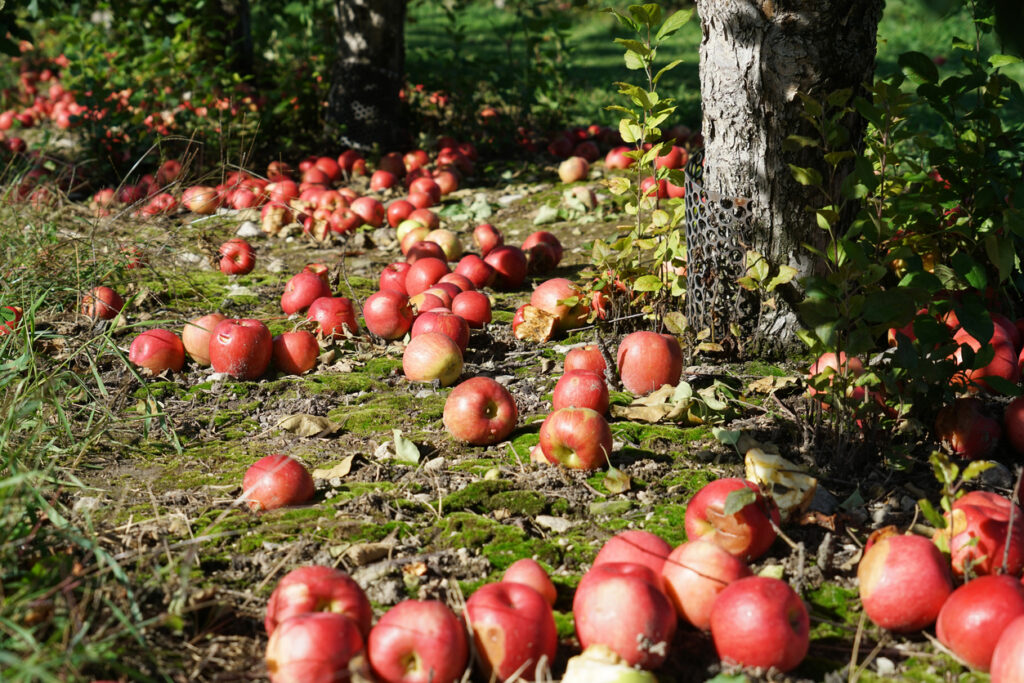
Apples, plums, and even strawberries can drop their fruit early if the plant is stressed, usually from a lack of water or poor pollination. Some drop is natural, but too much is a sign something’s off. Keep fruit trees well-watered, especially when the fruit is forming. In dry summers, a weekly soak is better than daily surface watering. Mulching helps here too, and avoiding overfeeding can stop a sudden growth surge that causes fruits to fall before they’re ready.
12. Cabbage white caterpillars
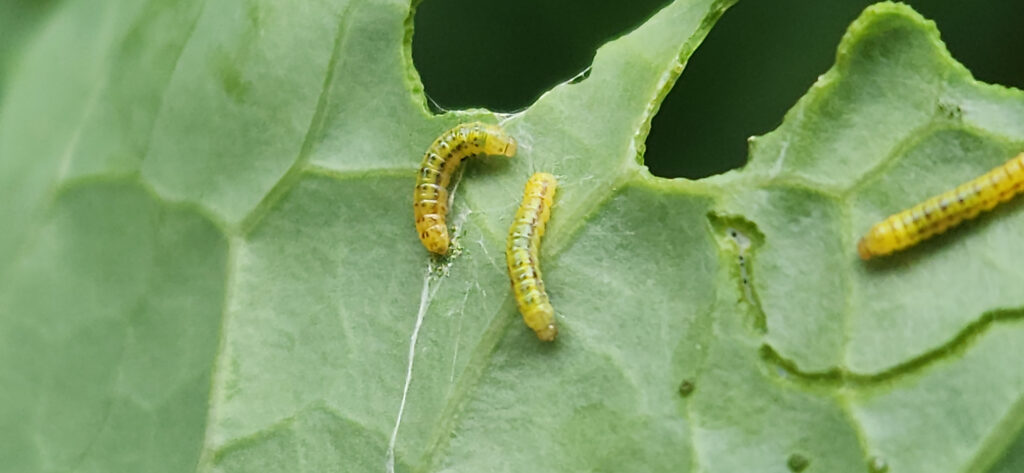
Brassicas like cabbages, broccoli, and kale are magnets for cabbage white butterflies, which lay eggs that hatch into hungry caterpillars. These can quickly skeletonise leaves if not caught early. Netting your crops is the most effective prevention. Check leaves regularly for eggs on the underside and squish or remove them. If caterpillars do appear, you can hand-pick or use a biological control like Bacillus thuringiensis (BT) that targets them without harming other insects.
13. Drought-stressed trees and shrubs
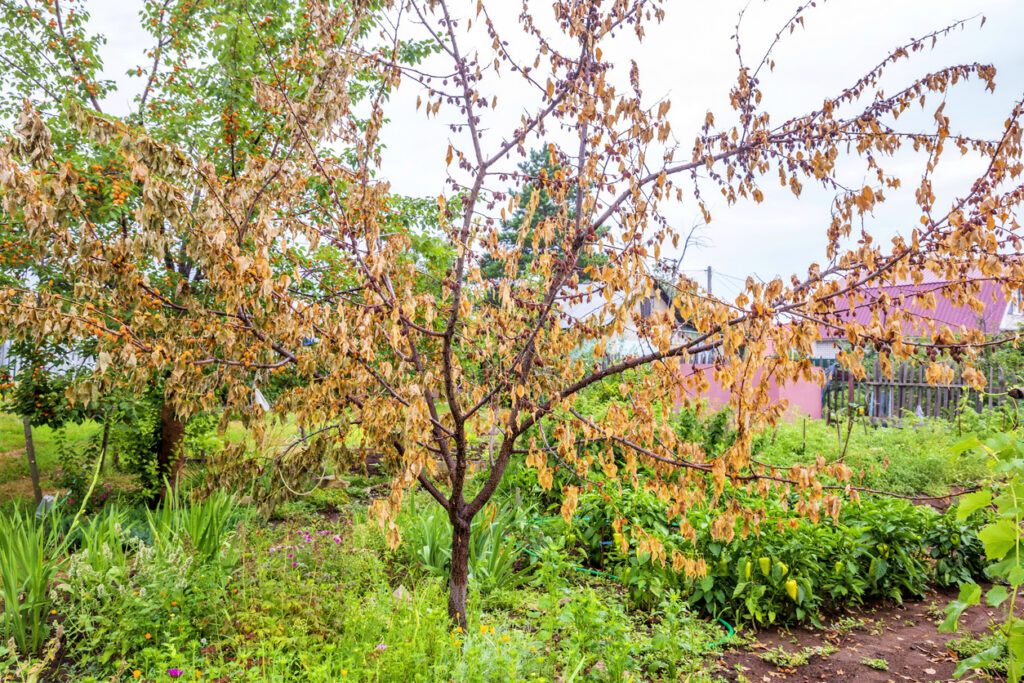
Established plants often get overlooked in summer watering routines, but long periods of dry weather can stress trees and shrubs too, especially those planted in the last few years. Signs include curling leaves, premature leaf drop, and slow growth.
Water deeply at the base once or twice a week during prolonged dry spells. Don’t rely on sprinklers or quick sprays. Get the water down to the roots. Mulch thickly around the base to lock in moisture and keep weeds from competing for water.
14. Leggy, flopping perennials
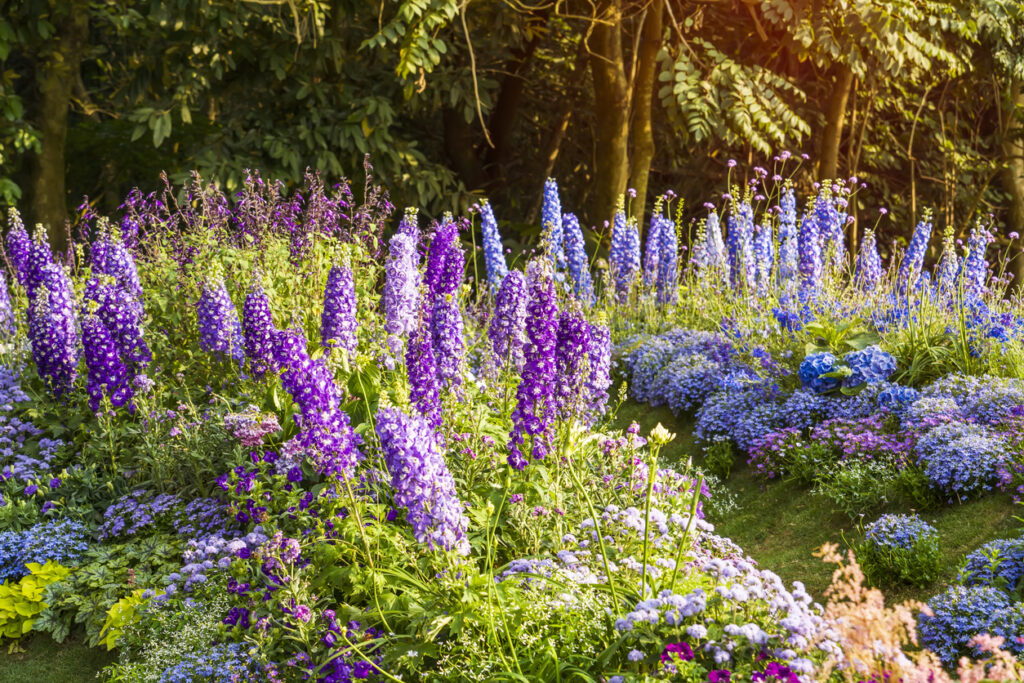
Some perennials grow quickly in warm weather and can start flopping over if they’re not supported or pruned. Delphiniums, cosmos, and salvias are common culprits. This not only looks messy but can also encourage rot if stems lie on damp soil.
Stake or cage tall perennials early, before they get too tall to handle. If they’ve already flopped, you can prune them back by a third to encourage bushier growth. Don’t be afraid to give them a mid-season tidy. It often results in more blooms later.
15. Black spot on roses
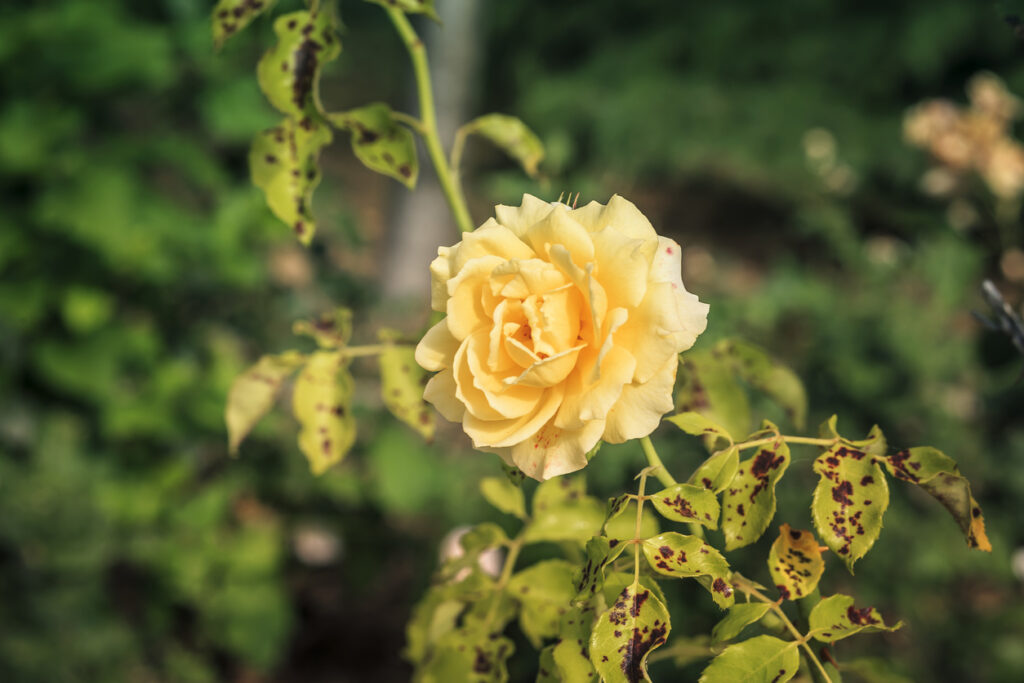
Summer warmth combined with humidity is the perfect recipe for black spot, a fungal disease that leaves roses looking miserable. You’ll see black blotches on leaves that soon turn yellow and drop off, weakening the plant overall.
Remove and bin affected leaves, don’t compost them. Improve airflow by thinning out crowded growth and avoid wetting the leaves when you water. If it keeps coming back, a preventative spray made for black spot or a sulphur-based treatment can help reduce future outbreaks.
16. Sunburn on fruit and veg
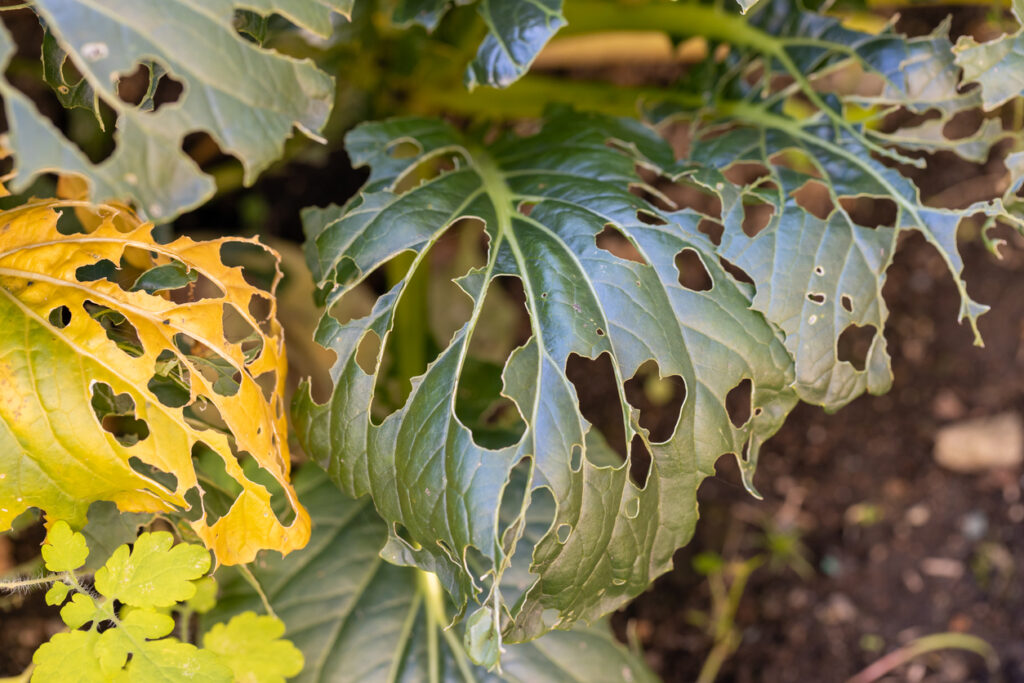
Just like us, fruit and veg can get sunburned. Tomatoes, peppers, and apples are particularly vulnerable to sunscald, which appears as pale, sunken patches on the side exposed to the most light. It doesn’t affect flavour but can make produce spoil faster.
Try to keep foliage healthy and full to shade fruit naturally. If you’ve pruned too heavily or a heatwave’s coming, consider using temporary shading material like horticultural fleece or garden netting to soften the blow from intense sunlight.
17. Fading flowers in containers
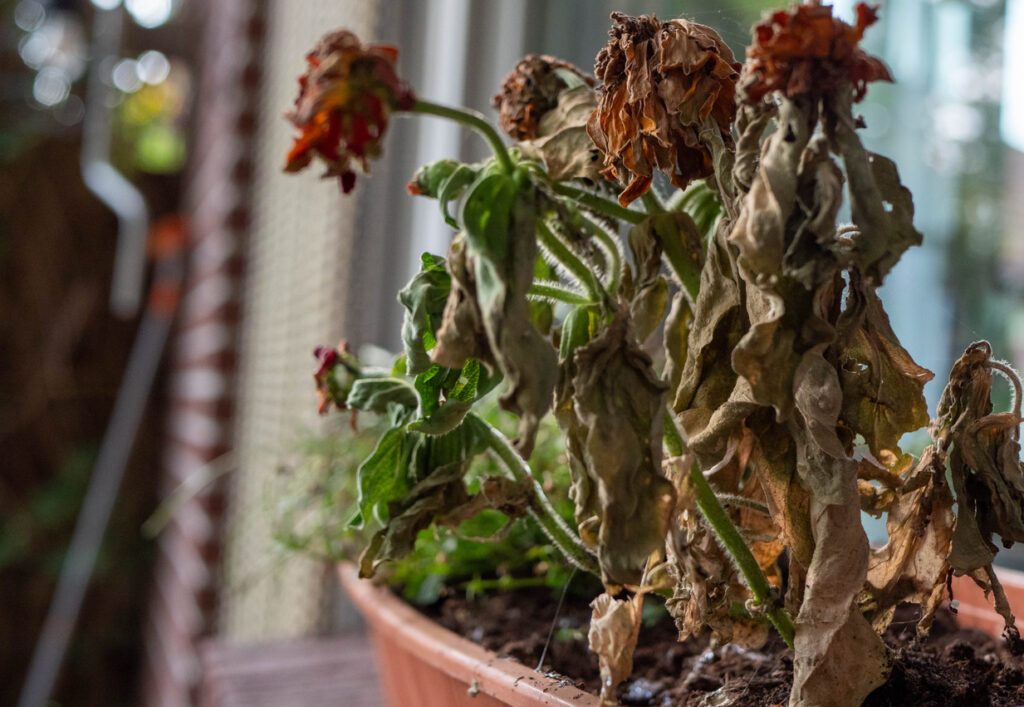
Summer bedding in containers often starts strong but can tire out by mid-season, especially if it’s root-bound or starved of nutrients. Flowers become sparse and leggy, and the display loses impact. Deadhead regularly to keep blooms coming, and feed with a high-potash liquid fertiliser every 10 days. If the roots have filled the pot, consider repotting into a slightly larger container or trimming back roots and refreshing the compost. Even one small intervention can revive a tired display.
18. Ants farming aphids
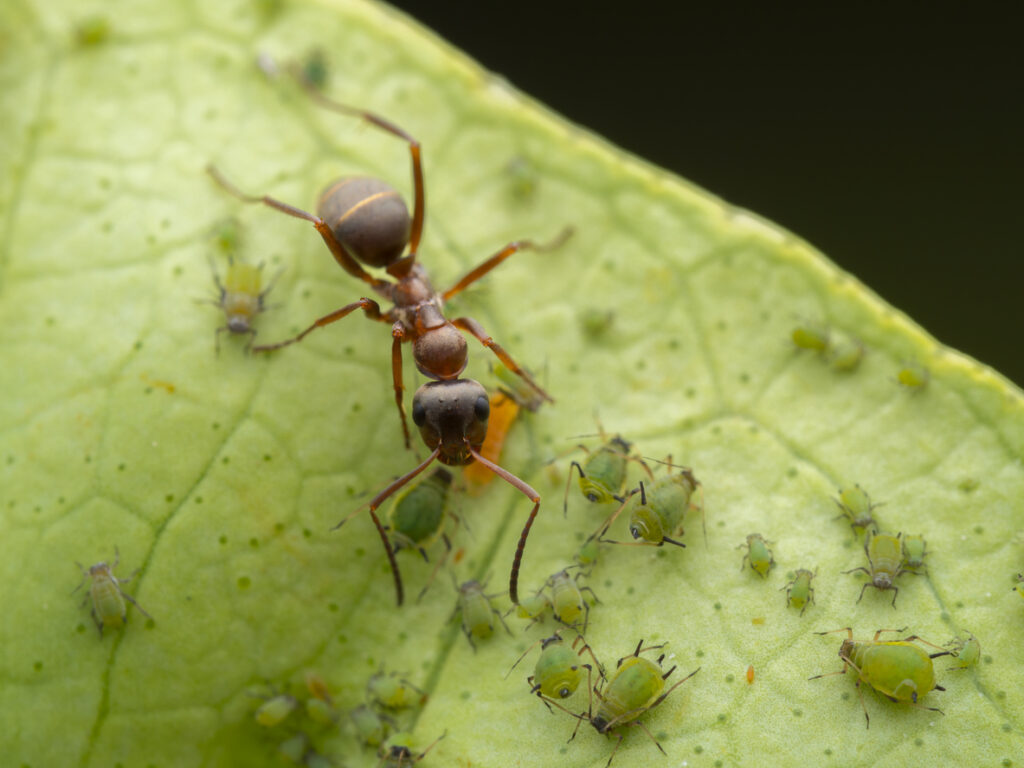
In summer, ants often team up with aphids, protecting them in exchange for the sweet honeydew they produce. This partnership can lead to bigger aphid problems on your plants, especially if the ants are nesting nearby. If you spot ants running up stems, check for aphids too. Controlling the aphids usually reduces the ant activity, but if needed, try applying a sticky barrier to the plant stem or disturbing the ant nest gently to encourage them to move on.
19. Brown spots on leaves from watering at the wrong time
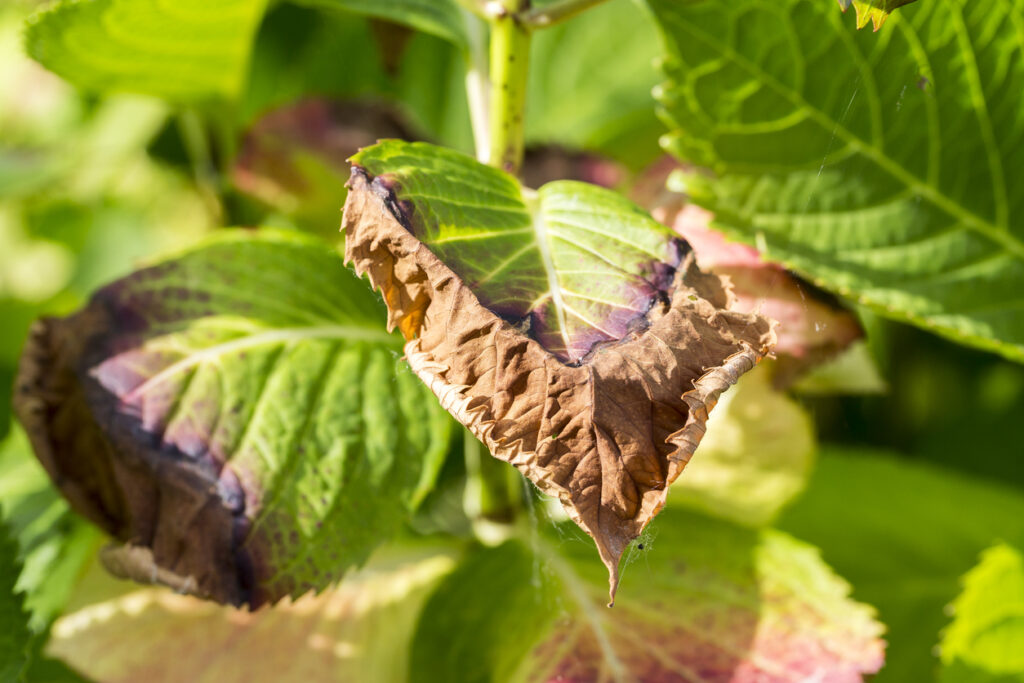
Watering during the heat of the day can leave droplets on leaves that act like magnifying glasses, causing scorch marks and unsightly brown patches. It also wastes water through rapid evaporation. Water early in the morning or later in the evening when the sun is lower. This allows plants to take up moisture more effectively and reduces the risk of leaf burn. If you’re using a sprinkler, aim it low to the ground and avoid soaking the foliage directly.
20. Wildlife damage to ripening crops
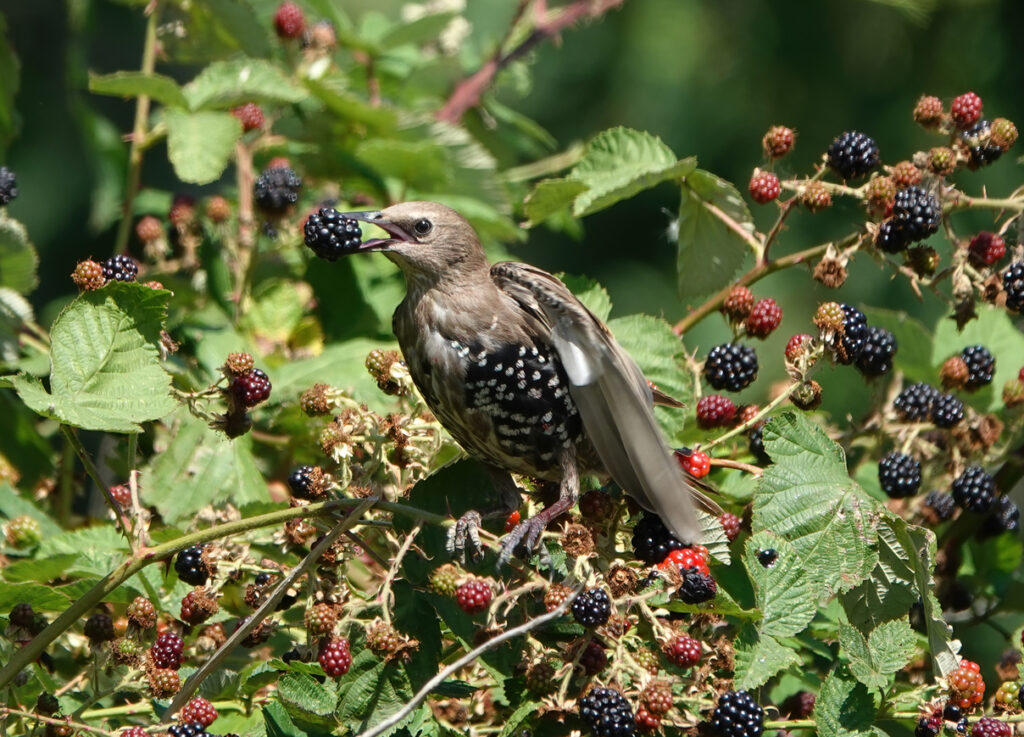
Birds, squirrels, and even badgers can get into ripening crops like strawberries, sweetcorn, and blueberries just before you’re ready to harvest them. It’s frustrating to lose your best produce overnight to a sneaky nibble.
Use netting, cloches, or fruit cages to protect your crops as they ripen. Hanging old CDs, wind chimes, or motion-activated sprinklers can also help scare off persistent visitors. Just make sure any deterrents are wildlife-safe and don’t trap or harm anything by accident.