When most summer blooms are fading, chrysanthemums step in like a final act of colour and life before winter arrives.

These hardy, cheerful flowers are a brilliant way to brighten up borders and pots well into autumn. With the right care, they’ll bring rich, long-lasting colour just when your garden needs it most. Here are some things to consider when choosing the right ones to add to your garden. You can’t go wrong whatever you decide, really!
Choose the right variety for your climate.

There are loads of different chrysanthemums, and not all are suited to UK gardens. Some are bred for cut flowers or show displays and don’t fare well outside. For garden colour that comes back year after year, opt for hardy garden mums rather than the more delicate exhibition types.
Look for names like ‘Clara Curtis’, ‘Mei-kyo’, or ‘Bronze Elegance’—these are proven to cope with cooler weather. If you’re in a particularly frosty region, you can still grow less hardy types in pots and bring them indoors when needed. Choosing the right kind at the start saves disappointment later on.
Plant in full sun for the best blooms.

Chrysanthemums love the sun. They’ll still grow in partial shade, but you won’t get the same punchy blooms or fullness. Aim for a spot that gets at least 5 to 6 hours of direct sunlight each day, ideally more. This helps the plant produce strong stems and rich flower heads.
If your garden is more shaded, try placing them in moveable pots that you can shift to sunnier spots as the light changes through the seasons. Keep in mind that less sun can lead to weaker stems and fewer flowers, so location really does make a difference.
Improve your soil before planting.

Chrysanthemums like well-drained, fertile soil. Heavy clay or soggy spots won’t do them any favours and can lead to root rot or poor flowering. Mix in compost or well-rotted manure before planting to improve structure and boost nutrients.
If your garden soil is particularly sticky, adding a bit of grit can help with drainage. For potted chrysanthemums, use a multipurpose compost with added perlite or grit to keep the mix open and airy. Healthy roots mean stronger plants and longer flowering.
Water consistently, but don’t overdo it.

Chrysanthemums like a steady supply of moisture, especially when they’re getting ready to bloom. But they absolutely hate sitting in soggy soil. The key is balance—water regularly during dry spells, but let the top few inches of soil dry out in between.
In containers, make sure pots have drainage holes and don’t leave them standing in saucers of water. A good rule is to check the soil with your finger. If it’s dry up to the first knuckle, it’s time to water. Too much water can cause yellowing leaves or droopy stems.
Pinch out growing tips for bushier plants.

To encourage a fuller, more compact plant with loads of flowers, pinch out the tips of young plants in early summer. Simply remove the top few centimetres of each stem once the plant reaches about 15–20 cm tall. This encourages side shoots and more flower buds.
You can pinch once or twice depending on how bushy you want them. If you skip this step, you might still get flowers, but they’ll be fewer and the plant may become tall and leggy. It’s a small tweak that makes a big difference come autumn.
Feed them through the growing season.

Chrysanthemums are hungry plants when they’re pushing out flowers. A general-purpose liquid feed every couple of weeks through summer will help support strong growth and plenty of blooms. Once buds start to appear, switch to a high-potash feed like tomato fertiliser.
If you’re growing in the ground, a slow-release fertiliser in spring followed by occasional feeding is usually enough. For pots, regular feeding is more important since nutrients wash out faster. Healthy mums bloom more vibrantly and hold onto their flowers longer.
Provide support before they flop.
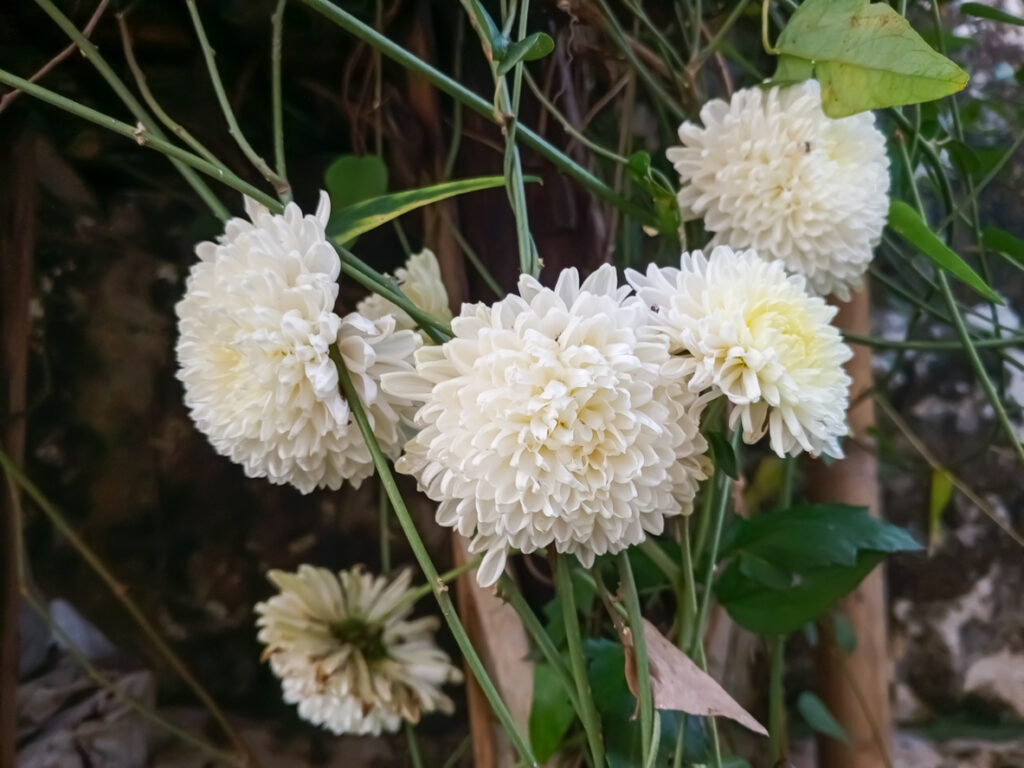
Some of the taller chrysanthemum varieties can get top-heavy, especially when covered in blooms. To avoid snapped stems or a collapsed display, it helps to stake or support them early on. Use canes and soft ties or a simple ring support around the plant base.
Don’t wait until they’ve already started leaning. It’s much easier to put supports in place while the plant is still upright. If you’re growing in a windy spot or have soft soil, anchoring your supports well is essential. Neat, supported mums always look better than ones flopped sideways in the mud.
Keep deadheading to prolong flowering.

As flowers start to fade, remove them regularly to encourage more buds to form. Deadheading redirects the plant’s energy into new growth rather than letting it go to seed. You’ll often get extra weeks of flowering just from this simple habit.
Snip off faded blooms just above a leaf joint to keep things tidy. It also helps prevent mould and keeps your plant looking fresh. In autumn, when colour feels scarce, having mums still in bloom is worth the small effort it takes to deadhead once or twice a week.
Bring tender varieties indoors before frost.

If you’ve chosen non-hardy or pot-grown mums, you’ll need to bring them indoors once the temperatures start dropping. A light frost can damage the leaves, but a hard frost can kill the plant completely. Move them to a greenhouse, conservatory, or sunny windowsill when nights turn cold.
Before bringing them in, check for pests and give them a trim if they’ve grown leggy. You can also overwinter them in a sheltered, cool space like a garage—just make sure they still get light and don’t dry out completely. With the right care, they’ll bounce back in spring.
Divide established clumps every few years.

If you’ve had garden mums for a while, you’ll notice they start to form big clumps. After a few years, these can get woody in the centre and produce fewer flowers. Lifting and dividing them every three to four years keeps them healthy and productive.
Do this in spring when new shoots appear. Use a fork to lift the clump, then gently pull apart the healthiest outer sections and replant. You’ll get multiple new plants from one old one, and they’ll flower better for it. It’s a handy way to multiply your garden stock, too.
Watch out for mildew and aphids.
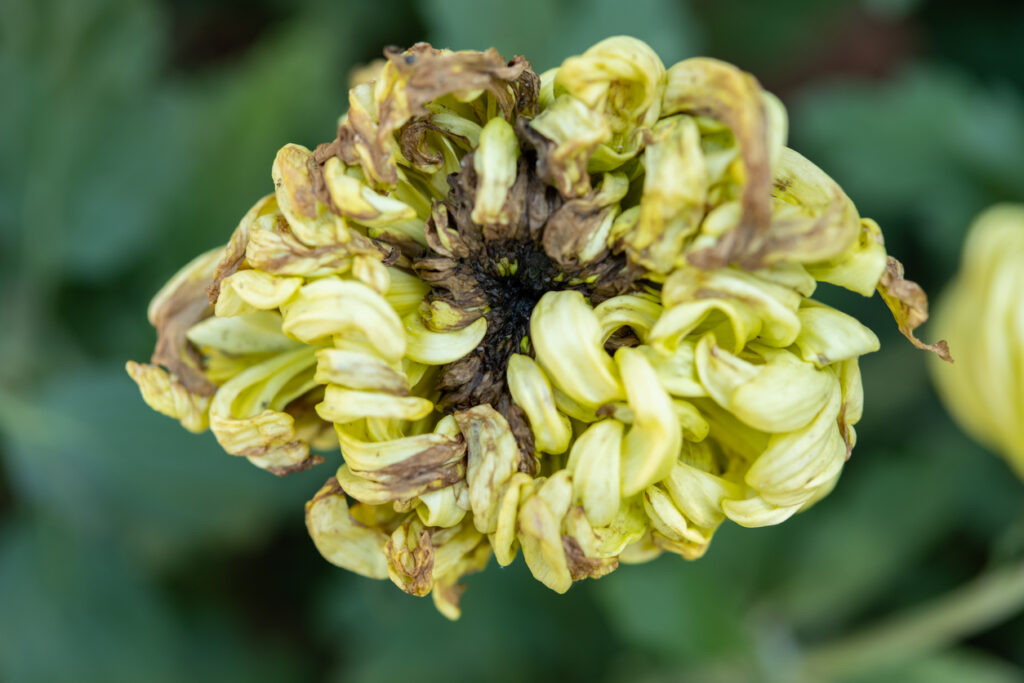
Chrysanthemums can suffer from powdery mildew, especially if they’re overcrowded or sitting in damp, shady spots. You might also spot aphids clustering around fresh growth. Both problems can stunt flowers or spread quickly if not tackled early.
Keep plants spaced out for better airflow, and avoid overhead watering where possible. If mildew appears, remove affected leaves and use a sulphur-based or organic fungicide. For aphids, a quick blast with water or a homemade soap spray can usually knock them back without harming pollinators.
Don’t cut back too soon after flowering.
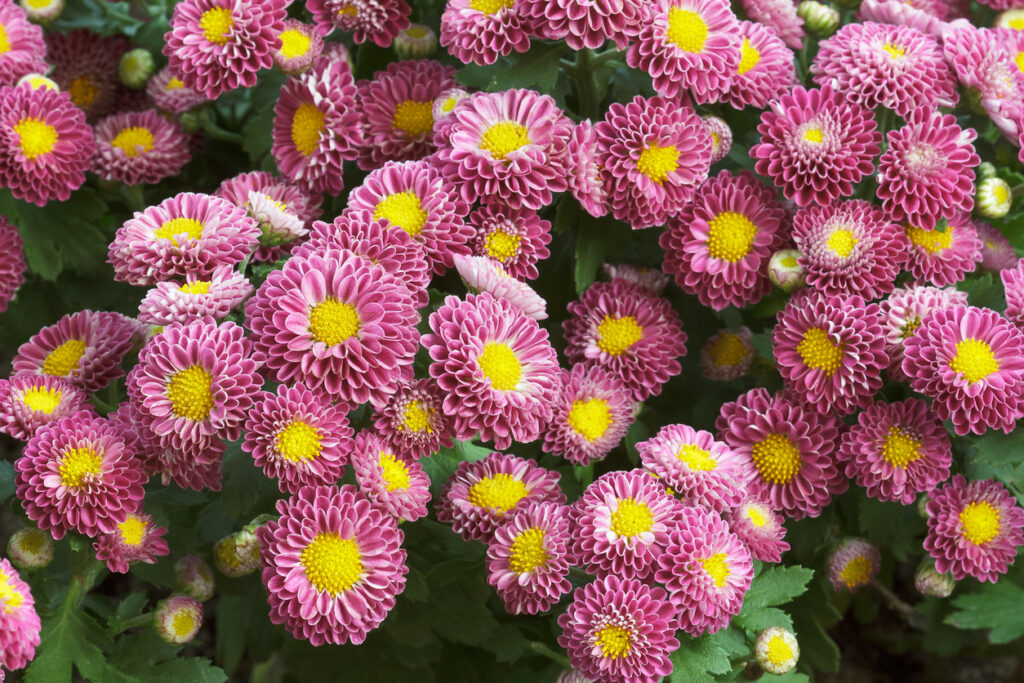
Once the first frost blackens the leaves, it can be tempting to cut the whole plant down. But waiting a few weeks can actually protect the crown and improve next year’s growth. Leave some of the top growth intact through the winter—it provides shelter and insulation to the base.
In early spring, when new green shoots start appearing, you can cut back the old stems completely and tidy up. This approach helps the plant survive colder winters more easily, especially in more exposed parts of the UK. Think of it as natural armour for the colder months.
Grow in pots for flexible colour.

If your borders are full, or you like to change things up, chrysanthemums grow beautifully in containers. Choose a wide, sturdy pot with good drainage holes, and use a quality multipurpose compost. Potted mums are easy to move around to fill any late-season colour gaps.
They’re also ideal if you want to protect more delicate varieties from cold weather. Just lift them indoors when needed. Keep an eye on watering and feeding—potted plants dry out faster and need a bit more attention than those in the ground. But the flexibility they offer is well worth it.
Save seeds or cuttings for next year.

If you’ve fallen in love with a particular chrysanthemum, it’s easy to multiply your favourites without buying new ones. Take cuttings in late spring or early summer, or let a few flowers go to seed and collect them once dried. Both methods let you build up your stock for free.
Cuttings are often the easiest way to get exact clones of a plant you love. Just snip a healthy non-flowering shoot, root it in water or compost, and pot it on. By doing this every year, you’ll always have fresh, strong mums ready to take centre stage when autumn rolls around again.