Garden furniture can completely change how you use your outdoor space, turning a patch of grass or a small patio into a spot for relaxing, dining, or entertaining.

However, with so many styles, materials, and sizes out there, it’s easy to end up with something that doesn’t quite work for your lifestyle or your garden. These tips will help you make the right choice the first time. At the end of the day, it’s all about what suits your personal tastes and enhances your space.
Think about how you’ll actually use it.
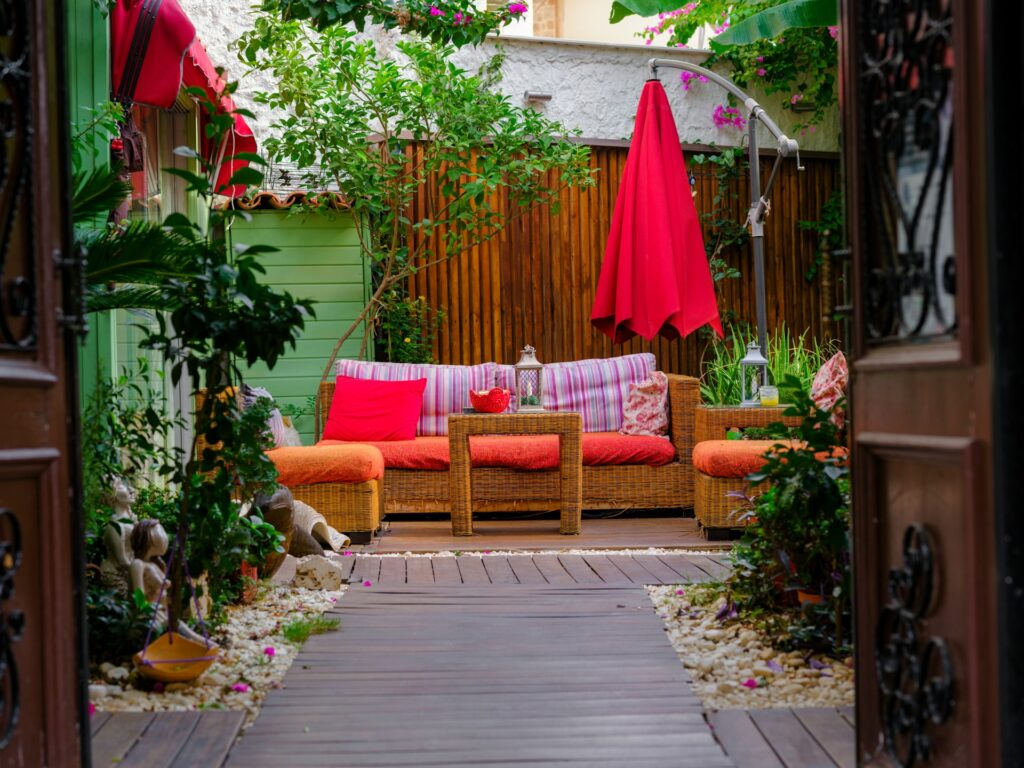
Start by being honest about how you plan to use your garden space. Do you want a quiet reading nook, a big table for family meals, or a comfy spot to lounge with a drink? Different needs call for different setups. There’s no point getting a full dining set if you rarely eat outside.
Sketch out a rough plan or take a walk around your garden and imagine how the furniture would work day-to-day. If you only have space for one thing, pick the function that matters most to you. It’s better to have one well-used piece than several that sit untouched.
Measure your space properly.

Guessing isn’t enough when it comes to fitting furniture into outdoor spaces. Take actual measurements of the area where you want your furniture to go, and factor in space to move around comfortably. A table might technically “fit” on your patio, but if people can’t walk around it easily, it’ll become more of a frustration than a feature.
Leave at least 60–80 cm of clearance around chairs so they can be pulled out and used comfortably. For smaller areas, modular furniture or foldable pieces can be a smart solution. Having measurements to hand also makes shopping far easier when you’re comparing sizes online or in-store.
Choose materials that match your climate.
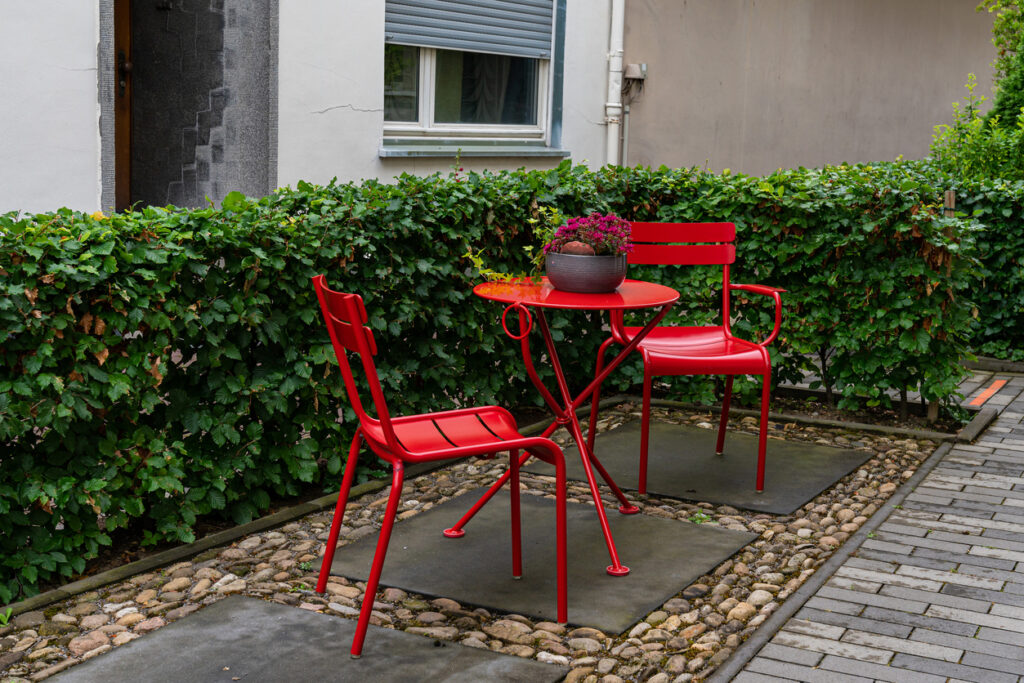
Not all garden furniture is made to withstand the same weather conditions. In the UK, where we get a mix of rain, wind, and the occasional heatwave, it’s important to choose materials that won’t fall apart after one season. Teak, aluminium, and powder-coated steel are great low-maintenance options.
Wicker or rattan can look great, but might need more sheltering or indoor storage in winter. Wooden furniture will last well if you’re willing to treat it once a year, but if you want something that can stay out all year with minimal fuss, go for rust-proof and rot-resistant materials.
Check for comfort, not just looks.

It’s easy to fall in love with a set that looks beautiful, only to find out it’s stiff, wobbly, or just plain uncomfortable. If possible, try furniture in person before buying, or at least read reviews from others who’ve used it. Cushions can make a big difference, but the frame and shape matter too.
Look for ergonomic designs, armrests, and seat depths that suit your body. Loungers, for example, should support your back without awkward pressure points. If you’re buying online, make sure cushions are included or check that they’re easy to source separately.
Think about storage during bad weather.
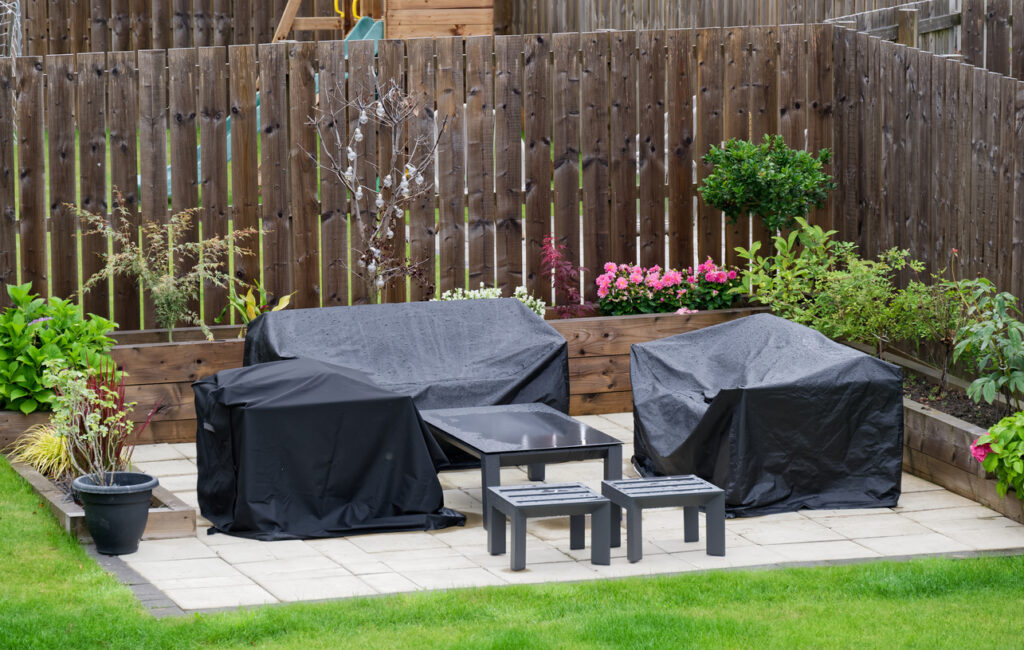
UK weather isn’t exactly predictable, so consider where your furniture will go when it’s not in use. Can it stay outside all year, or will it need to be moved to a shed or garage in winter? Stackable chairs, fold-away tables, or compact sets are ideal for smaller gardens or patios with limited storage.
If you don’t have much indoor storage, look for weatherproof covers to help protect what you’ve bought. Even hardy pieces last longer when sheltered from the worst of the elements. Planning where your furniture will go in winter saves panic later when the rain sets in.
Match your style to your garden.

Just like interior design, outdoor furniture works best when it fits the style of the space it’s in. A rustic wooden bench might look perfect in a wildflower garden but feel out of place on a sleek, tiled patio. Think about what materials and colours will suit the vibe of your garden.
Neutral tones and natural textures tend to blend in well, while bold colours or modern shapes can work as standout pieces. If your garden’s still evolving, stick to classic shapes that won’t clash with future plans. Furniture should feel like it belongs in your garden, not like it was dropped in from somewhere else entirely.
Factor in maintenance time.
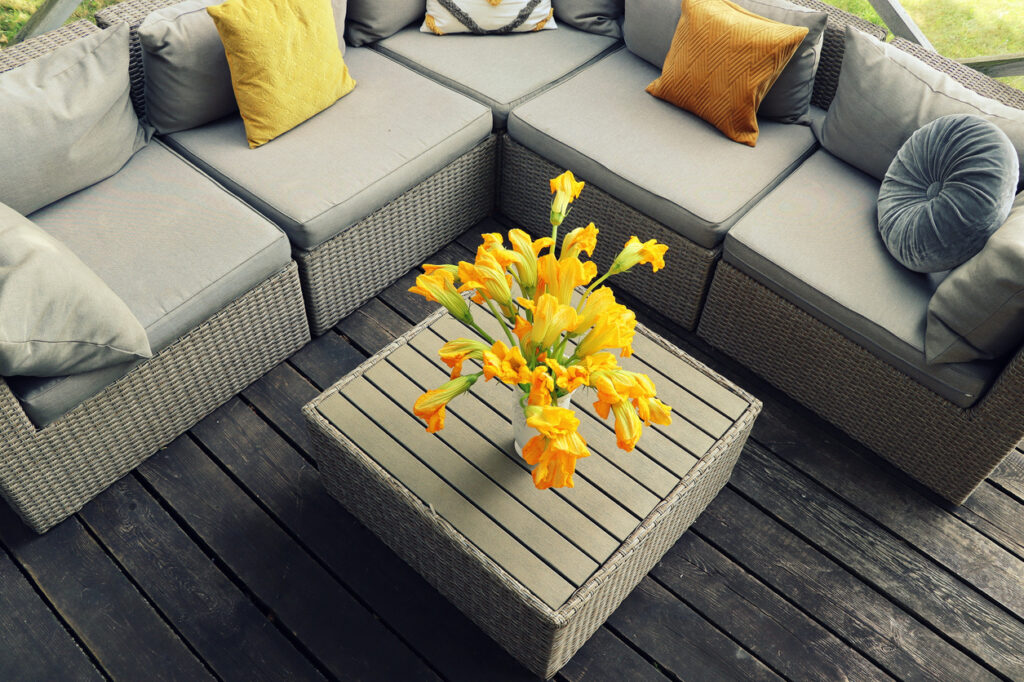
Some garden furniture needs more TLC than others. Wooden sets often need to be treated or re-oiled once a year. Metal may need checking for rust spots. If that sounds like a chore, choose low-maintenance materials that don’t need constant attention to stay looking good.
Plastic or resin furniture is easy to clean and light to move, though it may not last as long or look as high-end. Powder-coated aluminium is a great middle ground. It’s lightweight, strong, and rust-resistant. Pick something that fits not only your garden, but your willingness to maintain it.
Don’t forget about shade and sun.
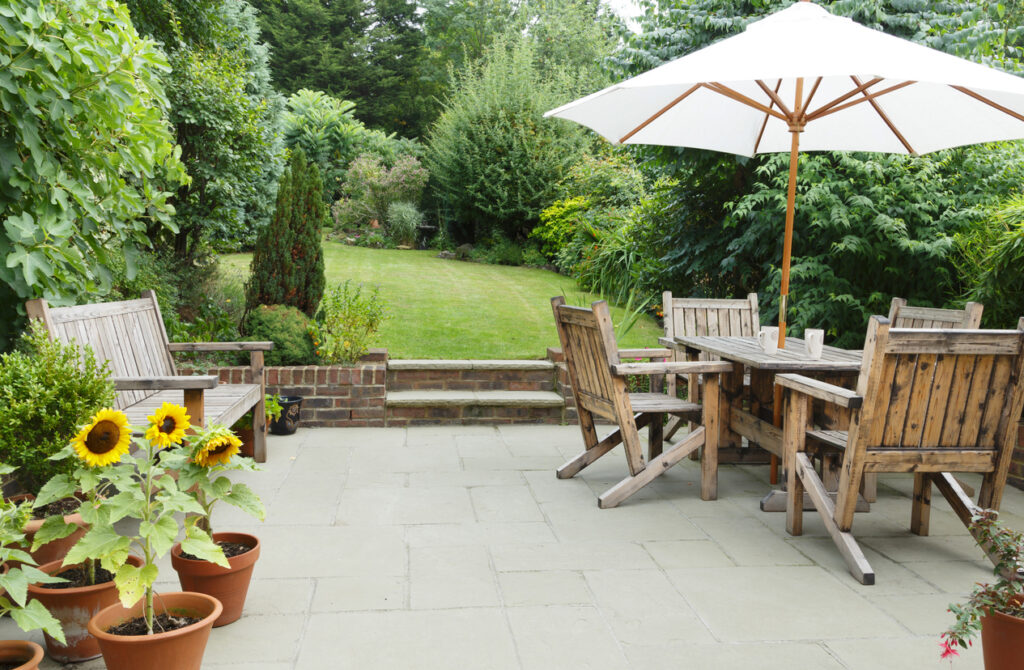
Where you place your furniture will affect how comfortable it is to use. In full sun, metal chairs can get scorching hot, while cushions can fade quickly. Consider pairing your furniture with a parasol, pergola, or sail shade to give you the option of sun or shelter.
If your garden is heavily shaded, go for lighter colours and materials that won’t disappear into the gloom. Positioning also matters—think about where the sun falls throughout the day and place your seating accordingly. A great view is wasted if you’re squinting into harsh sunlight the whole time.
Test how easy it is to move.
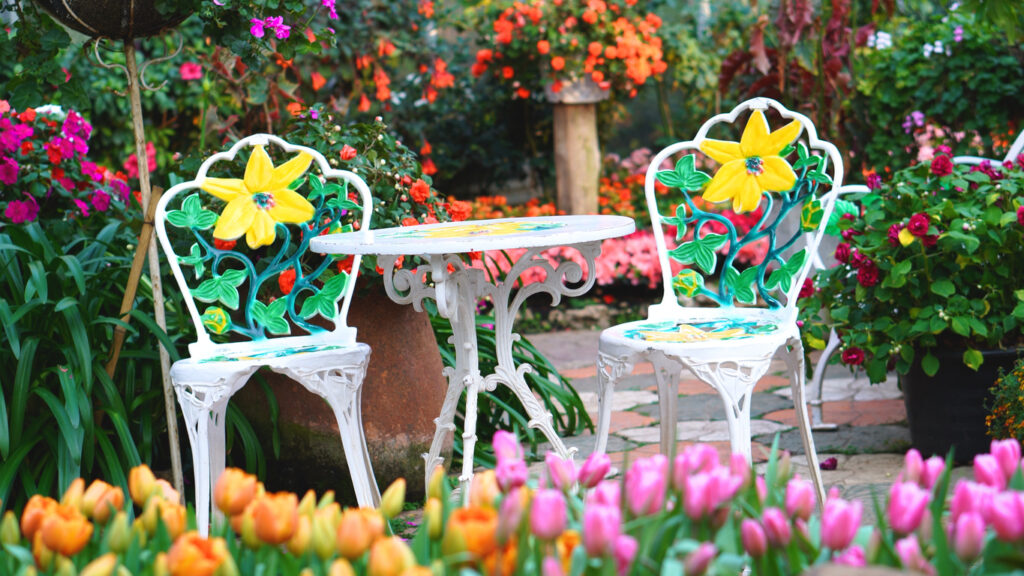
Even if your furniture has a permanent home, you’ll probably end up shifting it around, whether to mow the lawn, chase the sun, or bring it in for a storm. Heavy iron benches might last a lifetime, but they’re not practical for people who need to rearrange regularly.
Test the weight of chairs and tables before buying, or check product descriptions if you’re shopping online. Some sets look sleek but weigh a ton, while others might feel flimsy the moment you try to move them. Striking a balance between sturdy and manageable is key.
Stick to your budget, but prioritise quality.
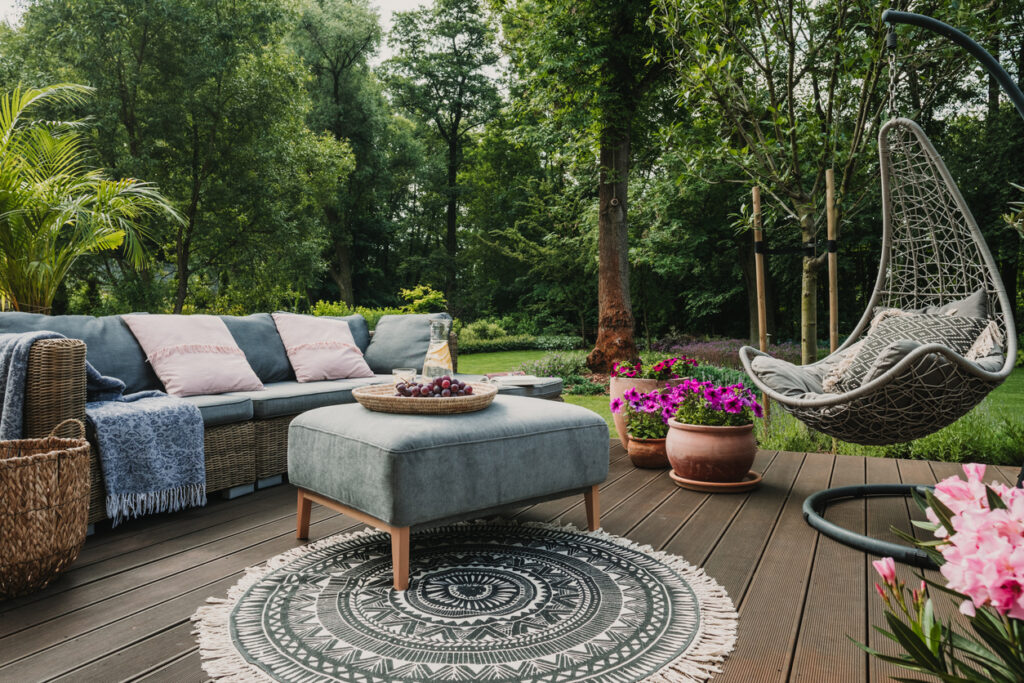
It’s tempting to go for the cheapest option, but garden furniture is something you’ll use for years. Spending a bit more on a well-made set usually pays off in the long run, especially when cheaper pieces start to warp, rust, or fall apart after a single winter.
That said, you don’t need to splurge unnecessarily. Decide what features really matter to you—comfort, durability, storage—and put your money there. Keep an eye out for end-of-season sales, and don’t be afraid of mix-and-match sets. As long as it suits your space and lifestyle, that’s what makes it the right choice.