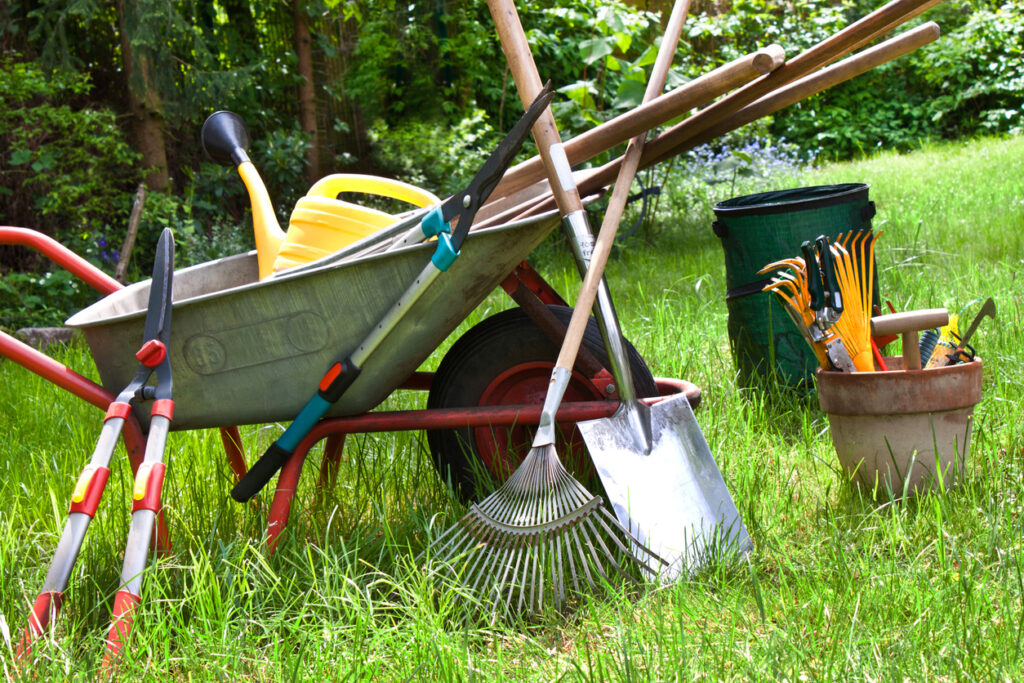
Whether you’re pruning roses or digging up potatoes, the tools you use in the garden make all the difference. But without proper care, even the best-made spades, shears, and forks can quickly rust, blunt, or break. These simple habits will help your tools last longer, work better, and save you money in the long run.
Rinse off soil after every use.
Leaving clumps of soil on your tools after gardening might seem harmless, but as time goes on, it can cause corrosion and wear down the edges. Moist dirt holds water, which encourages rust on metal parts, especially if your tools are stored in a damp shed or left outside. Giving them a quick rinse after each use is the easiest first step toward making them last.
Use a hose or a stiff brush to remove the bulk of the grime, then let them air-dry in the sun if possible. It might feel like a chore at the end of a long session in the garden, but this simple habit will make all the difference to how well your tools hold up. Plus, it means you’re not dragging dirt through your storage area every time.
Dry them thoroughly before storing.
Water is one of the biggest enemies of metal tools. Even if you rinse them clean, storing them while damp can lead to rust patches forming quickly, particularly on blades or joints. That’s why drying is just as important as cleaning. A clean rag or an old towel does the job well, and only takes a few seconds.
Try to build it into your routine so it becomes second nature. Lay your tools out on a towel to dry fully before storing them, and avoid just throwing them in a bucket or shed corner while still wet. Even wooden handles can suffer if they’re stored damp, leading to cracking or splintering over time.
Sharpen blades regularly.
Dull blades make gardening harder and less precise. Whether it’s your secateurs, shears, or a digging spade, sharpening the edges keeps them cutting cleanly and saves your energy in the process. A few minutes with a sharpening stone or file every few weeks can massively extend your tool’s working life.
If you’re not sure how to sharpen a particular tool, there are plenty of tutorials online—or ask at your local garden centre. The key is consistency, not perfection. Sharpening little and often prevents you from having to do a major overhaul later on, and it keeps your cuts clean, which is also better for your plants.
Oil moving parts and blades.
Hinges, blades, and metal surfaces benefit from a light coat of oil now and then. This helps prevent rust, keeps things moving smoothly, and can even reduce the effort you need to use the tool. Garden tools with springs or moving joints, like pruners, especially need this kind of attention.
Use something simple like linseed oil for wooden handles and a light machine oil for metal parts. Apply it with a cloth, rubbing it in gently. Wipe off any excess so it doesn’t attract dust. It’s a small job that takes less than five minutes, but it can double the lifespan of your most-used tools.
Store tools somewhere dry.
Even if you clean and dry your tools, storing them in a damp, draughty spot will undo your hard work. Humidity and condensation can creep in and cause damage over time, even without direct water exposure. That’s why a dry shed, garage, or cupboard makes all the difference.
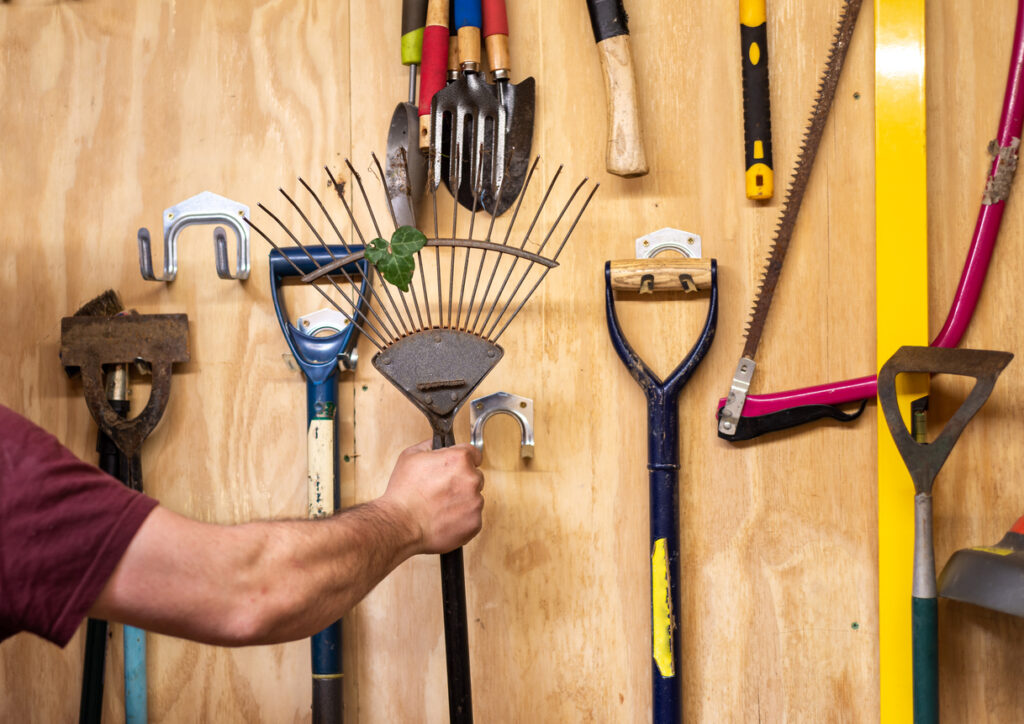
Use wall hooks, racks, or tool hangers to keep them off the ground and allow airflow. If you must store tools in a shed that gets damp, consider adding a moisture absorber or placing silica gel packets near your tools. Protecting them from the elements is one of the most important things you can do.
Use a wire brush for stubborn dirt.
Sometimes a quick rinse won’t cut it, especially if you’ve been digging in heavy clay or muddy conditions. That’s where a wire brush comes in handy. It’s great for scraping off compacted soil, especially from the treads of spades and the crevices in forks or hoes.
Give your tools a good scrub before storing them away for the day. Over time, it prevents hardened layers from forming that can be tricky to remove. It also stops abrasive soil particles from wearing down the metal every time you use them again without cleaning.
Sand and oil wooden handles.
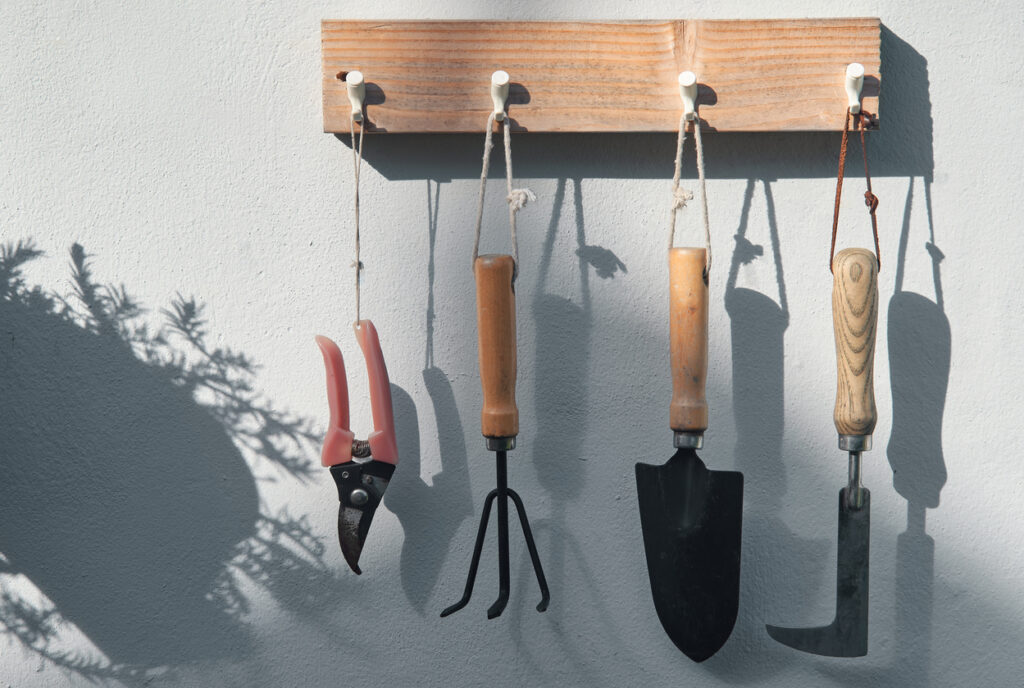
Wooden handles can dry out, crack, or become rough over time, especially with frequent use. Sanding them down lightly with fine-grit sandpaper removes splinters and helps smooth the surface. Once sanded, rubbing in some boiled linseed oil helps to nourish and protect the wood.
This not only makes your tools last longer, but also makes them more comfortable to use. A splinter-free handle that’s been properly oiled is much easier on the hands than one that’s neglected. Do it once or twice a year, or whenever the wood starts looking faded or dry.
Tighten any loose screws or bolts.
As time goes on, garden tools with moving parts can work themselves loose. Screws, nuts, and bolts on pruners, loppers, or wheelbarrows can move, making the tool feel unstable or clunky. It’s an easy fix, but only if you catch it early.
Once a month, give your tools a quick once-over. Tighten anything that’s starting to come loose, and replace any parts that have worn down too far. It’s far easier than dealing with a broken handle mid-job or a pair of shears that won’t close properly.
Keep a bucket of sand and oil mix.
This old-school trick works wonders for quick maintenance. Fill a bucket with coarse sand and mix in some vegetable or motor oil. When you’ve finished using metal tools like trowels or spades, plunge them into the bucket a few times before storing them.
The sand helps scrub off dirt while the oil coats the metal, protecting it from rust. It’s particularly useful during wetter months when mud and moisture are constant battles. Keep the bucket somewhere easy to reach so it becomes a quick final step before tools go away.
Label and organise your tool space.
Sometimes tools get damaged just because they’ve been dumped in a pile or left in the wrong place. Keeping your garden shed or tool space organised helps prevent this. Rakes shouldn’t be leaning on trowels, and sharp pruners shouldn’t be buried under heavy forks.
Label hooks, set up dedicated containers, and keep a rough system in place, even if it’s simple. It makes your tools easier to find and much less likely to suffer accidental damage. A bit of structure also means you’re more likely to notice when something goes missing or needs repair.
Avoid using tools for the wrong job.
It’s tempting to grab the nearest thing when you’re in the middle of a job, using your trowel to lever up a rock or your fork to hack through roots. But this kind of misuse is often what breaks tools in the first place. They’re built for specific tasks, and using them outside that scope weakens them.
Try to pause and switch to the right tool, even if it means going back to the shed. It saves you both frustration and money in the long run. Overstressed metal, cracked handles, and twisted blades are all avoidable if you respect what the tool was designed to do.
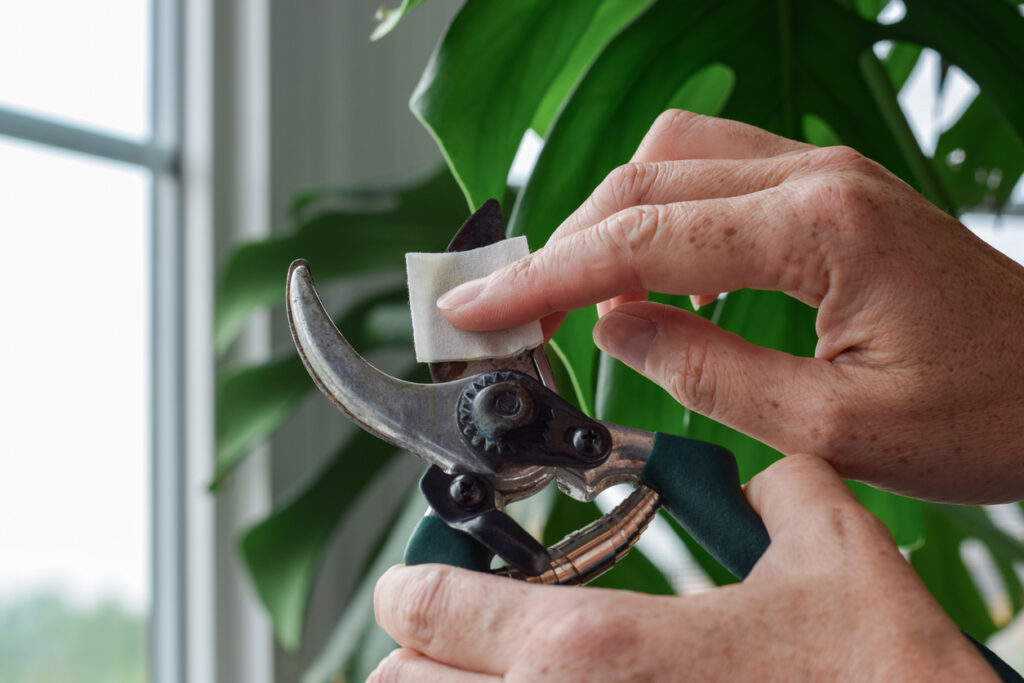
Disinfect after working with diseased plants.
If you’ve been dealing with blight, mildew, or any kind of plant disease, it’s crucial to disinfect your tools before using them again. Otherwise, you risk spreading infections throughout your garden without even realising it. This is especially true for pruning tools that cut into stems or branches.
A simple wipe down with rubbing alcohol, diluted bleach solution, or a proper horticultural disinfectant will do the job. Don’t wait until the end of the season—make it part of your habit whenever you handle sick or infected growth. It’s a small act of prevention that can save your whole crop or flower bed.
Check regularly for signs of wear.
The sooner you catch a problem, the easier it is to fix. Look out for splintering wood, rust spots, cracks, or chips. It only takes a minute to glance over each tool before you use it, but that small check can help you avoid bigger problems later on.
Fixing issues early means you can sand, oil, or tighten before anything breaks. Once you’re dealing with a snapped handle or rusted-through blade, it’s much harder to rescue. Regular checks help keep your garden kit in top shape and avoid those annoying mid-job surprises.