Everyone knows the comforting rumble of a purring cat.
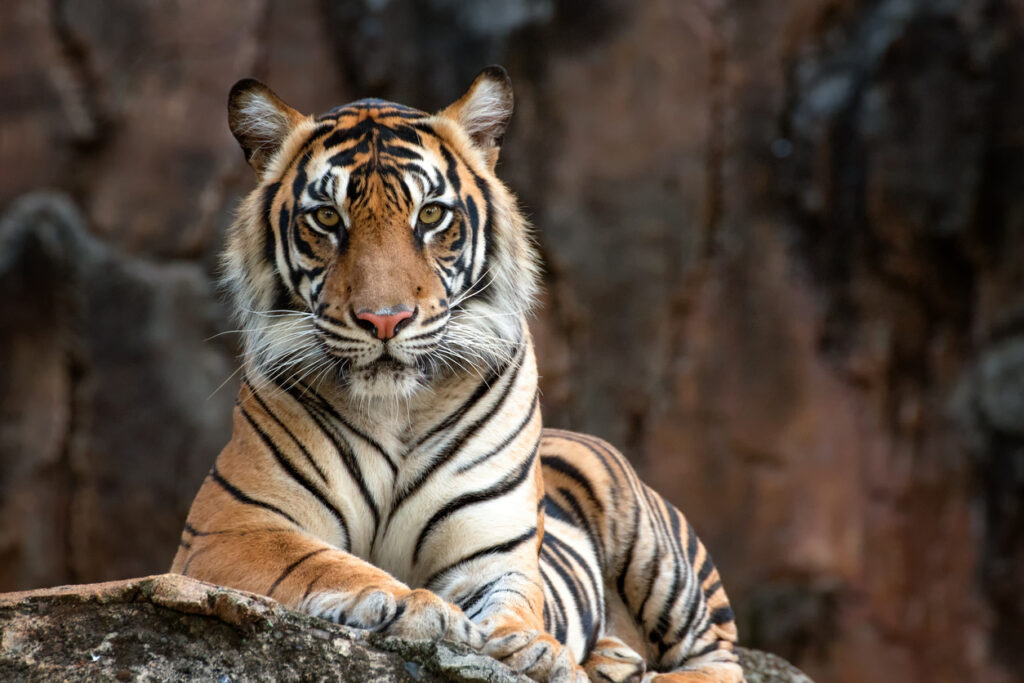
However, if you’re expecting a tiger to curl up and purr like your tabby, don’t hold your breath. Tigers don’t purr the way domestic cats do, and that’s actually true for all the big cats. However, that doesn’t mean they’re silent or emotionally detached. In fact, tigers have a whole range of strange and powerful ways to express themselves, and most of them are a lot louder than a gentle purr.
Tigers can’t purr continuously.
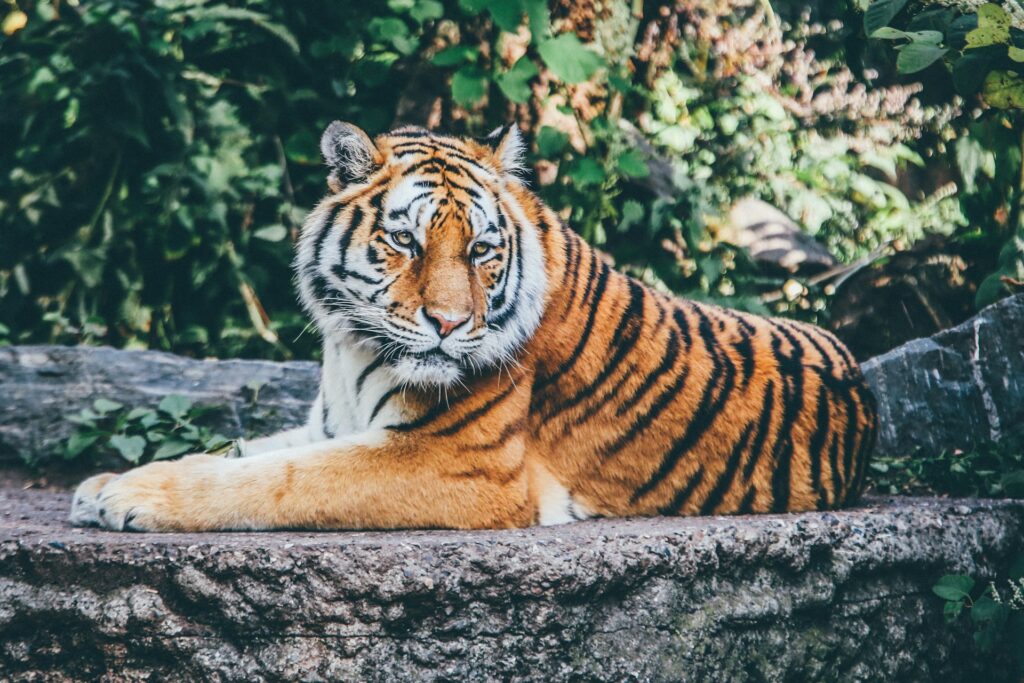
The purring you hear from a house cat is a consistent sound made during both inhaling and exhaling. Tigers can produce a similar noise when exhaling, especially during relaxed moments, but they can’t do it continuously. That’s because their throat structure, specifically the hyoid bone, differs from smaller cats. It’s less rigid in big cats, which allows them to roar but takes away their ability to create that soothing, motor-like hum on both breaths.
They roar instead, and it’s built for power.
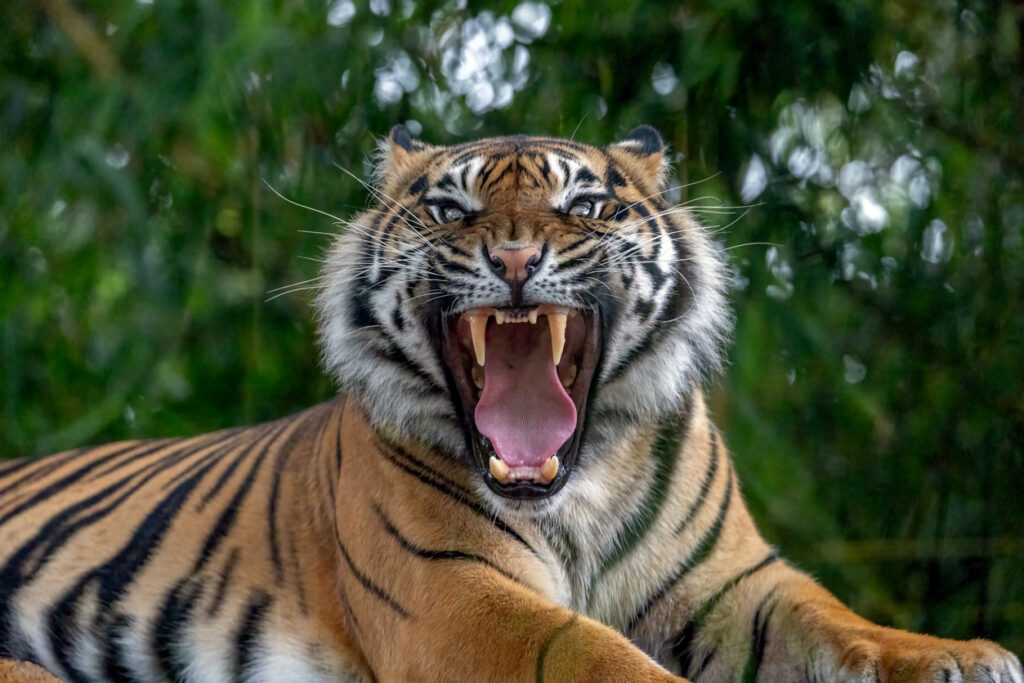
Tiger roars are designed to travel far and hit hard. A single roar can be heard from up to two miles away and contains low-frequency sounds that can be felt in the chest as much as heard. Roaring isn’t just about volume. It’s how tigers claim territory, intimidate rivals, and call out to potential mates. It’s a sound that says “back off” in a way that doesn’t leave much room for confusion.
Chuffing is their friendlier sound.
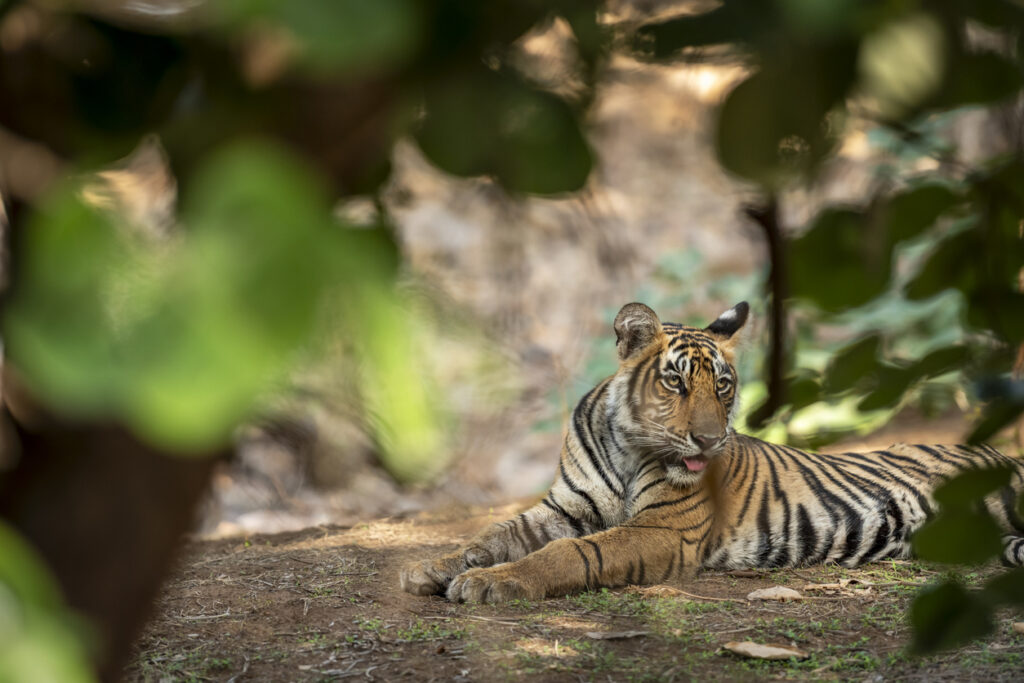
When tigers are feeling sociable or relaxed, they make a soft, breathy snort called a “chuff.” It sounds a bit like an airy puff through the nose and is used between friendly tigers or by mothers with cubs. Chuffing is their version of a warm greeting. Unlike roaring, it’s non-threatening, and keepers at wildlife reserves often train tigers to respond to it as a sign of calm connection.
They use scent to leave bold messages.

Tigers are all about invisible communication. They spray scent marks on trees, rocks, and paths using a strong-smelling mix of urine and gland secretions. It tells other tigers everything they need to know: who’s been there, their sex, even if they’re ready to mate. It might not seem glamorous, but this kind of silent messaging helps avoid fights. If a tiger knows a more dominant male’s already staked out an area, they’ll often just turn around.
Scratching trees is more than just stretching.
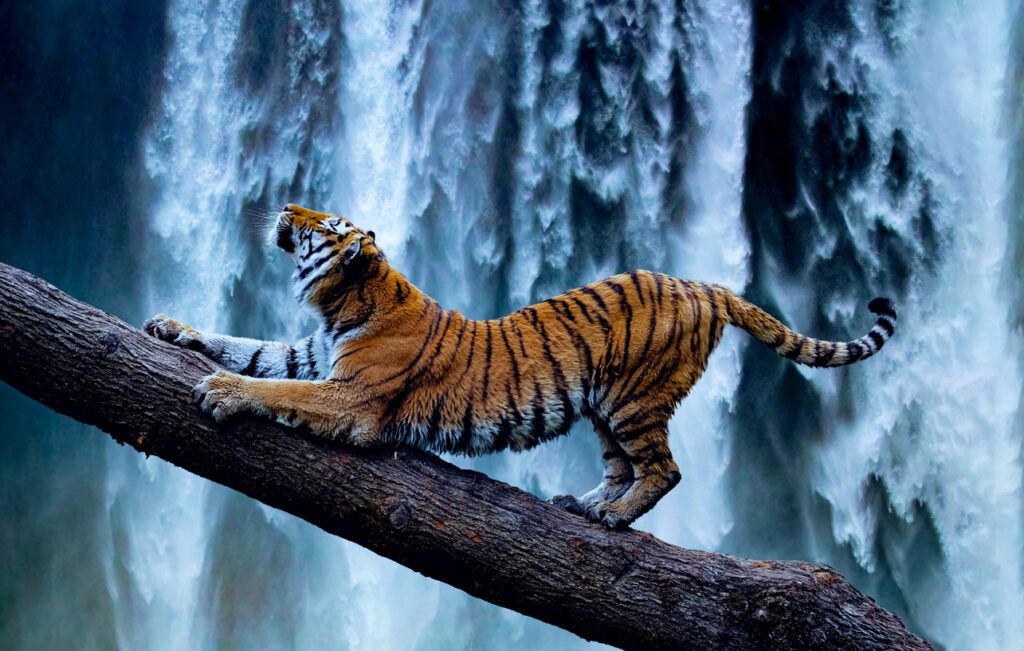
Those claw marks on trees aren’t random. Tigers scratch high up on tree trunks to signal their size and strength. The higher the marks, the bigger and more dominant the tiger is likely to be. It’s also a handy way of depositing scent from glands in their paws. So it’s a visual and chemical billboard that says, “I was here, and I’m not small.”
Their body language is incredibly nuanced.
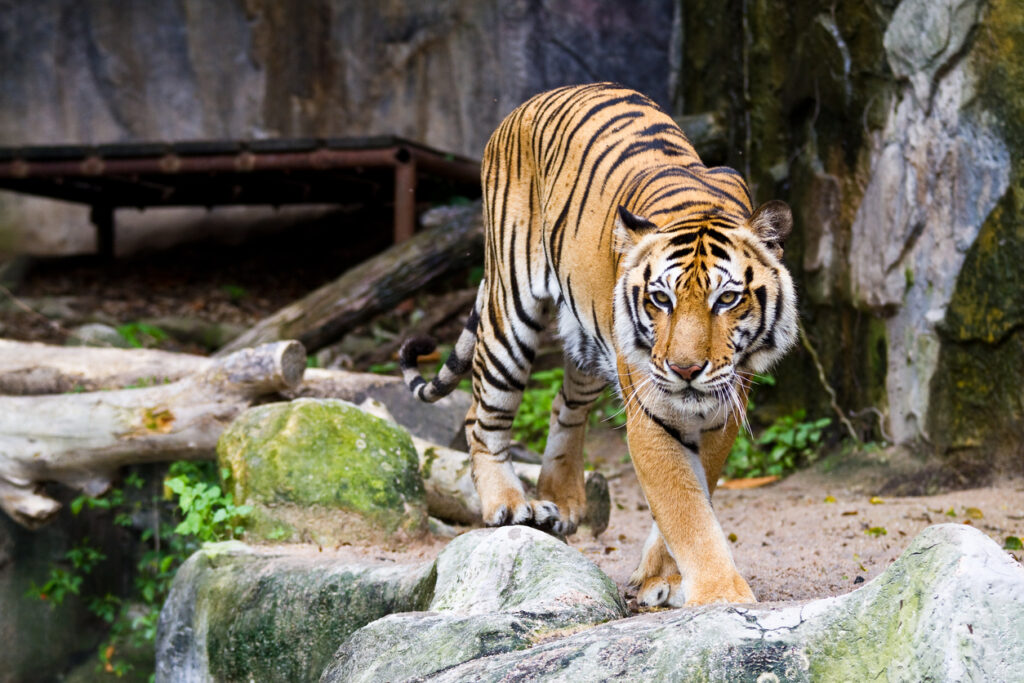
Tigers use posture, tail movement, and facial expressions to show what mood they’re in. A relaxed tail and slow blinking often signal contentment, while flattened ears or a tense body say the opposite. Their non-verbal communication is essential in the wild, where one wrong move could spark a dangerous fight. Tigers prefer to signal first and avoid unnecessary confrontations.
Cubs mew and squeak like kittens.
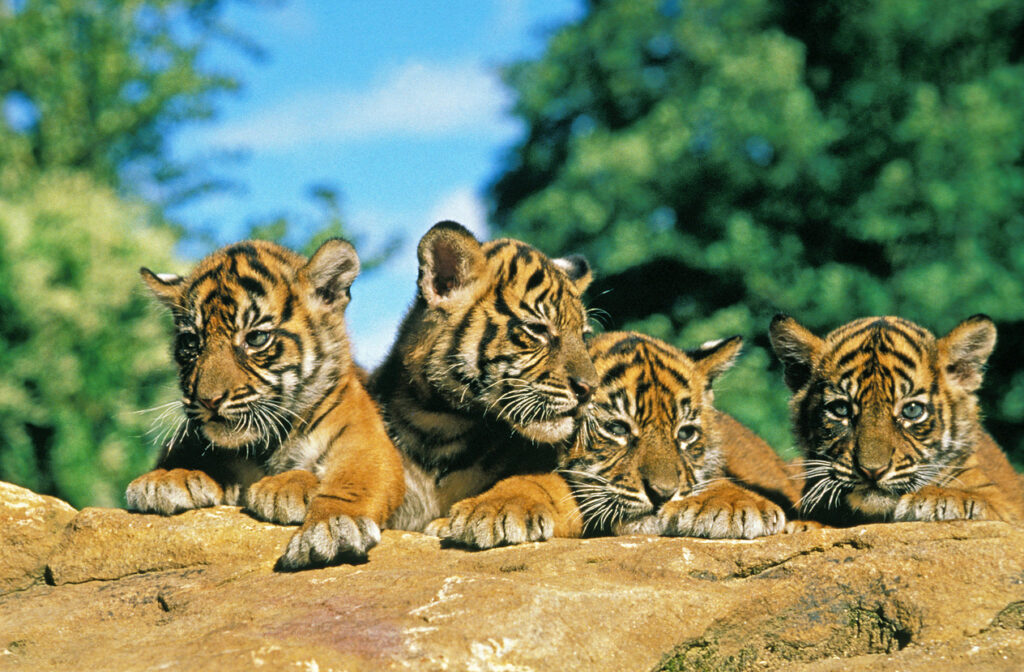
Baby tigers sound surprisingly similar to house cats when they’re little. They mew, whine, and even squeak to get their mother’s attention or express discomfort. It’s all very high-pitched and surprisingly endearing. As they grow older, their voices deepen, and those kitten-like sounds disappear. However, for a short while, even the future rulers of the jungle sound like helpless babies.
Growling is their go-to warning.
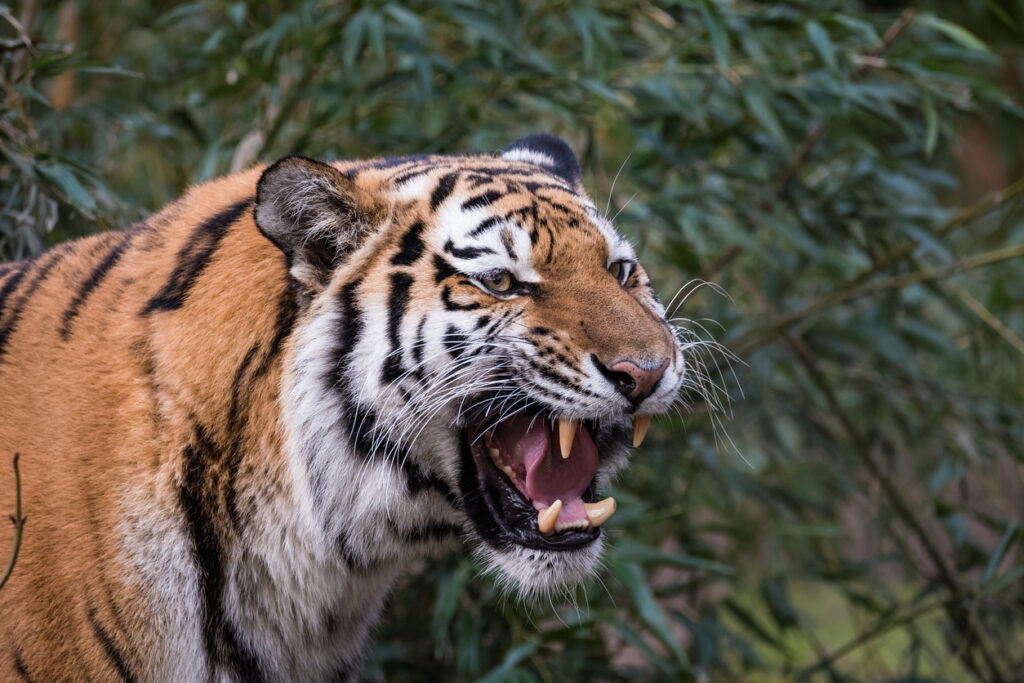
When a tiger’s annoyed or feeling threatened, it growls, and it’s not the kind of growl you want to stick around for. It’s deep, throaty, and full of tension. It means “leave me alone” loud and clear. They’ll often show their teeth or flick their tails at the same time. In the wild, this usually ends a conflict before it begins. The message: back off, or else.
They hiss, spit, and snarl too.
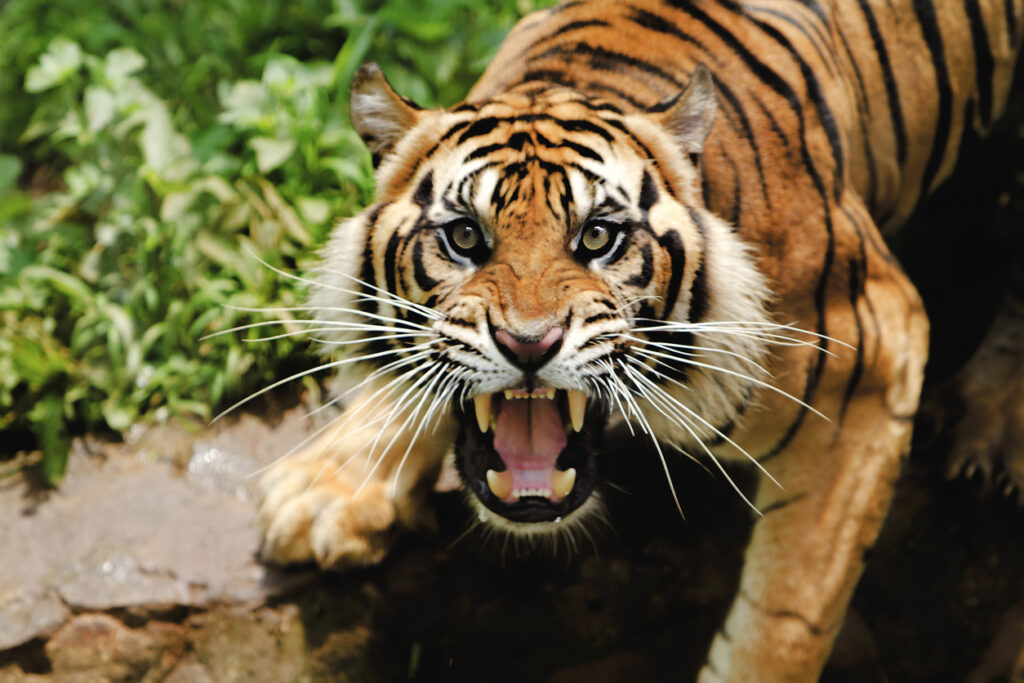
Sound familiar? Tigers hiss and spit like house cats when they feel threatened or cornered, especially during fights with other tigers. It’s a burst of sound that’s all about bluff and showmanship. It might look dramatic, but it’s often a warning designed to prevent an actual clash. If the other tiger listens, the drama ends there. If not, things can get messy.
Vocal cues change with context.
Tigers don’t just roar for the same reason every time. The pitch, length, and tone of their vocalisations vary depending on what they’re trying to say—whether it’s “stay away,” “come here,” or “I’m ready to mate.” Researchers are still decoding these patterns, but one thing’s clear: tiger communication is far more sophisticated than most people assume. It’s not all brute force.
Tail flicks are surprisingly expressive.

That powerful tail isn’t just for balance. It’s also a mood barometer. A calm, slow-moving tail usually signals a relaxed tiger, while rapid flicking or twitching suggests irritation or alertness. Much like dogs, tigers communicate a lot through subtle tail movements. Watching the tail can often tell you how close you can safely get, or whether you should get out of the way entirely.
Their silence can be just as meaningful.

Sometimes, a tiger doesn’t need to make a sound at all. Their sheer presence, posture, and scent do all the talking. In fact, silence is often their most powerful form of communication because it signals confidence, dominance, or intense focus. So while they may not purr like a pet cat, tigers communicate in dozens of rich, layered ways. Whether it’s a roar, a chuff, or just a lingering claw mark on a tree, they make sure their message is heard loud and clear.