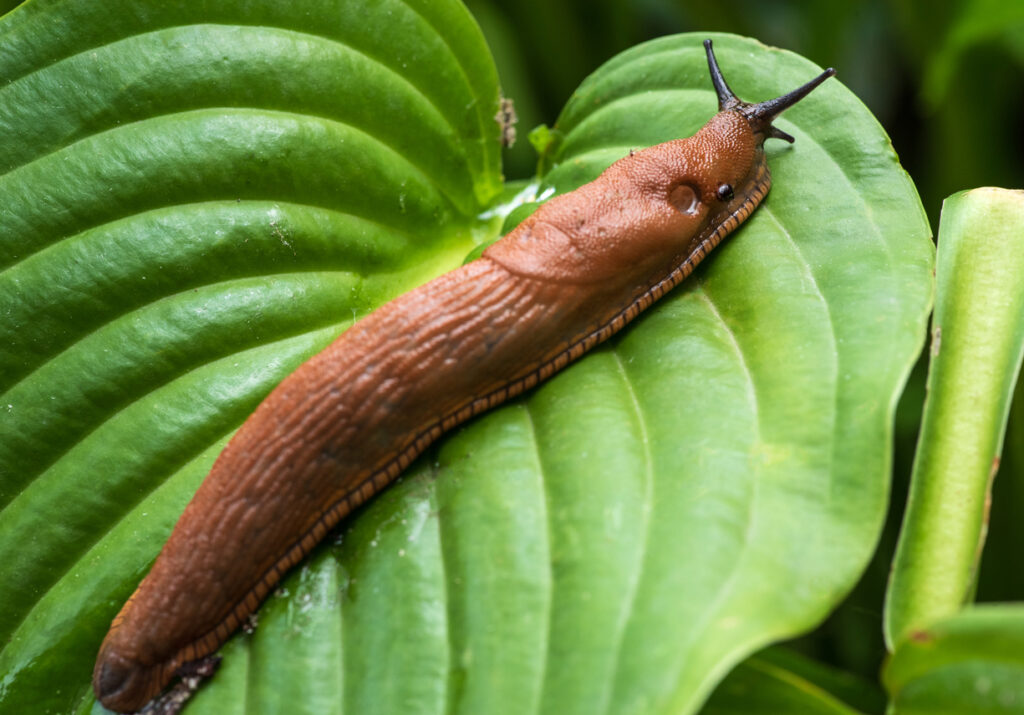
Slugs and snails have a special talent for finding your most precious plants and absolutely demolishing them overnight. Whether it’s hostas, seedlings or soft herbs, no garden is totally safe from their midnight raids. However, before you reach for harsh chemicals or resort to despair, there are some genuinely easy ways to keep them at bay, without turning your garden into a battlefield.
Grow the plants they can’t stand.
Not all plants are slug magnets. Many hardy or aromatic ones are naturally unappealing to them. Think lavender, rosemary, geraniums, foxgloves, and ferns because they’re just not tasty enough. Filling your borders with these kinds of plants can create a sort of natural barrier. You’ll still need to protect the slug favourites, but this takes the pressure off.
Water in the morning, not at night.
Slugs and snails love damp conditions, especially at night when they come out to feed. Watering your garden in the evening basically lays out a buffet for them. Switch to morning watering so your soil has time to dry out before nightfall. Less dampness means fewer slime trails and fewer midnight snacks on your plants.
Raise vulnerable plants off the ground.
Delicate seedlings and leafy greens don’t stand much chance at ground level. Try lifting them up in pots, growbags, or raised beds, even a few inches can make a difference. Slugs don’t love climbing if they can avoid it, and it makes it easier for you to spot and remove any that do. Bonus: better drainage and airflow for your plants, too.
Use copper tape or rings.
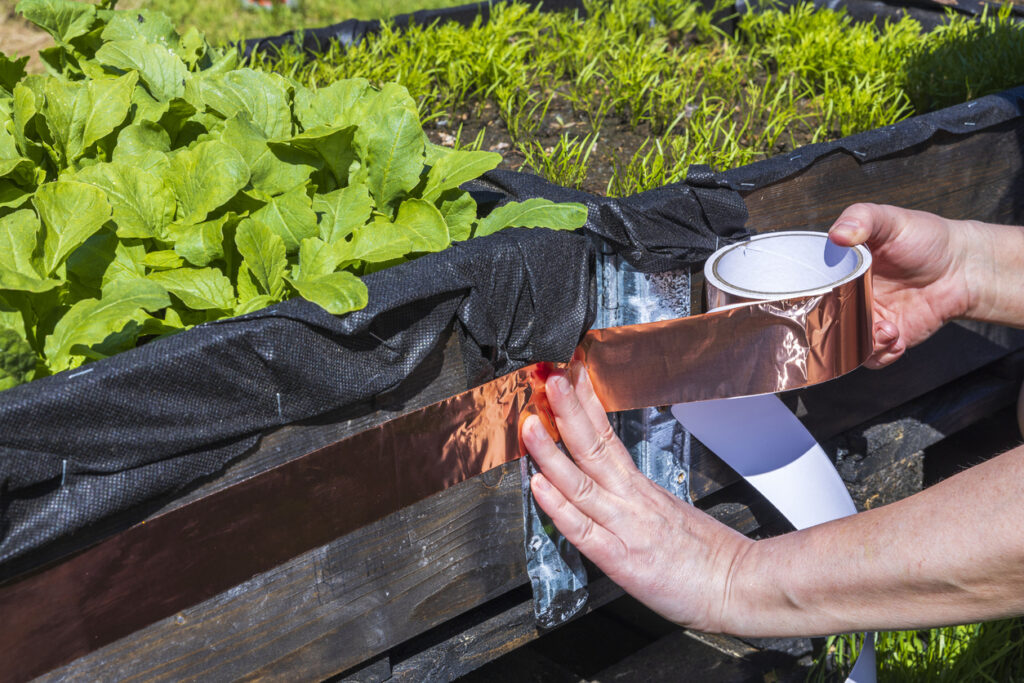
Copper gives slugs and snails a mild electric-style shock when they try to cross it, and they generally won’t bother twice. You can buy copper rings for plants or stick copper tape around pots. It’s a great chemical-free option for containers or raised beds, and once it’s in place, it works quietly in the background. Just keep it clean for full effect.
Trap them with beer (yes, really).
It sounds like a weird old wives’ tale, but it works. Slugs are attracted to the yeast in beer, so you can sink a small container into the soil and fill it halfway with lager or ale. They crawl in, fall in, and that’s the end of that. Not glamorous, but surprisingly effective for small areas or veg patches.
Lay down crushed eggshells or grit.
Slugs hate crawling over rough, scratchy surfaces. Sprinkling crushed eggshells, sharp grit, or horticultural sand around your most vulnerable plants can help create a barrier. It won’t stop them completely, but it makes your plants less appealing compared to smoother ground nearby. Just reapply after heavy rain.
Make use of natural predators.
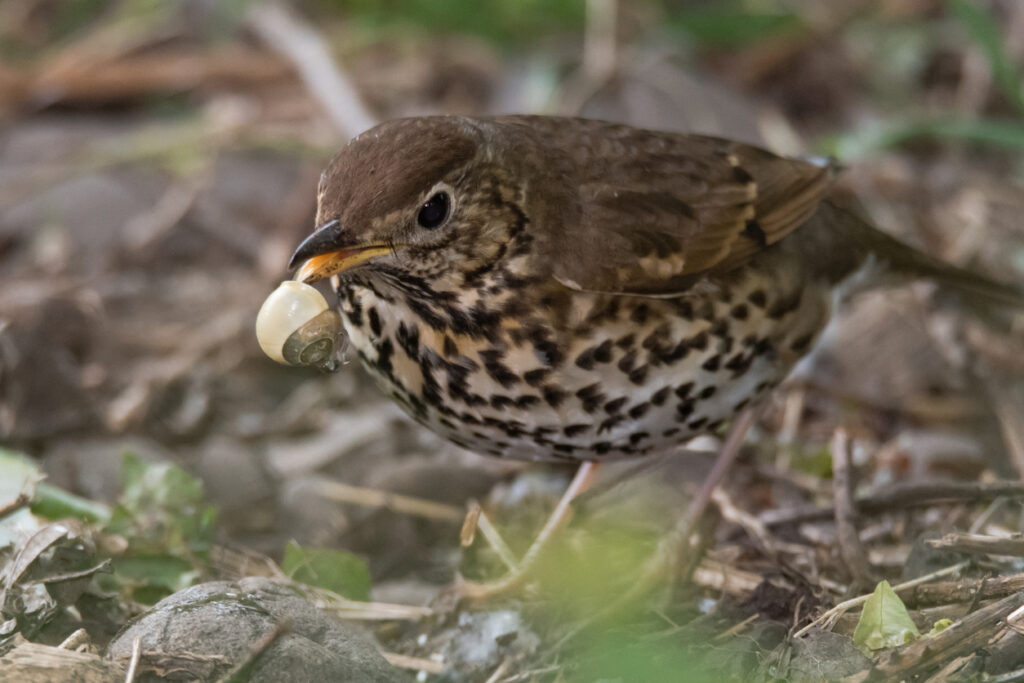
Encouraging birds, frogs, hedgehogs, and even ground beetles into your garden can make a real dent in the slug population. They do the work for you, no chasing required. Leave a bit of wild space, add a shallow dish of water, or stack some logs in a shady spot. The more balanced your garden’s mini-ecosystem is, the fewer pests you’ll have to deal with.
Go for nematodes if things get serious.
If the infestation’s got out of hand, nematodes are a great natural fix. These microscopic worms target slugs in the soil without harming anything else. You just water them in and let them do their thing. It’s a bit more hands-on than other methods, but ideal if you want a serious slug solution that doesn’t involve chemicals.
Use coffee grounds sparingly.
Slugs don’t like caffeine, and it can be toxic to them in large doses. Used coffee grounds sprinkled around plants can act as a mild repellent and add a bit of organic matter to your soil too. Don’t overdo it, though. Too much can mess with your soil’s pH. Use lightly and mix it with other mulch if you’re unsure.
Keep your garden tidy (but not too tidy)
Slugs love hiding under debris, pots, stones, and dense weeds during the day. Keeping things a bit tidier can make your garden less appealing for daytime lurking. That said, you still want to leave some shelter for natural predators, so aim for tidy, not sterile. A bit of balance goes a long way.
Mulch with bark or straw.
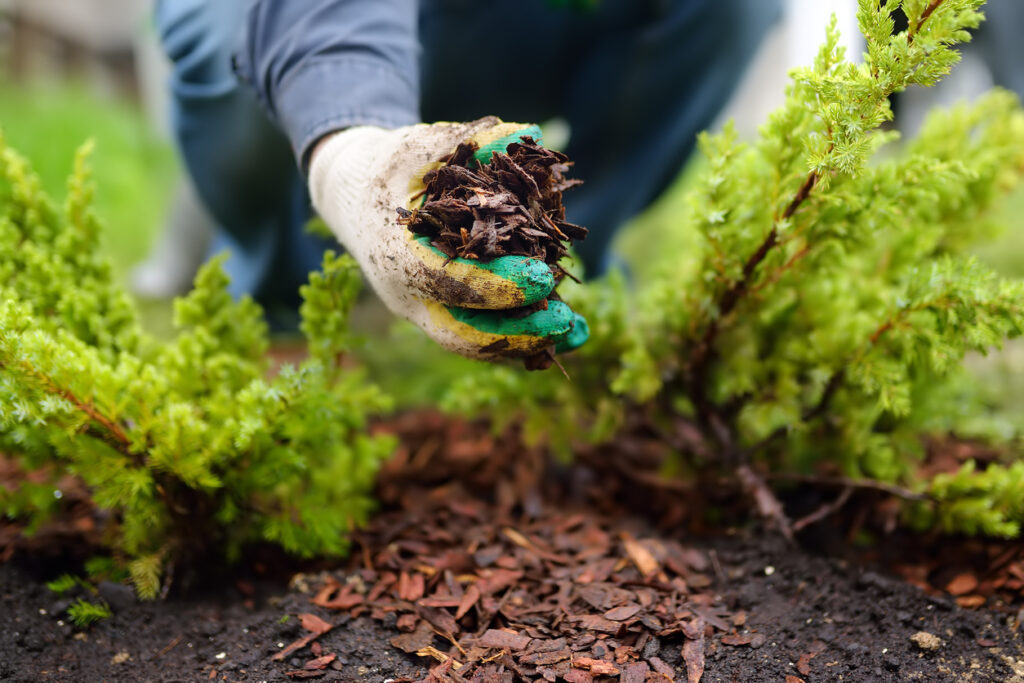
Mulching helps with moisture retention and weed control, but it also creates a less slug-friendly surface. Bark and straw mulches are rougher and drier, which they’re not too fond of. It won’t stop them entirely, but combined with other methods, it can make a noticeable dent. Plus, your plants will thank you for the added moisture control, too.
Pick them off at night—it really works.
If you’ve got the patience, a nighttime patrol with a torch can be surprisingly effective. Slugs and snails come out when it’s dark, and hand-picking them is one of the most direct ways to reduce numbers. Drop them into a bucket of soapy water or relocate them far, far away. Not glamorous, but oddly satisfying when you see the difference the next day.
Don’t forget about under pots and trays.
Slugs love to lurk underneath pots, trays, and anything with a bit of shade and moisture. If your plants keep getting nibbled, and you can’t see why, check underneath. Raising pots on feet or bricks can reduce hiding spots. And giving things a quick lift every few days keeps the slimy squatters on their toes.
Accept a little nibbling, and focus your efforts.
In most gardens, you’ll never get rid of slugs completely, and that’s okay. Some plants will get nibbled, and life goes on. The trick is to protect the ones you really care about. Focus your efforts on your favourite plants or the most vulnerable ones. With the right methods, you can stop the damage from turning into destruction, and still enjoy a thriving garden.