Guacamayas, better known as macaws, are some of the most striking and intelligent birds on the planet.
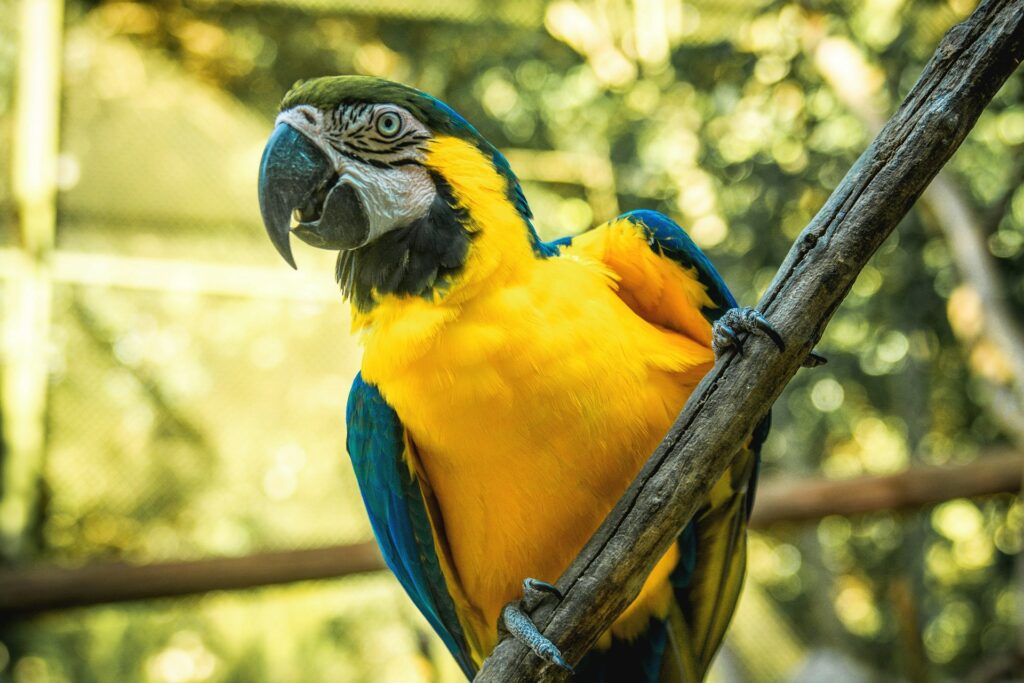
With their vivid feathers, bold personalities, and surprising emotional depth, these parrots are more than just eye-catching. Found mostly in Central and South America, they’ve fascinated humans for centuries, and it’s not hard to see why. Here are 13 interesting things about macaws that prove they’re as smart and complex as they are colourful.
They’re part of the parrot family.
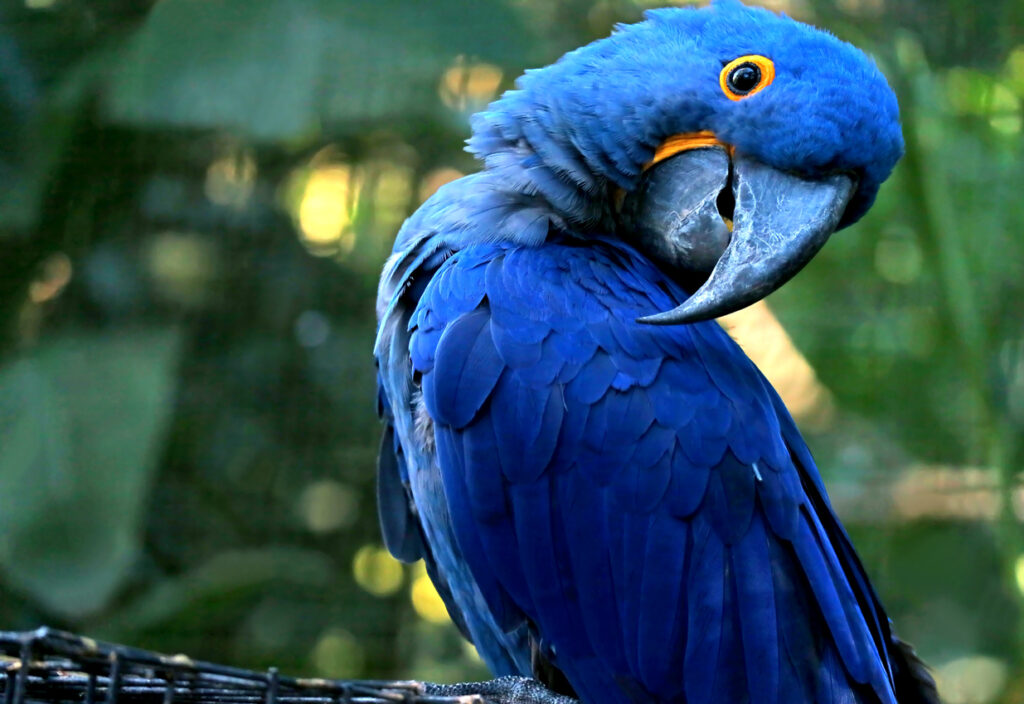
Macaws are the largest members of the parrot family, and they share many traits with their smaller relatives—like curved beaks, zygodactyl feet (two toes forward, two back), and a talent for mimicking sounds. But macaws tend to be louder, more dramatic, and physically more powerful than your average budgie or cockatiel.
Despite their size, macaws are incredibly agile. They use their strong beaks not just for cracking nuts, but like a third limb—gripping branches, climbing, and even helping them balance as they move through trees. They’re basically the gymnasts of the jungle.
Perhaps unsurprisingly, they’re incredibly intelligent.
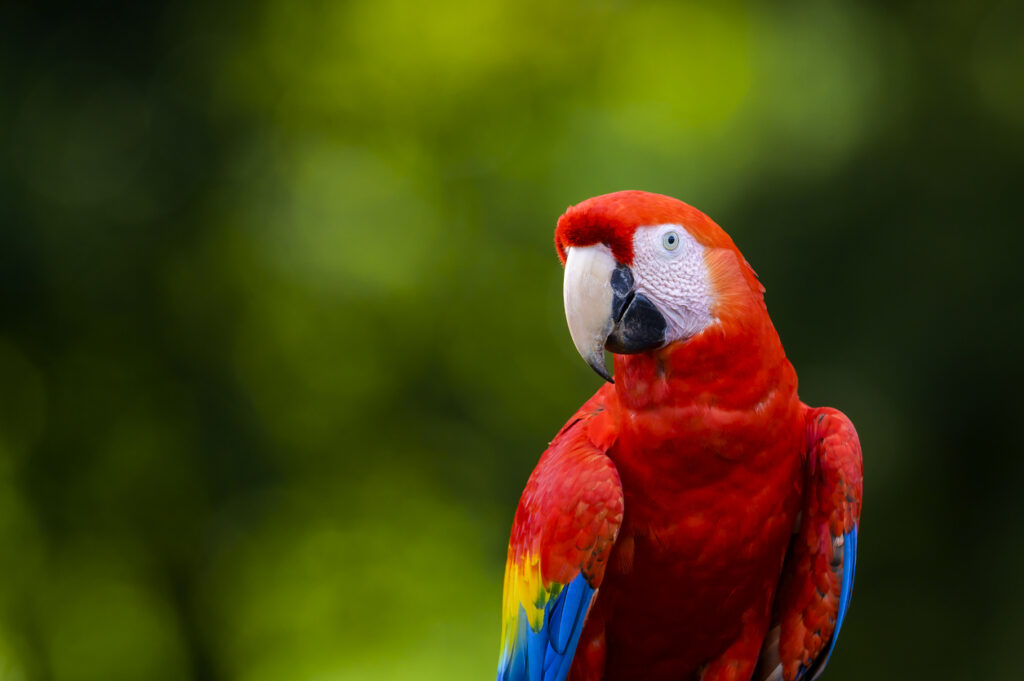
Macaws are problem-solvers. In the wild and in captivity, they’ve shown they can use tools, figure out puzzles, and even learn the concept of cause and effect. They remember patterns, faces, and routines, and can quickly get bored if not mentally stimulated.
Their intelligence makes them both charming and demanding. A bored macaw will find a way to entertain itself, even if that means dismantling your furniture or mimicking your voice at inconvenient times. They need interaction, enrichment, and a lot of attention.
They mate for life.

Macaws form strong, monogamous pair bonds that can last for life. They’re loyal partners, often seen flying together, grooming each other, and raising chicks as a team. Their emotional connection runs deep, and if one dies, the other can genuinely grieve.
In captivity, bonded pairs will even feed one another or call out if they’re separated. It’s one of the reasons macaws are often symbols of love and devotion in Indigenous cultures. They don’t just tolerate their partners, they truly bond.
Their colours aren’t just for show.

Macaws come in bright blues, reds, greens, and yellows, and while it might look like a fashion statement, those feathers serve practical purposes. In the dappled light of the rainforest, those colours actually help them blend in, not stand out. Each macaw species has its own unique palette, and in many cases, their colouring helps them identify each other from a distance. It’s a built-in name tag and camouflage all in one, proving that nature is smarter than it looks.
They can live for decades.

One of the lesser-known facts about macaws is their longevity. In the wild, they can live 30 to 50 years. In captivity, with proper care, some macaws have reached their 70s or even 80s. They’re truly long-term companions. This long lifespan makes owning a macaw a serious commitment. Many outlive their owners, which is why they’re often passed down through families or given to bird sanctuaries. They’re not a casual pet—they’re a lifetime relationship.
They have loud, powerful voices.

You’ll hear a macaw before you see it. These birds have incredibly loud calls that carry for miles in the wild. It’s not just shouting for the fun of it—it’s how they keep in contact with mates and flock members through dense forest. In a home setting, this volume can be… a lot. Even the most affectionate macaws will screech if they’re bored, excited, or just want attention. It’s their natural way of communicating, so soundproofing might become your best friend.
They play an important role in the ecosystem.
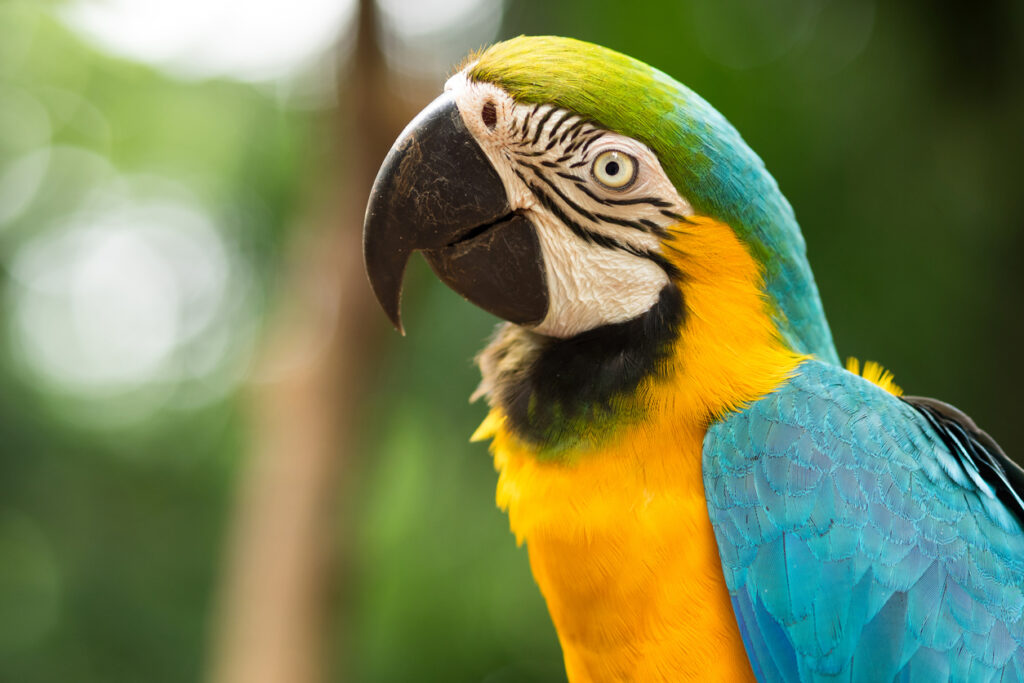
Macaws are essential to the health of rainforests. As they forage, they help with seed dispersal by eating fruits and nuts and spreading seeds far from the parent plant. This helps with plant diversity and forest regeneration. In short, they’re not just pretty birds—they’re gardeners of the rainforest. Some trees actually rely on macaws to survive. It’s a delicate balance, and losing macaws from a habitat can have a ripple effect on the entire ecosystem.
They love to chew—everything.
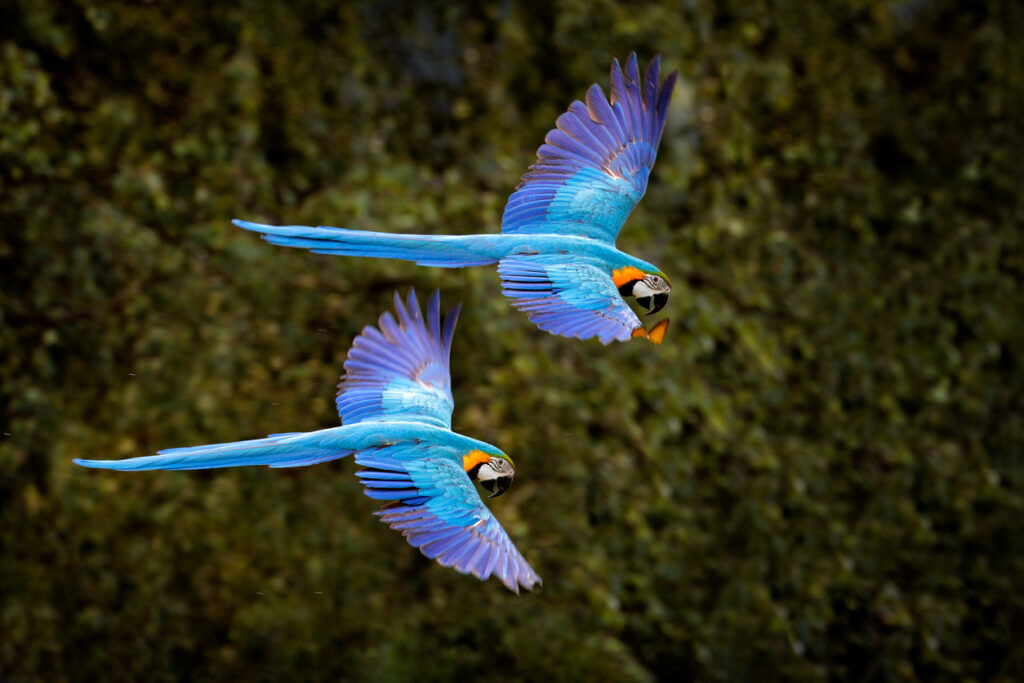
A macaw’s beak is a force to be reckoned with. It’s designed to crack open the toughest nuts and seeds, which means it can also reduce wooden furniture to splinters if given half a chance. Chewing is how they explore and stay entertained. In the wild, this habit helps keep their beaks trimmed and their brains busy. In captivity, it’s important to provide chew toys or safe branches to prevent boredom, and protect your home from becoming a DIY macaw remodel.
They’re highly social.
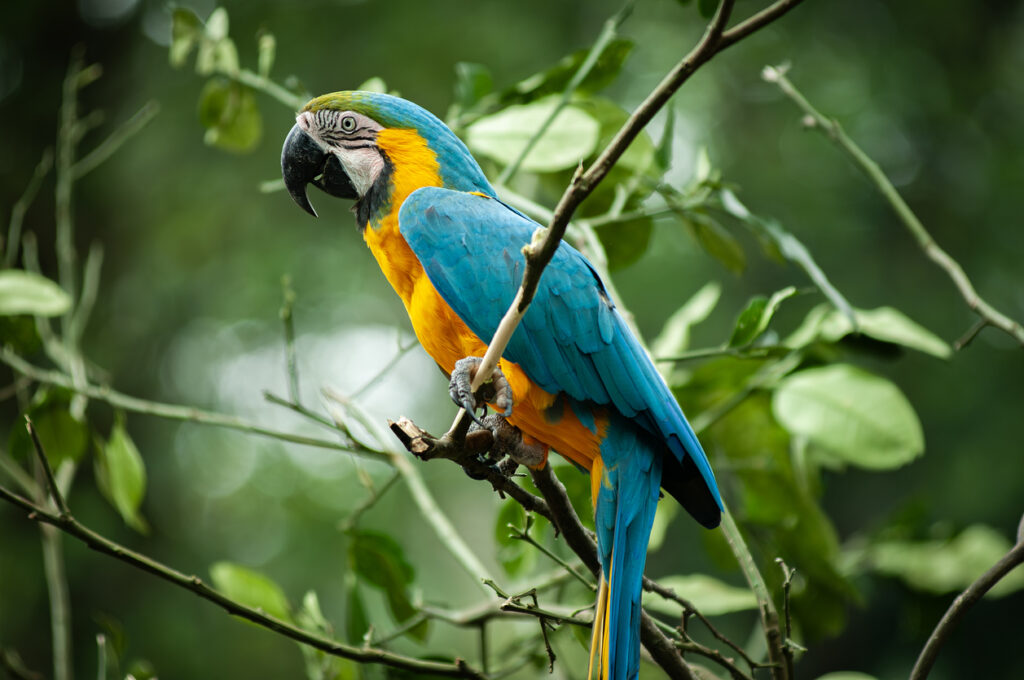
Macaws thrive in social environments. In the wild, they live in flocks and rely on those social structures for safety, foraging, and play. A solo macaw is often a sad macaw—they’re wired to interact constantly with others. This is why they don’t do well in isolation. They need daily interaction, whether that’s with people, other birds, or enriching environments. Neglected macaws can become depressed, aggressive, or develop repetitive behaviours like feather plucking.
They’re excellent flyers.
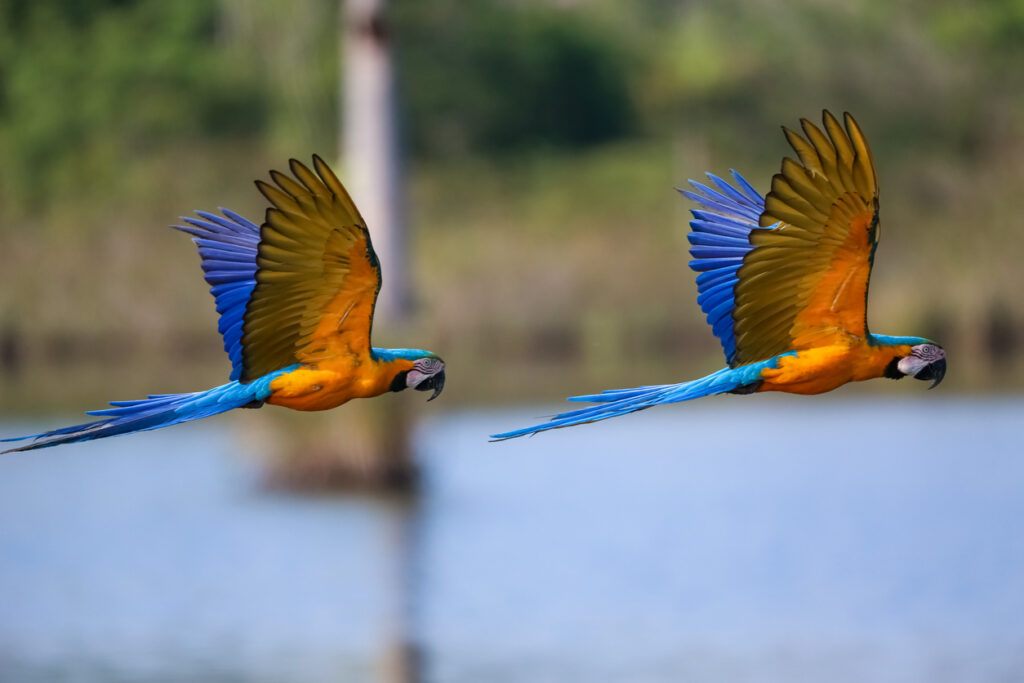
In their natural habitat, macaws are incredibly strong flyers, travelling long distances to find food and water. Their wingspans can reach up to four feet, and they’re graceful in the air, even if they look a bit bulky on the perch. Watching a macaw in full flight is breathtaking. It’s part of why conservation efforts include rewilding programs that let macaws fly freely in protected environments. These birds are built to soar, not stay caged.
Many species are endangered.
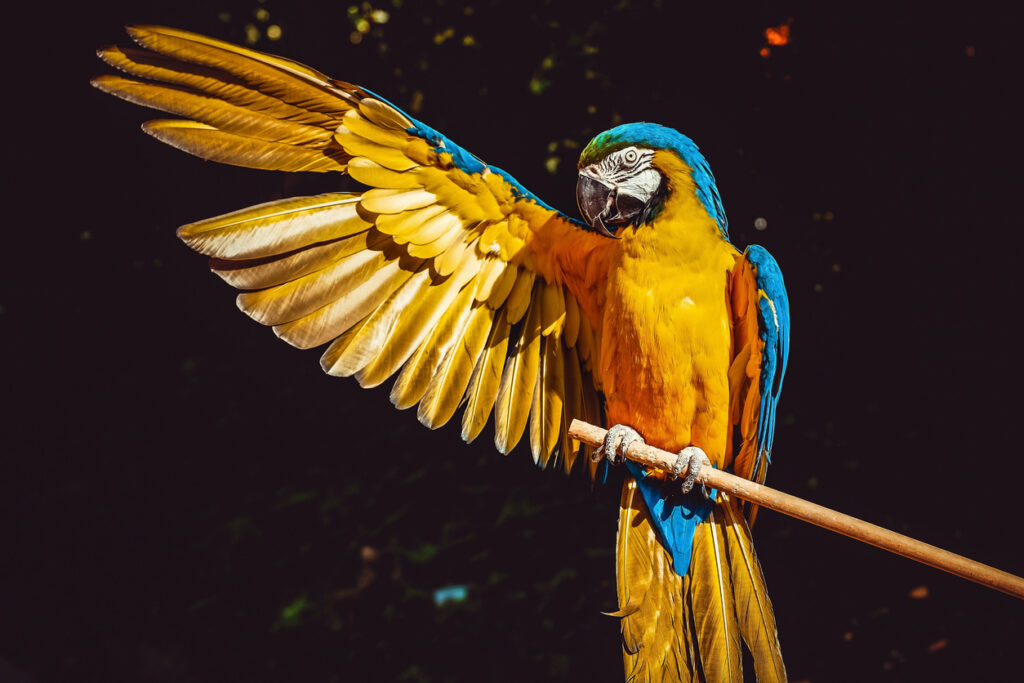
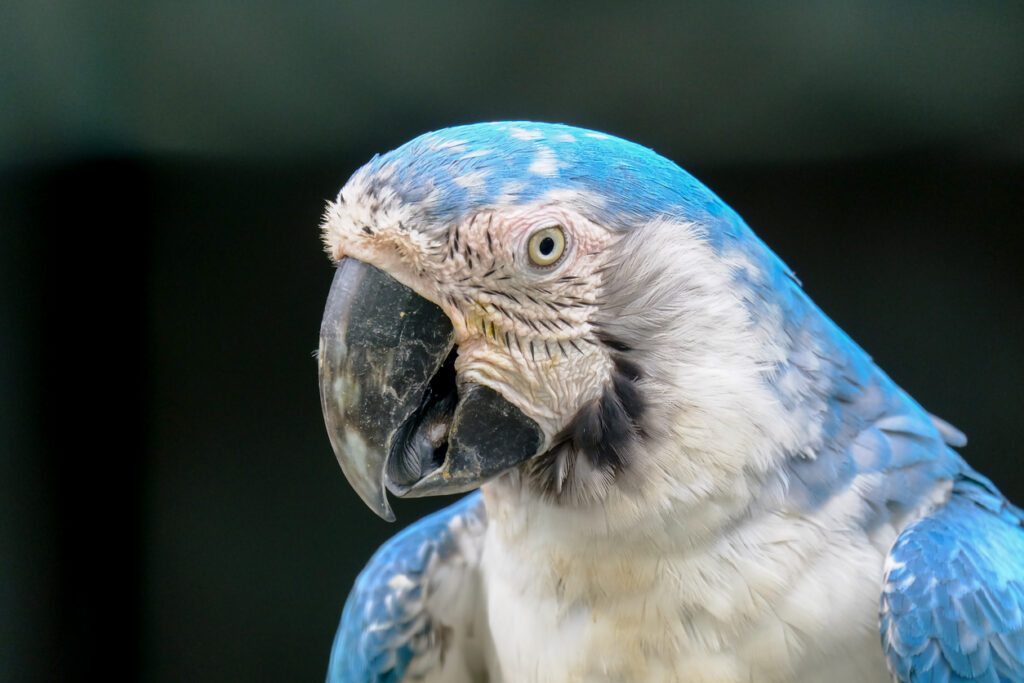
Sadly, several macaw species are threatened or endangered due to habitat destruction and illegal pet trade. The Spix’s macaw, for example, was declared extinct in the wild until very recently, when reintroduction programs began.
Conservation groups around the world are working to protect macaws through habitat preservation, breeding programs, and education. Supporting ethical sanctuaries or avoiding wild-caught birds helps keep these stunning animals around for future generations.
They use body language to communicate.
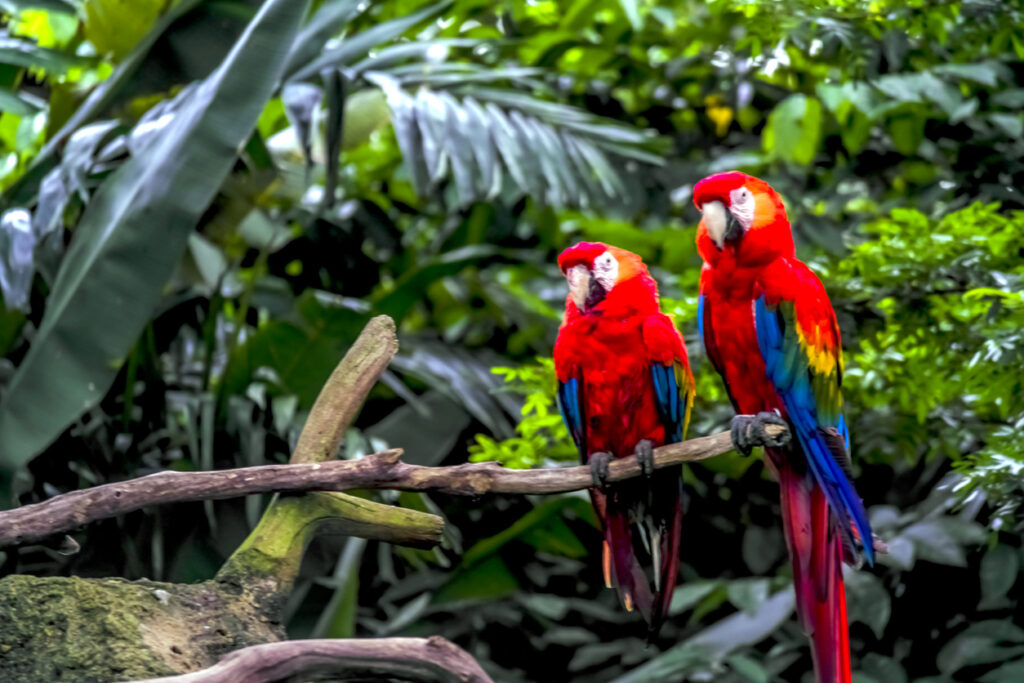
Macaws don’t just rely on their voices—they use body language to express themselves. Raised head feathers, tail swishes, beak grinding, and even wing positioning all signal different moods and intentions. If you spend time with a macaw, you’ll start to understand their “tells.” It’s a bit like learning a new language, and it makes their personality even more fascinating. You’ll know when they’re happy, annoyed, or just being cheeky.
They hold deep cultural meaning.
In many Indigenous cultures, macaws are more than just animals—they’re symbols of power, wisdom, and connection to the spirit world. Their feathers are used in ceremonies, art, and traditional clothing across Latin America. Their presence in mythology and ritual highlights how deeply humans have always connected with these birds. They’re not just wildlife—they’re part of the story, part of the culture, and deeply respected for what they represent.