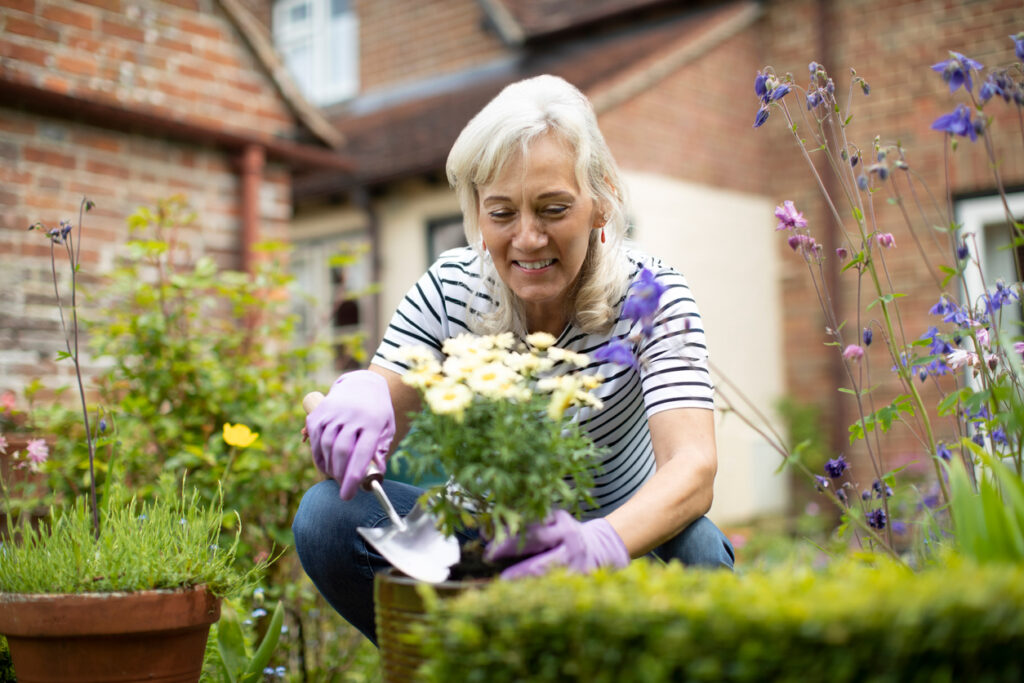
Gardening doesn’t have to stop when your body tells you it’s time to slow down. Whether it’s age, injury, or simply not wanting to spend the next day nursing an aching back, there are plenty of smart ways to keep doing what you love—without the strain. From clever tools to low-maintenance planting strategies, here are some simple ways to adapt your gardening routine when digging, lifting, and bending aren’t as easy as they used to be.
Focus on raised beds and planters.
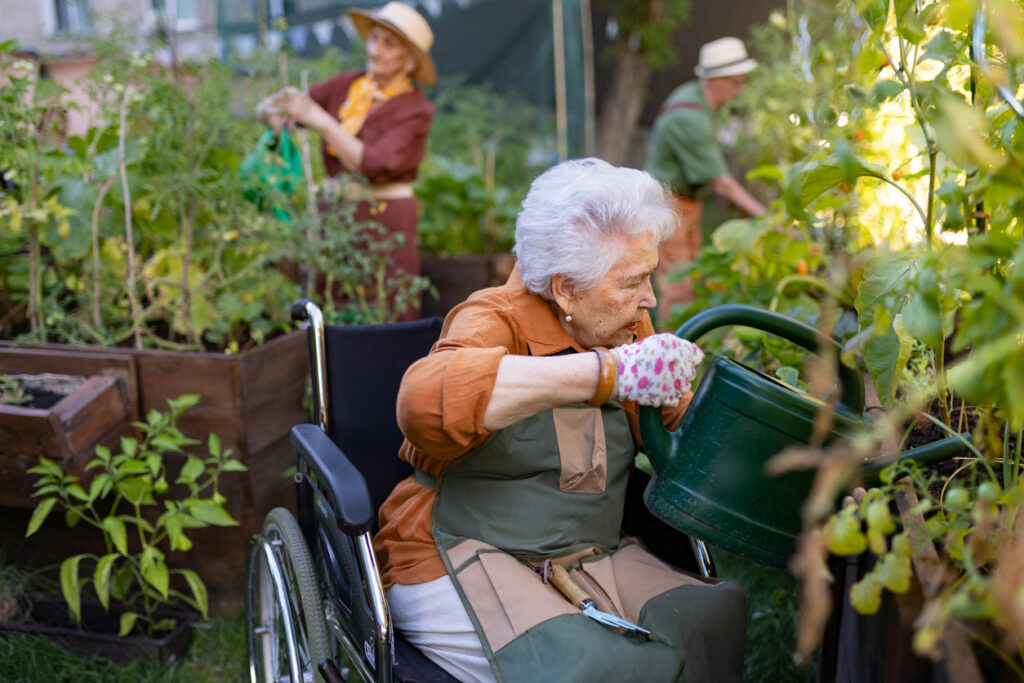
Raised beds bring your plants closer to you, so there’s far less bending and kneeling involved. You can build them to any height that suits you—waist-height is ideal if you want to garden while standing, and lower ones work well if you’re happy to sit on a small stool. Planters, troughs, and large containers can also create accessible growing areas on patios, balconies, or paths. Just make sure they’re sturdy and don’t require constant repositioning. The less bending and dragging, the better.
Use lightweight tools designed for comfort.
There’s no need to lug around heavy metal tools when ergonomic and lightweight versions exist. Look for long-handled trowels, spades, and weeders that reduce strain on your back and wrists. Some even have angled handles for a more natural grip. Many brands now make tools specifically designed for gardeners with arthritis or mobility issues. They’re often padded, easy to grip, and cleverly balanced to make gardening feel like less of a workout and more of a joy.
Switch to no-dig gardening methods.
No-dig gardening is exactly what it sounds like—an approach that leaves the soil structure undisturbed. Instead of turning the soil over, you add layers of compost and organic matter right on top. Over time, worms and microorganisms do the rest for you. This method saves your back and helps improve soil health naturally. It’s ideal for raised beds and borders, and can be especially handy if your garden is heavy clay or full of stubborn roots.
Choose low-maintenance plants.
If lifting watering cans and constant pruning is becoming a chore, make your life easier with plants that thrive on a bit of benign neglect. Hardy perennials, native wildflowers, ornamental grasses, and shrubs like lavender or rosemary need little fuss once established. Group plants with similar care needs together so you can water, feed, or tend to them in one go. Less rushing around the garden means more time actually enjoying it.
Rethink your watering setup.
Dragging hoses or lugging watering cans isn’t just annoying—it can be genuinely risky if you’re dealing with balance or joint issues. A good solution is installing soaker hoses or drip irrigation systems that deliver water right to the roots with minimal effort. If that’s not practical, consider placing water butts near your most-used garden spots, or keeping a small hose reel near raised beds. Making water more accessible will save you a lot of energy, and spills.
Sit down while you garden.
A foldable garden stool or kneeler with side handles can make a big difference. Some come with built-in tool storage, so everything you need is right there with you. Sitting while you plant, prune, or pot up seedlings takes the strain off your knees and lower back. Better still, try gardening from a chair or bench, especially when working with containers or raised beds. Comfort isn’t laziness—it’s smart energy management when your body has other ideas.
Mulch generously to reduce weeding.
Weeding can be the most physically draining part of gardening. Laying down a good layer of mulch helps suppress weeds, retain moisture, and improve the soil as time goes on, all without back-breaking effort. Use bark chips, compost, straw, or even grass clippings, depending on your garden style. Not only does it save you time and pain, but it also gives the beds a tidy, well-kept look with very little fuss.

Grow vertically whenever possible.
Climbing plants and vertical planters can help bring the garden up to you. Trellises, wall-mounted pots, and vertical herb towers reduce the need for digging and make harvesting and maintenance much easier. Plants like peas, beans, cucumbers, strawberries, and even some squash thrive when given the chance to climb. It’s a great way to make the most of small spaces without overloading your joints.
Break tasks into smaller chunks.
Gone are the days of digging the whole border in one afternoon. These days, doing a little at a time is not just sensible, it’s sustainable. Give yourself permission to spread gardening jobs out over several days, or even weeks. Set achievable goals like “plant three things” or “weed this corner” instead of trying to tackle the whole garden in one go. Small victories are still progress, and they’ll help you enjoy gardening without overdoing it.
Ask for help when you need it.
There’s no shame in needing an extra pair of hands. Whether it’s a family member, friend, or even a local gardener who can pop by for the heavier lifting, accepting help allows you to keep doing what you enjoy. Better yet, make it a social thing. Invite someone round for a cuppa and a bit of light pruning. You’ll get the job done and have a laugh while you’re at it—which, let’s face it, is half the joy of being in the garden anyway.