Some of the UK’s most beautiful plants also happen to be toxic.
From wild hedgerows to neatly kept gardens, poisonous plants are more common than people realise. While most are harmless if left alone, it’s worth knowing which ones to avoid, especially if you’ve got pets or small kids around. While you don’t need to be afraid of them, they’re certainly best admired from a healthy distance.
Foxglove (Digitalis purpurea)

Foxgloves are tall, elegant, and striking—but every part of this plant is highly toxic. The leaves, in particular, contain digitalis compounds that affect heart rhythm and can be deadly if ingested. Even touching the plant and then rubbing your eyes or mouth can cause irritation.
Despite the danger, foxglove has long been used in medicine under very strict conditions. In the wild or garden, though, it’s a plant best admired at a distance and never handled without gloves. If you’ve got curious pets or children, it might be one to skip planting altogether.
Deadly nightshade (Atropa belladonna)
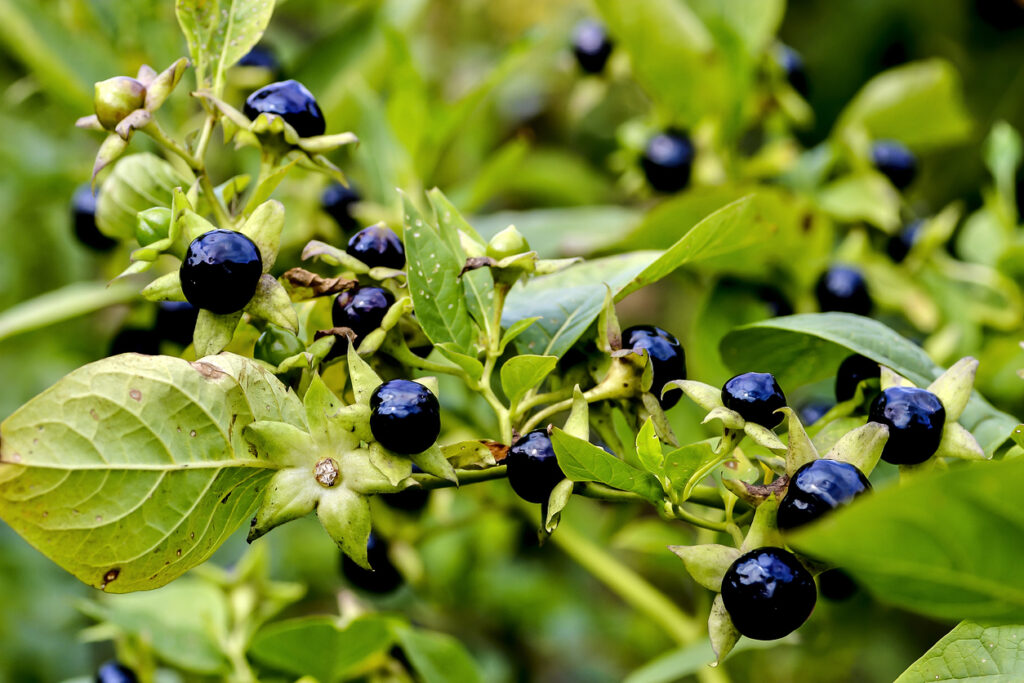
One of the most infamous plants in Europe, deadly nightshade lives up to its name. Just a few berries can cause hallucinations, seizures, or even death, especially in children or animals. Its effects on the nervous system are intense, and poisoning can happen quickly.
The plant has dull purple flowers and glossy black berries, which unfortunately resemble edible fruits. It grows in shaded areas and woodland edges. If you come across it, keep your distance—and don’t let any pets near it. Even the leaves are dangerous if chewed.
Giant hogweed (Heracleum mantegazzianum)
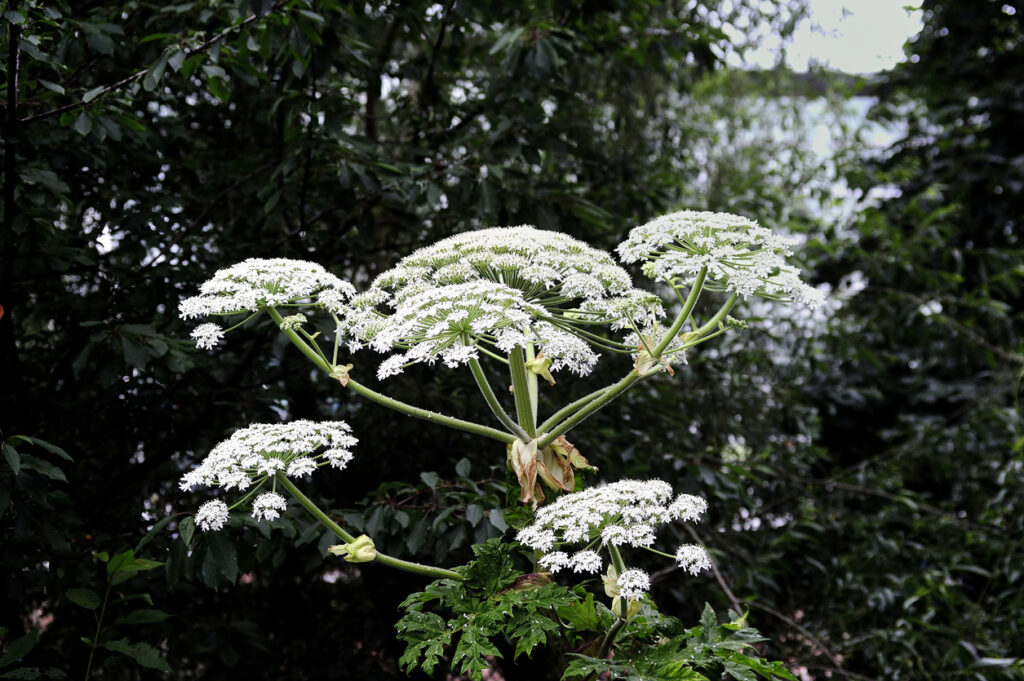
Giant hogweed isn’t just poisonous—it’s dangerously phototoxic. Its sap reacts with sunlight on human skin, leading to severe burns, blisters, and long-lasting scarring. Just brushing past it can leave you in pain for weeks.
This towering plant can grow over ten feet tall and often lurks near rivers, footpaths, or waste ground. Children are especially vulnerable if they play near it. If you suspect you’ve touched it, wash the area immediately and avoid sunlight. It’s one to report if spotted in public spaces.
Hemlock (Conium maculatum)
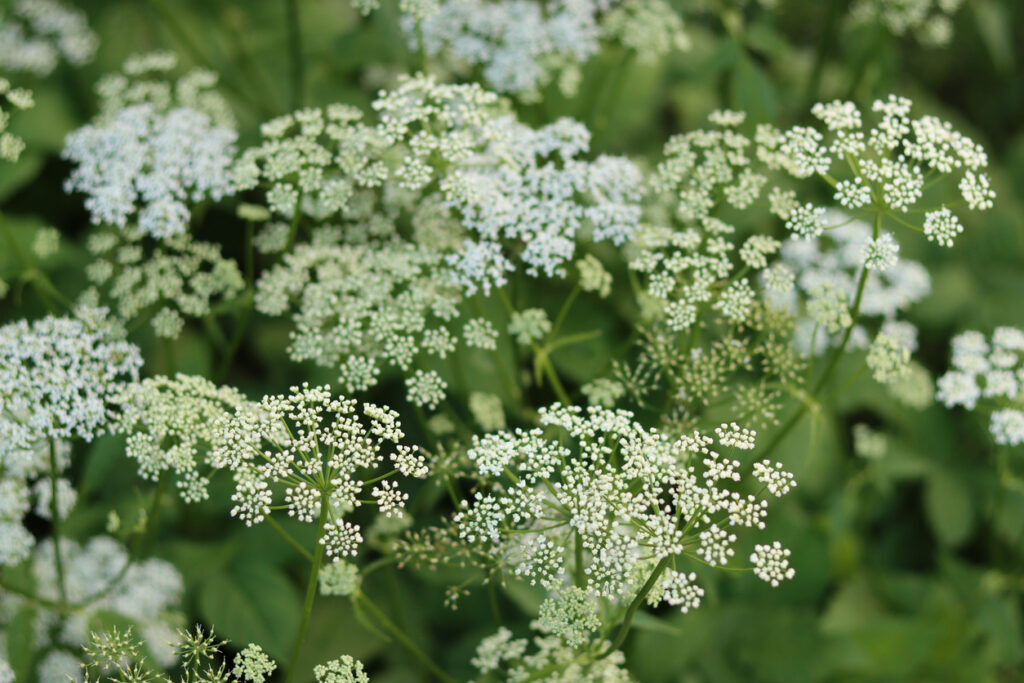
Known for its role in ancient poisonings, hemlock still grows in the UK and is often confused with cow parsley. It’s a tall plant with white umbrella-like flowers and purple blotches on its stem, which are the key signs to watch for.
All parts of hemlock are extremely toxic to both humans and animals. Ingesting even a small amount can cause respiratory failure. It also releases a foul, mouse-like smell when crushed, which can help with identification. Avoid picking wild plants if you’re unsure what they are.
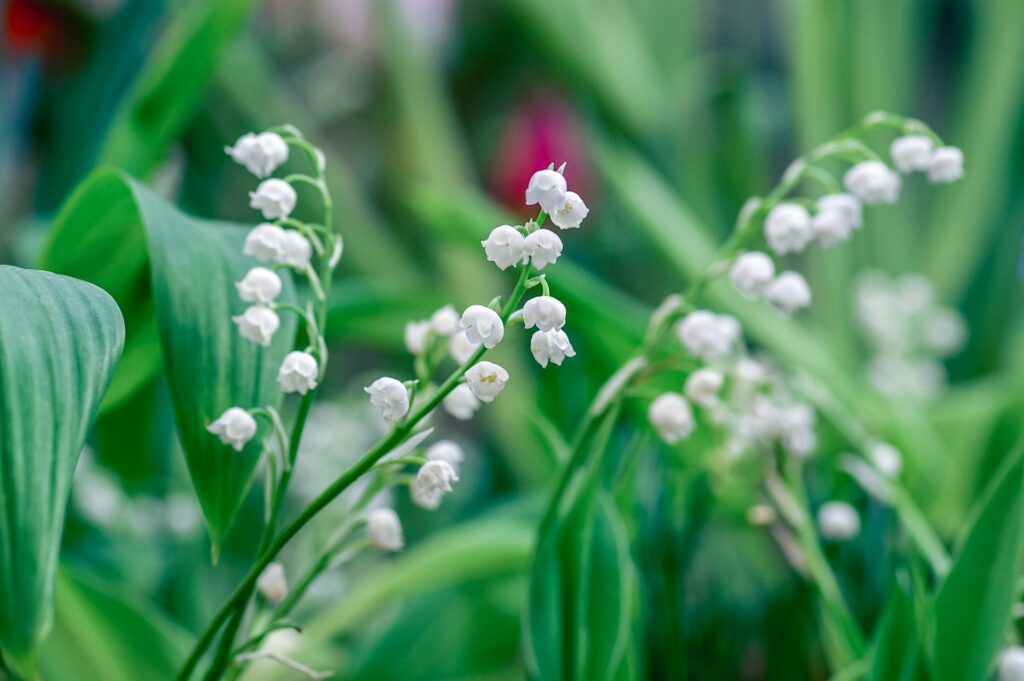
Lily of the valley (Convallaria majalis)
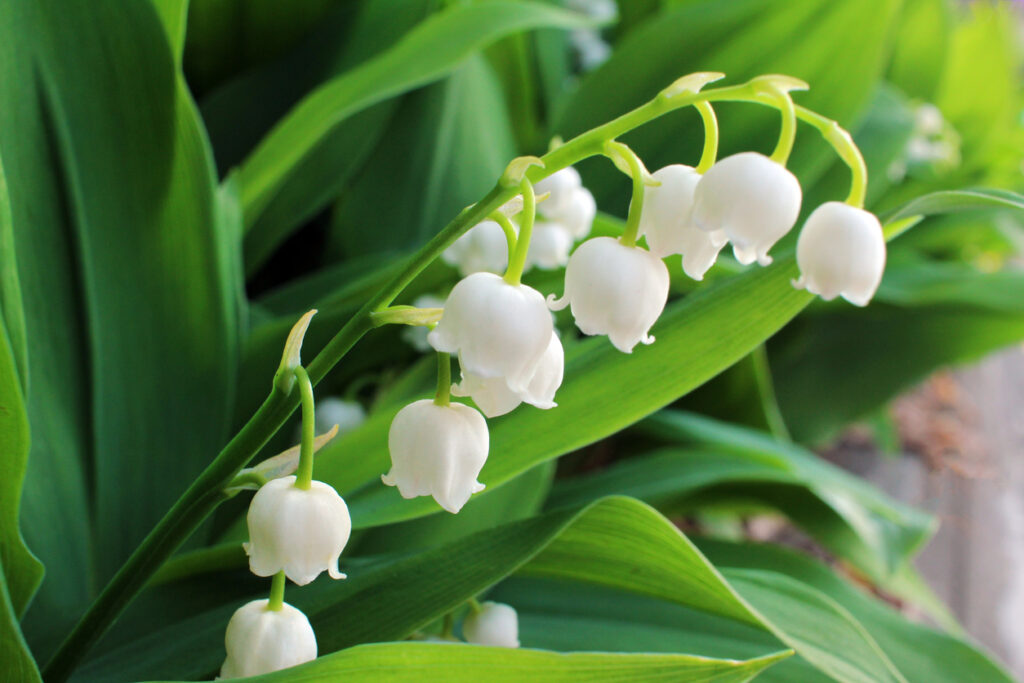
Don’t be fooled by its sweet fragrance and delicate bells—lily of the valley is seriously toxic. Every part of the plant contains compounds that can disrupt heart function, and even the water from a vase of cut flowers can be dangerous.
It’s a popular garden choice for shaded areas, but it’s not ideal if you’ve got pets or small children who might nibble a leaf or flower. Symptoms of poisoning include vomiting, slowed heart rate, and confusion. Definitely a plant to admire from a safe distance.
Yew (Taxus baccata)
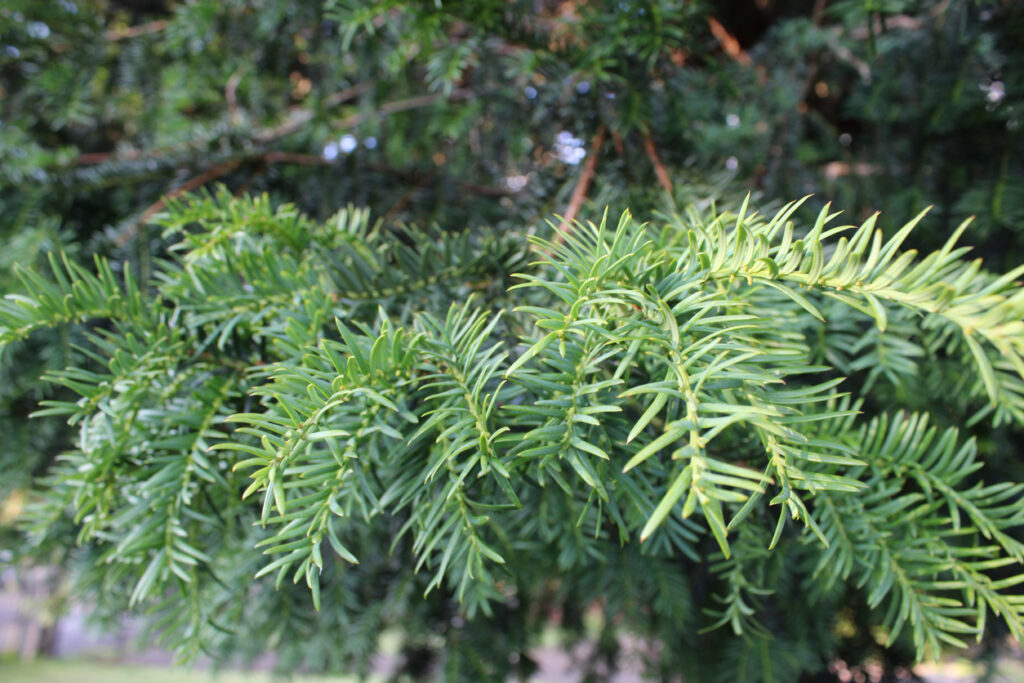
The yew tree is a staple in old churchyards and country hedgerows, but it’s surprisingly toxic. The needles and seeds are particularly dangerous, and it doesn’t take much for a pet or grazing animal to become seriously ill, or worse.
Interestingly, the red berries have a sweet, fleshy coating that’s not toxic, but the seed inside is. This makes it tricky, as children might be tempted to eat the berries without realising the risk. If you’ve got a yew nearby, make sure everyone knows not to snack on it.
Monkshood (Aconitum napellus)
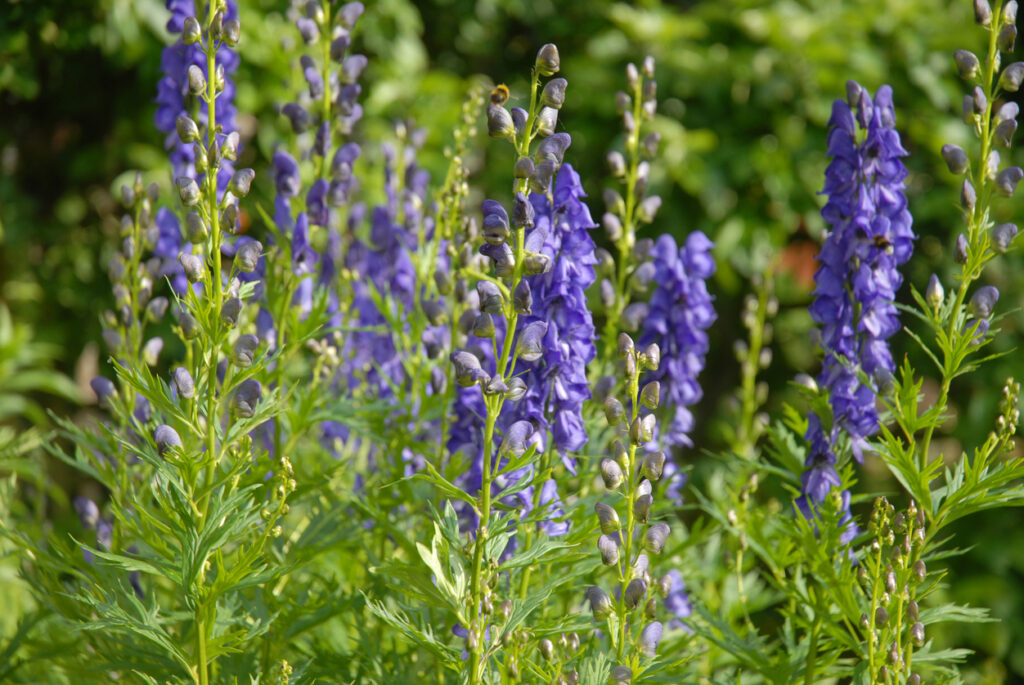
Sometimes called wolf’s bane, monkshood is another dangerously toxic plant hiding behind a beautiful face. Its deep purple hooded flowers are striking, but even skin contact can cause numbness or tingling, and ingestion can be fatal.
It’s often mistaken for delphinium, but it’s far more dangerous. Gloves are essential when handling it, and it’s not suitable for family gardens unless kept behind secure fencing. Monkshood has been linked to accidental poisonings and should be treated with real caution.
Ragwort (Jacobaea vulgaris)
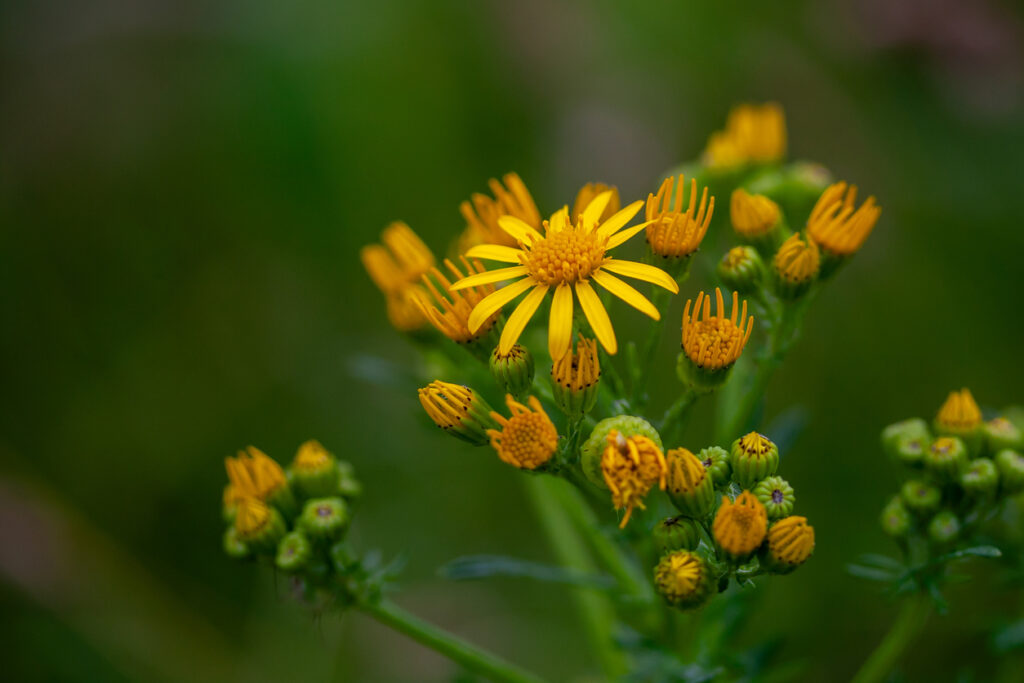
Ragwort is a common wildflower with bright yellow daisy-like blooms. It’s often seen in fields and along roadsides, and while it’s helpful to some pollinators, it’s extremely toxic to horses and other grazing animals. The danger lies in its cumulative effect—it builds up in the liver over time and can be fatal. It’s also risky when dried in hay, as the bitterness fades but the toxins remain. If you keep animals, it’s one you’ll want to pull up and safely dispose of.
Autumn crocus (Colchicum autumnale)
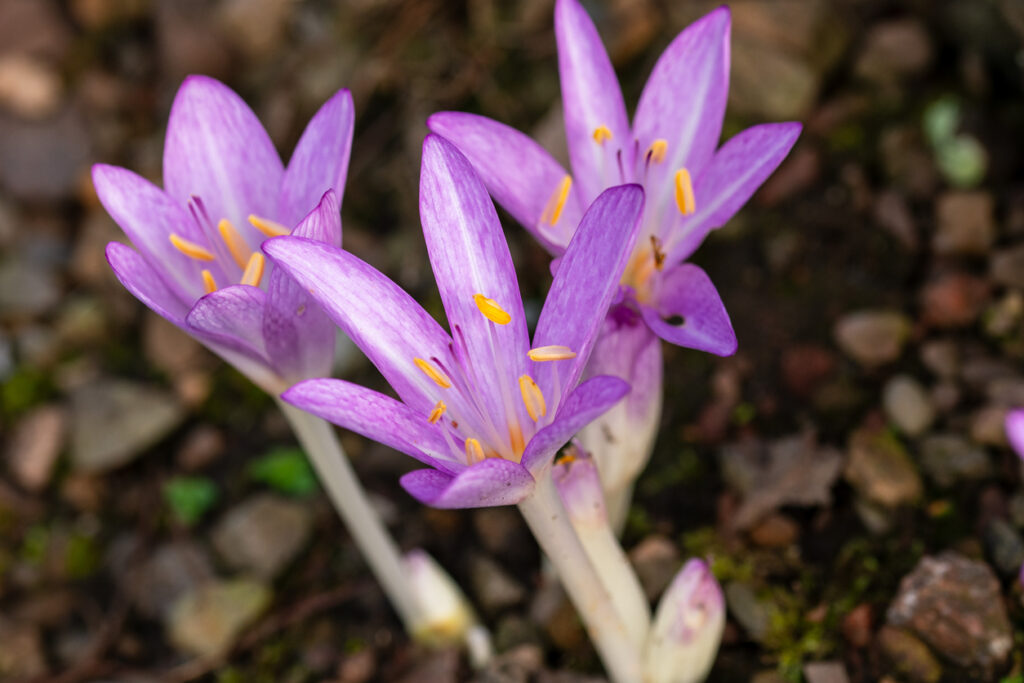
Despite looking like its springtime cousin, the autumn crocus is no true crocus, and it’s far more dangerous. It contains colchicine, a substance that’s toxic in even small doses and can cause serious organ failure. It’s often used in ornamental gardens because of its lovely blooms, but it’s best kept away from areas where pets or young children roam. Symptoms of poisoning can take hours to show up, which makes it all the more risky if someone eats it unknowingly.
Snowberry (Symphoricarpos albus)
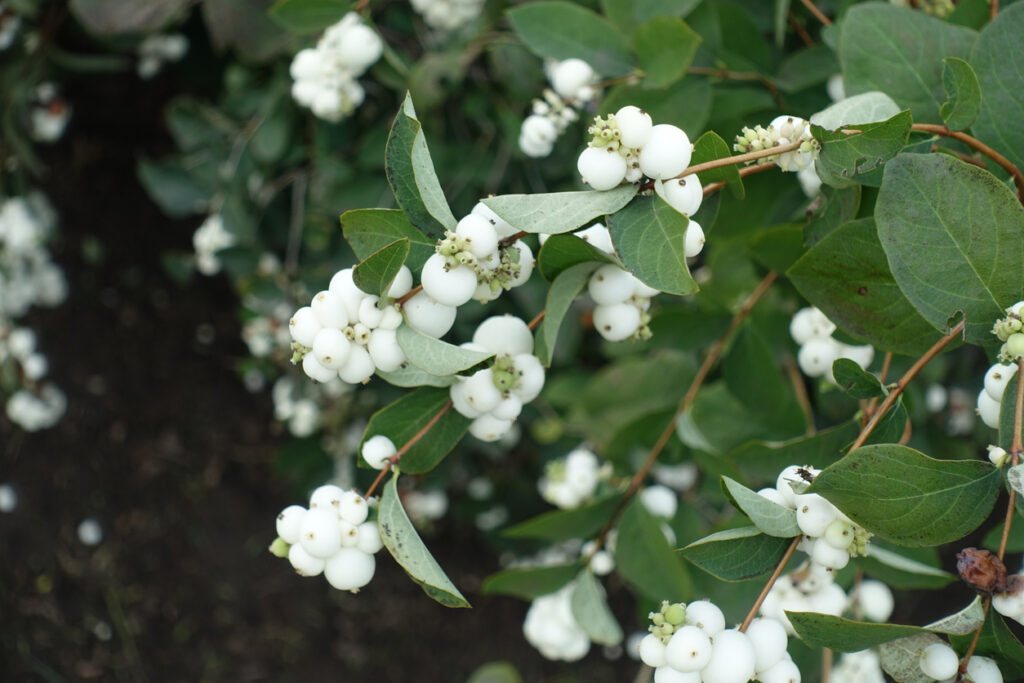
Snowberries are often planted in hedging and public landscaping for their pretty white fruits. The berries look a bit like popcorn, which makes them especially tempting to young children, but they can cause stomach upset and dizziness if eaten.
The plant itself is hardy and low-maintenance, which is why it’s so widely used. But if you see it in your own garden or local parks, it’s a good idea to let kids know not to pick the berries. They may look innocent, but they pack a toxic punch.
Dog’s mercury (Mercurialis perennis)
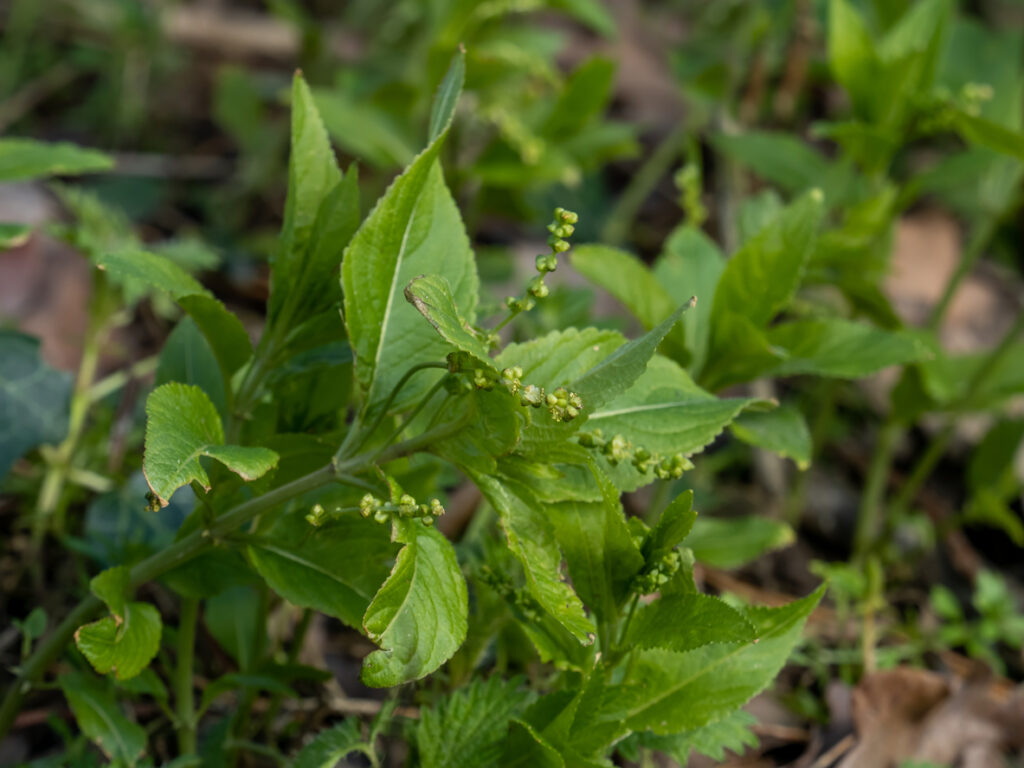
Often found carpeting woodland floors, dog’s mercury is a lesser-known but highly toxic plant. It doesn’t look particularly threatening—just a small green leafy plant—but it’s poisonous to humans and animals alike. Ingesting it can cause vomiting, jaundice, and in some cases, even death. It’s not something that usually grows in gardens, but walkers and foragers should be aware of it. If your dog sniffs everything on a forest walk, this is one to keep on your radar.