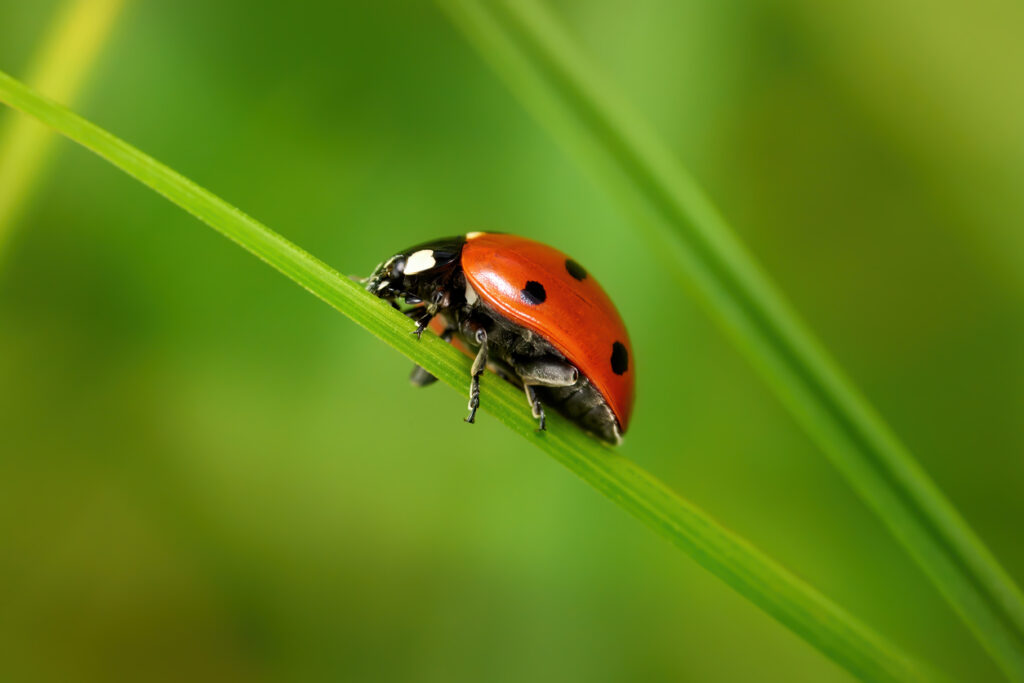
They might look like harmless little polka-dotted dots, but ladybirds (or ladybugs, depending where you’re from) are surprisingly tough and talented. Behind the cute shell is a tiny powerhouse of survival skills and unexpected quirks. Here are 14 things they’re secretly brilliant at.
Going full cannibal when necessary
Despite their sweet reputation, ladybirds are not above eating their own kind, especially in larval form. If food is scarce, stronger larvae will turn on weaker ones, and even adults have been known to snack on eggs if the opportunity arises. It sounds brutal, but in the insect world, survival often outweighs sentimentality. This behaviour helps regulate population and gives the strongest individuals a better chance of making it to adulthood.
Shooting yellow goo from their legs
When threatened, ladybirds can release a foul-smelling yellow fluid from their leg joints, a defence tactic known as “reflex bleeding.” It smells and tastes awful, which puts off most predators immediately. This goo isn’t just gross—it contains toxic alkaloids that can irritate or even poison smaller predators. It’s a tiny insect’s way of saying, “Eat me and regret it.”
Playing dead (and doing it well)
Ladybirds can fake their own deaths like little red Oscar winners. When danger looms, they’ll go completely still, tuck in their legs, and fall to the ground as if lifeless. This trick, called thanatosis, gives them a good chance of being ignored by predators who prefer lively prey. It’s a simple yet effective way to escape being lunch.

Going on long-distance flights
Though they don’t look built for it, ladybirds are capable of flying vast distances when they need to. Some have been tracked covering up to 100km in search of food or new habitat. They’re surprisingly aerodynamic once those wings come out from under their shell. On warmer days, they’ll ride thermals—rising air currents—to help conserve energy and go even further.
Being absolute aphid-destroying machines
Ladybirds, especially in their larval stage, are voracious aphid hunters. A single ladybird can eat up to 5,000 aphids in its lifetime, making them a gardener’s secret weapon. This isn’t just helpful—it’s eco-friendly pest control. Unlike pesticides, ladybirds target pests without harming plants or beneficial insects, making them a natural choice for healthy gardens.
Living in huge winter huddles
As temperatures drop, ladybirds gather in massive groups to hibernate. These huddles often take place under bark, in attics, or in quiet corners of sheds and window frames. Some species even release chemical signals to alert others and create mini ladybird hotels. It’s cosy, but also clever—group warmth increases survival odds through the colder months.
Changing their spots as they age
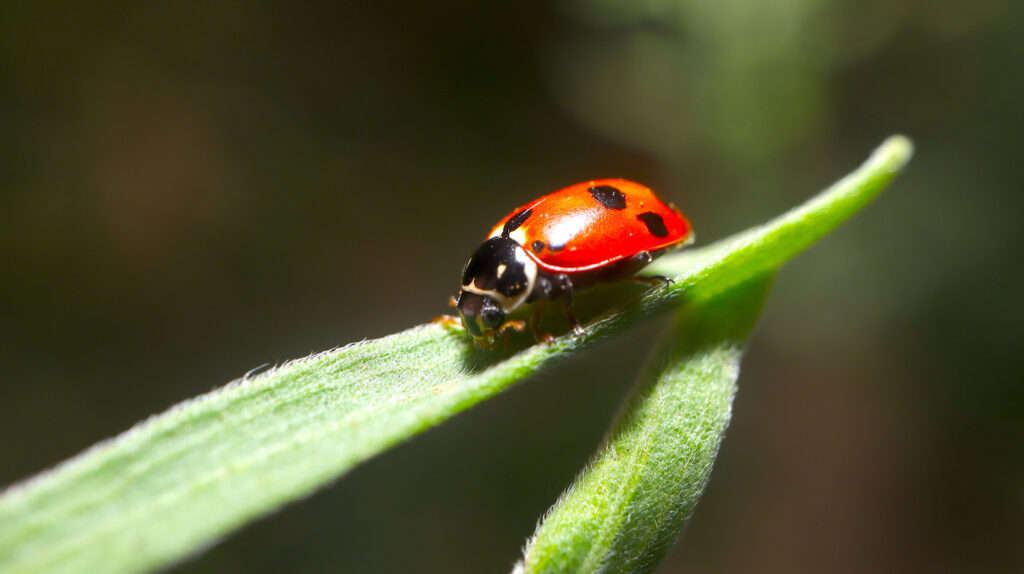
Not all ladybirds keep their classic look forever. As they get older, their colours may fade, and spots can become less visible or change slightly in shape. This can make them harder to identify, but it’s a natural part of their lifecycle. Environmental factors like sunlight and diet can also influence how their colours develop over time.
Having a global passport
Ladybirds are found all over the world, from tropical rainforests to cold mountaintops. There are over 5,000 known species, and each one has its own quirks and preferred habitat. Some, like the harlequin ladybird, have become invasive outside their native range, often outcompeting or even preying on local ladybird species. Cute, yes. Harmless? Not always.
Starting life as a fierce little dragon
If you’ve never seen a ladybird larva, you’d never guess what it would grow into. They look more like miniature spiky dragons than adorable beetles, often blue-black with orange markings. These larvae are incredibly efficient hunters, eating hundreds of aphids before they even pupate. Their fierce appearance is more than just aesthetic—it’s a warning to predators that they’re not easy prey.
Communicating with scents
Ladybirds don’t chat the way we do, but they do communicate chemically. They use pheromones to mark territory, attract mates, or signal danger to others nearby. These chemical signals are vital for things like group hibernation or egg laying. Even something as small as a leaf can carry a ladybird’s scent-based memo to others.
Laying eggs as decoys
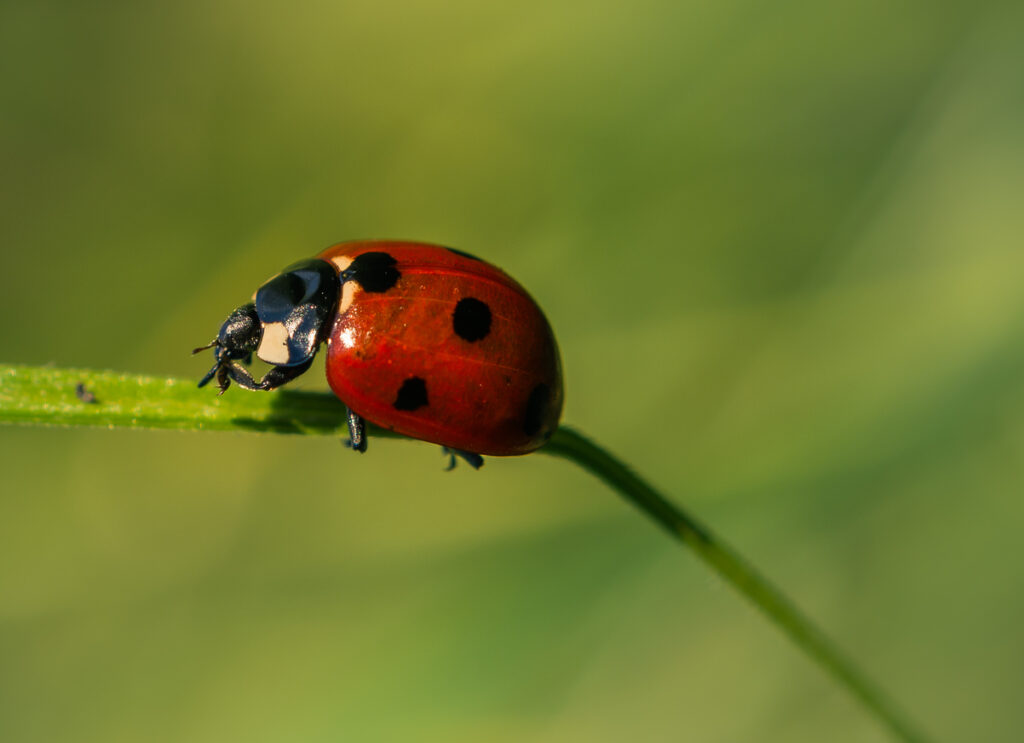
Ladybirds sometimes lay “trophic” eggs—infertile eggs placed near fertile ones. These serve as a food source for newly hatched larvae if there are no aphids around yet. It’s a pretty smart backup plan. Instead of risking starvation, hatchlings can get a protein boost from their surroundings before they need to start hunting live prey.
Sticking around in space
Ladybirds have even made it into space. NASA sent a few into orbit to study how insects adapt to zero gravity. Turns out, they’re not fazed at all by floating around. They continued hunting aphids just fine, which says a lot about their adaptability. Not many creatures can claim to be both garden helpers and space travellers.
Surviving on pollen and nectar
While ladybirds are famous for eating aphids, they’re not exclusively carnivorous. Some species happily feed on pollen and nectar, especially when their usual prey is scarce. This flexibility helps them survive in lean times and also makes them unexpected pollinators. They may not be bees, but they do their bit in keeping ecosystems ticking along.
Living surprisingly long lives for their size
In the wild, ladybirds typically live up to a year, but in protected environments, some can survive for two or even three years. That’s impressive for such a tiny insect. Their lifecycle includes egg, larva, pupa, and adult stages, and they go through major transformations. With enough food and the right conditions, they stick around far longer than you’d expect from a beetle that can fit on your fingertip.