
Tree trunks are more than just wood—they’re living records of everything a tree’s been through. From growth spurts to natural disasters, tree rings and dark lines inside trunks reveal secrets that are surprisingly detailed. Here’s what they can tell us.
How old the tree really is
Each ring represents one year of growth, which means if you count the rings in a tree trunk, you can figure out exactly how old that tree was when it was cut down. The rings are formed as trees grow at different speeds throughout the year—typically faster in spring and slower in summer, resulting in distinct layers.
It’s not just an estimate either—it’s a pretty precise method used by scientists, arborists, and even historians. Some trees, like bristlecone pines, can live for thousands of years, with their rings forming a near-complete record of ancient climates.
Which years had the best growing conditions
Wider rings mean the tree had a good year—plenty of water, sunlight, and nutrients. Narrow rings mean it was a tougher time, with drought, disease, or other stressors slowing its growth. By looking at ring patterns, you can spot the years when life was easy for the tree and when it had to struggle.
This also makes it possible to match up tree-ring patterns across different trees in the same area. When researchers do this on a big scale, it becomes a tool for tracking regional weather patterns going back centuries.
When droughts or floods happened
Environmental stress leaves clear marks. Long droughts cause narrow, dense rings, while floods can cause unusual ring shapes or discolouration. Trees respond visibly to what’s happening around them—almost like keeping a journal in wood.
This is one of the reasons scientists love using tree rings to study climate history. They offer direct, physical evidence of how extreme weather events affected the natural world over time—no guesswork involved.
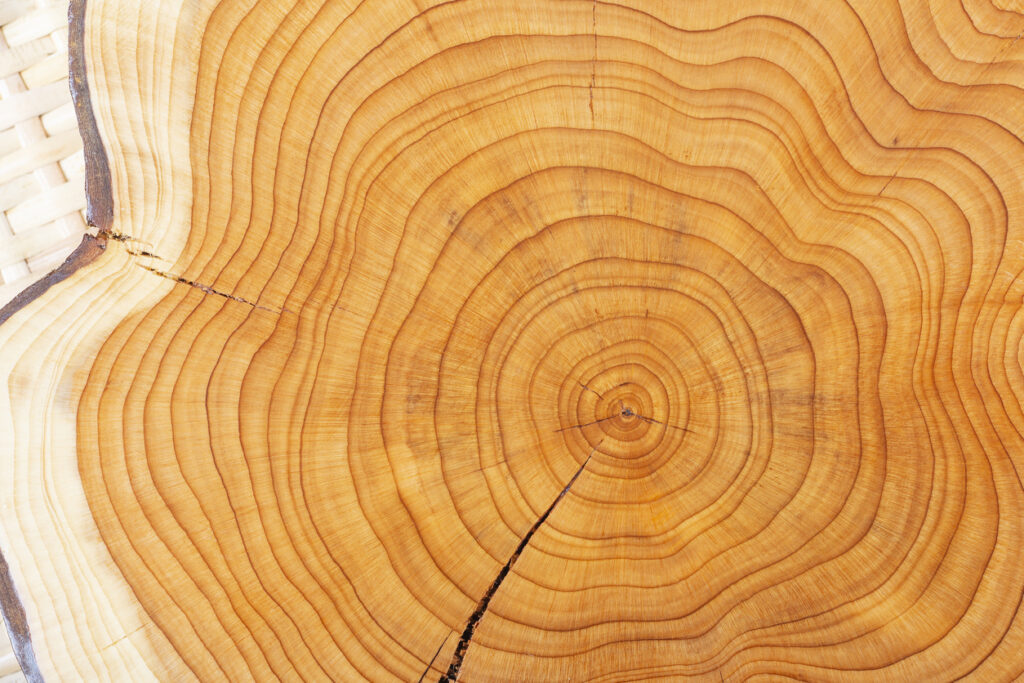
Evidence of past wildfires
Fire scars show up in the rings as blackened or misshapen marks, sometimes even breaking the ring’s usual symmetry. If a tree survives a wildfire, it continues growing, but the damaged area gets sealed into its trunk and shows up in future rings. Looking at multiple trees in a forest can even help researchers map out how big a fire was and how often fires occurred in that ecosystem. That’s a huge help when trying to manage forest health today.
Whether the tree was shaded or in full sun
Trees growing in shady conditions, such as in crowded forests, tend to grow more slowly and have narrower rings. If a tree suddenly gets more light, maybe because a neighbouring tree fell, it can result in a noticeable ring widening. This change helps researchers understand how a forest evolved over time. Even something as subtle as one tree falling over can leave behind a clue in its neighbour’s rings.
When trees experienced insect infestations
Some insect attacks leave trees too weak to grow normally, which shows up in the rings. If a tree’s growth suddenly slows for a few years in a row, and there’s no sign of drought, pests are a likely culprit. In some cases, the type of damage can even point to the species of insect involved. That’s particularly useful for tracking the history and impact of invasive species in forested areas.
Changes in the seasons or growing patterns
Sometimes a tree might form what’s known as a “false ring”—a ring that looks like a new year of growth but actually formed due to unusual weather, like an early spring followed by a sudden cold snap. These can trick the eye unless you know what to look for. False rings are important because they show how sensitive trees are to even short-term environmental shifts. They also remind us not to take every ring at face value without understanding the bigger picture.
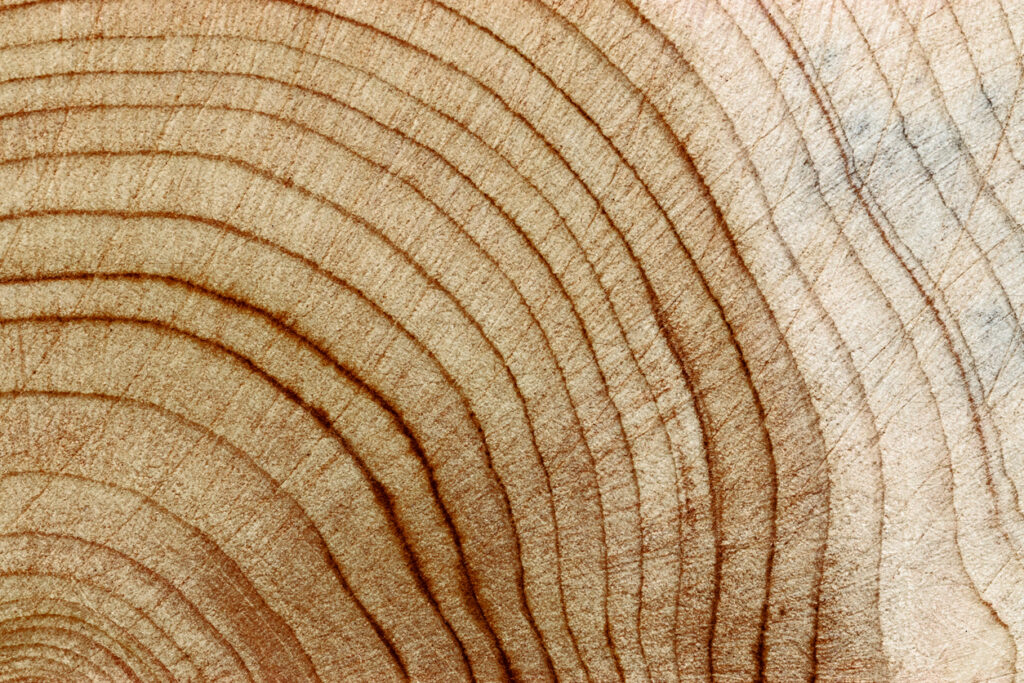
Tree trauma from storms or wind
Physical injuries from lightning strikes, high winds, or falling debris can distort ring shapes, creating asymmetrical or compressed patterns. A strong enough blow might leave a permanent bend in the ring structure. These marks don’t just show that a storm happened—they can help pinpoint the direction the wind came from, how intense it was, and even how the tree recovered over time. Nature literally carves its own forensic trail.
Competition with other plants
Trees growing near aggressive neighbours may show stunted or uneven growth due to competition for water, nutrients, and light. This shows up as irregular rings or growth that’s clearly stronger on one side than the other. If one side of the tree is consistently wider, that usually means it was growing toward the light or away from a more dominant plant. Trees tell the story of survival—even when it’s just a quiet turf war in the woods.
10. Signs of pollution or poor soil
Pollutants in the soil or air can hinder tree growth and sometimes leave chemical signatures inside the wood. While this takes lab testing to confirm, visually, you’ll often see slow, irregular growth or discolouration in the rings. Trees in urban areas or near factories often show signs of stress that rural trees don’t, and these clues help scientists study the long-term impact of industrial development on surrounding ecosystems.
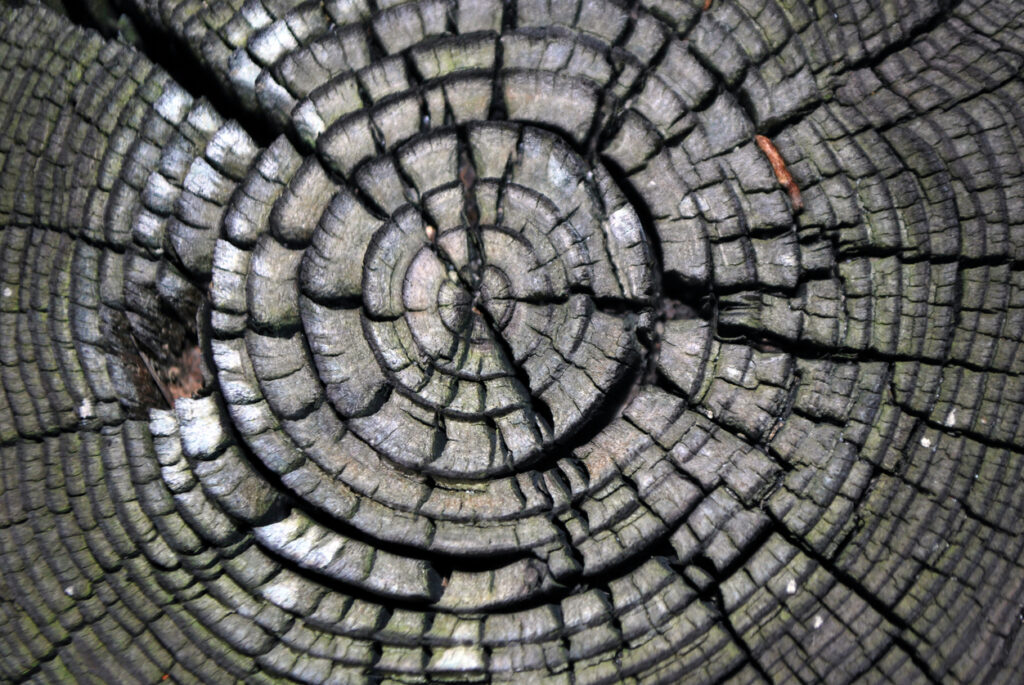
Whether the tree tilted or bent over time
If a tree starts leaning—due to wind, slope, or unstable ground—the rings become thicker on one side and compressed on the other. This “reaction wood” helps the tree stabilise itself and is easy to spot once the trunk is cut. It’s a clear sign the tree was responding to physical pressure. Trees might look perfectly upright by the time they’re cut, but their rings show the hidden struggle they went through to stay standing.
The tree’s species and growing habits
Not all trees grow the same way, and ring patterns can help identify the species even if there are no leaves or bark left. Some trees naturally grow faster or form different textures and colours in their wood. This becomes particularly useful when studying old buildings, furniture, or wooden artefacts. Dendrochronologists (tree-ring scientists) can match samples to known species and even date when the wood was harvested.
When multiple events overlapped
Sometimes rings reveal more than one event—a drought followed by a fire, or pest damage during a cold year. The combination can create unique and complex ring patterns that take careful analysis to interpret. These overlapping clues allow researchers to piece together a full narrative of the tree’s life. It’s a reminder that even when nothing seems dramatic on the surface, a tree trunk might hold a surprisingly rich story of survival, adaptation, and resilience.