They flutter under streetlights, chew holes in old jumpers, and vanish before you get a proper look at them, but moths are much more than just nighttime nuisances. These insects have surprisingly varied diets, fascinating life cycles, and some habits that might actually make them more helpful than you’d expect. If you’ve ever wondered what they eat, how long they live, or why some just stop eating altogether, here’s what you should know.
Caterpillars are the real eaters.
When people ask what moths eat, they’re usually thinking about the adults, but most of the eating happens in the caterpillar stage. Moth caterpillars can be pretty fussy or wildly destructive, depending on the species. Some stick to specific plants like nettles, while others go straight for your veg patch or flower beds and munch without mercy.
This is the phase where all the energy is stored for the rest of their life. They eat, grow, and shed their skin repeatedly until they’re ready to pupate. For species like the giant silk moth, this is the only time they’ll ever eat. Once they emerge as adults, the eating phase is well and truly over.
Clothes moths prefer your wardrobe.
Not all moth caterpillars are plant lovers. The common clothes moth lays its eggs on fabrics, especially those made from animal fibres like wool, cashmere, or silk. When the larvae hatch, they feed on the keratin in these fibres, leaving those telltale holes in your jumpers or carpets.
They’re not interested in your wardrobe because it’s stylish—they’re just after the protein. And weirdly, it’s the larvae, not the adult moths, that do the damage. Adult clothes moths don’t even have functioning mouths. They’re just flying delivery systems for the next generation of tiny textile-chewers.
Pantry moths raid your food cupboard.
If you’ve ever found little wriggly things in your flour or cereal, you’ve probably met the pantry moth. Also called Indianmeal moths, these creatures love dry goods—things like grains, rice, pasta, nuts, and even pet food. Once they move in, they’re hard to evict without a deep clean.
The adult moths lay eggs directly in food packaging, and the larvae happily tunnel through it while they feed. It’s not dangerous, just gross. Once they’re done eating, they pupate and emerge as adults ready to start the cycle again. It’s one of the least glamorous ways to get to know moth biology, but definitely one of the most relatable.
Many adult moths drink nectar.
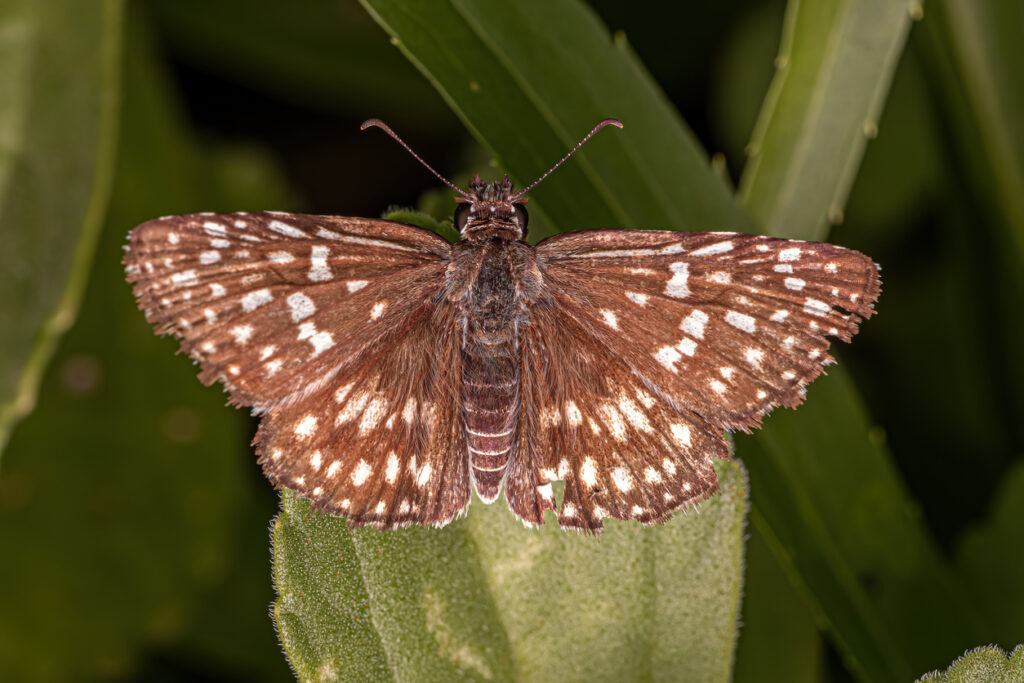
While some moths don’t eat at all in adulthood, many others feed on nectar, using a long, coiled proboscis like a straw. They hover around flowers like butterflies and play a pretty important role in pollination, especially for night-blooming plants that bees tend to ignore.
You’ll often see them flitting around dusk, quietly sipping from evening primroses or honeysuckle. Some even help pollinate crops. These moths might not be as flashy as butterflies, but they’re putting in just as much work behind the scenes, especially once the sun goes down.
Some adult moths don’t eat at all.
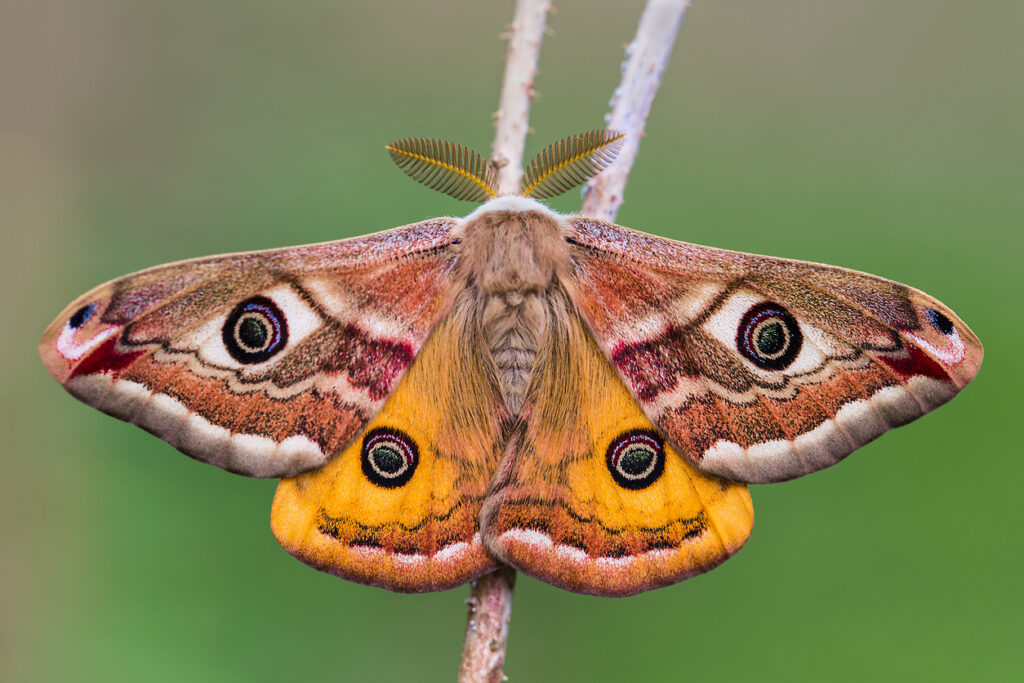
Plenty of moth species skip eating entirely once they’ve reached adulthood. Giant silk moths, like the Luna or Atlas moth, are born with no mouthparts. They rely entirely on the fat reserves they built up as caterpillars. Once they emerge, they’ve got about a week to find a mate before their energy runs out.
It sounds harsh, but it’s a surprisingly efficient strategy. They use all their energy for reproduction and skip the risk of predators while feeding. It also explains why some of these moths seem so chilled—they’re not flying around for snacks, just romance and instinct.
Their life cycle is made up of four stages.
Moths go through a complete metamorphosis: egg, larva (caterpillar), pupa (cocoon), and adult. It all starts when a female moth lays her eggs on a specific food source—plants, clothing, stored food, depending on the species. These eggs hatch into larvae, which do most of the growing and eating.
Once they’ve had their fill, the caterpillar spins a cocoon around itself and begins the transformation into a moth. This pupa stage can last from a week to several months. When the adult emerges, its job is simple—mate, lay eggs, and keep the cycle going. Then the process begins again with the next generation.

Some moths are crucial pollinators.
It’s easy to forget that moths aren’t just pests—they’re also pollinators. Some species, like the hummingbird hawk-moth, are incredibly important for certain plants. They’ve even been known to fly long distances to track down their favourite flowers, making them vital links in nighttime pollination networks.
This work often goes unnoticed because it happens at night. But moths contribute massively to plant diversity and food security. Without them, a lot of crops and wildflowers would struggle to reproduce. So yes, moths do eat, and in doing so, they often help feed the world.
They’re mostly nocturnal, but not always.
Most moths are active at night, which is why they’re drawn to lightbulbs like tiny, confused satellites. But not all moths follow the night shift schedule. Some, like the cinnabar moth or the day-flying burnet moth, are out and about in full daylight.
This flexibility in behaviour makes moths even more adaptable than many people realise. Whether they’re fluttering under streetlights or darting between wildflowers, they’ve found ways to thrive in nearly every habitat on Earth, even if we don’t always notice them doing it.
Some moths feed on tears, sweat, or even blood.
It sounds like something out of a horror film, but certain moth species have evolved to feed on animal fluids. A few tropical moths drink the tears of birds and mammals using a specially adapted proboscis, a behaviour called lachryphagy. In some rare cases, moths have even been observed feeding on blood, though this is extremely uncommon and mostly found in parts of Asia.
These behaviours help moths get extra minerals, like salt, that they can’t find in nectar. While it’s a bit unsettling to imagine a moth sipping sweat or tears, it’s a clever adaptation that highlights how resourceful these insects can be. Thankfully, in the UK, your average garden moth is far more likely to go for a flower than your face.
Moths are a vital food source for other animals.
While we often think about what moths eat, it’s also worth considering what eats them. Moths, and especially their caterpillars, are a crucial food source for a wide range of animals, including birds, bats, hedgehogs, frogs, and even other insects. A single brood of baby birds can eat hundreds of caterpillars in just a few days.
This makes moths a key part of the food web. Without them, lots of other creatures would struggle to survive. So even if they’re not everyone’s favourite insect, their presence helps hold entire ecosystems together, proving they’re more than just fabric-chewers or pantry invaders.