There’s something magical about stumbling across a rare woodland flower in a quiet corner of the UK countryside.
These blooms aren’t showy in the supermarket bouquet sense, but their understated beauty, fragile habitats, and limited windows of appearance make them all the more special. Whether you’re exploring an ancient woodland, shaded glade, or mossy path, here are 20 rare or hard-to-spot flowers that quietly bloom in the UK’s woods.
1. Ghost orchid
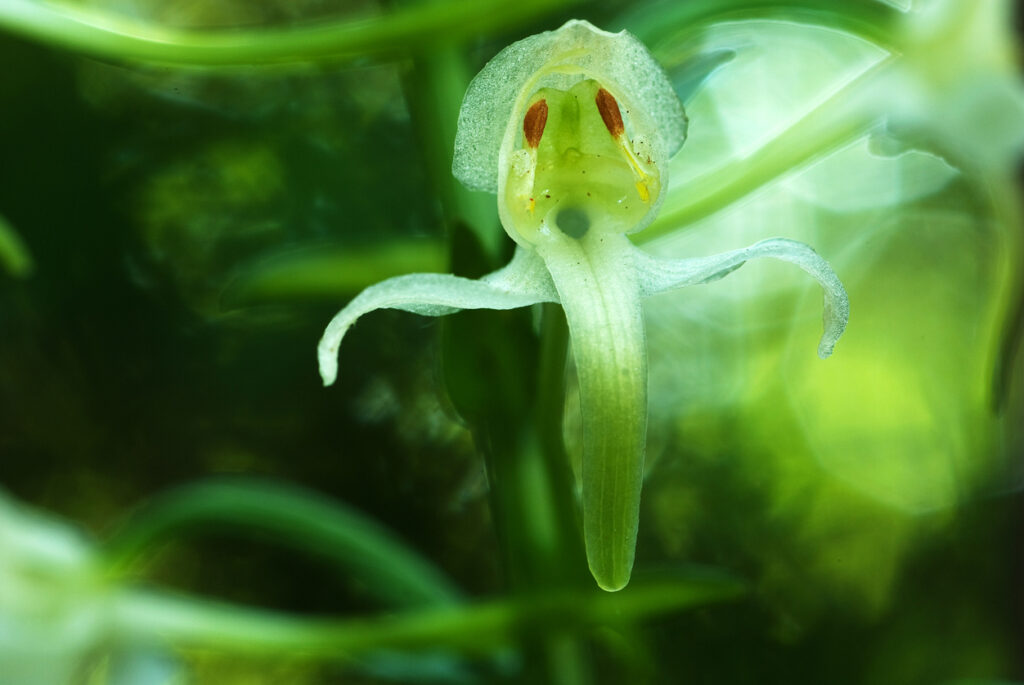
Once thought extinct in Britain, the ghost orchid is famously elusive. It’s pale, almost translucent, and grows underground for most of its life, only popping up to flower under just the right conditions, usually in beech woodland. It doesn’t photosynthesise and relies on fungi in the soil to survive. Sightings are incredibly rare, with fewer than a handful recorded in recent decades, which makes spotting one feel like winning a natural lottery.
2. Bird’s-nest orchid
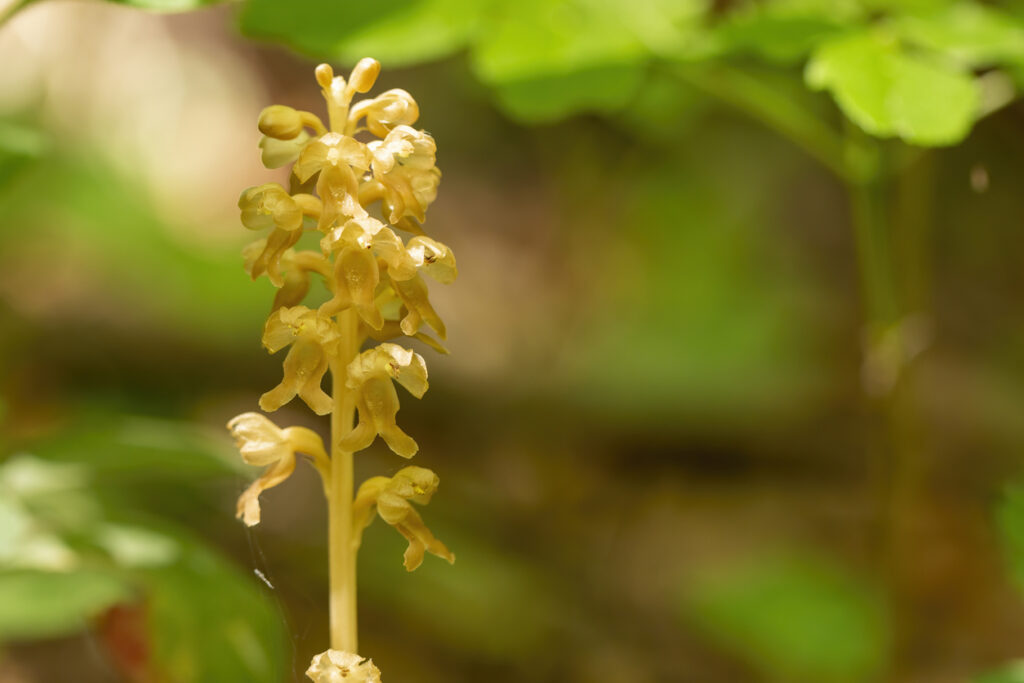
Despite the name, this plant has nothing to do with birds. It’s a brownish, leafless orchid that grows in shady woodlands, often under beech or yew trees, where light is low, and the soil is rich in leaf mould. Its strange appearance, almost like dried coral, makes it easy to overlook, but it’s a rare find in the right habitat. Like the ghost orchid, it depends on fungal networks rather than sunlight for nutrients.
3. Herb Paris
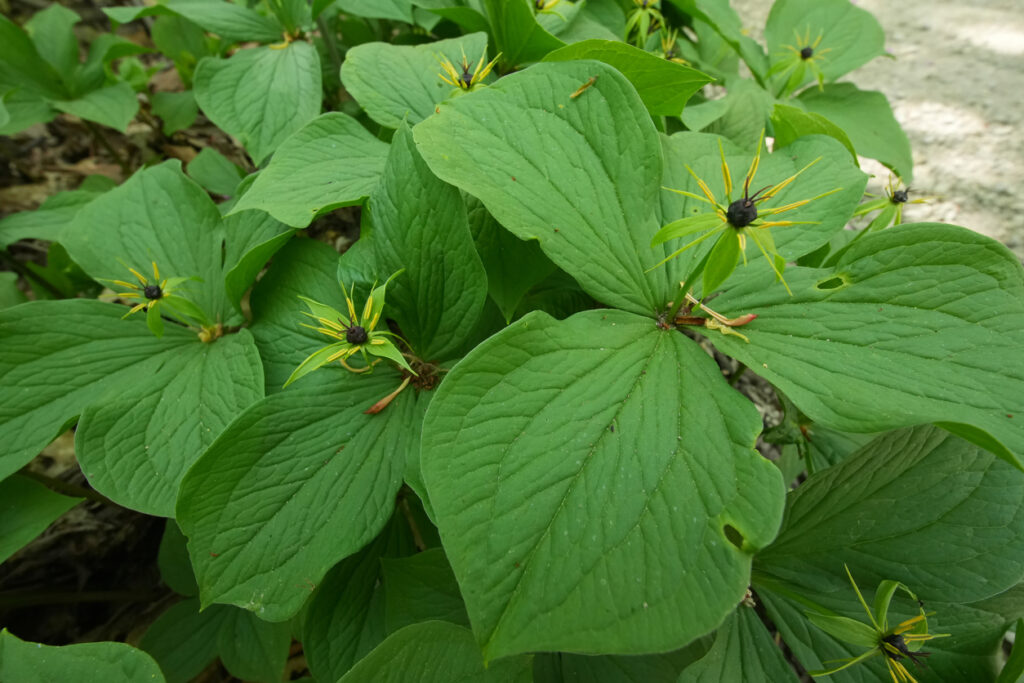
Herb Paris has four broad leaves forming a cross, with a single strange-looking flower in the centre, usually green with purple tinges. It’s often called ‘true lover’s knot’ and favours ancient woodland with undisturbed soil. It’s rare across most of the UK and considered an indicator of old, well-established woods. You’re more likely to spot it in spring, especially in damp, shaded areas where the canopy is still filling in.
4. Lesser butterfly orchid
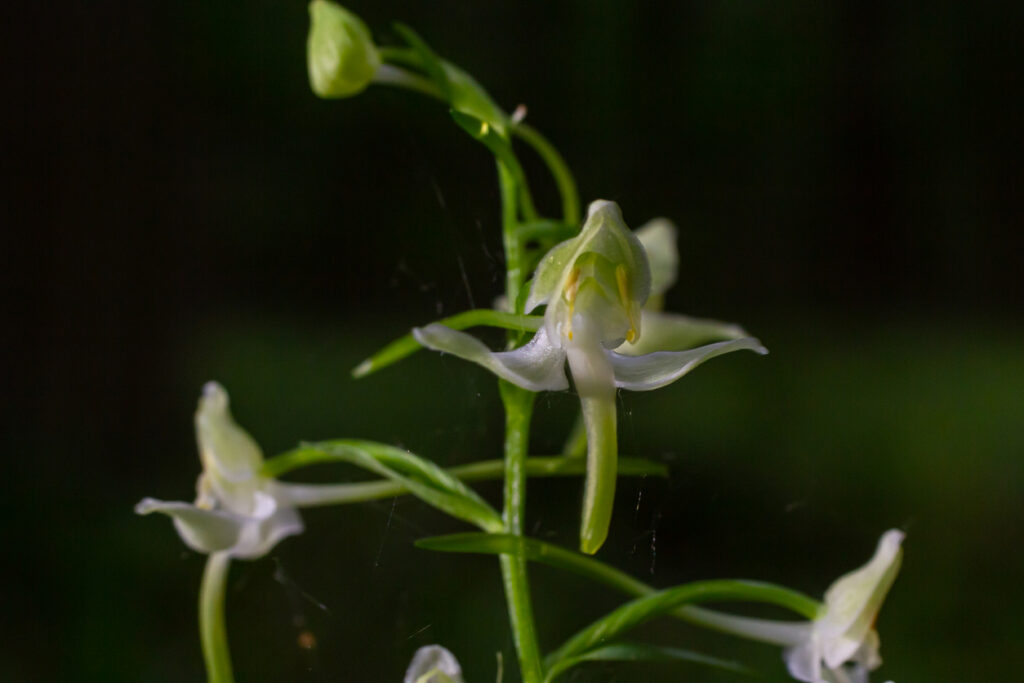
This delicate, pale orchid gets its name from the shape of its flowers, which resemble little butterflies in flight. It’s slightly smaller and more slender than its “greater” cousin, and can be found in open woodland glades or rides. Sadly, its numbers have declined steeply due to habitat loss and overgrazing, so any sighting should be treated with care. These flowers often appear in small, scattered populations where the light and soil conditions are just right.
5. Blue-eyed grass
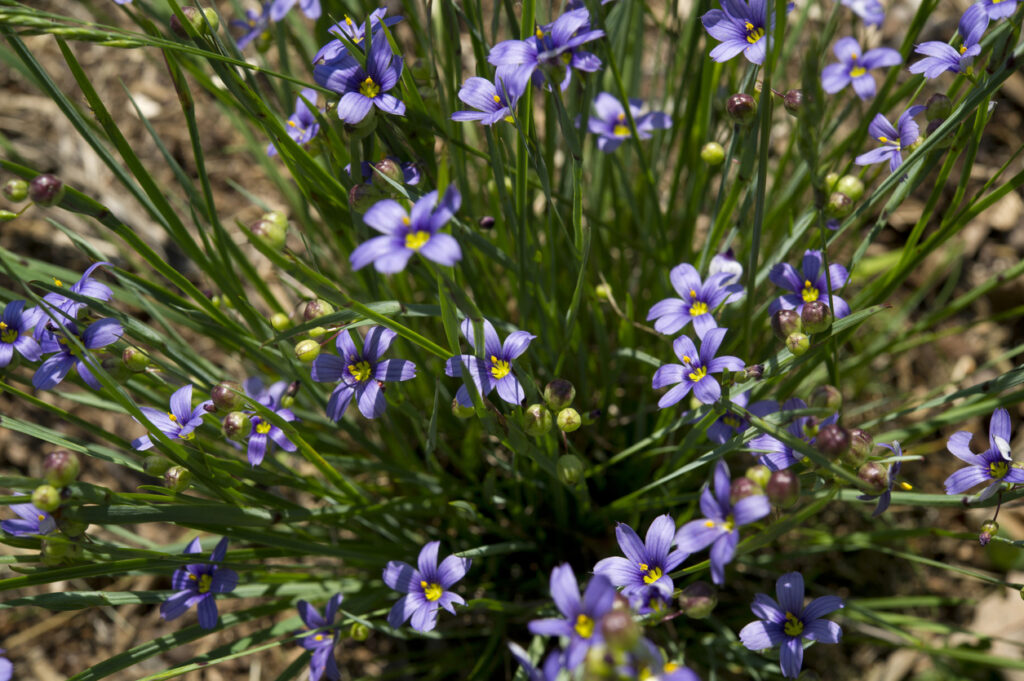
Despite the name, blue-eyed grass isn’t a true grass; it’s part of the iris family. Its small, violet-blue flowers bloom in late spring to early summer and love damp, open woodland edges or grassy clearings. It’s quite rare in the wild in the UK, though you may come across it in conservation areas where traditional grazing or woodland management has been maintained. Its compact, grassy leaves make it easy to miss.
6. Wood vetch
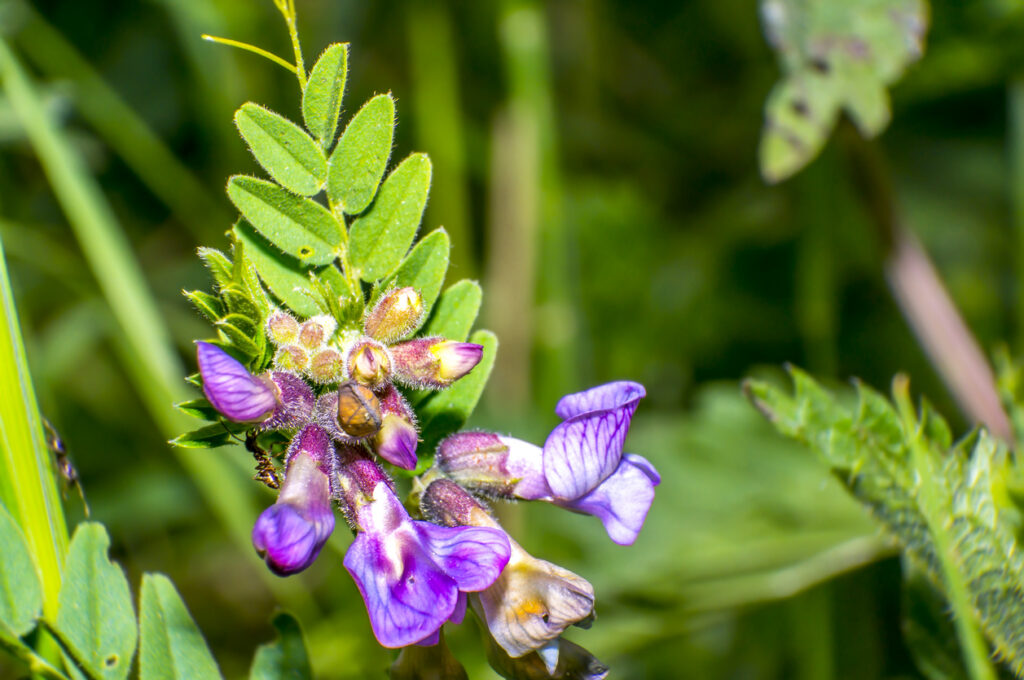
This elegant climbing plant has fine, feathery leaves and clusters of purple and white pea-like flowers. It twines its way through undergrowth and up small shrubs in lightly shaded woodland areas. It’s rare in much of the UK but can still be found in parts of Scotland, Wales, and northern England. It’s a good sign of healthy, semi-natural woodland that hasn’t been overly disturbed or shaded out.
7. Yellow bird’s-nest
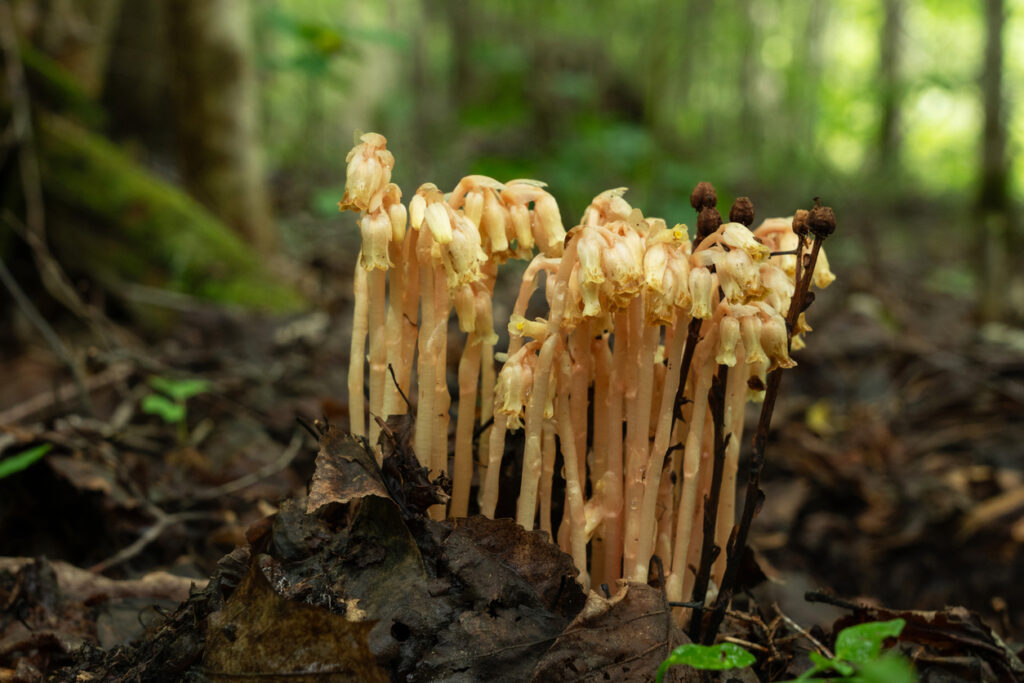
This odd-looking plant is another parasite on fungi, and it has a pale yellowish-brown colour that blends into leaf litter. You’ll often find it under dense beech or pine woodland where little else grows. Its flower spikes appear in early summer and can last several weeks if undisturbed. Like others in the orchid family, it doesn’t rely on sunlight, so it can survive in places too dark for most wildflowers.
8. Wood calamint
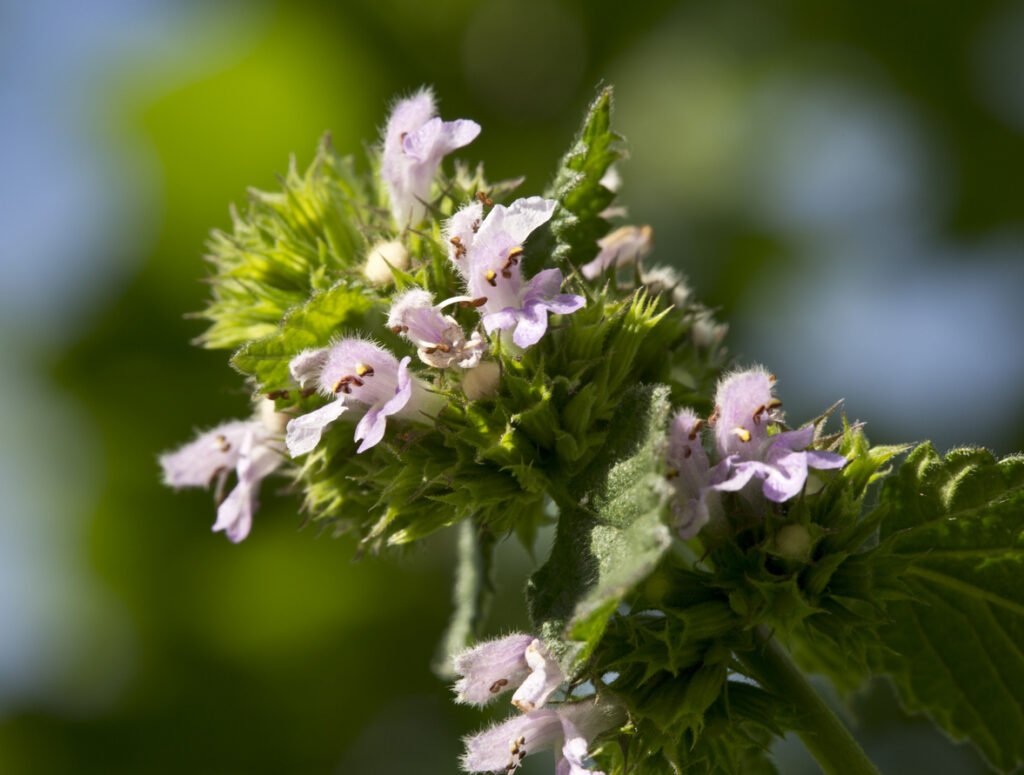
A small, minty-scented plant with soft purple flowers, wood calamint is rare and largely confined to limestone woodlands in southern England. It’s most likely to be found in the dappled light of open glades or path edges. It flowers in late summer and has a subtle but sweet aroma when crushed. Conservation efforts have helped protect some of its known sites, as it doesn’t tolerate heavy shading or foot traffic well.
9. Wild daffodil
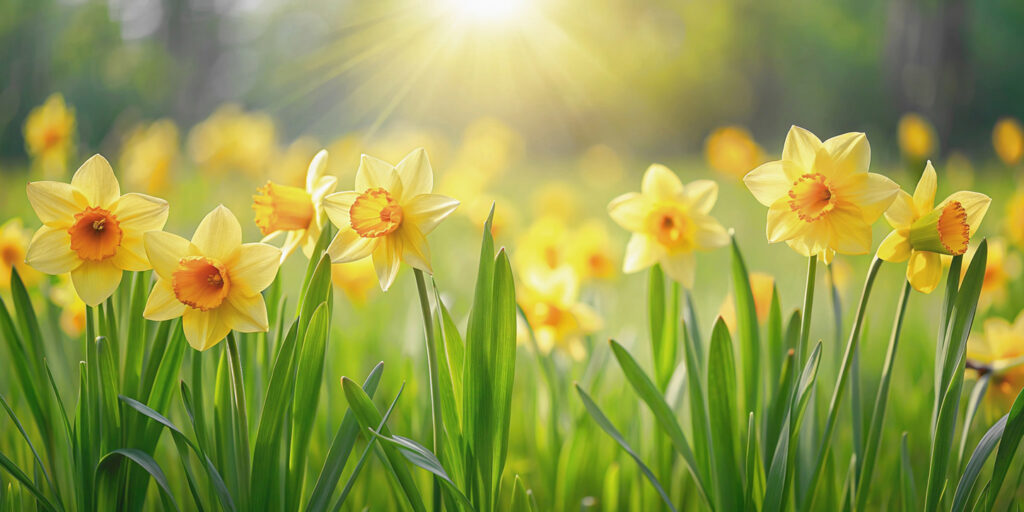
Smaller and more delicate than the garden variety, the wild daffodil has pale yellow petals and a deeper golden trumpet. It blooms in early spring, often carpeting ancient woodlands or moist meadows nearby. Wild daffodils have declined due to hybridisation and habitat changes, but you can still find them in parts of Gloucestershire, Devon, and Cumbria. Look out for them in February and March before the leaf canopy thickens.
10. Green hellebore
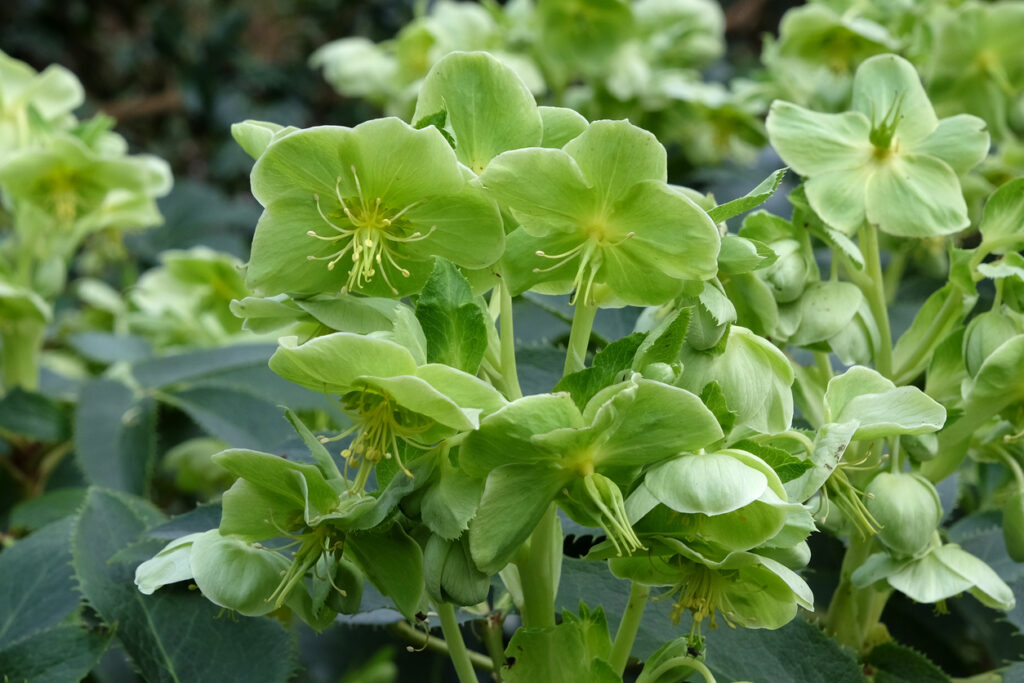
This unassuming plant has clusters of pale green, nodding flowers that bloom in early spring. It prefers calcareous woodland soils and can be found on shaded slopes or clearings in chalk or limestone areas. It’s rare and sometimes confused with its ornamental cousins, but this is a true native. Because it blooms so early, it often gets missed entirely unless you’re walking woodlands just as winter ends.
11. Greater butterfly orchid
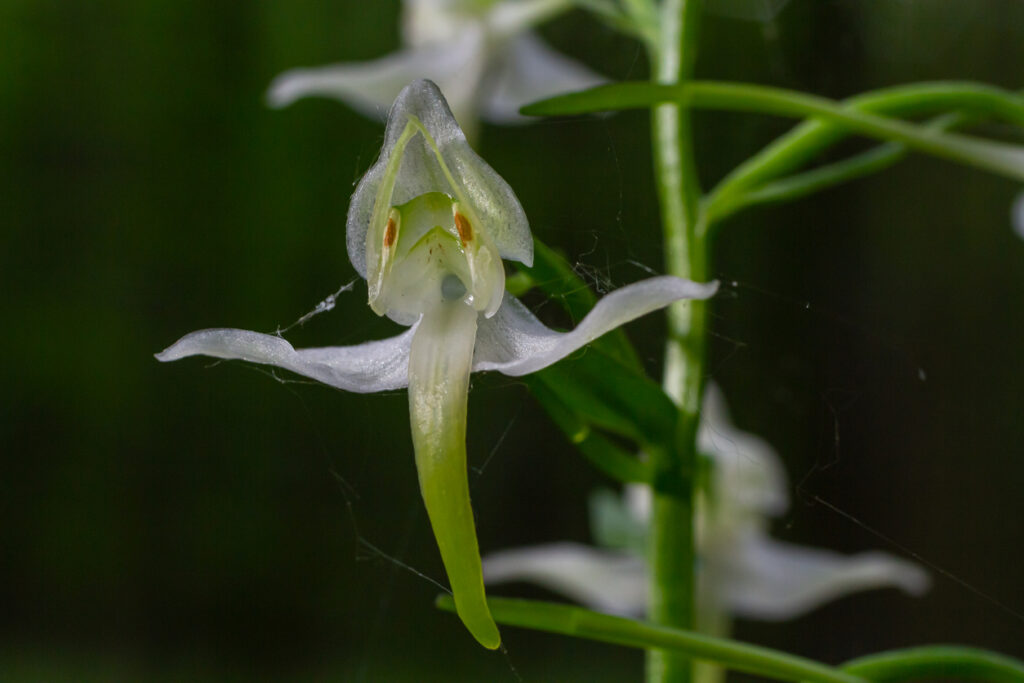
Bigger and more conspicuous than the lesser variety, the greater butterfly orchid also grows in woodland clearings and rides. Its creamy white flowers appear in spikes and emit a light, sweet scent in the evening. These orchids are rare but not impossible to find, especially in managed woodlands where glades are kept open for biodiversity. They typically bloom in June or July and need low grass competition to thrive.
12. Toothwort
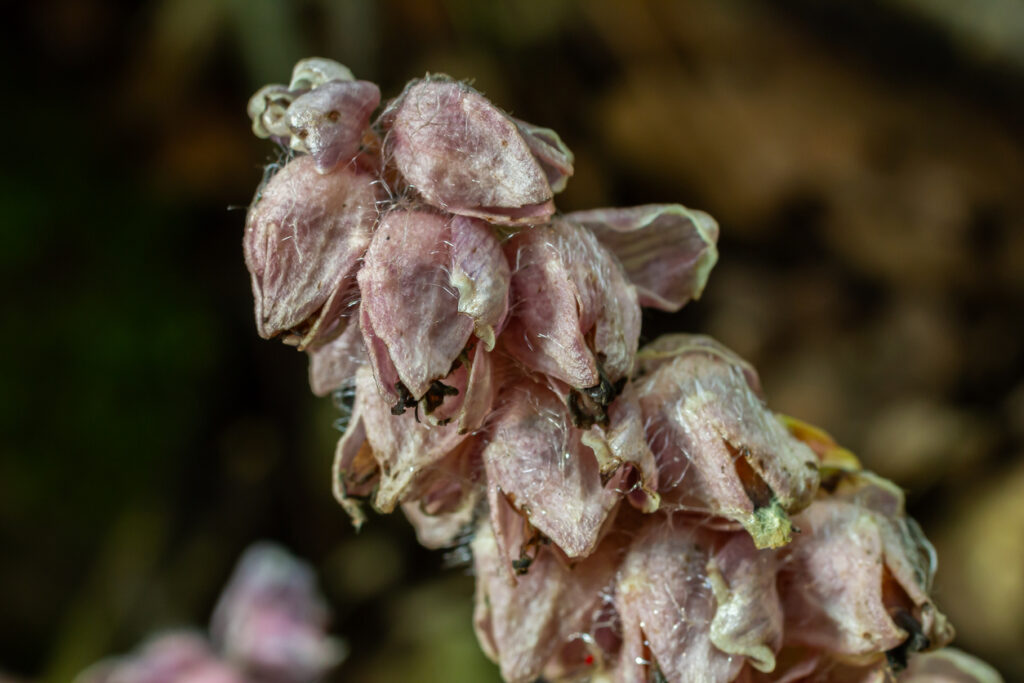
Looking like something from another planet, toothwort is a ghostly pinkish-white plant with no chlorophyll. It parasitises the roots of hazel, elm, and alder trees, often popping up in clusters in damp, shady woodlands. It’s uncommon and usually very localised, appearing in March or April before the woodland floor fills with growth. It’s easy to miss if you’re not looking closely, but it’s a fascinating plant once you spot it.
13. Wood anemone (in mass)
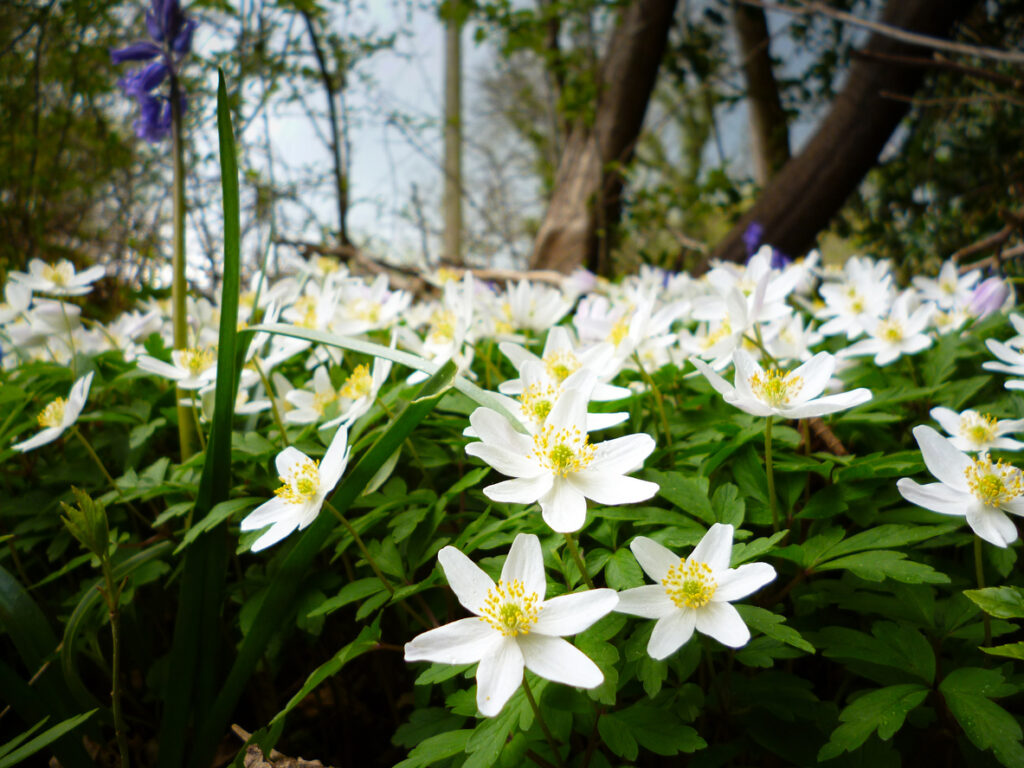
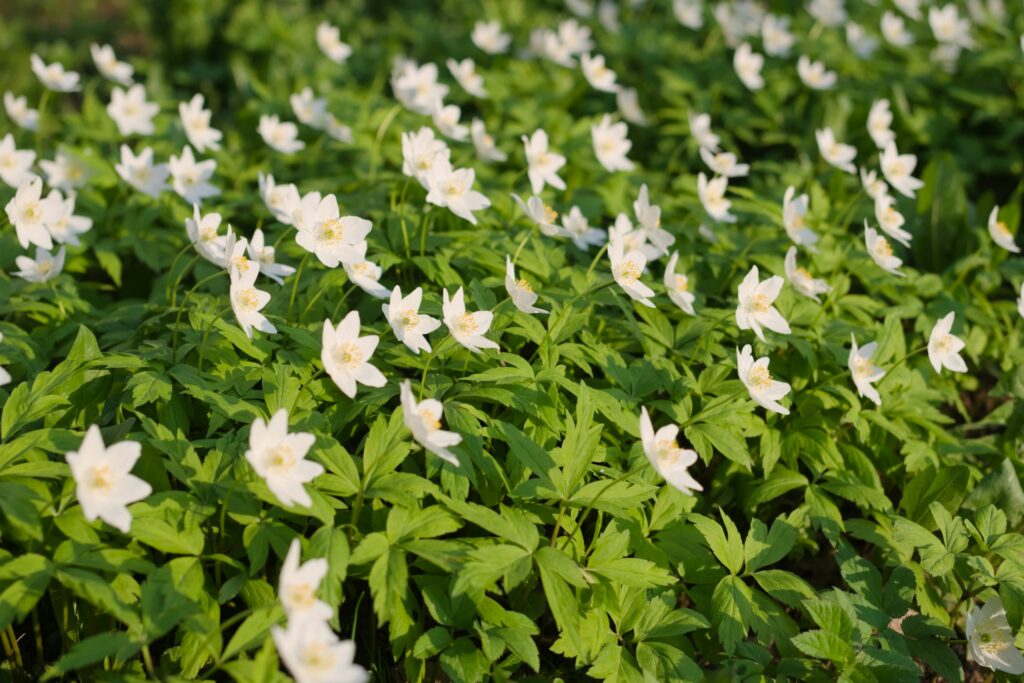
While not strictly rare, large carpets of wood anemones are indicators of ancient woodland. Their white, star-like flowers bloom before the leaf canopy closes in, usually in March and April. They spread slowly through rhizomes, so when you find a thick blanket of them, you’re likely standing in centuries-old woodland. It’s a quiet, beautiful sign of time and stability in a changing landscape.
14. Violet helleborine
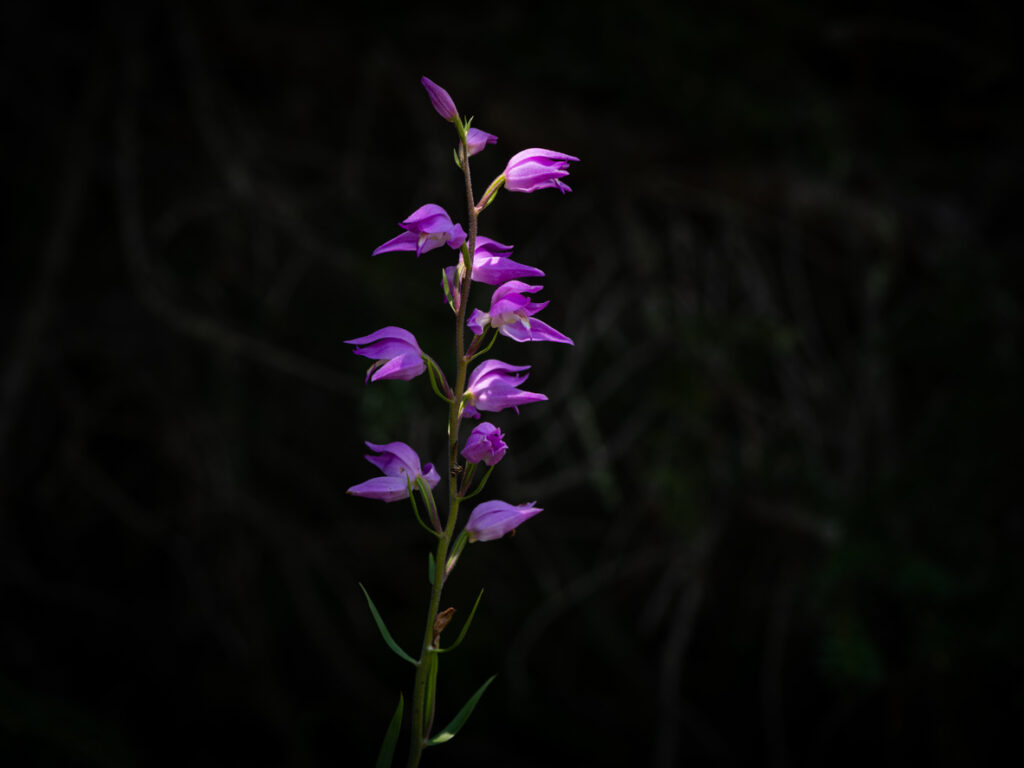
Another orchid family member, the violet helleborine grows in deep shade and has greeny-purple stems with small, dusky flowers. It’s one of the few orchids that seems to prefer near-total shade under beech trees. It’s rare across most of the UK and often only flowers when summer is warm and dry. You’ll spot it from July onwards, usually in quiet corners of mature, undisturbed woodland.
15. Narrow-leaved helleborine
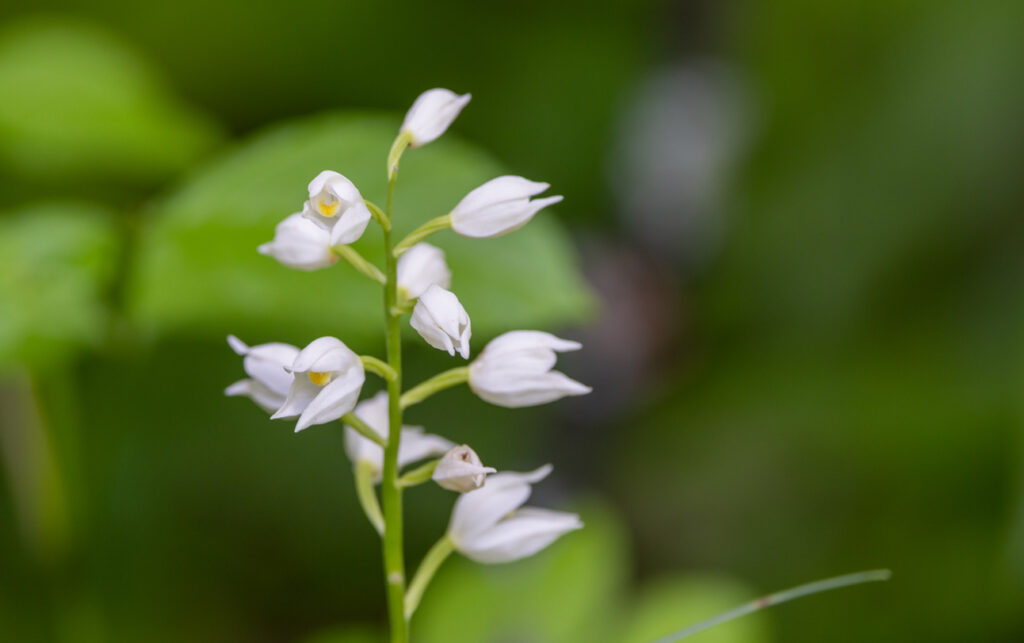
This is one of the UK’s rarest woodland orchids and can be extremely tricky to spot. It prefers chalky or limestone soils and flowers briefly in late spring with small, subtle blooms on slender stems. It’s incredibly sensitive to changes in light and soil, so it only survives in carefully managed or undisturbed woodland sites. It’s a great example of just how specific woodland habitats can be.
16. Spiked rampion
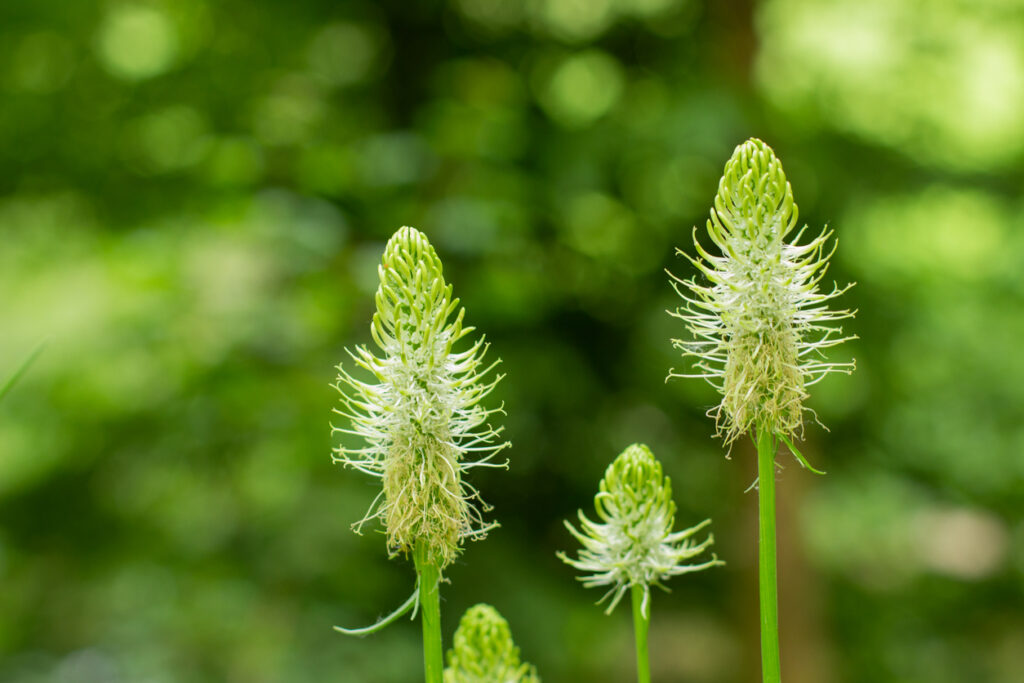
Also known as the “pride of Sussex,” this striking blue flower has tall spires packed with curled, horn-like petals. It favours sunny woodland edges, rides, and chalky banks where grazing or clearance has kept growth in check. It’s nationally rare, with most populations clustered in the South Downs. Look for it in summer along woodland edges that haven’t been too heavily shaded out by trees or scrub.
17. Early-purple orchid
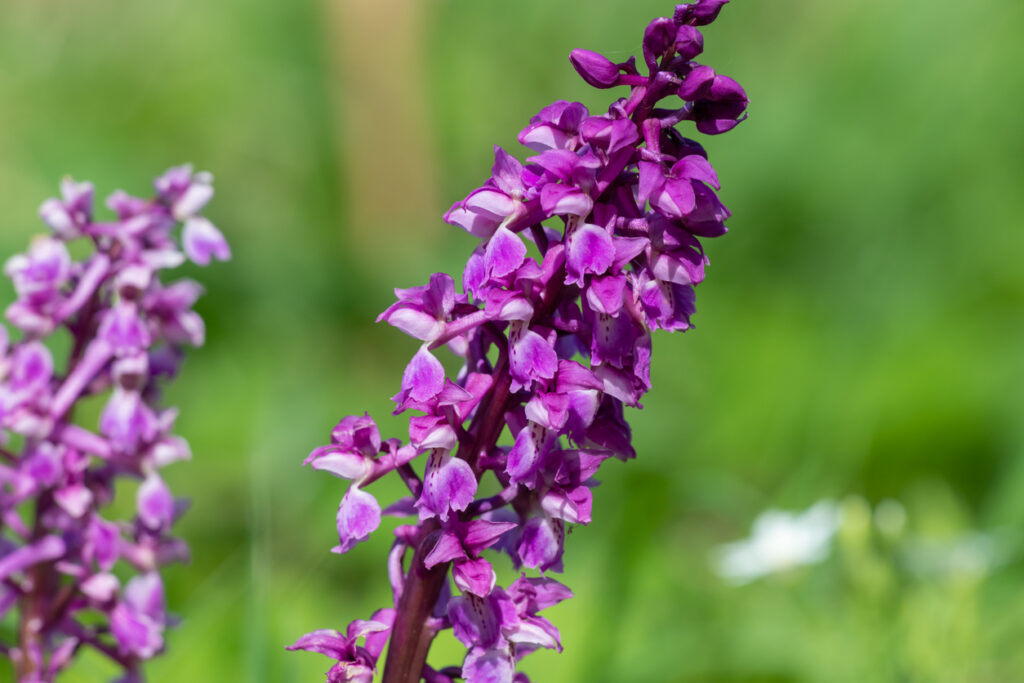
As its name suggests, this orchid blooms early, often in April or May, before the canopy fully closes. Its purple flowers grow on a thick central spike, and it thrives in old woods and grassland edges. Though not as rare as some others, it’s still a treat to find. It often grows alongside bluebells, and its mottled leaves can help you spot it even before the flowers appear.
18. Wood sorrel
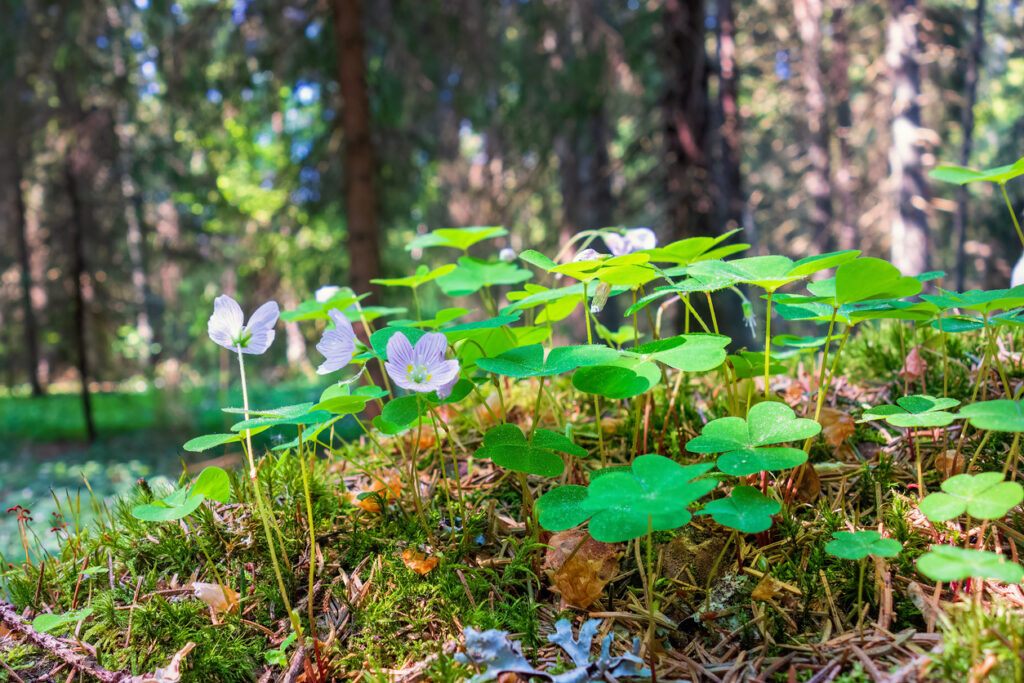
This low-growing plant has clover-like leaves and delicate white flowers with purple veins. It grows in moist, shady woodland and is one of the earliest signs of spring across the UK. While not endangered, it’s more often found in older woodlands and can be overlooked because of its size. Its slightly sour-tasting leaves were once used in folk remedies and spring salads.
19. Twayblade
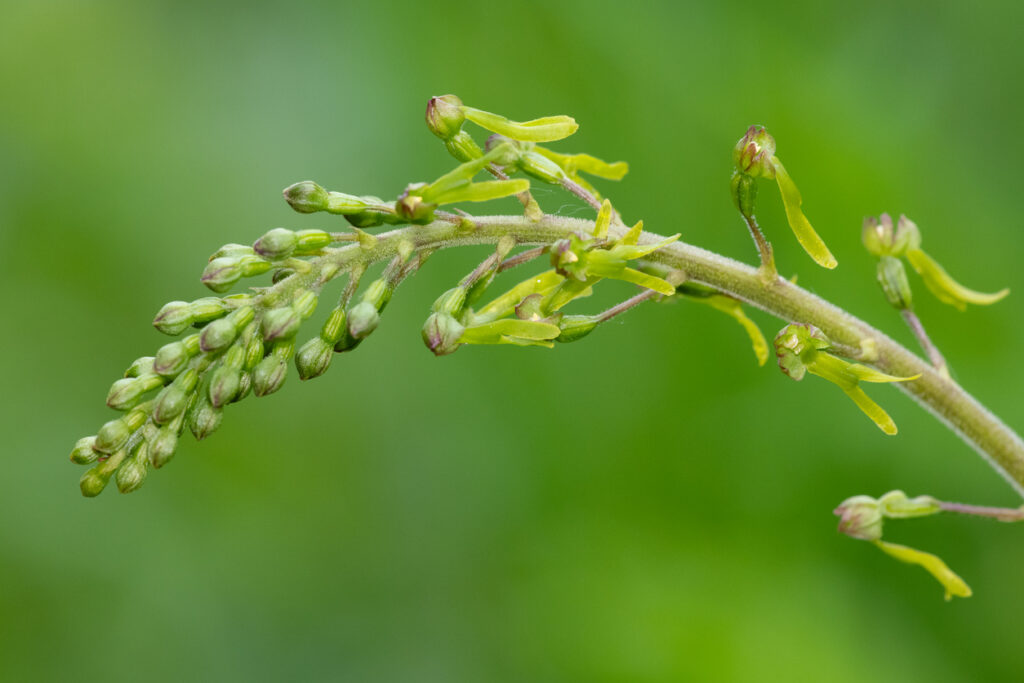
Named for its two broad leaves at the base of the stem, the twayblade orchid has small greenish flowers that are easy to miss. It grows in a variety of woodland habitats, especially on calcareous soils. It’s not showy, but it is special, especially when seen up close. Each flower looks like a tiny alien figure, and they often appear in scattered groups from May to July depending on the conditions.
20. Autumn crocus (meadow saffron)
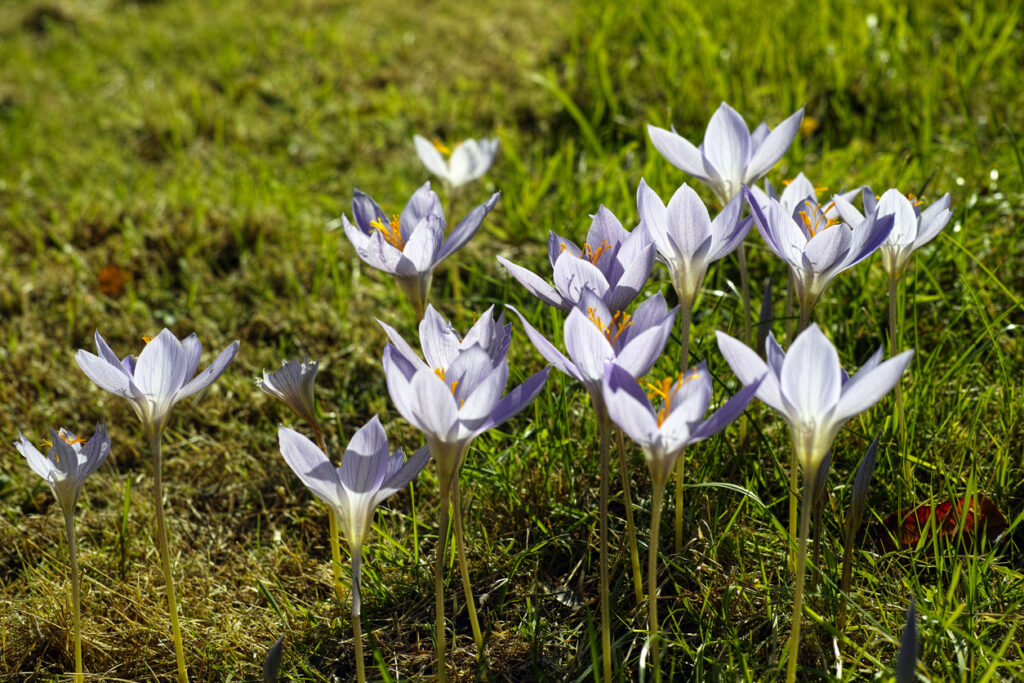
More often associated with meadows, autumn crocus can sometimes be found in light woodland and wooded pastureland. It produces pale purple blooms in September, long after most other wildflowers have faded. Despite the name, it’s not a true crocus and is toxic if eaten. But its late-season flowering makes it a rare sight in the wild and a beautiful reminder that not all blooms are spring-bound.