It’s easy to assume everything’s going downhill when it comes to the environment.
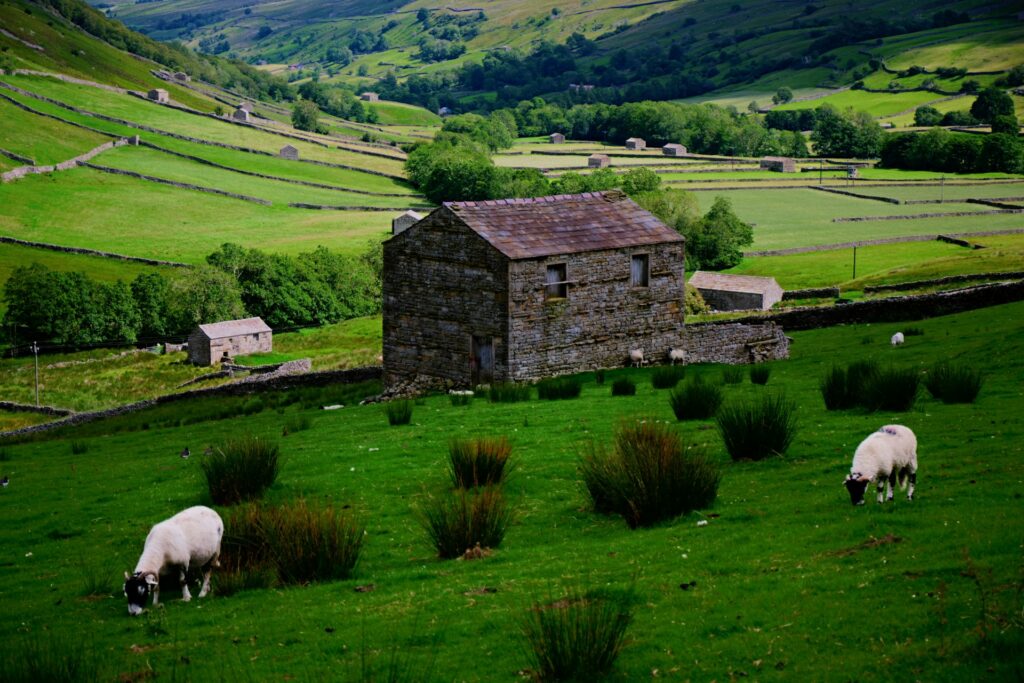
However, hidden behind the more sensationalised headlines, there’s actually a lot of good happening in the Britain’s wild spaces. Conservation groups, communities, and even government-backed projects are slowly turning things around—sometimes in unexpected ways. Here are 12 things the UK is actually getting right when it comes to nature. We should give ourselves a bit more credit sometimes!
Turtle doves are being bred and released.
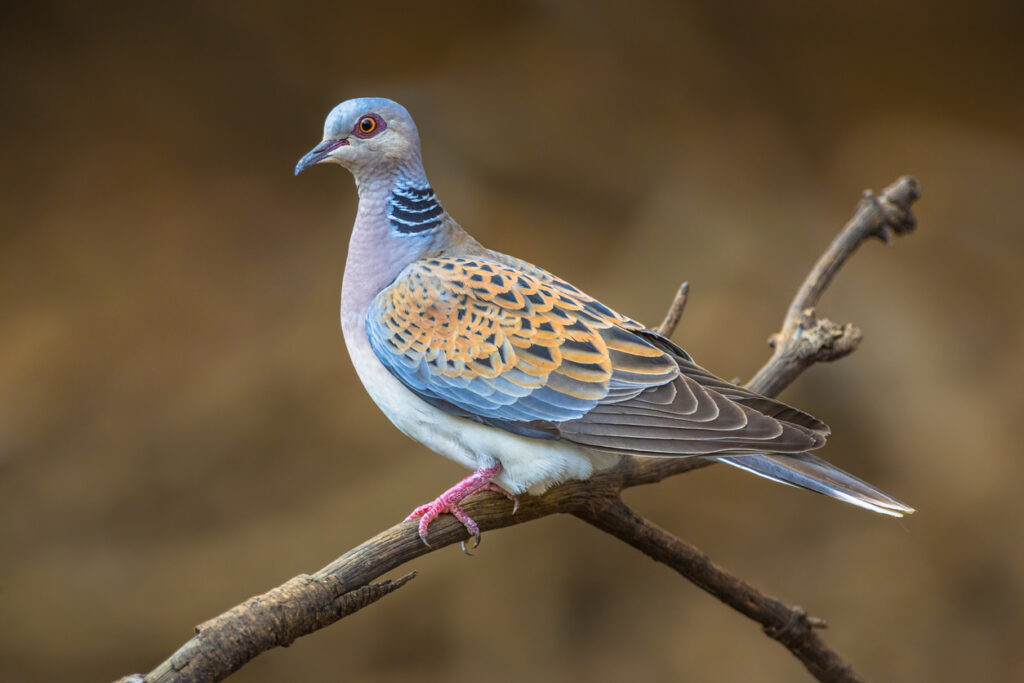
Once a familiar sound in British summers, turtle doves nearly disappeared. But targeted breeding and release programmes in places like Somerset and Norfolk are giving them a second chance. Some birds are now being fitted with trackers, so scientists can monitor their migration and survival rates in the wild.
It’s not just about the birds, either. The work involves restoring wildflower-rich meadows and hedgerows, which helps other species too. It shows that with the right kind of support, nature doesn’t just bounce back—it brings a whole web of life with it.
Ancient woodland is getting a second life.
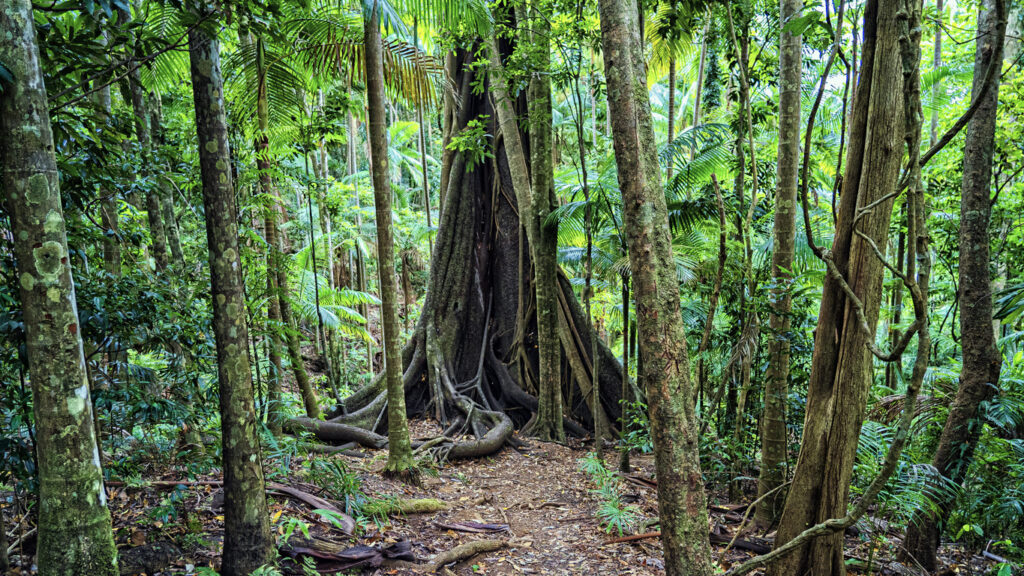
In areas like Northumberland, ancient woodland that had been fragmented or badly managed is now being restored. Native species like oak, birch, and rowan are being replanted, and in some places, natural regeneration is being allowed to take over again.
This work is reconnecting lost habitats and boosting biodiversity. Birds, mammals, and fungi are all returning to areas where they’d vanished decades ago. It’s a reminder that trees aren’t just trees—they’re part of a much larger system that’s finally being looked after properly.
Beavers are back and building better landscapes.

Beavers, once extinct in the UK, are now re-establishing themselves across places like Devon, Kent, and even parts of London. Their dam-building habits slow water flow, reduce flood risk, and create thriving wetland habitats for countless other species.
They’re proving to be brilliant environmental engineers, doing the kind of work that would cost millions to replicate artificially. It’s nature doing its own restoration, and more communities are now open to welcoming beavers back.
Water voles are making a comeback.
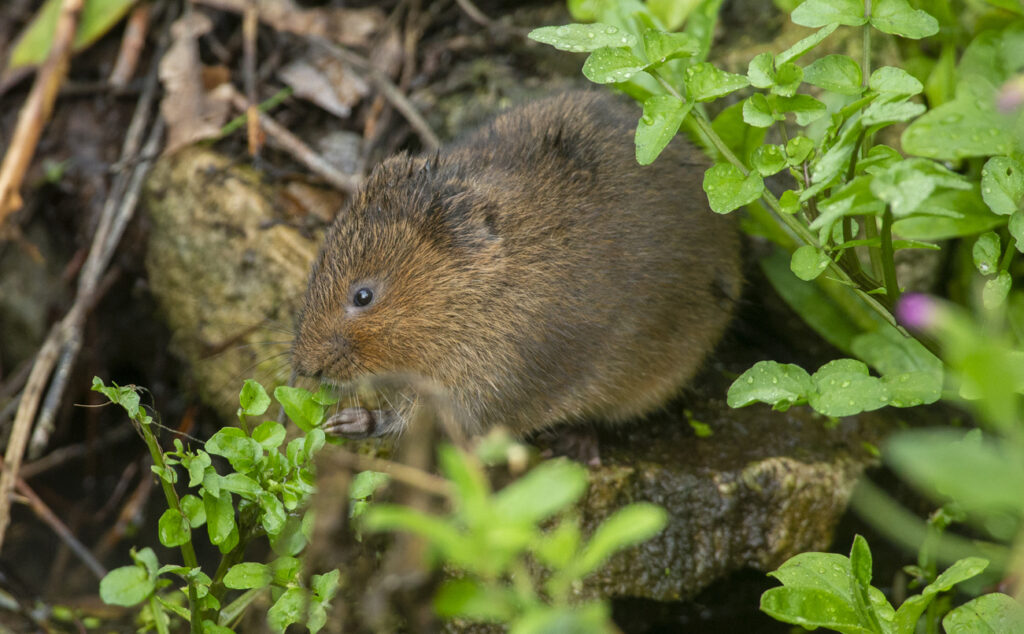
These once-abundant riverbank dwellers were nearly wiped out by habitat loss and invasive American mink. But thanks to careful reintroductions and serious efforts to control mink populations, water voles are returning to rivers and wetlands in places like Yorkshire and East Anglia.
The sight of a vole diving into a riverbank burrow might seem small, but it’s a major sign of improving freshwater habitats. It also means the surrounding ecosystems—plants, insects, birds—are coming back to life too.
Invasive species are being tackled on islands.
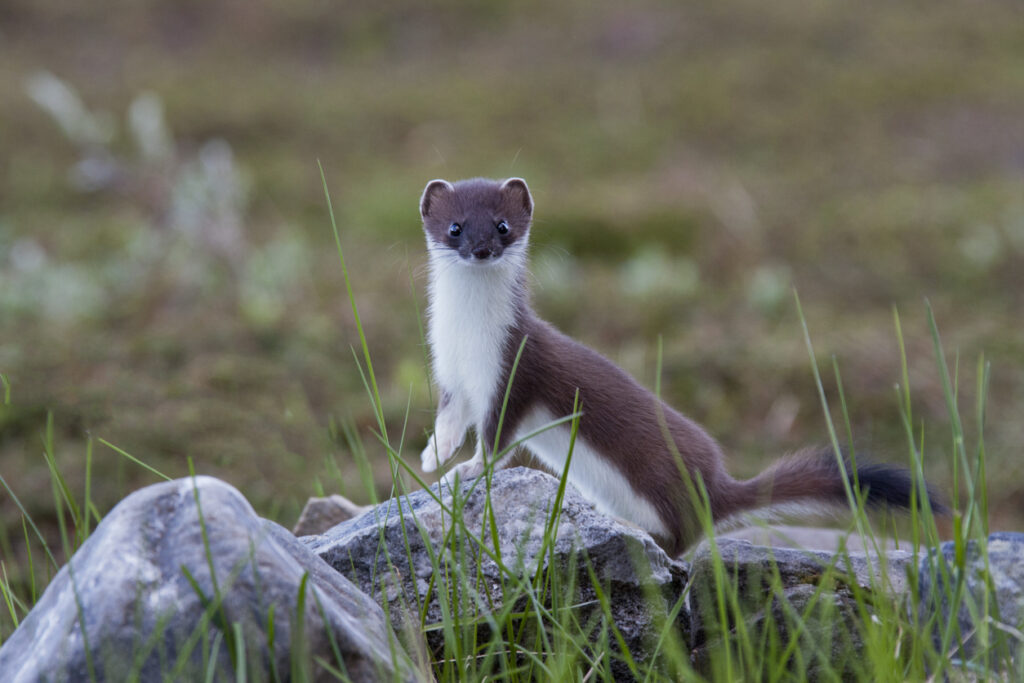
On the Orkney Islands, conservation teams have removed thousands of stoats, an invasive predator that was threatening native birds and mammals. Since the project began, species like curlews and Orkney voles have started recovering. It’s one of the biggest and most effective predator control programmes in the UK. It shows that removing the wrong species can be just as important as reintroducing the right ones when it comes to restoring balance.
‘Ghost woodlands’ are returning.
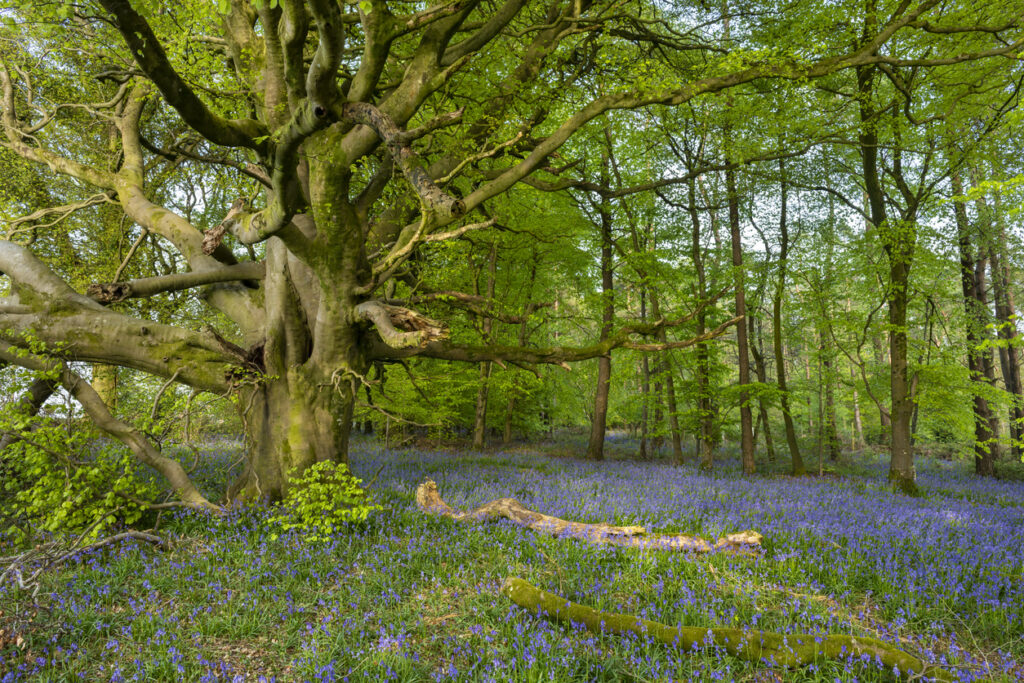
In the Yorkshire Dales, hundreds of thousands of native trees are being planted in areas where forests once stood but were cleared long ago. These ghost woodlands are being revived with species like hawthorn, rowan, and hazel, and are already showing signs of life.
In just a few years, bluebells have returned, birds are nesting, and local people are seeing their landscapes shift into something richer and more alive. It’s not just good for biodiversity—it’s reshaping how these spaces are valued.
Natterjack toads are back in Hampshire.

These rare, noisy little toads hadn’t been seen in parts of Hampshire for fifty years. However, new ponds and carefully managed heathland have helped them return, with dozens of toadlets spotted in recent surveys. It’s a small-scale project, but it proves that focused, local conservation can bring a species back from the edge. Even something as simple as digging a pond can ripple out into wider ecological recovery.
Rewilding is catching on across farmland.
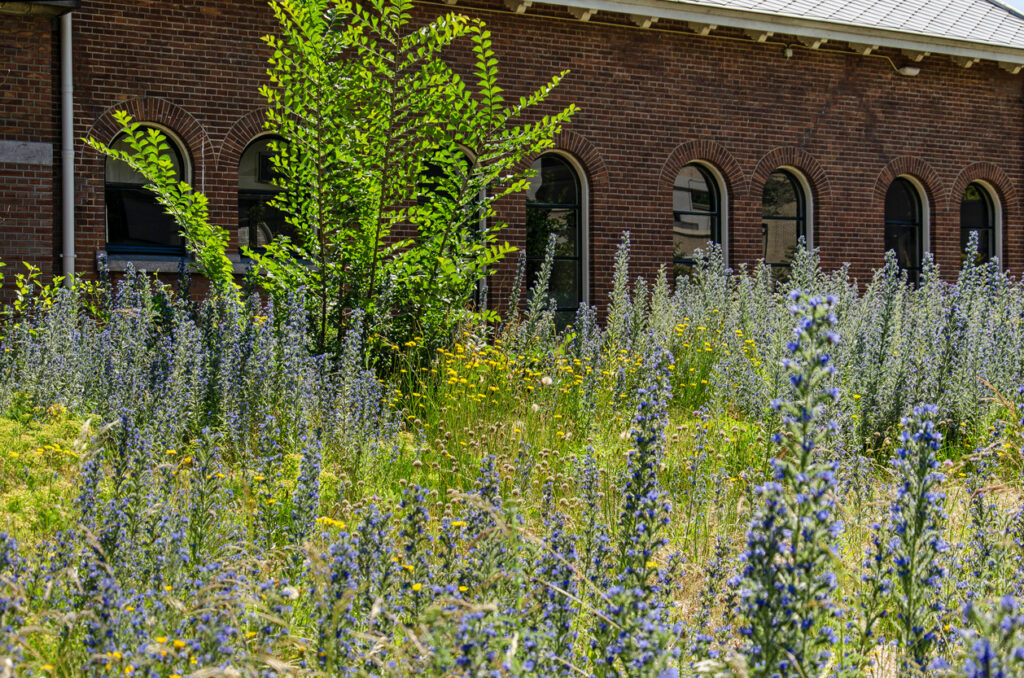
Places like Knepp in Sussex have led the charge, but now rewilding is spreading across the UK’s working landscapes. Bison are roaming in Kent, and wildflower meadows are being restored alongside grazing land in Devon and the Midlands. That doesn’t mean abandoning farming—it’s about doing it differently. The result is more insects, more birds, better soil, and even improved mental health for the people living and working in these places.
Biodiversity is being factored into planning laws.

England now requires all major new developments to deliver “Biodiversity Net Gain.” That means any building project must leave the environment in better shape than before, or pay into a system that funds habitat restoration elsewhere. It’s still early days, but this shift could reshape how nature and development co-exist. Instead of being something that gets bulldozed, biodiversity is starting to be something that developers have to account for and invest in.
Fenland and marshland habitats are getting proper attention.
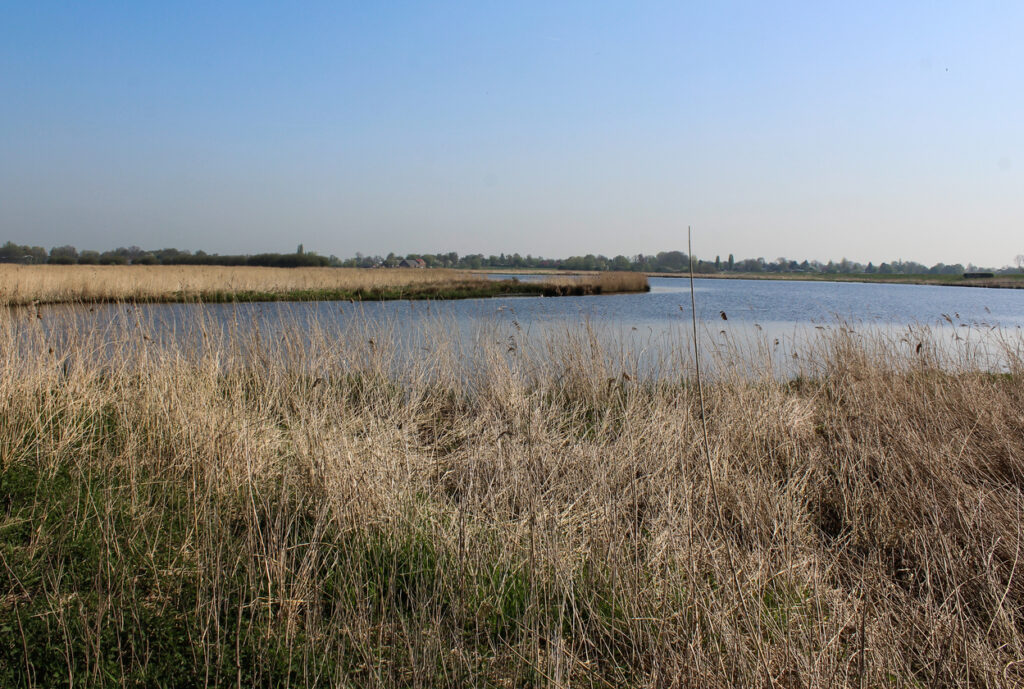
In sites like Redgrave and Lopham Fen, better grazing regimes, river rewilding, and habitat mosaics are bringing otters, dragonflies, and rare birds back. These places were once written off as drained, degraded, and forgotten. Now, they’re becoming stars of the wetland recovery story. They improve flood control, carbon storage, and wildlife diversity, all without massive infrastructure or fanfare.
Wildlife charities are buying up land for nature.

In one of the biggest conservation buys in recent memory, the Northumberland Wildlife Trust bought over 3,800 hectares of upland to turn into a space for regenerative farming, rewilding, and public access. These types of purchases put control back in the hands of people prioritising nature. It’s not just a nature reserve—it’s a working example of how humans and wild systems can thrive together long-term.
New tech is helping us protect species in real time.
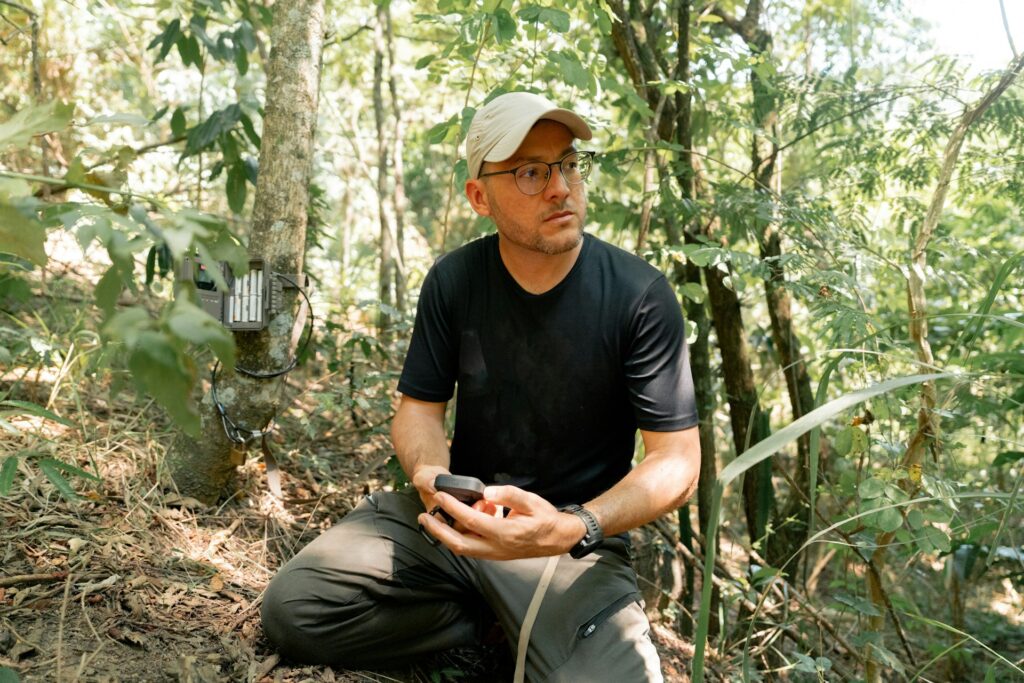
Artificial intelligence is now being used to track birds like curlews across farmland in Wales. Drones and motion-triggered cameras can flag nests or detect disturbances without needing someone on-site 24/7. That kind of tech takes conservation from reactive to proactive. It helps protect vulnerable species faster and with less disruption, and opens the door for better planning in areas where human activity overlaps with wildlife.