Generally speaking, once a creature is extinct, that’s basically it—they’re gone for good.
However, every so often, a creature we thought had vanished from the planet suddenly pops back into view—alive, well, and ready to throw our assumptions out the window. These mammals were once considered extinct or completely lost to science, only to reappear years or even decades later. Their return stories are often surprising, sometimes emotional, and always a bit magical. Here are some of the mammals that disappeared, only to make an unforgettable comeback.
1. Attenborough’s long-beaked echidna
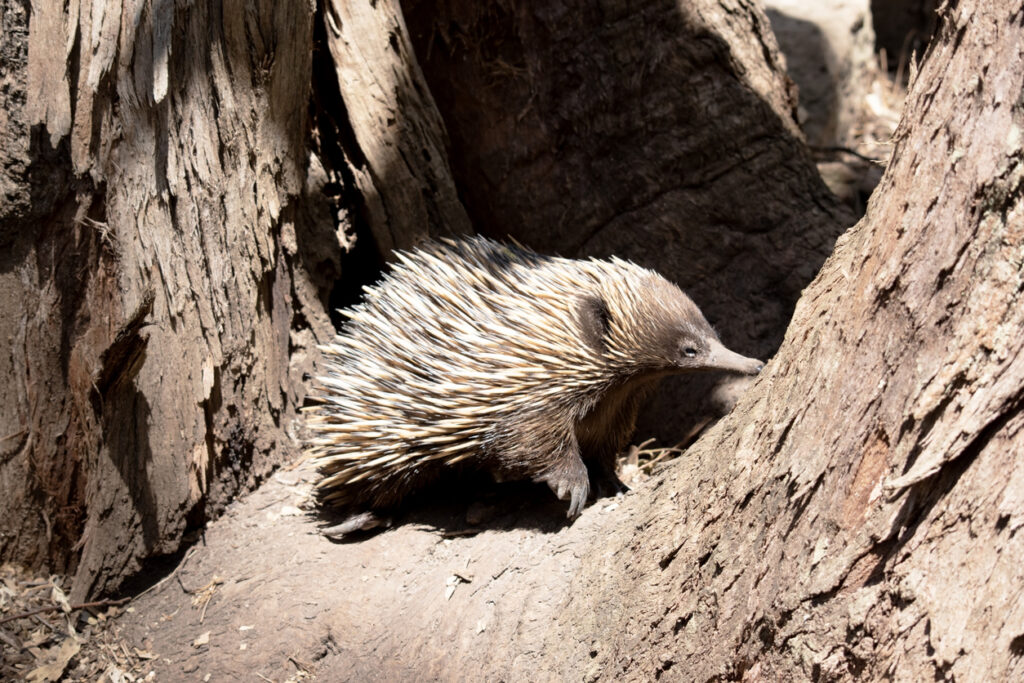
This spiky, egg-laying mammal hadn’t been seen since 1961—until researchers rediscovered it in 2023 in the Cyclops Mountains of Indonesia. A hidden camera captured the echidna on the final day of an expedition, leading to one of the most joyful moments in recent conservation history.
Named after Sir David Attenborough, the creature is a bit of a living fossil. Its reappearance sparked renewed efforts to protect the rainforest it calls home, proving there’s still so much we don’t know about life in remote places.
2. Somali sengi (elephant shrew)
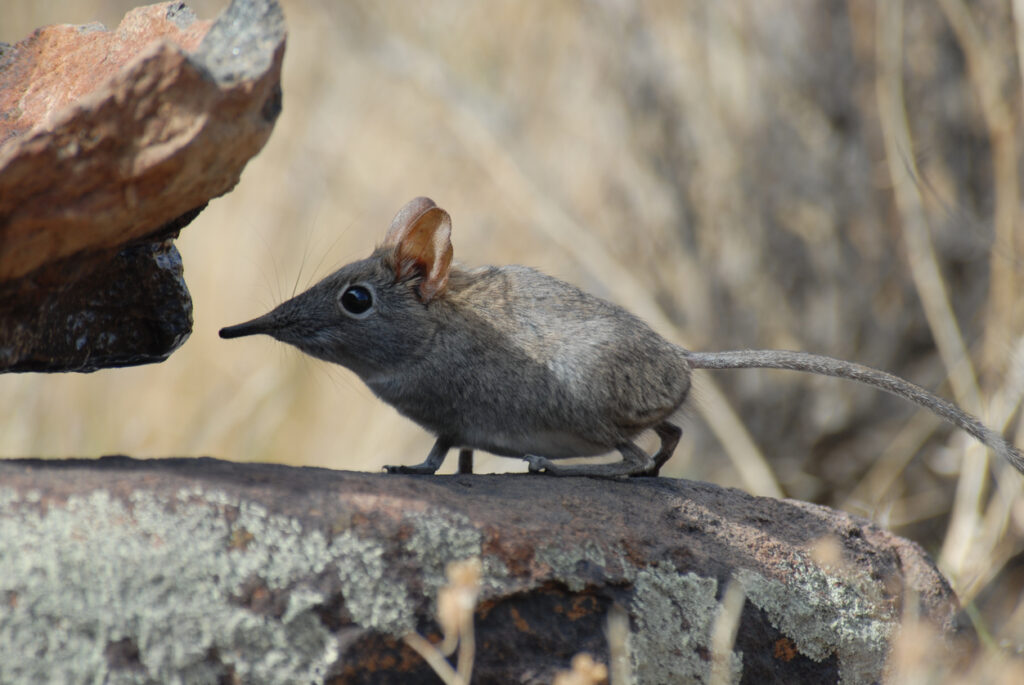
Missing from scientific records for over 50 years, the Somali sengi was finally rediscovered in Djibouti in 2020. With its long snout and quick reflexes, it had been hiding in plain sight, known to locals but written off by researchers. This tiny insect-eating mammal reminded everyone that just because something’s hard to find doesn’t mean it’s gone. The rediscovery even led to the first-ever photos and detailed studies of its behaviour in the wild.
3. Wondiwoi tree-kangaroo
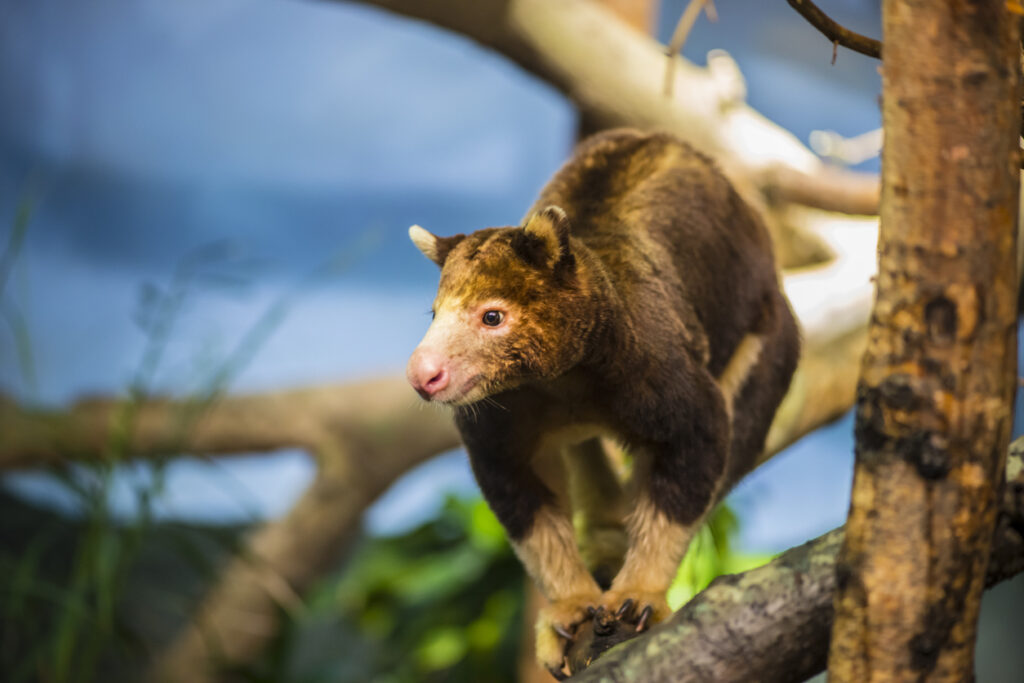
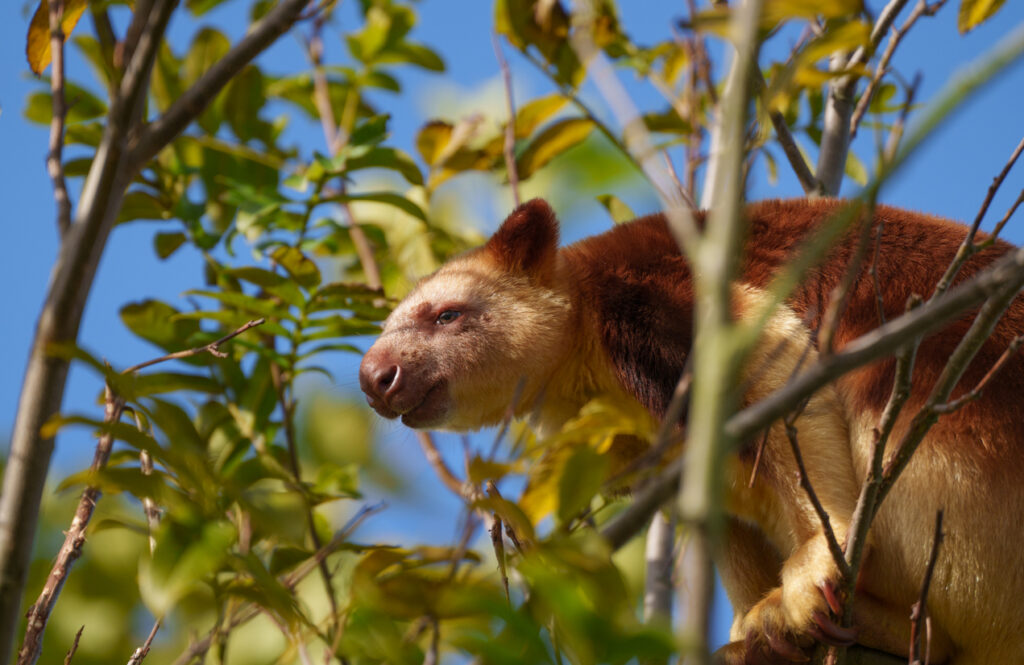
This elusive tree-dweller was known only from a single specimen collected in 1928. For decades, it was presumed extinct—until a 2018 expedition snapped clear photos of one alive and well in Papua’s misty highland forests. It was a huge win for conservationists, especially since so little is known about this rare species. Its existence hints that the dense, unexplored areas of New Guinea may still be hiding more biological secrets.
4. Bavarian pine vole
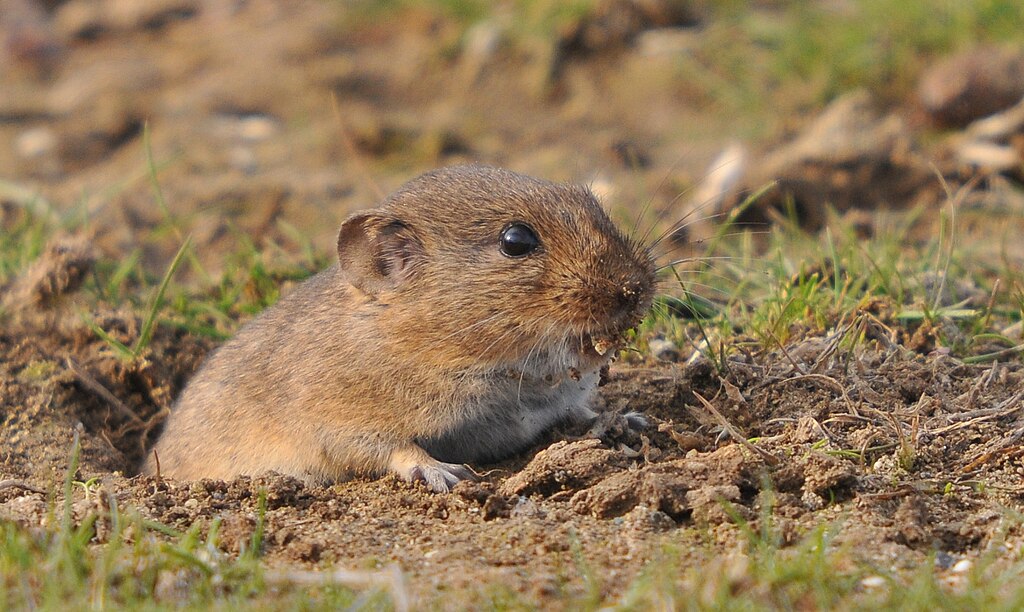
After being declared extinct in the 1960s, the Bavarian pine vole turned up again in 2000 in a forested patch of the German Alps. Small, shy, and easy to overlook, this little rodent had quietly survived undetected for decades. Its rediscovery highlighted the importance of monitoring even the most unassuming corners of our landscapes. Sometimes, nature finds a way to hang on—right under our noses.
5. Black-footed ferret
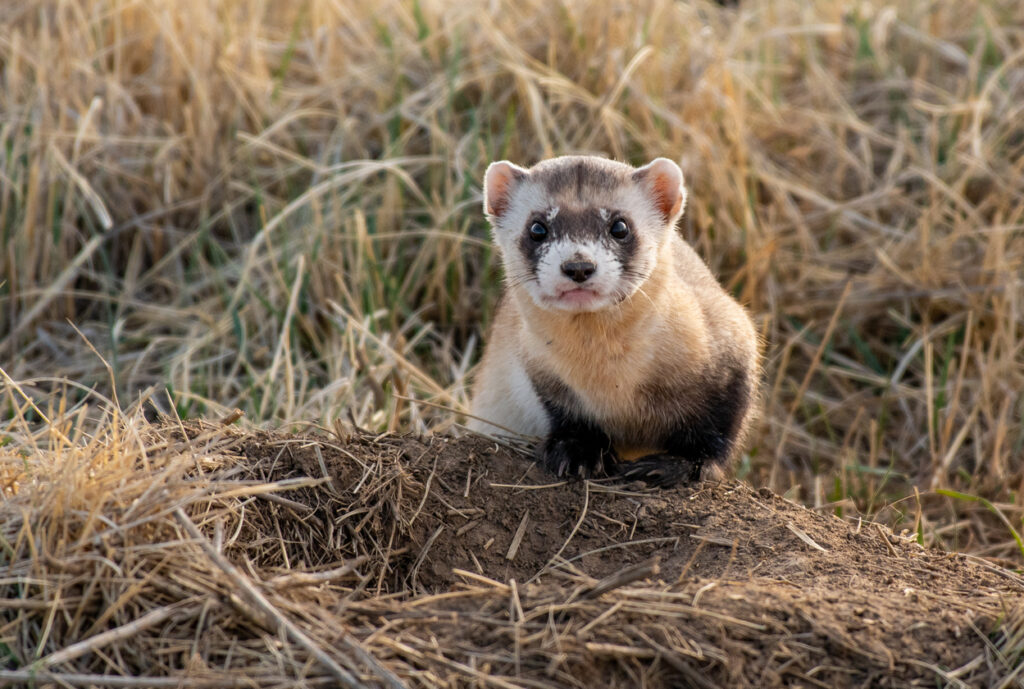
This species was thought to be completely extinct by the late 1970s—until a ranch dog in Wyoming brought one home in 1981. That accidental discovery led to a successful breeding programme that’s now reintroduced over a thousand ferrets into the wild. The black-footed ferret has become a symbol of what’s possible when science and conservation join forces. It also reminds us that a single sighting can change everything.
6. Cuban solenodon
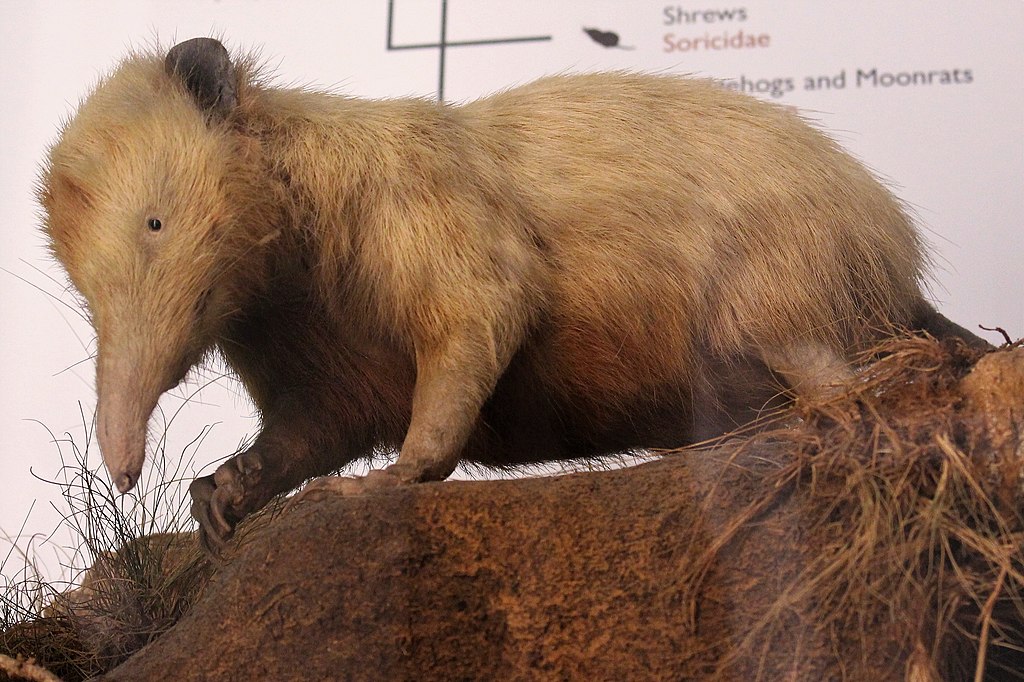
Looking like a cross between a shrew and a possum, the Cuban solenodon was believed extinct until it was seen again in the 1970s. It’s one of the few venomous mammals on the planet and is a relic from ancient evolutionary history. Though sightings remain rare, its rediscovery gave Cuban conservationists a new reason to protect mountainous forest habitats. These unusual little survivors show that sometimes, evolution’s strangest experiments are still ticking along quietly.
7. Nelson’s small-eared shrew
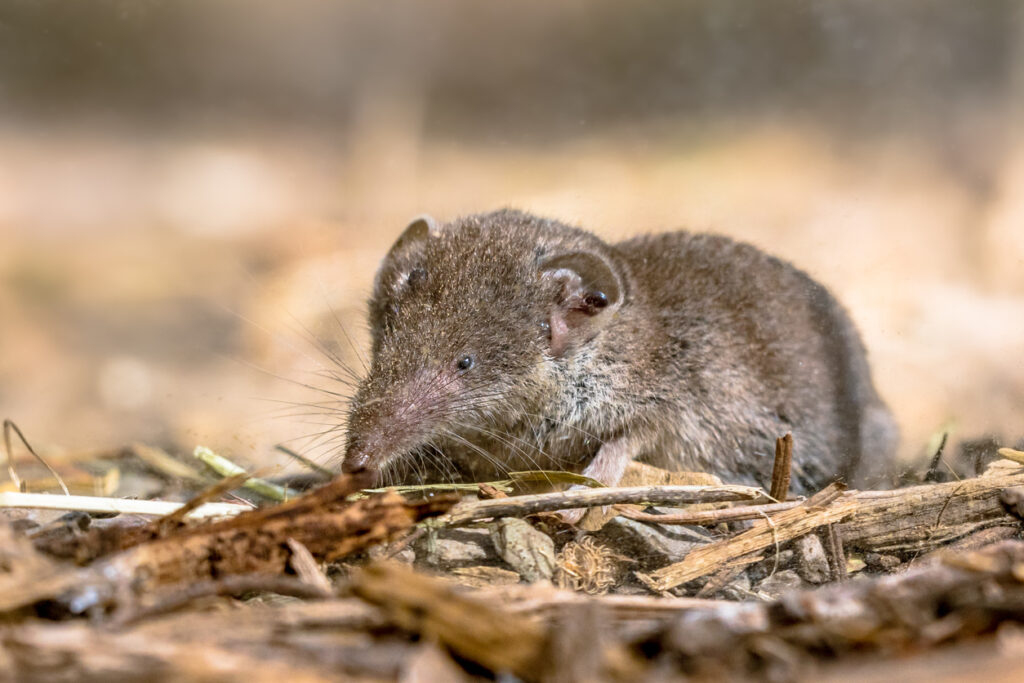
This shrew disappeared from the scientific radar after being first described in 1894. It wasn’t seen again until 2004, when it was rediscovered in the highlands of Mexico. Living at over 2,000 metres above sea level, it likely avoided detection for over a century simply by keeping to remote and rugged terrain. It’s another reminder that even the smallest mammals can go unnoticed for a long time.
8. Desert rat-kangaroo
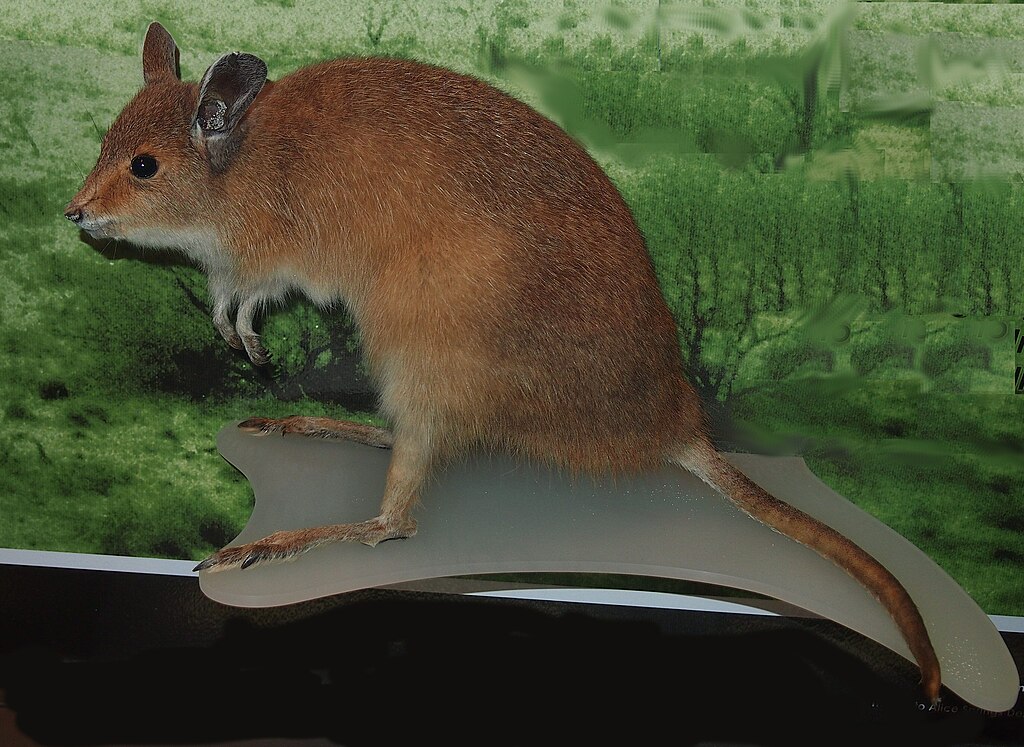
One of the more mysterious stories, this marsupial was thought to be extinct since the 19th century, but a handful of sightings in the 1930s brought it briefly back into the spotlight. Since then, it’s vanished again, though some believe it may still exist in remote Australian deserts. Its story represents the thin line between extinction and rediscovery. While we can’t confirm it’s still out there, the possibility keeps hope alive among wildlife enthusiasts and researchers alike.
9. Brazilian arboreal mouse
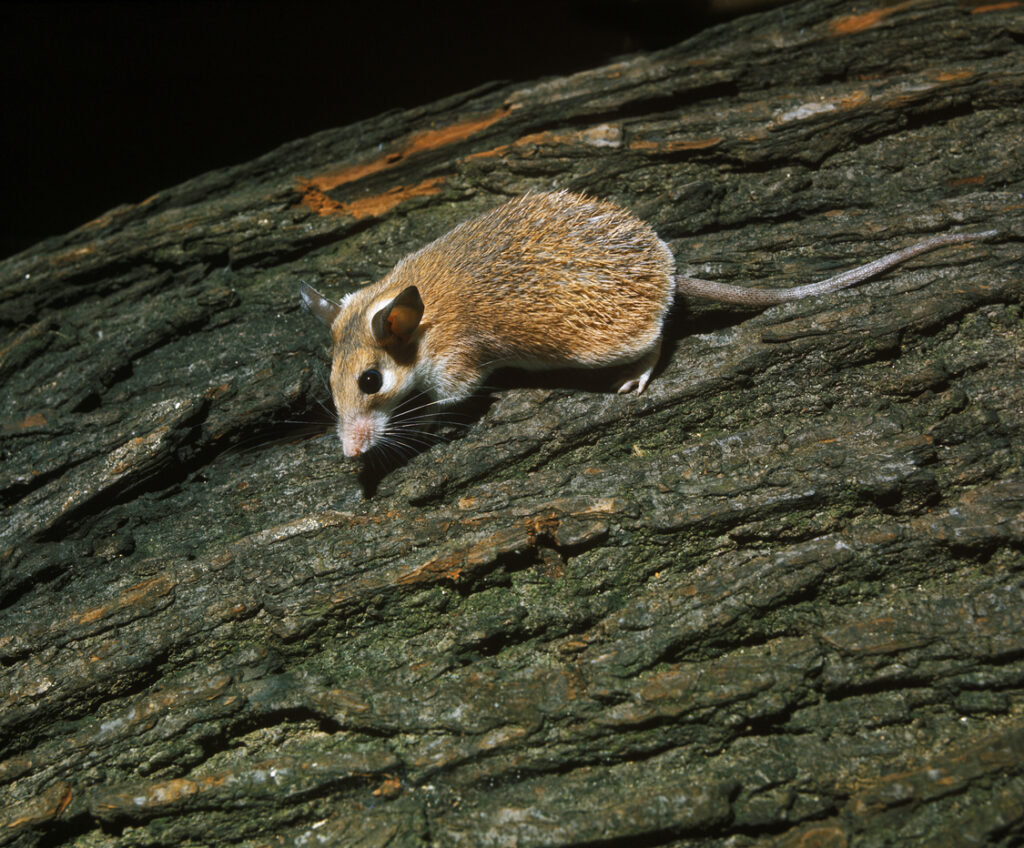
After being known only from a single specimen collected in 1896, this tree-dwelling rodent was rediscovered in 2004 in Brazil’s Atlantic rainforest. It’s another case of a species surviving quietly in one of the most biologically diverse—and threatened—ecosystems on Earth. The mouse’s return was a small but powerful argument for why protecting old-growth forests is crucial. Who knows how many other “lost” species are still clinging to life in these fragmented green patches?
10. Gilbert’s potoroo
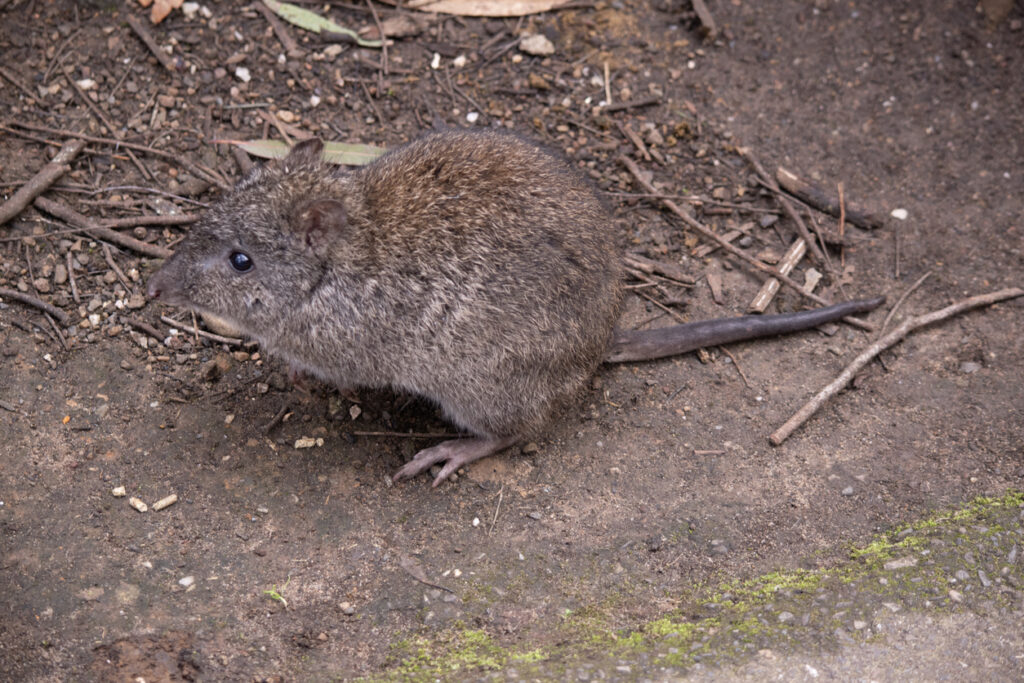
This tiny marsupial from Western Australia hadn’t been seen since the late 1800s—until a small population was found in 1994. With fewer than 40 individuals left at the time, it was immediately listed as one of Australia’s most endangered mammals. Since then, captive breeding and habitat restoration efforts have given Gilbert’s potoroo a fighting chance. Its rediscovery sparked not just celebration, but serious action to protect what little remains of its world.