We tend to think of animals in terms of short lifespans—dogs that live into their teens, birds that make it to 20 if they’re lucky.
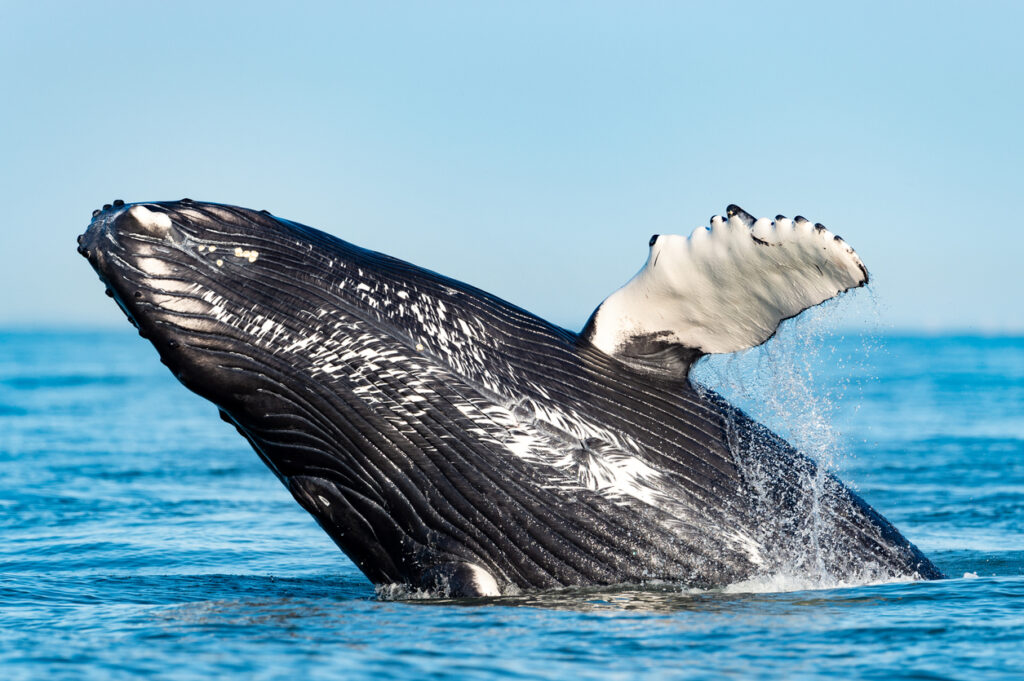
However, some creatures are quietly outliving entire human empires, hanging around for centuries (or longer) without much fuss. From sharks that predate the Industrial Revolution to jellyfish that dodge death altogether, here are some of the oldest living animals on the planet right now. Needless to say, they’ve seen some things in their time!
Greenland shark (~250–500 years)
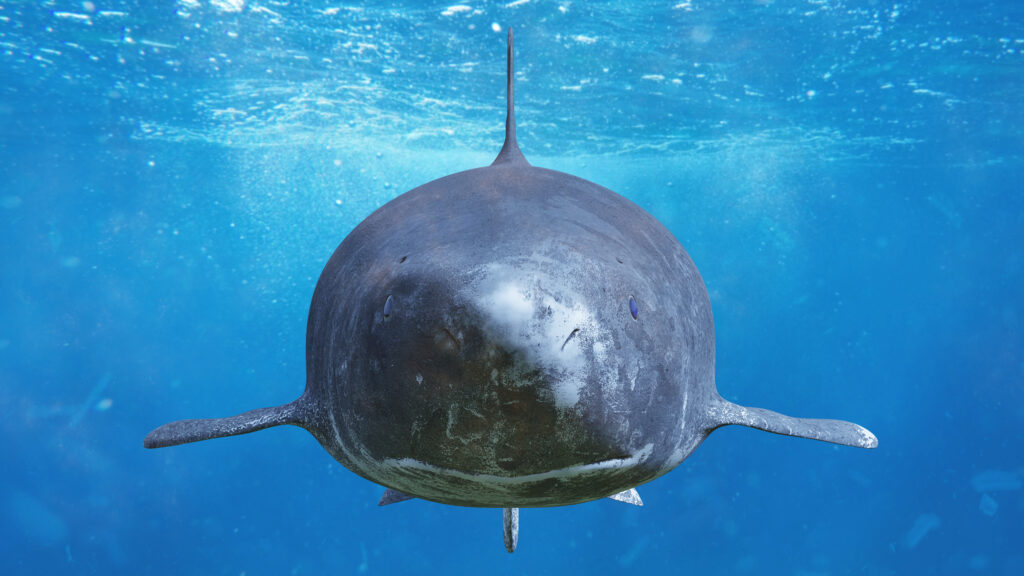
Greenland sharks are the slow burners of the deep sea. They move slowly, grow slowly, and, it turns out, age very slowly too. Some individuals are believed to be over 400 years old, with the oldest known specimen estimated at around 392. That makes them the oldest living vertebrates on Earth, gliding through the icy waters of the North Atlantic like ancient submarines.
These sharks don’t even reach sexual maturity until they’re about 150 years old, which is wild in itself. And because they live in cold, deep waters with few predators and low metabolic rates, they basically just… keep going. Quiet, mysterious, and weirdly immortal, they’re one of the ocean’s longest-living residents.
Ocean quahog clam (~507 years)
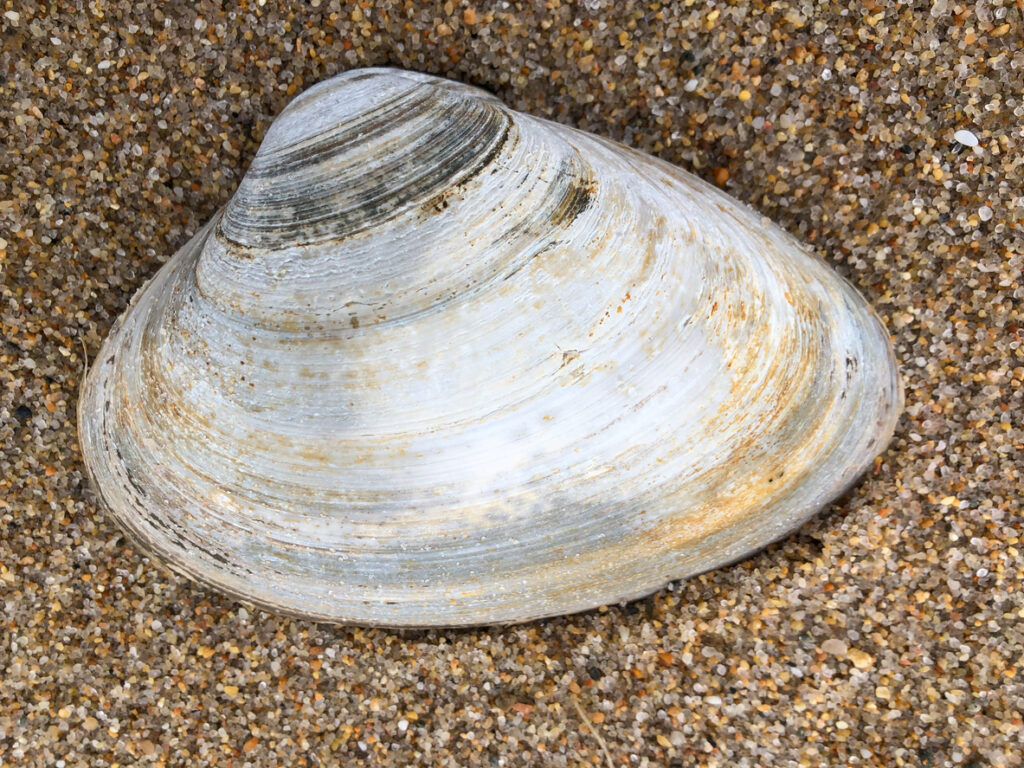
At first glance, it’s just a clam. However, the ocean quahog has a secret: it can live for over 500 years. One famously named “Ming” was dated to 507 years old when it was discovered near Iceland. That clam was alive during the Ming dynasty, hence the name—and yes, it had been sitting on the seafloor doing absolutely nothing flashy the whole time.
These clams have become important in climate science too. Their growth rings help scientists study environmental patterns from centuries ago. So while they’re not much to look at, they’ve quietly earned their place as time capsules of the sea.
Glass sponge (~11,000–15,000 years)

This one sounds made up, but it’s real. Certain glass sponges found in Antarctic waters are estimated to be as old as 11,000 years. That’s not a typo—some could’ve been growing since the last Ice Age. Their bodies are made of silica, forming intricate skeletons that look almost like spun glass.
They don’t move or do anything particularly thrilling, but their extreme age makes them biological wonders. These deep-sea sponges grow incredibly slowly and live in freezing, undisturbed environments—perfect conditions for sticking around forever.
Black coral (~4,000+ years)
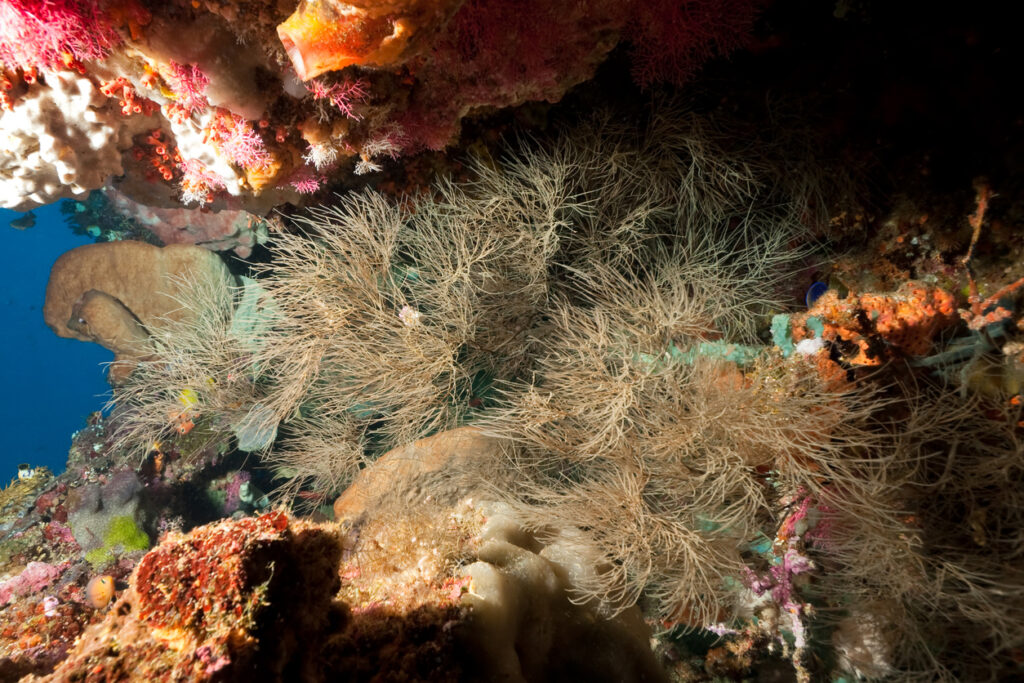
Black coral might not be the vibrant reef kind you see in snorkelling photos, but it’s even more fascinating. Found in deep water, some colonies have been dated to over 4,200 years old. These ancient creatures build on themselves slowly over millennia, creating layered structures that serve as both home and legacy.
What’s especially strange is that while the individual polyps that make up the coral don’t live that long, the colony itself can be ancient. It’s a bit like a living, growing time-lapse of the sea, carrying history in its branches.
Immortal jellyfish (Turritopsis dohrnii)
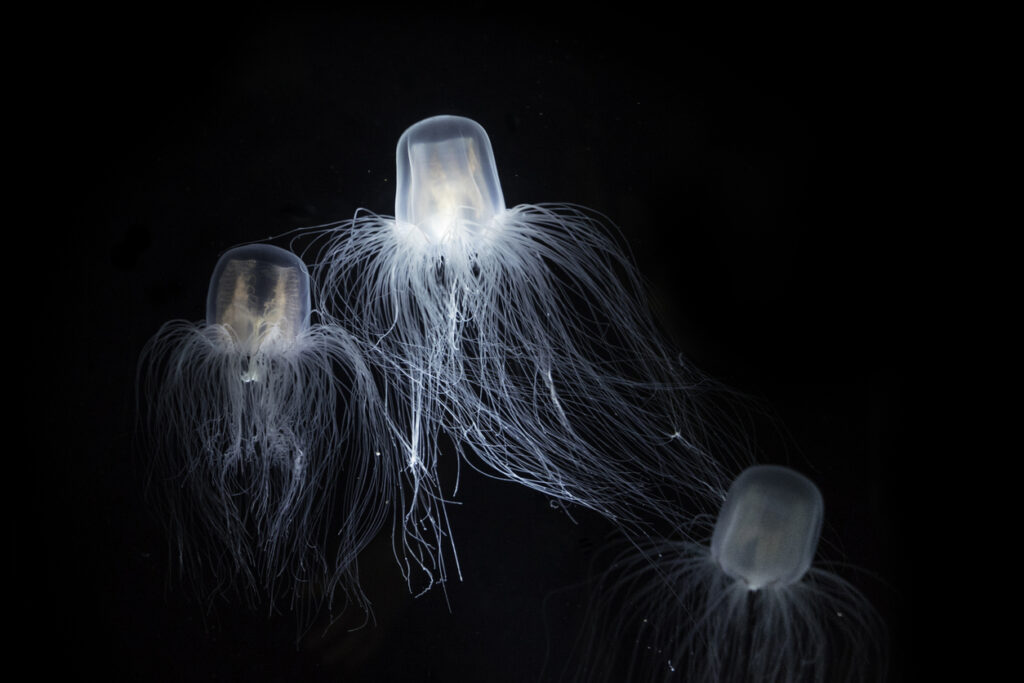
“Immortal” sounds dramatic, but this jellyfish might be the closest thing we have to it. When facing injury or old age, it can revert back to its juvenile state—a bit like a butterfly turning back into a caterpillar. If conditions are right, this reset process can repeat indefinitely.
They’re tiny, only a few millimetres wide, and found mostly in warm waters. But their ability to effectively dodge death through regeneration has scientists fascinated. They’re not going to take over the world, but they’ve already won the longevity game.
Jonathan the tortoise (~192 years)
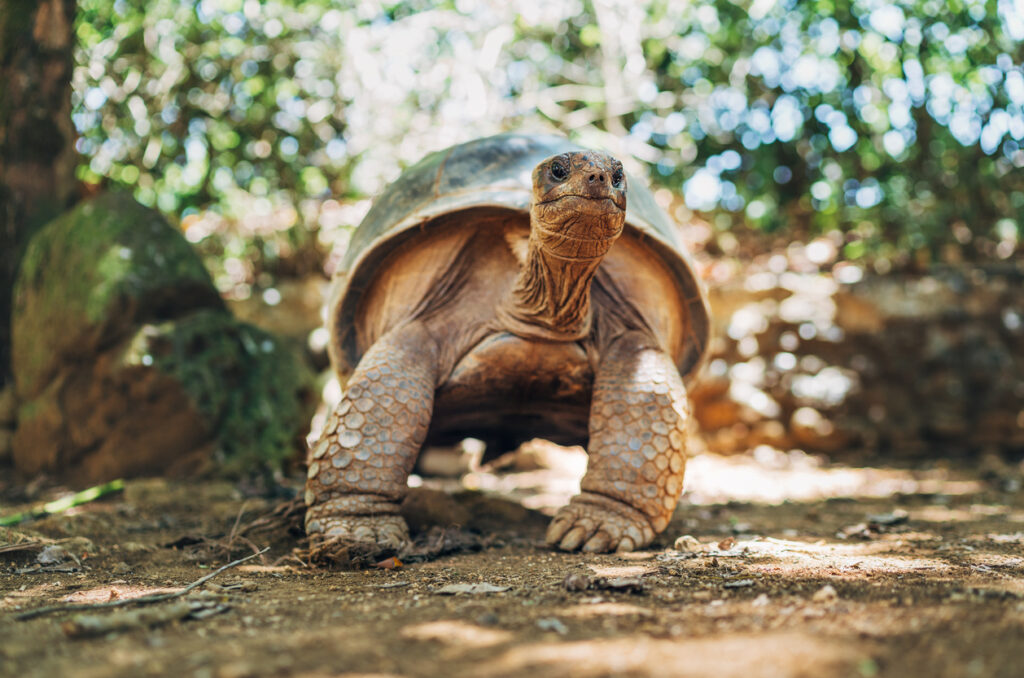
Jonathan the Seychelles giant tortoise is believed to have hatched around 1832, which makes him the oldest known land animal alive today. He’s lived through two world wars, countless monarchs, and every single Prime Minister the UK has had since the Victorian era.
He currently resides on the island of St Helena and seems to be enjoying his twilight years in peace. Despite being nearly blind and losing his sense of smell, Jonathan is still active and social. He’s the kind of slow-and-steady legend that proves you don’t need to rush to leave a mark.
Bowhead whale (~200+ years)
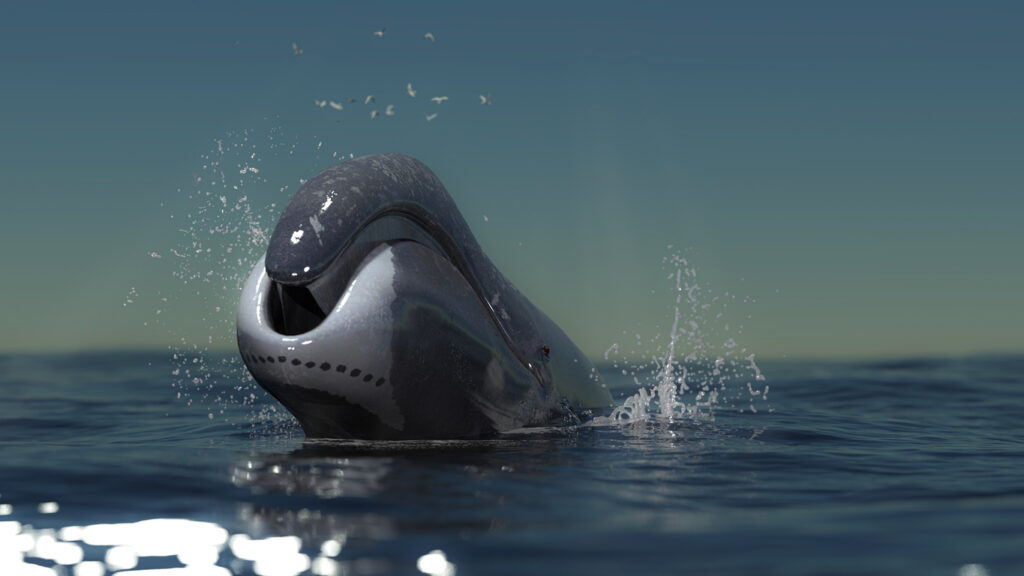
Bowhead whales live in Arctic waters and have some of the thickest blubber in the animal kingdom, which might explain their longevity. Some are estimated to be over 200 years old, with one even found carrying a 19th-century harpoon tip lodged in its body.
Unlike many whales, bowheads don’t seem to suffer the same rate of age-related cellular damage. Scientists are studying them to better understand human ageing, since these giants appear to be masters of biological maintenance over two full centuries.
Goliath the Galápagos tortoise (~135 years)
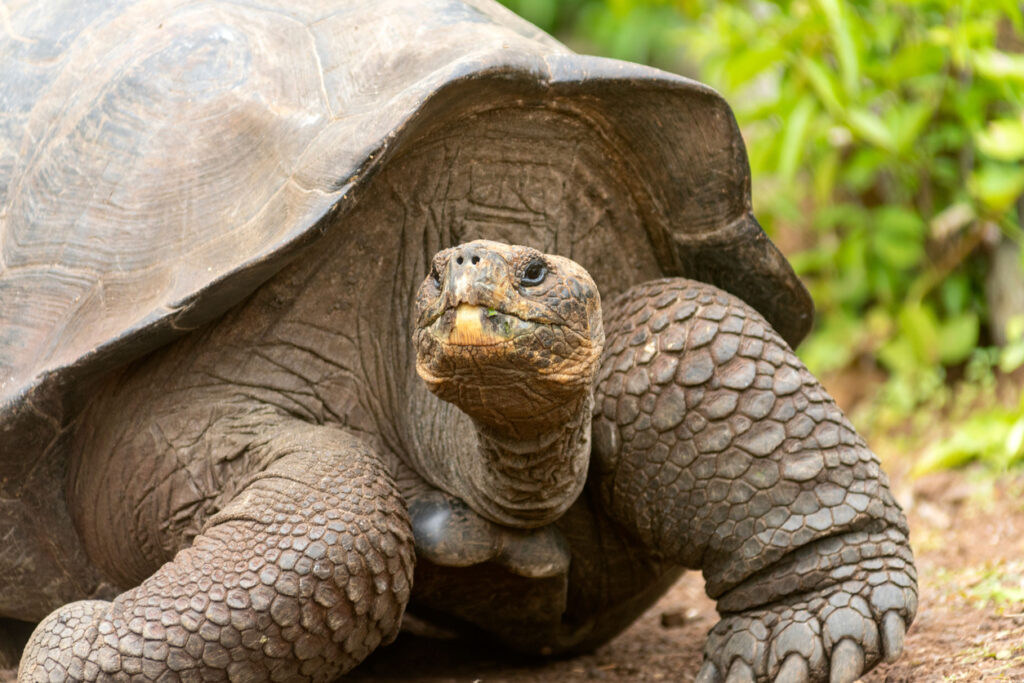
Another giant tortoise with a very long résumé, Goliath is one of the oldest Galápagos tortoises known today. He lives in Zoo Miami and recently became the world’s oldest known first-time father at around 135 years old. Apparently, tortoises play the long game in every sense.
These tortoises can live well into their 100s, and their laid-back metabolism, herbivorous diet, and calm temperament probably contribute to that. Goliath’s story just adds to the quiet awe these ancient animals tend to inspire.
Henry the tuatara (~115+ years)

Henry is a tuatara, a reptile native to New Zealand and often referred to as a “living fossil” because it hasn’t changed much in over 200 million years. He became a father at the age of 111, proving age is just a number—especially in the tuatara world.
These reptiles grow slowly, reproduce infrequently, and live for well over a century. Henry’s longevity and continued vitality have made him a bit of a national treasure, quietly representing resilience in the animal kingdom.
Methuselah the Australian lungfish (~92–101 years)
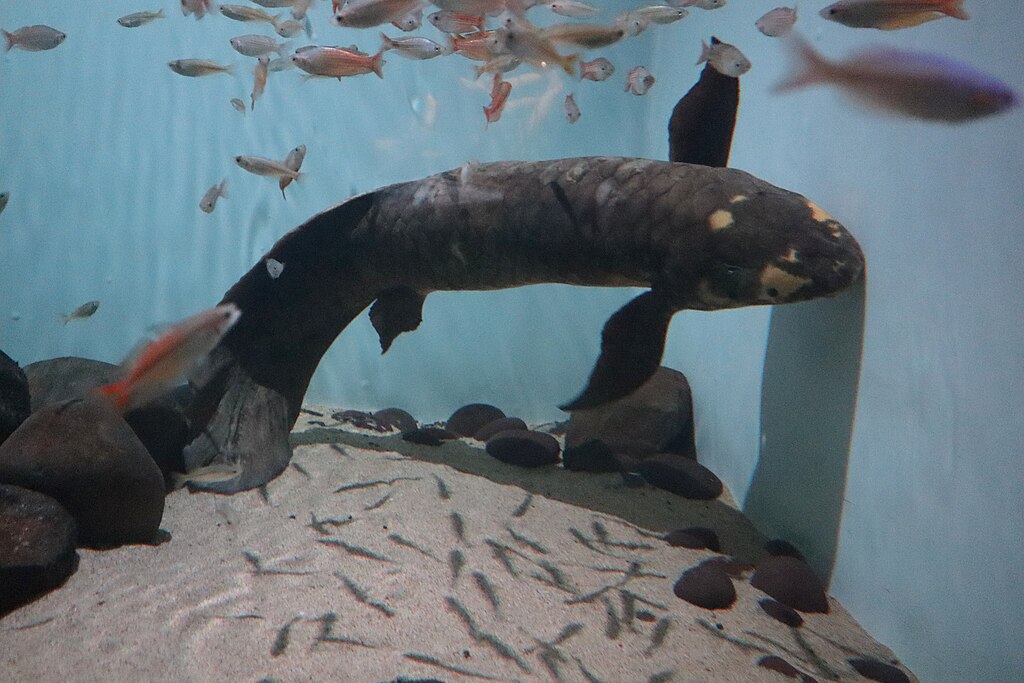
Named after the famously long-lived biblical figure, Methuselah is an Australian lungfish living in the California Academy of Sciences. She’s believed to be at least 92 years old, possibly over 100, and is thought to be the oldest living fish in captivity.
What makes lungfish unique is their ability to breathe air. Methuselah has become a gentle, slow-moving symbol of endurance—an underwater pensioner, gracefully outliving generations of her caretakers and showing no signs of stopping any time soon.