Allotments have this lovely reputation for being peaceful, hands-on and deeply satisfying.

However, anyone who’s actually run one will tell you that it’s not just pottering around with a cup of tea and a trowel. There’s weeding, watering, planning, planting, and more weeding. The good news is, the time commitment doesn’t have to take over your life. But it’s worth knowing what you’re getting into. Here’s a realistic breakdown of how much time an allotment actually takes, and what that looks like week by week, season by season.
Expect around 8 hours per week to begin with.
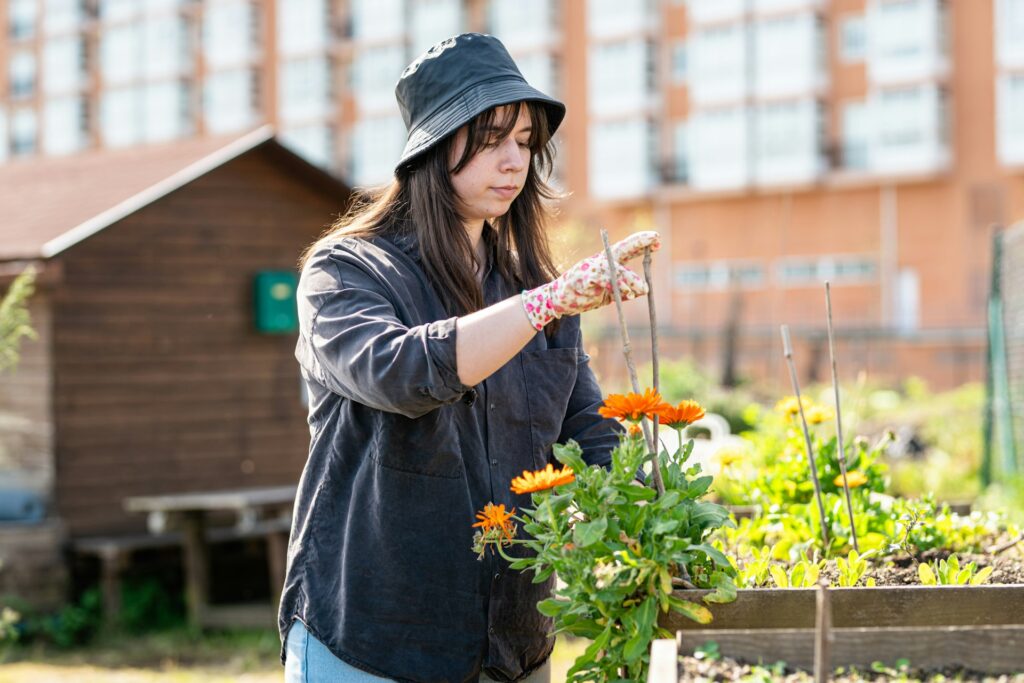
In the early days, most beginners will spend around 8 hours a week on their allotment. This includes time clearing weeds, preparing beds, planting crops, and learning as you go. The first few months usually involve the steepest learning curve and the most time spent figuring things out.
Once the plot is up and running, that number tends to drop. After your first year, you’ll likely be down to around 4 hours per week during the growing season, depending on what you grow and how tidy you want things to look. But in the beginning, be prepared to give it a good chunk of your weekend.
Smaller plots are easier to manage.
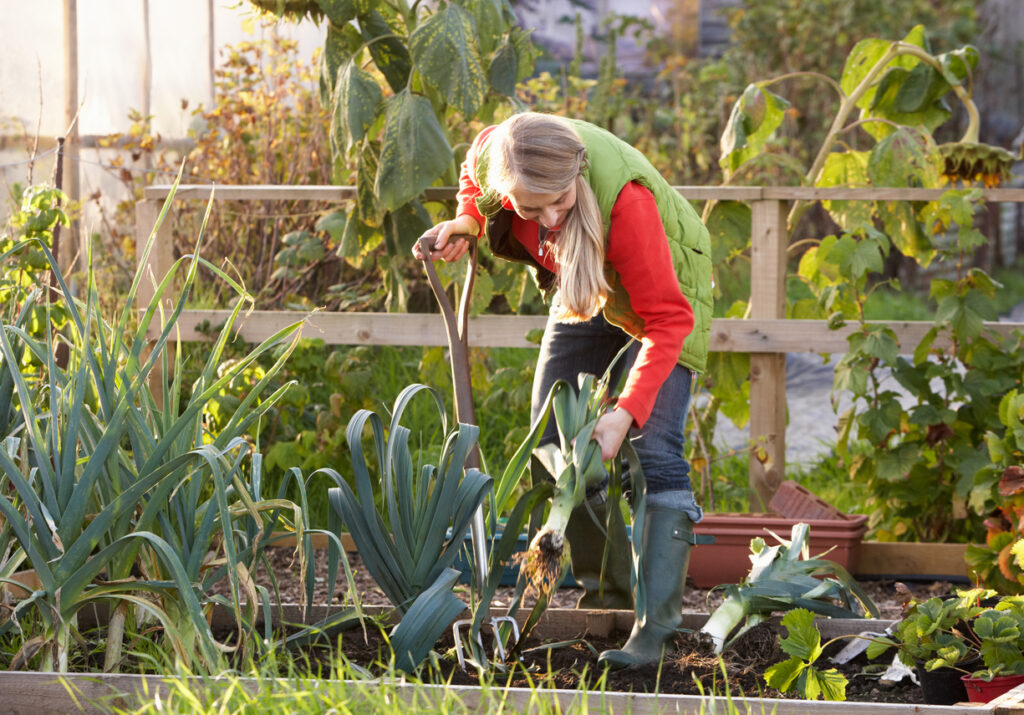
If you’re just starting out, a half-plot is usually the sweet spot. It offers enough space to grow a good variety of crops without feeling overwhelming. On average, it’s manageable within a few hours a week if you stay consistent and don’t overplant.
A full 10-pole plot, on the other hand, is a serious commitment. Some experienced gardeners estimate they spend around an hour per pole each week during peak season, which could mean up to 10 hours of maintenance a week in summer. Start small and expand if you enjoy it.
Seasonal changes matter a lot.
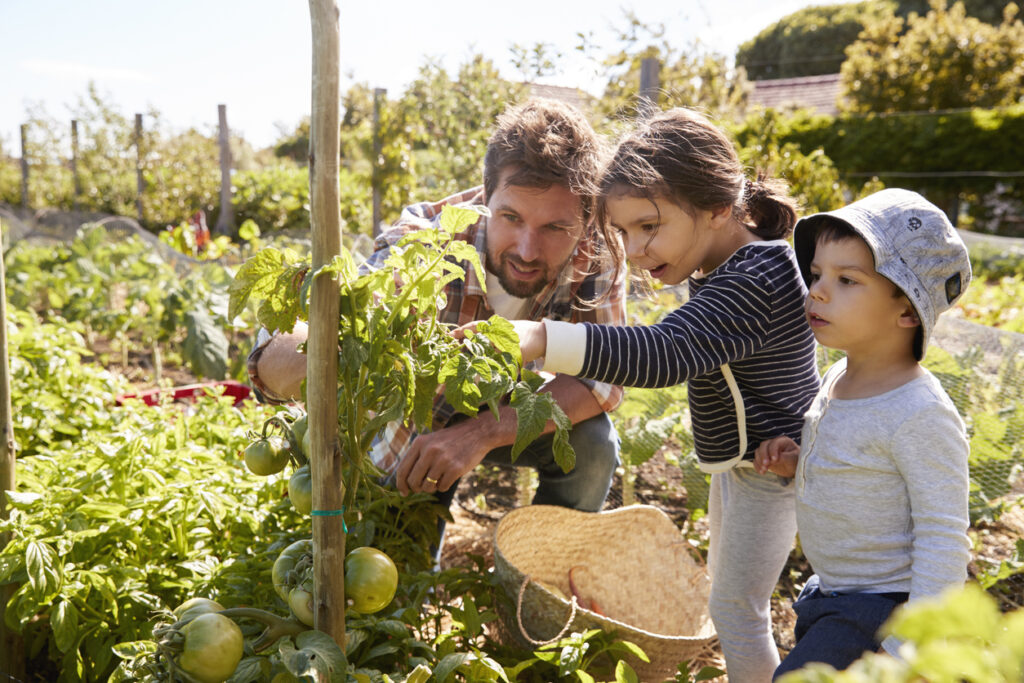
The workload on an allotment isn’t evenly spread throughout the year. Spring and summer are the busiest times, when sowing, watering, weeding, and harvesting overlap. You might be out there 10–12 hours some weeks just keeping up with everything.
Autumn slows down a bit, and winter is the quietest season. You might only spend 1–2 hours a week tidying, mulching, or planning for the next year. That ebb and flow is something most gardeners enjoy — you’re not on the same schedule all year round.
It’s possible to manage in under 2 hours a week.
Some gardeners have made a point of proving how little time you really need if you plan well. The “80-minute allotment” approach focuses on low-maintenance crops, efficient layouts, and prioritising the basics — and it works surprisingly well.
Of course, you won’t win any neatness awards, and you might have to let a few things slide. However, if your goal is just to get some food out of the ground and enjoy being outside, you can absolutely make an allotment work on just a couple of hours a week.
Your first year will likely be the hardest.

New allotments often need serious TLC before they’re usable. Many new tenants inherit plots that are overgrown or neglected. Just clearing brambles, weeds, and old rubbish can take weeks of steady work before you even start planting anything.
It’s easy to underestimate how long this part takes. You might spend 10–15 hours a week for the first month or two, just getting the plot to a workable state. After that, maintenance becomes far more manageable, but that initial push is where a lot of people get caught out.
You have to stay consistent or weeds win.
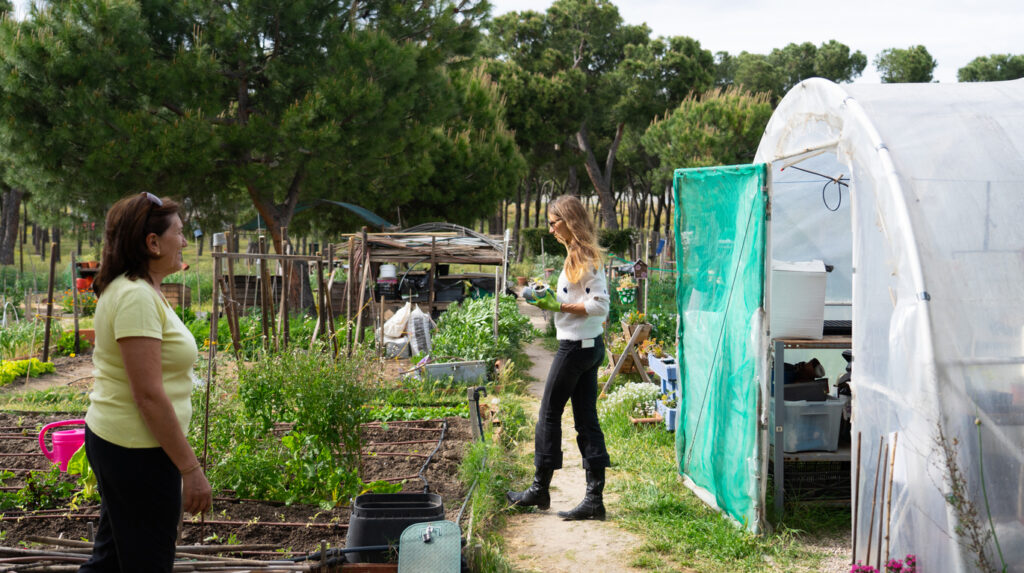
The most important thing isn’t how long you spend — it’s how regularly you show up. Weeds don’t wait. If you miss two weekends in May or June, you’ll probably return to chaos. Even 20–30 minutes a day can be more effective than letting everything pile up for Sunday afternoon.
This doesn’t mean you have to be perfect. Just a quick midweek check-in, a bit of weeding or watering, and a more focused session at the weekend can keep things ticking over. It’s about little-and-often maintenance more than marathon sessions.
The social side adds time — in a good way.
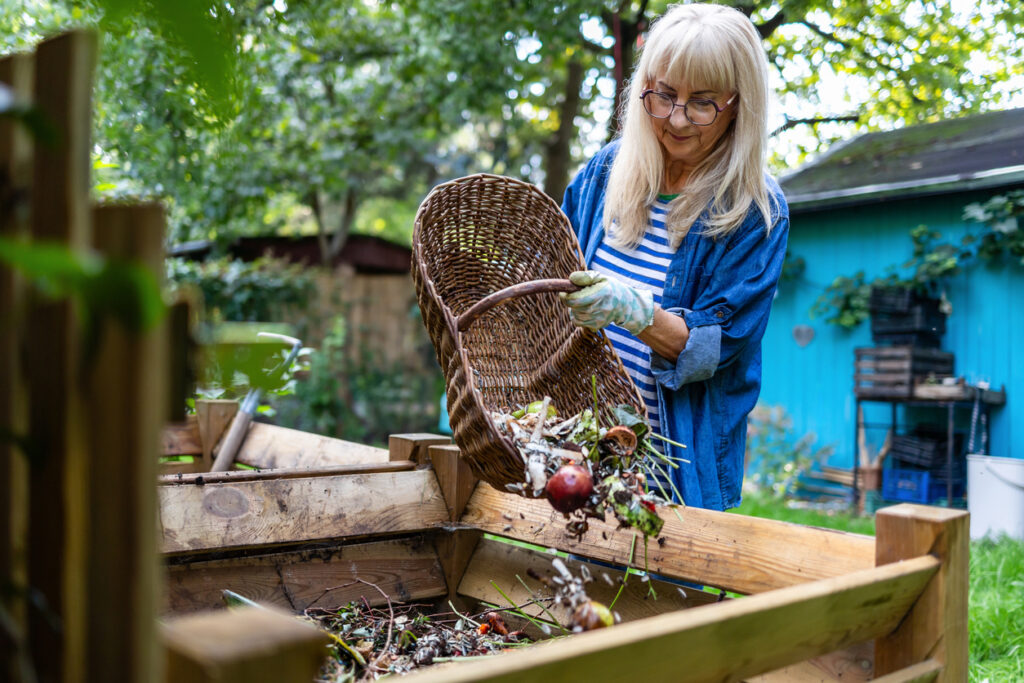
Allotments are rarely just about plants. Many become tight-knit communities where people chat, swap seeds, share tips, and help each other out. If you enjoy the social aspect, you’ll probably spend extra time on-site, and not all of it digging.
That can be a good thing. Having a laugh with the person on the next plot or joining a communal composting effort can make the time fly. But it’s still time spent on the allotment, so it’s worth factoring in if you’re wondering how it’ll fit around other commitments.
Your ambition shapes your schedule.

What you grow really matters. If you’re aiming for a full summer of potatoes, beans, carrots, courgettes, and cut flowers, you’ll naturally have more work. But if you stick to a few reliable crops and keep the layout simple, you’ll save hours each week.
Lettuces, spinach, onions, and garlic are low-maintenance winners. You’ll need far less time watering or thinning than with fussier veg. So if time is tight, plan your crops around what needs the least from you, not just what looks exciting in the seed catalogue.
Families and busy people can still make it work.
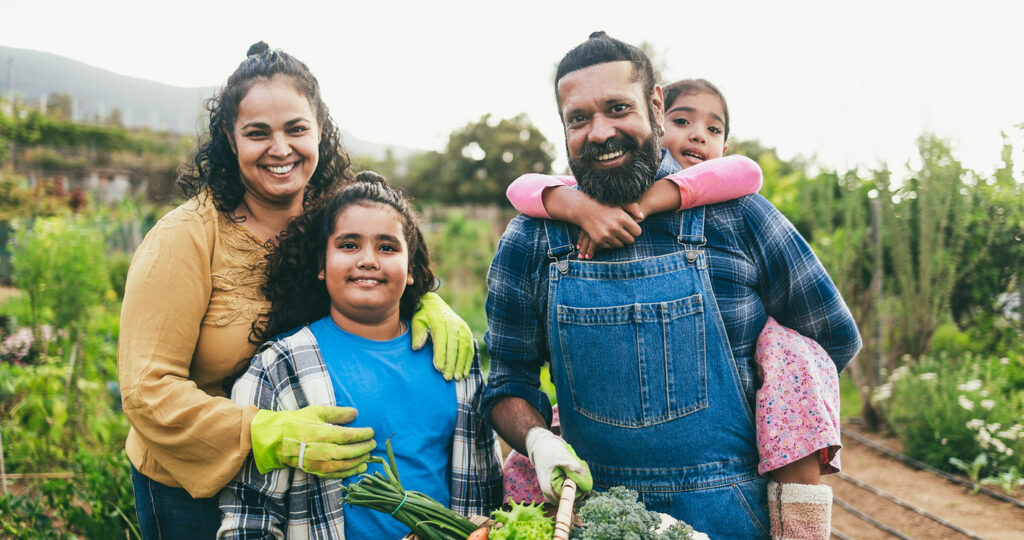
You don’t need to be retired or a full-time gardener to keep an allotment alive. Many people balance it with jobs, parenting, and a full calendar. The key is routine — a quick midweek visit after work and a longer weekend session is often enough.
If your schedule’s packed, lean into planning ahead. Install water butts, use mulch to suppress weeds, and grow fewer but hardier crops. That way, even if you skip a week, your plot won’t fall apart. It’s all about designing it to suit your actual lifestyle.
Set clear goals before you start.
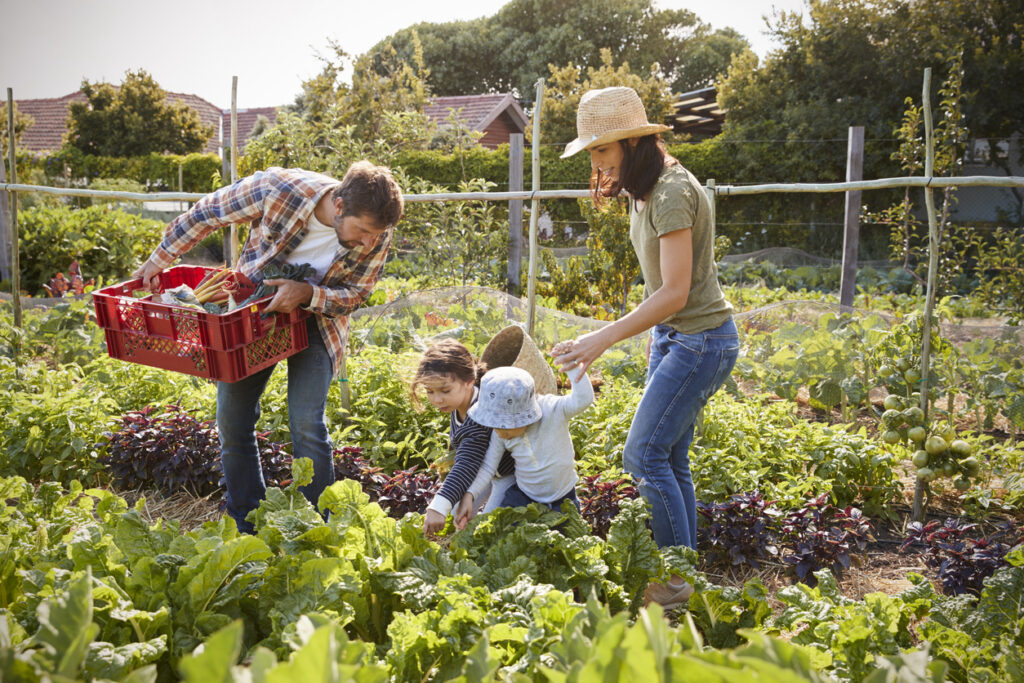
Some people want fresh veg all summer. Others just want a quiet place to unwind outside. Your time commitment will depend entirely on what you’re trying to get out of it. So be honest about what you’re looking for, and plan your setup around that.
It’s easy to get overwhelmed by advice from seasoned allotmenteers, but your plot is yours. Whether you want to grow serious food, teach your kids where veg comes from, or just have a low-pressure hobby, knowing your intention makes it all feel more manageable.