You’d expect penguins to nest among rocks or burrows—not plastic bags, bottle caps, and shredded rope.
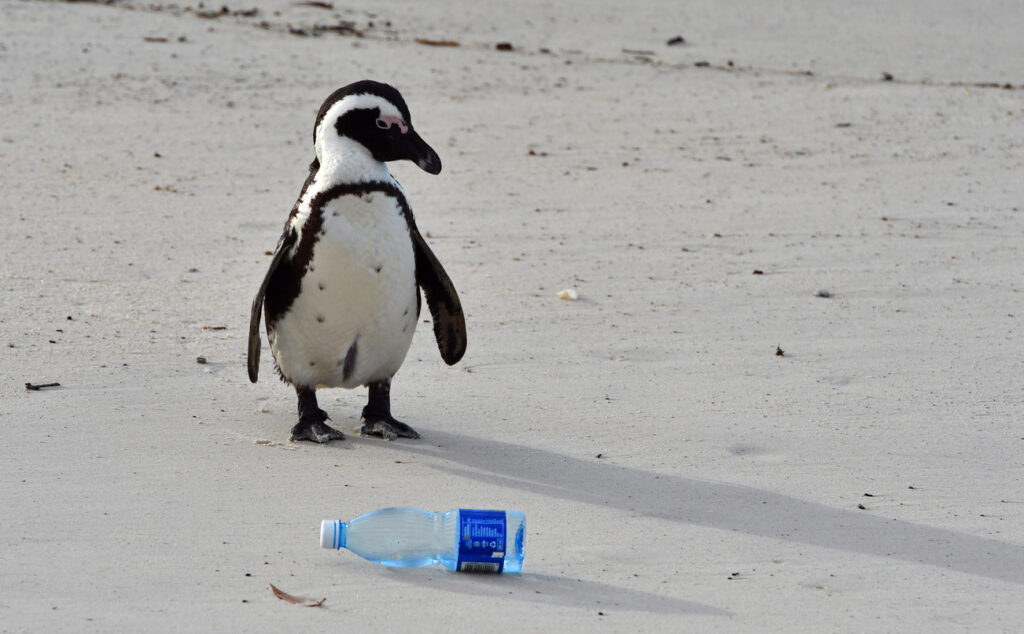
However, along parts of Argentina’s coast, that’s exactly what’s happening. Some Magellanic penguins have started using human rubbish to build their nests, and while it looks bleak, it’s also telling us something surprisingly adaptive about evolution. That’s not to say that we should continue polluting our environment, but the fact that it’s happening has led to some interesting observations.
1. They’re not waiting for nature to fix itself.
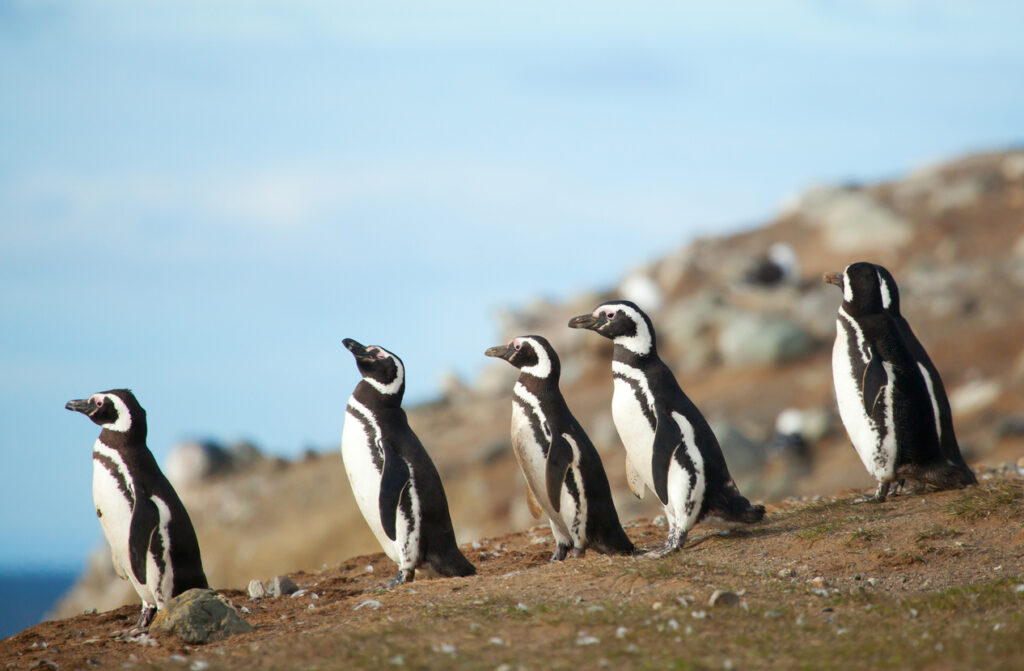
In a perfect world, penguins would build nests with twigs, feathers, and natural debris. However, in coastal Argentina, plastic waste has become so common that penguins are now using it as building material. Instead of avoiding it, they’re adapting on the fly.
That flexibility shows how evolution isn’t always about slow physical changes over millions of years. Sometimes, it’s behavioural—quick changes that help animals survive right now, in a world that’s changing faster than biology can keep up.
2. They’re showing us what “fit” actually means.
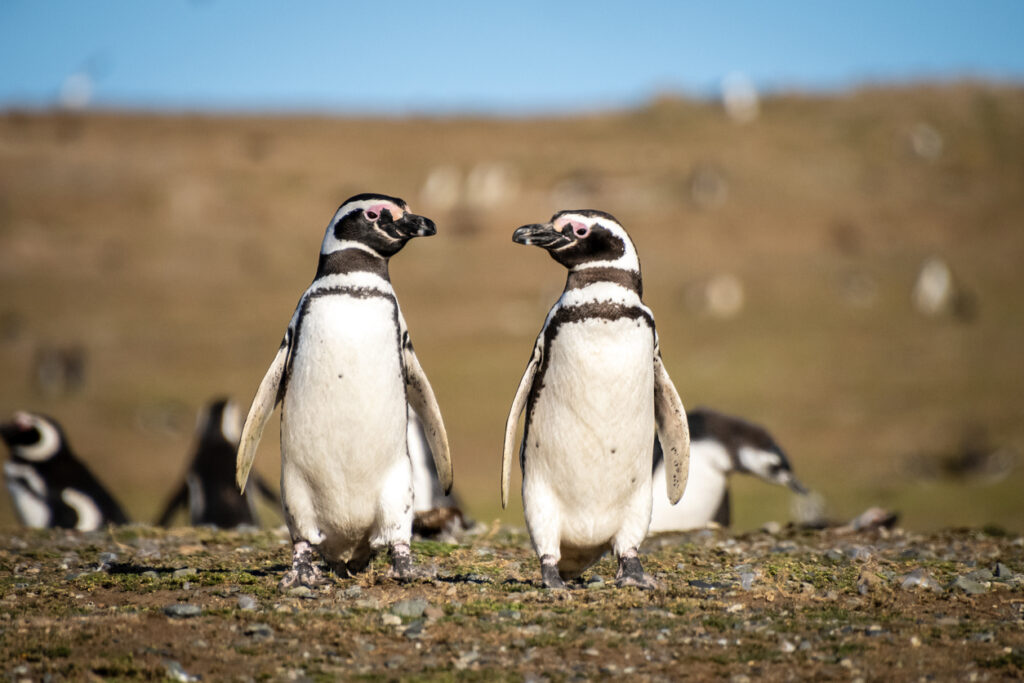
In evolution, “survival of the fittest” doesn’t mean the biggest or strongest. It means the best adapted to current conditions. These penguins aren’t thriving in ideal conditions—they’re making the best of what’s there, even if what’s there is mostly plastic.
That might not be pretty, but it’s effective. It’s a reminder that evolution rewards problem-solving and flexibility just as much as any physical trait. If you can work with what you’ve got, you stand a better chance of sticking around.
3. They’re turning waste into survival tools.

Some penguins have been spotted using bits of fishing nets and plastic wrappers to anchor their nests and stop them from blowing away in strong winds. It’s not ideal, but it works. That level of resourcefulness shows how animals are responding creatively to human impact. They’re not just suffering—they’re adapting, even if the raw materials are the stuff we’ve carelessly left behind.
4. They’re living proof of behavioural plasticity.
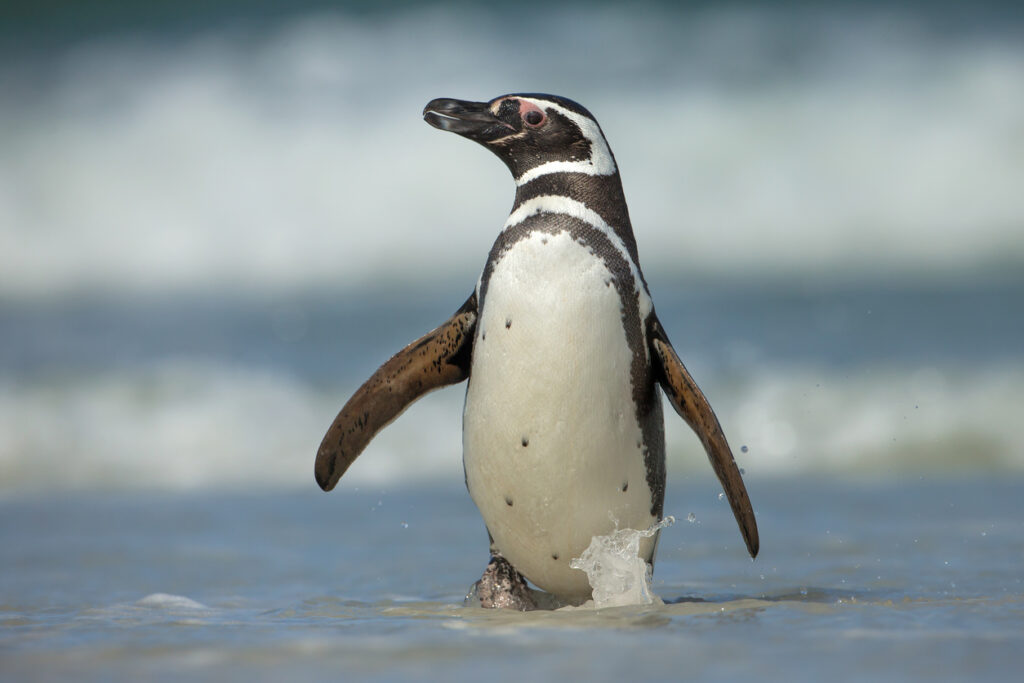
Behavioural plasticity is a fancy term for the ability to change habits quickly. Penguins using rubbish as nesting material is a perfect example. One generation builds with grass. The next picks up a plastic bottle cap without blinking. This kind of change is exactly what scientists look for when they study short-term evolutionary responses. It shows that these animals are actively responding to their environment, not just stuck with instincts that no longer work.
5. They’re showing how human impact changes the rules.
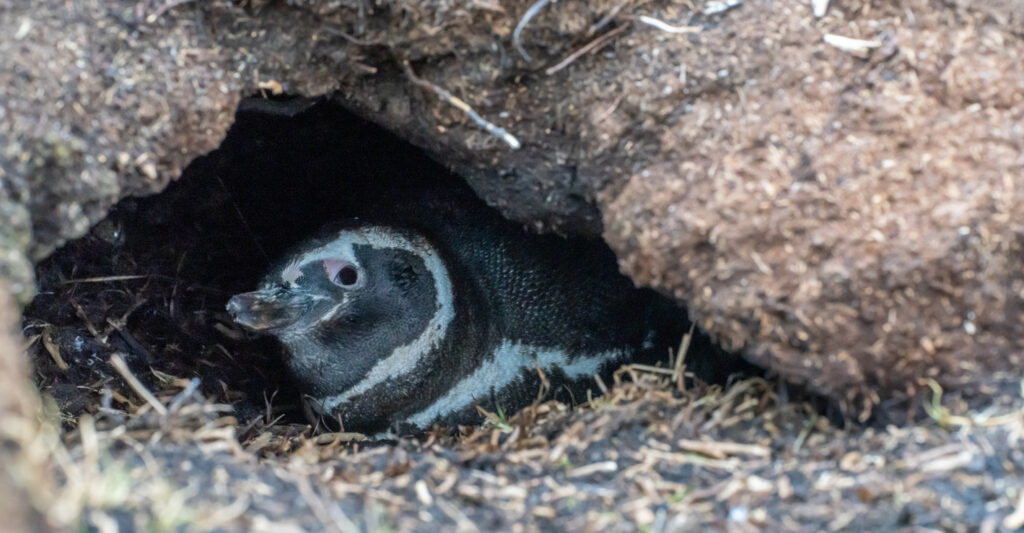
We often imagine evolution playing out in wild, untouched places. However, most animals are now evolving in human-altered environments—cities, farms, coastlines full of waste. These penguins are part of that new reality. Their nests tell a story about how deeply human behaviour shapes evolution. The question isn’t whether nature can survive us—it’s how it will change because of us. These penguins are one of the first answers.
6. They remind us that adaptation comes with trade-offs.
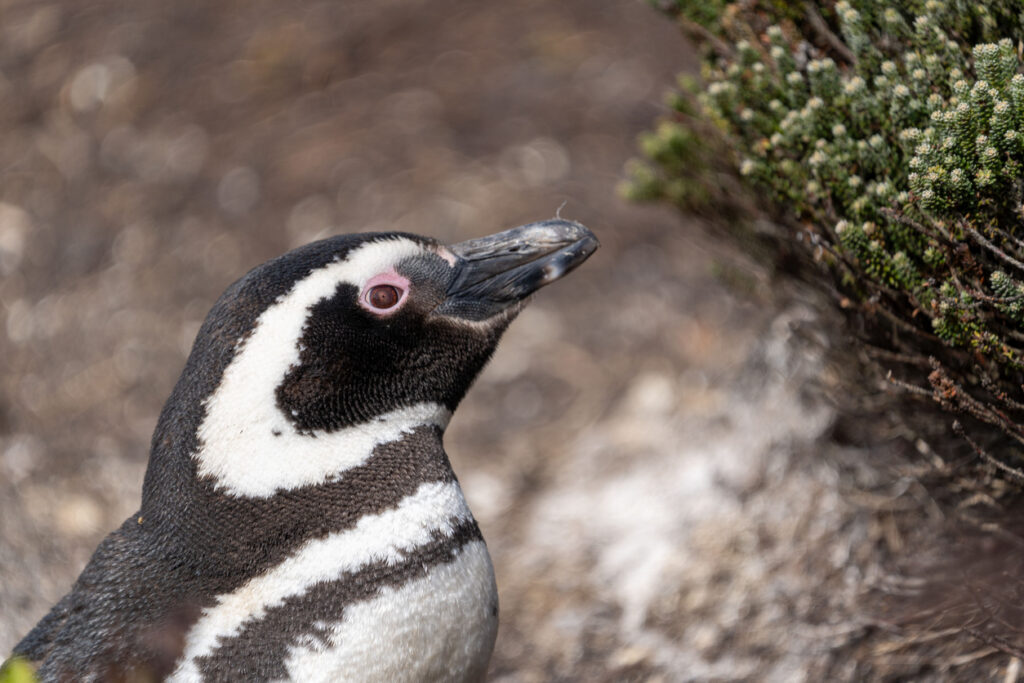
Sure, these penguins are adapting—but it’s not without risks. Nesting in plastic can expose chicks to toxins or entanglement. Just because they’re making it work doesn’t mean it’s harmless. That’s the dark side of adaptation: it helps animals survive, but not always thrive. Evolution isn’t about what’s ideal—it’s about what’s just good enough to keep going. Sometimes, that survival comes at a cost.
7. They’re a warning about long-term consequences.
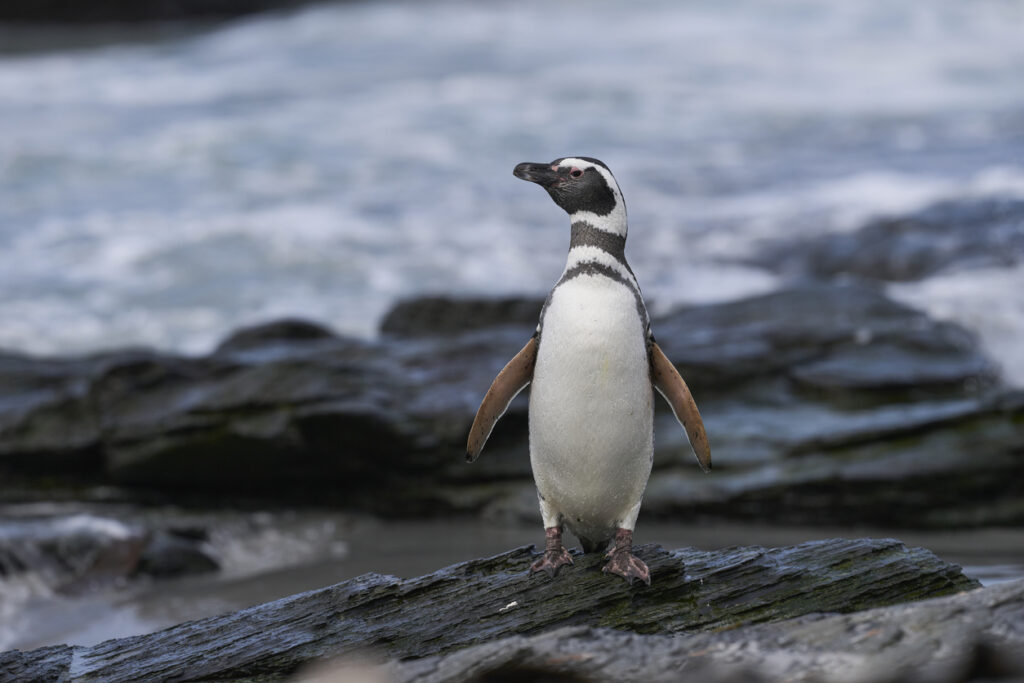
Right now, these penguins are managing, but what happens in a few decades, when more of their nesting sites are buried in plastic, or when chicks start hatching into nests made entirely from microplastics? This behaviour might be innovative now, but it hints at a future where adaptation has its limits. Evolution doesn’t guarantee a happy ending. It just tells us who can last the longest under pressure, and we’re the ones applying most of it.
8. They’re forcing scientists to rethink wild behaviour.
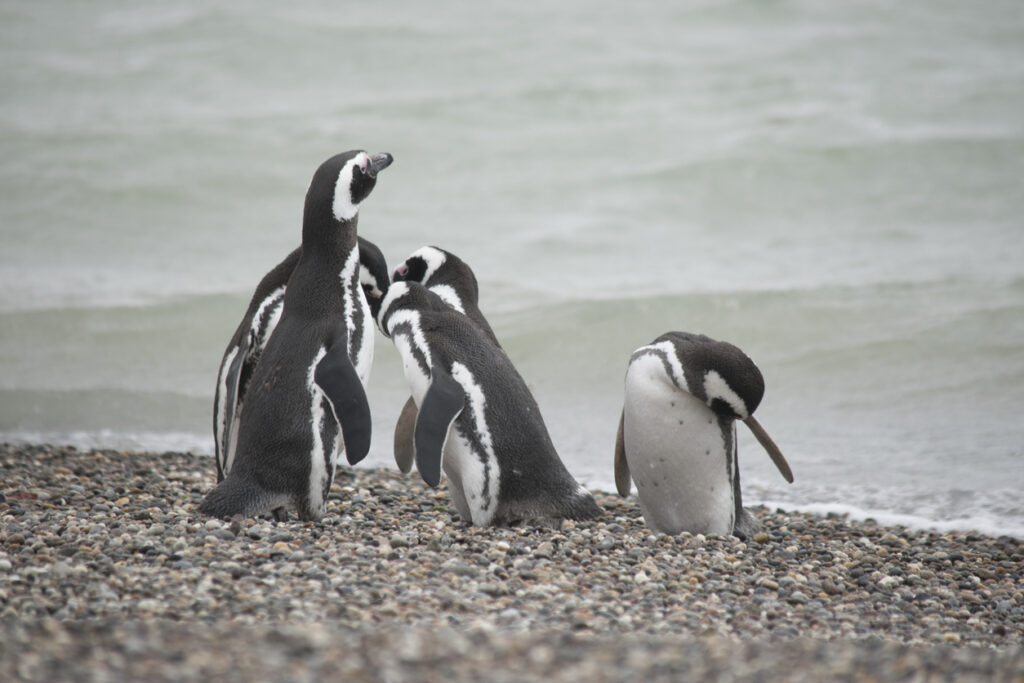
Traditionally, researchers looked at animal behaviour in relatively clean environments. However, these penguins are proof that “natural” behaviour now includes responding to pollution, urban sprawl, and climate changes. That means studies of evolution can’t just look at remote habitats anymore. We have to pay attention to how animals are adjusting in the messier parts of the world because that’s increasingly where the action is.
9. They’re reminding us how fast evolution can happen.
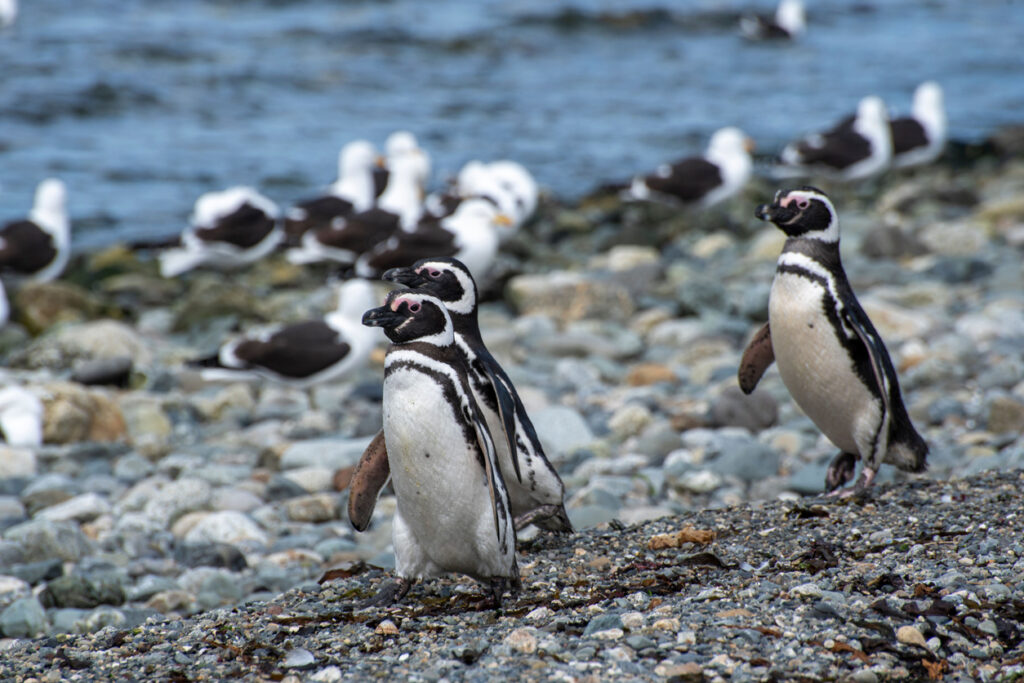
Most people think of evolution as something that takes centuries. However, behavioural changes, like using new materials for nests, can show up in a single generation. These penguins aren’t waiting for some far-off future. They’re changing now. That doesn’t mean their bodies are evolving overnight, but their behaviour is, and that’s often the first step. It’s a sign that even slow-moving animals can switch gears fast when they need to.
10. They show how nature won’t wait for us to clean up.
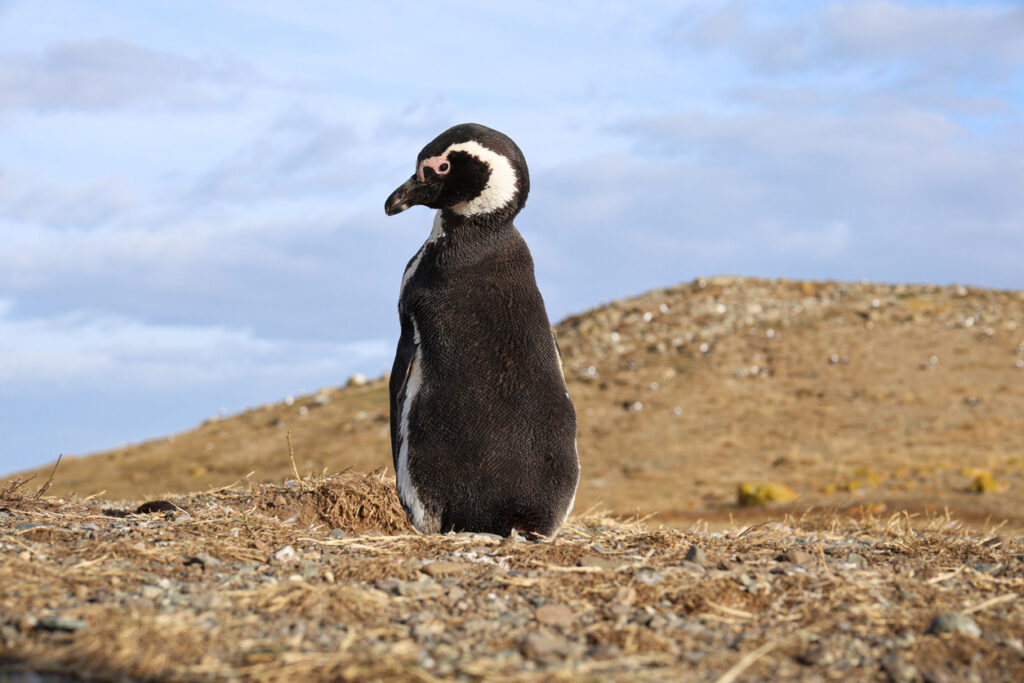
These penguins aren’t waiting for humans to fix the planet. They’re adapting in real time, using what’s available—whether we like it or not. That’s impressive, but it’s also a bit of a gut punch. That’s because, if animals are learning to survive in our mess, it means the mess is becoming permanent. These penguins are doing their part to adapt. The question is whether we’ll do ours—to change the environment they’re being forced to evolve in.