They both sit on animal heads and look fairly similar from a distance, but horns and antlers aren’t the same thing.
In fact, they’re built differently, grow differently, and say something completely different about the animal wearing them. They even serve different purposes depending on the animal wielding them. Here are some clues that’ll help you finally tell them apart, and a few animals that might be trickier than you’d expect.
1. Horns are permanent—antlers fall off.
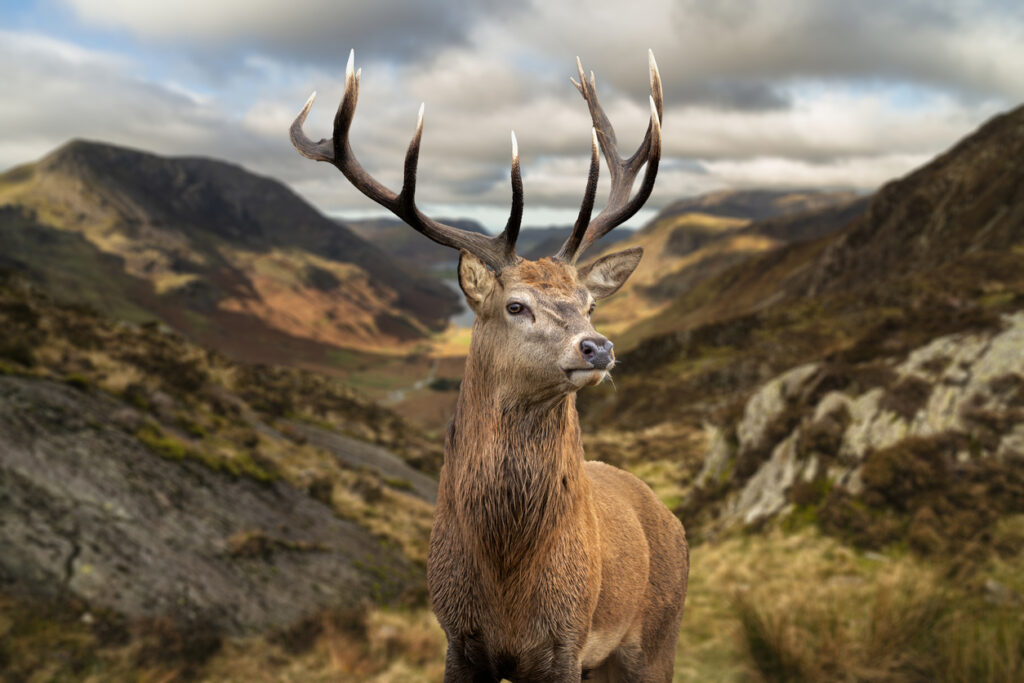
This is one of the biggest differences. Horns grow throughout an animal’s life and stay attached. If you see an animal with short horns, they’ll usually just keep getting longer over the years. Antlers, on the other hand, are seasonal. Animals like deer shed and regrow their antlers every year, and they’re bigger and more elaborate each time. So, if you spot an antlered animal in spring, it might just be starting over from scratch.
2. Antlers are made of bone—horns aren’t.
Antlers are true bone, grown from the skull and covered in a soft layer called velvet while they develop. Once mature, the velvet falls off and the bone underneath hardens, and eventually, it’s shed completely. Horns are different. They start with a bony core, but the outer part is made of keratin—the same stuff as your hair and nails. That outer sheath stays put for life unless broken or damaged.
3. Only males grow antlers (with one exception).
In most species, only the males grow antlers. That includes deer, elk, and moose. Antlers are mainly for showing off during mating season or sparring with rivals for dominance. The exception is reindeer (also known as caribou), where females grow antlers too—likely to help them defend food sources in the snowy months. However, for most antlered species, it’s a male-only feature.
4. Both sexes often have horns.
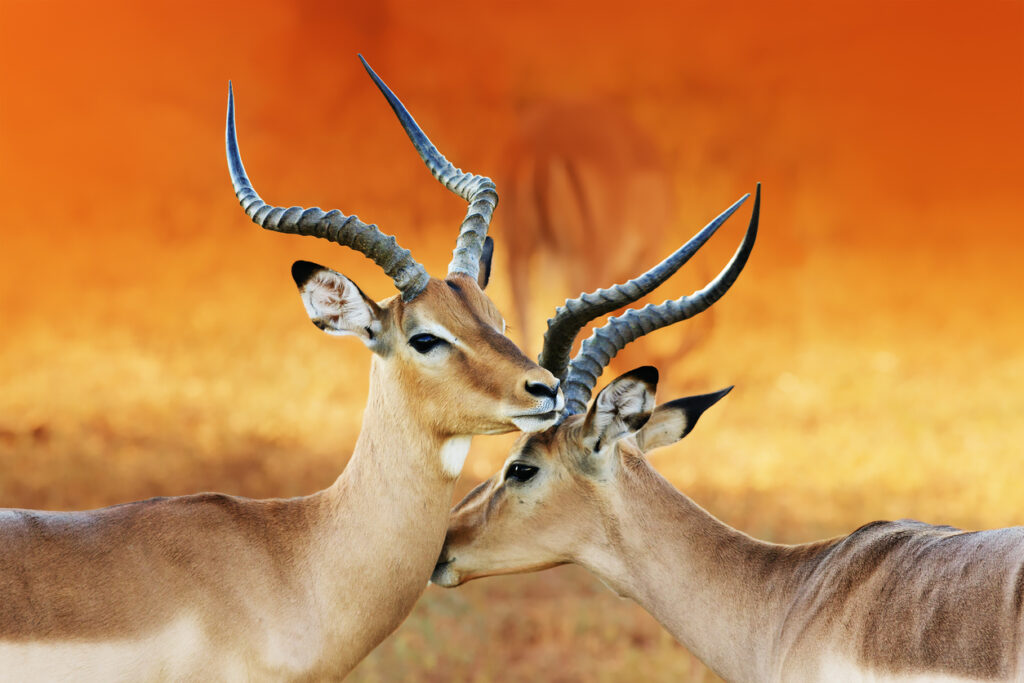
Horns are more democratic. In species like antelope, goats, and cattle, both males and females usually grow horns. The shape and size may differ, but they’re not just a male status symbol. This is partly because horns serve practical purposes—defence, digging, or even helping to regulate body temperature—so both sexes benefit from having them around.
5. Antlers branch, but horns usually don’t.
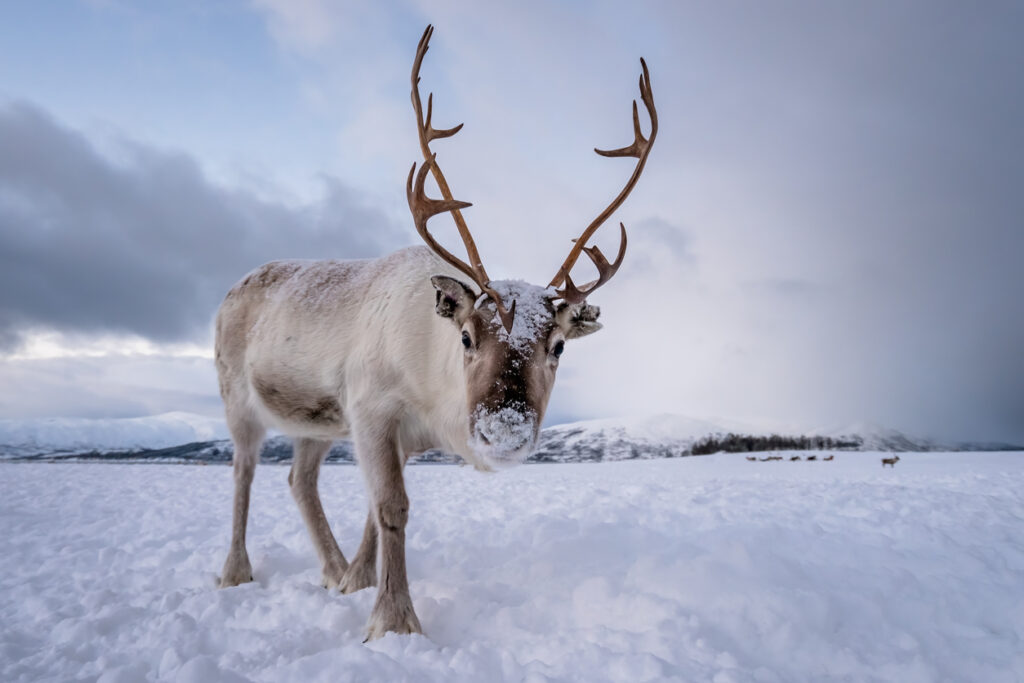
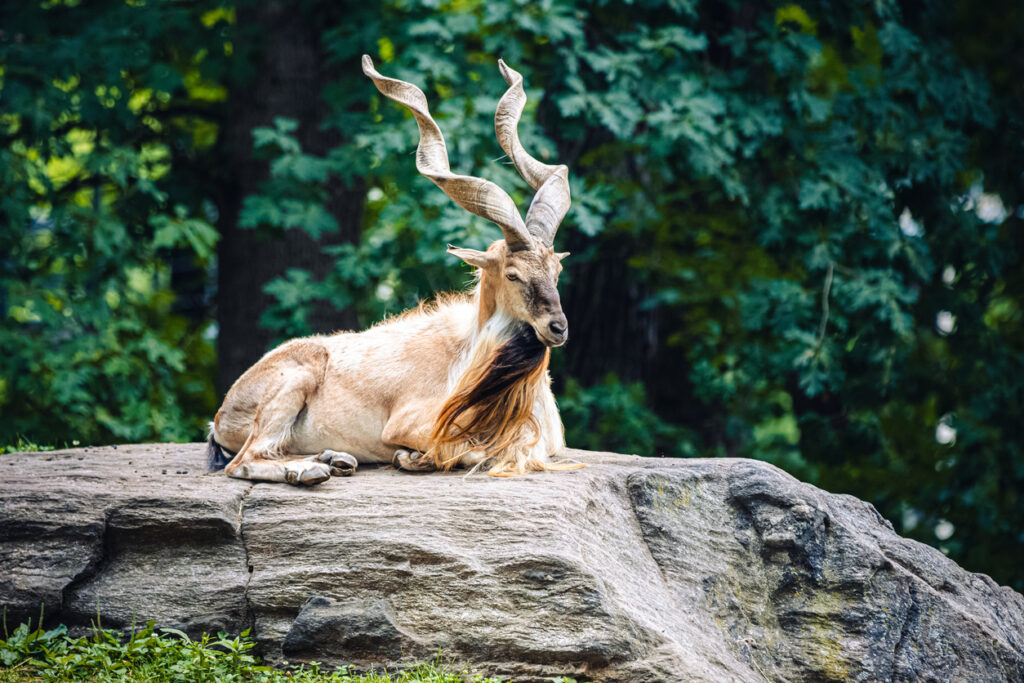
Antlers grow in complex, branched shapes with multiple tines or points. Even young deer often start with small forks. As they mature, their antlers become bigger and more elaborate with each cycle. Horns, by contrast, are usually a single structure—curved, straight, spiral, or even twisted, but rarely branched. If it looks like a single, continuous piece, it’s more likely a horn than an antler.
6. Horns grow more slowly, but last longer.
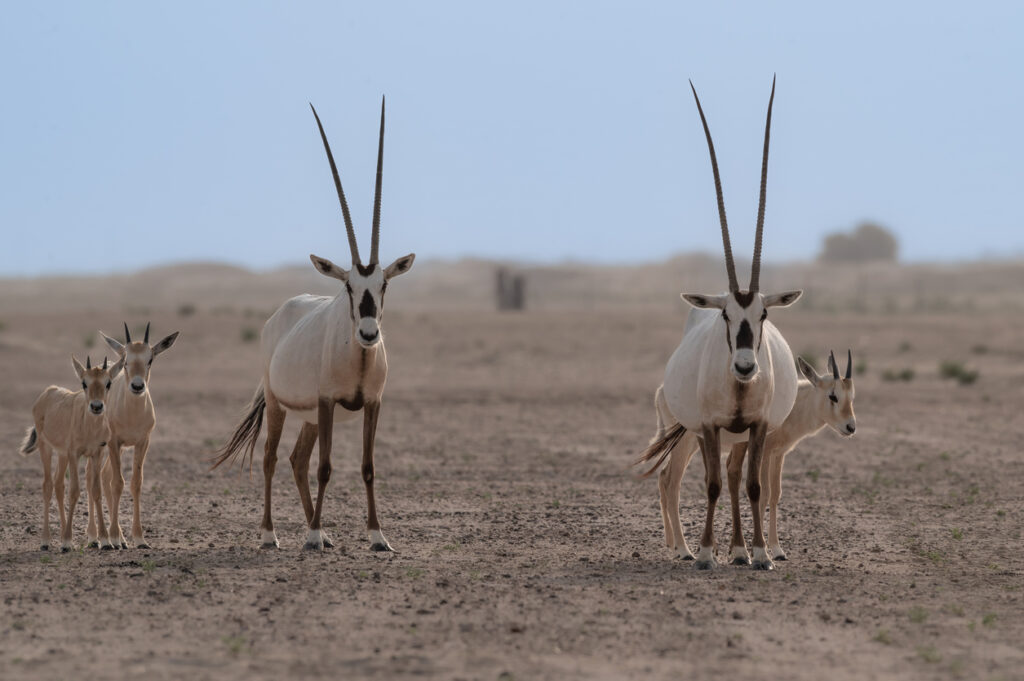
Because horns are permanent, they grow gradually over many years. You can sometimes even see growth rings—similar to tree rings—that show the animal’s age or health history. Antlers, on the other hand, grow rapidly—sometimes more than an inch per day during peak season. However, once the season ends, they fall off and the whole cycle begins again the next year.
7. Antlers are usually used in mating season.
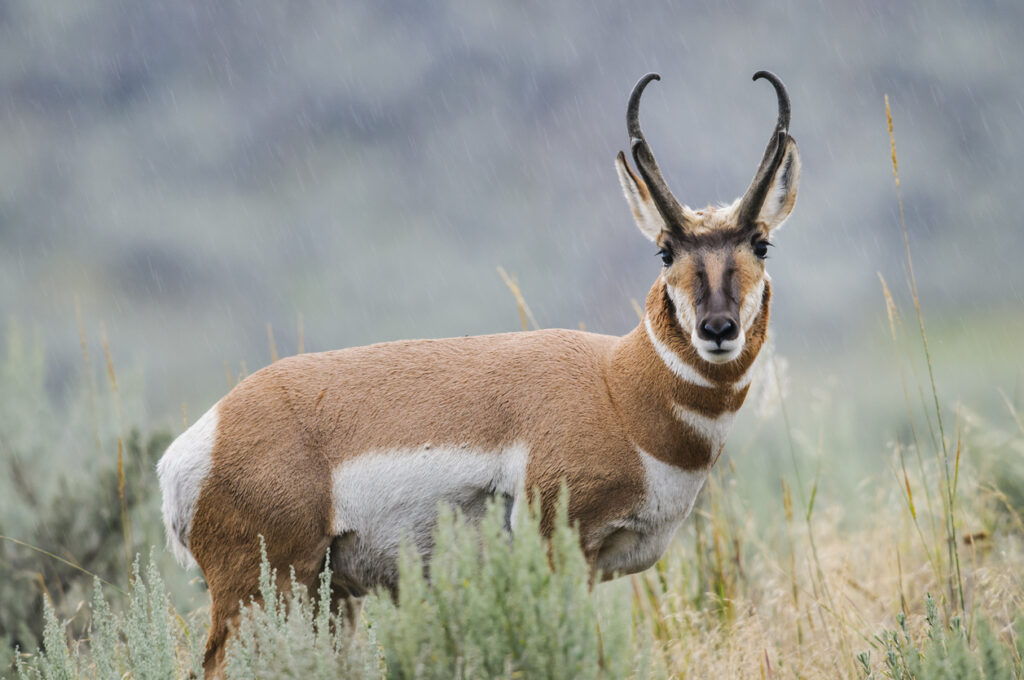
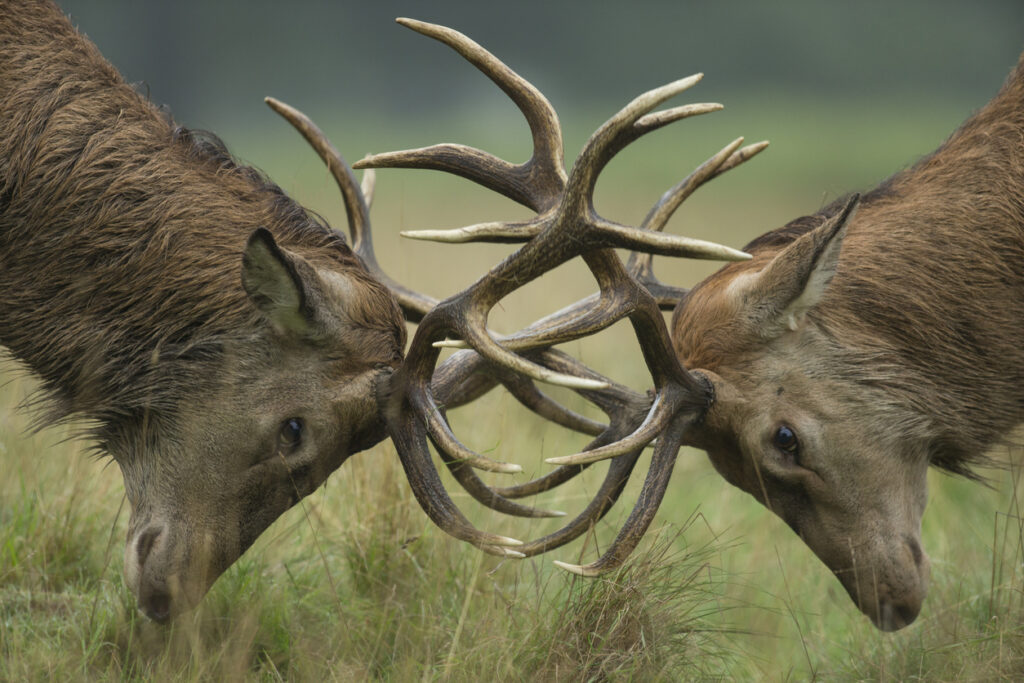
Most antler battles happen in autumn during the rut (mating season). Bucks or bulls will lock antlers to fight for dominance, territory, and access to females. Once the season’s over, they don’t need them anymore. That’s why antlers get shed—they’re expensive to grow, heavy to carry, and not much use the rest of the year. They’re like temporary armour for a seasonal job.
8. Horns are built for everyday life.
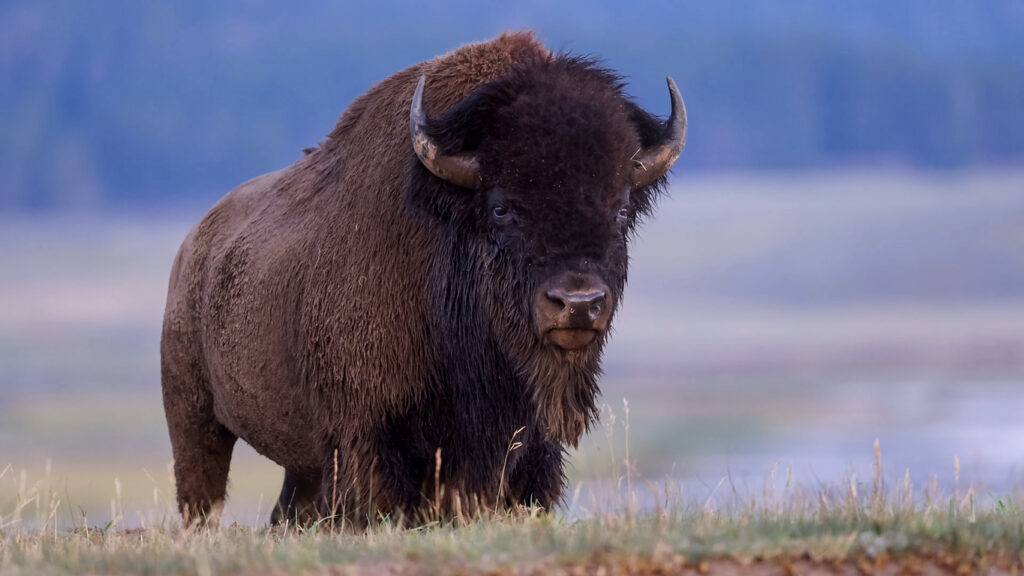
Animals with horns use them year-round. Whether it’s for defending against predators, settling herd disputes, or digging into bark and snow, horns are part of daily survival, especially in tough environments. They’re generally stronger and more durable because they need to handle wear and tear without being replaced. For animals like bighorn sheep, horns are also a way to settle disputes without causing real injury.
9. Horns grow from the base—antlers from the tip.
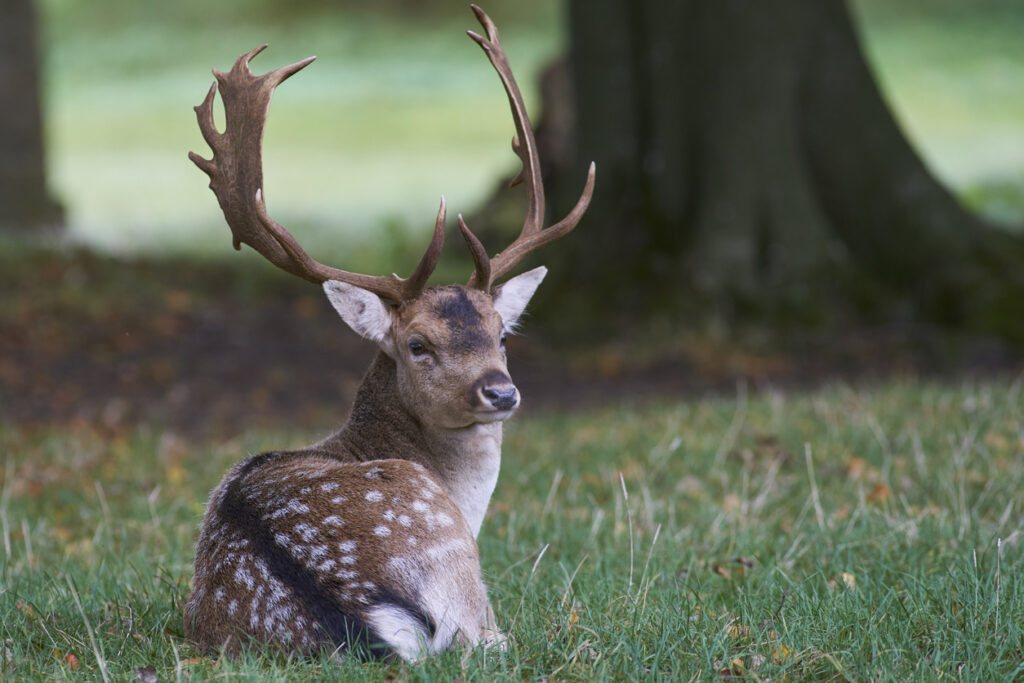
When you look at how they grow, horns are added onto from the base, gradually extending outward. The shape doesn’t change much—just the length or curve over time. Antlers grow from the tip outward. Each new branch or point extends from the outer edges during the growth phase. That’s why younger animals start with smooth spikes, and older ones have wide, elaborate racks.
10. If it’s fuzzy, it’s antlers growing.
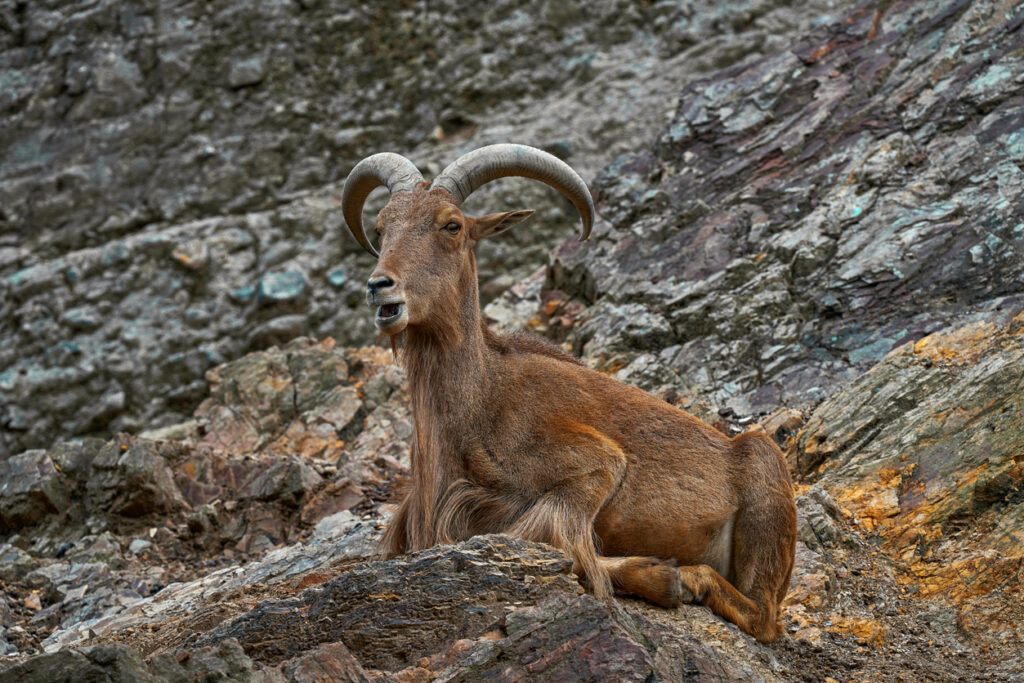
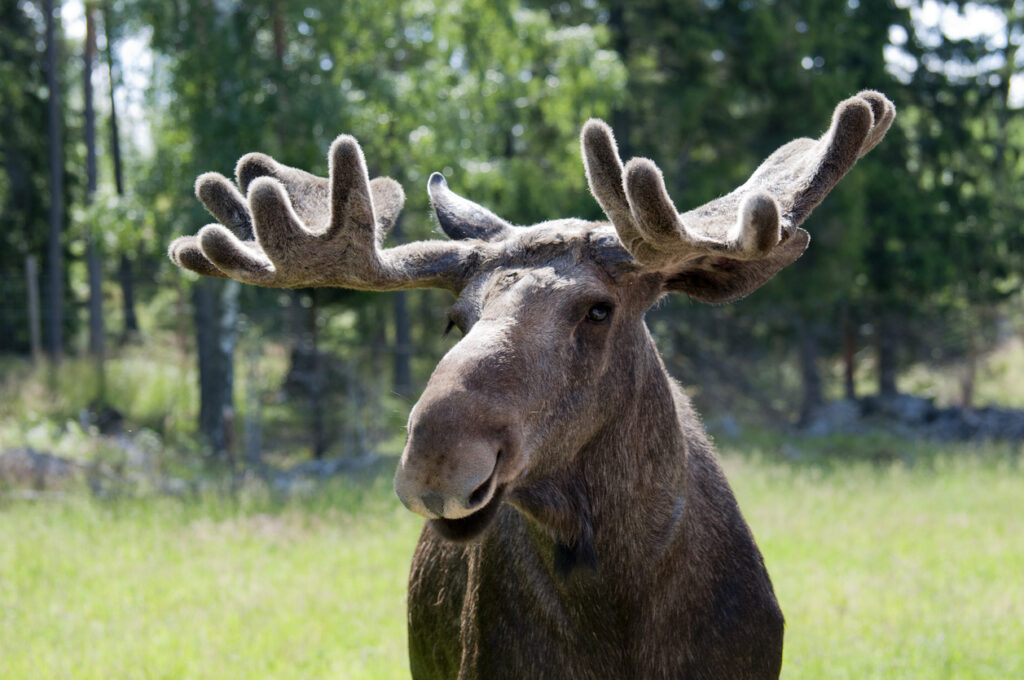
During their growth phase, antlers are covered in a soft, velvety tissue that carries blood and nutrients. This “velvet” helps them grow rapidly, but it’s temporary. Once the antlers harden, the velvet dries and gets rubbed off. Horns don’t go through a velvet phase. They grow slowly from the base without needing this soft outer layer. If you see velvet, you’re definitely looking at antlers in progress.
11. Horns don’t always look like horns.
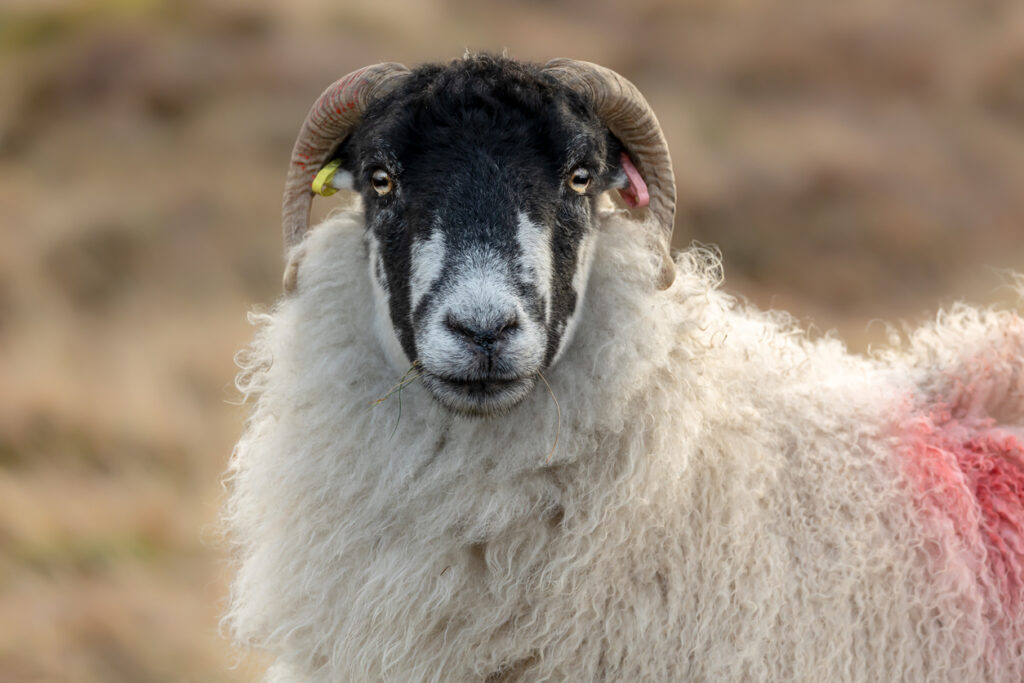
Some horned animals look like they don’t have any at all, especially if their horns are small or stunted. Domestic sheep and goats can have tiny horn buds or curved nubs that don’t resemble the classic horn shape. So, don’t assume no horns means no horned species. In some cases, the animal’s age, sex, or breeding history can result in very reduced horn growth.
12. Some antlers are wider than they are tall.
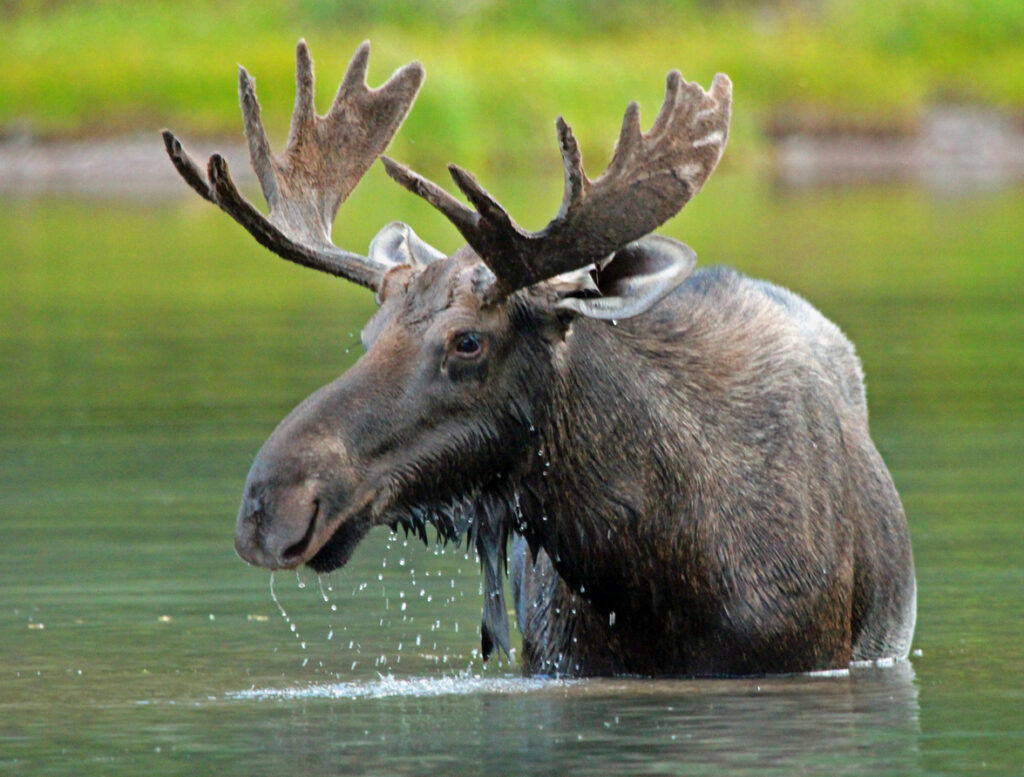
We often picture antlers as tall and towering—but some species grow them out wide instead of up. Moose, for example, grow flat, broad antlers called palmate antlers that fan outward like snow shovels. These wide antlers are still used in battles and displays, but they don’t always look like the classic “rack.” Horns, by contrast, tend to be vertical, narrow, or spiralled, not flat and spread out.
13. Some antlers don’t look like antlers at all.
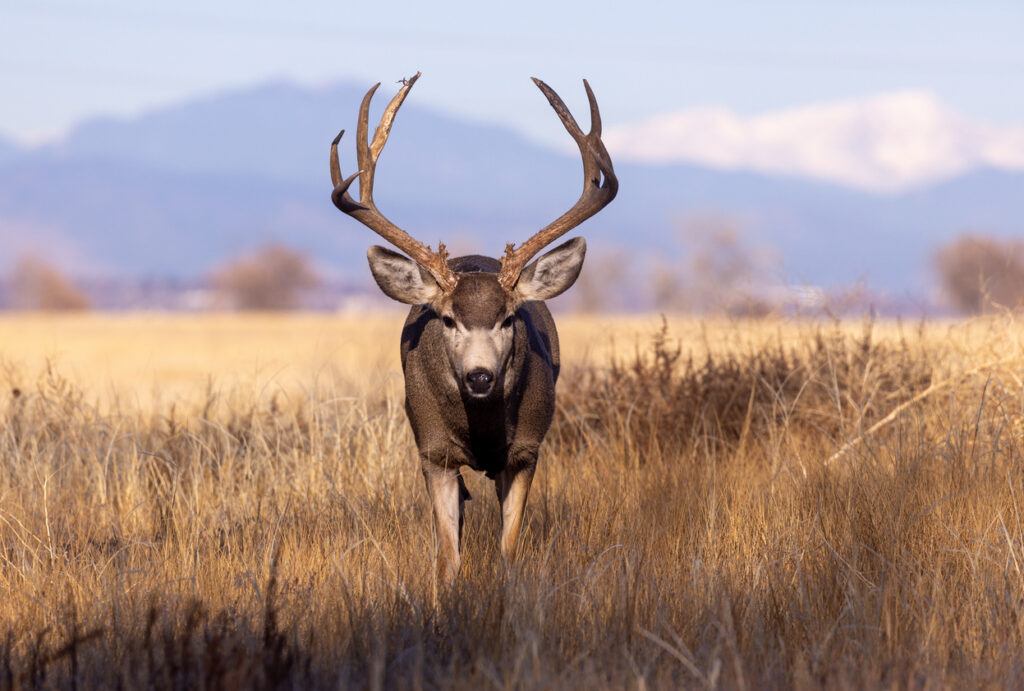
Young deer and reindeer sometimes grow short, straight antlers that resemble horn spikes. And during the velvet stage, antlers can look soft, oddly shaped, or even squishy, especially if caught halfway through a growth cycle. This is where many people get confused. However, if it’s fuzzy, seasonal, or changes shape drastically over time, it’s antlers—not horns pretending to be something else.
14. Horns never get shed, even when damaged.
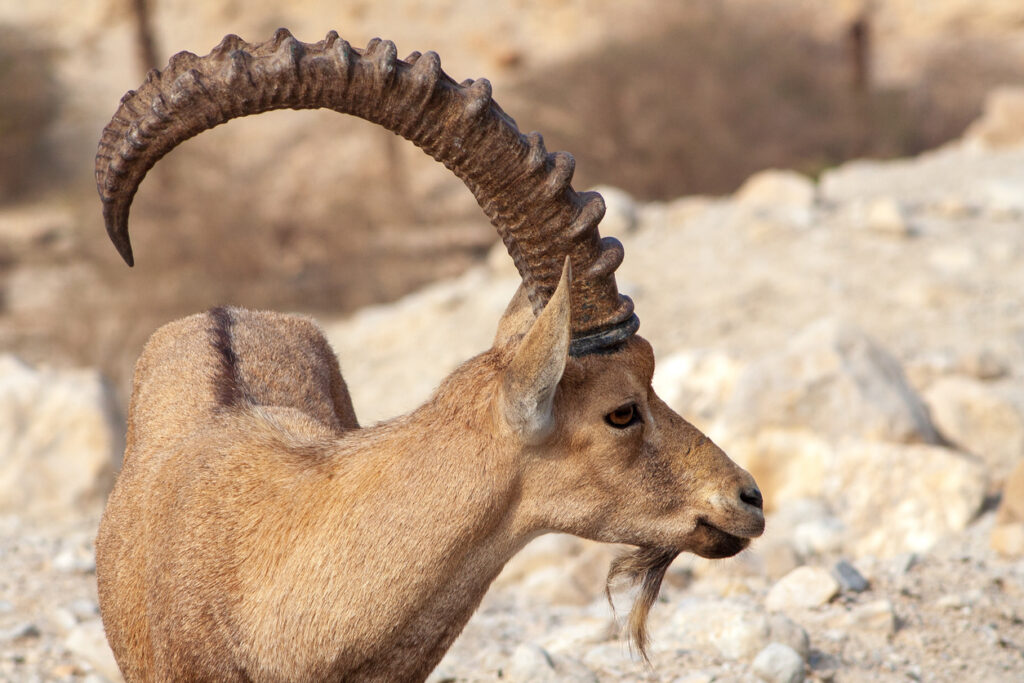
If a horn gets broken, it doesn’t fall off and grow back. It may stop growing altogether or become misshapen, but it stays attached. That’s why you sometimes see older animals with worn-down, snapped, or uneven horns. Antlers, by contrast, fall off cleanly every year—even if damaged. The next set might grow bigger or slightly different depending on the animal’s health and age, but the cycle resets annually. It’s nature’s way of hitting refresh.