Grief isn’t just a human experience, by any means.
Across the animal kingdom, scientists and observers have recorded stunning behaviours that suggest many species understand death in a way that’s far more emotional than we once believed. From vocal mourning to physical contact and even ritual-like actions, these creatures show us that the bonds they form run deeper than we give them credit for. Here are some of the animals that have been observed mourning their dead in ways that are both heartbreaking and deeply familiar.
1. Elephants
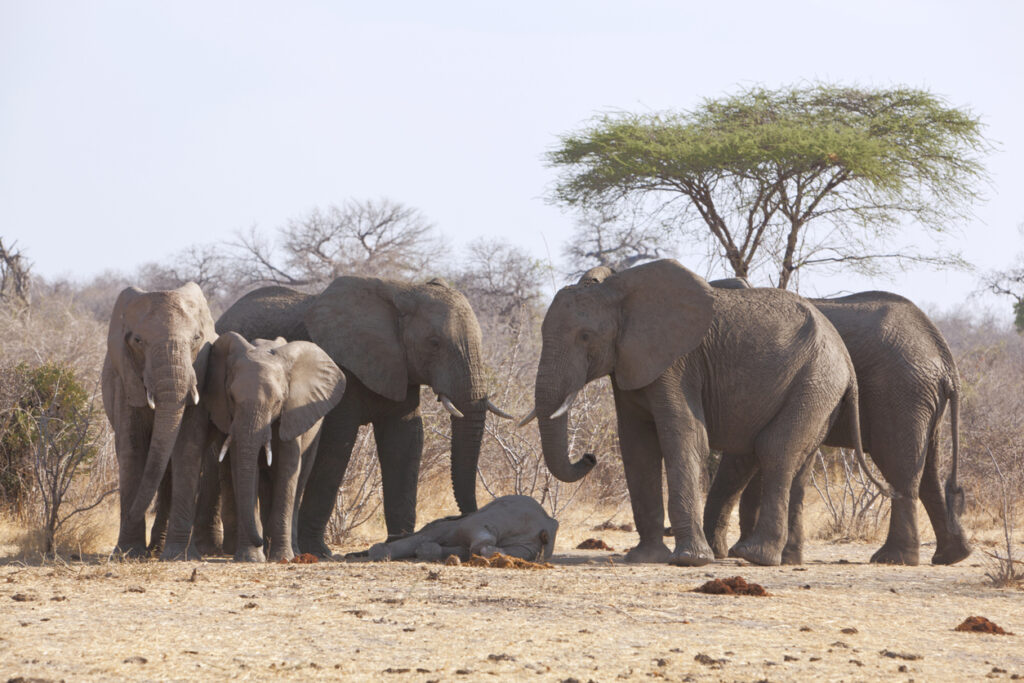
Elephants are perhaps the most famous non-human mourners. They’ve been seen standing over deceased herd members, gently touching the body with their trunks, rocking back and forth, and even trying to lift or wake the dead. In some cases, elephants return to the site of the death days or even years later, revisiting bones and lingering in quiet observation. These behaviours aren’t about survival—they’re about emotional memory.
2. Orcas (Killer Whales)
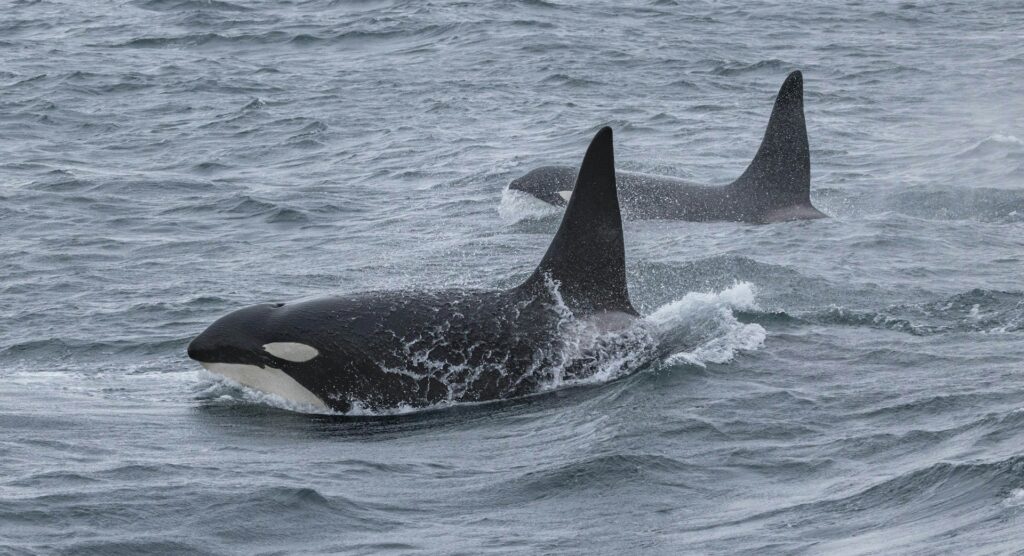
One of the most striking cases of animal mourning came from an orca named Tahlequah, who carried her deceased calf on her head for 17 days, refusing to let go as she swam hundreds of miles. This wasn’t a rare event either—scientists have seen other orcas, particularly mothers, exhibit similar behaviours. The extended carrying of dead calves suggests deep attachment and an inability—or unwillingness—to immediately part with what’s been lost.
3. Chimpanzees
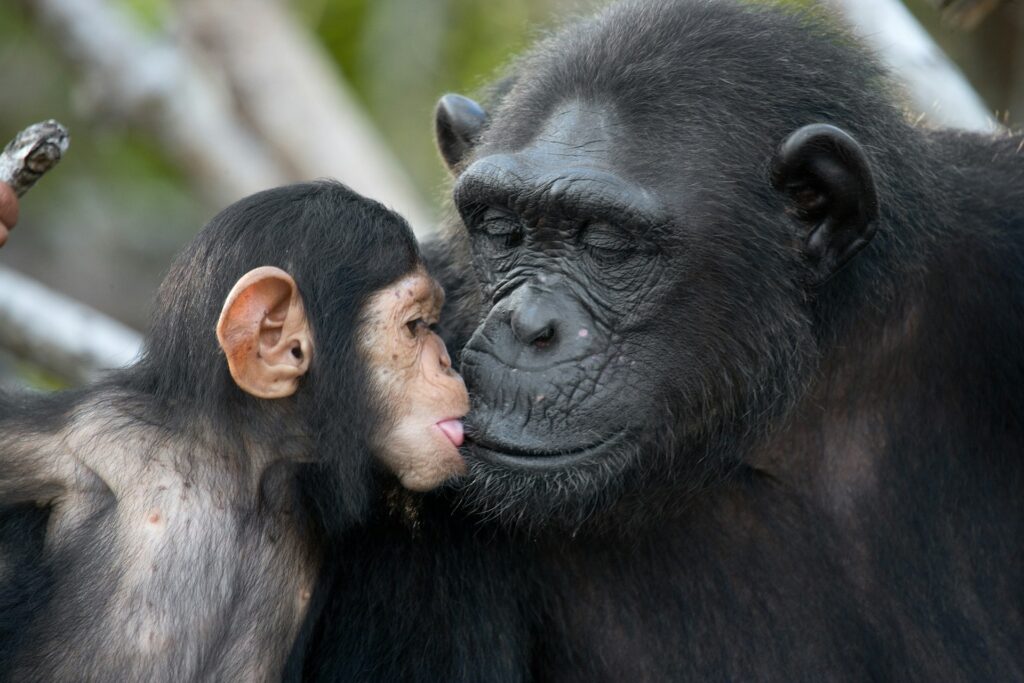
As one of our closest relatives, chimpanzees show complex mourning behaviour. Mothers have been seen carrying their dead infants for days or even weeks, treating the body with the same care as when it was alive. Other chimpanzees in the group often sit quietly near a deceased individual, sometimes grooming or softly inspecting the body. It’s a powerful reminder that grief is not just emotional—it’s social.
4. Dolphins
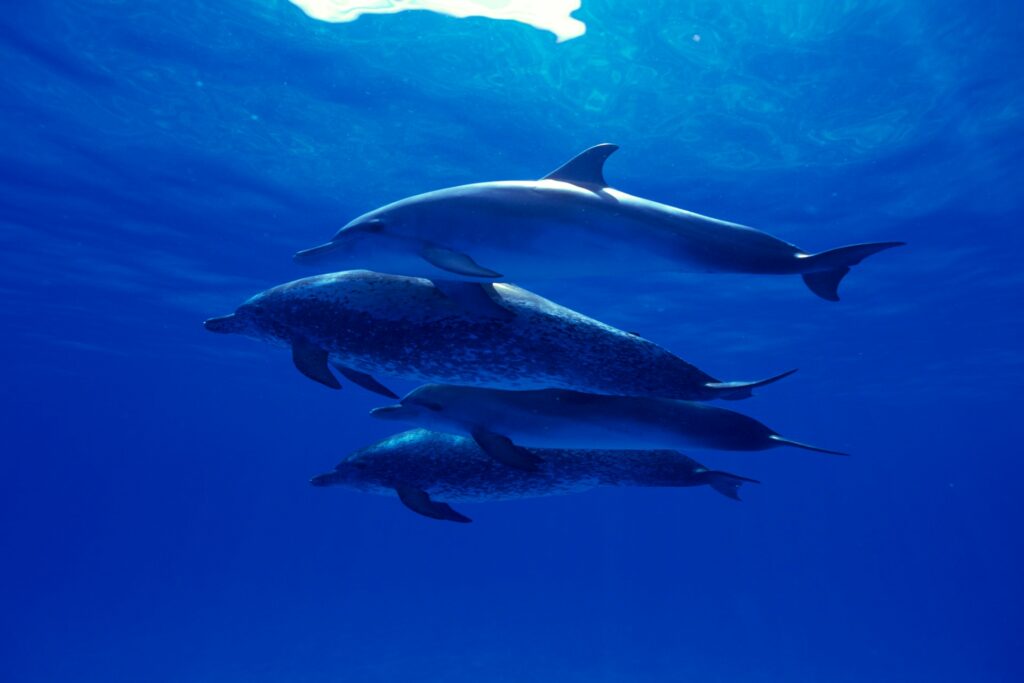
Dolphins have been observed trying to support dead or dying pod mates, sometimes lifting them to the surface to help them breathe—even after they’ve passed. Mothers in particular are known to carry dead calves, keeping them close for extended periods. These actions can last days, despite the obvious difficulty. It suggests an inability to accept the finality of death, or perhaps an emotional need to hold on just a little longer.
5. Magpies
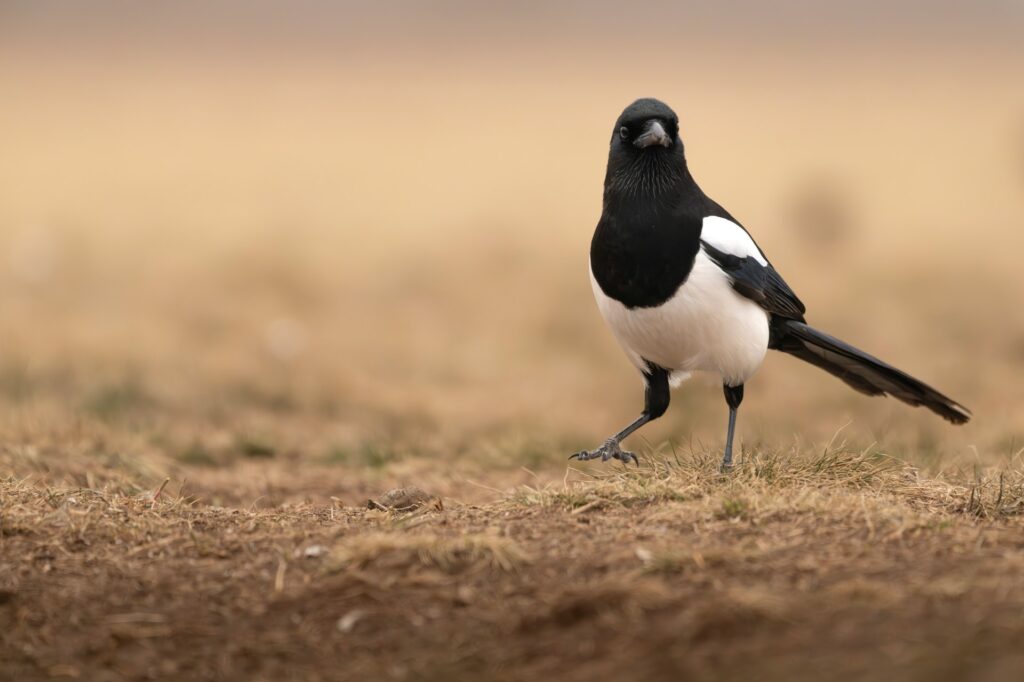
Magpies have surprised many researchers with their reactions to dead companions. They’ve been seen gathering around the bodies of other magpies, bringing grass or small items and placing them near the deceased. Some interpret this as a primitive form of ritual or tribute. Whether symbolic or instinctive, it shows that even birds may recognise and respond to death with unexpected complexity.
6. Gorillas
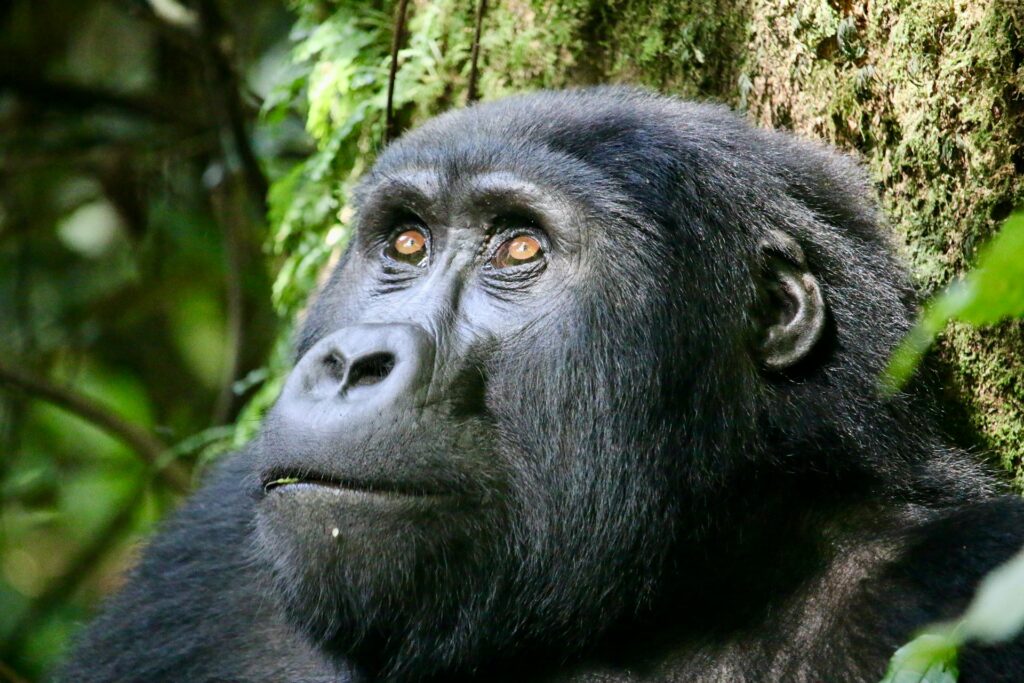
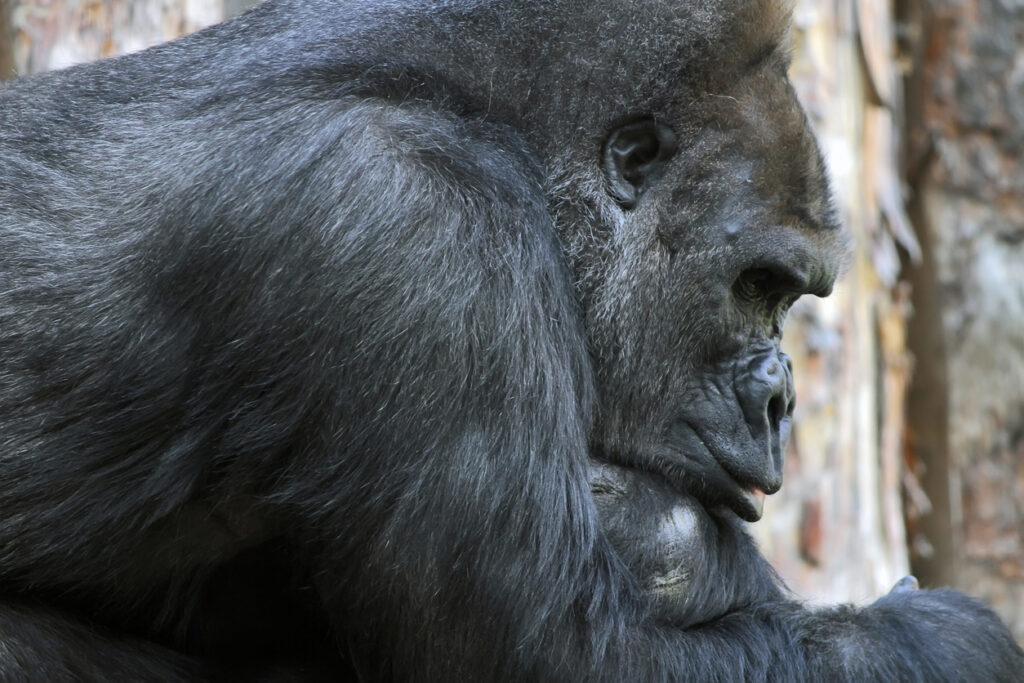
Gorillas often respond to death with stillness and visible distress. In some groups, members have been seen sitting silently beside a dead companion, touching or gently prodding them without aggression or fear. Mothers have carried lifeless infants for extended periods, even as the body decomposes. This heartbreaking behaviour suggests not just confusion, but grief—and a reluctance to accept loss.
7. Crows
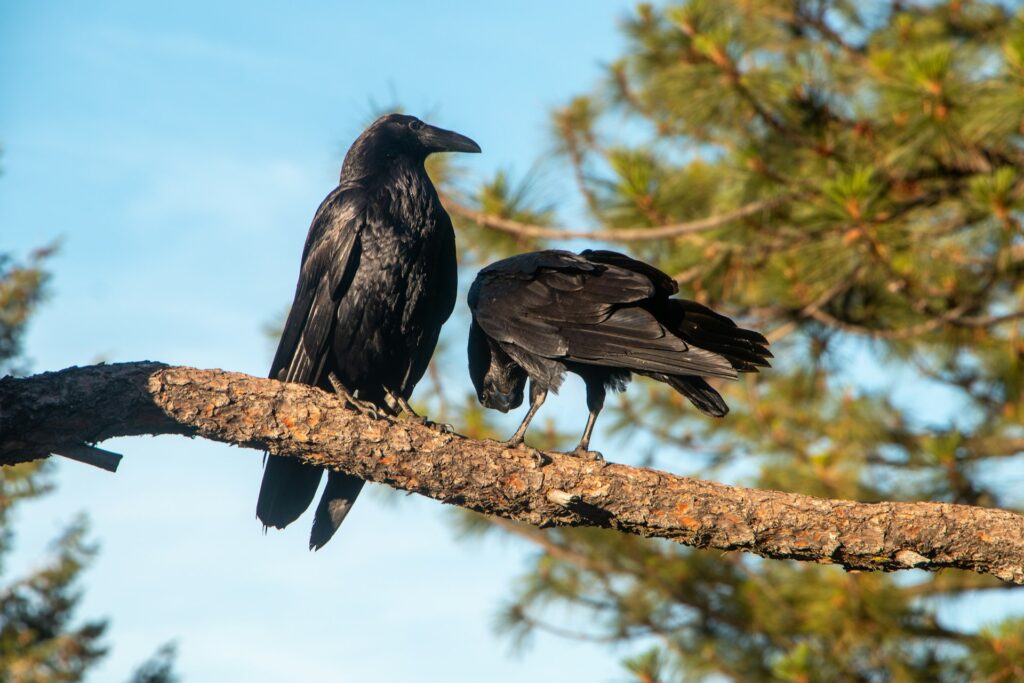
Crows are highly intelligent and social animals, and their response to death is no exception. When a crow dies, others may gather in what looks like a funeral—vocalising, circling, or perching nearby to watch. These gatherings might help crows learn about danger, but there’s also evidence of deeper social processing. They appear to treat the moment with focus and intention, rather than indifference.
8. Giraffes
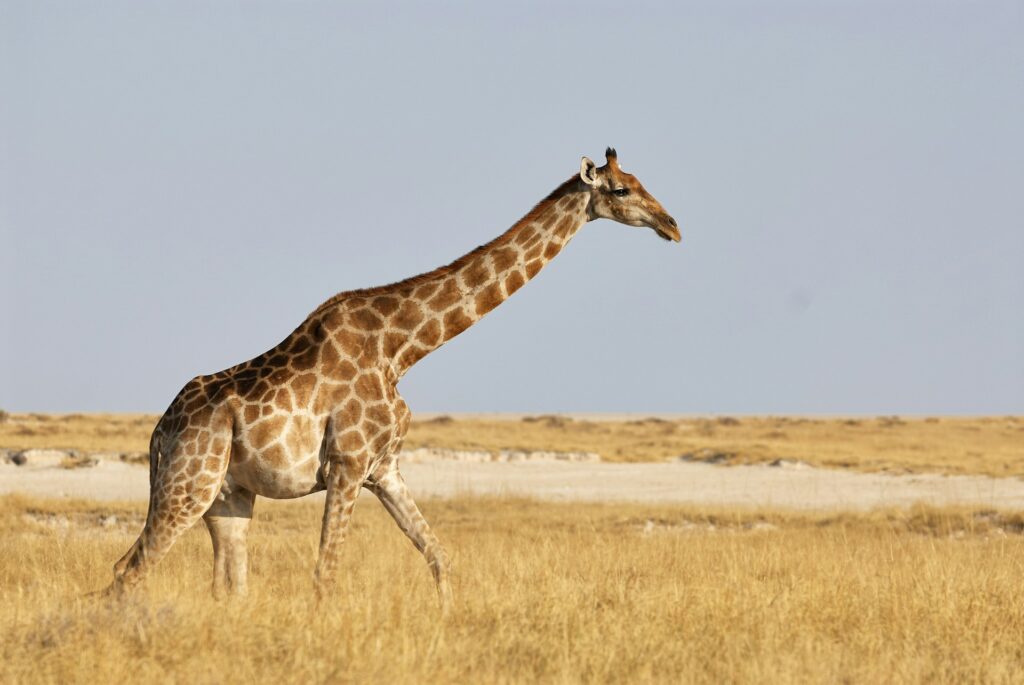
Though less well-known for emotional behaviour, giraffes have been observed standing over dead calves for extended periods, nudging or licking the body as if trying to understand what happened. Some females remain near the body for hours or even days, showing signs of stress and disorientation. This suggests that even animals we don’t typically view as emotionally expressive may experience a form of grief.
9. Bonobos
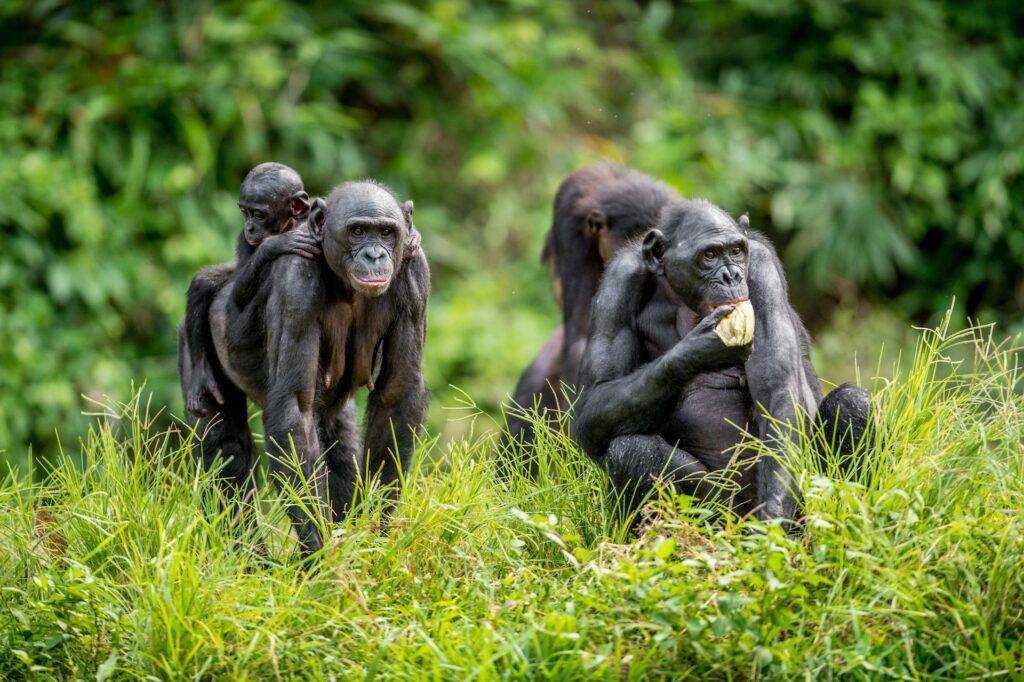
Bonobos, like chimpanzees, have been recorded responding gently and solemnly to the death of group members. Mothers carry dead infants and show protective, almost ceremonial behaviour toward the body. Group members may crowd around, touching the deceased and staying close for extended periods. The collective stillness and attentiveness suggest a shared recognition of the moment’s significance.
10. Sea Lions
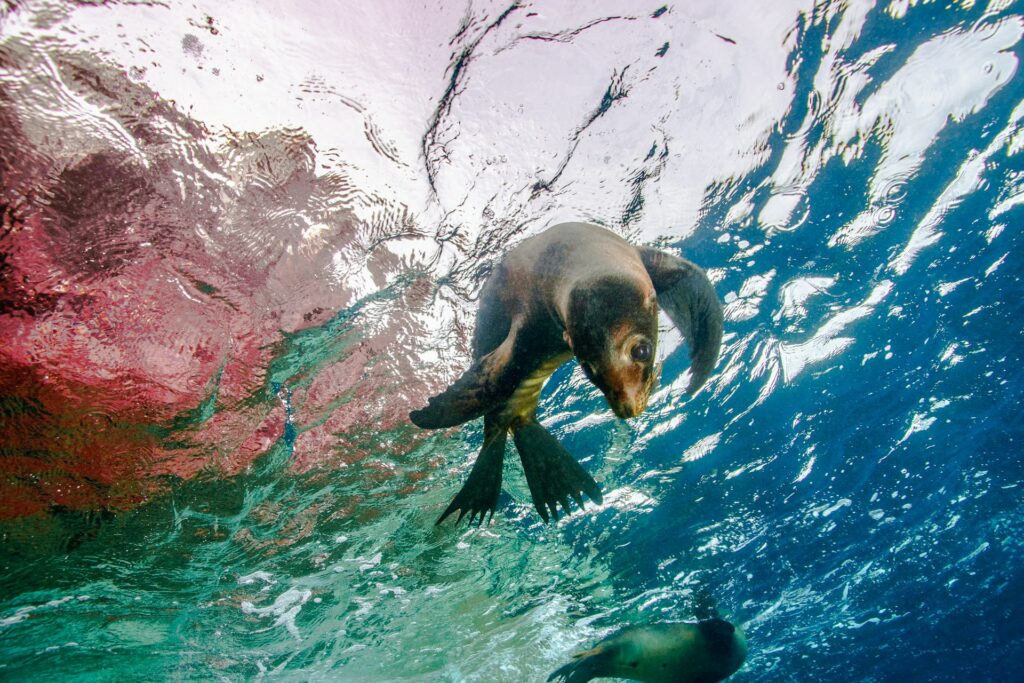
In some coastal environments, sea lion mothers have been seen hovering near their dead pups, vocalising, staying in physical contact, or circling the body. These moments often involve repeated attempts to rouse the pup, long after it’s died. Observers note changes in behaviour—mothers becoming less social, slower to return to the group, or visibly agitated. It’s a raw and instinctive kind of mourning.
11. Horses
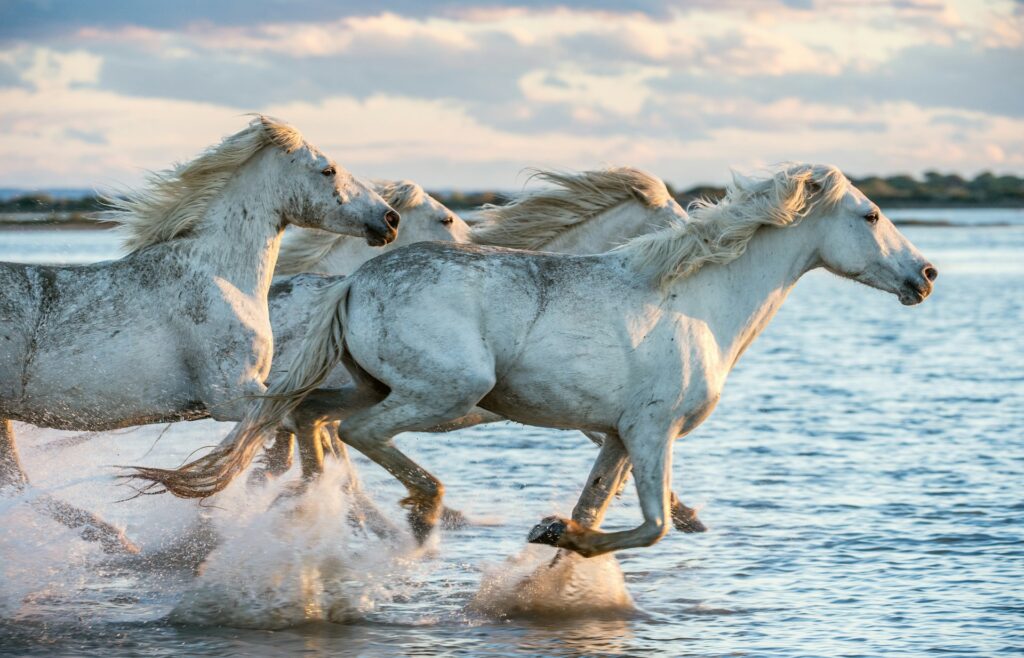
Domesticated horses have been seen reacting strongly to the death of a herd mate. They may stand vigil near the body, sniffing or nudging it, and show signs of agitation, confusion, or refusal to leave. Some herd members become quieter or even depressed after a death, showing altered eating or movement habits. These shifts hint at the emotional depth of the herd dynamic—and the absence left behind.
12. Dogs
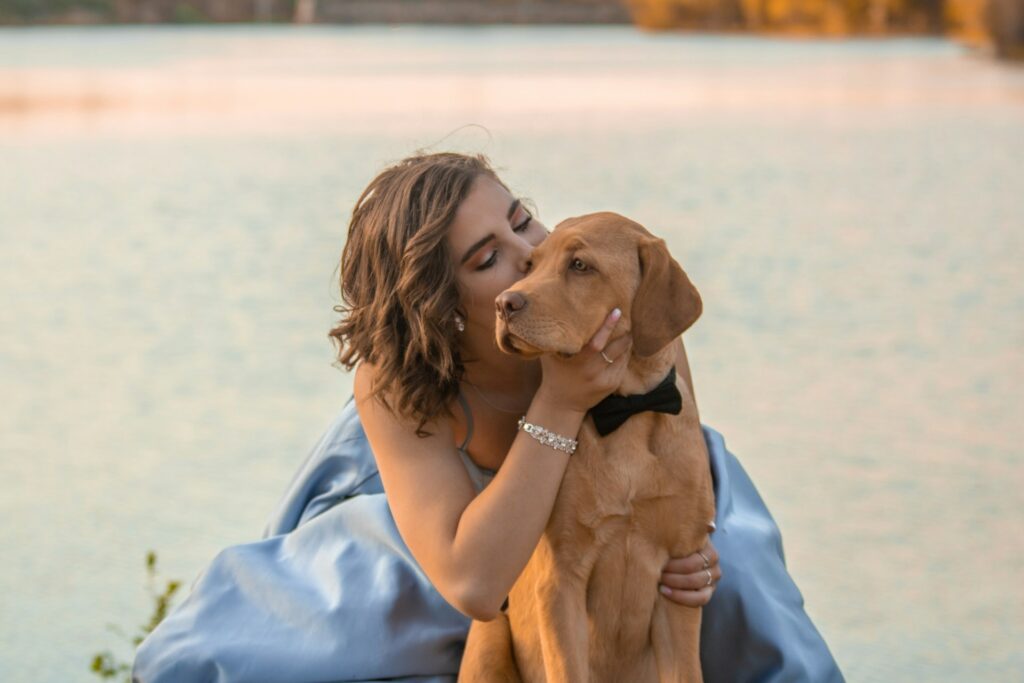
While dogs are domesticated, their mourning behaviour is hard to ignore. Many have been observed grieving both human and animal companions—refusing to eat, withdrawing, or waiting by the door long after someone’s gone. Some dogs sniff, nudge, or even howl at the body of a deceased companion. Their routine is disrupted, their spirit often visibly dulled. While we can’t fully know what they’re feeling, the weight of that grief is unmistakable.