Most people see a garden as a battle between the plants they want and the “weeds” they’re desperate to kill off, but we’re often a bit too quick to judge.
Some of the most hated species in the botanical world are actually powerhouses of benefits, tucked away behind a reputation for being a nuisance or a bit of an eyesore. If you can get past the initial annoyance of a plant that grows a bit too fast or has a bit of a sting, you’ll find that many of these outcasts are doing a massive amount of work for the local ecosystem. It’s time we stopped looking at the garden like a manicured showroom and started appreciating the plants that have the guts to thrive in the face of a lawnmower.
1. Dandelions are brilliant for pollinators.
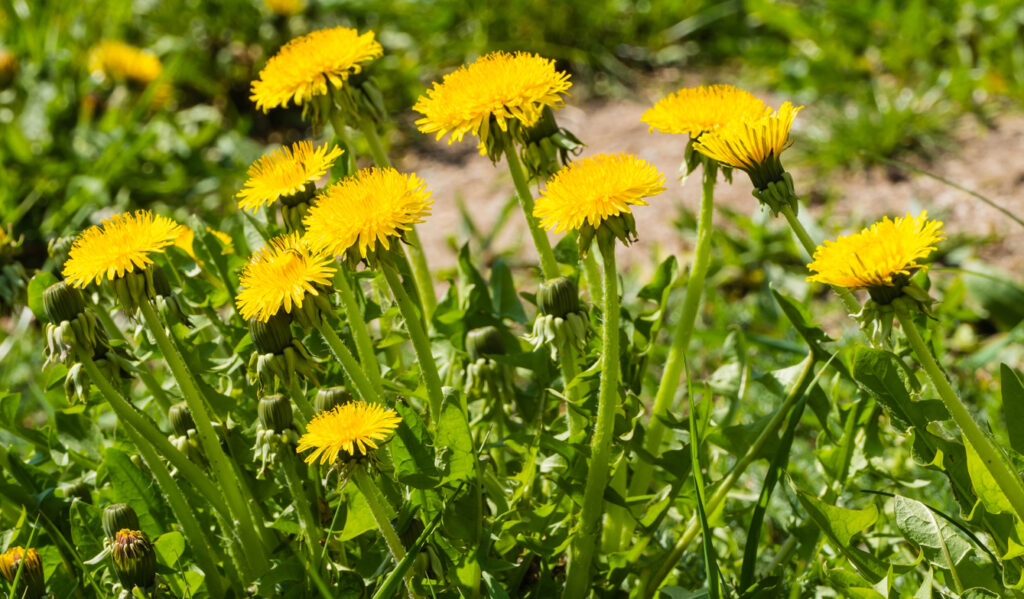
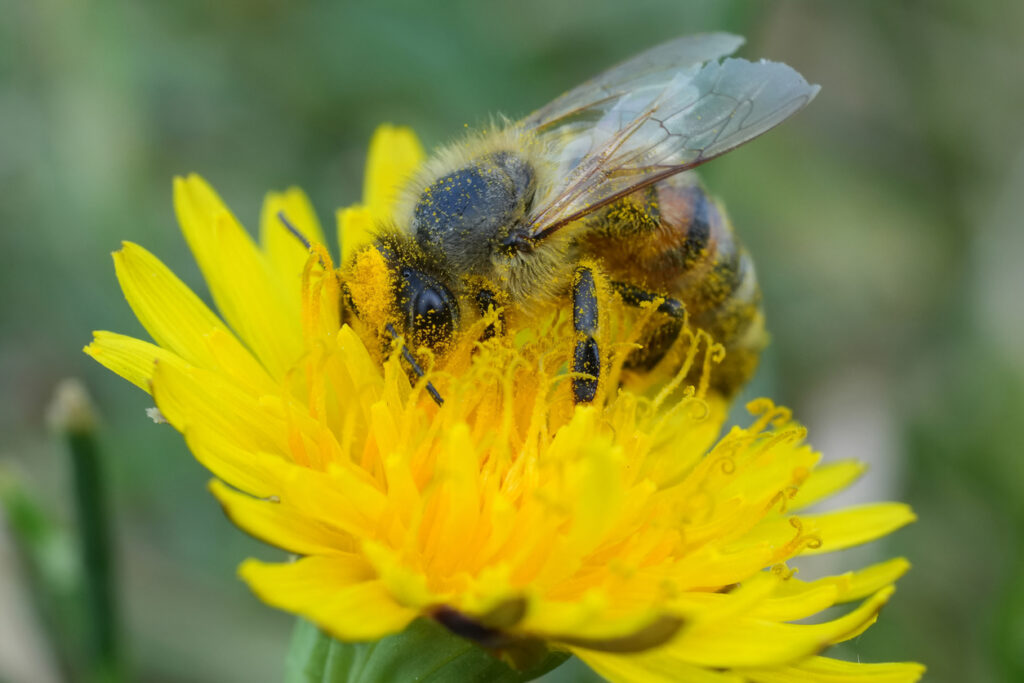
Dandelions are one of the first things people reach for the weed killer to destroy, but they’re actually a crucial early food source for bees and other pollinators. They flower from March through to November, providing nectar and pollen when not much else is available, especially in early spring when bees are desperate.
Every part of the plant is edible too, the leaves make a bitter salad, the roots can be roasted as a coffee substitute, and the flowers make wine. They also have incredibly deep taproots that break up compacted soil and bring nutrients up from deeper layers where other plants can’t reach. Your perfectly manicured lawn might look tidy without them, but it’s basically a green desert for wildlife compared to one with a few dandelions scattered about.
2. Nettles support over 40 species of insects.

Stinging nettles are painful to brush against and most people want them gone immediately, but they’re absolutely vital for British wildlife. Over 40 species of insects depend on nettles, including the caterpillars of several beautiful butterflies like red admirals, peacocks, and small tortoiseshells. If you get rid of all your nettles, you’re directly impacting butterfly populations.
Nettles are also edible when cooked, making excellent soup or a spinach substitute, and they’re packed with vitamins and minerals. They improve soil quality by indicating fertile ground, and you can make them into a brilliant natural fertiliser by soaking them in water. Leaving a patch of nettles in a corner of your garden does way more good than harm, you just need to know where they are so you don’t walk into them.
3. Ivy provides winter shelter and food.
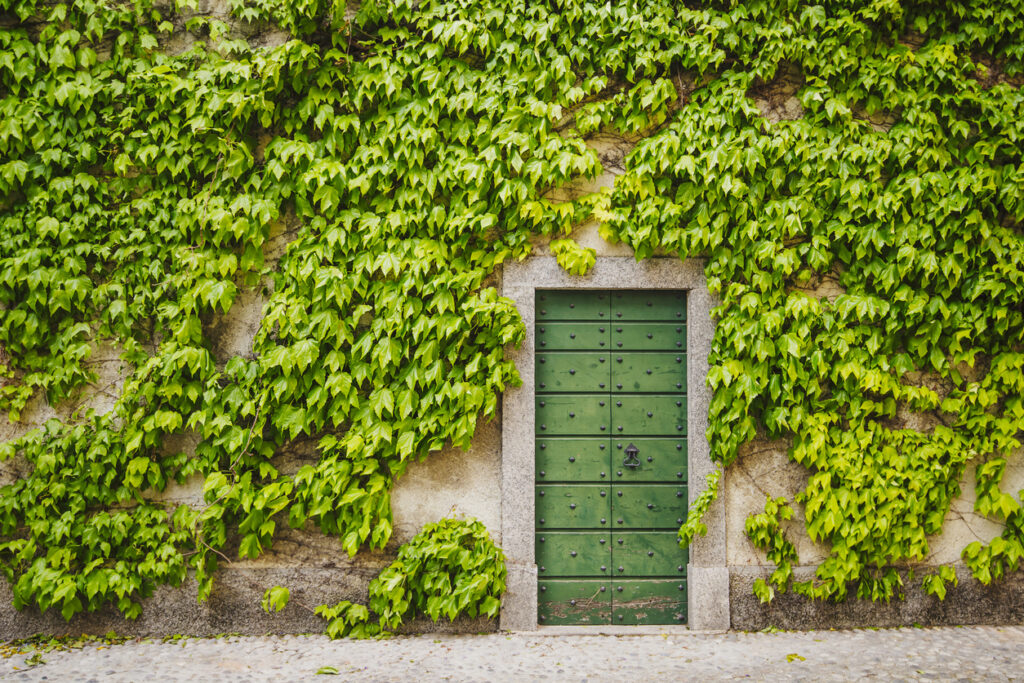
People rip ivy off walls and trees, thinking it’s damaging them, but ivy is actually harmless to healthy trees and provides crucial habitat. It flowers late in autumn when almost nothing else does, giving bees and other insects a final food source before winter. The berries that follow are eaten by birds through the coldest months when food is scarce.
The dense evergreen growth provides shelter and nesting sites for birds, and roosting spots for bats. Ivy doesn’t strangle trees or damage walls unless the walls are already crumbling, it just climbs using small roots that grip surfaces. The idea that it kills trees is a myth, it’s far more likely that ivy grew up a tree that was already dying. Keeping ivy around, especially mature flowering ivy, is one of the best things you can do for garden wildlife.
4. Brambles feed us and countless animals.
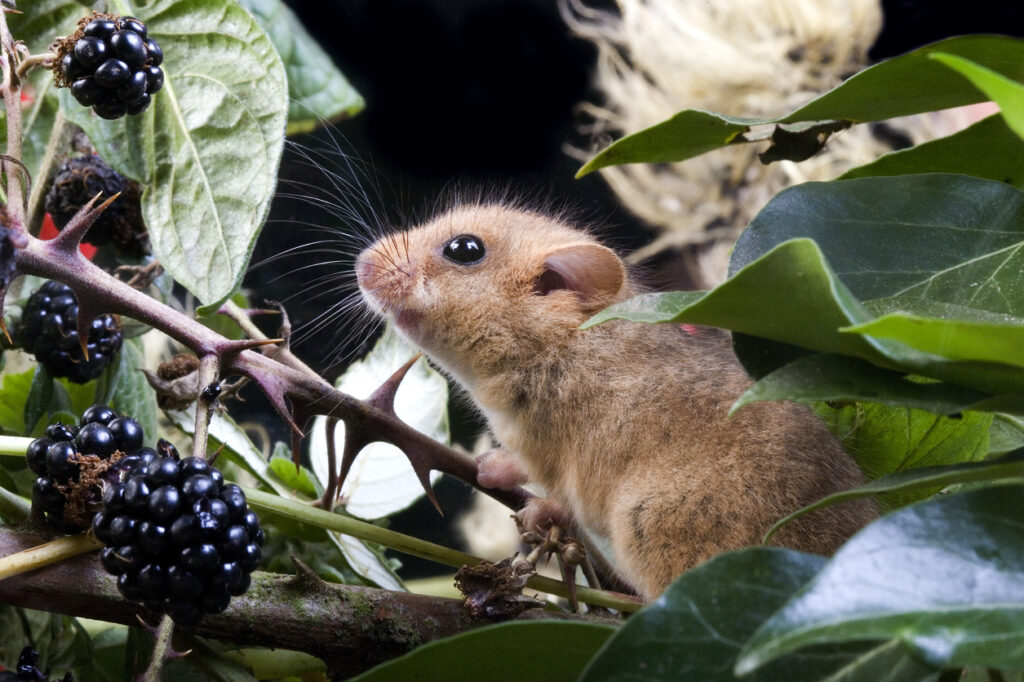
Brambles are aggressive and painful, there’s no denying that, but they produce blackberries that we all love to pick and eat. Beyond that, they provide food and shelter for loads of wildlife, including birds that nest in the thorny protection, and insects that feed on the flowers and fruit. Bramble flowers are excellent for bees, and the thickets create corridors for small mammals to move through safely.
Yes, they’ll take over if you let them, but keeping a controlled patch rather than eliminating them completely gives you free fruit every autumn and helps the local ecosystem. The thorns that make them annoying to us are exactly what makes them valuable to wildlife that needs safe hiding spots from predators.
5. Clover fixes nitrogen and feeds the soil.
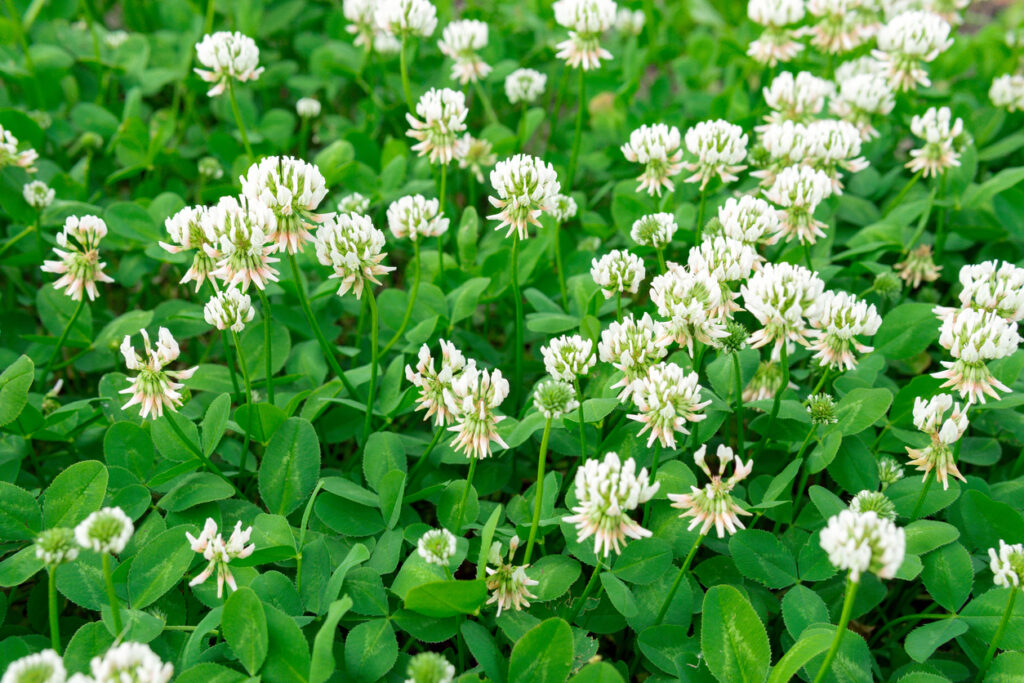
White clover in lawns gets treated like an invader that needs removing, but it’s actually doing your grass a favour. Clover is a nitrogen-fixing plant, meaning it takes nitrogen from the air and puts it into the soil, naturally fertilising everything around it. Lawns with clover stay greener during droughts because clover’s deeper roots access water that grass can’t reach.
It’s also brilliant for bees, providing nectar throughout summer. The obsession with pure grass lawns is terrible for biodiversity and requires loads of maintenance, water, and chemicals to maintain. Letting clover grow in your lawn means less mowing, less watering, no fertiliser needed, and more wildlife. It also feels lovely under bare feet, and used to be deliberately included in lawn seed mixes before chemical companies convinced everyone it was a weed.
6. Thistles are goldfinch magnets.
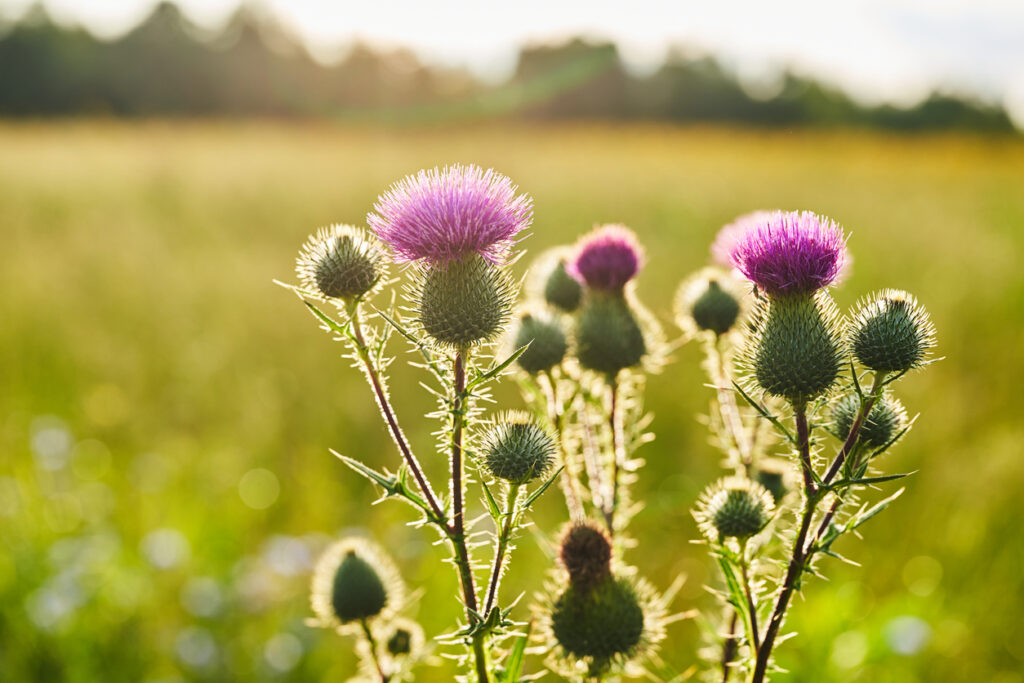
Thistles are prickly and spread easily, so people hate them, but goldfinches absolutely depend on thistle seeds as a major food source. Watching goldfinches feeding on thistle heads in late summer is genuinely delightful, they cling to the stems and carefully extract seeds with their pointed beaks.
The flowers are also fantastic for bees and butterflies before they go to seed. Yes, you don’t want thistles taking over your entire garden, but leaving a few at the edges or in wilder areas provides food for birds at a time when natural seed sources are declining. They’re also quite pretty when they’re flowering, with those purple pompom heads. The problem is that we’ve been conditioned to see them as ugly weeds rather than wildflowers with ecological value.
7. Moss indicates your soil needs help, not removal.
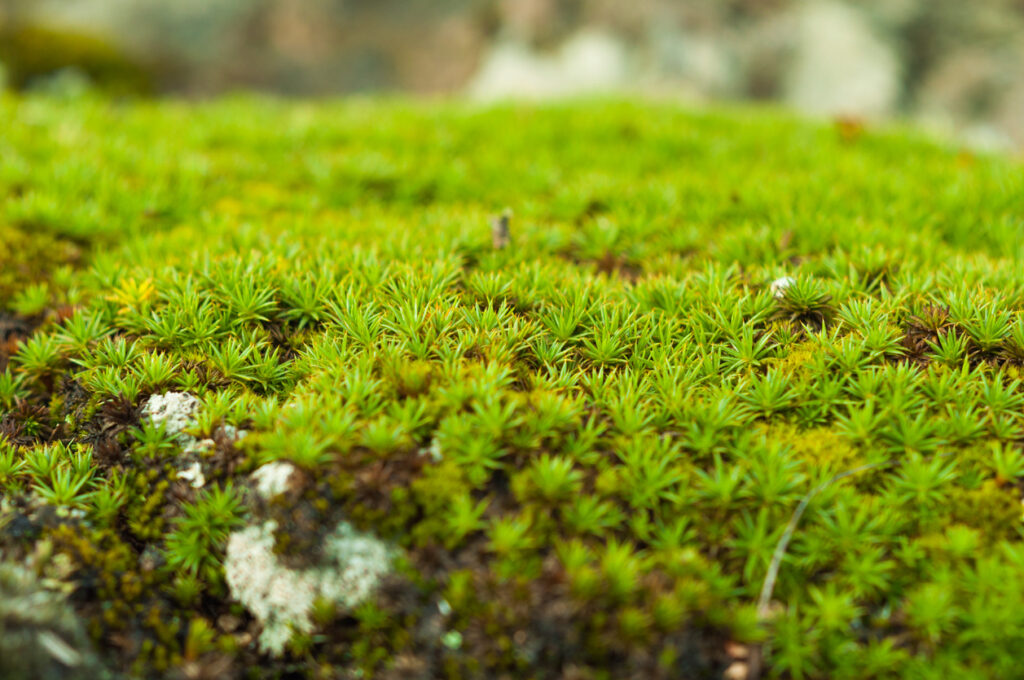
Moss growing in your lawn gets attacked with chemicals, but it’s actually telling you something important about your soil. Moss thrives in compacted, poorly drained, acidic soil with low fertility, so if you’ve got loads of it, your grass is struggling because the conditions aren’t right. Raking out the moss doesn’t fix the underlying problem, you need to aerate the soil, improve drainage, and possibly add lime if it’s too acidic.
Moss itself isn’t harmful, it’s just filling the gaps where grass can’t grow properly. In shady areas where grass struggles anyway, moss makes an excellent low-maintenance ground cover that needs no mowing, stays green year-round, and feels soft underfoot. Fighting it is often more effort than just accepting it and working with what grows naturally in your conditions.
8. Bindweed has gorgeous flowers that pollinators love.
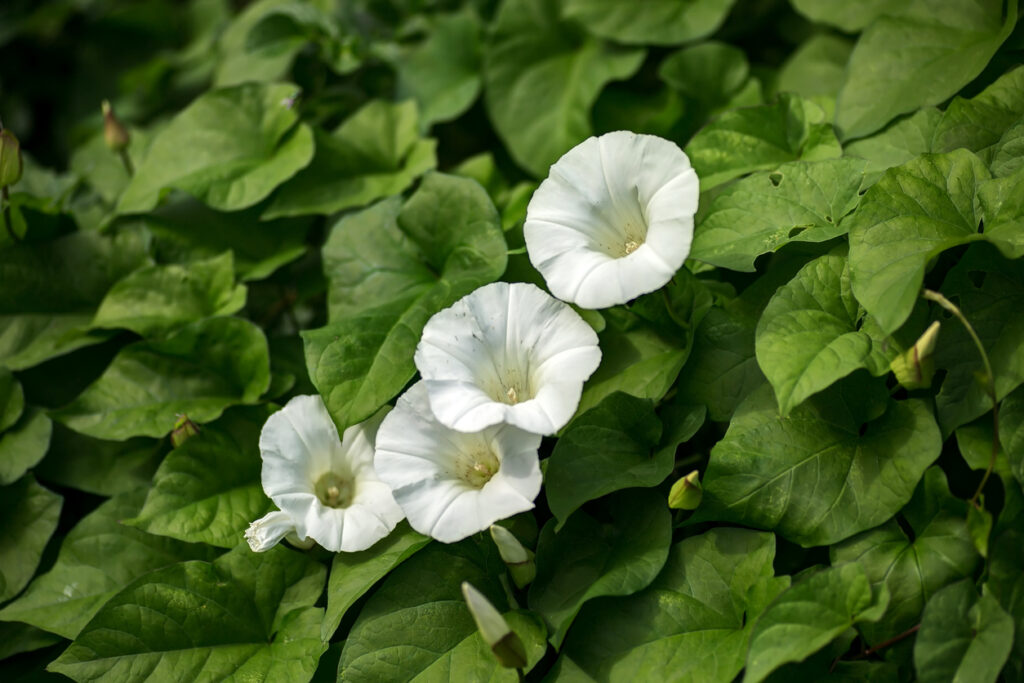
Bindweed is an absolute nightmare to get rid of because its roots go down forever and any tiny bit left behind will regrow, but the flowers are actually lovely and really valuable for pollinators. The white or pink trumpet flowers produce nectar that bees and moths feed on, and several moth species use bindweed as a food plant for their caterpillars.
Obviously, it’ll strangle your other plants if you let it, but in areas where you’re not trying to grow specific things, it’s not actually doing any harm. The problem is it’s incredibly persistent, so once you’ve got it, you’re basically stuck with it. Rather than endlessly fighting it with chemicals that don’t work anyway, some people just accept it in wilder corners and enjoy the flowers. It’s one of those plants where the battle might not be worth winning.
9. Docks draw minerals up from deep soil.
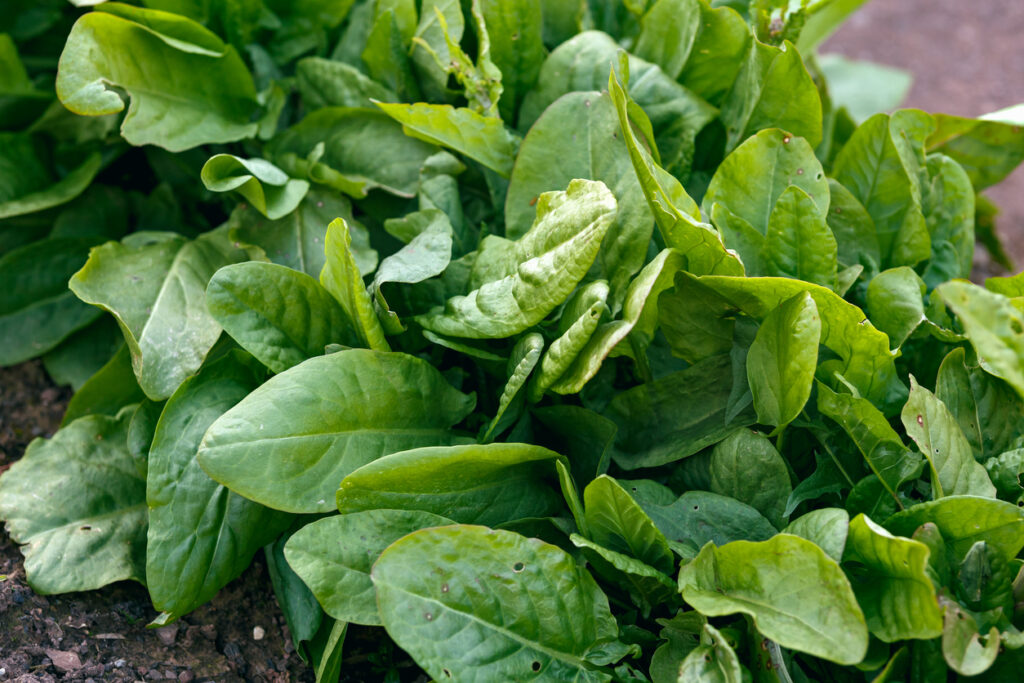
Dock leaves always grow near nettles, which is handy since they soothe nettle stings, but they’re usually considered weeds that need removing. Their long taproots break up compacted soil and draw minerals up from deep underground, making those nutrients available to shallower-rooted plants when the dock leaves eventually decompose.
They also indicate soil that’s too acidic, so like moss, they’re telling you something about your growing conditions. The seeds feed birds, particularly finches, and the leaves can be cooked and eaten like spinach when young, though they get quite bitter as they age. Docks spread easily from seed so you don’t want them everywhere, but leaving some around the edges contributes to soil health and biodiversity without causing real problems.
10. Hogweed feeds more insects than almost any other plant.
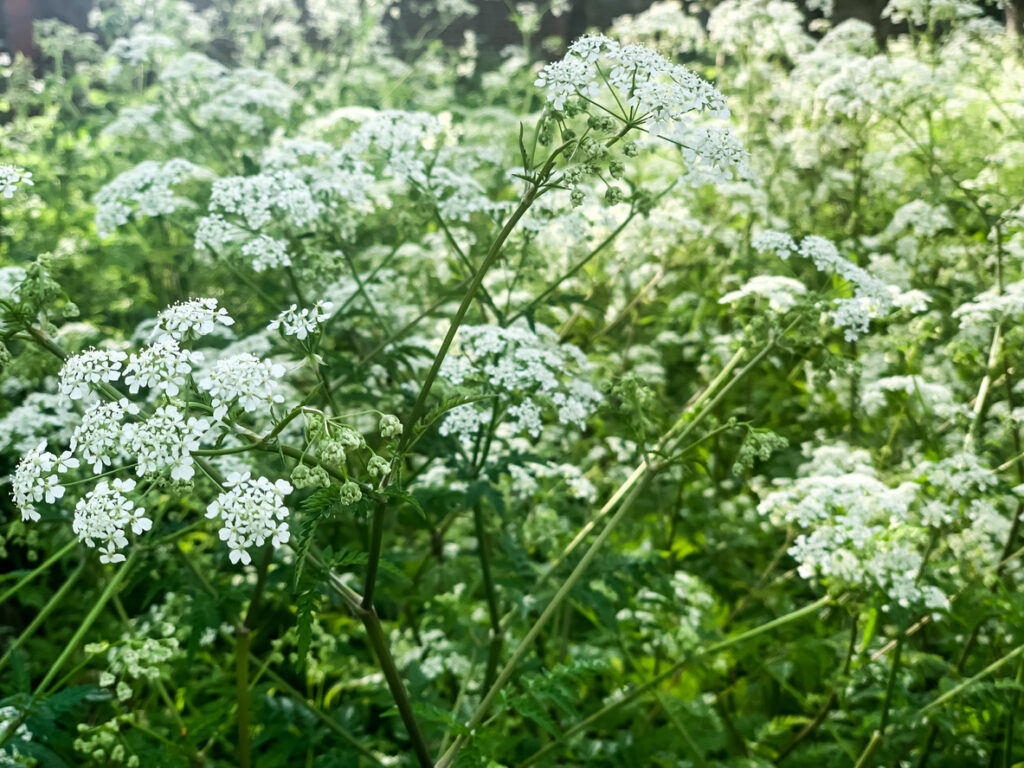
Not giant hogweed, which is dangerous and needs reporting, but common hogweed is one of the most valuable plants for insects in Britain. Over 100 species of insects feed on it, and the flat umbrella-shaped flowers are like landing platforms for bees, hoverflies, and beetles. It’s a key food plant for several moth and beetle species, and the hollow stems provide overwintering sites for insects.
People often confuse it with giant hogweed and panic, or they just think it looks messy and ugly, but it’s a native wildflower that supports an enormous amount of wildlife. It grows tall and dies back in winter looking a bit tatty, so it’s not suited to formal gardens, but in wilder areas or along boundaries it’s doing incredible work for biodiversity. We need to get better at recognising the difference between common hogweed, which is beneficial, and giant hogweed, which genuinely is a problem.