It’s easy to forget that the animals we see in zoos or aquariums aren’t exactly living their best lives compared to their wild counterparts.
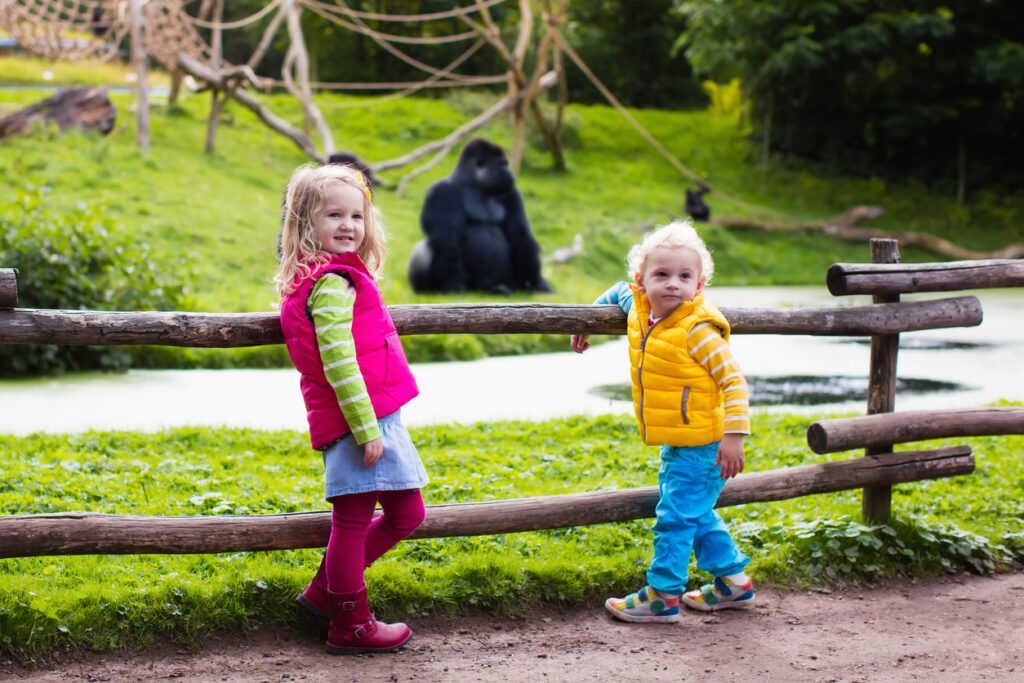
While some species adapt reasonably well, others find the transition to a confined space incredibly jarring. Their entire personality can warp when you take away the need to hunt, find a mate, or defend a territory. In many cases, the stress of being watched or the boredom of a predictable routine leads to habits you’d never find in the wild. You might see repetitive movements, changes in how they socialise, or even a total loss of their natural instincts.
These 13 animals are the ones that struggle the most with a life behind bars, showing us just how much their environment dictates who they really are.
1. Orcas become aggressive and depressed.

Wild orcas travel up to 100 miles daily in close-knit family groups that stay together for life, but captive orcas live in tiny tanks with unrelated whales they often don’t get along with. The stress of confinement causes them to attack each other and their trainers, behaviour that’s virtually unknown in the wild. Their dorsal fins collapse from spending so much time at the surface of shallow pools, and they die decades younger than they would in the ocean. The playful, intelligent creatures you see performing tricks are actually exhibiting signs of severe psychological distress that wild orcas never experience.
2. Elephants develop obsessive repetitive movements.
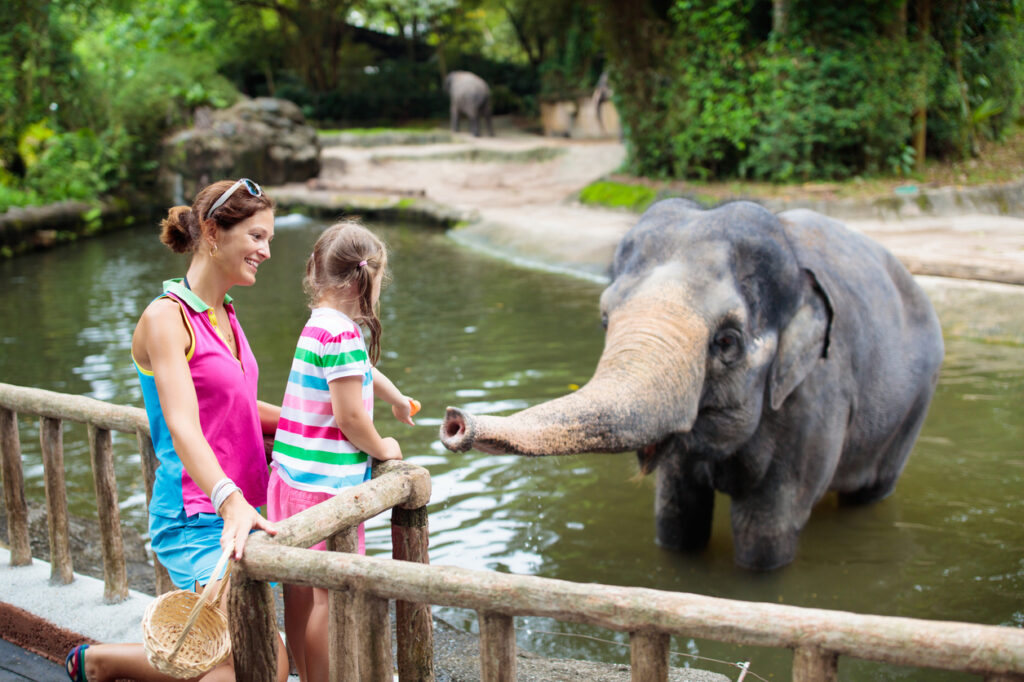
Wild elephants walk for miles every day, live in complex matriarchal herds, and engage in sophisticated social behaviours. Captive elephants often sway back and forth endlessly, bob their heads, or pace the same route over and over. These stereotypic behaviours indicate serious mental distress and boredom. Zoos can’t replicate the space or social complexity elephants need, so even in the best facilities they exhibit abnormal behaviour. Baby elephants in captivity frequently die from stress-related conditions that wild calves rarely experience.
3. Polar bears pace obsessively for hours.
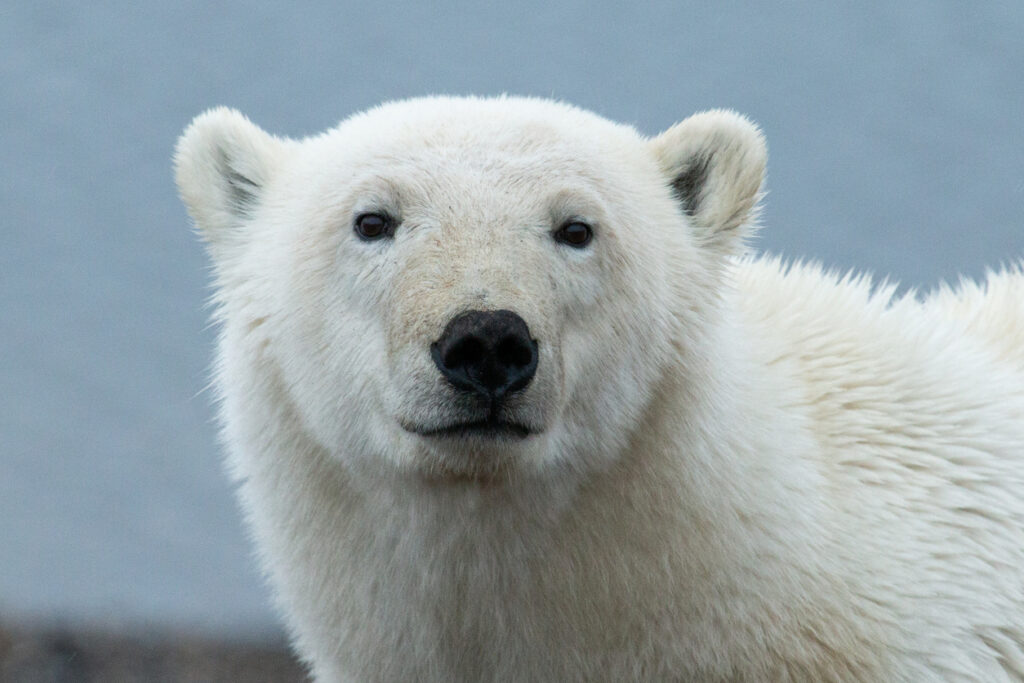
In the wild, polar bears roam enormous territories across the Arctic ice hunting seals, but captive polar bears are confined to enclosures that are a tiny fraction of their natural range. They develop compulsive pacing patterns, walking the same route repeatedly for hours without stopping. This behaviour is so common in zoo polar bears that visitors often think it’s normal, but it’s actually a clear sign of psychological suffering. The bears are trying to cope with the frustration of confinement by engaging in repetitive movement.
4. Chimpanzees become violent and unpredictable.

Wild chimps have complex social hierarchies and spend their days foraging, grooming, and navigating intricate group dynamics. Captive chimps, especially those used in entertainment or kept as pets when young, often become aggressive and dangerous as they mature. Being raised by humans instead of their mothers causes severe psychological damage, and they never learn proper chimp social behaviour. Adult chimps in captivity have attacked and seriously injured their handlers, whereas wild chimps generally avoid human contact unless provoked. The cute baby chimps people see in films grow into traumatised adults who can’t function normally.
5. Dolphins stop using echolocation properly.
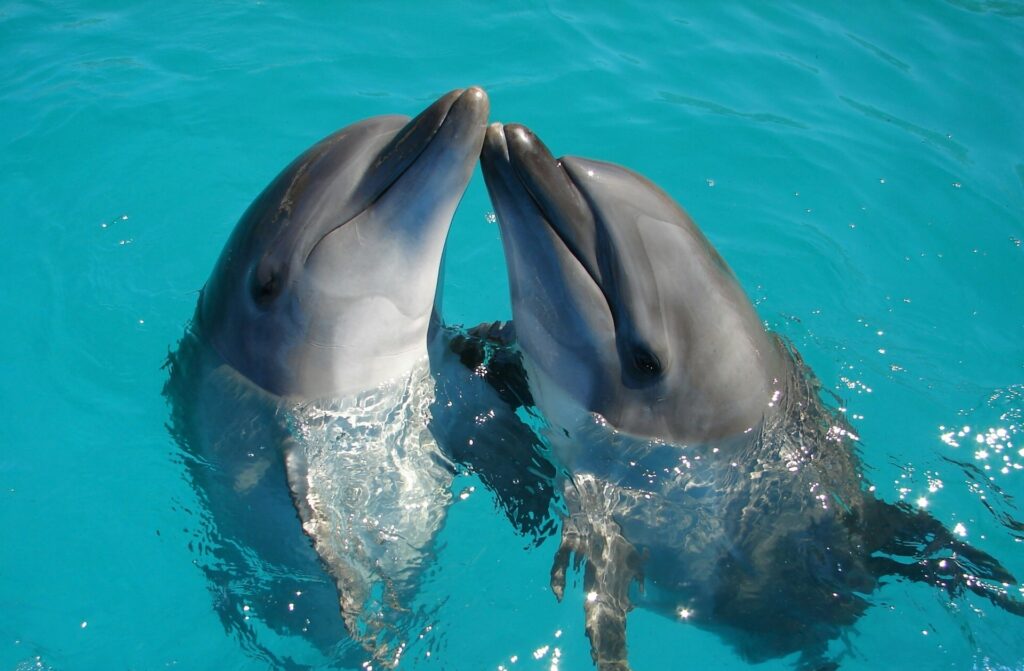
Wild dolphins navigate vast ocean territories using sophisticated echolocation to hunt and communicate. In captivity, the concrete walls of tanks create confusing echoes that make their natural sonar system almost useless. Some captive dolphins reduce their echolocation significantly or stop using it altogether because it’s painful and disorienting in such a small, artificial environment. They also develop skin problems from the chlorinated water and often die from stress-related illnesses. The intelligence that makes dolphins fascinating also makes them suffer more acutely in captivity.
6. Big cats lose their hunting instincts entirely.

Lions, tigers, and leopards in the wild are apex predators who spend significant time stalking and hunting prey. Captive big cats are fed pre-killed meat on a schedule, so they never develop or maintain hunting skills. Hand-raised cubs become completely dependent on humans and can’t survive in the wild even if released. They often become obese from lack of exercise and develop joint problems from pacing on hard surfaces. The powerful, athletic hunters you’d see in nature become lethargic, bored animals who sleep most of the day because there’s nothing else to do.
7. Parrots self-mutilate from stress and boredom.
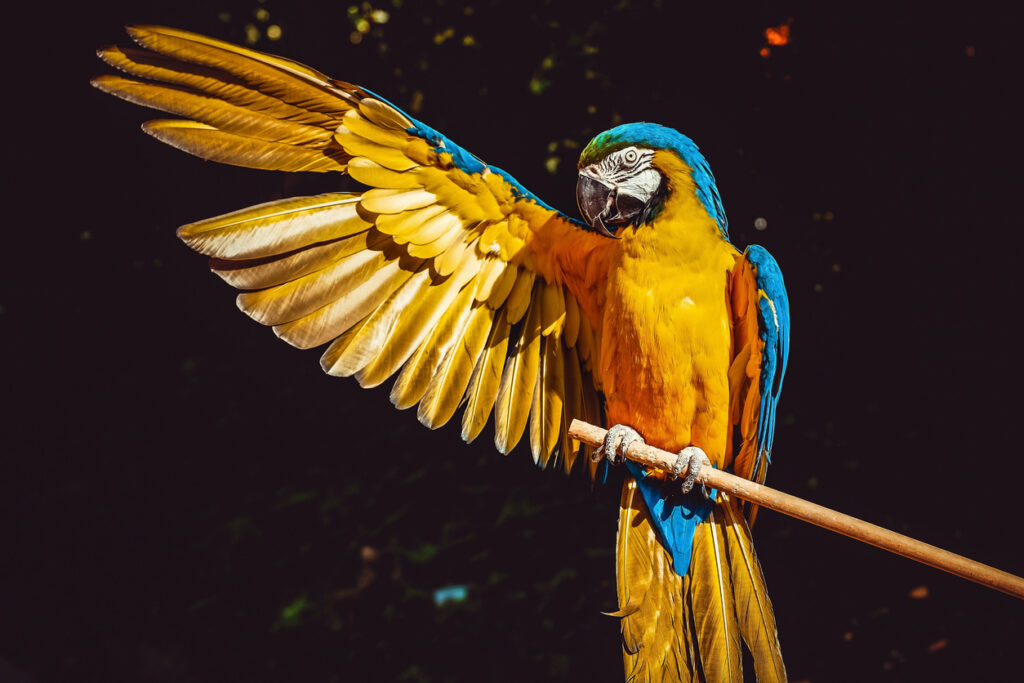
Wild parrots live in large flocks, fly miles daily, and engage in complex social interactions and problem-solving to find food. Captive parrots, especially those kept alone in cages, frequently pluck out their own feathers until they’re nearly bald. This self-destructive behaviour comes from loneliness, boredom, and frustration at being confined. Some parrots scream constantly or develop aggressive behaviour towards their owners. Birds that would spend their lives flying through rainforests instead sit in living rooms, going slowly mad from isolation.
8. Primates reject their babies or become infertile.
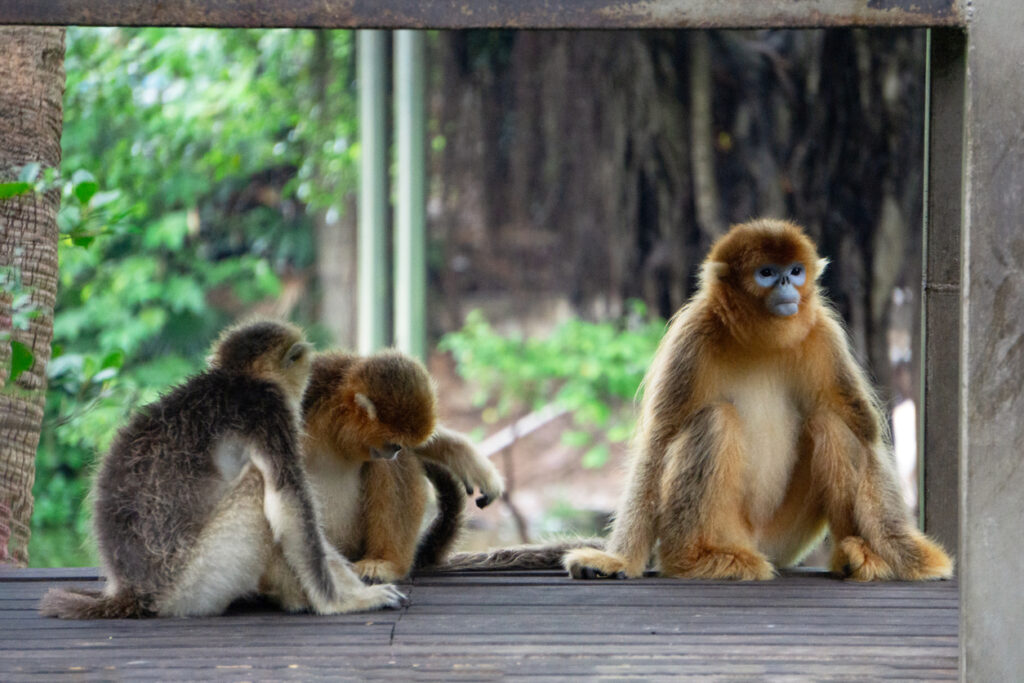
Many primates raised in captivity don’t know how to care for their young because they never observed proper maternal behaviour. Mother primates in zoos often abandon or even harm their babies, something that’s rare in the wild, where babies are raised within supportive family groups. Stress from captivity also causes reproductive problems, with many species struggling to breed successfully. Zoos resort to artificial insemination and hand-raising babies, which perpetuates the cycle of primates who can’t function normally. The natural parenting instincts that exist in the wild simply don’t develop properly in captive environments.
9. Bears lose their natural fear of humans.
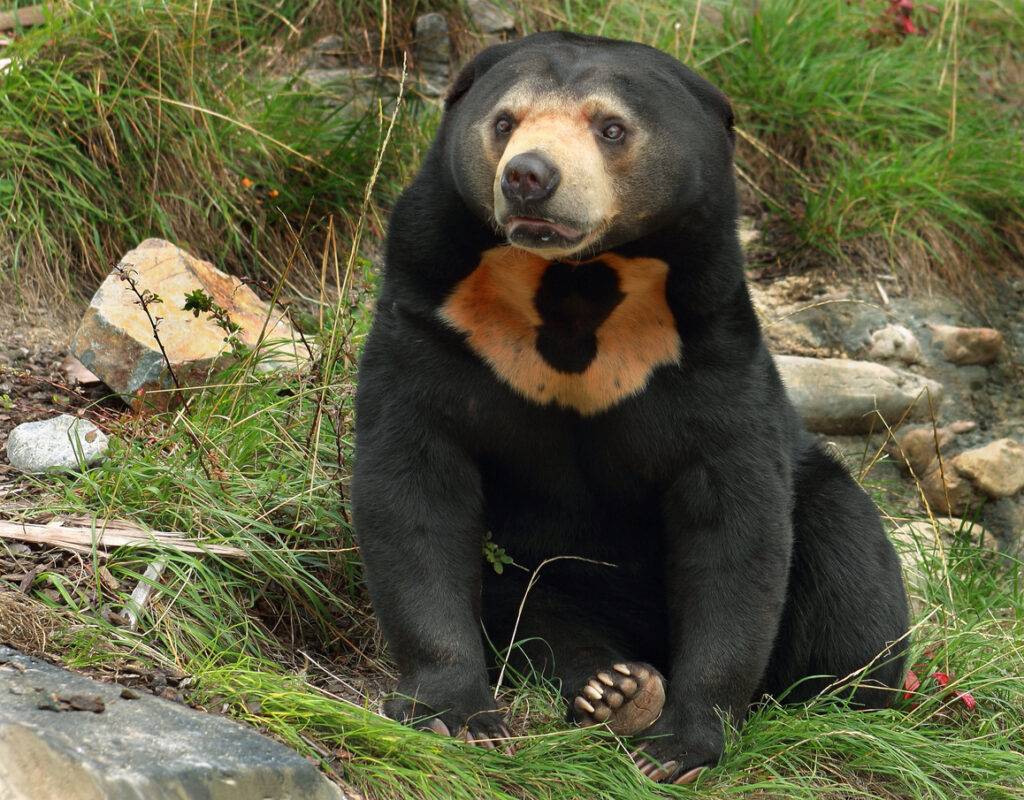
Wild bears are generally wary of people and avoid contact, but captive bears become habituated to human presence and lose this protective instinct. Bears in sanctuaries or zoos associate humans with food and approach people without the caution that keeps wild bears safe. If these bears were ever released, they’d be dangerous because they lack the natural fear that prevents human-bear conflicts. Captivity fundamentally changes their perception of humans from potential threat to food provider, which can’t be reversed.
10. Giraffes develop twisted necks and joint problems.
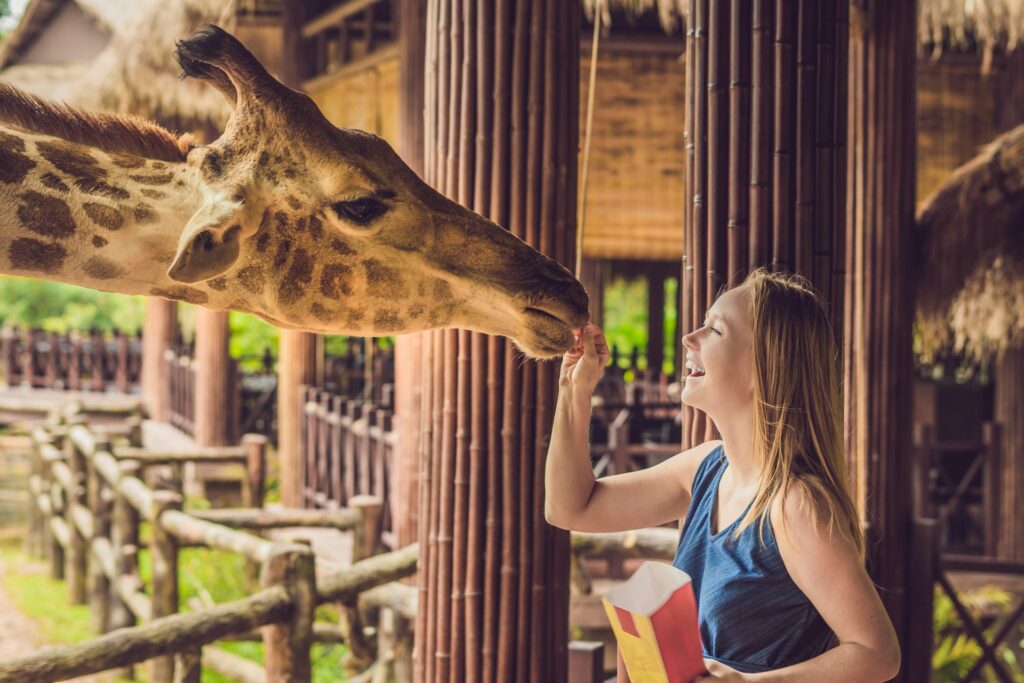
Wild giraffes roam across African savannas in loose herds, browsing from tall trees throughout the day. Captive giraffes often develop abnormal neck postures from eating at unnatural heights and from the stress of confinement. Their legs and joints deteriorate faster than they would in the wild because zoo enclosures can’t provide the varied terrain and distance they need. Many captive giraffes die young from complications that wild giraffes rarely face. The confined space and artificial feeding stations create physical problems that compound over time.
11. Wolves lose pack structure and become anxious.

Wild wolf packs are tight family units with clear hierarchies and cooperative hunting strategies. Captive wolves often can’t form proper pack structures because they’re housed with unrelated wolves in limited space, which creates constant tension and conflict. They become anxious and sometimes aggressive because the social dynamics they need can’t develop properly. Hand-raised wolves lose their natural wariness of humans and become dependent, which makes them unsuitable for release. The complex social behaviour that defines wolves in nature breaks down completely in captivity.
12. Cetaceans stop vocalising normally.
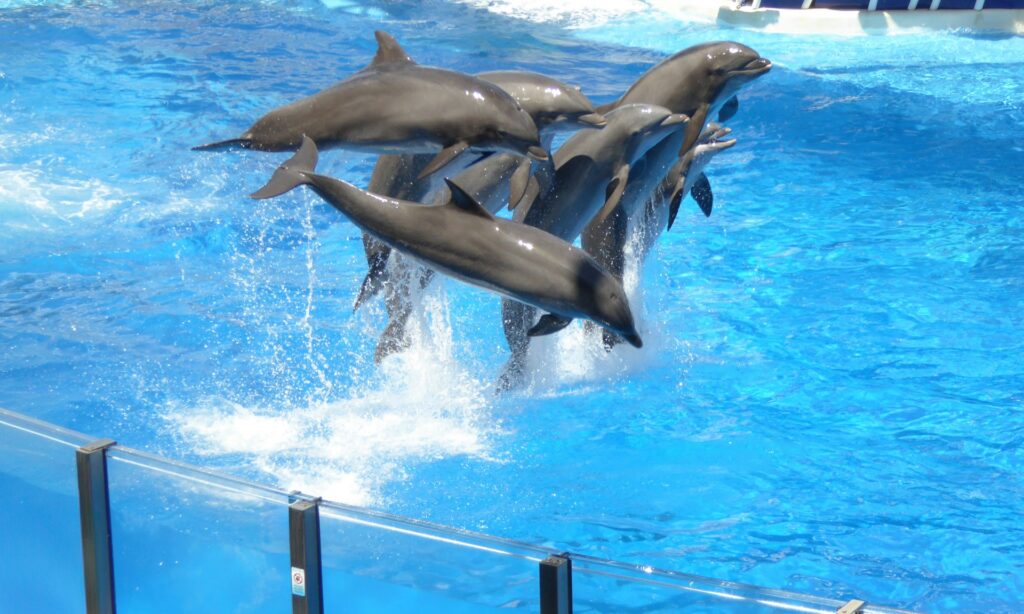
Whales and dolphins in the wild have complex vocal repertoires they use to communicate across vast distances. In captivity, their vocalisations often change dramatically or decrease significantly because the small tanks make long-distance communication unnecessary. Some captive cetaceans develop abnormal vocal patterns or go nearly silent. The acoustic environment of a concrete tank is so different from the ocean that their natural communication systems become pointless. This loss of vocal behaviour indicates how profoundly captivity changes their fundamental nature.
13. Reptiles refuse to eat and waste away.
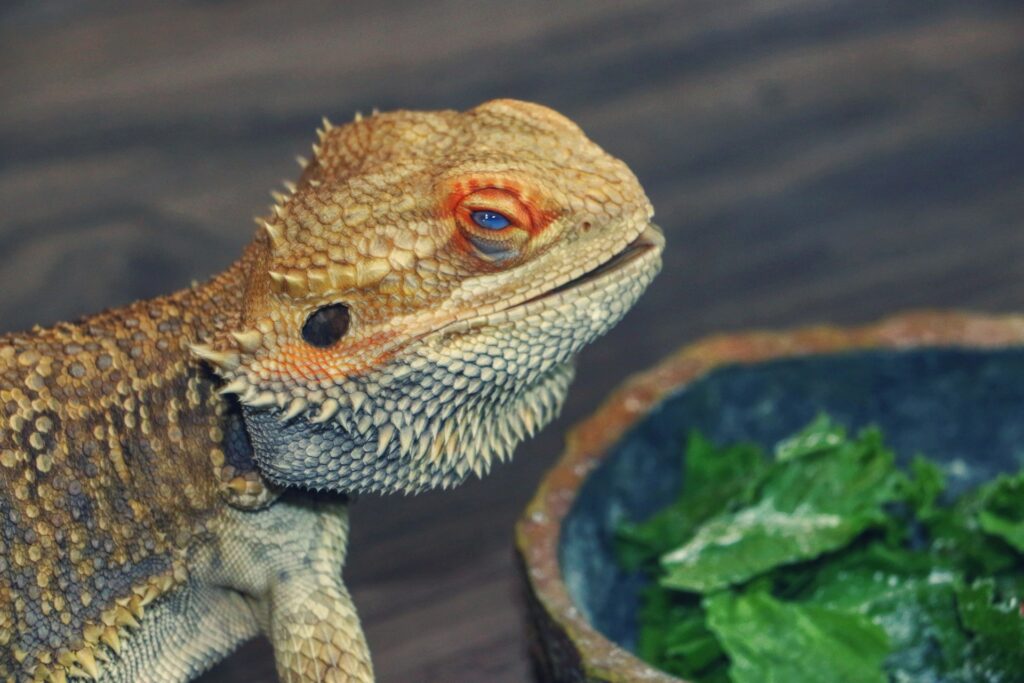
Many reptiles, especially snakes and lizards caught from the wild, simply stop eating in captivity and slowly starve themselves. Wild reptiles have specific environmental triggers for feeding that artificial enclosures can’t replicate properly. They become stressed by confinement, handling, and the wrong temperature or humidity levels, which suppresses their appetite. Some species never adjust to captivity and die despite keepers’ best efforts. The instincts that keep them alive in nature become obstacles in captivity because the environment is fundamentally wrong for their needs.