We’ve lived alongside dogs for thousands of years, but we still tend to underestimate just how much they’re actually taking in.
You might think they’re only focused on the next meal or a walk in the park, but they’ve become experts at reading the tiny, unconscious signals we drop throughout the day. They’re not just reacting to the words you’ve taught them; they’re unpicking the stress in your voice, the way you’re standing, and even those changes in your mood that you haven’t quite admitted to yourself yet.
Before you’ve even reached for your coat or felt that first wave of a headache, your dog has probably already clocked what’s coming. They aren’t just staring blankly when you talk to them—they’re practically mind-reading. Here’s what’s really going on behind those puppy-dog eyes and the information they’re gathering while you think they’re just waiting for a biscuit.
They know when you’re leaving without them.

Your dog can tell the difference between you popping to the shops and you going somewhere they’re not invited. They’re reading dozens of tiny signals like which shoes you’re putting on, whether you’ve picked up certain bags, and the general energy in the house. When you’re getting ready for work versus getting ready to take them for a walk, everything about your behaviour is different, and they’ve catalogued all of it. That’s why they start looking anxious before you’ve even said goodbye, they already know what’s happening.
They understand your emotional state better than most humans.
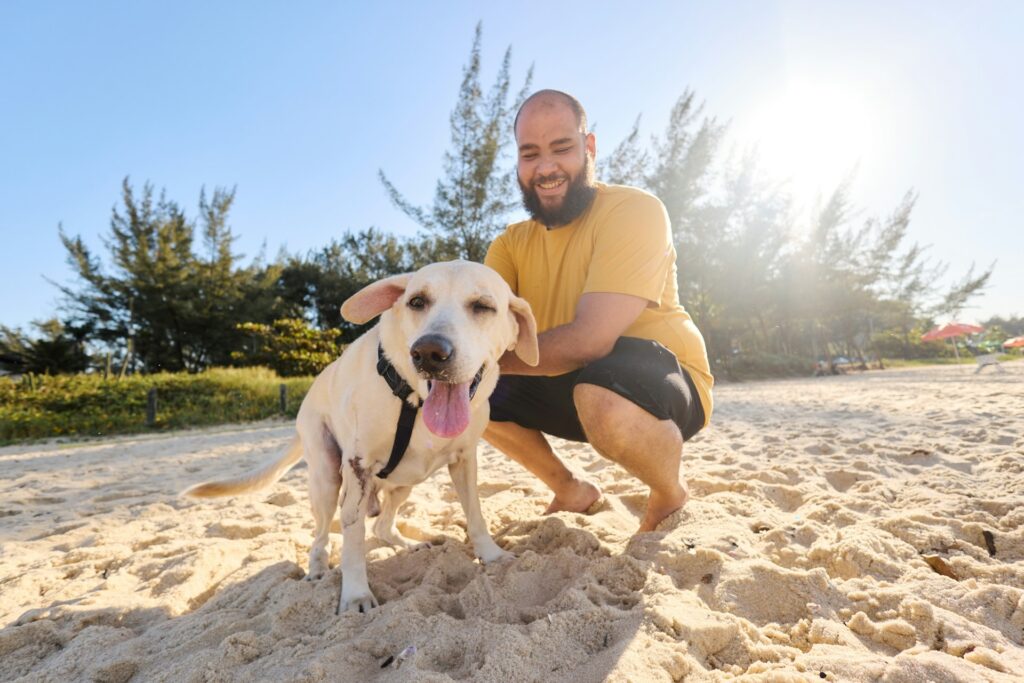
Dogs are incredibly sensitive to your mood and can detect changes in your emotional state before you’ve fully processed them yourself. They notice subtle shifts in your body language, facial expressions, breathing patterns, and even your smell changes when you’re stressed or upset. It might seem like they’re just being needy, but they’re genuinely reading your emotions and responding to them. When your dog comes and sits with you when you’re sad, they absolutely know something’s wrong.
They know when you’re talking about them.
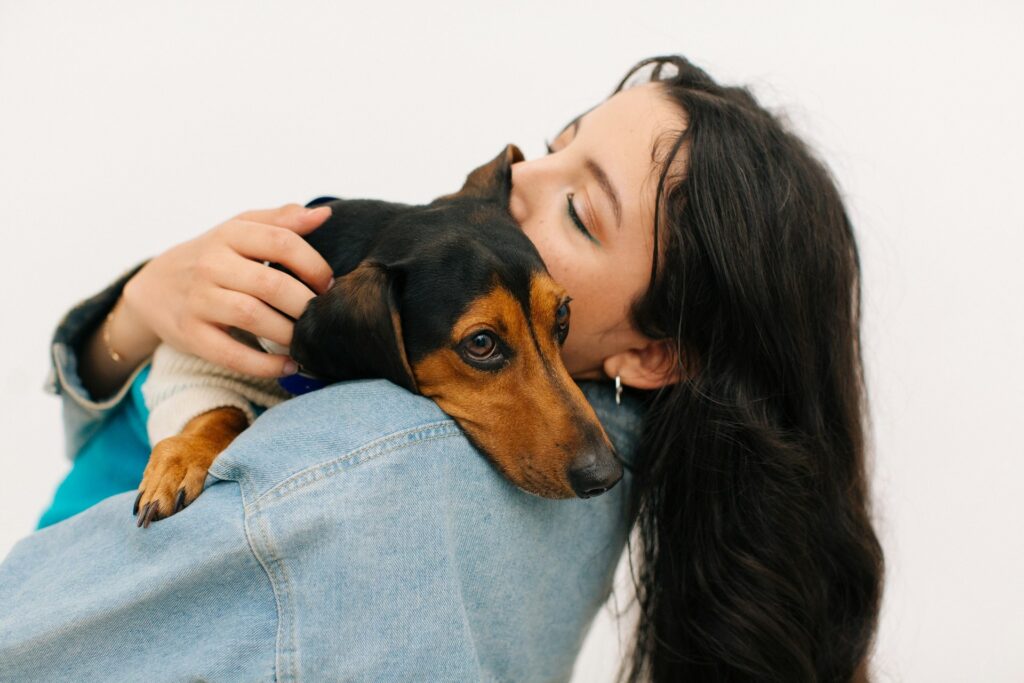
Even if you’re not using their name or looking at them, your dog can tell when they’re the topic of conversation. They pick up on context clues, tone changes, and the way you glance at them while talking. If you’re discussing whether to take them to the park or debating giving them a bath, they’re following along and forming opinions. They might not understand every word, but they absolutely know they’re being discussed, and they’re trying to influence the outcome.
They’ve memorised your entire routine.

Your dog knows what time you usually wake up, when meals happen, when walks typically occur, and what the evening routine looks like. They have an internal clock that’s remarkably accurate, which is why they start bothering you for dinner at the exact same time every day. If you deviate from the schedule, they notice immediately and get confused or anxious. Weekends throw them off because suddenly, everything’s happening at different times than usual.
They understand far more words than their basic commands.

Beyond sit, stay, and come, most dogs know dozens or even hundreds of words. They understand names of family members, specific toys, different types of food, places you go regularly, and activities they do. You probably don’t realise how much vocabulary they’ve picked up because you’ve never formally taught these words. Try spelling out W-A-L-K and see if your dog still gets excited, many of them learn to recognise spelled words too.
They know you’re faking the ball throw.
When you pretend to throw the ball but keep it behind your back, your dog isn’t actually fooled. They play along because the game is fun, not because they genuinely believe you threw it. Dogs understand deception, and they’re perfectly capable of recognising when you’re trying to trick them. They’re just generous enough to let you think you’re clever while they humour you.
They care more about your tone over your actual words.
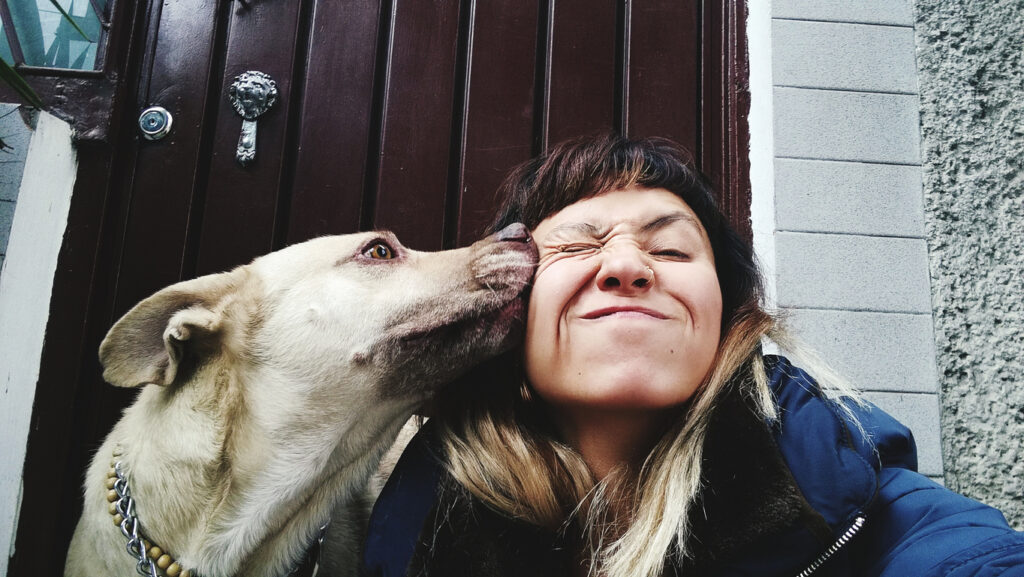
You can say absolutely anything to your dog in a happy, excited voice, and they’ll respond positively, which proves they’re reading tone far more than vocabulary. This is why you can tell them they’re a “terrible little monster” in a sweet voice, and they’ll wag their tail. They understand that how you say something matters more than what you say, and they use this skill to interpret your intentions and feelings constantly.
They know the vet trip is coming before you’ve left the house.

Your dog recognises the pattern of a vet visit long before you’ve got them in the car. They notice you’re being overly nice, treats are appearing at unusual times, and there’s a specific energy to how you’re moving around. The betrayal they feel isn’t because they’re stupid, it’s because they absolutely knew what was happening, and you pretended they didn’t. They understand cause and effect perfectly well.
They recognise unfair treatment immediately.

Dogs have a strong sense of fairness, and they notice when one dog gets more treats, attention, or privileges than another. If you give your other dog a biscuit and not them, they know they’ve been left out, and they’re not happy about it. Studies have shown dogs refuse to perform tricks if they see another dog getting rewarded for the same behaviour while they get nothing. They understand equity and they expect it.
They can tell when you’re lying or being inconsistent.
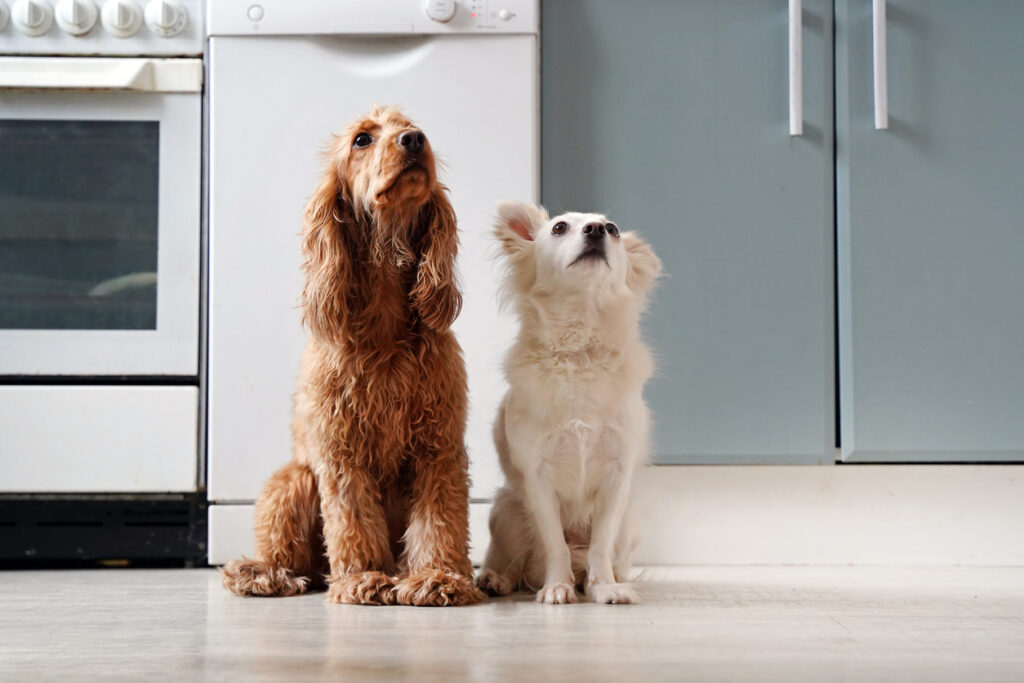
Dogs pick up on dishonesty through your body language and behaviour. If you say you’re going out but then don’t leave, or if you promise a walk that doesn’t materialise, they notice the pattern. They learn which of your statements are reliable and which ones aren’t, and they adjust their trust accordingly. Being inconsistent with your dog doesn’t fool them, it just teaches them you’re not always truthful.
They understand your relationships with other people.

Your dog knows who you like, who you’re wary of, and how you feel about different people in your life. They watch how you interact with your partner versus your mother-in-law, and they pick up on tension, affection, or discomfort. Dogs often mirror your feelings about people, being friendly to those you’re relaxed around and suspicious of those you’re uncomfortable with. They’re reading your social dynamics constantly.
They know perfectly well when they’ve done something wrong.

That guilty look isn’t confusion, it’s your dog knowing they’ve broken a rule. They understand house rules even if they choose to break them sometimes, and they can predict your reaction based on what they’ve done. The guilty behaviour starts before you’ve even discovered the chewed shoe or the accident on the carpet because they already know it’s going to be a problem. They’re not stupid, they’re just occasionally willing to face consequences for something they really wanted to do.
They’re tracking complex household dynamics.
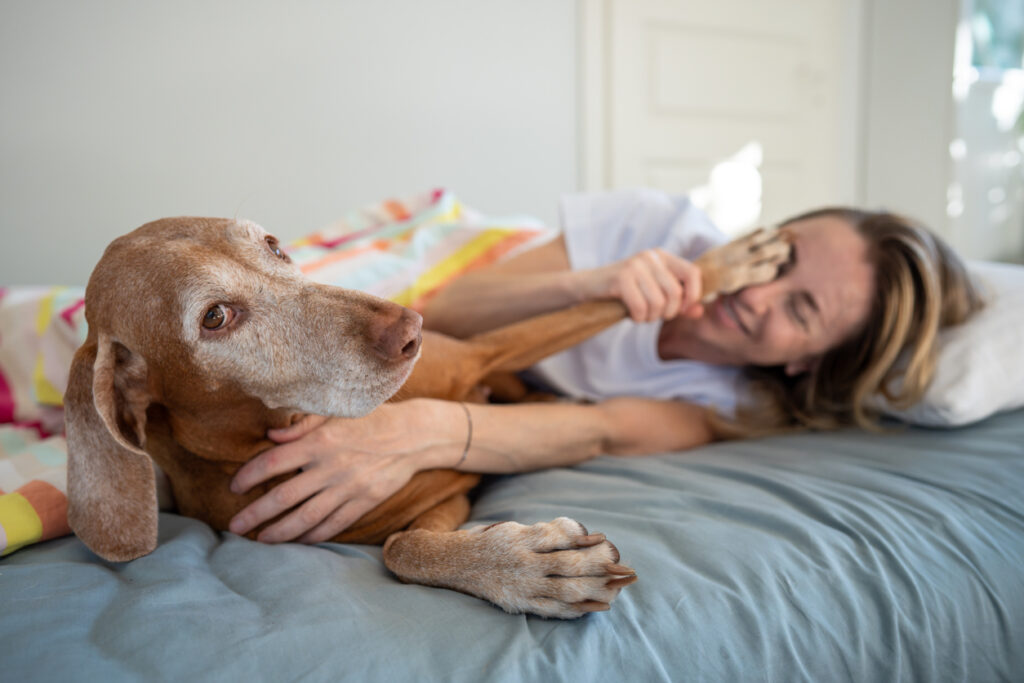
Dogs understand family hierarchies, alliances, and conflicts far better than most people realise. They know who’s in charge, who’s the soft touch, who’s likely to sneak them food, and how different family members relate to each other. They use this knowledge strategically, going to the right person for different needs. If Mum always says no to table scraps, but Dad sometimes gives in, your dog has absolutely worked that out and acts accordingly.
They know when you need comfort, even if you’re hiding it.

Dogs can detect when you’re struggling emotionally, even when you’re putting on a brave face for everyone else. They pick up on micro-expressions, changes in your routine, alterations in your scent from stress hormones, and subtle shifts in how you move through space. When your dog suddenly becomes clingy or won’t leave your side, they’re not being annoying, they’ve detected that something’s wrong, and they’re trying to help. They understand distress in ways that often surpass human awareness.