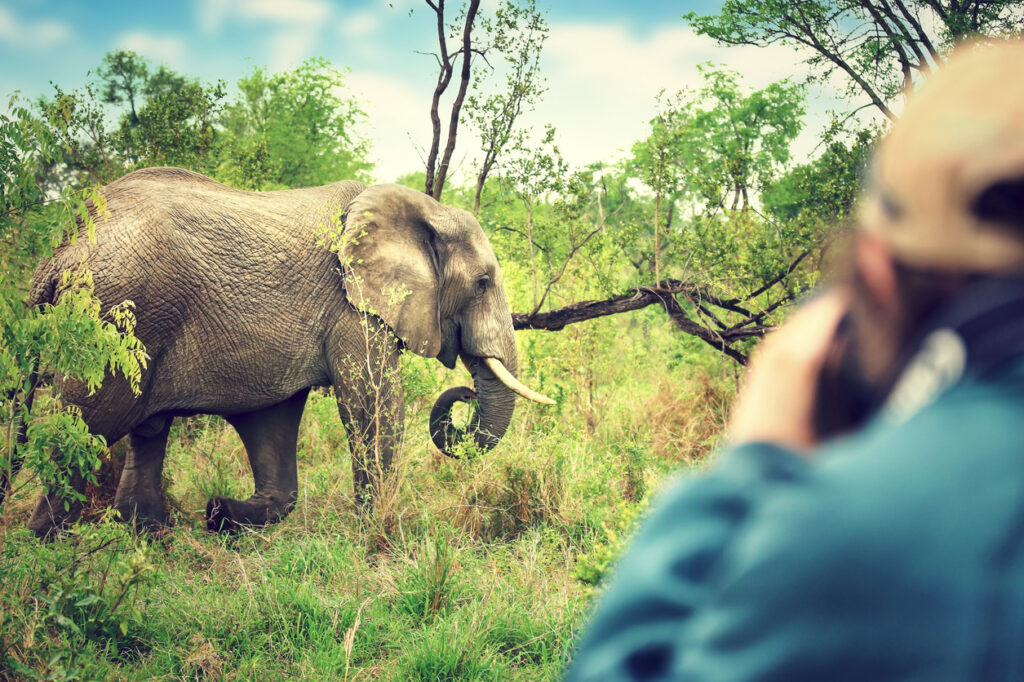
Most wildlife encounters go south not because the animal is a natural-born villain, but because a human has done something incredibly daft without thinking it through. Whether it’s trying to get the perfect selfie with a creature that could easily have your arm off or ignoring the clear “don’t feed” signs, people have a knack for treating nature like a petting zoo rather than a wild environment.
When you barge into an animal’s territory and ignore every one of its cues to back off, you’re effectively forcing it to defend itself. From the tourists who think a bison is a big cow to the hikers who wander into a mother’s path, these attacks are almost always a result of us being a bit too bold for our own good.
1. Getting too close for photos
The desire for a good shot makes people lose all common sense. You see a bear or bison in the distance and slowly edge closer because your phone camera isn’t quite capturing it properly. Animals have personal space requirements just like humans do, and when you violate that boundary they react. What looks calm and docile from a distance can charge in seconds when you get too near. That perfect photo isn’t worth getting trampled or mauled, but people convince themselves they’re fine right up until they’re not.
@wikihow Happy Wait, What? Wednesday! This week: How to Prevent or Survive a Monkey Attack Picture this: You’ve booked a trip to somewhere monkeys populate. You’ve got your passport, your camera, and have prepared a list of all the sites you want to see. But have you considered the fact that during your trip you might encounter a monkey? Read the following tips to avoid bodily injury when dealing with monkeys, and protect yourself from a potentially frightening and dangerous experience🐒 Come back next week for more Wait, What? Wednesday content! Sometimes silly, sometimes funny, always informative. #howto #hack #lifehack #waitwhatwednesday #monkey #monkeys #attack #survive #prevent ♬ Anywhere (Road Trippin’) – anamē
2. Feeding wild animals
It seems harmless to toss food to a cute animal, but you’re teaching it to associate humans with meals. Once that connection forms, the animal becomes bolder and more demanding around people. What starts as a deer gently taking an apple from your hand can escalate to aggressive behaviour when the next person doesn’t have food to offer. Fed animals lose their natural wariness and become dangerous, which usually ends with them being destroyed. You’re not helping them, you’re signing their death warrant.
3. Running away when you encounter a predator
Running triggers the chase instinct in most predatory animals. Even if they weren’t particularly interested in you before, sudden movement and flight behaviour makes you look like prey. Your brain screams at you to run, but that’s the worst thing you can do with bears, big cats, and most other large predators. You’re supposed to back away slowly while facing the animal, but panic makes people bolt. That split-second decision to run can turn a tense encounter into an actual attack.
4. Walking quietly through bear country
Bears don’t want to meet you any more than you want to meet them. Most attacks happen when you surprise one at close range and it reacts defensively. Making noise as you walk gives bears time to hear you coming and clear off before you get close. People worry about looking silly talking to themselves or wearing bear bells, but that embarrassment is nothing compared to stumbling upon a bear with cubs. The louder you are, the safer you are, but hikers constantly ignore this advice because they want to experience nature’s tranquillity.
@bao_edit2k1 How to survive a grizzly bear attack in the wild #bear #grizzlybear #bearattack #fyp #scary ♬ Untitled #13 (Super Slowed) – glwzbll
5. Leaving food or rubbish accessible at campsites
Food smells attract animals, and once they find an easy meal at your tent, they’ll keep coming back. Bears can smell food from miles away, and they’ll tear through anything to get to it. People think hiding food inside their tent or car keeps it safe, but bears can rip open both without much effort. Proper food storage in bear canisters or hung from trees is essential, yet campers constantly skip this step because it’s inconvenient. Then they’re shocked when a bear raids their campsite in the middle of the night.
6. Approaching animals with babies
Any animal with offspring is exponentially more dangerous than usual. Mothers are hyper-vigilant and will attack anything they perceive as a threat to their young. It doesn’t matter if you mean no harm, getting between a mother and her babies triggers an immediate defensive response. People see cute bear cubs or deer fawns and want a closer look, completely ignoring the fact that mum is nearby and watching. That protective instinct is stronger than any fear the animal has of humans.
@livvontheedge How to survive an Alligator attack #survival #alligator #safetytips #lifehacks ♬ original sound – OLIVIA SNAKE
7. Swimming in crocodile or alligator territory
There are signs everywhere warning you not to swim in certain waterways, but people ignore them constantly. They assume the warnings are exaggerated or that they’ll be able to spot a crocodile before it spots them. Crocodilians are ambush predators who can remain nearly invisible in murky water, and by the time you see one it’s often too late. People swim, paddle, or wade in prohibited areas because the water looks calm and inviting, then act surprised when they’re attacked by an animal that was always there waiting.
8. Disturbing nesting birds
Birds protecting their nests can be surprisingly aggressive, especially larger species like swans, geese, or magpies. They’ll dive-bomb you, peck at your head, or chase you considerable distances if they think you’re threatening their eggs or chicks. People underestimate how dangerous angry birds can be because they look relatively harmless compared to larger animals. Getting swooped by a protective magpie might seem minor, but those beaks and claws can cause real damage to your face and eyes.
9. Trying to pet or touch wildlife
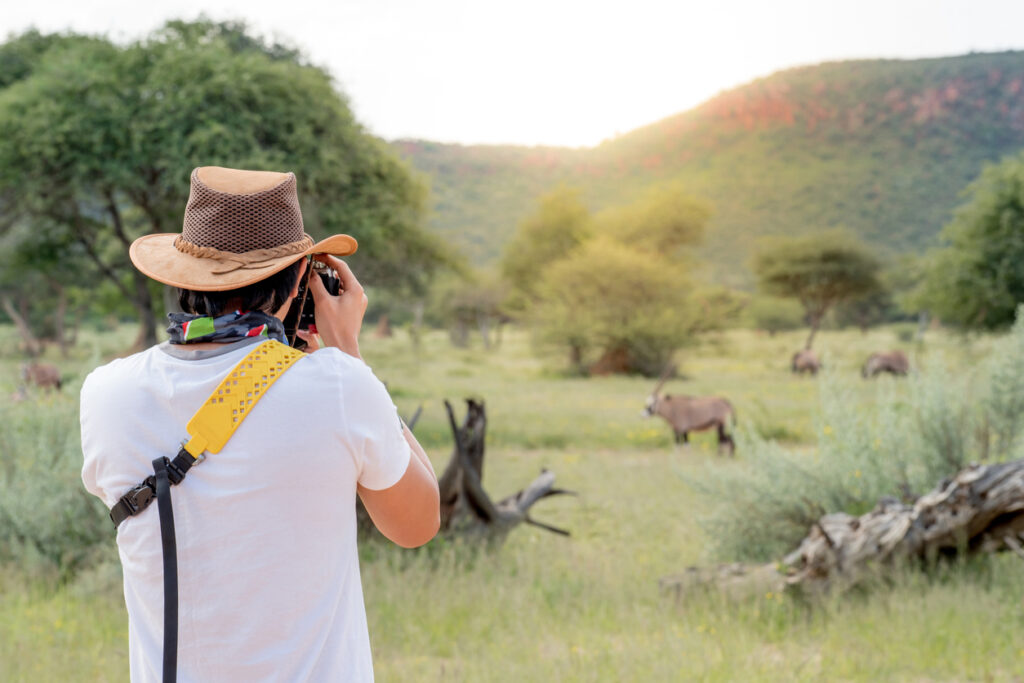
Wild animals are not domesticated pets, no matter how calm they appear. Even herbivores like deer or moose can kick, bite, or gore you with their antlers when you invade their space. People forget that every wild animal is capable of hurting them, especially when they’re stressed or feel cornered. That moment when you reach out to touch what looks like a docile creature is when things go wrong. The animal doesn’t understand your intentions and reacts defensively to what it perceives as an attack.
10. Wearing headphones or being distracted in wild areas
You can’t hear an animal approaching when you’ve got music blasting in your ears. Bears, snakes, and other wildlife give warning signs before they attack, but you’ll miss all of them if you’re not paying attention. People treat hiking like a gym workout, completely zoned out with their headphones on and eyes on their phone. By the time they look up, they’re face to face with something dangerous, and neither party has time to retreat safely.
11. Getting between hippos and water
Hippos are responsible for more human deaths in Africa than any other large animal, and most attacks happen when people accidentally block their path to water. Hippos spend their days in water and graze on land at night, so they travel back and forth constantly. If you’re standing between a hippo and the river, it will go through you rather than around you. People underestimate how fast and aggressive hippos are because they look slow and awkward, but they can run at 30 miles per hour and have massive, deadly jaws.
12. Keeping a wild animal cornered
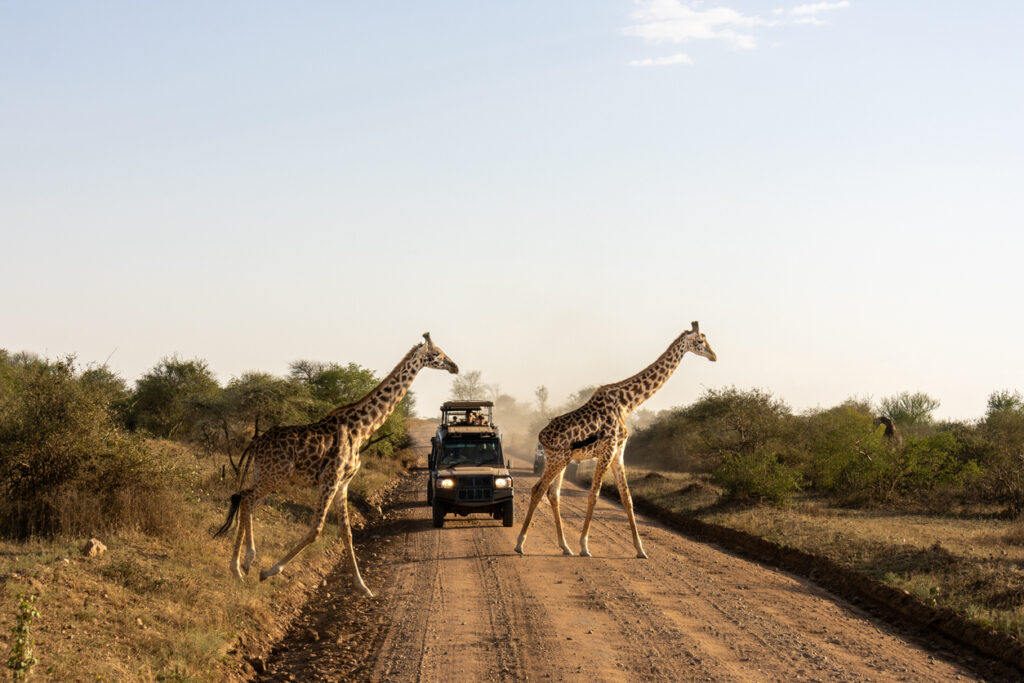
Animals attack when they feel they have no escape route. If you’ve accidentally trapped an animal in a shed, garage, or dead-end path, it’s going to fight its way out through you. People panic and block exits without thinking, or they try to herd an animal in a particular direction. This creates a situation where the animal feels its only option is to attack. Giving wildlife a clear escape route usually means it’ll take that option rather than engaging with you.
13. Ignoring warning signs and local advice
There’s a reason parks and reserves post warnings about specific animals and behaviours. Those rules exist because people have been injured or killed doing exactly what you’re about to do. Locals know which beaches have sharks, which trails have aggressive monkeys, which times of year certain animals are dangerous. But tourists constantly dismiss this information as overly cautious or assume they’ll be the exception. Then they do the exact thing they were warned against and end up as another statistic in next year’s safety briefing.