Most of us grow up seeing zebras as the graceful, striped horses of the savannah—the gentle victims of the African plains that only exist to be chased by lions.
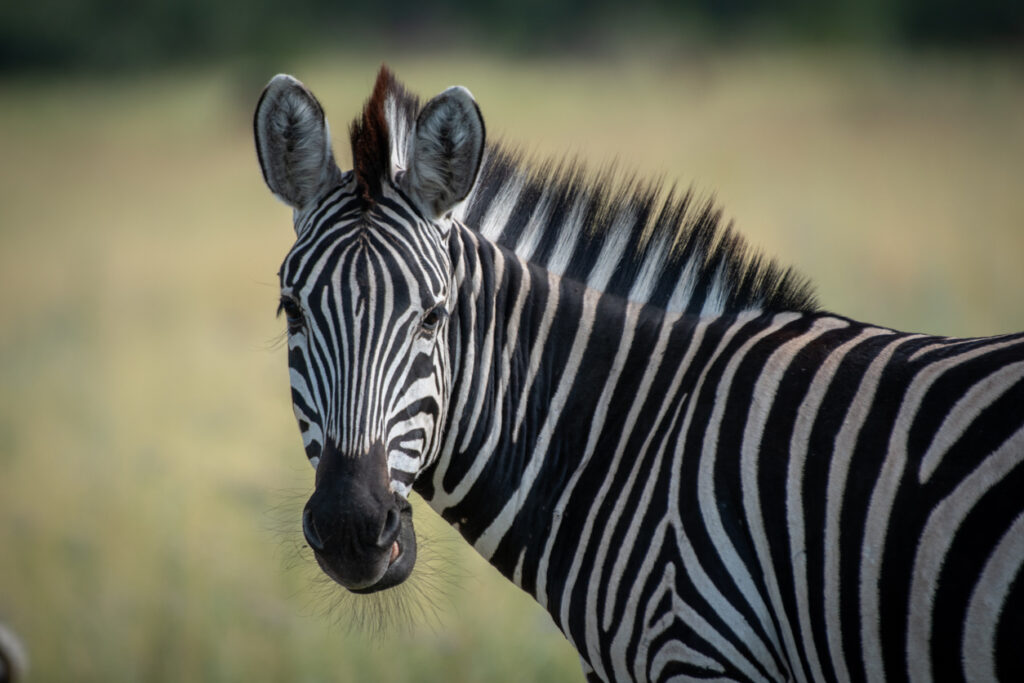
However, if you spend enough time looking past the striking patterns, you’ll find an animal that is significantly more aggressive and calculated than its appearance suggests. Unlike horses, which have been bred over thousands of years to work with humans, zebras remain wild, unpredictable, and prone to a level of violence that would shock the average viewer.
Whether it’s the brutal power struggles that take place within the herd or an infanticide rate that nature documentaries usually edit out to keep things family-friendly, the reality of the zebra is far grittier than their postcard image implies
They’re far more aggressive than they look.
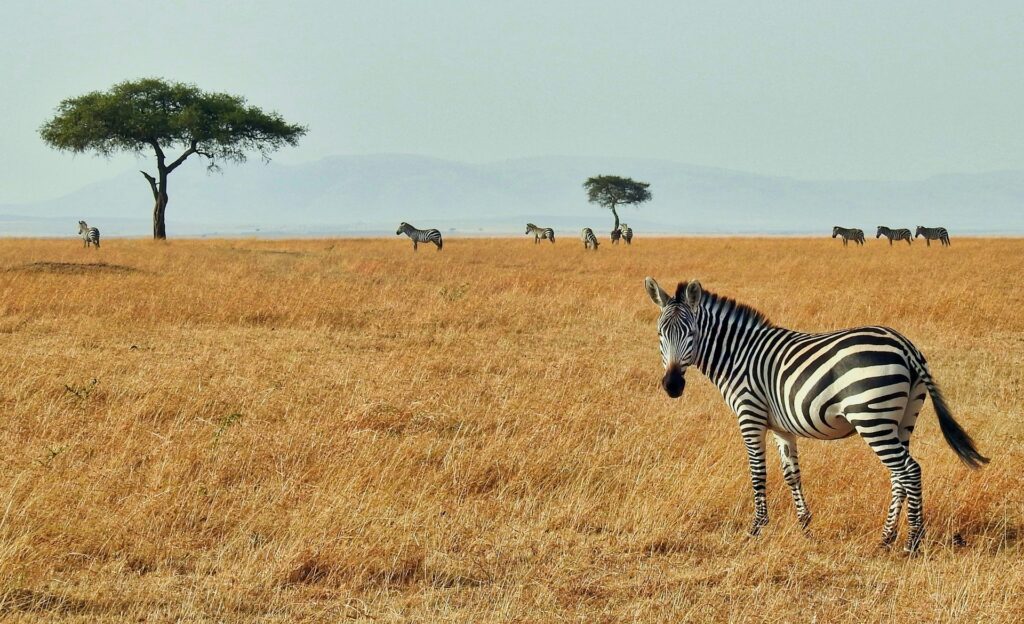
Zebras aren’t gentle grazers minding their own business. They’re highly reactive animals that default to aggression when they feel threatened, crowded, or annoyed. Biting, kicking, and charging aren’t last-ditch options, they’re standard responses. Those kicks are no joke either. A zebra can break a predator’s jaw or kill a rival with a single well-placed strike. That short temper is part of how they survive, but it also makes them dangerous to be around.
Male zebras fight constantly.
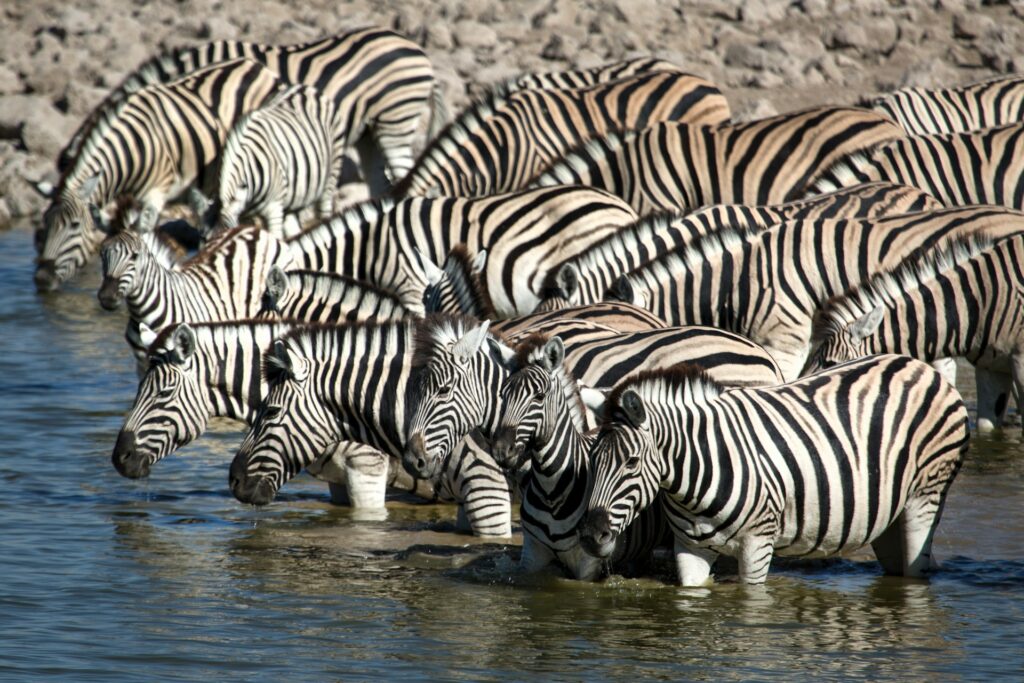
Stallions don’t just posture and move on. They bite each other’s necks, kick ribs, and wrestle violently over access to females. These fights can last a long time and leave both animals badly injured. Unlike some species where dominance is settled quickly, zebra hierarchies stay unstable. That means tension never fully goes away, and violence remains a regular part of daily life.
They practise infanticide.
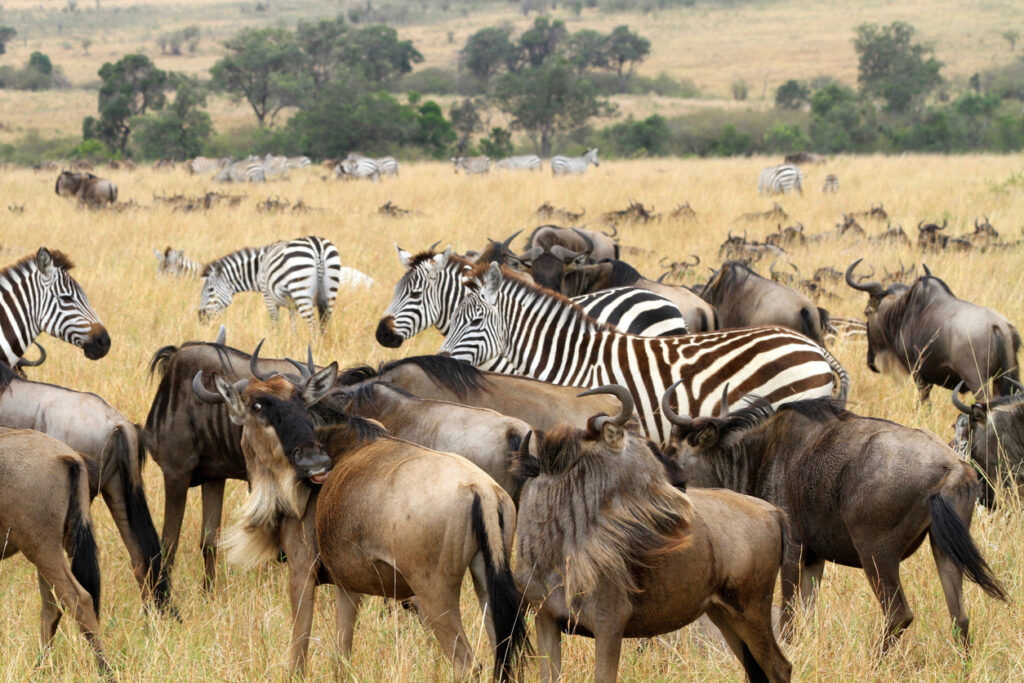
When a new stallion takes over a group, he may kill foals that aren’t his. It’s a cold, evolutionary move that brings the females back into breeding condition sooner. Nature documentaries often avoid showing this because it’s upsetting, but it’s a real and repeated behaviour. Zebra motherhood exists under constant threat, even from within the herd.
They’re incredibly stubborn and hard to control.
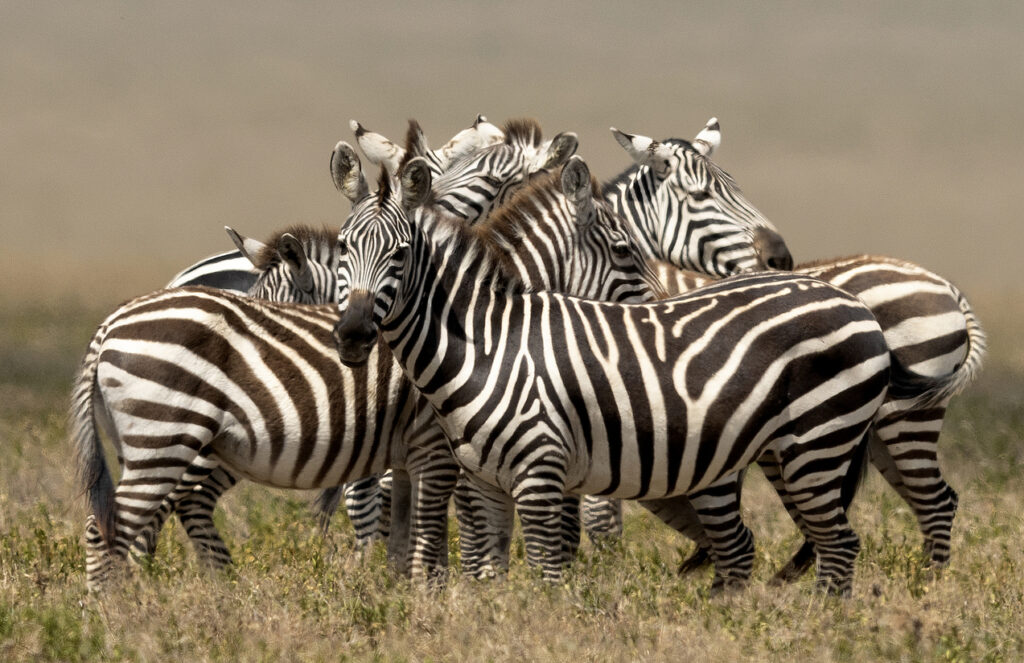
Zebras are famously resistant to domestication, and it’s not just because people didn’t try hard enough. They don’t tolerate authority, restraint, or correction in the way horses do. If a zebra decides it doesn’t want to move, cooperate, or comply, that’s usually the end of the discussion. This stubbornness has protected them in the wild, but it also means they respond to pressure with explosive resistance.
They bite far more than you’d expect.
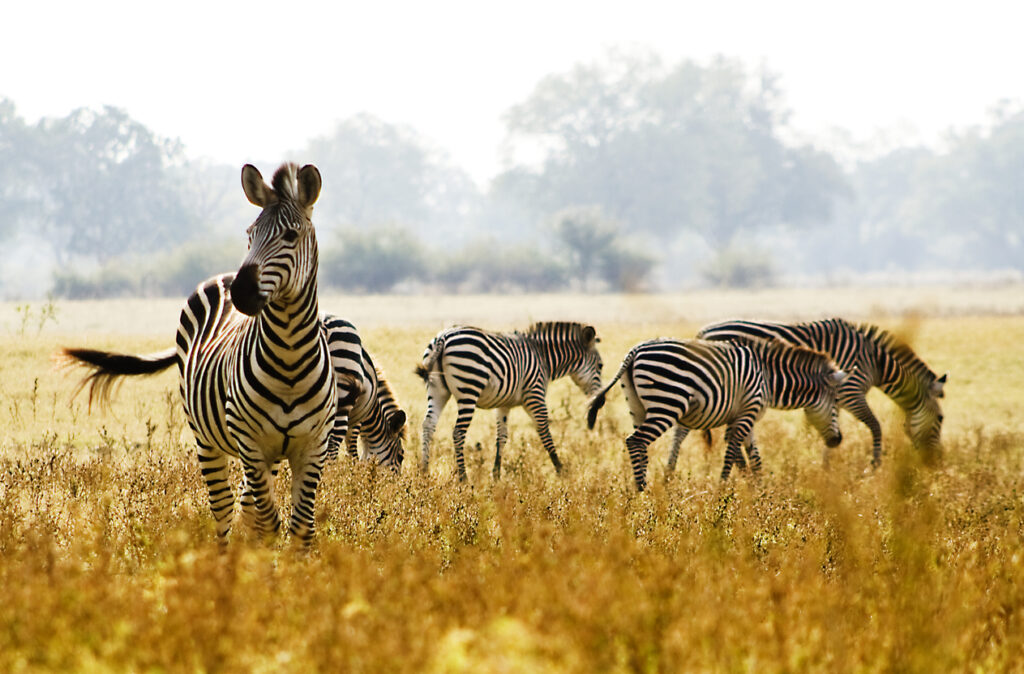
Zebra bites are fast, deliberate, and often targeted at sensitive areas. They’ll bite predators, rivals, handlers, and sometimes other herd members for reasons that look minor from the outside. Those teeth can crush flesh and cause serious damage. Unlike animals that warn before biting, zebras often skip the warning stage altogether.
They’ll abandon injured herd members.
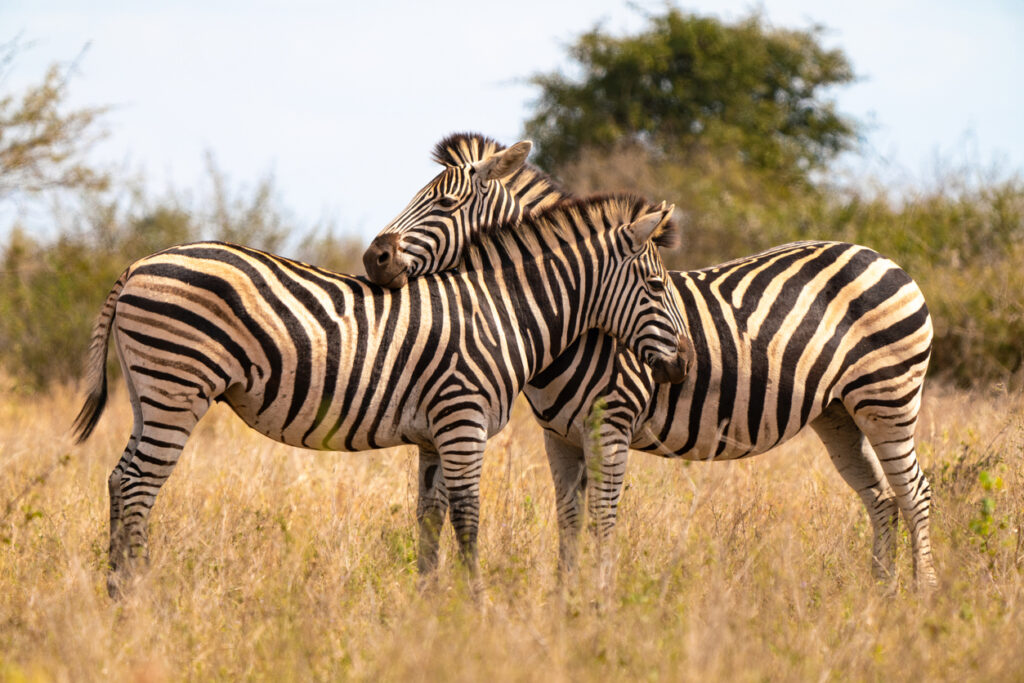
Zebras don’t carry wounded or weak individuals the way we sometimes imagine social animals doing. If a member can’t keep up, it’s often left behind. It’s not necessarily cruelty in a human sense, but it is ruthless. Survival takes priority over attachment, and anything that slows the group down becomes expendable.
They panic easily and spread chaos.
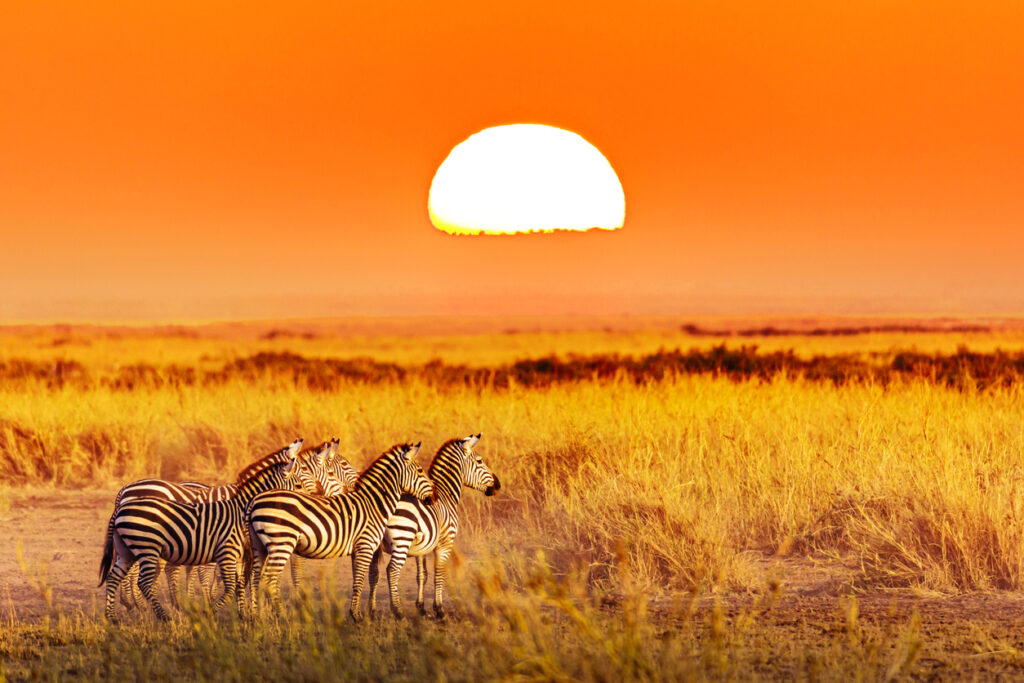
Zebras are highly alert and easily startled. When one panics, the reaction spreads fast through the group, sometimes without a clear threat. That hair-trigger response helps them avoid ambushes, but it also leads to stampedes and injuries. Calm decision-making doesn’t play much of a role once fear takes over.
Mothers can be fiercely aggressive toward their own foals.
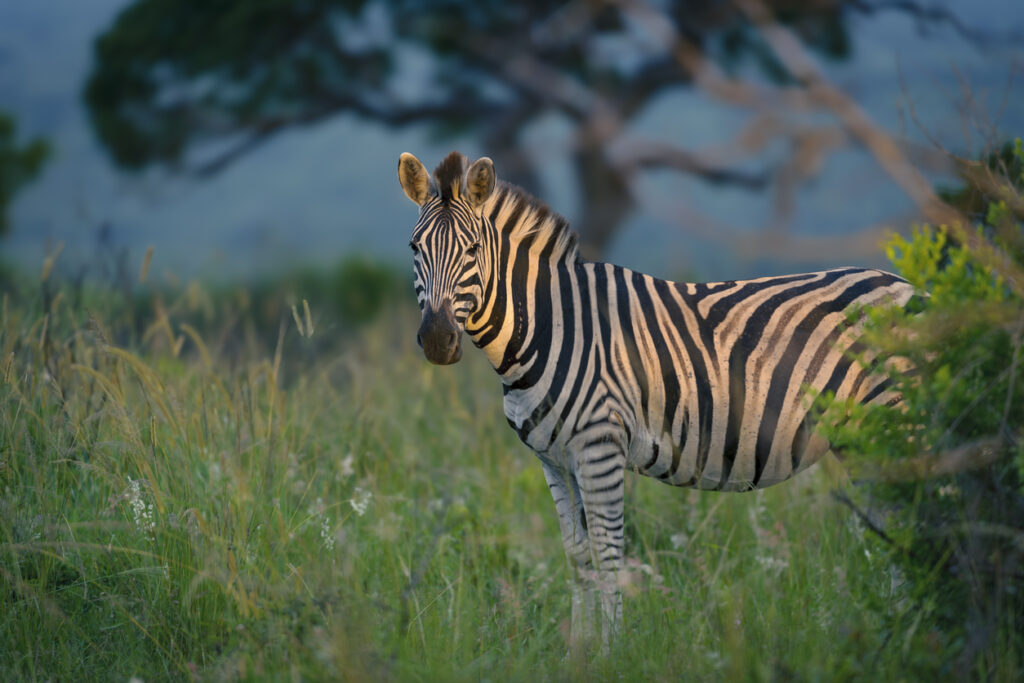
Right after birth, zebra mothers may push, kick, or isolate their foal. This isn’t rejection, it’s a bonding process that forces the foal to recognise its mother’s unique scent and pattern. From the outside, it can look harsh or confusing. But that early aggression is part of ensuring the foal doesn’t wander off or attach to the wrong adult.
They don’t form deep emotional bonds.
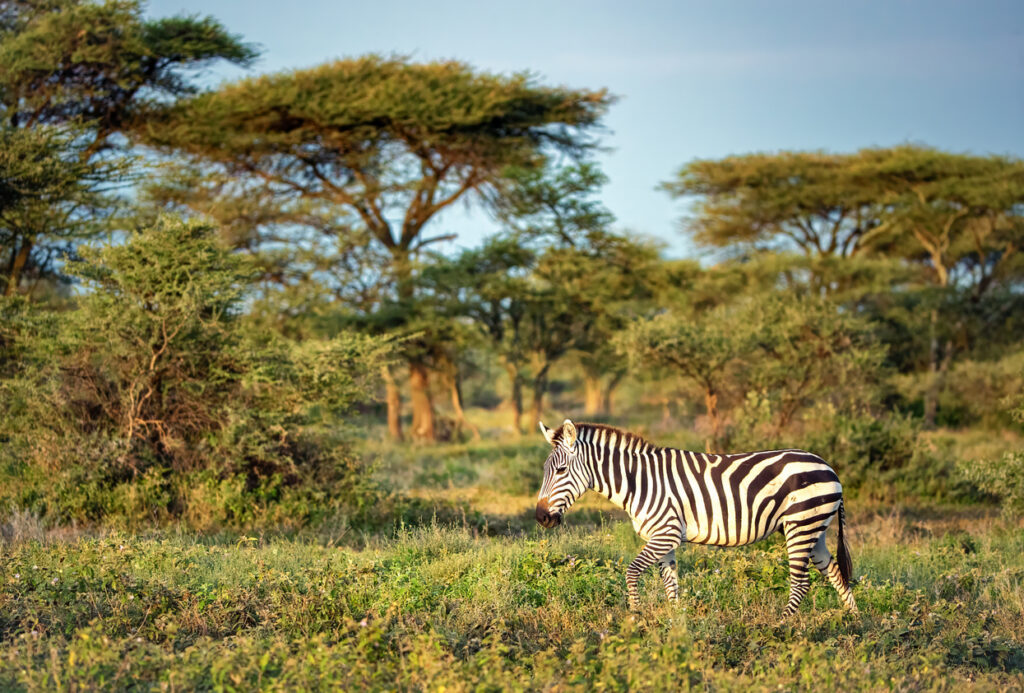
While zebras live in groups, their social bonds are relatively shallow compared to animals like elephants or wolves. Relationships are practical rather than deeply emotional. If conditions change, zebras will separate or reorganise without much hesitation. Loyalty takes a back seat to survival and reproduction.
They’re not cooperative problem-solvers.
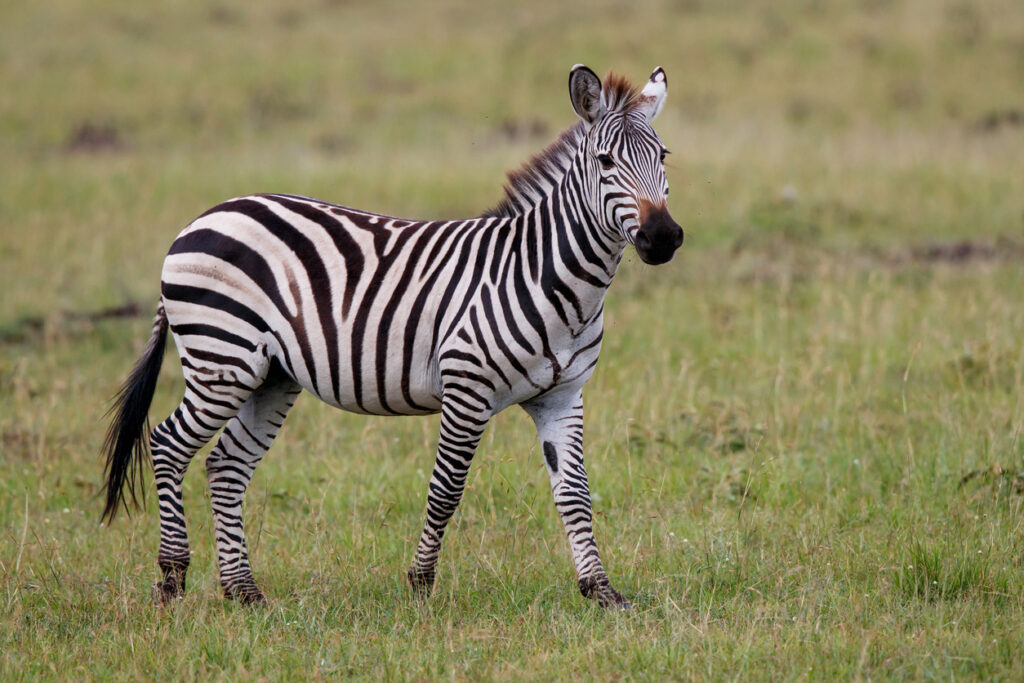
Zebras don’t work together to outsmart predators in complex ways. Their main defence is confusion, speed, and brute force, not strategy. This means when things go wrong, individuals fend for themselves. Group living offers safety in numbers, not teamwork.
They’re extremely territorial during breeding.
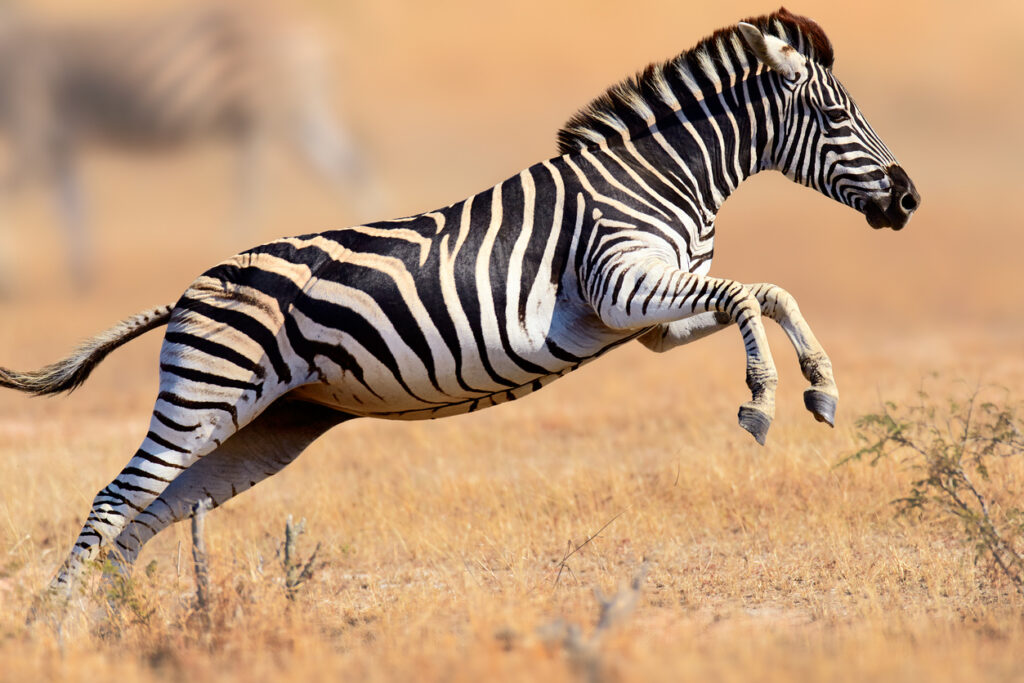
Stallions aggressively guard their group and will attack intruders without hesitation. These encounters aren’t ritualised, they’re violent and risky. Injuries from territorial fights can weaken zebras long after the conflict ends, making them more vulnerable to predators.
They show little tolerance for outsiders.
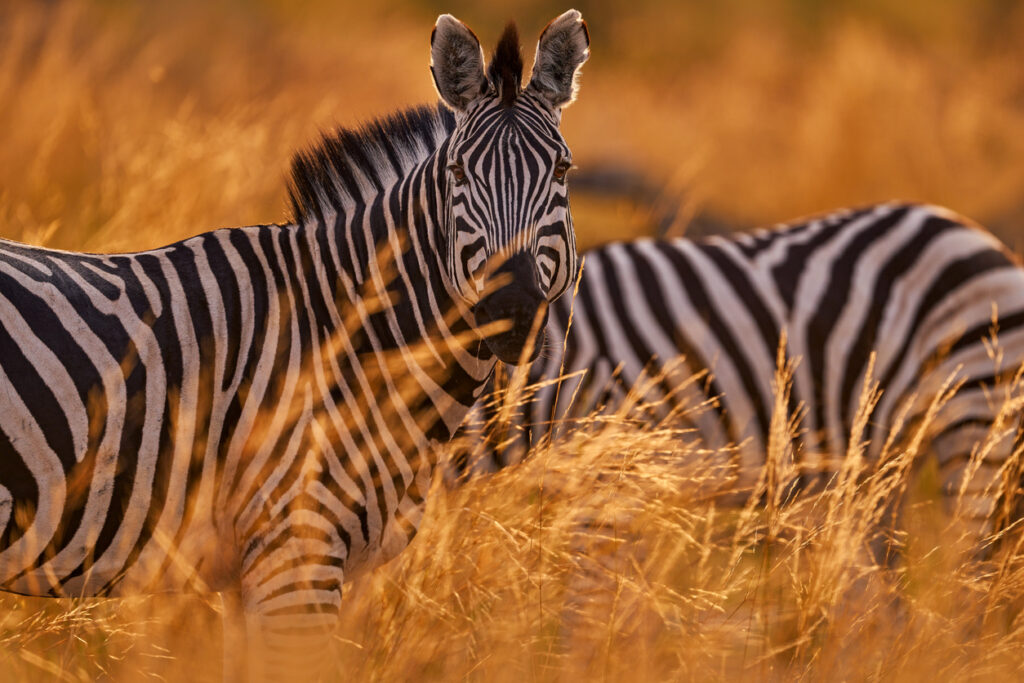
New or unfamiliar zebras aren’t easily welcomed. Aggression is often the first response, especially from dominant males. Their lack of flexibility keeps social structures rigid and tense, but it also reduces internal competition for limited resources.
Survival matters more than morality.
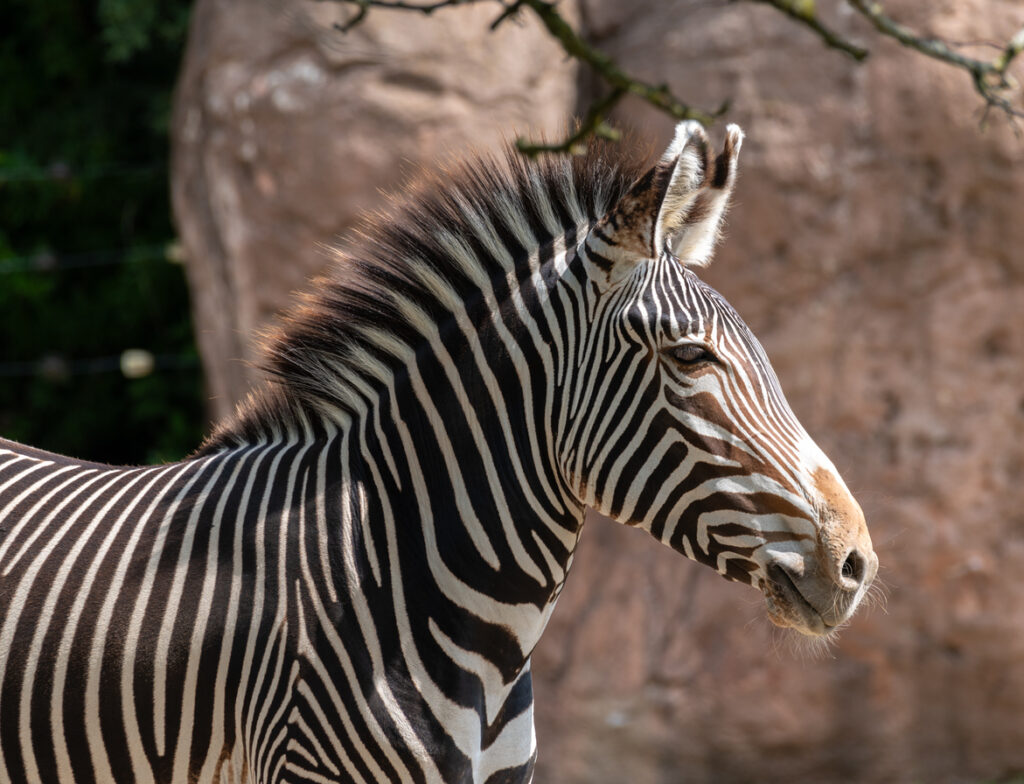
Zebras don’t operate on fairness, kindness, or compassion. Their behaviour is shaped by millions of years of pressure to survive in a harsh environment. The dark side we don’t see isn’t a flaw, it’s the cost of staying alive on open plains filled with predators. Nature doesn’t reward gentleness. It rewards whatever works.
Zebras are stunning to look at, but underneath the stripes is an animal built for constant threat, conflict, and self-preservation. The documentaries show the beauty, but the reality is far rougher.