There’s a certain kind of peace you can only find when you’re sitting six inches above the waterline, drifting past a riverbank that’s completely hidden from the road.

The UK is crisscrossed with thousands of miles of canals, rivers, and coastal paths that most people only ever see from a bridge or a car window. Getting out in a kayak changes the entire perspective; everything feels a bit bigger, a bit more wild, and significantly more interesting when you’re the one doing the paddling. It’s a way to see the landscape without the noise of an engine or the crowds of a typical walking trail.
You don’t need to be some hardened adventurer to appreciate these routes, either. Whether it’s a mirror-flat canal where the only challenge is avoiding a low-hanging willow tree, or a tidal estuary that feels like a proper escape from the modern world, the variety we’ve got on our doorstep is massive. It’s about finding those stretches of water where the current does half the work for you and the scenery actually makes you want to stop and take a breath. These stunning waterways are the best spots in the country to drop a boat in and see where the water takes you.
River Wye between England and Wales
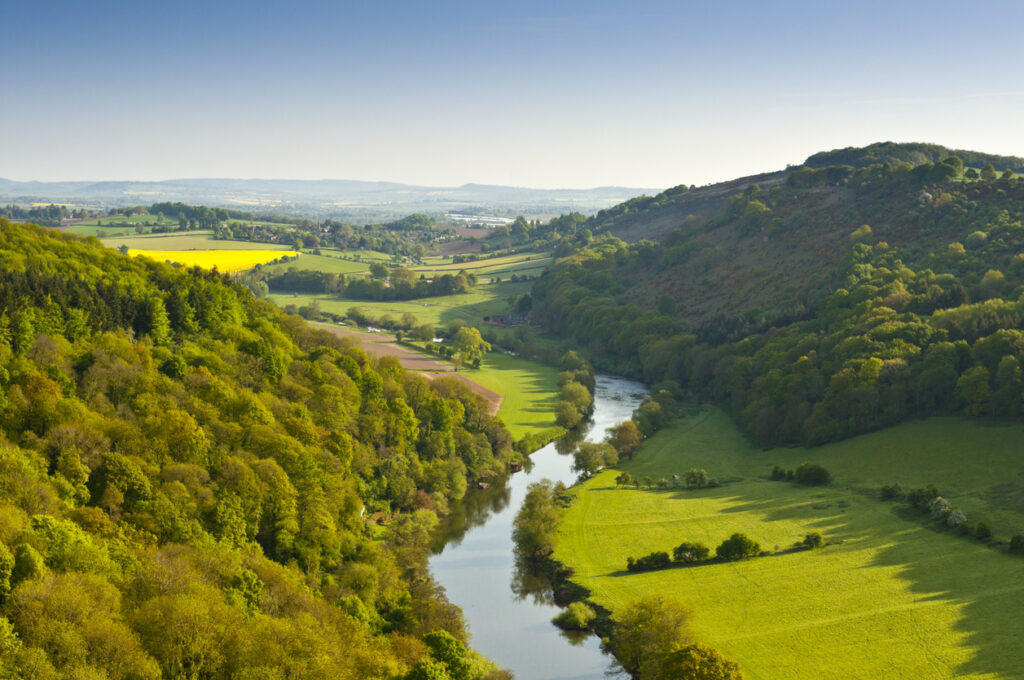
The Wye meanders through some of the most beautiful countryside in Britain, forming the border between England and Wales for much of its length. The section from Symonds Yat to Monmouth is particularly popular because it’s gentle enough for beginners but interesting enough to stay engaging.
You’ll paddle past limestone cliffs, through ancient woodlands, and alongside medieval ruins. The water’s clear, the current’s manageable, and there are plenty of spots to pull over for breaks. Wildlife’s abundant here, too. Herons, kingfishers, and peregrine falcons are regular sights. The whole experience feels properly wild despite being easily accessible from major cities.
Loch Lomond in Scotland
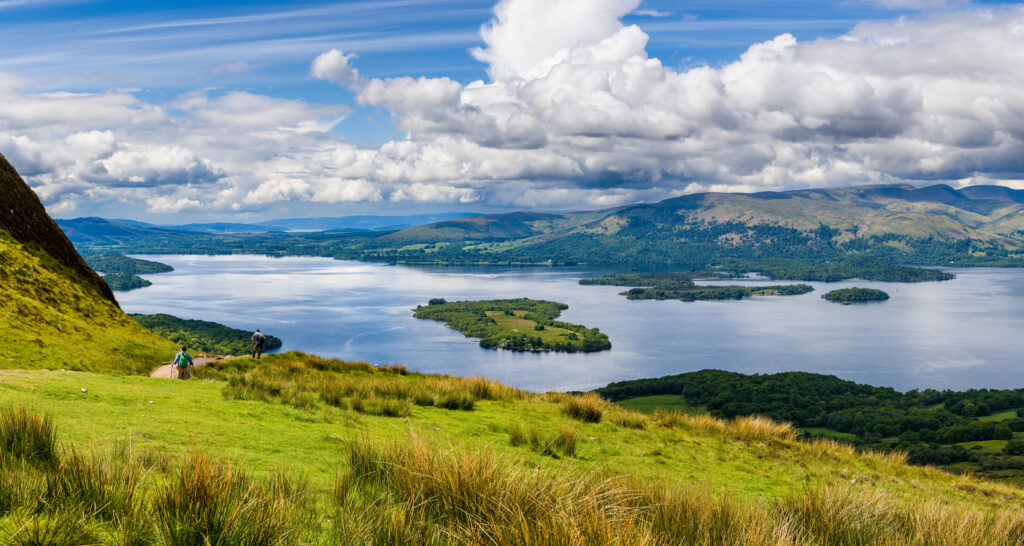
Britain’s largest inland stretch of water by surface area, Loch Lomond offers everything from sheltered bays to challenging open water. The southern end near Balloch is calmer and more suitable if you’re building confidence. Head north, and you’ll find increasingly dramatic scenery, with mountains rising straight from the water.
The loch has multiple islands you can paddle to and explore, which adds variety to any trip. Weather can change quickly here, though, so you need to be prepared for wind and waves. On a good day, the views of Ben Lomond and the surrounding peaks reflected in the water are genuinely spectacular.
The Norfolk Broads
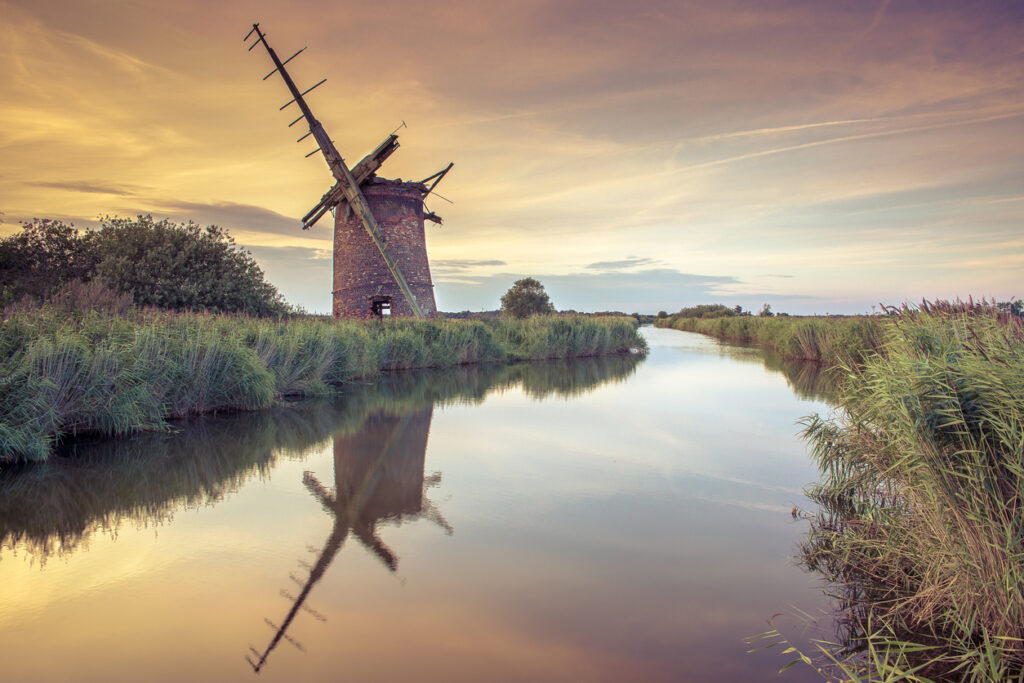
This network of rivers and lakes in East Anglia is perfect for relaxed kayaking without any serious challenges. The water’s flat, the scenery’s gentle, and you can paddle for hours through reed beds and past windmills. It’s one of the few places in Britain where you can genuinely get lost in a maze of waterways, which makes exploration feel properly adventurous despite the easy conditions.
Wildlife’s a major draw here. The Broads support rare species including swallowtail butterflies and marsh harriers. You’ll also see plenty of traditional wherries and boats, which adds character. It’s ideal for multi-day trips because there are loads of villages and pubs along the routes.
River Dart in Devon

The tidal section of the Dart estuary offers sheltered paddling with proper coastal scenery. Start from Totnes and paddle downstream through wooded valleys that open into increasingly dramatic views as you approach Dartmouth. The river widens significantly as you get closer to the sea, with historic houses and castles dotted along the banks.
Agatha Christie’s house at Greenway sits right on the river and looks brilliant from the water. You can time your paddle with the tide to make the return journey easier, which means you’re not fighting the current both ways. The combination of history, scenery, and accessible water makes this route popular for good reason.
Llyn Padarn in Snowdonia
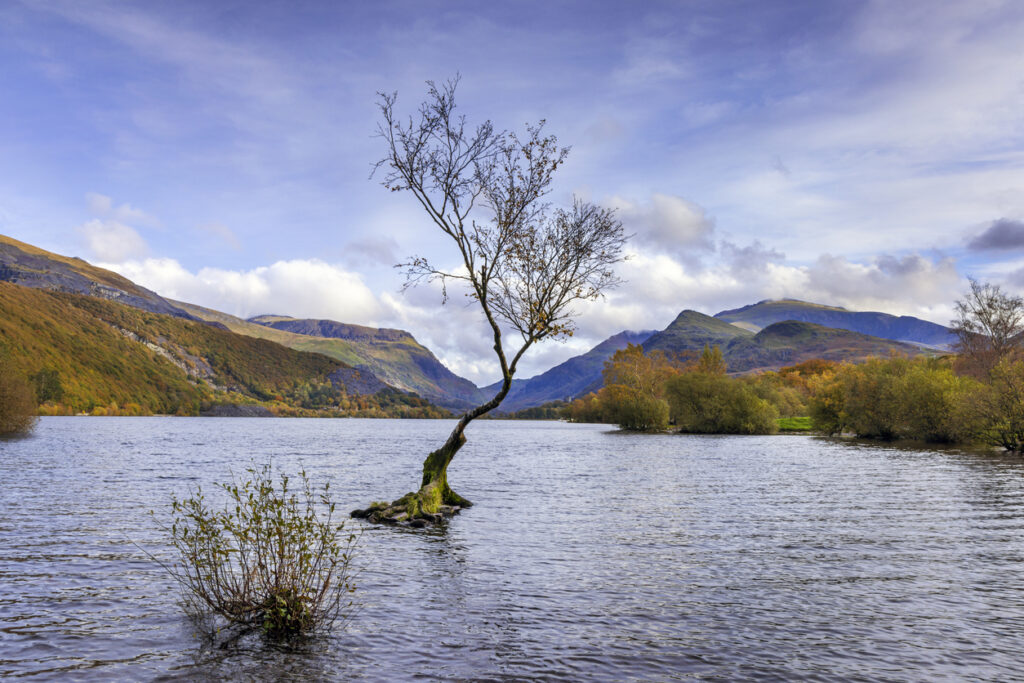
This glacial lake sits beneath some of Wales’s most impressive mountains, with Snowdon itself visible from the water. The lake’s long and narrow, which means you get shelter from wind most of the time but still have kilometres of water to explore. The shoreline varies from beaches to rocky outcrops to wooded sections.
Paddling here feels properly remote, despite being close to Llanberis. The water’s incredibly clear because it’s fed by mountain streams. On calm days, the reflections of the surrounding peaks create that postcard effect where you can’t tell what’s mountain and what’s reflection. It’s one of those places that looks stunning in photos but even better in person.
The Caledonian Canal in the Scottish Highlands
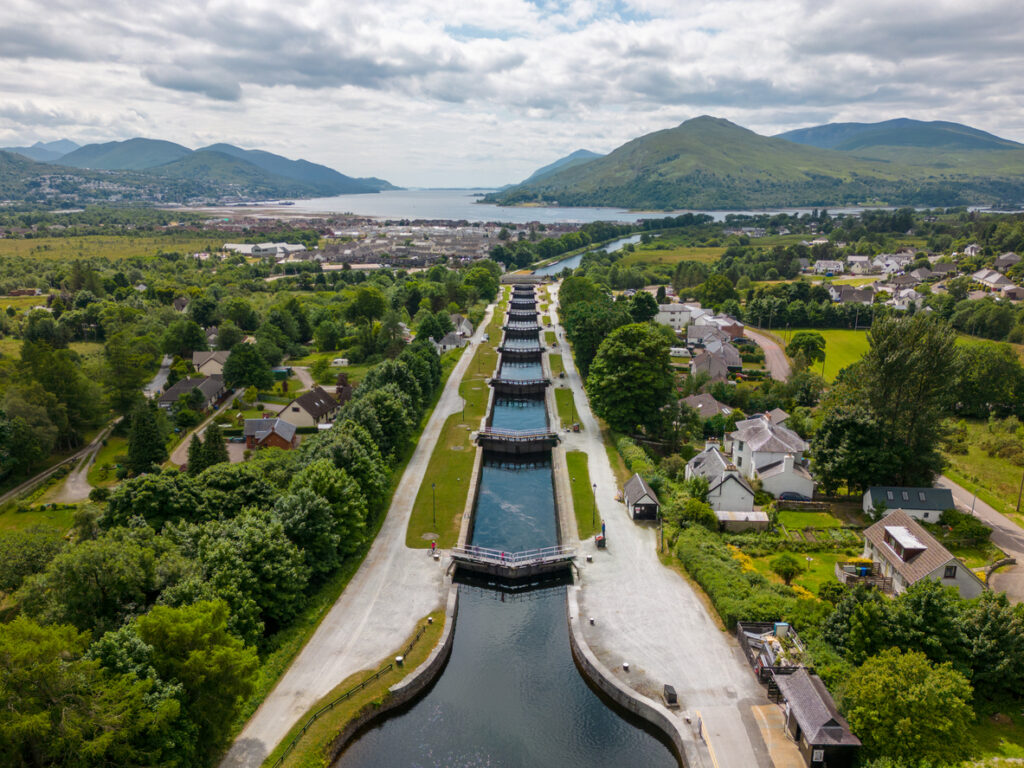
This 60-mile waterway connects the east and west coasts of Scotland through a series of lochs and man-made canal sections. You’re paddling through the Great Glen with mountains on both sides the entire way. The canal sections are calm and easy, while the lochs like Loch Ness offer more challenging conditions.
Loch Ness itself is worth kayaking just for the experience, though the water’s dark and deep enough to feel slightly unnerving. The whole route takes you through some of Scotland’s most dramatic landscapes without any difficult portages or whitewater. It’s a proper expedition if you tackle the full length, but you can also just paddle sections that suit your ability.
Derwentwater in the Lake District
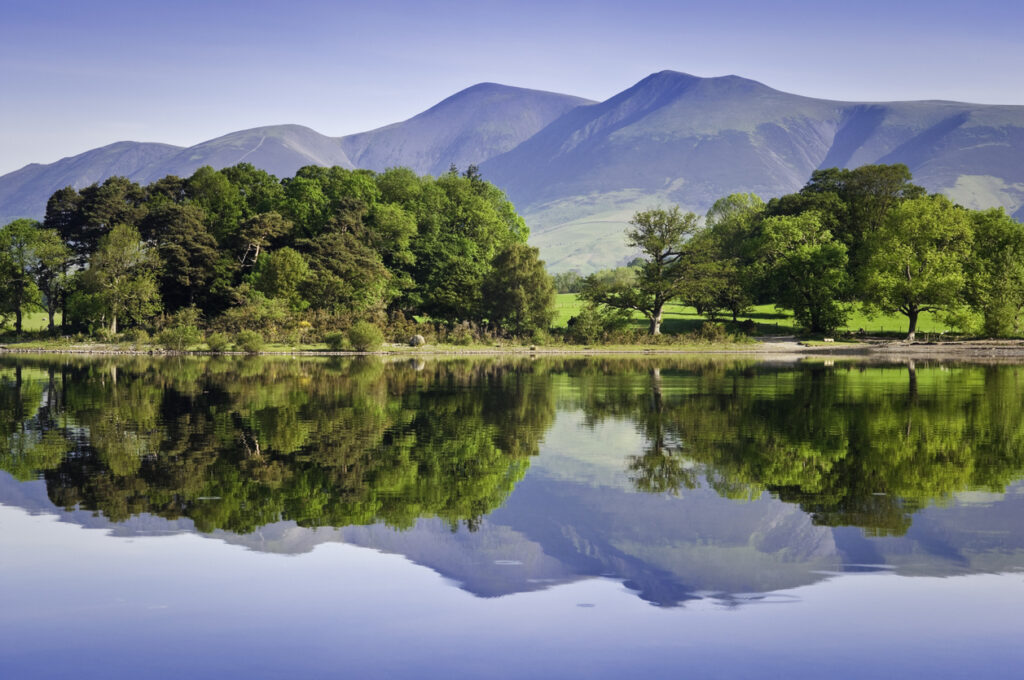
Surrounded by fells and dotted with islands, Derwentwater combines mountain scenery with accessible paddling. The lake’s relatively small, which means you can circumnavigate it in a few hours and still have time to explore the islands. Derwent Island and St Herbert’s Island are both worth landing on. The views change constantly as you paddle round because you’re seeing different fells from every angle.
Catbells, Causey Pike, and Skiddaw all look brilliant from water level. The town of Keswick sits at the northern end, which makes this easy to access and means facilities are readily available. It gets busy in summer, so early morning paddles are your best bet for having the lake mostly to yourself.
The River Ure in Yorkshire
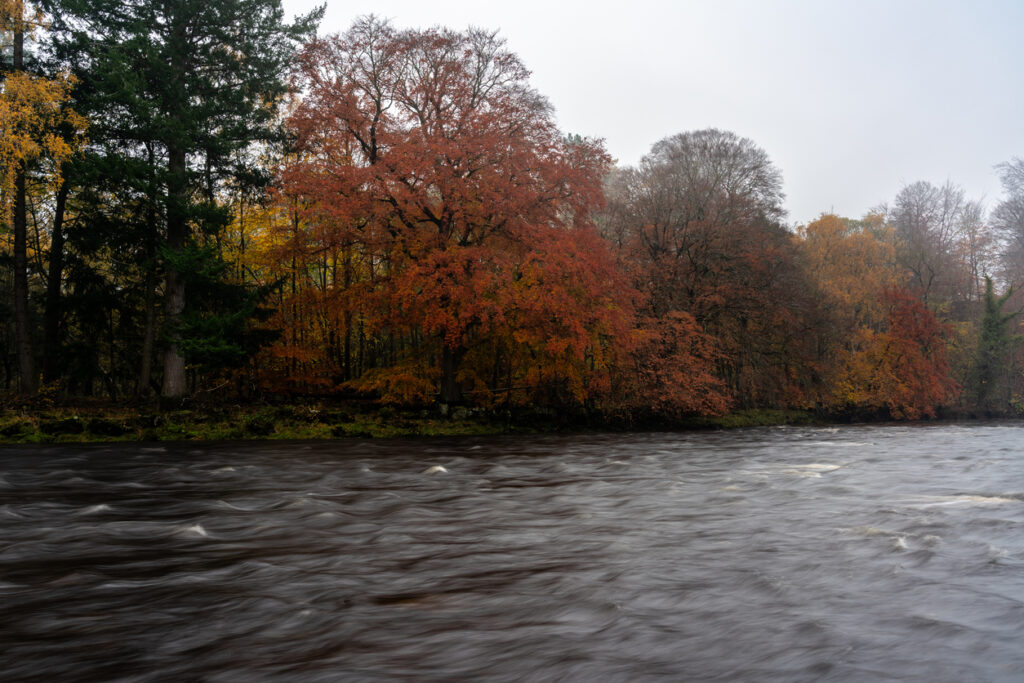
The section from Ripon to Boroughbridge offers gentle river paddling through proper Yorkshire countryside. The Ure flows steadily without any significant rapids or obstacles, making it suitable for anyone comfortable on moving water. You’ll pass through farmland, woodland, and past historic sites including medieval bridges.
The river’s not dramatic or wild, but it’s peaceful and genuinely lovely. Swans, ducks, and occasionally otters appear along the route. It’s the kind of paddle where you can relax completely and just enjoy being on the water without worrying about navigation or hazards. The pastoral scenery and easy conditions make this ideal for families or anyone wanting a proper day out without serious physical demands.
Loch Morlich in the Cairngorms
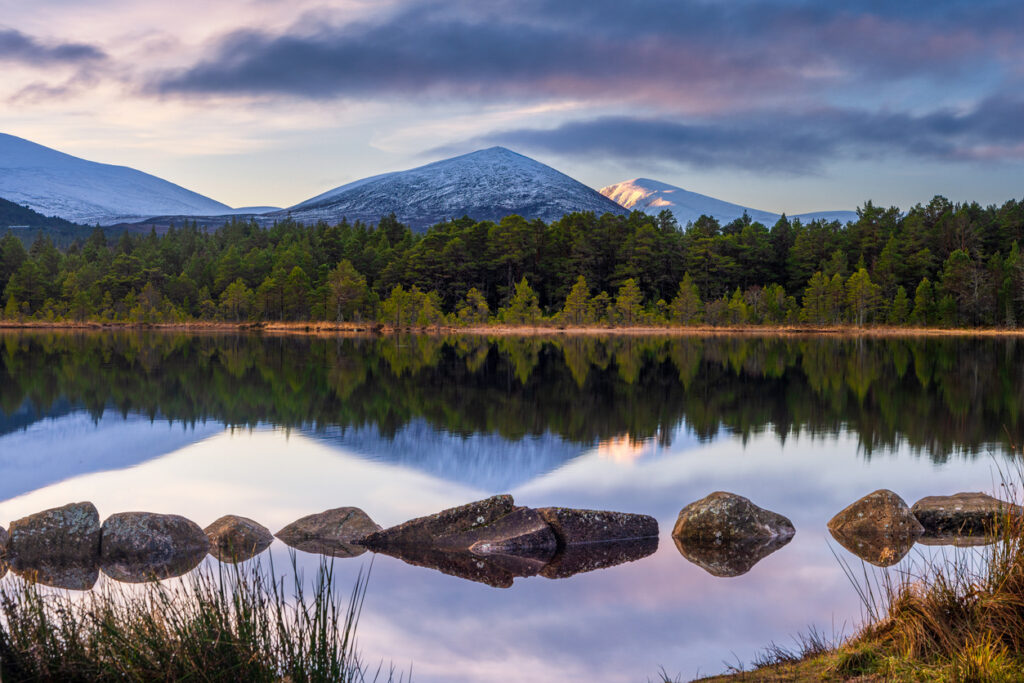
This small loch sits in the heart of the Cairngorms National Park, with the mountains rising dramatically behind it. The water’s clean and clear, fed by mountain streams. There’s a sandy beach at one end, which feels bizarre this far north in Scotland. The loch’s sheltered enough for beginners, but interesting enough to hold your attention.
Paddling here in autumn when the surrounding forests turn golden is particularly stunning. You can see red squirrels in the pine woods around the shore. The Cairngorms create an impressive backdrop, especially when snow-capped. It’s a relatively small body of water so you’re not committing to an all-day paddle, but the setting makes it memorable.
The Pembrokeshire Coast around St Davids
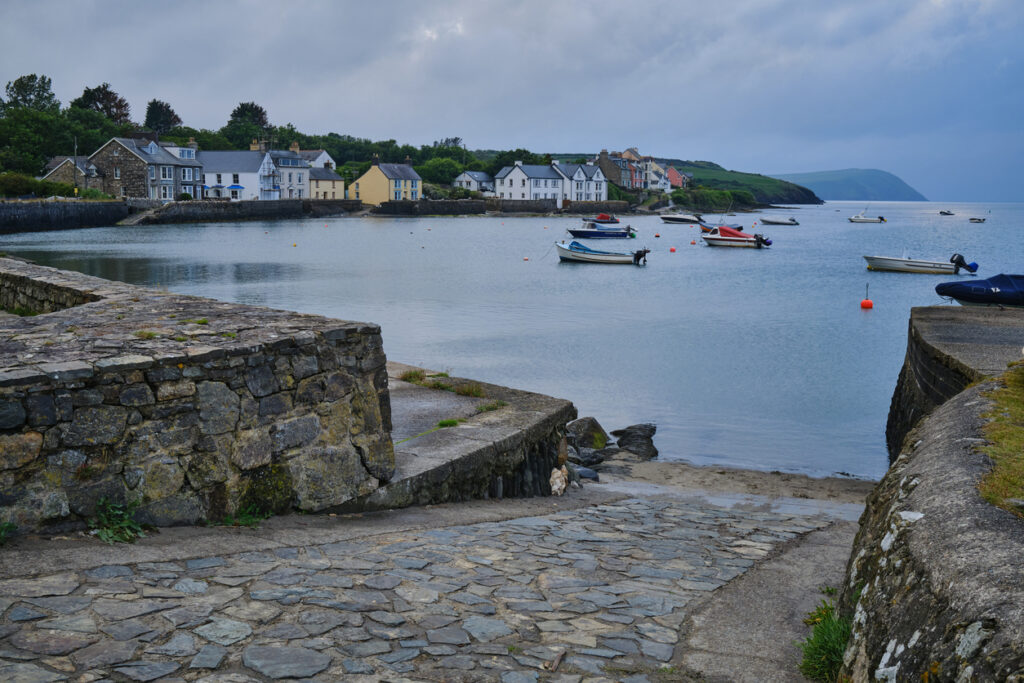
Sea kayaking along this stretch of Welsh coastline reveals caves, arches, and dramatic cliff formations you can’t see from land. The water’s incredibly clear, and you’ll often spot seals, porpoises, and seabirds. Ramsey Island and the surrounding smaller islands offer sheltered paddling and exploration opportunities. This is proper coastal kayaking, though, so you need decent skills and awareness of tides and conditions.
When it’s calm, it’s absolutely magical. When it’s rough, it’s genuinely challenging. The coastline’s been carved into spectacular shapes by the Atlantic, creating features like the Green Bridge of Wales and various sea caves. Paddling gives you access to sections of coast that are otherwise completely inaccessible, which makes the effort worthwhile.