Being underwater is already a bit of a trip for your senses, but running into the wrong neighbour can turn a peaceful dive into a very long swim back to the boat.

Even the pros who spend their lives in the ocean have a list of creatures they’d rather not bump into, and it isn’t always about the obvious stuff like Great Whites. It is more about the animals that are unpredictable, hideously well-camouflaged, or just plain grumpy when they feel crowded. You can have hundreds of hours of bottom time, but when a three-meter predator or a tiny, highly venomous snail enters the frame, you realise exactly where you sit on the food chain.
The ocean has a way of reminding you that you’re just a visitor, and some of its residents are much better at defending their turf than others. It is one thing to see these animals on a nature documentary, but it is a completely different story when you’re 20 meters down and one of them starts taking a very active interest in you. Whether it’s because of their lightning-fast speed, their neurotoxic defences, or just their reputation for being territorial, these 13 sea creatures are the ones that make even the most seasoned divers check their oxygen and keep a respectful distance.
1. Box jellyfish are nearly invisible killers.
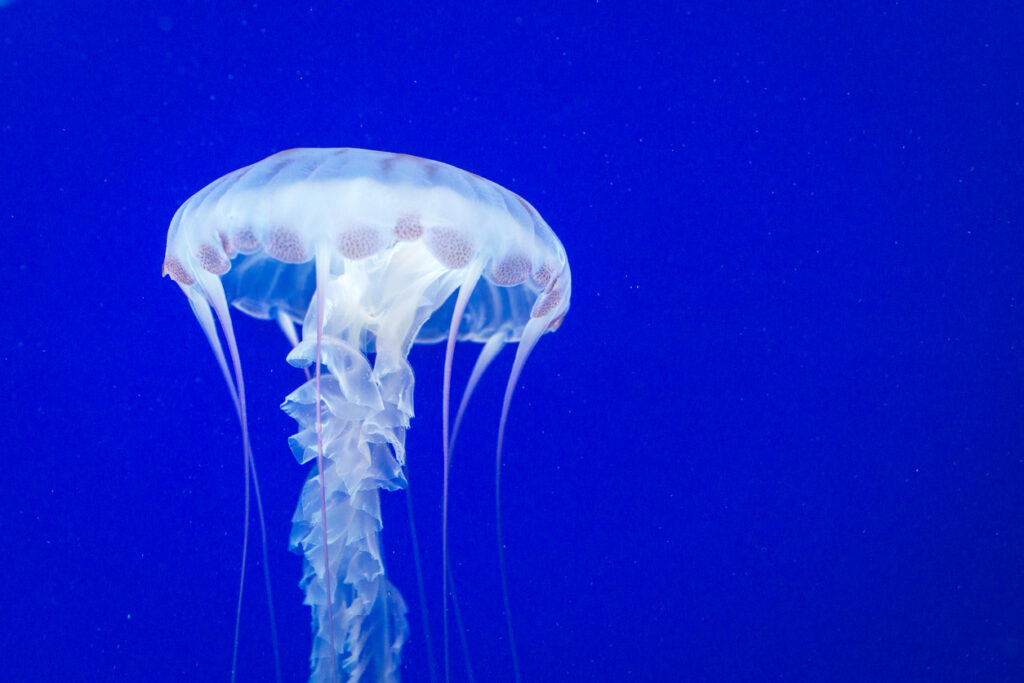
Their transparent bodies make them almost impossible to spot in the water until you’re dangerously close. A single sting can kill a human in minutes, and the pain is described as unbearable. Experienced divers in tropical waters where box jellies live stay hyper-vigilant because there’s often no warning before contact. The venom attacks the heart, nervous system, and skin cells simultaneously. Swimming in murky water during box jellyfish season makes even seasoned professionals nervous.
2. Stonefish are masters of camouflage.

They look exactly like rocks or coral on the seafloor, which makes accidental contact terrifyingly easy. Their dorsal spines contain venom potent enough to kill humans, and the pain is supposedly excruciating. Divers worry about stonefish because you can’t avoid what you can’t see. One misplaced hand or knee on what looks like a harmless rock can land you in hospital. They don’t move when you approach, which makes them even more dangerous than aggressive creatures you can spot and avoid.
3. Blue-ringed octopuses are deceptively small.
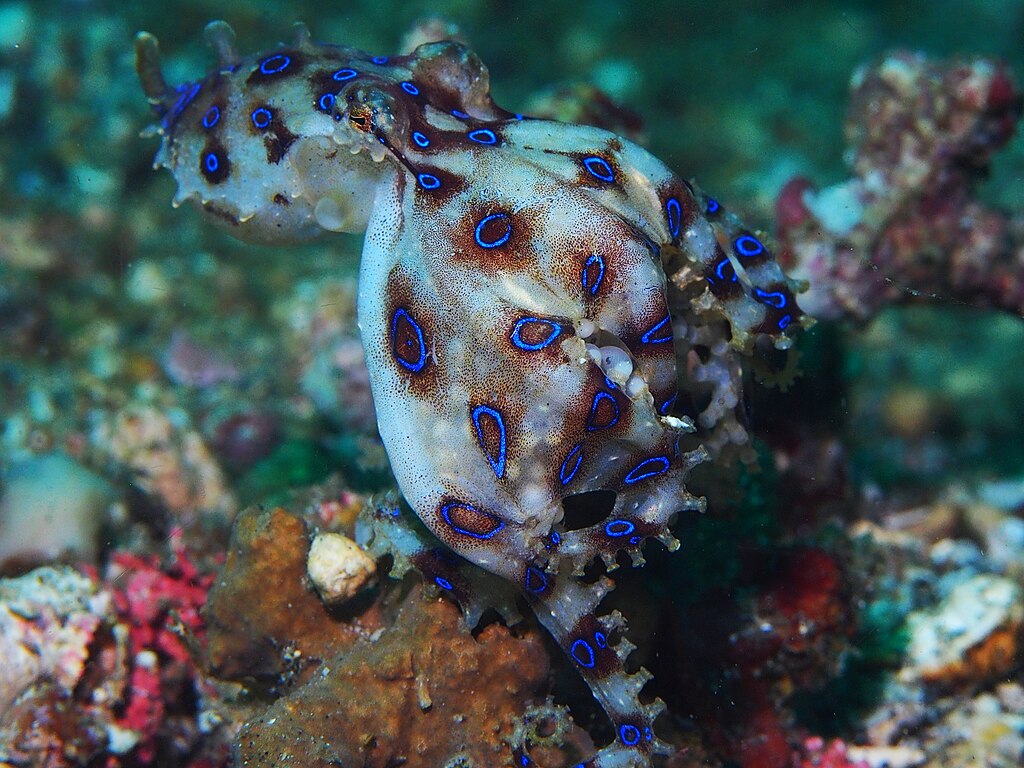
These tiny octopuses, no bigger than a golf ball, carry enough venom to kill 26 adults. Their bite is often painless, so you might not even realise you’ve been envenomed until paralysis starts setting in. There’s no antivenom. Treatment involves keeping the victim breathing until the toxin wears off, which can take hours. The blue rings that give them their name only appear when they’re agitated, so a calm one looks unremarkable. Divers in Indo-Pacific waters check carefully before putting their hands anywhere.
4. Cone snails contradict everything you expect from snails.
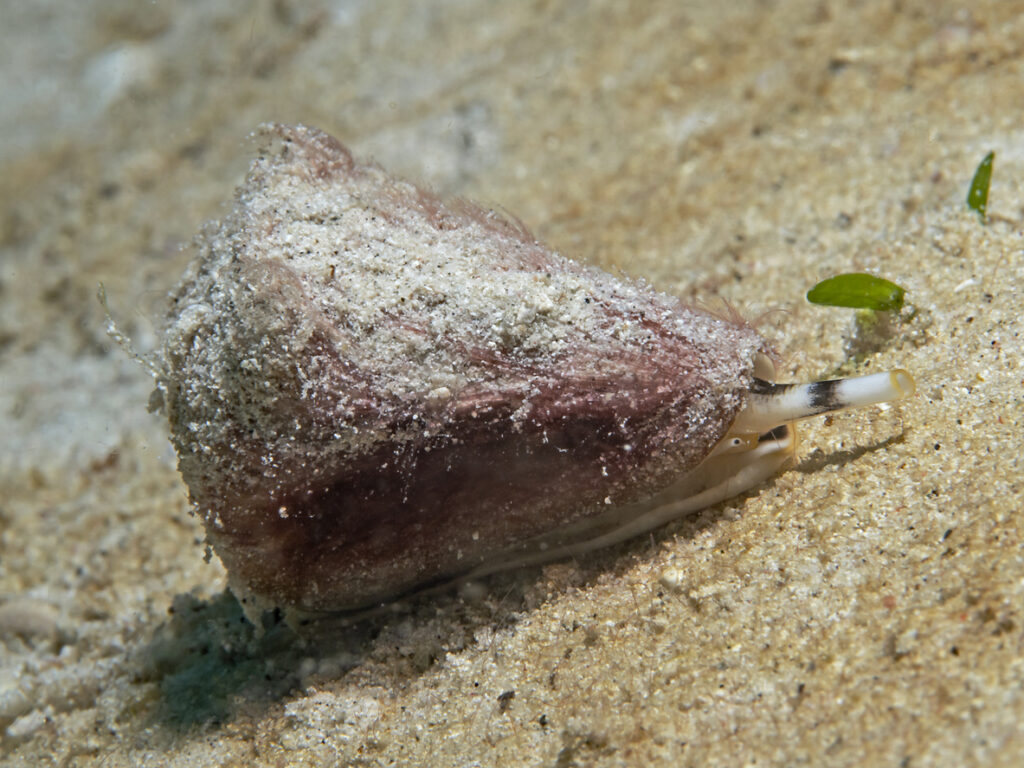
They’re slow-moving molluscs that fire venomous harpoons faster than you can react. Some species carry enough venom to kill humans, and there’s no antivenom for most types. The geography cone is particularly dangerous. It can shoot its harpoon through a wetsuit. Divers get nervous around them because they look harmless and beautiful, which makes people want to pick them up. That innocent-looking shell can deliver a fatal sting before you realise what’s happened.
5. Saltwater crocodiles don’t stay in rivers.
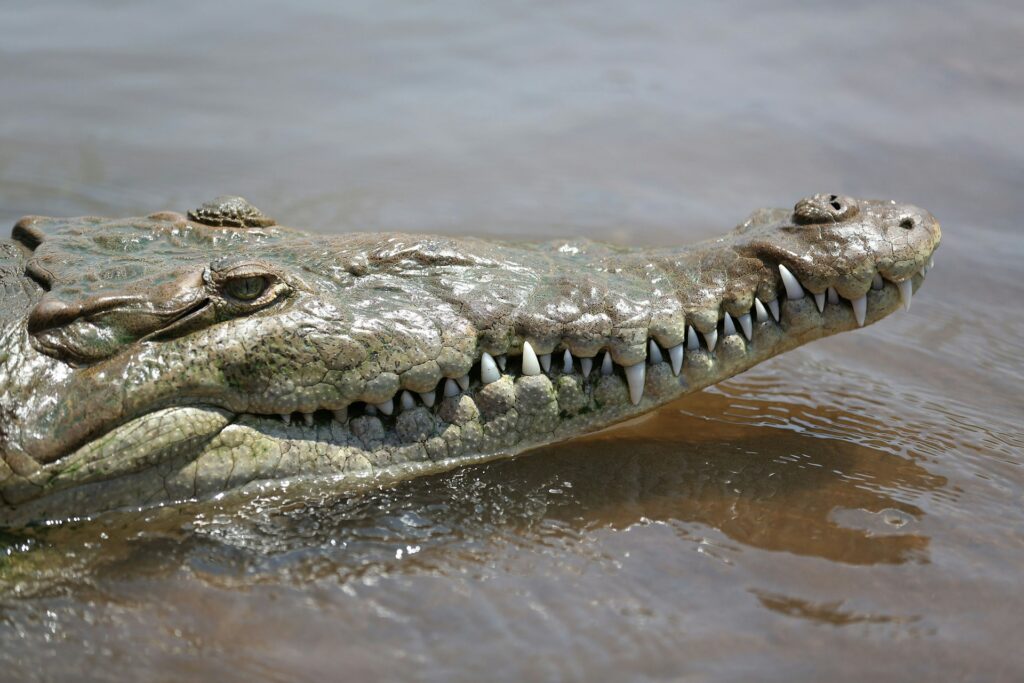
These massive predators swim in the ocean and have been spotted miles from shore. They’re ambush hunters that can take down prey much larger than humans with terrifying efficiency. Divers in northern Australia and parts of Southeast Asia contend with the knowledge that a crocodile could be present in murky water. You often can’t see them coming. Unlike sharks, which typically investigate and leave, crocodiles actively hunt humans when the opportunity presents itself.
6. Tiger sharks are unpredictable.
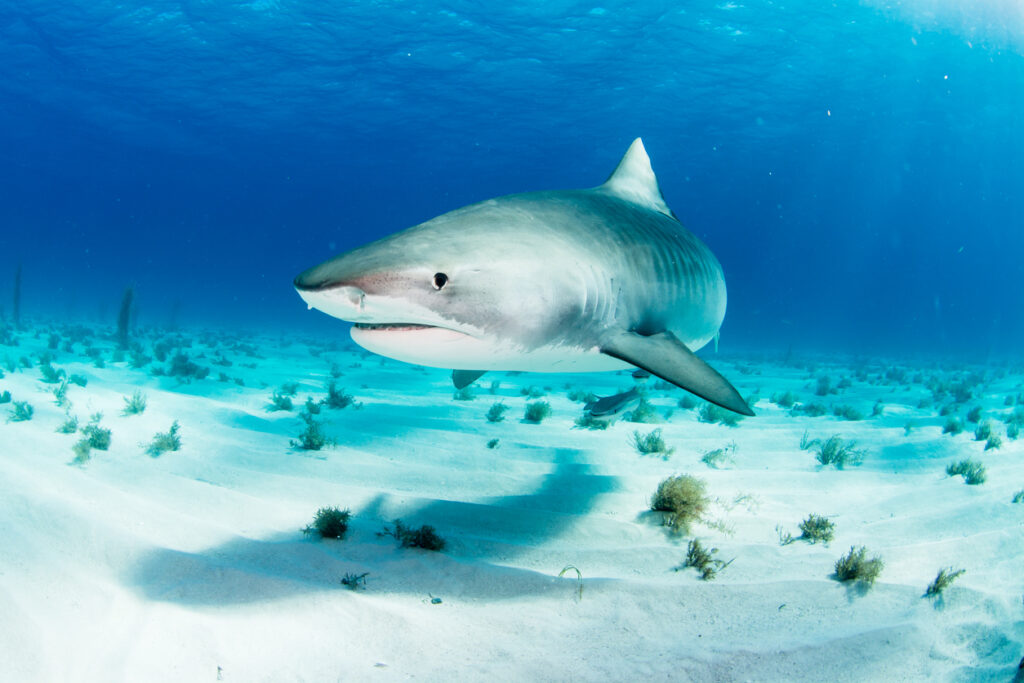
Experienced divers generally feel comfortable around most shark species, but tiger sharks make even professionals cautious. They eat basically anything, which makes their behaviour less predictable than more specialised hunters. They’re large, powerful, and known to approach divers with unsettling persistence. Their attacks aren’t always investigative bites. Sometimes they’re genuine predation attempts. The uncertainty around what they’ll do in any given encounter creates tension that doesn’t exist with more predictable species.
7. Titan triggerfish are absurdly territorial.
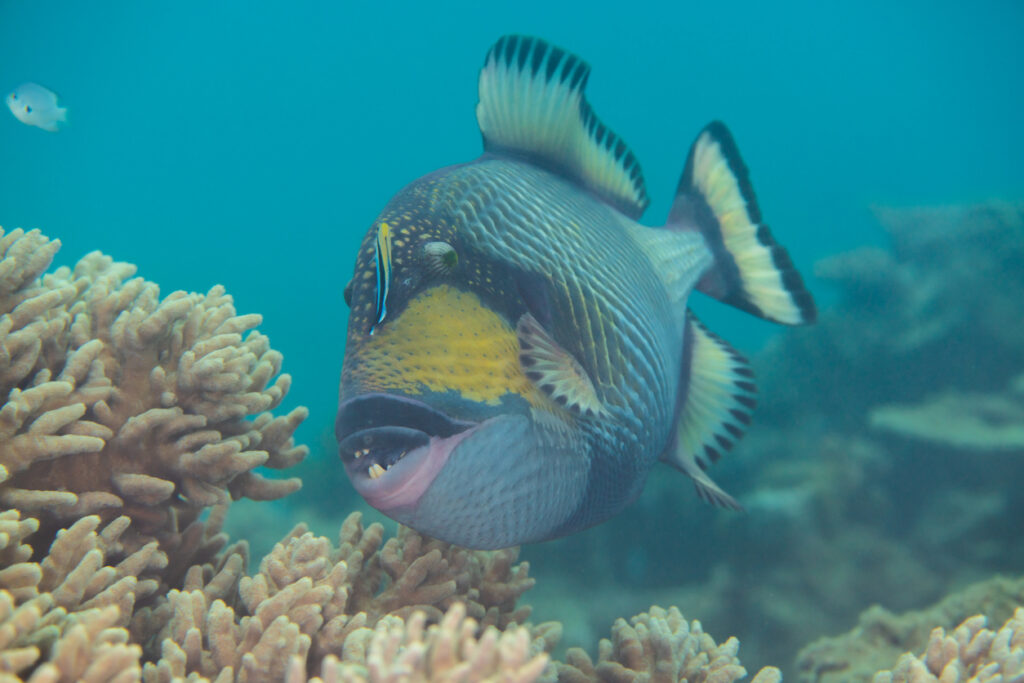
These fish don’t look particularly threatening until they decide you’re too close to their nesting site. Then they charge with genuine aggression, biting hard enough to require stitches and break through thick wetsuits. Divers can’t outswim them, and the attacks continue until you’re well away from their territory. The problem is you often don’t know where that territory begins until you’ve already crossed the line. Experienced divers in triggerfish habitat stay alert because these surprisingly aggressive fish don’t back down.
8. Sea snakes have potent venom but curious personalities.
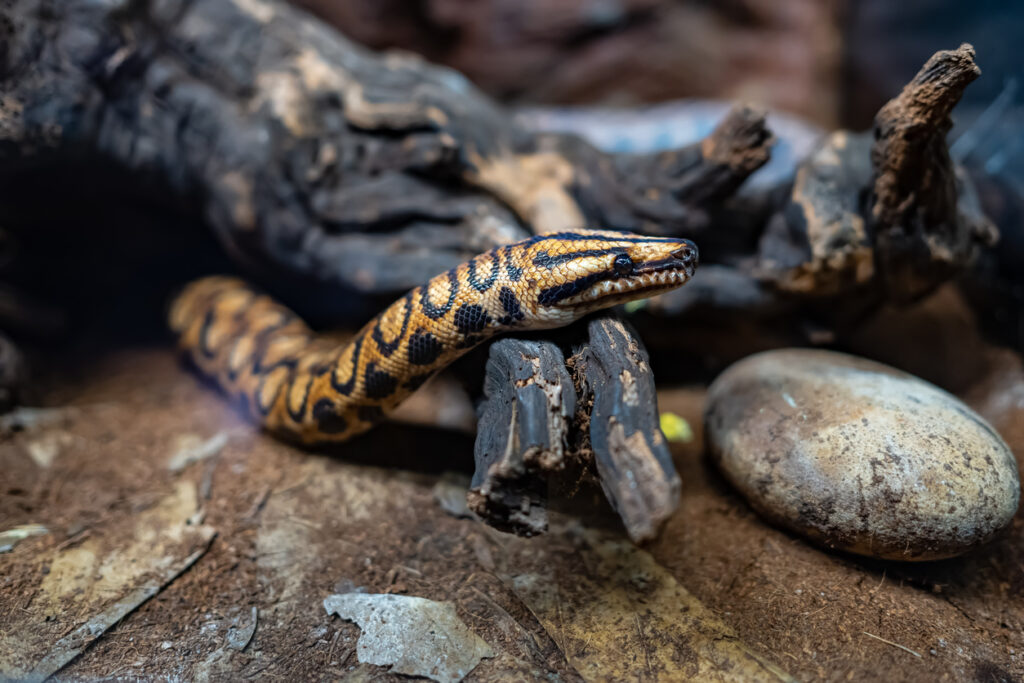
Their venom is more toxic than most land snakes, but they’re generally docile. The nervousness comes from their curiosity. They investigate divers, swimming right up to masks and regulators. Most bites happen when people panic and try to push them away. Divers have to suppress every instinct to flee while a highly venomous snake explores them. The cognitive dissonance between knowing they’re usually harmless and knowing one bite could be fatal creates significant psychological stress.
9. Giant Pacific octopuses are stronger than you think.

These intelligent animals can weigh over 50 kilograms and have incredible strength. They’re not typically aggressive toward humans, but they’re curious and occasionally grabby. A large octopus wrapping tentacles around a diver can prevent them from reaching the surface. They don’t mean harm, but their strength and curiosity combination creates dangerous situations. Divers respect them because fighting against that grip underwater while managing your air supply is genuinely frightening.
10. Humboldt squid hunt in aggressive packs.
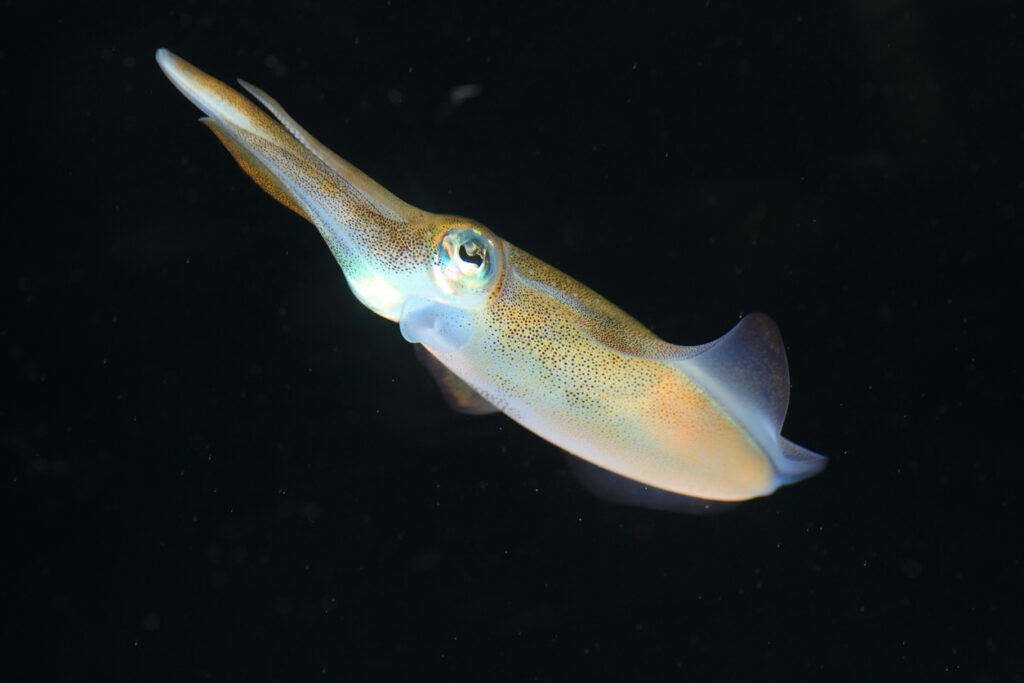
These large squid sometimes attack divers, particularly in low light conditions. They’re fast, powerful, and hunt cooperatively. Their tentacles have sharp hooks that tear flesh, and they change colour rapidly when agitated. Divers who’ve encountered feeding frenzies describe them as genuinely terrifying. The squid swarm, grab, and pull with shocking strength. They’re not mindless attackers, but their aggressive hunting style and pack mentality make them concerning in a way solitary predators aren’t.
11. Moray eels look worse than they typically are, but the risk is real.
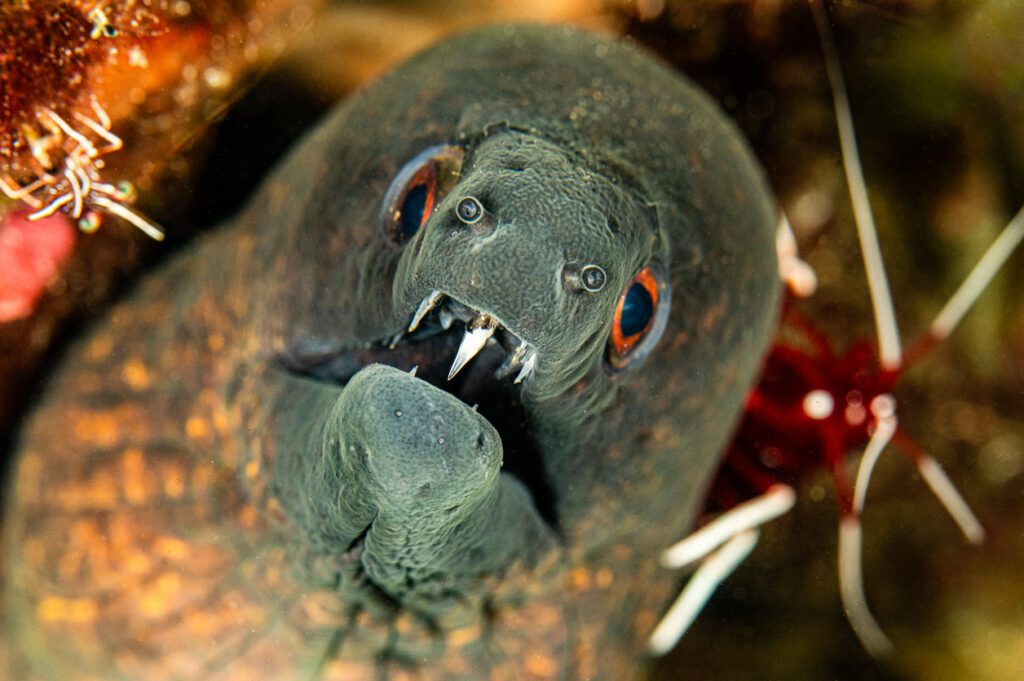
Most morays leave divers alone unless provoked. The nervousness comes from their appearance and the consequences of the rare bite. Their teeth curve backward, so once they bite down, extraction is difficult and causes massive tissue damage. They sometimes mistake fingers exploring crevices for food. Experienced divers know to check before reaching into holes, but the surprise factor and the severity of potential bites make them creatures worth respecting. Infection risk is also extremely high.
12. Portuguese man o’ war tentacles trail far beyond what you can see.
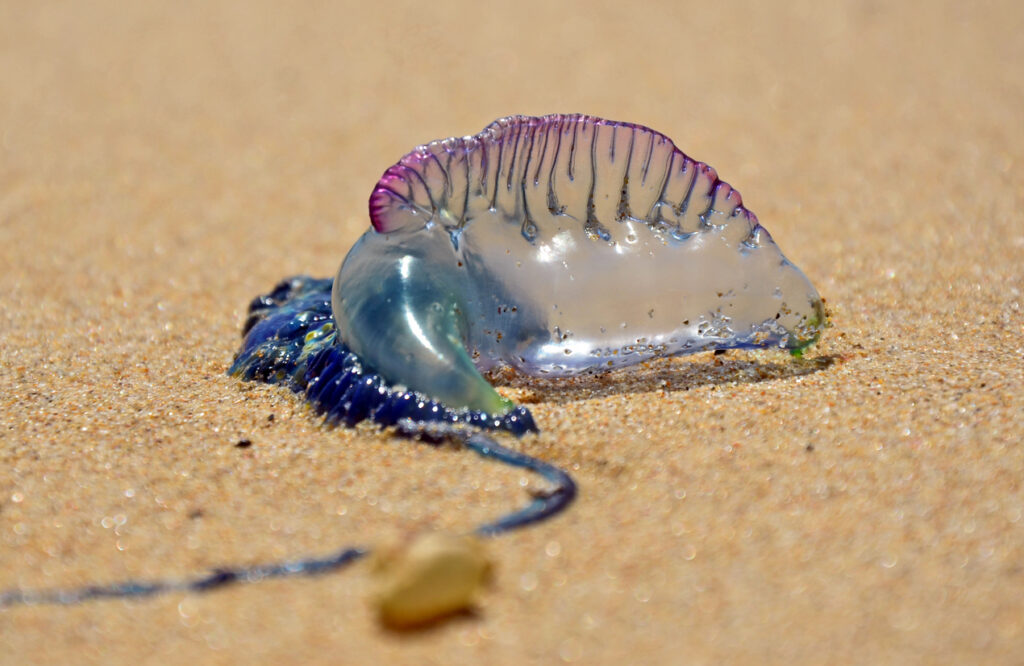
The visible float is just the beginning. Tentacles extend up to 50 meters below, creating an invisible danger zone. The sting is intensely painful and can cause serious reactions. Divers surface to find themselves surrounded by man o’ war without realising it until they start getting stung. You can’t see the tentacles, which means you can’t avoid them. The unpredictability of where they’ll be and how far their tentacles reach creates anxiety in waters where they’re present.
13. Leopard seals are apex predators that occasionally show interest in divers.
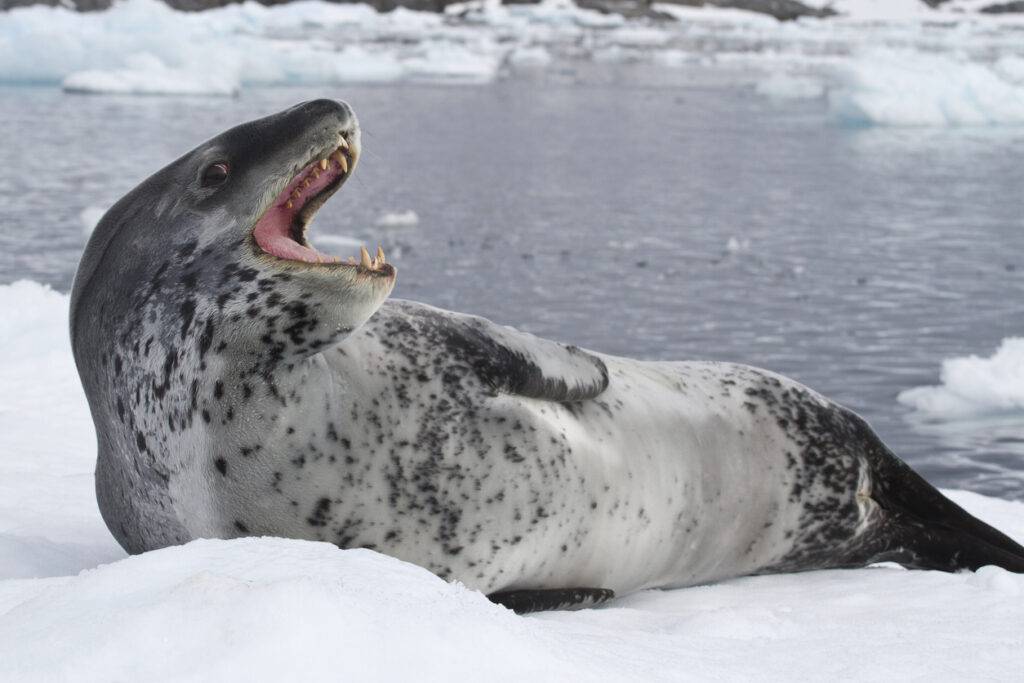
In Antarctica, these seals are the top predator, and they’re massive, fast, and equipped with serious teeth. Most encounters are benign or even playful, but they’re still predators capable of killing a human easily. Divers report unnerving experiences with leopard seals circling, approaching, and occasionally mouthing equipment or limbs. The combination of their size, power, and unpredictable behaviour makes diving with them psychologically challenging even when they’re not actively threatening. You’re in the water with an animal that could decide you’re prey.