For decades, the hunt for a sustainable meat alternative has been focused on soy, peas, and lab-grown experiments, but the latest breakthrough is coming from the bottom of the vegetable crate.

Carrot waste, as in the tons of misshapen or broken roots that never make it to supermarket shelves, is being transformed into a high-quality protein through a process that sounds like science fiction. It’s not just another dry veggie burger; the resulting product has a fibrous texture and a neutral flavour profile that is winning over even the most dedicated carnivores in blind taste tests. By upcycling what used to be animal feed or landfill, scientists have found a way to create a protein source that is not only better for the planet, but might actually taste better than the real thing.
It’s made by feeding carrot waste to edible fungi.
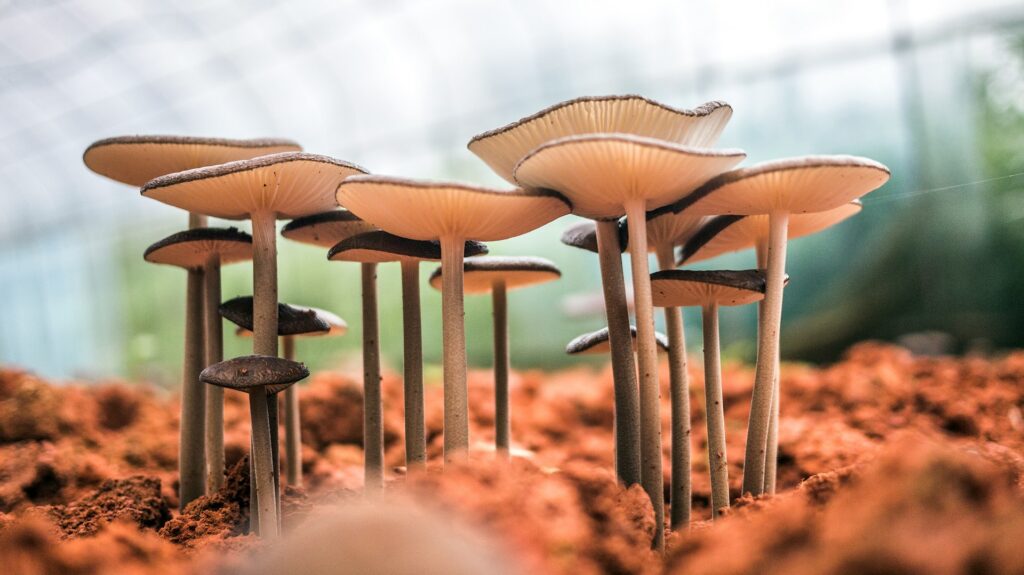
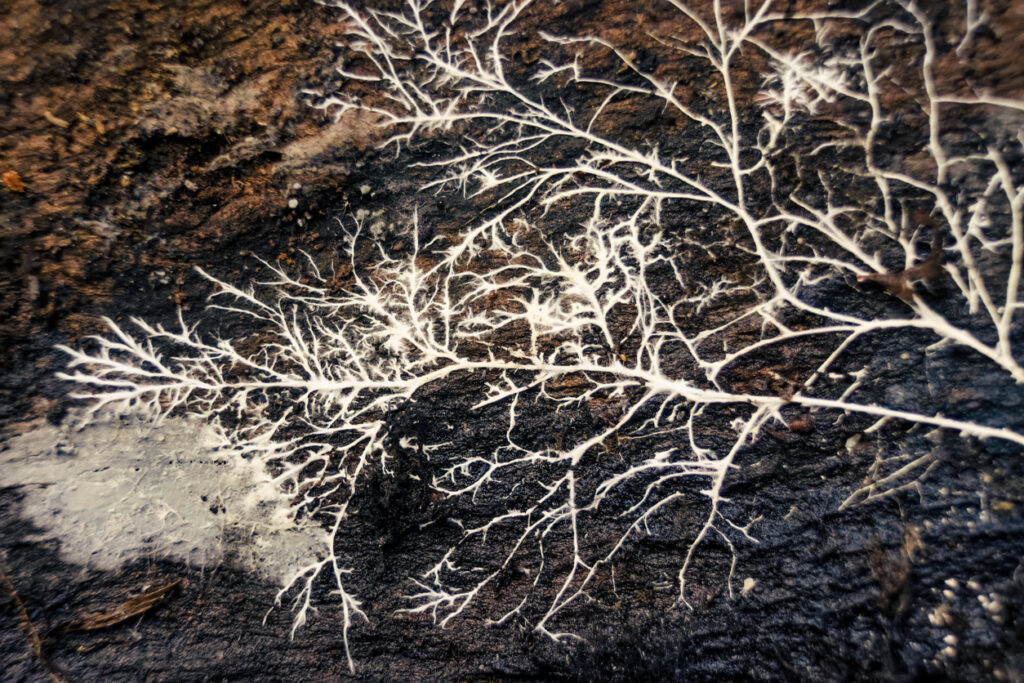
Researchers in Germany discovered they could grow edible fungi on the leftover bits from carrot processing, specifically waste from factories that make natural food colours from orange and black carrots. Instead of throwing this material away, they used it as food for fungi. The fungi break down the carrot waste and transform it into protein-rich mycelium, which is the root-like network that fungi produce. The process takes waste that would normally go to landfill and converts it into actual nutrition.
They tested over 100 different fungi to find the best one.
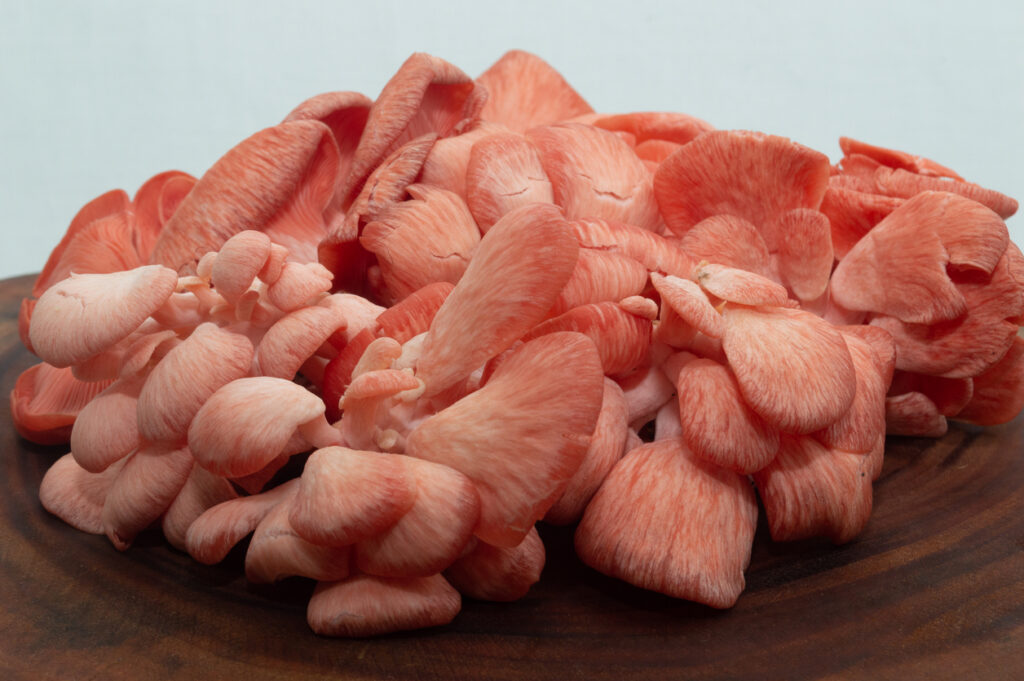
The research team tested 106 different fungal strains to see which one grew best on carrot waste and produced the most protein. After all that testing, one clear winner emerged. Pleurotus djamor, commonly known as the pink oyster mushroom, performed better than all the others. It grew quickly, produced loads of protein, and had a neutral flavour that wouldn’t overpower food. Once they’d chosen the fungus, they fine-tuned the growing conditions to squeeze out even more protein.
The protein quality matches meat and other plant proteins.

The resulting protein showed biological values similar to those of animal and plant proteins, meaning the human body can use it efficiently. That’s important because not all proteins are equal, your body needs to be able to actually absorb and use what you’re eating. The fungal mycelium was also low in fat and contained fibre levels comparable to other edible fungi. So nutritionally speaking, carrot-waste protein ticks all the boxes without any major downsides.
Taste testers actually preferred it to soy and chickpea products.
When researchers made vegan patties with different amounts of fungal protein (0%, 25%, 50%, 75%, and 100%), the versions made entirely with fungal mycelium scored higher than soy-based versions. They also made vegan sausages and compared them to chickpea-based ones. The fungal versions smelled richer and tasted more pleasant, with many testers describing stronger umami notes similar to what you’d find in meat. That wasn’t a case of the fungal option being acceptable; people genuinely liked it better.
The texture is softer and more meat-like than soy.
The texture felt softer and more meat-like than soy, while bitterness stayed lower. This is massive because texture is one of the biggest complaints people have about plant-based meat alternatives. Mycelium has a soft, fibrous structure that feels similar to meat after cooking, and the flavour stays mild and neutral, which makes it easy to season and flavour however you want. It doesn’t fight against the other ingredients like some plant proteins do.
It uses waste that’s already being produced anyway.
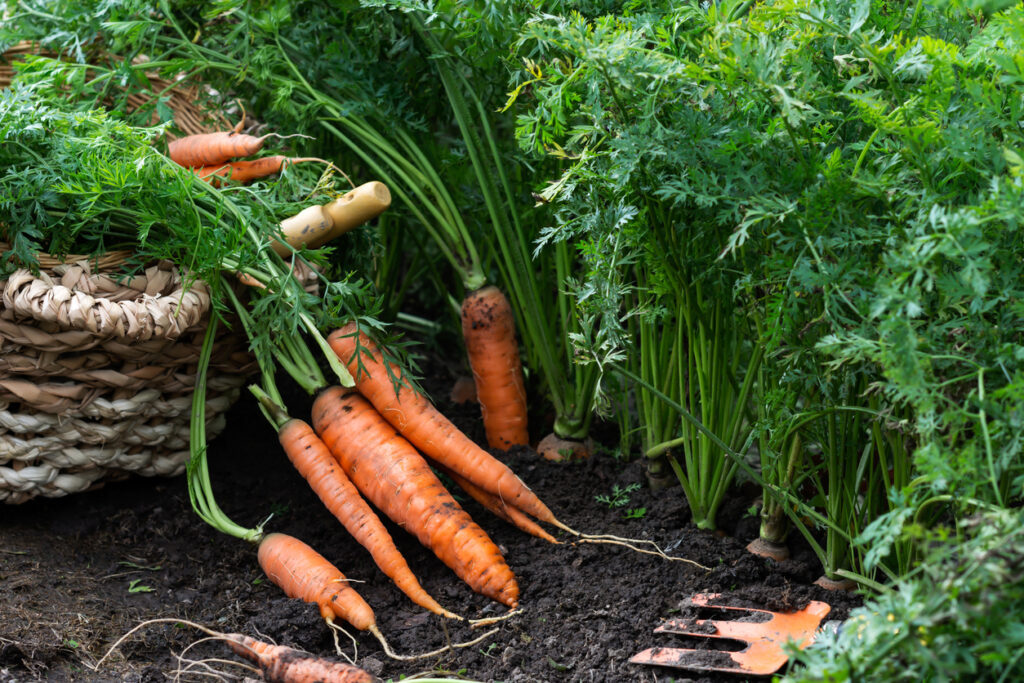
Carrot side streams often end up as waste, so using them for protein production reduces disposal problems and saves resources. The carrot material that gets left over from making juice or natural colours still contains sugars, minerals, and other nutrients. Instead of binning all that perfectly usable material, it becomes the foundation for protein production. No extra farmland or water becomes necessary because production happens using material that’s already available.
Mycelium grows faster than actual mushrooms.
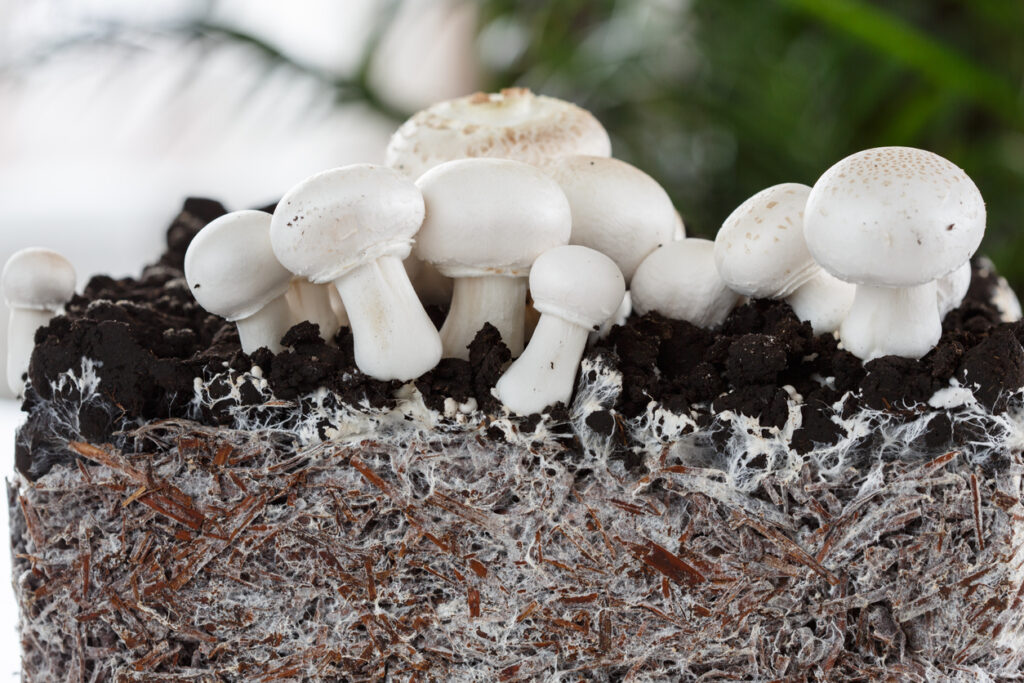
Fungal mycelium forms thin, root-like networks that spread quickly through food sources, growing faster than mushroom caps and needing less space. It makes it practical for large-scale production in a way that growing whole mushrooms might not be. You’re essentially farming the underground part of the fungus rather than waiting for mushrooms to grow, which speeds everything up considerably. The efficiency matters when you’re trying to produce enough protein to make a real difference.
It fits into the circular economy approach to food.
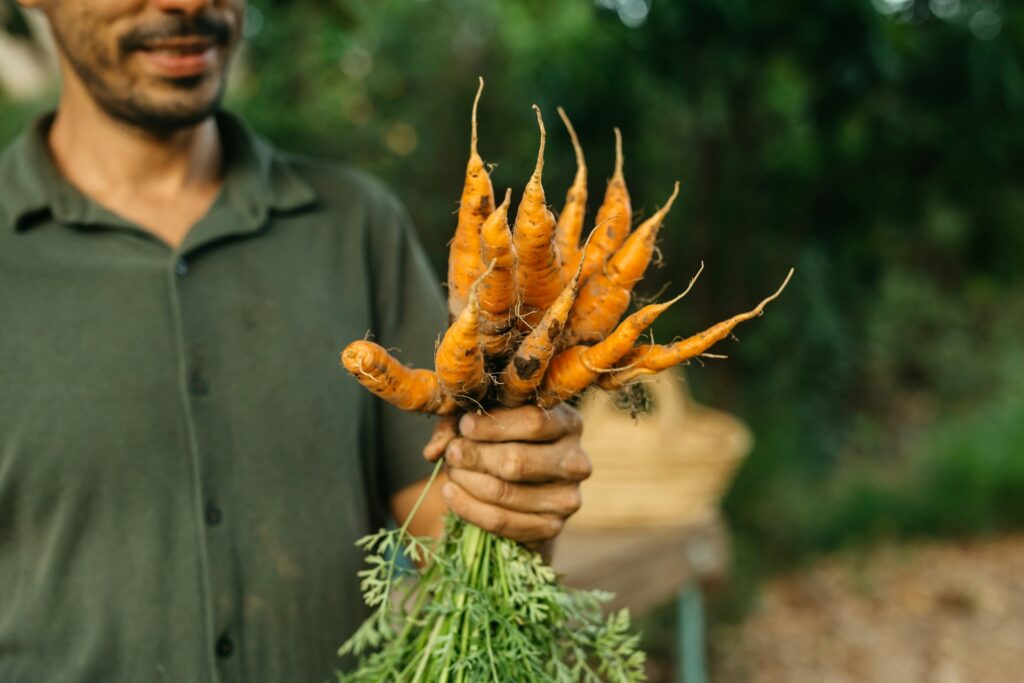
The study’s corresponding author Martin Gand said this is “a significant step towards a circular economy by transforming valuable food side streams into a high-quality protein source”. Instead of the linear model where we grow food, process it, use what we want, and throw the rest away, this creates a loop. The waste from one process becomes the input for another. Gand added that utilizing side streams as substrate for mycelium production reduces environmental impact while adding value and supports food security.
It addresses real problems with global food security.
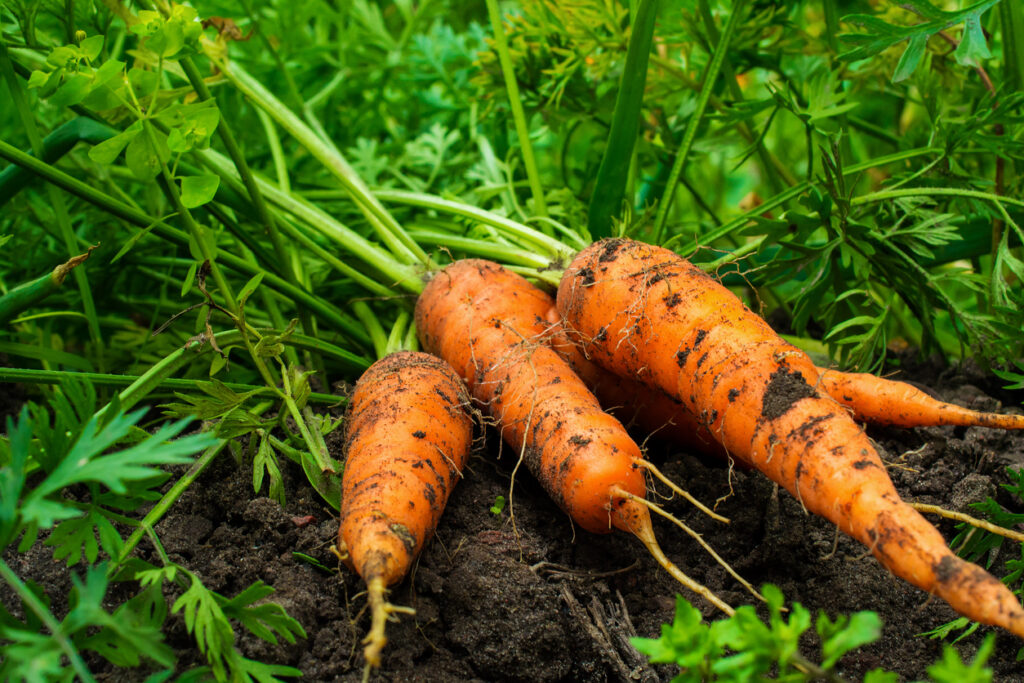
According to the United Nations, about one in eleven people worldwide experienced hunger in 2023, and more than three billion people could not afford a healthy diet. The world needs more efficient ways to produce protein that don’t require loads of extra land, water, or resources. The fungal protein approach ticks those boxes because it’s built on waste streams. You’re not asking farmers to grow special crops or dedicating agricultural land to protein production, you’re just being smarter about what’s already there.
The research was backed by a natural food colour company.

The researchers acknowledged funding from institutional sources and GNT Europa GmbH, a company that manufactures natural food colours. That makes sense because GNT Europa produces the carrot waste that the research used. They’ve got a vested interest in finding valuable uses for their byproducts rather than paying to dispose of them. The research was published in the Journal of Agricultural and Food Chemistry, giving it proper scientific credibility while also having real-world commercial backing to potentially turn it into an actual product people can buy.