Social media trends have a habit of taking something harmless and turning it into a lifestyle philosophy, and the recent push to live like a capybara is the latest example.
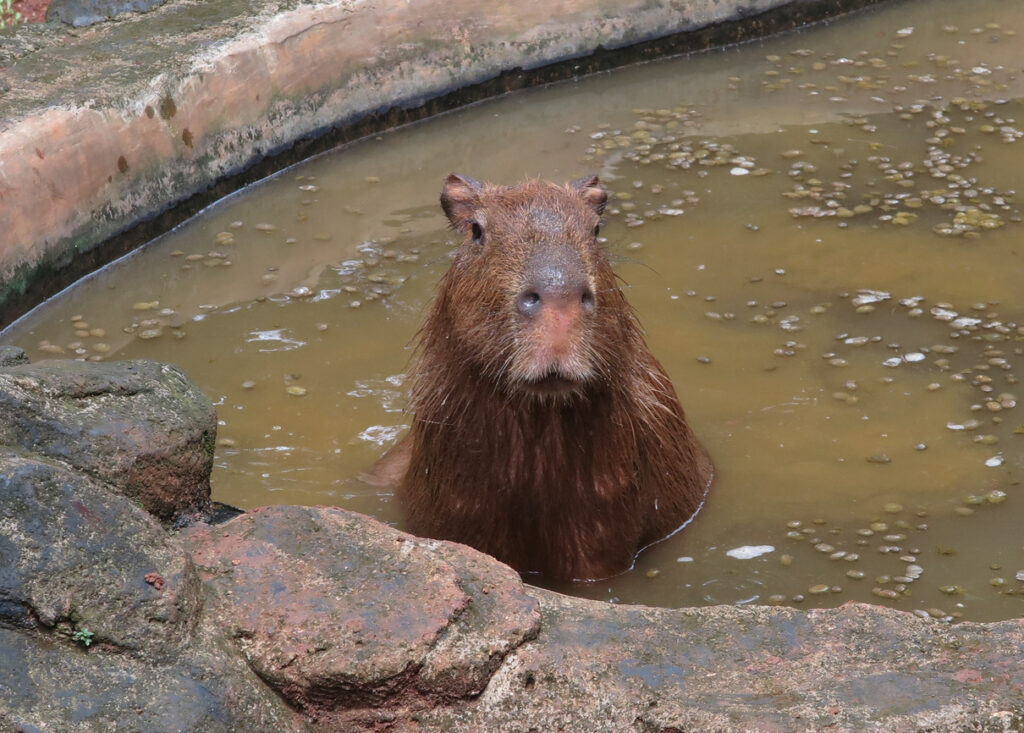
On the surface, it’s easy to see the appeal. These oversized rodents are the ultimate symbols of being chilled out, appearing to move through life with zero stress and a total lack of concern for anything happening around them. In a world that feels increasingly loud and demanding, the idea of just sitting still and letting everything wash over you sounds like the perfect antidote to burnout.
However, there’s a massive difference between finding moments of peace and adopting a mindset of total passivity. When you strip away the cute aesthetics, the capybara lifestyle is essentially about opting out of the complexities of being human. Life requires us to be engaged, to take risks, and to handle friction—all things that a permanent state of chill ignores. By prioritising comfort and avoidance above everything else, you might actually be setting yourself up for a different kind of trouble. These 12 reasons look at why this obsession with being perfectly placid isn’t as healthy as it looks on your feed.
It turns coping into avoidance.
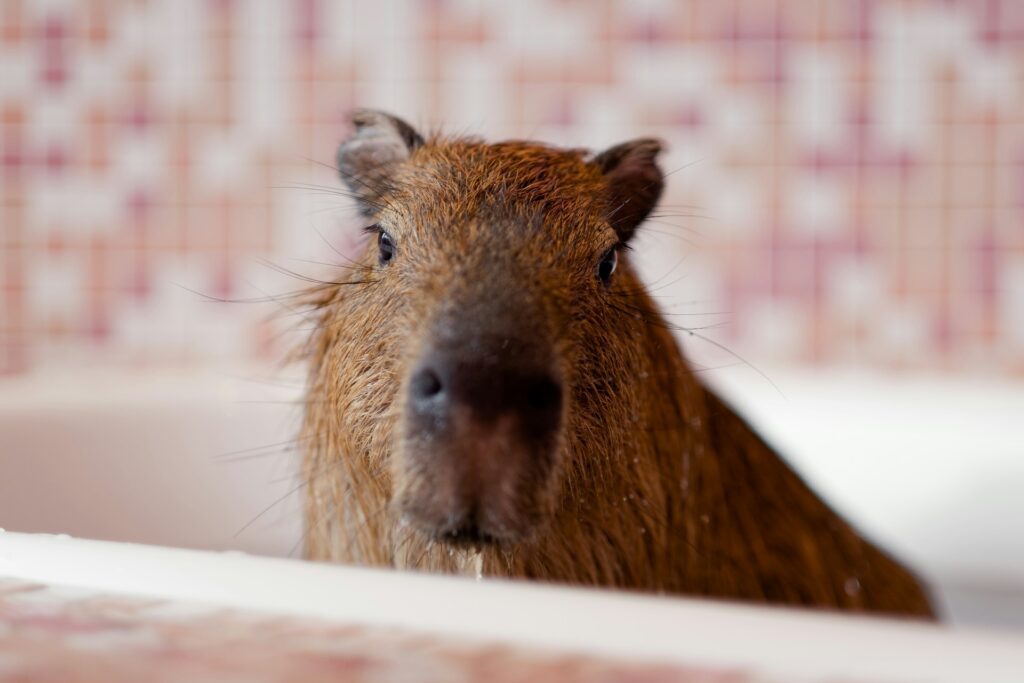
Capybaras are everywhere in this trend because they look chill and unbothered. The message people often take from it is “just relax, don’t stress, be like a capybara.” The trouble starts when that becomes a way of dealing with stress by ignoring it instead of engaging with it. Real life problems don’t go away if you just slow down and hope for the best. Stress, responsibility, relationships, bills, and health are all things need action, not avoidance.
When you lean too hard on “just be chill,” you can start bottling up real issues, pretending they’ll dissolve if you don’t look at them. That sounds peaceful in theory, but in practice it turns avoidance into virtue.
It romanticises passivity.

Capybaras spend a lot of time lounging around, and videos make that look relaxing and cute. But humans aren’t capybaras. We have responsibilities, goals, relationships, struggles, emotions that don’t just melt away if we lie in the sun long enough.
Some people start using the trend as an excuse to stop pushing for things they actually care about. If “living like a capybara” means saying no to challenges, avoiding discomfort, or dodging ambition entirely, it can make people feel like effort is bad and not trying is virtuous. That’s not peace, it’s stagnation dressed up as wisdom.
It makes rest look like the only answer.

Rest is necessary and valuable. But the trend often pushes rest as the only answer to life’s stress. TikTok clips will show cosy vibes, comfy clothes, soft aesthetics, quiet living, and people start to believe that any struggle they have means they just need more rest or “a capybara day.”
Human stress doesn’t always come from busyness. It often comes from lack of meaning, unresolved conflict, emotional load, past wounds, or fear of the future. Treating rest as a universal cure flattens complex human experience into a feel-good filter.
It downplays real emotional work.

Capybaras look content, sure, but that doesn’t translate into human emotional healing or growth. Real emotional health often requires confronting hard feelings, setting boundaries, working through grief, learning to communicate, or seeking help. You can’t download that from a viral aesthetic.
When people act like living like a capybara is the antidote to anxiety, depression, or deeper issues, it can minimise how much work those experiences actually involve. It can make people feel like there’s something wrong with them if they can’t just “be chill.”
It creates a comfort hierarchy.
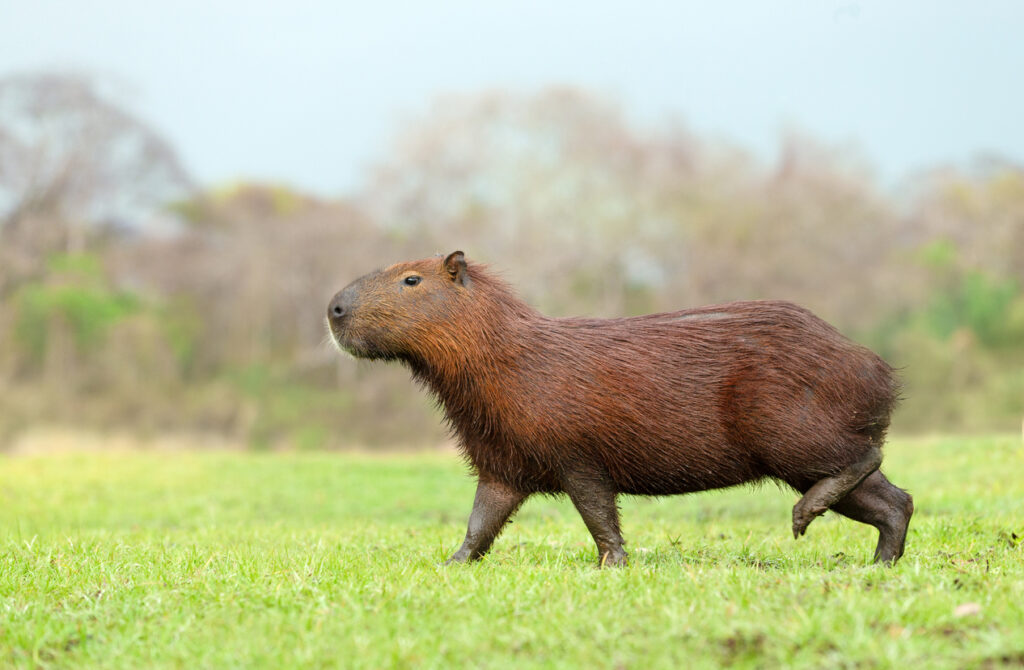
The trend pushes a kind of comfort ideal where the most important skill is staying cosy and undisturbed. That sets up a weird hierarchy where discomfort becomes something to be avoided at all costs.
However, a lot of meaningful life comes from discomfort: learning new skills, navigating tough conversations, building resilience. If the cultural message is that comfort is the highest achievement, people start to avoid growth in favour of static ease.
It reduces identity to a mood board.
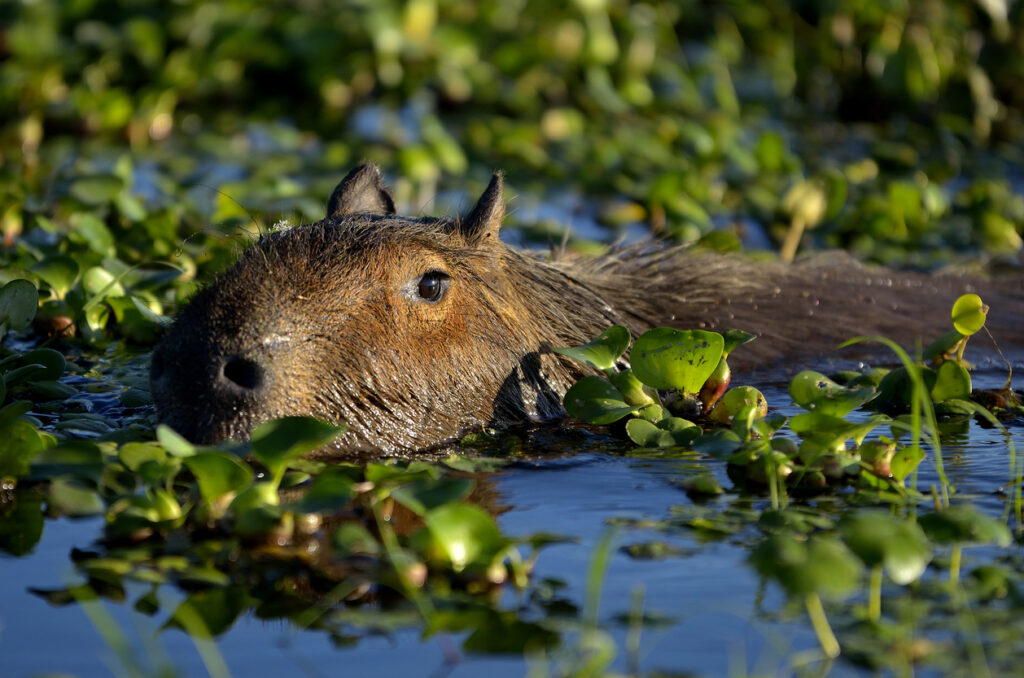
TikTok trends often turn identity into an aesthetic you can adopt, like choosing a filter. “Living like a capybara” then becomes a style choice: the right colours, the right clothing, the right sort of quiet morning routine. But identity built on a vibe can feel shallow when real life gets messy.
People using the trend to define themselves might feel good for a minute, but they risk confusing surface-level comfort with deeper self-understanding. It becomes about looking calm instead of actually feeling grounded.
It can ignore people who don’t have the privilege to “chill.”
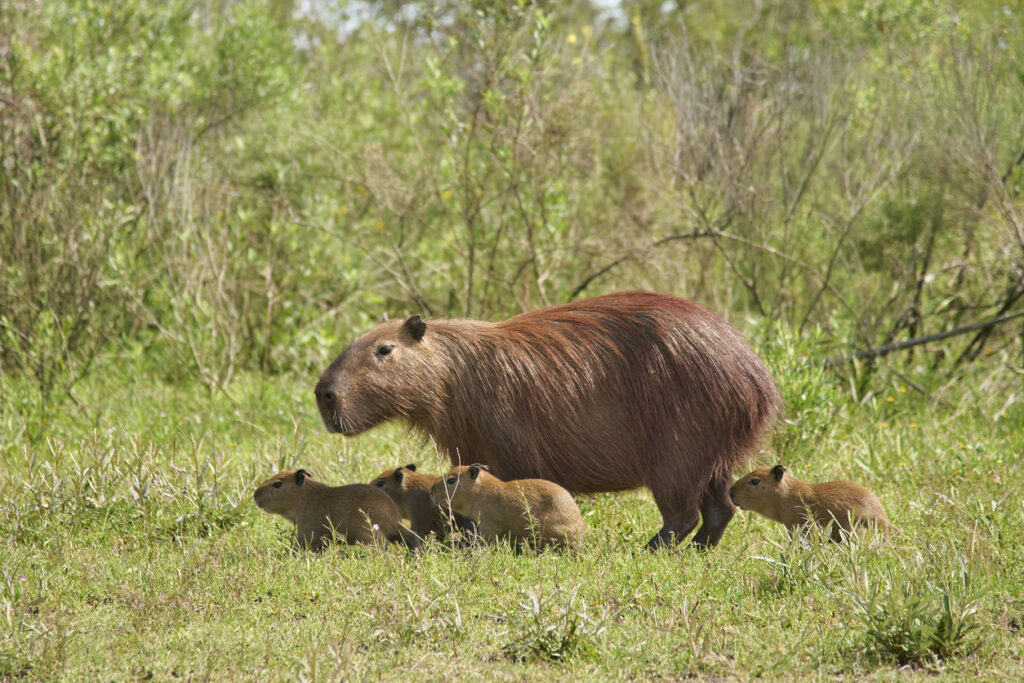
A big part of the capybara trend is slow mornings, warm blankets, safe spaces, time off, and emotional breathing room. But not everyone has the chance for that kind of downtime. Some people are juggling jobs, family responsibilities, health issues, financial stress, or caregiving duties.
Promoting “just relax more” as a universal goal without acknowledging real constraints can feel tone-deaf. It can make people who are struggling harder feel like they’re failing at something that’s not even fully within their control.
It turns action into guilt.
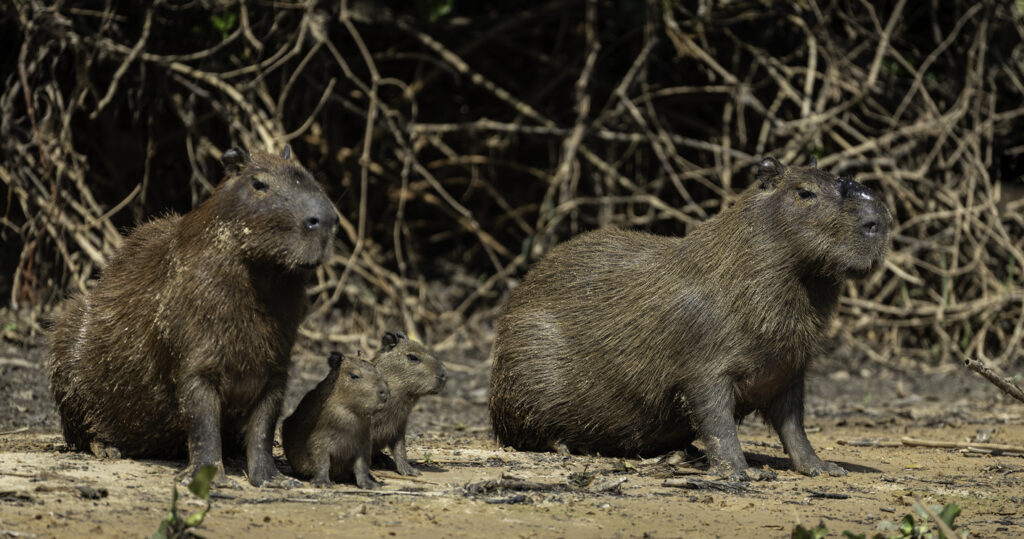
Once “being chill” becomes an ideal, people who are ambitious, restless, or driven start to feel guilty about it. If society says calm and slow is best, then wanting more, planning more, doing more can look like overexertion or unnecessary stress. That’s not healthy, either. Motivation, drive, curiosity, and challenge aren’t flaws. They’re part of what makes life meaningful for many people. When trends paint them as bad, it distorts how people see themselves.
It simplifies happiness into a meme.
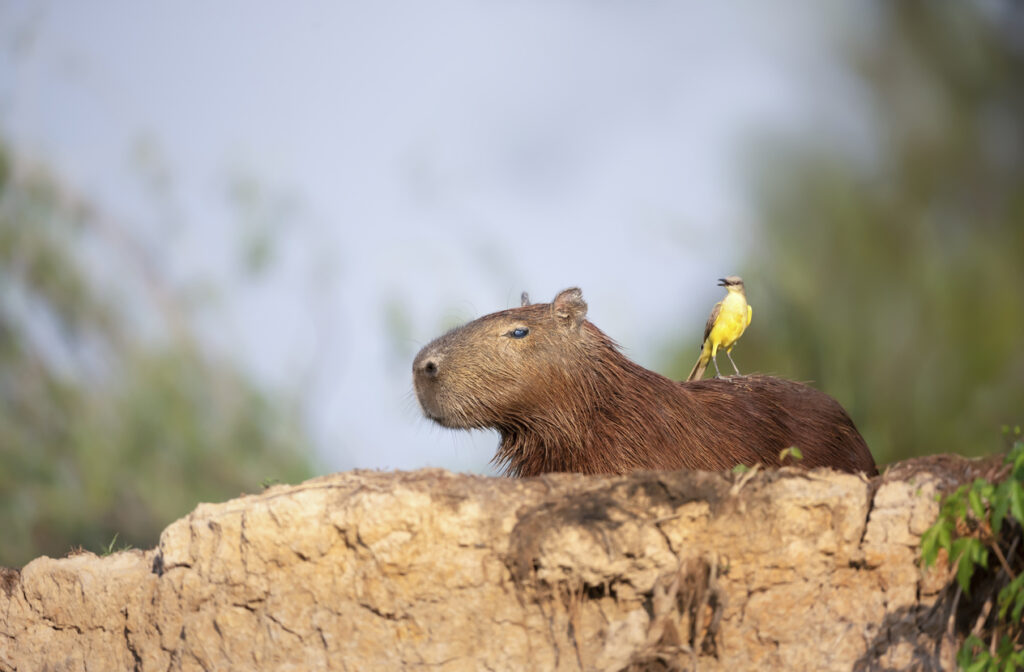
Happiness and contentment are complex and personal. They’re not a one-size-fits-all formula, and they don’t come from copying animal behaviour. Turning joy into a TikTok trend makes it look like something that can be downloaded or mimicked, rather than something earned through lived experience. People start chasing the idea of happiness—the aesthetics, the vibe, the label—instead of engaging with what actually brings them fulfilment underneath the surface.
It obscures the value of discomfort and resilience.
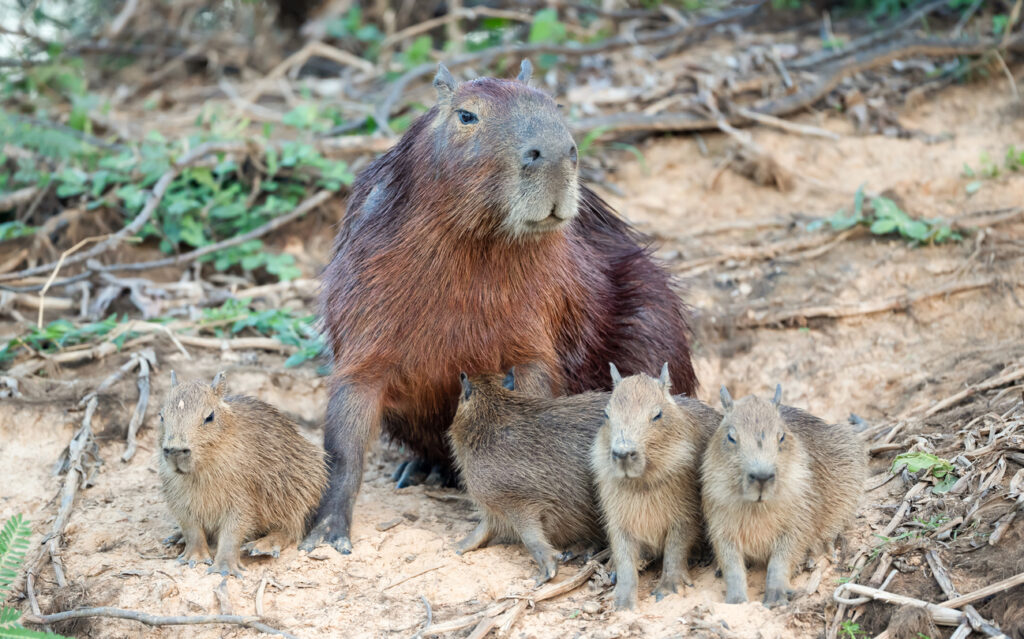
Discomfort isn’t always bad. Feeling uneasy, challenged, uncertain, or out of your depth can be part of growth. Trends that promote ease above all else can make people shrink from discomfort rather than learn from it. Living like a capybara as a metaphor for slowing down sometimes is fine. But when it becomes a cultural mantra that frames discomfort as failure and effort as unnecessary, it risks teaching people to avoid life rather than engage with it fully.
So the real danger isn’t the capybaras themselves. It’s when a cute trend starts shaping how people think about stress, growth, rest, and purpose in ways that don’t reflect the messy, challenging, unpredictable reality of human life. If you enjoy the calm aesthetic, great. Just don’t let it replace the work of living a full life.