While humans are still struggling to navigate a new city without a phone in their hand, many species have spent millions of years perfecting a level of spatial awareness that makes our technology look primitive.
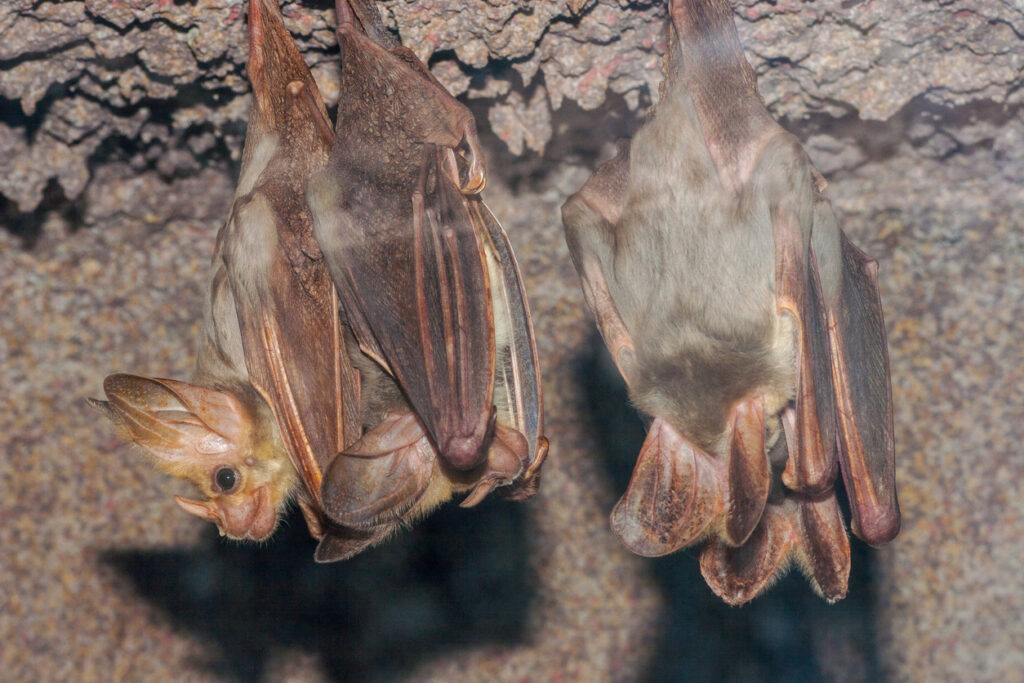
The animal kingdom is full of creatures that can cross entire oceans or navigate pitch-black forests with an internal compass that never needs a signal. These animals don’t just remember landmarks; they can sense the magnetic pull of the earth, track the position of the stars, and even detect changes in atmospheric pressure to stay on course. It’s a biological mastery of the planet’s geography that allows a bird to return to the exact same nest after a 5,000-mile journey, or a turtle to find a tiny stretch of beach across a trackless sea.
1. Homing pigeons

Homing pigeons can be taken hundreds of miles away from their loft, released somewhere unfamiliar, and still find their way home. They do this using a mix of the sun’s position, landmarks, smells carried on the wind, and even Earth’s magnetic field. It’s not one trick, but a layered system that backs itself up if one cue fails. What’s wild is how accurate they are. Many return in a straight-ish line rather than zigzagging or searching. Even when conditions change mid-flight, they adapt on the move, which suggests their “map” updates in real time rather than being a fixed route.
2. Sea turtles
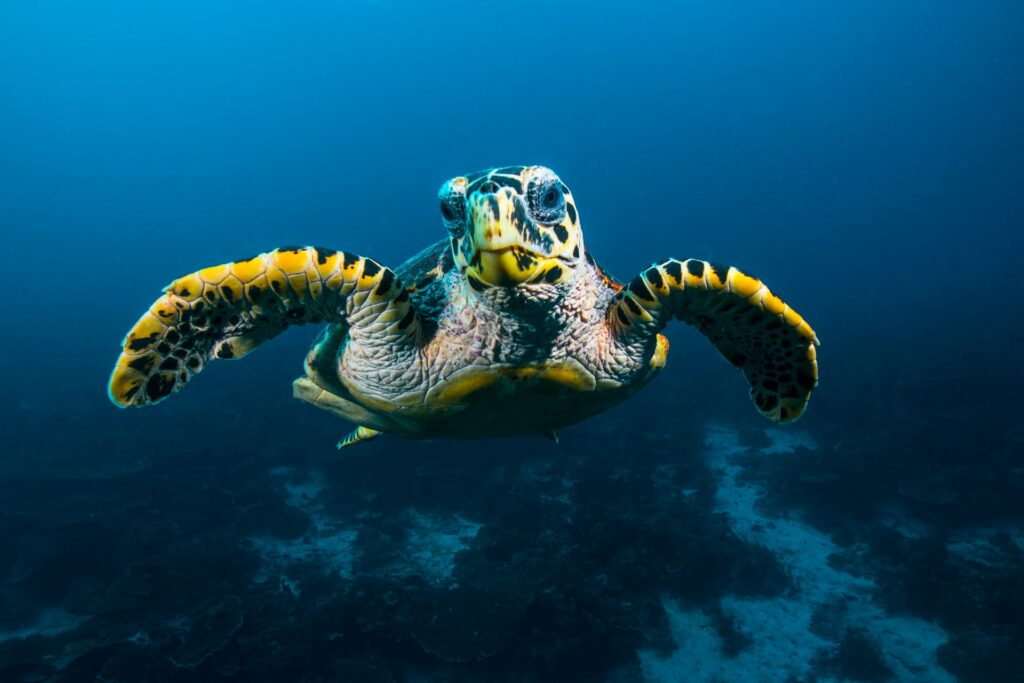
Sea turtles hatch on one beach, disappear into the ocean for decades, then return to the exact same stretch of sand to lay eggs. That journey can cover thousands of miles, crossing open ocean with almost no visual landmarks. Scientists believe turtles imprint on the magnetic signature of their birth beach. Earth’s magnetic field varies slightly from place to place, and turtles seem able to read those differences like coordinates. It’s basically planet-scale navigation built into their nervous system.
3. Monarch butterflies
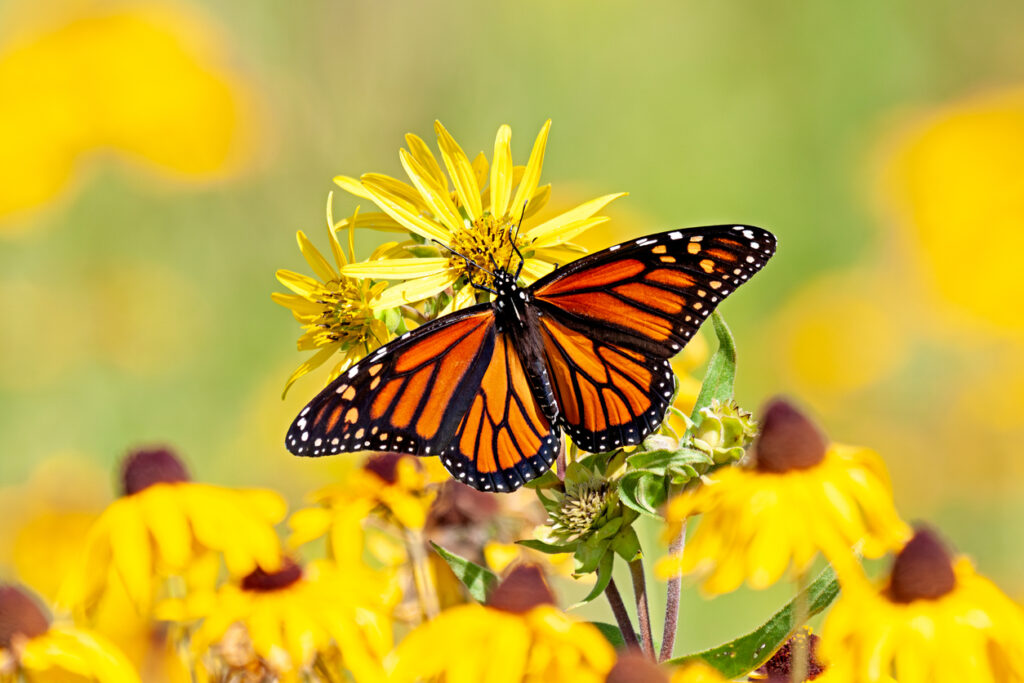
Monarch butterflies migrate from North America to central Mexico, a place most of them have never been before. The journey spans multiple generations, meaning no single butterfly completes the full round trip. They rely on an internal compass linked to the sun, combined with a sense of time that adjusts for the sun’s movement across the sky. Even without knowing the destination in a learned way, they still end up in the same forests every year.
4. Salmon

Salmon are born in freshwater streams, migrate to the ocean, then return years later to the exact river they came from to spawn. Some travel thousands of kilometres and still find the right turn back upstream. Smell plays a huge role here. Salmon memorise the chemical scent of their home river when they’re young. Later, they use that scent trail like a final postcode, narrowing down from ocean-scale navigation to the right stream and even the right bend.
5. Honeybees
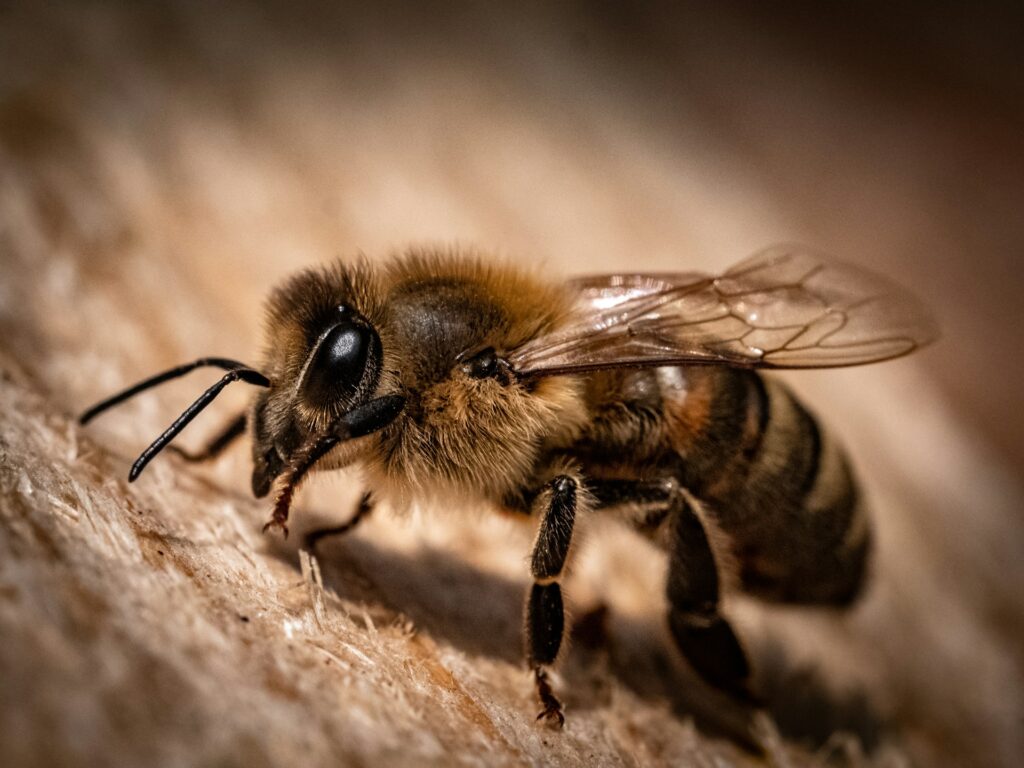
Honeybees don’t just know where food is. They can tell other bees exactly how to get there. Using the famous waggle dance, a bee communicates distance and direction relative to the sun. That means a bee can fly out, find a food source, return to the hive, then send others straight to it without escorting them. The accuracy of this system is good enough that entire colonies optimise foraging without central control.
6. Elephants

Elephants migrate across vast landscapes, often following routes their herds have used for generations. These paths lead them to water, seasonal food, and safer ground during droughts. They appear to combine memory, smell, and possibly low-frequency sound that travels long distances through the ground. Older elephants play a key role, acting as living maps that guide the group based on experience rather than trial and error.
7. Desert ants
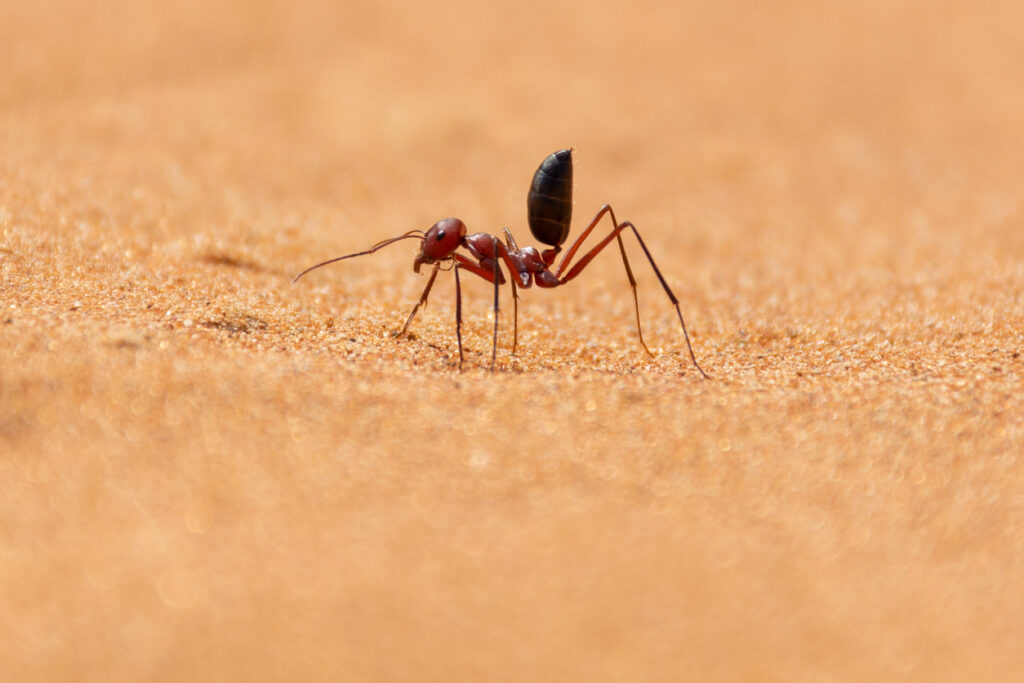
Desert ants forage alone in harsh environments where landmarks are scarce and the heat is extreme. After wandering in complex paths to find food, they return to their nest in an almost perfectly straight line. They do this using step counting and the sun’s position, constantly updating their distance and direction as they move. It’s called path integration, and it works so well that even if you pick one up and move it, the ant still walks the “correct” remaining distance.
8. Spiny lobsters
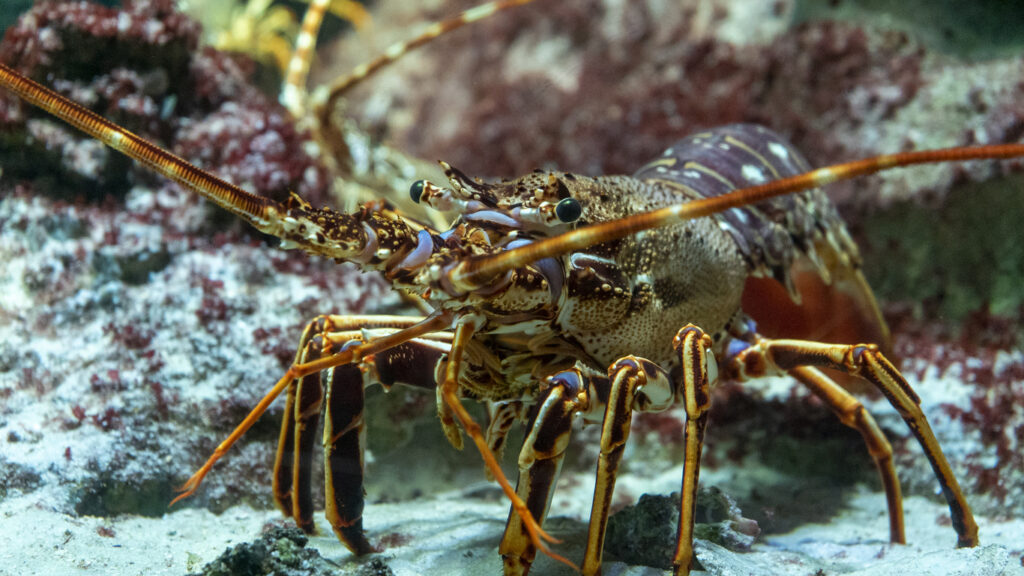
Spiny lobsters migrate in long single-file lines across the ocean floor, sometimes covering dozens of miles. They often move at night and through murky water where vision is limited. Research suggests they can sense Earth’s magnetic field and use it as a compass. Even when displaced, lobsters tend to reorient themselves toward their original route, as if they know exactly which way “should” be forward.
9. Whales
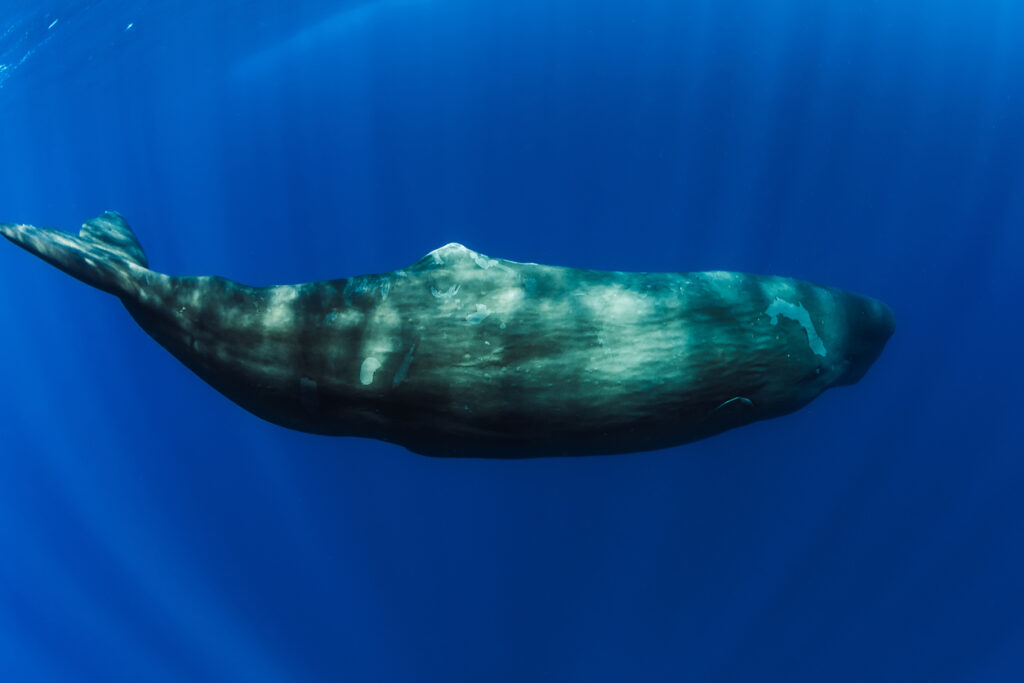
Many whale species migrate between feeding and breeding grounds that are thousands of miles apart. They follow remarkably consistent routes year after year, even across open ocean. They likely combine magnetic sensing, memory, ocean currents, and possibly stars or sun position. The fact that young whales manage these journeys alongside adults suggests a mix of instinct and learning working together.
10. Bats

Bats are famous for echolocation, but that’s only part of their navigation toolkit. Migratory bats can travel long distances and return to specific roosts or caves with precision. They use the sun at dusk, landmarks, and possibly magnetic cues to orient themselves. Echolocation helps at close range, but the long-distance planning happens at a much bigger scale, more like an internal map than a series of quick reactions.
When you stack these abilities together, it becomes clear that GPS isn’t really a modern invention. Nature’s been running its own navigation systems for millions of years, and in many cases, they’re still more reliable than ours.