If you’re taking your dog for a walk near a lake or pond, you need to be seriously careful about any green scum or film sitting on the water’s surface.
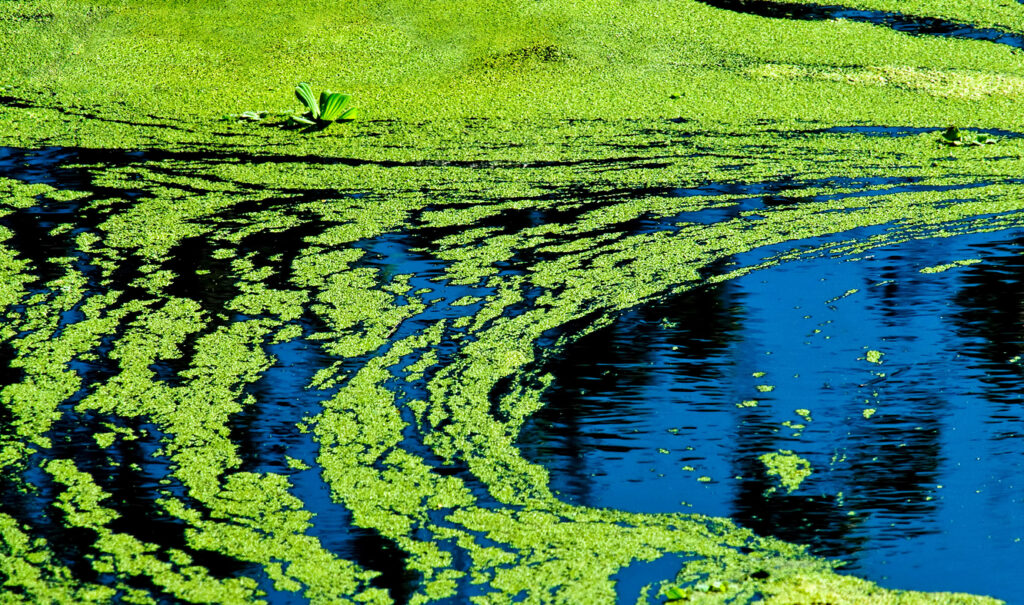
Blue-green algae, which is actually a type of bacteria called cyanobacteria, can produce toxins that are incredibly lethal to dogs in a very short amount of time. It often looks like pea soup or spilled paint, and even a tiny amount, whether they drink the water or just lick their paws after a swim, can cause total liver failure or hit their nervous system. Because there’s no actual antidote for these toxins, the situation can turn south before you’ve even made it to the vet. It’s one of those things where it’s better to be overly cautious and keep them on a lead than to let them anywhere near water that looks even slightly dodgy—here’s why.
Blue-green algae isn’t actually algae at all.
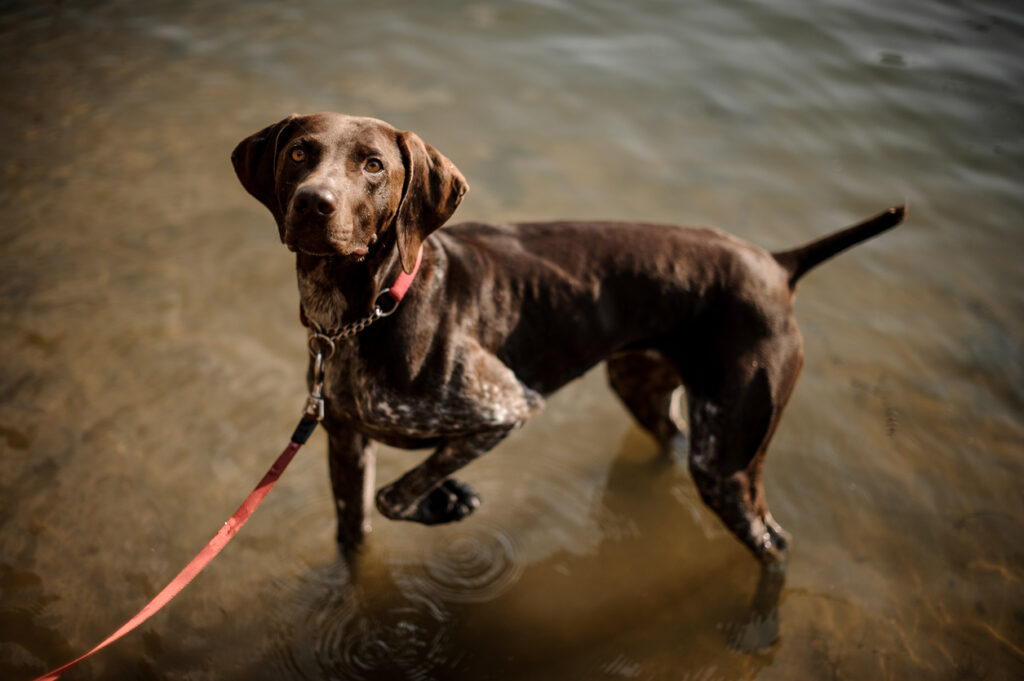
Despite the name, blue-green algae is a type of bacteria called cyanobacteria. That’s important because bacteria behave very differently from harmless pond plants. They can multiply rapidly, release toxins, and contaminate water even when they aren’t clearly visible. In other words, a body of water can look relatively normal and still be dangerous. Dogs don’t need to swim through thick green slime for it to be a problem. Sometimes a quick paddle or a few mouthfuls of water is enough to cause serious harm.
Dogs are far more vulnerable than humans.
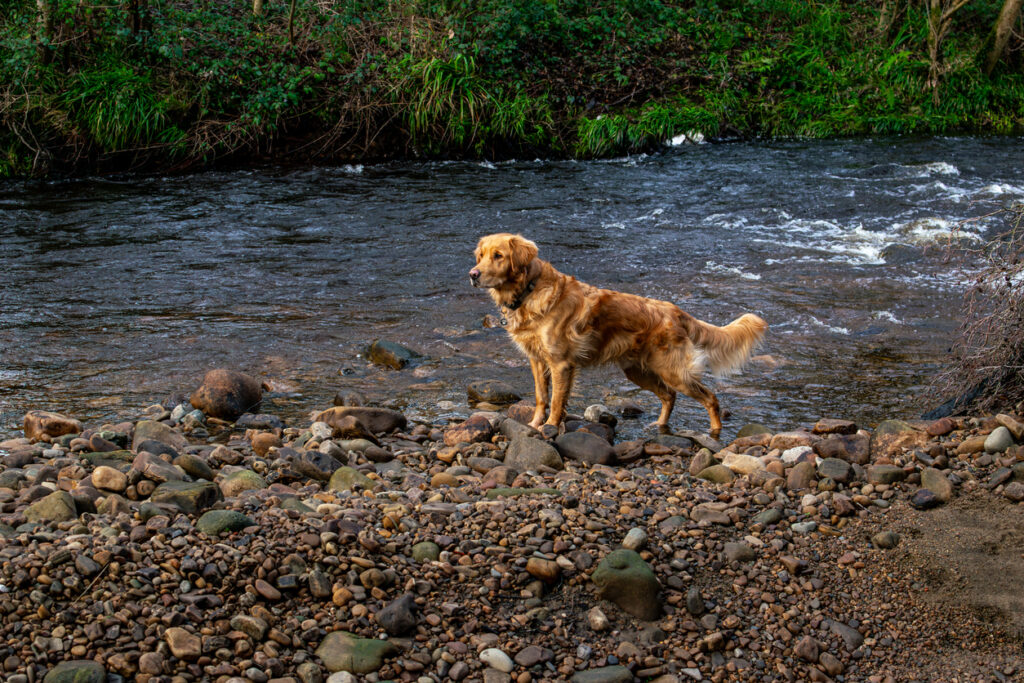
Dogs interact with water differently to people. They drink it, swallow it while swimming, lick it off their fur, and happily wade straight into places we’d avoid. Their size also means toxins hit their system much faster. What might cause mild illness in a human can overwhelm a dog’s organs quickly. Smaller dogs are at even greater risk, but large dogs aren’t safe either. No breed is immune.
The toxins attack vital organs.
Some strains of blue-green algae produce toxins that target the liver, while others affect the nervous system. In severe cases, both systems can be hit at once. Liver toxins can cause internal bleeding, organ failure, and collapse. Neurotoxins can lead to seizures, breathing problems, paralysis, and sudden death. The speed at which this happens is what makes it especially frightening.
Symptoms can appear very quickly.
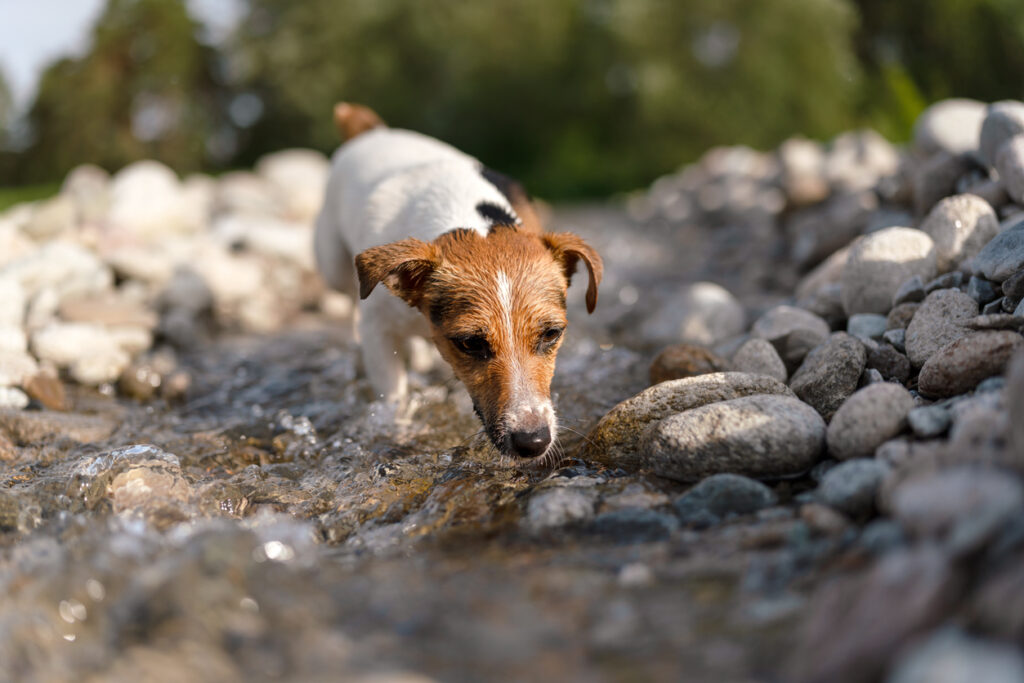
Signs of poisoning can begin within minutes to a few hours after exposure. This often catches owners off guard, especially if the dog seemed fine immediately after leaving the water. Early symptoms may include vomiting, diarrhoea, drooling, weakness, confusion, or staggering. As it progresses, dogs may suffer seizures, breathing difficulties, or collapse. Waiting to “see how they go” can be a fatal mistake.
There’s no specific antidote.
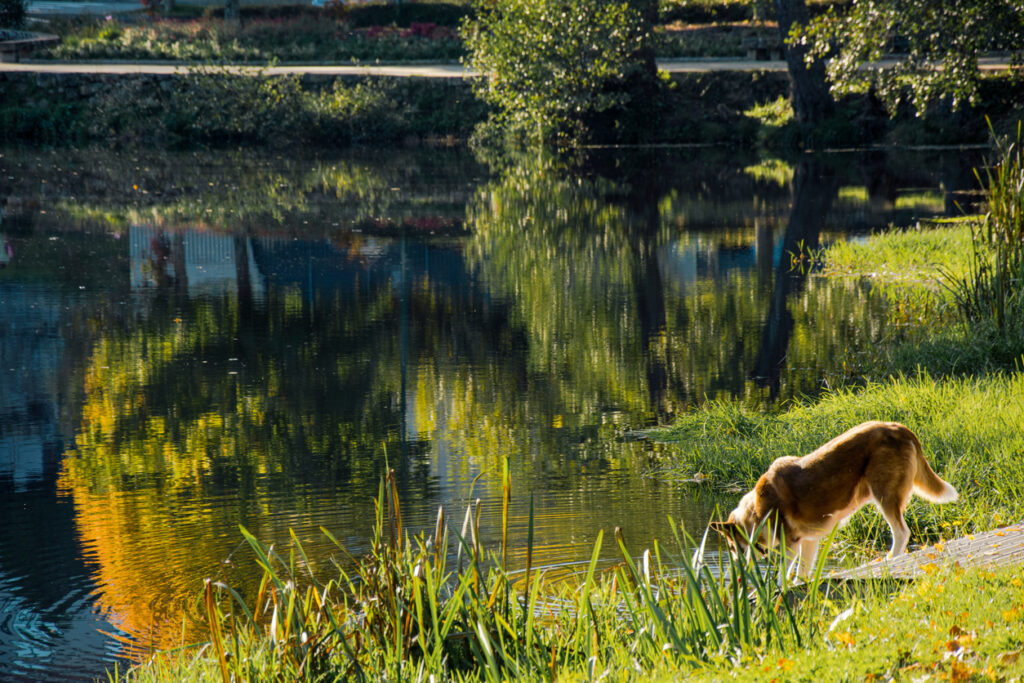
This is one of the most dangerous aspects of blue-green algae poisoning. There’s no guaranteed cure that reverses the toxins once they’ve taken hold. Veterinary treatment focuses on rapid supportive care, flushing toxins from the system where possible, and managing symptoms. Even with fast treatment, survival isn’t guaranteed, which is why prevention matters so much.
The algae can cling to fur and paws.
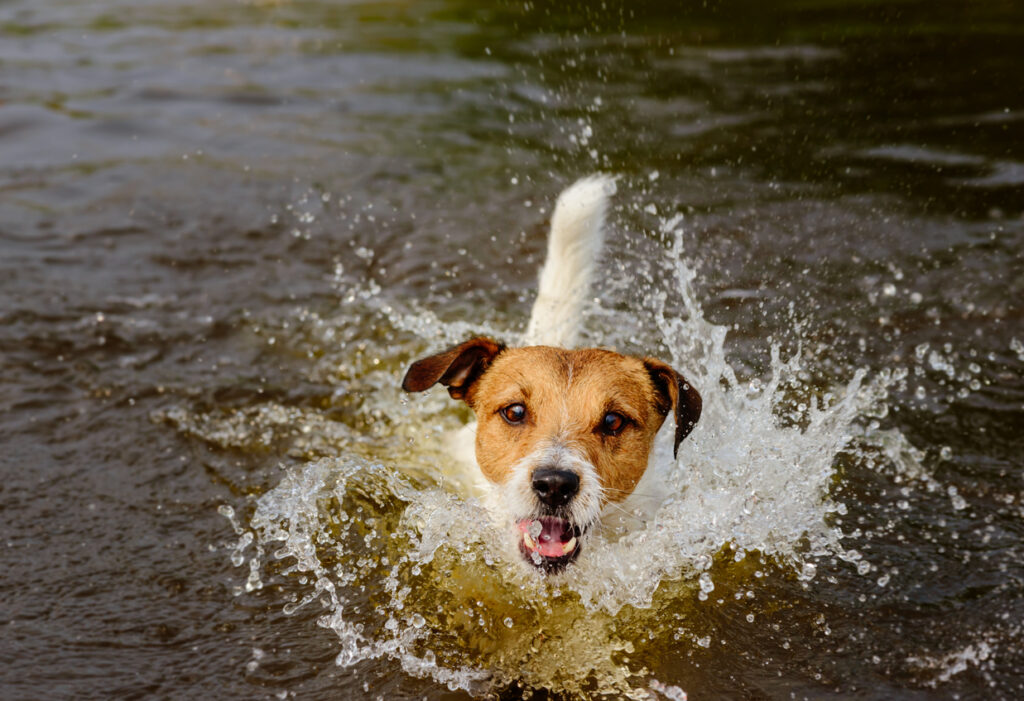
Dogs don’t just get exposed by drinking contaminated water. Blue-green algae can stick to their coat, especially around the chest, legs, and face. When dogs groom themselves afterwards, they ingest the toxins. This means even brief contact with contaminated water can be dangerous, particularly if the dog doesn’t actually swallow much while swimming.
Blooms are becoming more common.

Warmer temperatures, nutrient run-off, and stagnant water all create ideal conditions for blue-green algae to thrive. As summers get hotter, blooms are appearing more frequently and lasting longer. That means areas that were once considered safe can become dangerous within days. A lake or canal that’s fine one week may be hazardous the next, even if it looks mostly unchanged.
Warning signs aren’t always present or accurate.
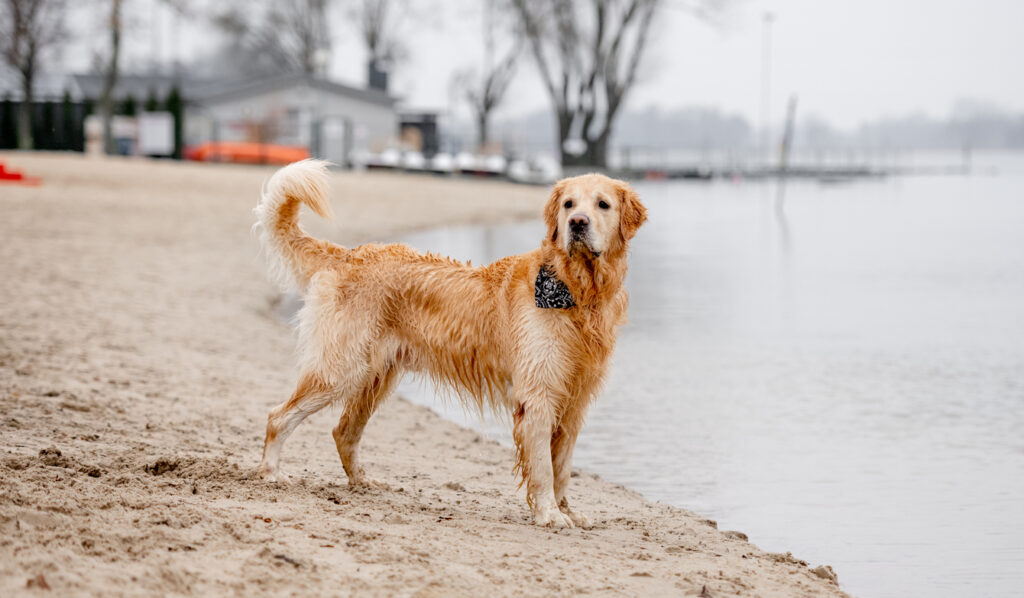
Sometimes councils or landowners put up warning signs when blooms are detected, but not all contaminated waters are monitored regularly. Blooms can also move with wind and currents. Relying solely on signage isn’t enough. If water looks discoloured, oily, scummy, or unusually bright green or blue, it’s safest to assume risk and keep dogs away entirely.
Dogs don’t learn to avoid it.
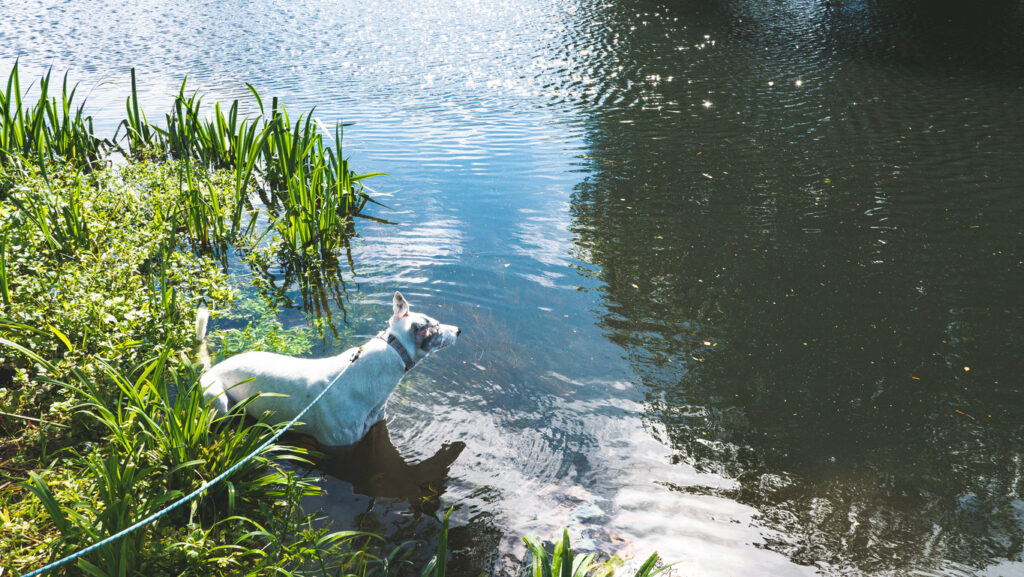
Unlike some hazards, dogs don’t develop an instinctive avoidance of blue-green algae. They’re drawn to water, smells, and movement, even when it’s dangerous. Once exposed, there’s no gradual tolerance or lesson learned. A dog can encounter the same type of water again with the same deadly result. Owners are the only line of defence.
Prevention is the only real protection.
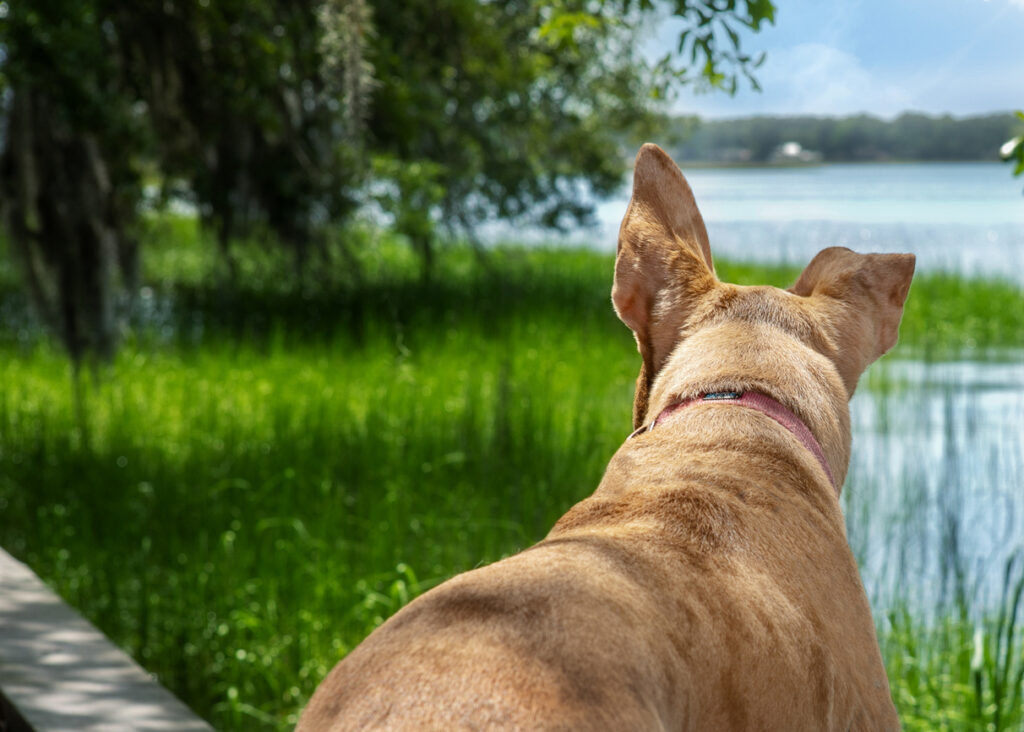
The safest approach is simple but strict. Don’t let dogs swim in or drink from water you’re unsure about, especially during warm weather. Stick to known safe locations and bring fresh water on walks. If you think your dog has been exposed, wash them immediately with clean water and seek emergency veterinary care straight away. With blue-green algae, speed isn’t helpful. It’s essential.