Despite all the fossils we’ve dug up and the massive amount of work put into piecing their skeletons back together, we’re still remarkably in the dark about how dinosaurs actually lived.
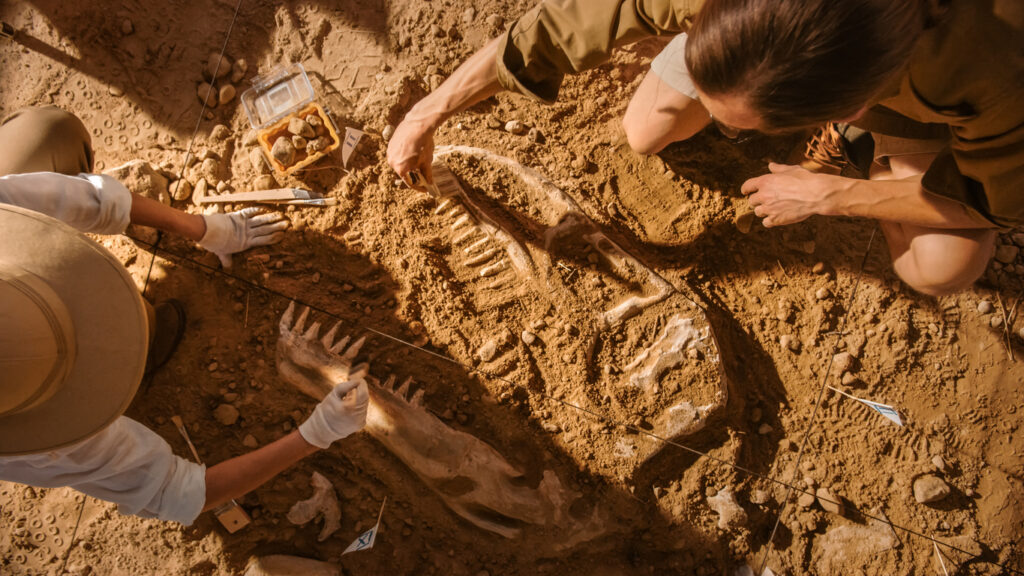
You see them in films as these scaly, roaring monsters, but the reality is that scientists are still having huge rows over the basics, like what they sounded like or even what colour they were. We’ve moved away from the old idea of them being slow, dim-witted lizards, but replacing that with a clear picture is proving a right headache for the experts.
Every new find seems to throw a spanner in the works, suggesting that everything from their social lives to the way they raised their young was far more complex than we first thought. These 13 massive gaps in our knowledge show that while we’ve got the bones, we’re still a long way from figuring out the actual creatures that once walked exactly where you’re standing now.
1. Were dinosaurs warm-blooded, cold-blooded, or something in between?
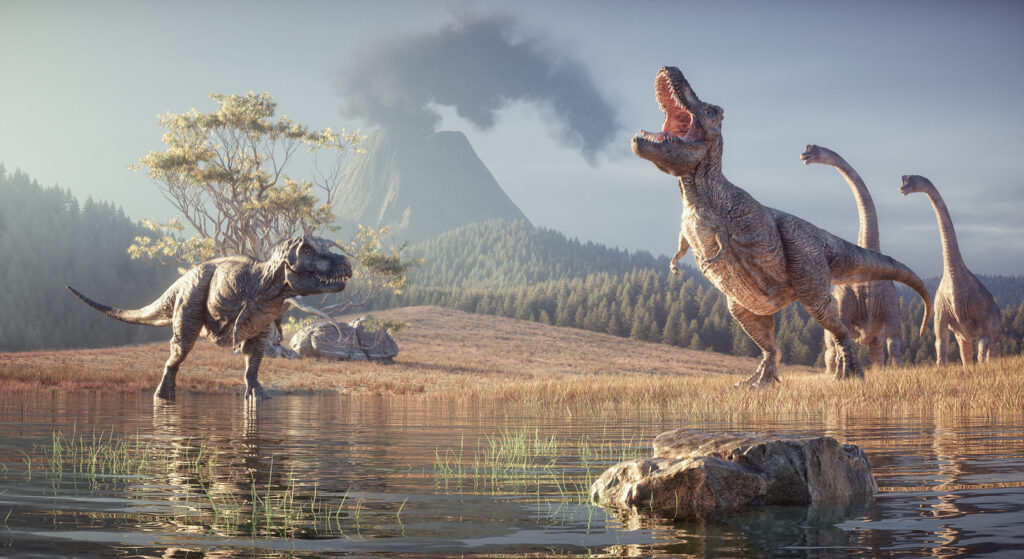
This question has been argued over for decades and still refuses to settle. Early scientists assumed dinosaurs were cold-blooded like modern reptiles, slow-moving and dependent on external heat. Later discoveries of fast growth rates, active lifestyles, and widespread distribution challenged that idea.
Today, many researchers think dinosaurs didn’t fit neatly into either category. Some may have regulated their body temperature in flexible ways that don’t exist anymore. The problem is that metabolism doesn’t fossilise, so scientists are left piecing together clues from bones, chemistry, and behaviour, none of which give a final answer.
2. What did dinosaurs really sound like?
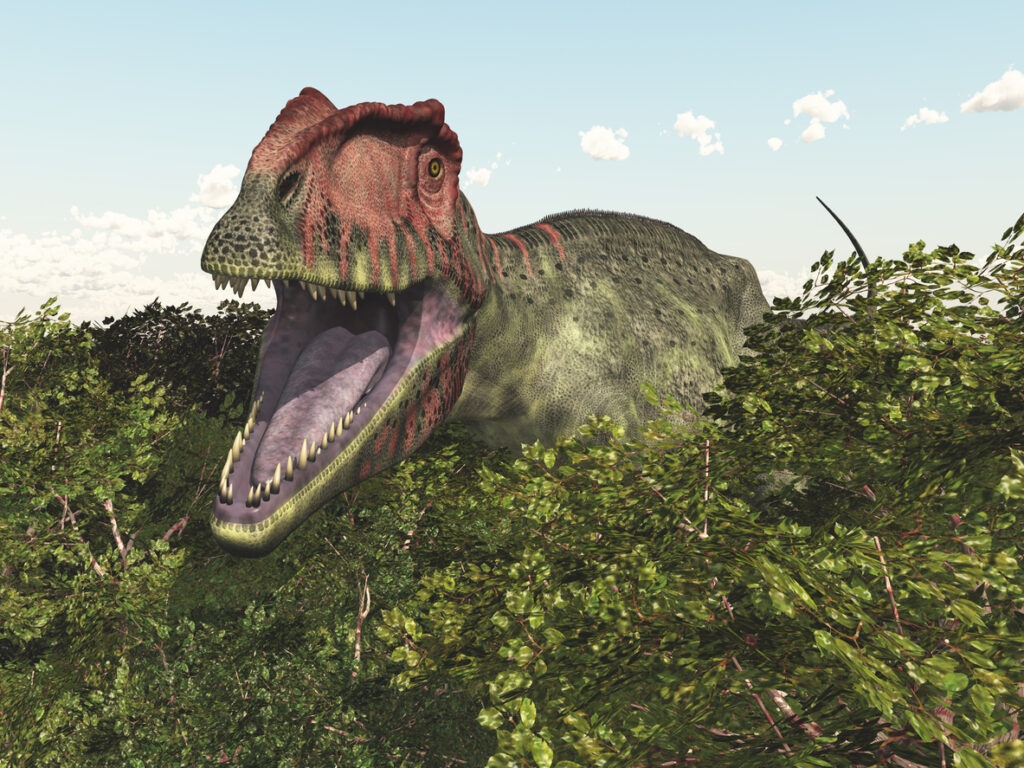
Films gave us roaring dinosaurs, but there’s no solid evidence they made those sounds. Soft tissue like vocal cords doesn’t preserve well, which leaves scientists guessing based on skull shape and modern animals. Some researchers think dinosaurs produced low-frequency sounds similar to crocodiles or birds, while others suggest many may have been surprisingly quiet. Without direct evidence, this debate remains wide open, and every reconstruction is still educated speculation.
3. How intelligent were dinosaurs, really?
Brain size compared to body size has often been used as a rough guide, but it’s an imperfect one. Some dinosaurs had relatively large brains for their size, while others didn’t. The argument now centres on behaviour rather than raw brain volume. Evidence of hunting strategies, migration, and social living suggests some dinosaurs were far more cognitively capable than once believed, but exactly how smart they were is still unknown.
4. Did large predators hunt in packs or mostly alone?
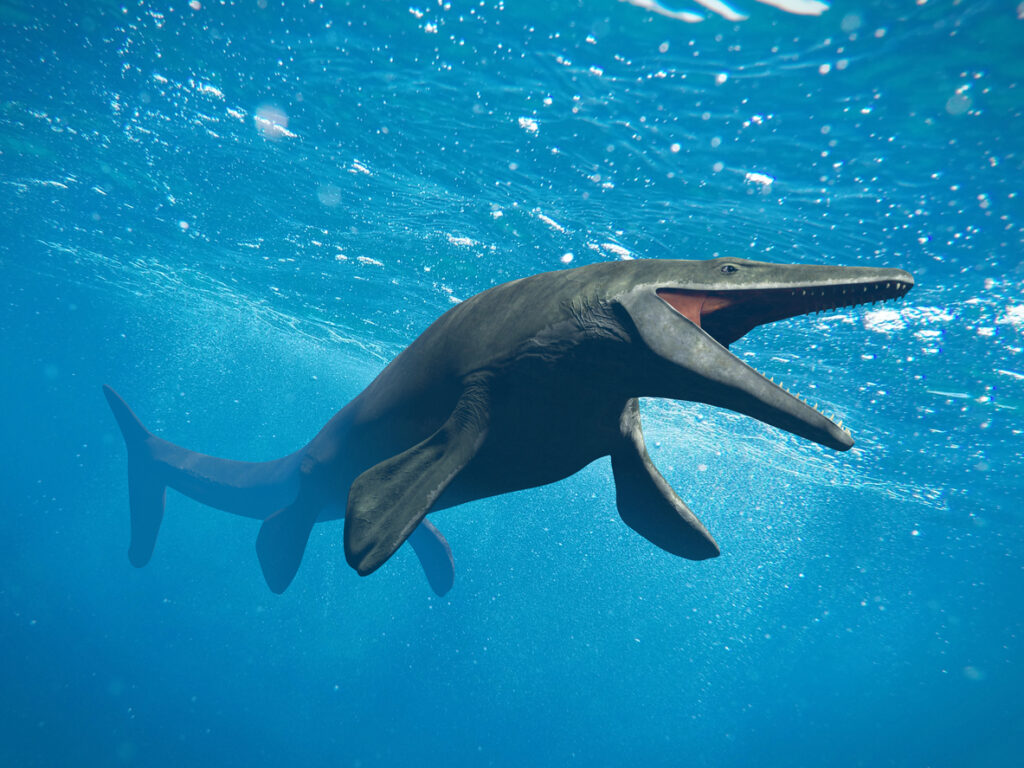
Trackways and fossil sites sometimes show multiple predators together, which has been interpreted as pack behaviour. This idea is appealing, especially for animals like large theropods. Others argue that these groupings could be coincidental, caused by feeding opportunities or environmental factors. Without clear behavioural evidence, scientists still debate whether pack hunting was common or rare.
5. What colours were most dinosaurs?
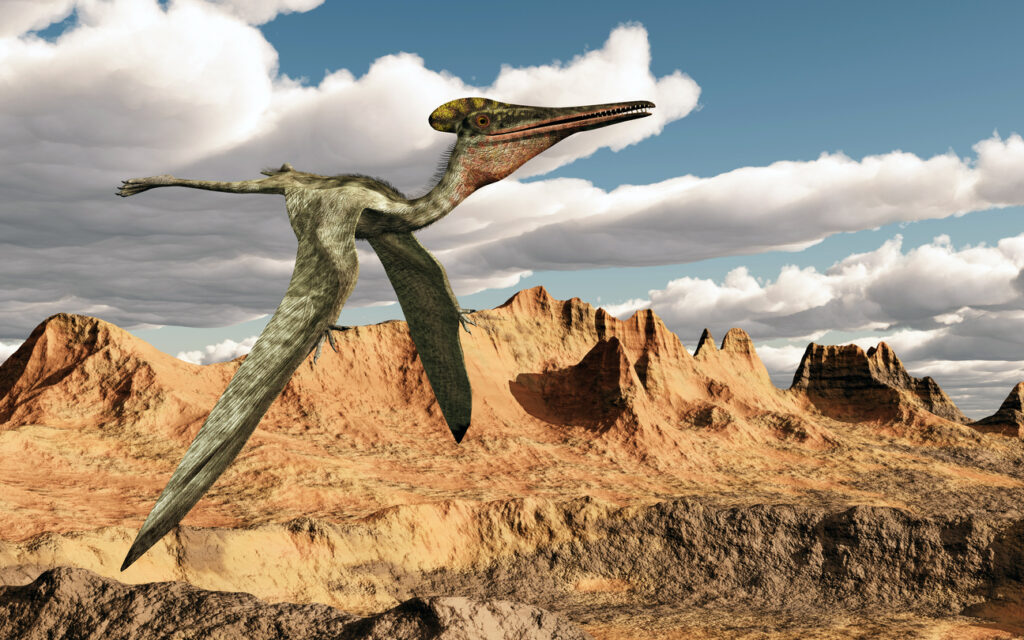
For a long time, dinosaur colour was pure guesswork. Recent discoveries of pigment structures have helped in a few cases, but most species remain unknown. Scientists still argue about how widespread bright colours, patterns, or camouflage might have been. Without preserved pigment in most fossils, colour reconstructions remain one of the most uncertain aspects of dinosaur life.
6. How social were dinosaurs?
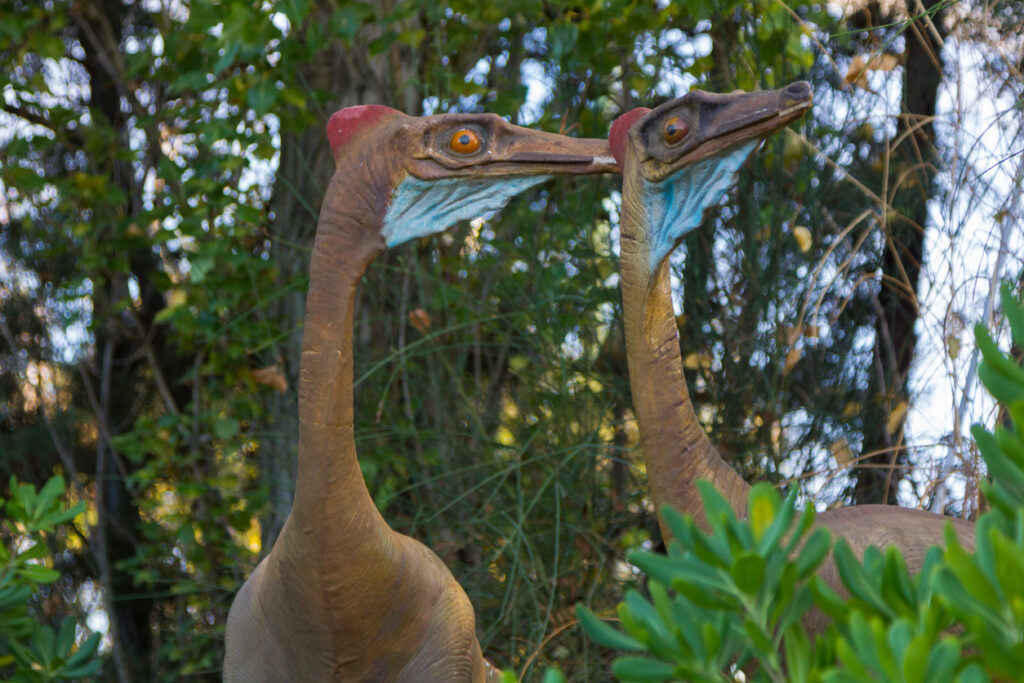
Some fossil beds contain dozens or even hundreds of individuals of the same species, suggesting herding or group living. Juveniles and adults found together hint at family structures, but social behaviour leaves few clear traces. Critics argue that mass deaths could result from floods or droughts rather than social bonds. Whether most dinosaurs were social animals or occasional groupers is still unresolved.
7. Did dinosaurs care for their young long-term?
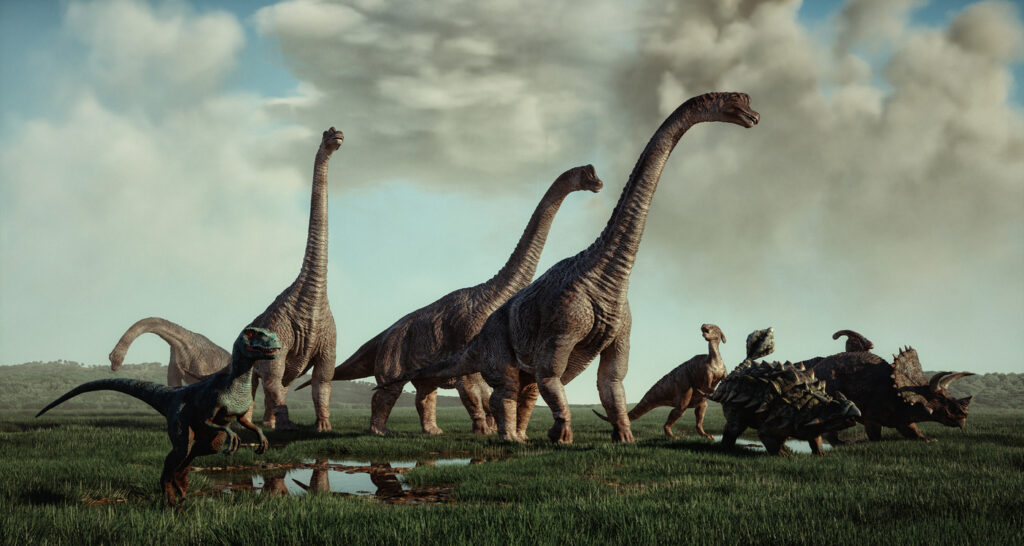
Evidence shows some dinosaurs guarded nests and possibly brooded eggs. Fossilised adults found near nests support this idea. What remains unclear is how long care lasted. Did parents stick around after hatching, or did young dinosaurs quickly fend for themselves? Fossils offer hints, but not timelines.
8. How fast could dinosaurs actually move?
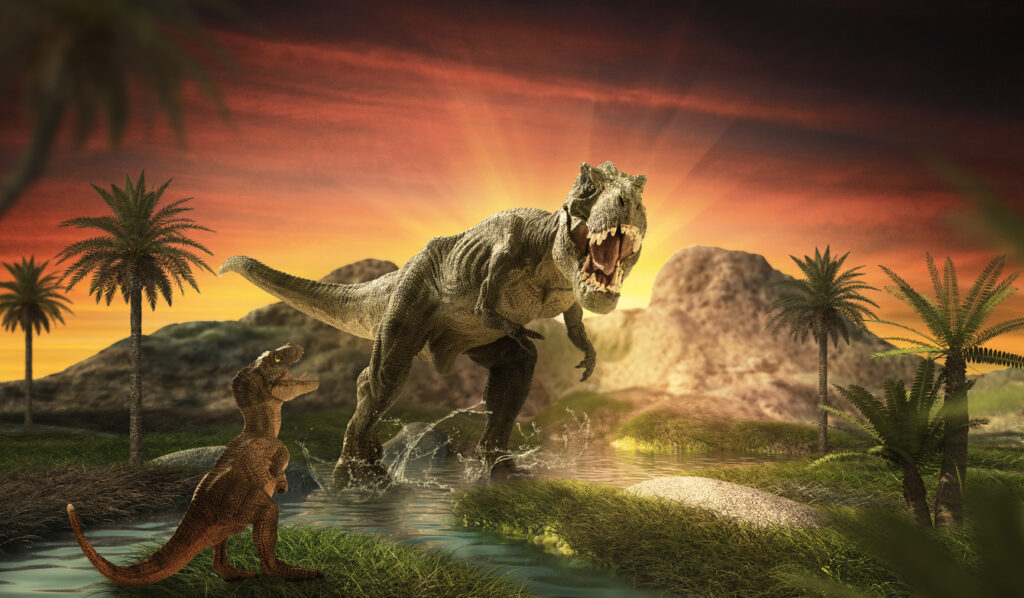
Trackways give clues about speed, but interpreting them is tricky. Estimates vary widely, depending on assumptions about posture and muscle mass. Some dinosaurs once thought slow and lumbering are now believed to be surprisingly quick. Others may have been less agile than popular culture suggests. Speed remains one of the most argued-over physical traits.
9. Why did some dinosaurs grow so large?
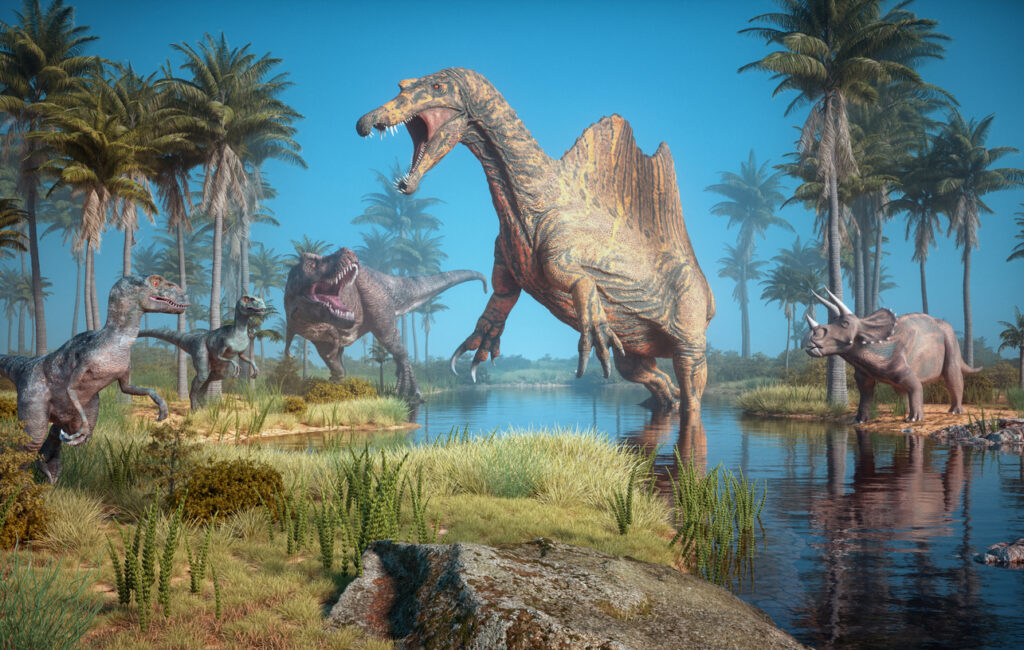
Gigantic size offered advantages like predator deterrence and efficient digestion, but it also came with serious challenges. Scientists still debate what combination of factors allowed dinosaurs to reach sizes unmatched by land animals today. Oxygen levels, metabolism, growth patterns, and evolutionary pressure all play a role, but none fully explain it alone.
10. Did dinosaurs migrate seasonally?
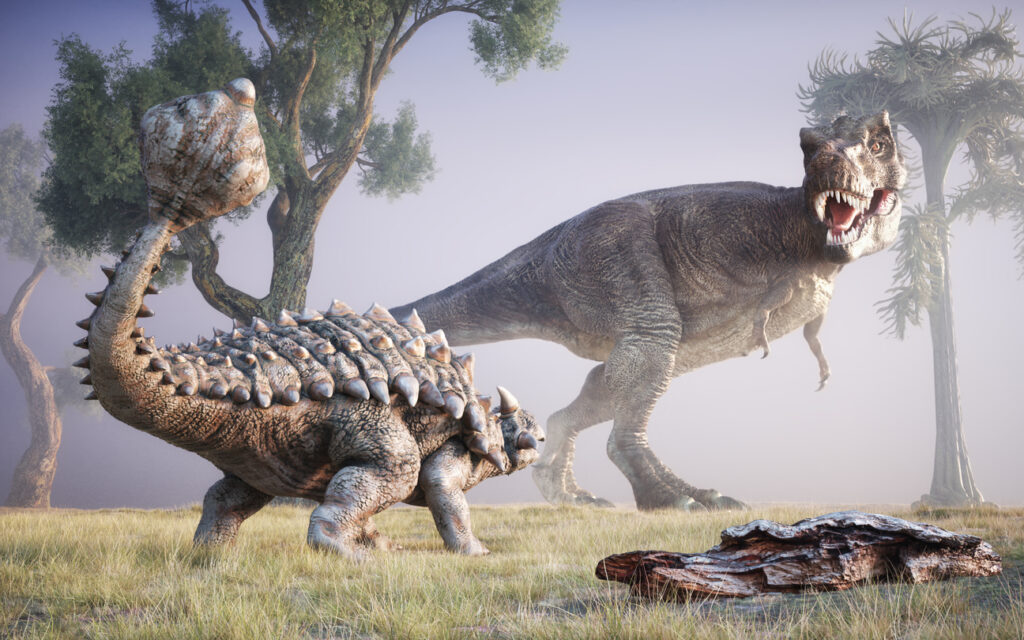
Bone chemistry and trackways suggest some dinosaurs travelled long distances, possibly following food or climate changes. However, proving migration rather than local movement is difficult. Researchers continue to debate how widespread true migration was and which species relied on it.
11. How diverse were dinosaur behaviours?

Dinosaurs are often grouped into neat categories, but behaviour likely varied widely within species. Some individuals may have been bolder, others more cautious. Because behaviour doesn’t fossilise, scientists rely on indirect clues. This leaves room for ongoing debate about how varied dinosaur personalities and habits might have been.
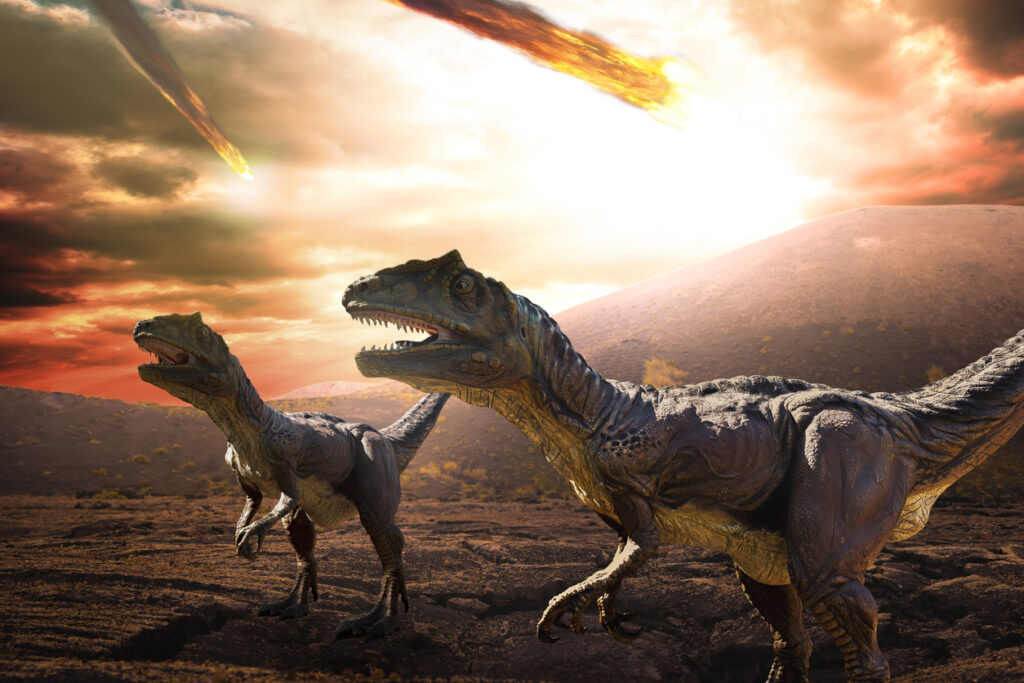
12. How sudden was the dinosaur extinction?
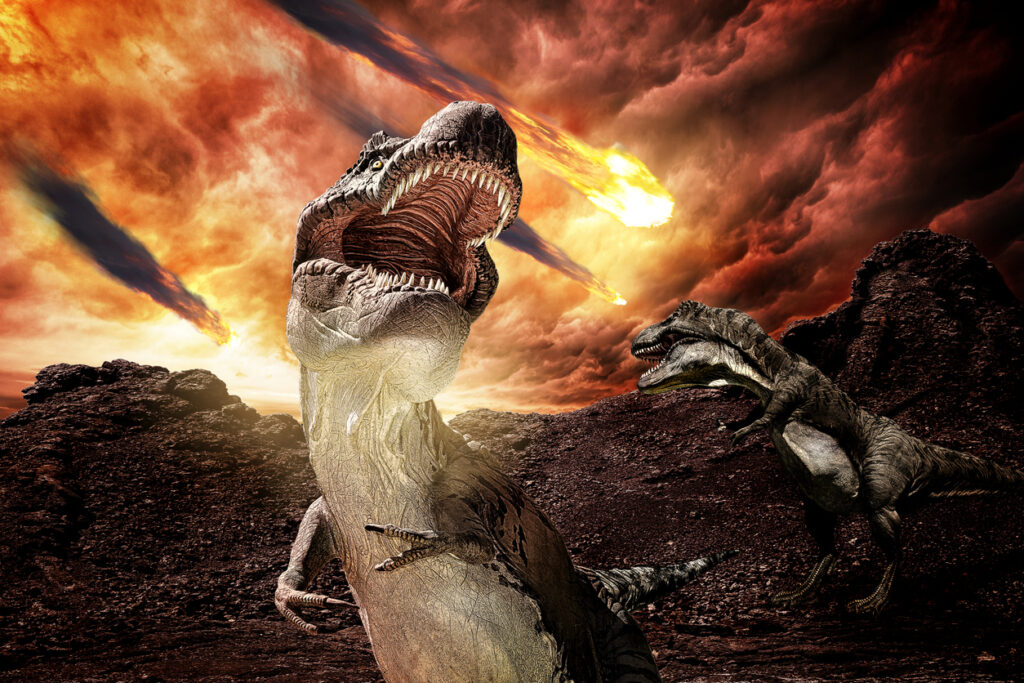
The asteroid impact theory is widely accepted, but details still spark argument. Some evidence suggests dinosaurs were already struggling before the impact. Others believe many species were doing just fine until disaster struck. The exact timeline and combination of causes remain active areas of research.
13. What evolutionary paths were dinosaurs just beginning to explore?
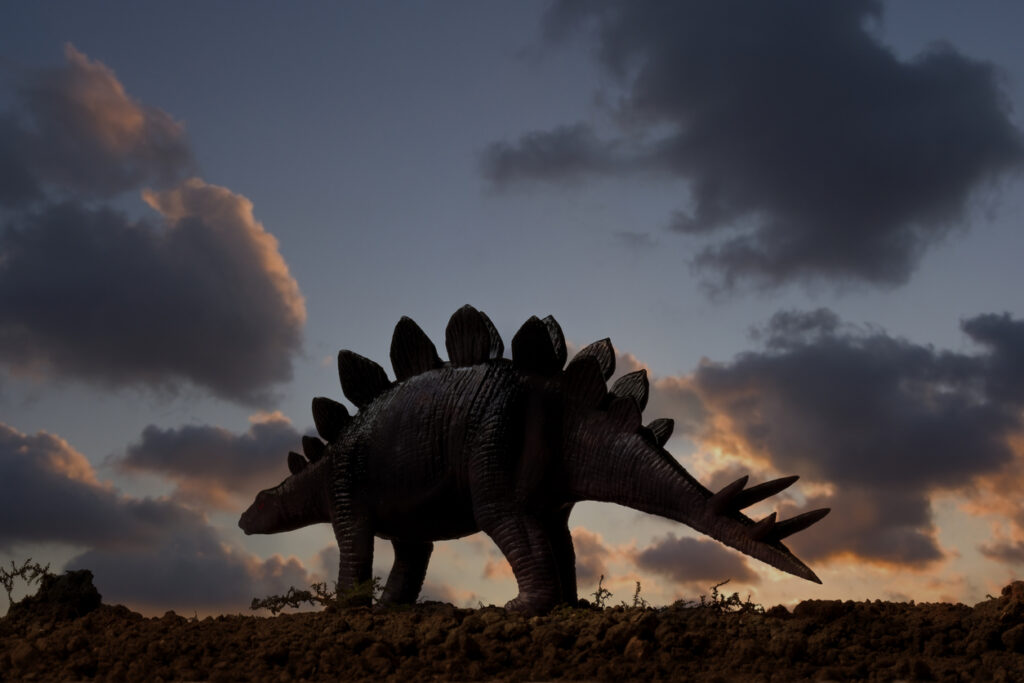
Fossils show dinosaurs experimenting with feathers, flight-like behaviours, and unusual body plans. Scientists still argue about what dinosaurs might have evolved into if they hadn’t become extinct. The fossil record hints at possibilities, but the story ends mid-sentence.
Despite everything we’ve learned, dinosaurs remain unfinished puzzles. Their bones tell us a lot, but not everything, and that uncertainty is exactly what keeps scientists debating them so passionately. Every new discovery adds detail, but it also reminds us how much of their story is still missing.