When your pet starts acting out, it’s easy to assume it’s down to lack of training, boredom, or even stubbornness.

Maybe they’re barking more, getting into the bin, being destructive around the house, or just not listening. But there’s another factor that often gets overlooked: their diet. What your pet eats can have a real impact not just on their physical health, but on their behaviour too. From hyperactivity to anxiety to aggression, food might be playing a bigger role than you realise.
If you’ve noticed changes in your pet’s behaviour, or if you’re dealing with long-standing issues, it’s worth having a closer look at what’s in their bowl. Because as it turns out, feeding the wrong diet might be making those behavioural challenges worse.
Poor nutrition can lead to poor behaviour.
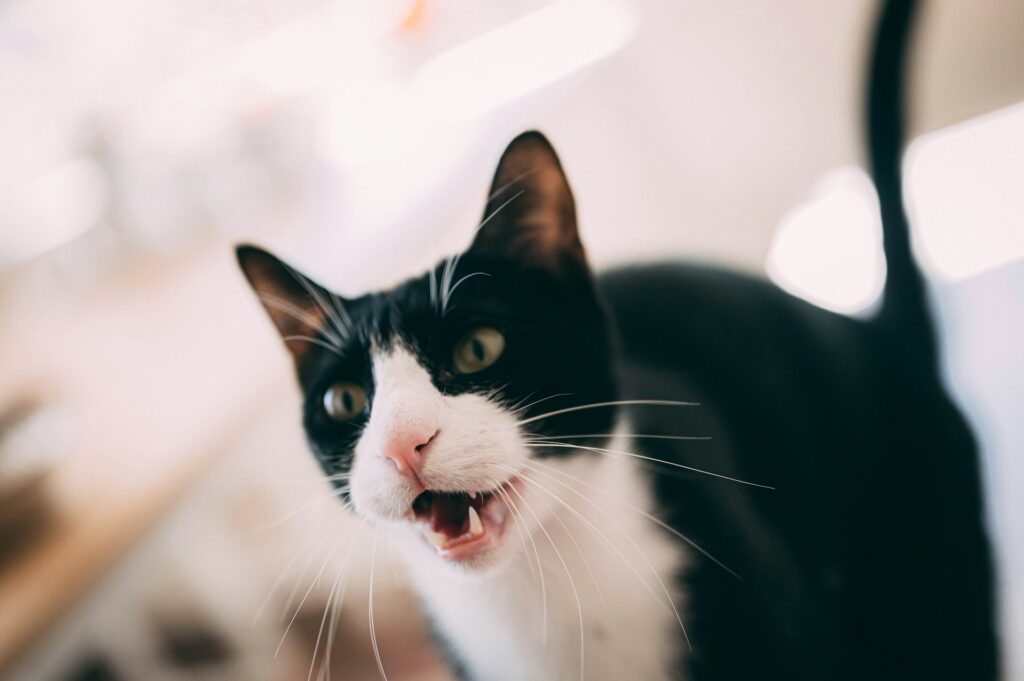
Just like people, pets need a balanced diet to function properly. A lack of key nutrients can affect everything from energy levels to mood, stress response, and even sleep. Deficiencies in amino acids, vitamins, and minerals can interfere with brain chemistry, leading to changes in how your pet reacts to their environment or interacts with you and other animals.
For example, a shortage of tryptophan (an amino acid that helps produce serotonin) has been linked to increased anxiety and aggression in dogs, according to data published in Veterinary Research. Similarly, low levels of B vitamins, especially B1 and B6, may contribute to nervousness and irritability, per Purina. Magnesium and zinc play a role in the nervous system as well—without them, your pet may be more reactive or less able to focus during training. If your pet is eating a low-quality or unbalanced diet, they could be set up for behavioural challenges, no matter how much effort you’re putting into training or exercise.
Pets on poor diets may also struggle with sleep, leading to restlessness and poor recovery. Lack of rest can amplify problem behaviours, making them more reactive or harder to settle. Good nutrition is part of the foundation for stable, manageable behaviour.
Sugar and additives might make things worse.

Highly processed pet foods often contain added sugars, artificial colours, and preservatives. While these might make the food more appealing and shelf-stable, they don’t do your pet’s body or brain any favours. In some cases, these additives can contribute to hyperactivity, digestive upset, inflammation, and even allergic reactions, all of which can manifest in behavioural changes.
Cats and dogs that are sensitive to these ingredients may become more agitated, restless, or unpredictable. You might notice your dog is harder to settle at night or more prone to jumping and barking during the day. A cat might pace, scratch inappropriately, or become unusually vocal. These signs can sometimes be traced back to diet, especially if they’ve coincided with a recent switch in food or treats.
Some pet parents report dramatic changes in their pet’s behaviour after eliminating artificial additives from their diets. Just like some children respond poorly to food colouring or processed snacks, pets may become less manageable when fed lower-quality products full of unnecessary extras.
Blood sugar swings can affect mood and energy.

Feeding your pet meals that are high in simple carbohydrates or lacking in quality protein and fibre can lead to spikes and crashes in blood sugar. These swings can leave pets feeling full of energy one moment and completely flat the next—similar to the way people feel after eating sugary snacks.
For some animals, this up-and-down pattern contributes to erratic or unpredictable behaviour. They may go from hyperactive and over-excited to lethargic and moody. Consistent, nutrient-dense meals with the right balance of protein, healthy fats, and complex carbohydrates help keep your pet’s blood sugar steady. Stable blood sugar means more balanced energy throughout the day and fewer extremes in behaviour.
Dogs especially benefit from meals that mimic their natural energy needs. Highly active breeds often need sustained energy sources, while couch-loving pets may do better on a lower-calorie, high-fibre diet that keeps them satisfied without overfeeding.
Food allergies or intolerances may trigger distress.

Some behavioural problems can actually stem from physical discomfort caused by food allergies or intolerances. If your pet is itchy, has frequent ear infections, gets gassy, or struggles with inconsistent stools, it’s no surprise they might be irritable, distracted, or less interested in engaging. Chronic discomfort often shows up as fussiness, barking or meowing, restlessness, or withdrawal.
Common allergens in pet foods include beef, dairy, chicken, wheat, soy, and corn, though every animal is different. Sometimes it’s not the protein source but an additive or filler. Dogs with itchy skin or cats with digestive issues may act up in ways that seem behavioural but are actually physical responses to a poor match in diet.
If you suspect a food sensitivity, talk to your vet about doing an elimination diet or food trial to help identify possible triggers. This might involve feeding a limited ingredient or hydrolysed protein diet for several weeks while tracking symptoms. You might be surprised how much better your pet behaves once they feel better.
Overfeeding and underfeeding both cause issues.

Getting the portion size right matters just as much as the ingredients. Overfeeding can lead to weight gain, sluggishness, and lack of motivation. Pets that are carrying excess weight may be less willing to play, go for walks, or engage in training. Their joints might hurt, or they may simply feel too tired.
On the flip side, pets who aren’t getting enough food, or who aren’t fed regularly, can become anxious, food-obsessed, or aggressive around the bowl. Hunger can trigger guarding behaviours, whining, pacing, or begging. In extreme cases, pets may become destructive or fixated on stealing food from surfaces or bins.
Ensuring your pet is getting the right number of calories for their size, breed, age, and activity level is key. If you’re not sure how much to feed, your vet can help calculate a daily portion. Keep in mind that treats count towards the total calorie intake, and too many snacks can unbalance even the best diets.
What to do if you suspect food is a factor.

Start by reading the label on your pet’s food. Look for a high-quality product that lists real meat, fish, or a clearly identified protein as the first ingredient. Avoid vague terms like “animal derivatives” or “meat by-products.” Watch out for foods with a long list of artificial additives, sugars, or grain fillers.
You don’t necessarily need to buy the most expensive food on the shelf, but quality matters. Many mid-range brands now offer grain-free, limited ingredient, or novel protein recipes that can support pets with sensitive systems. If you’re unsure, ask your vet or a qualified pet nutritionist to help you assess whether your current food is working for your pet.
If your pet is displaying specific behavioural issues—like sudden aggression, anxiety, hyperactivity, or withdrawal—consider keeping a journal. Track what they eat, when they eat it, and any behavioural changes you notice. This information can be invaluable in helping your vet determine whether diet is contributing to the problem.
You may also be asked to try a food trial, where your pet is fed a single, hypoallergenic food for 8–12 weeks to see if symptoms improve. If behaviour improves alongside physical symptoms, that’s a good indication that diet was playing a role.
Diet isn’t the only factor that affects your pet’s behaviour, but it’s one that’s often underestimated.
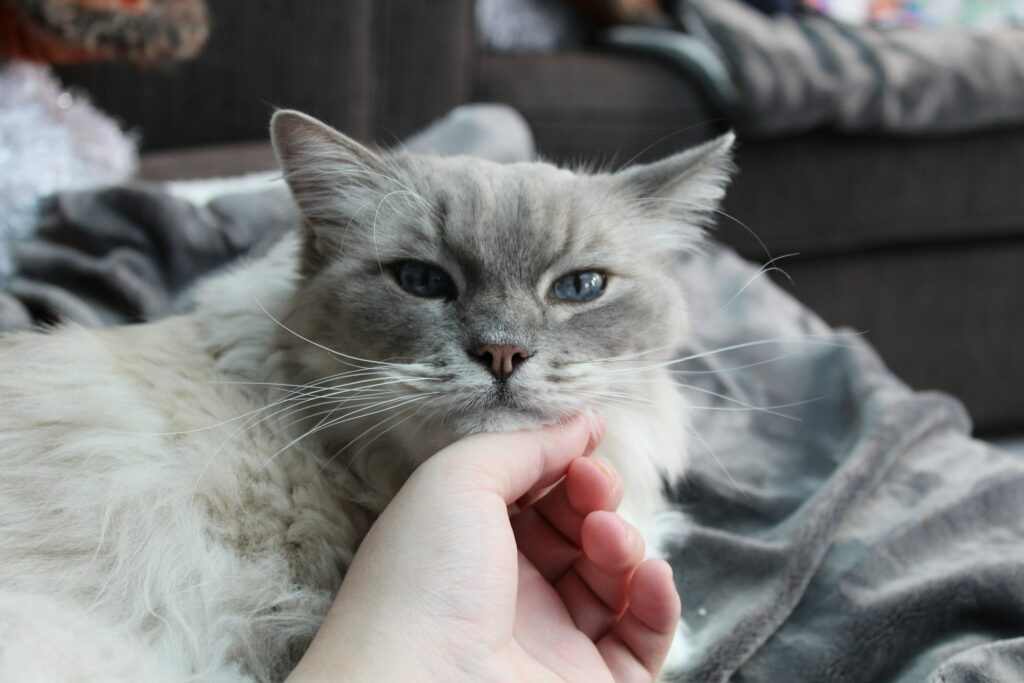
The connection between gut health and brain health is well established in humans, and we’re learning more all the time about how it applies to animals too. Gut microbiota—the community of bacteria in the digestive system—has been shown to influence everything from mood to immunity. And because diet directly shapes the gut, it also shapes behaviour.
If you’ve been struggling with your pet’s behaviour, don’t overlook what’s going into their bowl. Nutrition won’t solve every problem, but it’s a powerful piece of the puzzle. A better diet could mean a calmer, happier, more responsive companion, and that’s good for everyone in the house.