A lot of people assume home insurance only cares about burglar alarms and whether you lock the back door properly.
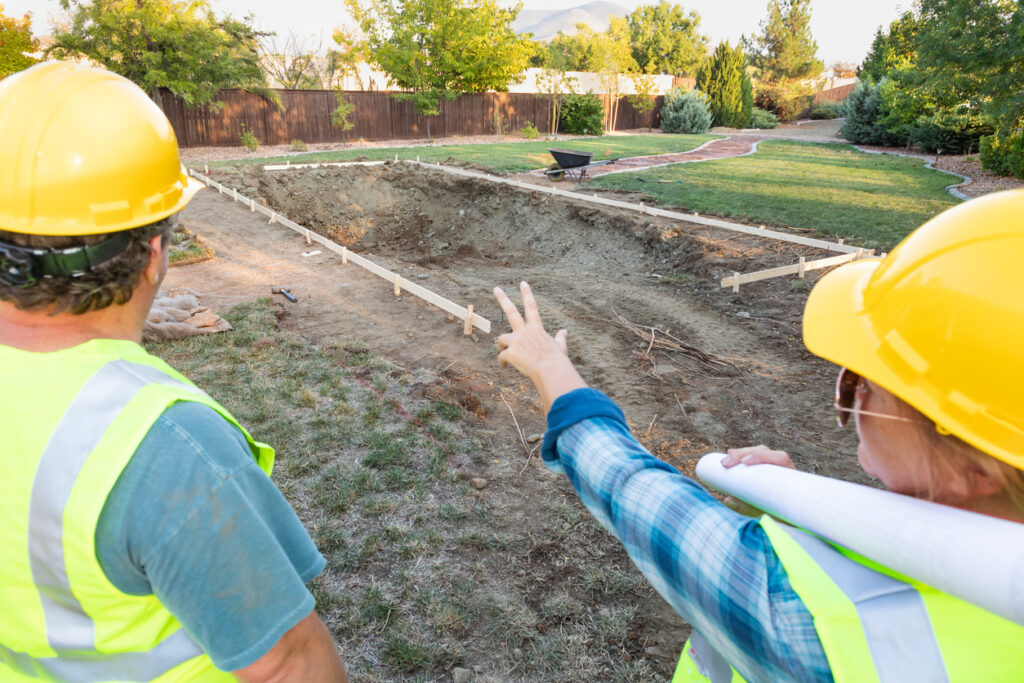
Gardens tend to get treated like a free-for-all, a place where you can build, dig, plant, and rearrange without anyone else needing to know. That’s where people get caught out, usually after something goes wrong and suddenly the small print matters a lot more than it did before.
The reality is that some garden changes affect risk, liability, or the value of your property, which means insurers want to be kept in the loop. Not because they enjoy paperwork, but because a pond, a big structure, or a major layout change can shift what they’re actually covering. Miss one of these updates, and you could find yourself arguing over a claim you thought was a given, so it’s worth knowing which garden tweaks aren’t as innocent as they seem.
1. Installing a pond or water feature
Adding a pond seems harmless, especially if it’s tucked away at the back of the garden. From an insurer’s point of view, though, open water increases risk. It raises the chance of accidents, especially if children or visitors have access to the space. If someone slips, falls in, or gets injured, liability can become complicated. Many insurers expect to be told about ponds, particularly deeper ones or those without fencing. Failing to mention it could weaken your cover if an incident happens.
2. Building a garden office or permanent outbuilding
Garden offices, studios, and cabins have exploded in popularity, but insurers usually see them as structural changes. Once a building has electrics, insulation, or is used daily, it’s no longer a simple shed. These buildings can increase rebuild costs and change how your property is assessed. Your insurer may need to adjust your policy to reflect the extra structure and how it’s used. Not declaring it can cause issues if it’s damaged by fire, storms, or theft.
3. Adding decking, especially raised decking
Decking looks great, but it also introduces height, steps, and edges. Raised decking is considered a potential fall risk, particularly if it’s not properly enclosed with railings. Insurers may view this as an increased liability risk, especially if the garden is used for entertaining. Letting them know allows them to assess whether it affects your policy. Keeping it quiet could come back to bite you if someone is injured.
4. Installing a hot tub or swim spa
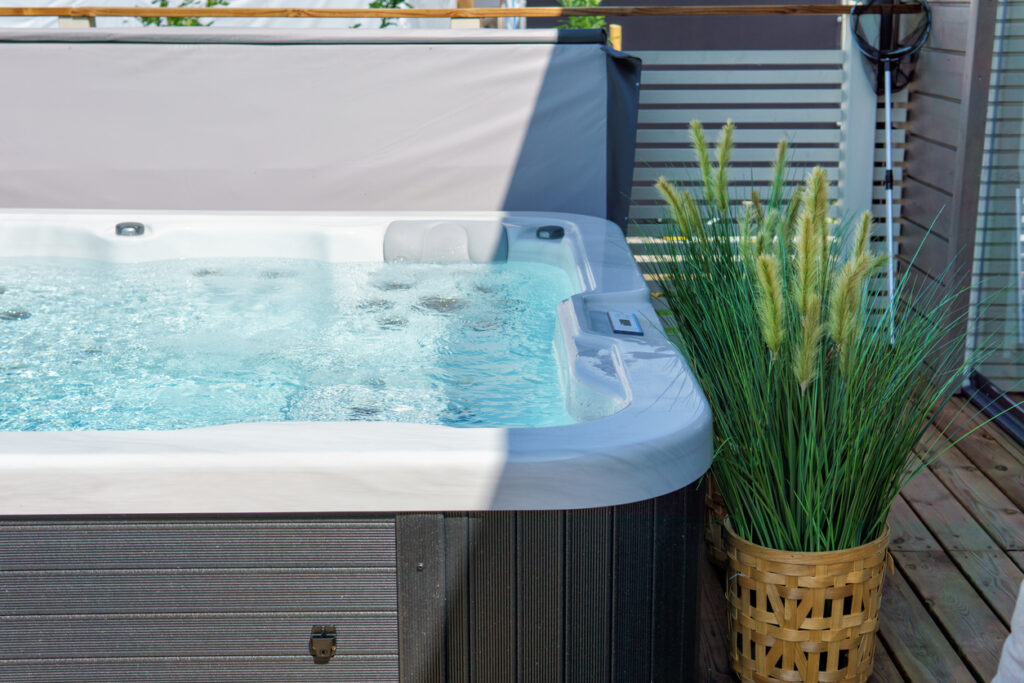
Hot tubs are one of the biggest insurance red flags in gardens. They combine water, electrics, weight, and injury risk all in one feature. Many insurers require notification before installation. They may ask about safety covers, fencing, or usage. Some will adjust your premium, others may set conditions. If damage or injury occurs and the hot tub was not declared, your claim could be refused outright.
5. Erecting high fences or boundary walls
Replacing a low fence with a tall one or building a solid wall changes the risk profile of your property. Tall structures can be damaged by high winds and may cause injury or damage if they fall. Insurers may also consider boundary disputes and maintenance responsibility. Notifying them ensures your cover reflects the updated boundary features and avoids arguments later if storm damage occurs.
6. Installing garden lighting or outdoor electrics
Permanent outdoor lighting, sockets or wired features count as electrical installations. Poor installation increases fire risk, especially if wiring is exposed to weather. Insurers may want reassurance that the work was done safely and professionally. Declaring it helps ensure electrical faults or fire damage linked to the garden are not excluded from your cover.
7. Building a treehouse or play structure
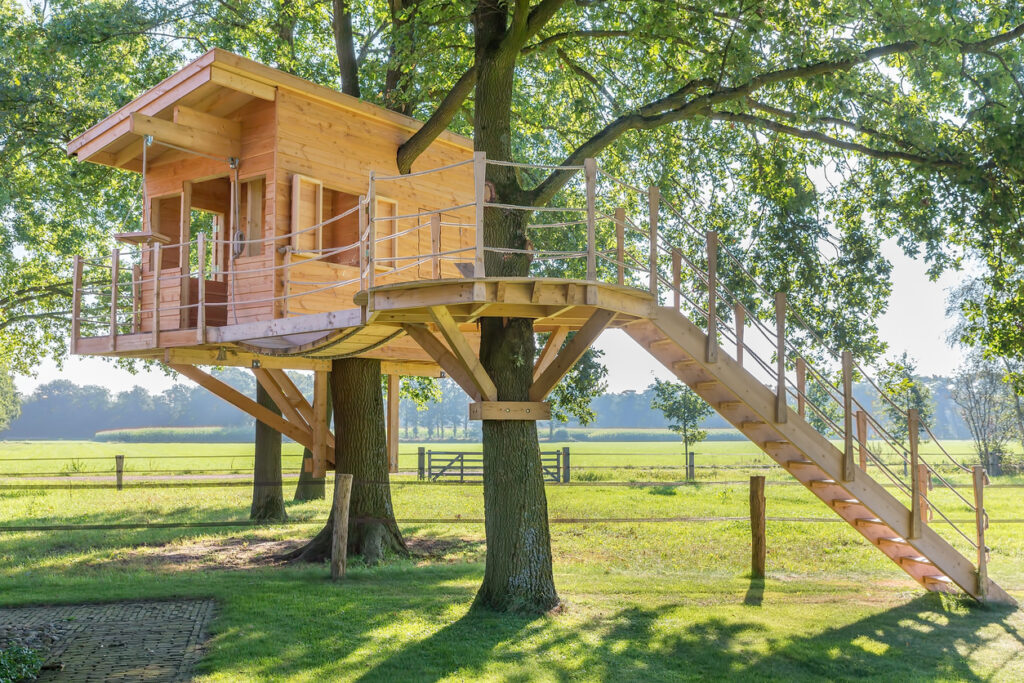
Treehouses, climbing frames and large play equipment are great for kids, but insurers often see them as high risk. Falls, injuries and visitor accidents become more likely once these are installed. Some policies require notification, especially if the structure is raised or fixed in place. If a child or guest is injured, insurers will look closely at whether the structure was declared and safely maintained.
8. Major landscaping or ground level changes
Large landscaping projects, such as terracing, retaining walls or significant changes to ground levels, can affect drainage and stability. This matters more than many people realise. Poor drainage can increase flood risk or cause subsidence issues over time. Insurers may need to reassess risk based on how water now moves around your property. Keeping them informed protects you if problems appear later.
9. Adding expensive features like sculptures or outdoor kitchens
High-value garden features are often not automatically covered under standard contents limits. Outdoor kitchens, built-in barbecues or large sculptures can add thousands to replacement costs. If these items are damaged or stolen and not declared, your payout may fall far short of the real value. Informing your insurer allows them to adjust cover, so these features are properly protected.
10. Planting large trees close to the house
Trees can add beauty and privacy, but large or fast-growing species planted near buildings can worry insurers. Roots can affect foundations, drains and underground pipes over time. If subsidence or structural damage occurs, insurers may investigate when the tree was planted. Declaring major planting changes helps avoid disputes over responsibility and cover if issues develop years later.