
Dragon blood trees look otherworldly, and the thick red resin they release makes them seem even stranger. Many people think the “bleeding” is a sign of damage or danger, but the truth is far more interesting. The red resin is an ancient survival tool, and understanding how it works shows why this species has lasted in harsh landscapes for thousands of years.
People assume the red sap means the tree is injured.
People think the dark red liquid is a sign the tree is dying. The colour makes it look dramatic, which leads to the idea that the tree is bleeding in distress when the bark is cut or damaged. Knowing that the resin is a natural response helps explain the colour without worry. The tree produces it even with small cuts, and the red tone comes from compounds that have protected the species for generations.
The resin forms because the tree needs protection from infection.
Cracks in the bark leave the tree open to fungi or insects. Without a defence, wounds become entry points that can spread rot or disease through the trunk. The tree releases the thick resin to seal the wound. This creates a natural barrier that blocks pests and microbes, helping the tree survive in tough, exposed habitats.
Harsh climates force the tree to develop stronger defences.
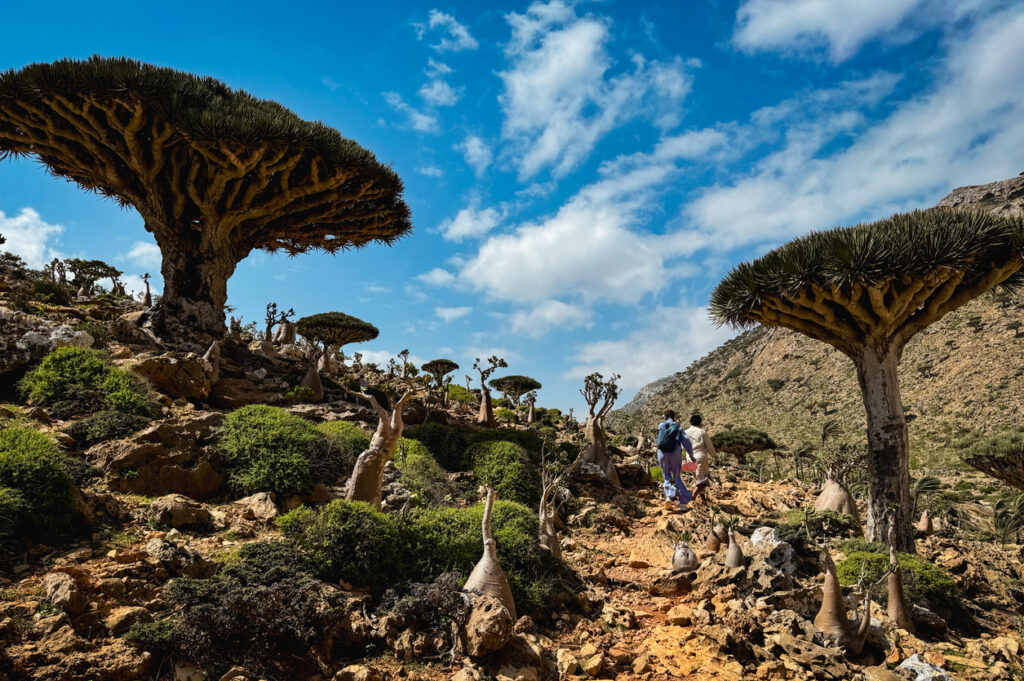
Dragon blood trees grow in dry, rocky places where damage heals slowly. Strong winds and sharp temperature changes easily crack the bark, leaving the tree vulnerable. The red resin works like a healing layer. It traps moisture inside the wound and protects the tree until the bark grows back, giving it time to recover in an unforgiving environment.
The bright colour confuses people about its purpose.
The deep red resin leads people to assume it has something to do with blood or pain. The dramatic look makes it easy to misinterpret the tree’s biology. Understanding that the colour comes from natural compounds helps clear up the confusion. The resin has pigments that deepen as it dries, turning the wound into a dark, glossy patch rather than a sign of suffering.
Cuts from animals or humans trigger resin flow.
Browsing animals break branches or when humans collect small pieces of bark. These small injuries trigger the tree’s defence system, which produces the red resin to protect the exposed area. Recognising that the resin is a healthy response helps explain why the tree looks like it is “bleeding” more when disturbed. It is simply protecting itself from the damage left behind.
The resin helps the tree store moisture.

Wounds cause the tree to lose water in an already dry habitat, and every drop matters in the rocky slopes where dragon blood trees grow. The resin seals the wound and reduces moisture loss. This slow-drying layer stops precious water from escaping and helps the tree stay hydrated long enough to repair itself.
Insects use cracked bark as an entry point.
When beetles or boring insects move into weakened wood, that’s when things get a bit dicey. These pests destroy the inner layers, which can kill the tree over time if the wound is not protected quickly. The resin creates a sticky barrier that traps insects and closes gaps. This reduces the damage and allows the tree to keep growing even in areas where pests are common.
The tree relies on resin to survive storm damage.
Strong winds snap branches or twist the crown, and without a defence, these breaks would leave the tree exposed for months, which weakens it further. The thick resin hardens over the cracks and steadies the damaged wood. This gives the tree enough stability to recover from storms that regularly hit its native regions.
People harvest the resin for traditional uses.
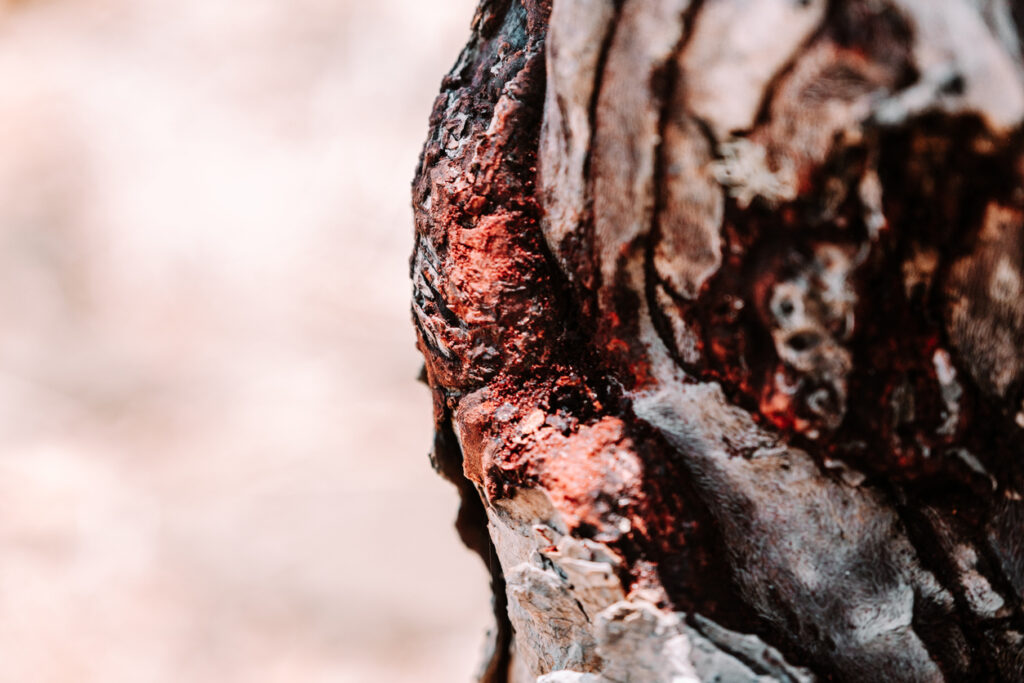
Collectors scrape the bark to gather resin for dye, medicine, and crafts, and that can cause serious damage. If the scraping is too deep, it harms the tree and forces it to produce large amounts of resin repeatedly. Caring for the species means harvesting lightly and allowing recovery time. When the bark is treated responsibly, the tree can keep producing resin without long-term harm.
The “bleeding” is part of the tree’s identity, not a sign of decline.
Tourists or locals think the red flow means the tree is unhealthy, but that’s not the case at all. This misunderstanding spreads fear about the species, especially as numbers decline due to habitat loss. Knowing the resin is a natural defence helps people appreciate the tree’s biology rather than worry about it. When more people understand the process, conservation efforts gain clearer support.